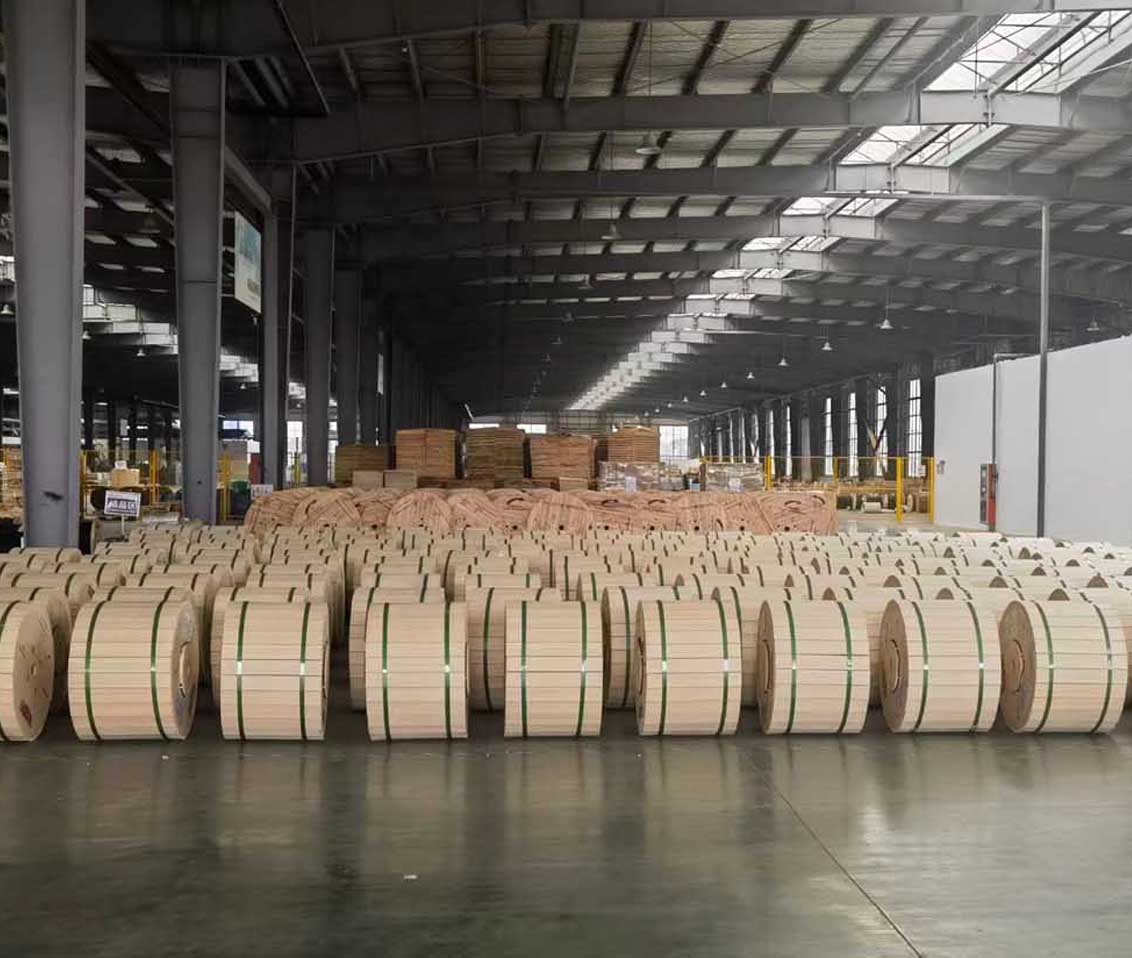
 Optical Fiber
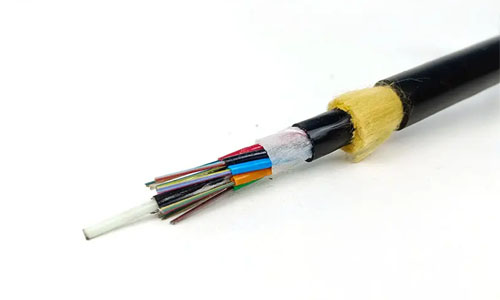 ADSS Fiber Optic Cable
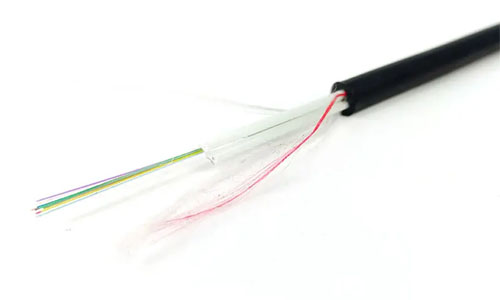 ASU Fiber Optic Cable
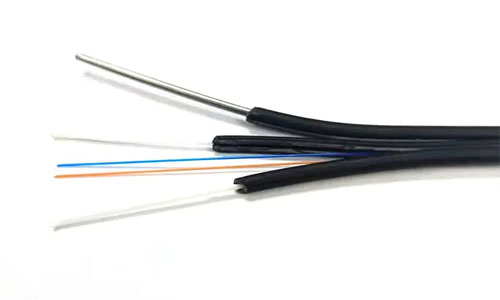 FTTH Fiber Optic Cable
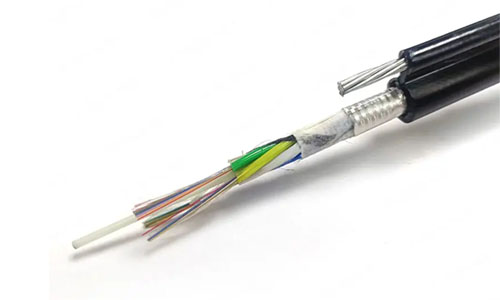 Figure 8 Fiber Optic Cable
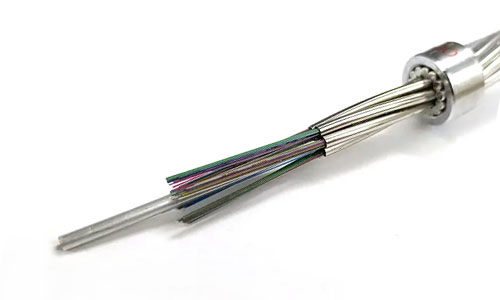 OPGW Fiber Optic Cable
 Coaxial Cable
 Ethernet Cable
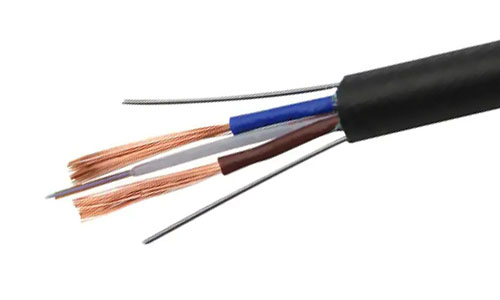 Photoelectric Composite Fiber Optic Cable
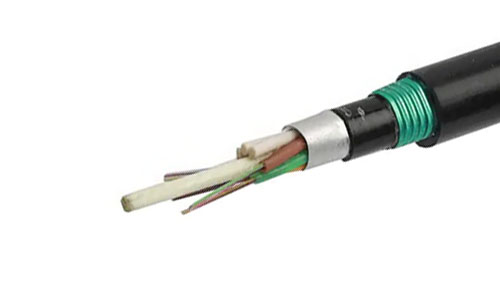 Underground & Pipeline Fiber Optic Cable
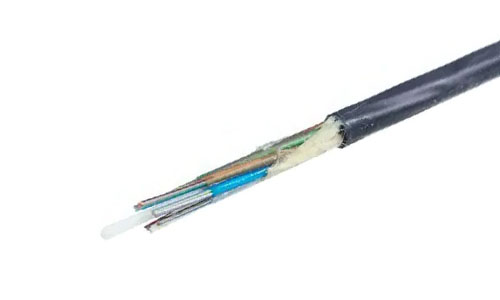 Air-Blown Micro Fiber Optic Cable
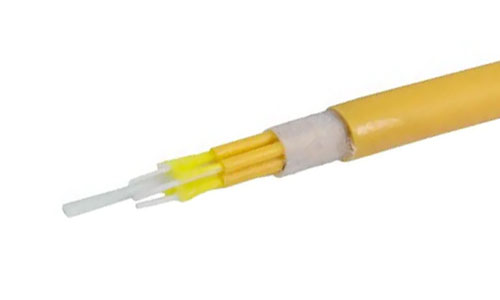 Indoor Fiber Optic Cable
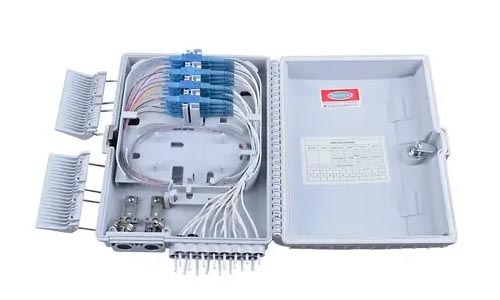 Fiber Optic Distribution Box
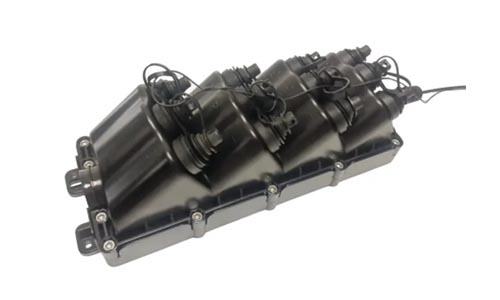 Multiport Service Termina Box
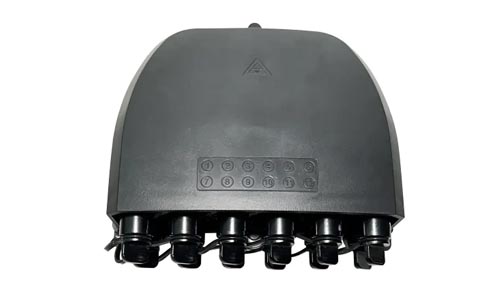 Fiber Optical Terminal Box
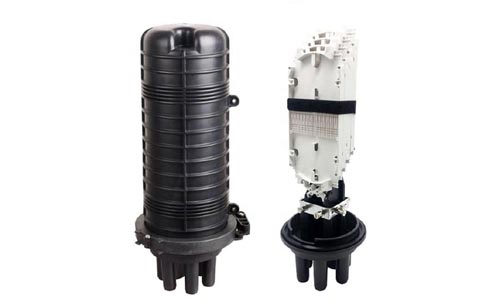 Fiber Optic Splice Closure
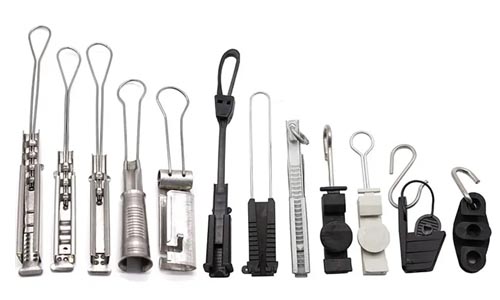 Fiber Optic Clamps
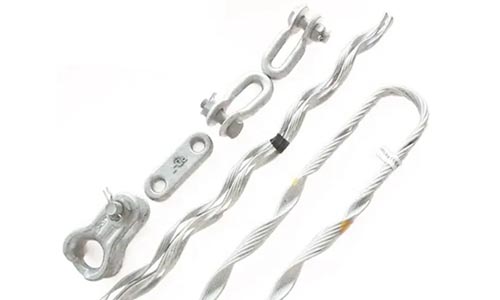 Fiber Optic Cable Fittings
 ADSS Fiber Cable
 ASU Fiber Cable
 OPGW Fiber Cable
 FTTH Fiber Cable
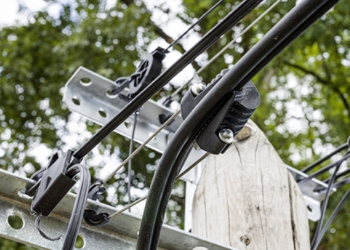 Figure 8 Fiber Cable
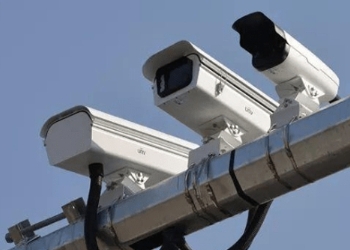 Photoelectric Composite Fiber Cable
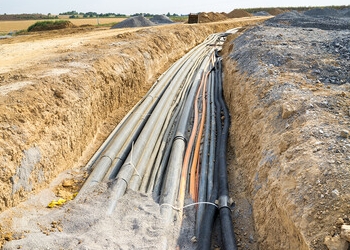 Underground & Pipeline Fiber Cable
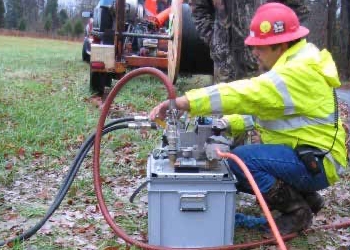 Air-Blown Micro Fiber Cable
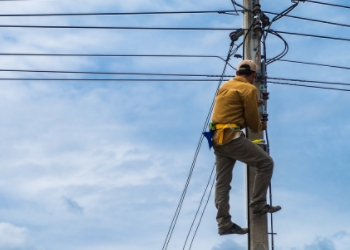 Aerial Fiber Cable
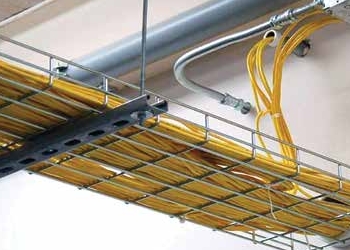 Indoor Fiber Cable
 Fiber Optical Terminal Box
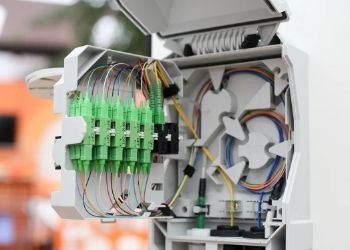 Fiber Optic Distribution Box
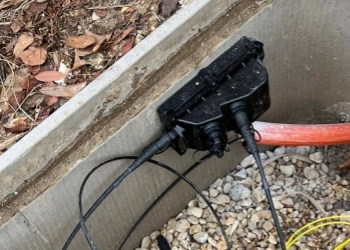 Multiport Service Termina Box
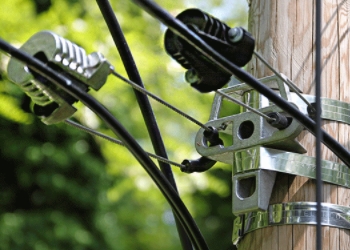 Fiber Optic Clamps
 About Us
 Our Team
 History
 R&D Strength
 Production Base
 Warehouse & Logistics
 Quality
 FAQs
FAQsHow Deep Is Fiber Cable Buried?
Fiber cable is generally buried 30-36 inches, but it depends on local regulations and the land type. Most cities require cables to be buried deeper under busy roads or places with more digging. Crews employ trench-digging machines to dig clean trenches, ensuring cables remain safe from weather, animals, and people. In rural locations, it might be less, but the aim is to protect the cable and maintain good service. Network builders speak with local communities to observe the appropriate depth for every location. Knowing these rules helps ensure the cables last longer and perform better. The bulk of this post explains why these depths exist and what can alter them.

What Is The Standard Burial Depth?
Fiber optic cables require appropriate burial depth in order to remain protected from damage, inclement weather, and third party influences. Depth regulations vary based on your location, the soil type, and purpose of the cable. Being mindful of such things helps keep fiber networks operating strong with less downtime. Fiber Optic Cable Burial Depths.
| Installation Type | Typical Burial Depth (meters) | Special Requirements |
|---|---|---|
| Direct Burial | 0.9–1.5 | Armored cable, warning tape, regular inspection |
| Conduit Installation | 0.5–0.9 | Long-lasting conduit, convenient access for future upgrades |
| Under roadways | 1.0–1.5+ | Robust shielding, special permits, use of markers |
| Private Property | 0.9–1.2 | Local regulations, property owner consent, utility locates |
| Agricultural land | 1.2–1.5 | Deep placement, armored cable, farm equipment safety
| Underwater Crossings | 1.0–3.0 | Anchoring, additional burial, heavy duty cable |
1. Direct Burial
Direct burial means fiber optic cables go straight into the earth, bypassing protective conduit. This method may be more economical for open, rural locations, but the cable is susceptible to damage from excavation, roots and wildlife. It’s crucial to bury sufficiently deep, typically 0.9 to 1.5 meters at least. This protects the cable from things such as yard work, garden tools or farm equipment.
Installers typically install some armored layers or warning tape just above the cable. These little strides assist in warning future diggers. Routine inspections are wise. Even the finest installations can run into trouble from shifting dirt or new plant roots.
2. Conduit Installation
With conduit installation, the cable travels inside a hard tube below ground. It’s a well-liked technique in urban areas or locations with significant street work. It allows repairs or replacement of cables without having to excavate the entire area.
Pipes need to be about 0.5 to 0.9 meters deep. The tubes need to be rugged to withstand potential impact or pressure from passing cars or construction overhead. The beautiful thing about that is if you ever need to update the fiber, using good conduit means less headaches.
3. Under Roadways
Fiber cables under roads must dive deeper, 1.0 meter minimum, sometimes more. This protects them from being within reach of heavy trucks, diggers or future roadwork. Local ordinances dictate specific burial depths and may require permits prior to commencing.
Cabling under busy roads requires planning. Special equipment such as horizontal drills can assist in bypassing the closure of traffic. Dipping here can mean big issues down the road.
4. Private Property
On private land, it’s based on your local city or town regulations, usually somewhere between 0.9 and 1.2 meters. Always ask the property owner before digging and test for old electric lines or plumbing.
So does soil type. Rocky ground may require deeper digging, as much as 1.5 meters, to protect cables from cracks or shifting stones.
5. Agricultural Land
Farm fields require deep burial. 1.2 to 1.5 meters is wise to avoid tractors and plows. Heavy farm equipment can go deep, so an armored cable brings more peace of mind.
Soil varies quite a bit from field to field. Deep rooted crops or heavy, wet soils can shift cables or place stress. Coordinating with farmers and scheduling around planting seasons reduces headaches and keeps everyone smiling.
Key Factors Influencing Depth
Burial depth for fiber is informed by a combination of practical, environmental, and legal considerations. Each contributes to the depth these cables extend underground, affecting their durability and reliability.
-
Soil conditions direct the burial. Rocky soils frequently demand a depth of 1.2 to 1.5 meters, shielding cables from sharp stones and ground shift. Sandy soils allow installers to go shallower, around 0.6 to 0.9 meters, because the risk of damage is less. Key factors influencing depth include soil surveys that help identify unseen dangers, such as shifting soft spots. In soft soils, deeper burial can prevent the cable from shifting or becoming exposed. Employing insulation, such as sand bedding or ducting, can protect against damage where soil is less secure.
Soil Conditions
Sandy, rocky or clay soils all impact the required cable depths. Virgel helps determine this depth because rocky ground can break cables that aren’t buried deep enough, so crews can dig as deep as 1.5 meters. Sandy soils shift less and drain well, so 0.6 to 0.9 meters is typically sufficient. Soil surveys assist in identifying the optimal depth and spotting trouble areas, such as landslide or erosion-prone locations.
Soft soils require additional attention. If the dirt is loose or moist, cables can move around, so deeper means they’re gonna stay where you put ’em and safe. Insulation, like conduit or extra bedding, is a necessity in these locations and provides an additional layer of protection.
Climate Impact
Cold or wet climates flip the script. Frost heave can push cables upward, so in such regions, burial extends deeper, typically 1.0 meter or more, to prevent ice-related damage. Flood zones have their own guidelines, with deeper burial, approximately 1.0 to 1.5 meters, protecting cables from water and shifting ground forces.
Long term climate is important. For example, if a region experiences severe winters or flooding, planners select cable varieties that defy moisture and freezing. With durable, weather-resistant material, this means cables will stand the test of time, even in rough locations.
Surface Activity
Construction, heavy traffic and landscaping make a difference. In high-traffic areas, such as roads, cables are buried deeper, approximately 90 to 120 cm, in order to protect them from construction vehicles or diggers. Marking cable runs prevents workers from stabbing them later.
Surface projects derail plans quickly. Frequent updates from local officials keep crews ahead of new development or land use changes.
Local Regulations
| Region | Typical Depth Required | Special Notes |
|---|---|---|
| North America | 0.9–1.2 m | Deeper under highways |
| Europe | 0.6–1.0 m | Different for each country and soil type |
| Asia-Pacific | 0.6–1.5 m | Harsher in flood and earthquake areas |
Rules are different from city to city and country to country. Some locations require these cables to be even deeper if near roads or utilities, while others have established minimum depths for all new installations. Being aware of the local laws, getting permits, and working with authorities is always the smart play.
Why Depth Varies Globally
Fiber cable burial depth is not the same everywhere. It varies because of regulations, ecosystem, regional culture, and even how receptive people are to technology. Different countries and cities can have their own standards. Soil, climate, and geography contribute significantly.
Regulatory Frameworks
Why depth differs worldwide. In most locations these regulations mandate cable burial at depths ranging from 45 to 90 centimeters. In certain regions, particularly where interference or unintentional excavation is a concern, regulations can require deeper trenches. International bodies, such as the International Telecommunication Union, exist and countries are guided by them, but local codes generally prevail. Installers need to comply with both, so they should consult national regulations and city requirements prior to commencement. Failing to catch one minor level in these rules can result in expensive errors or having to re-do the work. Regulations are fluid, so teams have to stay current or pay stiff penalties.
Environmental Norms
Environmental regulations determine how and where fiber cables are buried. In sandy soils, you can cheat with 0.6 to 0.9 meters. Rocky ground may require 1.2 to 1.5 m to prevent crush damage. Frost heave in places like the far north will pop cables up if they aren’t sufficiently deep. That causes signal attenuation, up to 0.1 dB. Coasts erode, and if cables aren’t buried deep enough, they can become exposed. Installers are now being compelled to adopt green-friendly materials and techniques. There is increasing pressure to save ecosystems and minimize the digging footprint. This means more painstaking planning, sometimes employing specialized machines to lay cable with less damage to the land.
Utility Corridors
Utility corridors are joint subsurface easements in which water, power, gas and fibre cables lie side by side. These corridors impose restrictions on the depth of each utility. If power lines are at 0.9 meters, fiber may have to fall to 1.2 meters to avoid conflict. That’s why it’s crucial to check maps and converse with other utilities before digging. That same depth can delay your project by weeks if you accidentally hit a pipe or cable. Pretty much every other team does detailed surveys of the site and figures out a path that dodges trouble, particularly in dense cities where ancient lines intersect at every turn. Because whoopsies happen, even with the best planning, roughly 10–20% of trenches stray 0.2 meters from plan, endangering both cable safety and future fixes.
Installation Methods And Depth
How deep fiber optic cable is buried depends on the installation methods and the local requirements. In selecting the proper procedure, you have to balance protection, expense, and future repairability. Popular installation methods such as trenching, directional boring, and micro-trenching come with their own benefits and depth and disruption limitations.
Trenching
Trenching is the tried and true method of installing fiber. Crews dig a direct trench, lay the cable and bury it. For the majority of fiber jobs, particularly in open country, the trench is 3 to 4 feet deep. That protects the cable from freezing and farm implements. In cities, it’s typically 0.6 to 0.9 meters deep, just enough to avoid concrete and utility lines.
Modern trenching isn’t always done by hand. Robotic trenchers can dig up to 50 meters per hour, holding the depth to within 0.05 meters. This can cut labor costs by 30% even for trenches as deep as 1.5 meters, which are sometimes needed under busy roads or railways. For short runs on private land—like on a school campus or inside business parks—installers may only go 0.15 to 0.3 meters deep if there’s little risk of damage.
Quality trenching is not just digging. Crews have to prevent the walls from caving in, steer clear of other underground services, and plot the course to create minimal disruption. Occasionally, a warning tape or conduit is installed above the cable at approximately 0.9 meters to aid future crews in locating it prior to excavation.
Directional Boring
Directional boring allows crews to bury fiber without ripping up the entire surface. This technique bores a curved tunnel below the earth, so it’s perfect for populated areas where excavations are a nuisance. Installers can bury cables 0.6–0.9 meters in cities and even deeper, up to 1.5 meters, under road or heavy traffic to avoid damage.
This method requires specialized equipment to monitor the drill’s progress and to guide it to the appropriate depth. It’s important to soil test first since rocks or water can misdirect the drill. Boring is more expensive initially, but it keeps streets and sidewalks open, which can save money over time.
Micro-Trenching
Micro-trenching employs saws to slice a narrow trench, sometimes just a few centimeters across, along walkways or road edges. We drop the cable in and seal over fast. It’s fast, less messy and fits into tight city blocks.
Because the groove is shallow (often only 0.15-0.3 meters deep), micro-trenching is optimal where there’s minimal hazard from street work or tree roots. The shallow depth accelerates jobs but requires installers to employ robust covers and adhere to strict guidelines to protect the cable. Make sure to check your local codes and always utilize warning tape and protective conduit when appropriate.
The Risks Of Incorrect Depth
Fiber optic cables buried at the wrong depth endanger the entire network. It impacts the effectiveness of the cables, their longevity, and maintenance expenses. Below are the key risks tied to incorrect burial depths:
-
Physical cable damage from surface activities, heavy machinery, or shifting soil.
-
Increased risk of tampering, theft, and vandalism
-
Water intrusion and erosion cause signal degradation or cable breakage.
-
Higher maintenance and repair costs
-
Difficulty accessing cables for repairs when buried too deep
-
Complications from inaccurate trench measurements
-
Extra costs for specialized installation and repair equipment
-
Reduced cable lifespan due to environmental stress
Shallow Burial Dangers
There are many dangers to cables buried too near the surface. Foot traffic, gardening or minor construction can crush or sever the cable, particularly when exposed to a force of 100 N/cm. Even a basic lawn mower or spade can cut a cable a few inches deep, causing immediate outage. In farm fields, plows and machinery can snag cables staked at 0.3m, pulling them up or breaking them. Shallow cables become an easy target for vandals and thieves. This exposure can result in frequent outages, costly repairs and disgruntled customers.
In addition to physical dangers, shallow burial indicates the cables are more susceptible to exposure. The risks of wrong depth or irrigation water may erode the soil above, exposing cables and allowing seepage. Water ingress may cause signal loss or complete cable failure. Poor backfill makes matters worse since settling soil can push or twist cables out of place, particularly under 20 kN/m2 pressures. The easy solution is to cover them and inspect them often. Inspections catch trouble early and can keep minor issues from turning into major repair work.
Excessive Depth Complications
Burying too deep has its own challenges. It might seem secure, but deep cables become much more difficult to access when you need to make repairs or upgrades. Maintenance crews require specialized tools and machinery, increasing both time and expenses. Deep burial translates to greater installation costs. Digging deeper takes more time and effort. It’s easy to lose track of the exact cable location, given that trench depth fluctuates by 0.2 meters in 10-20% of the work.
In certain climates, deep burial risks making cables more susceptible to frost heave pressure, where ice expansion can exert forces of up to 10 kN/m2. This pressure may shift or harm the cable. Maintaining the suggested depths makes future servicing easier and more cost-effective and helps ensure that the system functions as designed.
Future-Proofing Your Installation
Future-proofing your install is what keeps fiber systems stout even as emerging tech and shifting landscapes rock the boat. Nailing the depth isn’t just a compliance thing; it’s ensuring cables endure, are accessible, and future ready.
Long-Term Access
Long-term access is crucial for repairing, testing and replacing fiber cables. If you bury cables too deep, you might protect them but make them inaccessible when something goes wrong. Cable at 1.0-1.5 m deep, especially armored, hits a sweet spot—they remain safe from frost, heavy trucks, even floods, but you can still access them with the appropriate equipment. Laser-guided trenching systems, which maintain precision within ±0.05 meters, assist installers in targeting this sweet spot. No one likes digging blind. That’s where mapping and marking cable locations immediately starts to pay off—saving you hours of guesswork and avoiding the chance of slicing into lines during repair or upgrades. A good practice is to record every line and depth, then maintain those records current and accessible. This future-proofs your installation and makes future fixes way less of a headache.
Technological Shifts
Tech goes quick and what’s hot today could seem dorky tomorrow. Fiber cables can last decades, but higher speeds, new signals or even smaller connectors can alter how deep you bury them or what type of cable you select. Staying on top of trends, whether it’s better armored cables or new optical standards, allows you to make decisions that won’t corner you down the road. The best choice is to chat with people on the bleeding edge—engineers, vendors, or researchers—so you’re not blind-sided by a new standard or tool. Either by building in extra space or using cables with more cores, you can leave room to grow.
Environmental Changes
Weather can cause shifts that screw with buried cables. Floods, heat, or shifting soil, to name a few. Burial at 1.0-1.5 meters defends against a lot, but soil type counts — sand shifts, rocks crush, and roots slither. Armored cables with steel tape withstand up to 50 kN/m2 soil pressure — a hard choice for hard places. Robotic trenchers dig fast and neat even in awkward ground, reducing labor expenses by 30%. Routine spot checks with OTDR tests (look for <0.2 dB/km loss and >-50 dB reflection) catch issues before they escalate. Planning for these shifts and testing often translates to fewer surprises down the road.
Conclusion
Fiber cable burial depths vary widely. Soil, weather, regulations and local demands all figure heavily. Some towns bury cables even deeper, as much as 1 meter. In other locations, they bury it shallower. Burying fiber cables properly protects them from damage like excavation, flooding or heavy vehicles. A clever design up front saves dollars and grief down the road. Imagine a city street post-downpour. Cables buried deep enough stay dry and secure. To keep the web humming, deploy smart advice and respect local regulations. Wish to extend more from your task? Consult local professionals and reference international resources. Leave us your own tales or advice to keep other folks’ cables safe as well.
Frequently Asked Questions
How deep are fiber optic cables usually buried?
Fiber optic cables are generally buried 60 centimeters to 1.2 meters beneath the surface. The actual depth will vary based on local ordinances, soil conditions, and installation specifications.
Why does the burial depth of fiber cable vary?
Burial depth varies based on climate, soil type, risk of damage, and national or local standards. Urban areas may require deeper burial for additional protection.
What happens if fiber cable is not buried deep enough?
If fiber cable isn’t buried deep enough, it’s more susceptible to being harmed by digging, weather, or animals. This causes expensive repairs and downtime.
Are there different installation methods for fiber cables?
Absolutely, fiber cables may be laid by direct burial, in conduits, or micro-trenched. Depending on the method, this can range in depth. Some are laid deeper for added protection or the environment.
How is the correct depth for fiber cable decided?
How deep is fiber cable buried? Installers account for threats such as frost, flooding, and human activity.
Can burial depth affect fiber cable performance?
Yes, incorrect depth can leave cables vulnerable to temperature fluctuations, moisture and physical damage, leading to degraded performance and a shorter lifespan.
Is it possible to future-proof buried fiber cables?
Future-proofing means burying at safe depths, using conduits, and following best practices so you can upgrade and keep maintenance costs low.