 Optical Fiber
 ADSS Fiber Optic Cable
 ASU Fiber Optic Cable
 FTTH Fiber Optic Cable
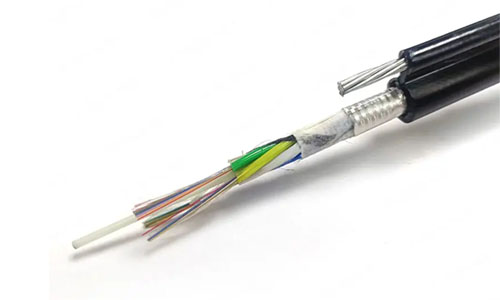 Figure 8 Fiber Optic Cable
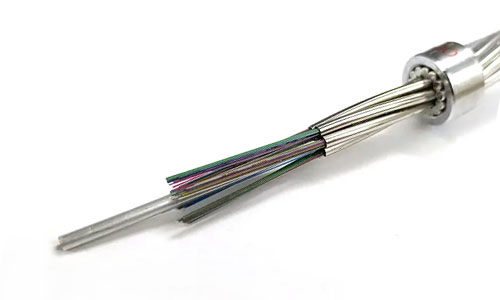 OPGW Fiber Optic Cable
 Coaxial Cable
 Ethernet Cable
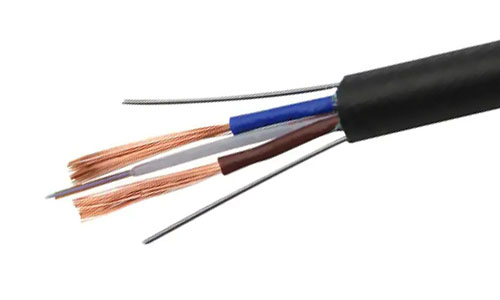 Photoelectric Composite Fiber Optic Cable
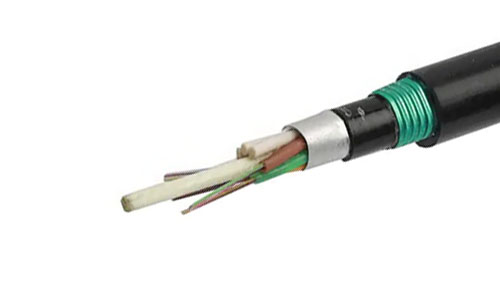 Underground & Pipeline Fiber Optic Cable
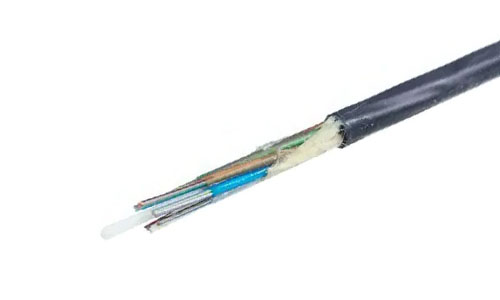 Air-Blown Micro Fiber Optic Cable
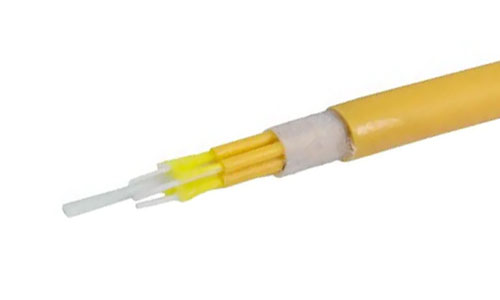 Indoor Fiber Optic Cable
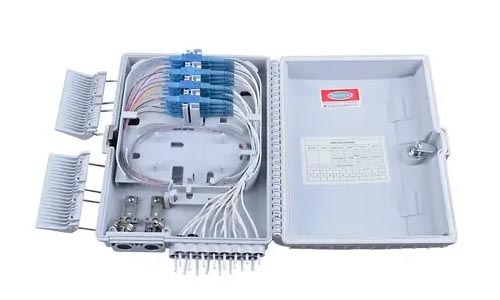 Fiber Optic Distribution Box
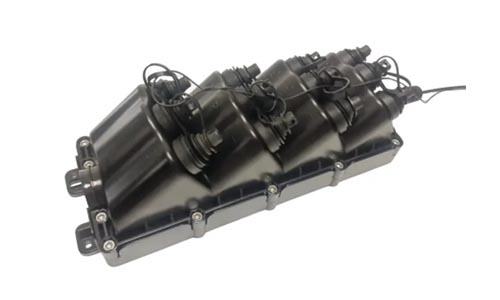 Multiport Service Termina Box
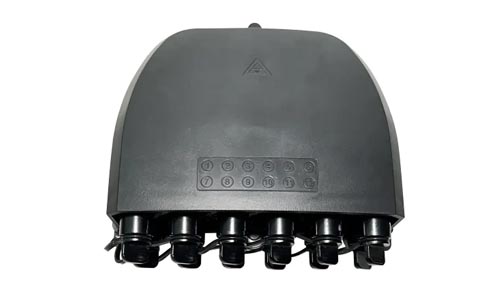 Fiber Optical Terminal Box
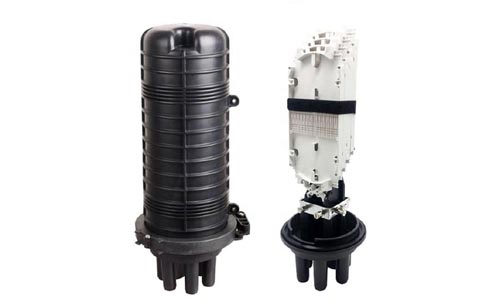 Fiber Optic Splice Closure
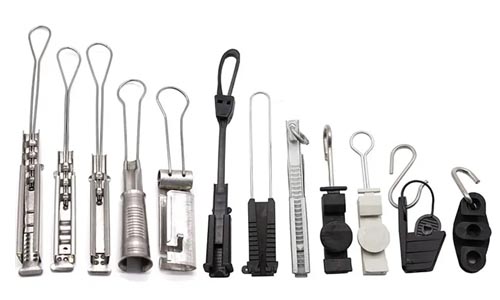 Fiber Optic Clamps
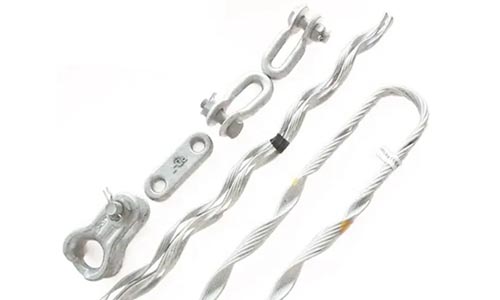 Fiber Optic Cable Fittings
 ADSS Fiber Cable
 ASU Fiber Cable
 OPGW Fiber Cable
 FTTH Fiber Cable
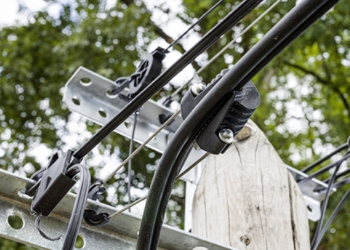 Figure 8 Fiber Cable
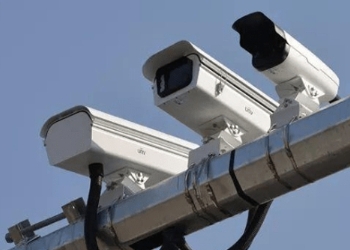 Photoelectric Composite Fiber Cable
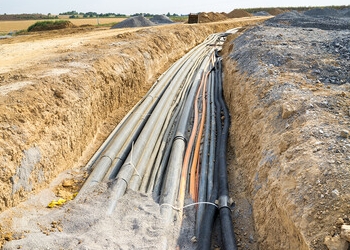 Underground & Pipeline Fiber Cable
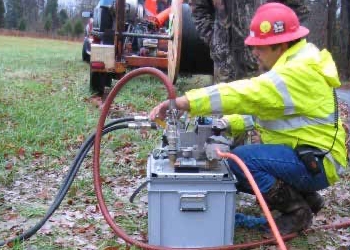 Air-Blown Micro Fiber Cable
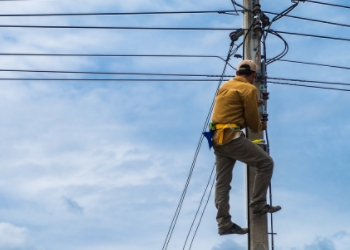 Aerial Fiber Cable
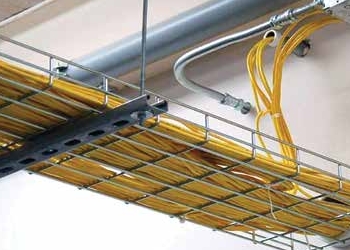 Indoor Fiber Cable
 Fiber Optical Terminal Box
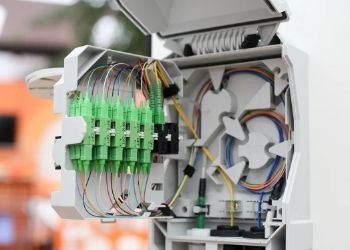 Fiber Optic Distribution Box
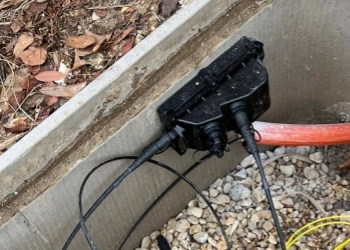 Multiport Service Termina Box
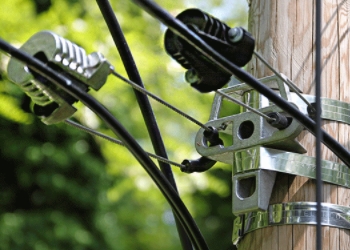 Fiber Optic Clamps
 About Us
 Our Team
 History
 R&D Strength
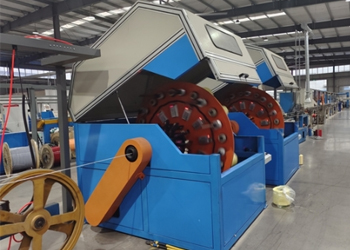 Production Base
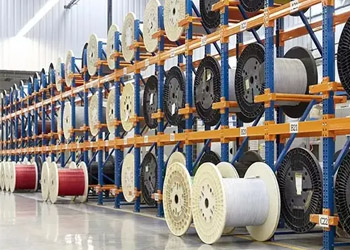 Warehouse & Logistics
 Quality
 FAQs
FAQsGYXTW Fiber Optic Cable Overview and Applications
Contact for Free Quotation & Sample, According to your needs, customize for you.
inquiry nowGYXTW Fiber Optic Cable Overview and Applications
GYXTW Fiber Optic Cable provides a reliable and consistent way to transmit data without interruption over vast distances. It incorporates a central loose tube for optical fibers, reinforced with steel wires on either side for additional durability.
The outer layer offers the best water and weather protection around. It’s become the preferred alternative for installation in open rural areas and urban road rights-of-way throughout the United States.
Installers appreciate GYXTW cables for their intuitive build and trust these cables to deliver reliable, high-speed internet, phone, and TV signals. From rural communities to suburban neighborhoods to urban centers, these cables are essential to connecting Americans each and every day.
The following section illustrates how GYXTW fiber optic cable performs in actual, real-world use across the United States.

What Exactly is GYXTW Cable?
The GYXTW cable is an extremely durable and reliable fiber optic cable solution. It was created particularly for outdoor use in communication and data networks across North Africa and outside. Its design and composition keep it at the forefront of preference for backbone and distribution lines, such as CATV networks.
GYXTW wraps tried-and-true fiber optic technology in clever engineering. This provides a durable, flexible alternative that stands up to extreme outdoor conditions. Before getting into the nitty gritty, though, let’s take a look at what the name GYXTW even tells us. Production Each element of the cable is important, and each contributes to keeping data flowing safely and smoothly.
1. Decoding the GYXTW Name
The GYXTW label may seem like gibberish. Each section provides a hint at what’s included. GY” indicates the cable is an outdoor telecommunications cable, typically connecting remote communication rooms or hubs.
We’ll break it down from the inside out. X” indicates the core of the tube structure, where the fiber is protected snugly in the center. The “T” means that the cable has a filled construction. It has a water blocking jelly-like layer that keeps humidity out and protects the fibers.
The “W” stands for the presence of a layer of steel tape within the sheath. Further, steel wires are placed on the peripheries for added tensile strength. This naming convention is standard practice in the fiber industry. This makes it easy for buyers and installers alike to instantly understand, at a glance, what each cable is capable of.
In busy telecom projects from Casablanca to the Atlas foothills, knowing the type and toughness of a cable is key to picking the right one for the job.
2. Inside the Central Loose Tube
At the center of any GYXTW cable is its loose tube. This outer tube, which is produced from a high modulus plastic, contains the individual optical fibers, which are approximately 250μm in diameter.
The “loose” part refers to the fact that the fibers are not tightly packed. Rather, they float suspended in a soft, jelly-like substance. This arrangement protects the fibers from impact, bend radius and crushing forces.
The filling serves as a protective barrier, preventing water and dust ingress. This function is a real godsend during Morocco’s rainy season, and when the treasures are hidden underground. By letting the fibers move a bit inside the tube, the cable handles expansion, contraction, and rough handling much better.
Loose Tube = Performance The GYXTW’s loose tube design provides superior performance. It flourishes under urban avenues, pastoral interstates, and even in ducts open to blistering desert or torrential flood.
3. Exploring the Protective Layers
GYXTW cable relies on the combination of multiple layers to protect its fibers. First, around the outside of the loose tube is a thin layer of water-blocking tape. This prevents water from wicking up the length of the cable and getting to the fibers.
Moving on, we come to the steel tape armor. It lies below the outer sheath and gives a hard, protective wall against nibbles, cuts and crush. Two additional parallel steel wires along each side provide added strength for pulling during installation.
The outermost layer is a polyethylene (PE) sheath. This is far more than a basic jacket – it’s designed with cut, scrape, UV and chemical resistant protection. Each layer has a job: block water, stop damage, add strength, and keep out the elements.
Thanks to these layers, GYXTW can shoot through rocky soil like butter. You can bury it under the busiest of streets, or string it on aerial poles with no worries.
4. Why the Steel Tape Armor Matters?
Steel tape is an important feature of GYXTW, and it is more than just a metal wrap. It provides the cable with a lot of its strength. The steel tape armor handles all manner of gnawing animals, digging implements, and unintentional crushing during installation.
When compared to other armoring options, steel tape is relatively thin yet strong, significantly increasing the weight. In the dynamic urban growth zones of Morocco, where future urban planners need to accommodate a lot of installation and excavation, this armor comes in handy.
The steel tape further increases the durability of the cable by preventing damage and reducing the need for breaks and repairs. Installers love that it provides protection while maintaining flexibility that allows the cable to easily bend around corners or through ducts.
5. The Purpose of the Outer Sheath
The outer sheath on GYXTW isn’t purely aesthetic. Think of it as the cable’s first layer of protection from the sun, rain, dirt and general wear. Weather-resistant toughness Polyethylene is the most common ingredient, due to its toughness and weather-resistance.
It brushes off scratches from careless treatment and withstands Morocco’s severe summers and cold winters. The sheath additionally prevents water and dirt ingress, further supporting the internal water-blocking layers.
This hard jacket makes sure that GYXTW cables will stay dependable year after year. Whether they are underground, in conduits, or aerial lashed to poles in the middle of nowhere, these cables provide reliable high performance.
6. Single-Mode vs. Multimode Fibers
In terms of fiber count, GYXTW cables can contain single-mode or multimode fibers. Single-mode fibers carry light in a direct line. This design dramatically reduces loss and increases reach which makes them perfect for connecting far-flung city offices or outlying mountain towns.
Multimode fibers carry light through many paths at once. This design is best suited for shorter connections, like those that might exist between buildings on a campus or in a small town.
Single-mode tends to be faster and clearer over longer distances, but requires more expensive lasers and more precise splicing. Multimode is cheaper for equipment and makes installation easier.
The downside is that it has a short range, making the signal fade more quickly. Selecting single-mode versus multimode fibers for a GYXTW cable comes down to the job. Each application, whether it be long-haul backbone, short-hop distribution, or the local loop, presents a different set of demands.
Why GYXTW Stands Out?
GYXTW outdoor rated fiber optic cables have a lot to offer to anyone building and maintaining outdoor networks. Their intelligent combination of design, cost, and durability is what makes them different from the other cables out there.
So, let’s dive into what makes them the best choice for real-world application.
Our Take: Key Design Perks
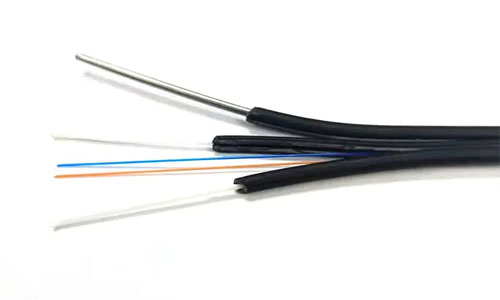
GYXTW cables have an impressive figure 8 shape, but it’s not all about appearances. This form helps to ensure powerful backing.
It further provides rigidity to the cable during pulling and bending movements, aided by the parallel steel wires and the outer layer of protective steel armor. Its light weight and compact size allow for easy transport from site to site.
This is particularly useful when working on poles or in confined spaces. This design reduces installer strain while making long-term maintenance more straightforward.
Finding the Cost-Performance Balance
An even larger benefit for GYXTW is its price tag. Finding the Cost-Performance Balance is one area where GYXTW really shines.
Though it’s light on your wallet, the cable doesn’t compromise on durability or speed. For folks managing budgets, especially in big projects, this can lead to savings—not just when buying but down the road, thanks to fewer repairs and swaps.
Benefits of Its Compact Structure
The narrow form factor of GYXTW cables truly changes things. It takes up less space in short, tight ducts and crowded cable trays.
Additionally, its light design is a godsend when you’re rolling reels around job sites. Less bulk translates to faster load-in/load-out, allowing teams to move more quickly.
Designed for Tough Outdoor Life
Outdoor life pitches unexpected challenges—be it sun, rain, wind, or rugged terrain. GYXTW’s tough steel armor protects the fiber, and the underlying parallel steel wires increase its tensile strength.
It performs great whether hung overhead, fed through a raceway, or laid to rest in the graveyard out back. This ruggedness provides confidence in rugged areas.
Water Blocking Explained Simply
Water in particular can destroy fiber cables in no time. GYXTW employs proprietary water-blocking technology to prevent moisture from penetrating.
That translates to reliable service, even in the aftermath of a storm or flooding, and reduced risk of service interruptions or outages.
Typical GYXTW Uses Across the US
GYXTW fiber optic cables meet many different applications across the country. They are proven in reliability, toughness, cost-effective. These cables run under our city blocks, down our rural roads, and all spaces in between.
On account of their lightweight and slim design, these multipurpose vehicles are perfect for demanding outdoor tasks. Their solid construction makes them equally adept in confined indoor environments.
Perfect for Aerial Cable Runs
Aerial cable runs are typically the most common way that people identify GYXTW cables, due to their lightweight and slender construction. The two steel wires next to the fiber serve to give the cable steel strength.
They let it hang loosely between poles without sagging to the ground or breaking. This arrangement shields the hub from prevailing winds, storms, and direct sun.
Midwestern towns often choose GYXTW for aerial cable runs. This decision is especially important in the South, where weather can shift within minutes.
Reliable Choice for Duct Installs
When it comes to cramped indoor ducts, GYXTW’s flexibility and gel-filled core really stand out. The double PE sheath prevents water ingress and provides crushing protection.
In crowded New York City, space is especially hard to come by. Installers trust these cables to easily help them navigate the busy, complicated underground systems.
Best practice requires some diligence in pulling and monitoring bend radius, but suffice it to say that GYXTW stands up to some abuse.
Linking Buildings on Campuses
From university campuses to large medical campuses, GYXTW connects structures. Its low signal loss over long runs translates into fewer repeaters and less overall rigamarole.
The cable’s small diameter is ideal for the majority of campuses. More importantly, from Ohio to California, many schools depend on it to improve network capacity and speed from classrooms to laboratories.
Common in Local Access Networks
For metropolitan city and suburb networks, GYXTW’s small-fiber count, high-speed technology is a perfect match. It connects residential and commercial areas to larger fiber loops, ensuring that everyone’s connection remains quick and consistent.
Current projects in Atlanta and Denver illustrate how GYXTW can reduce downtime and accelerate installations.
Supporting Rural Broadband Rollouts
GYXTW is a key tool in getting fiber to these far-flung locations. Its construction is tough enough to withstand intense heat, extreme cold, and long hauls through open fields.
Many government projects in the Midwest and Great Plains trust GYXTW for rural internet rollouts, where distance and weather test every foot of cable.
Smart Installation Practices
Installing GYXTW fiber optic cable requires a combination of preparation, expertise, and attention to detail. Consider first what is on the ground. Inspect duct, raceway, and legacy raceway runs to identify potential issues before they occur. Talking things through with everyone involved, from network teams to local planners, sets a strong base for picking the right type of cable.
During the day in Marrakech, the sun and dust can be brutal. This is why installers tend to reach for cables like GYXTW which are super moisture-resistant and have a tough outer shell.
Handle the Central Tube Carefully
The central tube is the heart of a GYXTW cable. Handle it with care—excessive bending or shearing will break the tube or pinch the individual fibers encased within. Even a pinch or twist translates to a much slower speed—if it doesn’t break right away, it’ll break in the future.
For instance, in Morocco crews typically work with soft gloves. They don’t put any tools anywhere near the central tube when they're installing or pulling new cable. Avoiding damage to the central tube ensures data keeps flowing crystal-clear and speedy.
Ground the Armor Correctly
Unlike the steel armor in GYXTW, reinforcement has other benefits besides adding muscle. Most importantly, it protects the cable from shock and cathodic corrosion. When it’s not grounded properly, static electricity or lightning can rustle their way in and wreak havoc on any valuable signals.
Just a few steps—using the right clamps, being familiar with local grounding ordinances, and testing connections—help ensure longevity and reliability. Proper grounding reduces the number of outages and protects the entire system.
Respect the Minimum Bend Radius
Bend a fiber cable too sharply and you’re looking at potential fiber cracks or weak spots, leading to early failure. GYXTW has a standard bend radius, which is indicated on specification sheets. Adhering to this translates into less maintenance and a longer cable lifespan.
Installers rely on wide, protective cable trays and smooth cable bends to prevent unnecessary stress—even in tight corners.
Prepare Cable Ends for Splicing
Preparing cable ends for splicing involves stripping, cleaning, and aligning fibers. High quality, basic tools such as fiber cleavers and isopropyl wipes go a long way in this aspect. Dust or even a crooked cut will lead to weak splices, so splicing teams don’t rush through this step.
Clean ends make for smooth splices, ensuring the network performs well even in a high-use environment.
Customizing Your GYXTW Cable
Ordering the perfect GYXTW cable for use in Morocco usually requires customizing it to suit your project’s specifications. Customization goes beyond choosing your color or fiber type. It provides detailed information on fiber count, sheath material, color coding, NGPF, and more.
This flexibility lets the cable fit local projects, from overhead lines in hot, dry Marrakech to underground links in coastal towns. Typically, a GYXTW cable contains a single central loose tube filled with waterproof gel.
On the interior, as many as 12 individual optical fibers protected by a steel armor remain insulated from the elements and tension. Its two steel wires reinforce the cable’s strength, allowing it to withstand high tension during aerial or direct burial installations.
Choosing the Right Fiber Count
Your cable’s fiber count, ranging from 1 to 12, determines the amount of data your cable can transmit. Larger counts accommodate larger data applications—consider metropolitan tech centers or university campus networks.
Smaller installations, such as in-building solutions, benefit from lower counts. More fibers equals higher cost, but greater potential for expansion. If you’re wiring a new office park in Casablanca, starting with 12 fibers prevents the need for a complete redo down the road.
For a rural phone line, perhaps 2 or 4 fibers are sufficient.
Jacket Options for Different Needs
GYXTW sheaths are available in PE, with color options including black or special colors. This delivers the right level of protection for your cable. If the application has high UV exposure, PE in black color is optimal, though lighter colors work well for indoor or pipeline use.
For underground, a heavy, waterproof jacket keeps damp and dust at bay. Whether you’re installing cables in Morocco’s sun-baked streets or the world’s undersea networks, durable PE gets the job done.
Standard Fiber Color Identification
On the inside, color coding helps identify and organize each fiber. Standard color codes such as blue, orange, and green allow crews to immediately identify and repair damaged lines.
This not only saves time during maintenance, but prevents potentially dangerous mix-ups. For GYXTW, using these codes simplifies work on large scale projects.
Loose Tube Color Variations
Loose tubes receive a color tag—often white or yellow. This allows for easy identification of each tube’s purpose during installations, particularly in larger multi-fiber installations.
Color-coded loose tubes make identifying fibers a straightforward task, even if your cable has all 12 fibers!
GYXTW Versus Other Cable Types
Selecting the appropriate fiber optic cable is important, particularly when constructing networks designed to stand the test of time. The GYXTW cable provides the best strength-to-ease-of-use ratio. This versatility is what has made them a preferred option for many recently completed or ongoing projects across Morocco, home to extreme climate shifts and rugged landscapes.
Let’s consider GYXTW a little more closely, and see how it stacks up against other cable types. Here’s our breakdown of why GYXTW is the best choice for outdoor environments.
How It Differs from Heavy Armor?
Heavy armor cables such as GYTA53 or GYTY53 have additional heavy metal layer(s) for protection. They are engineered strong for areas with active excavation, burrowing animals, or intense vehicular usage. GYXTW goes the opposite route.
Its steel wire core provides excellent mechanical strength, but not the added weight. A double-layer PE sheath provides additional protection against the rain and UV rays. At the same time, a gel-filled core seals out water, ensuring reliability on outdoor runs in humid inter-montane valleys or rainy northern Morocco.
The smaller diameter and lighter weight allow crews to move and lay GYXTW faster, reducing the time and thus the costs of their work. GYXTW cables are usually faster, cheaper, and easier than their armored alternatives. They do great in backbone networks on interstates and rural highways where the heavy muscle is not required.
When to Choose Over ADSS?
ADSS cables use aramid yarns, so they hang well from poles and don’t conduct electricity—great for aerial lines above busy Marrakech streets. GYXTW, owing to its steel center, is ideally suited underground or along routes where additional pull strength is an advantage.
Its gel filling and added sheath keep out water and UV light, ensuring longevity even through Morocco’s blistering summers. GYXTW is less expensive, and its straightforward construction allows for quicker installations.
Where the run remains underground, requires a maximum of 12 fibers, and endures extreme conditions, GYXTW’s your best bet.
Real-World Performance Factors
When you put GYXTW fiber optic cables to work, a few things matter most: where you lay them, what kind of weather they meet, and the stuff they’re made from. To achieve the best signal quality, bury the cable a minimum of 12 to a maximum of 36 inches deep. This depth is important, particularly in regions with rocky or sandy soils.
If you dig too shallow, you’re in danger of creating harm yourself. If you dig too deep, you could encounter water or a new form of stress. How the cable pulls or bends is another factor to consider. Pull too much or rotate it, and you start degrading the signal or fracturing the fiber.
Sometimes the enemy is literally underfoot. Rocky soil, for example, can cause more breaks, as the roots lack room to grow and spread.
Coping with US Temperature Extremes
GYXTW cables provide excellent protection against drastic temperature variations due to their durable outer jackets and water-blocking strength members. These engineering materials never become brittle in extreme cold winters or lose their shape in scorching hot summers.
In the Midwest, cables are subjected to both high and low temperature extremes. Facing snow one month and intense summer heat the next, their ruggedness is essential. Temperature fluctuations that cause the materials to heat and cool will cause them to expand and contract, putting stress on the fiber, potentially damaging it and disrupting data speeds.
A cable designed to withstand these swings will continue to perform, whether it’s wet or dry.
Built-in Moisture Resistance
Moisture is the number one enemy of fiber optic cables. GYXTW types typically use jelly-filled tubes and water-blocking yarns to prevent water ingress. If moisture intrusion occurs, this can either cloud the signal or allow water to freeze and expand, cracking the fiber cable.
Outdoor occupations—especially those with professions located on riverbanks or in permanently overcast and rainy climates—are in dire need of this. These cables are put through challenging tests to ensure that their insides stay dry no matter what.
Importance of UV Protection
Out in the wild, sunshine is as much of a danger as precipitation. In addition, UV rays break down cable jackets, causing them to become brittle or discolored.
GYXTW cables are built with UV-stable materials that resist the sun’s rays season after season. This is especially important for cables deployed on aerial poles or rooftops, where they are subjected to the sun’s damaging rays daily.
Considering Long-Term Reliability
When it comes to GYXTW fiber optic cables, planning for the future can make a world of difference. People are looking for cables that can withstand the test of time, elements and everyday wear and tear. This test is admirable, but the real test is how well the cable holds up after several years in the field.
With appropriate maintenance, many above-ground wires will last between 20 and 30 years. Having long-term reliability isn’t a dream—it can be a reality!
Factors Affecting Cable Lifespan
There are many factors that can influence GYXTW cable longevity. Type of material used is another major factor. Quality materials such as durable armored jackets and moisture-preventing layers reduce the effects of aging.
This translates to reduced concern over water permeating or abrasive rocks damaging the cable.
The Importance of Design
While material selection is key, design is no less important. The importance of pound-per-chord tensile strength cannot be overlooked. A cable with high tensile strength and appropriate fiber core can endure greater pull stress and operate longer.
How deep the cable lays is another important factor. In areas with extreme temperature fluctuations or high humidity, cables are subject to more stress and failure.
Above ground cables are more readily inspected and repaired, allowing them to remain in service for decades. Routine inspections—ensuring connection points are secure and there are no signs of fracture—can help identify issues early on before they escalate.
Solid installation, lack of kinks or sharp bends, and safe, clean pathways for pulling go a long way.
Simple Maintenance Checks
Just like with our health, basic maintenance checks can go a long way. A simple maintenance check for cracks, kinks or frayed areas can catch damage before it becomes an issue.
Routine maintenance is crucial. Maintaining vegetation and preventing heavy debris—like fallen trees—from impinging on cables helps avoid damage.
Having regular reminders for maintenance tasks ensures that key checks don’t get overlooked. A bit of work today can save your technology from hiccups down the road.
Conclusion
GYXTW fiber optic cable really is strong, tough, and built for the field. From city crews in Dallas to rural installers in Nebraska this critical technology keeps data moving. Hot or cold, rain or shine, they need this technology. Versatile and easy to work with, it bends and routes easily even in the tightest spaces. Steel tape armor lends it tough demeanor, so it laughs off drops and rain. Have a particularly challenging installation? GYXTW will take the twists, cold snaps, and uneven terrain in stride. Watched it along rail corridors, hoeing it under the dirt, snaking through the asphalt of urbanity—never seems to get dull. Looking for a cable that performs reliably and consistently, every time? So take GYXTW out for a spin. Get in touch, trade tales, or seek advice. Contact us today to learn how your next project can go more smoothly than ever before.
Frequently Asked Questions
What is a GYXTW fiber optic cable?
What is a GYXTW fiber optic cable? It includes steel center wires for additional tensile strength and is well-suited for both aerial and duct installations in all geographic regions of the United States.
How does GYXTW cable handle harsh weather?
GYXTW cables are designed to withstand UV radiation, humidity, and extreme temperature fluctuations. This combination of qualities makes them ideal for outdoor deployment in climates across the U.S.
Where is GYXTW cable commonly used?
In the United States, GYXTW cables are almost exclusively deployed for telecom and private carrier telecom networks, internet backbones, and campus connections. They are able to work in rural applications as well as urban applications.
What makes GYXTW cable different from other fiber cables?
GYXTW cables have a steel wire strength member and a water-blocking design. This makes it much more durable and resistant to damage and/or signal loss than most other outdoor cables.
Can I customize my GYXTW cable order?
The answer is yes, almost all U.S. Suppliers provide custom fiber counts, jacket materials, and custom lengths. This enables you to tailor the cable to your specific project requirements.
How long does GYXTW cable last?
Installed correctly, GYXTW cables typically have over 20 years lifespan in outside plant. Their robust design keeps fibers secure from harm and deterioration.
Is GYXTW cable easy to install?
GYXTW installation Yes, GYXTW cables are very flexible and lightweight. Their streamlined design allows them to be easily pulled through ducts or strung along poles. This can dramatically save time during installations.