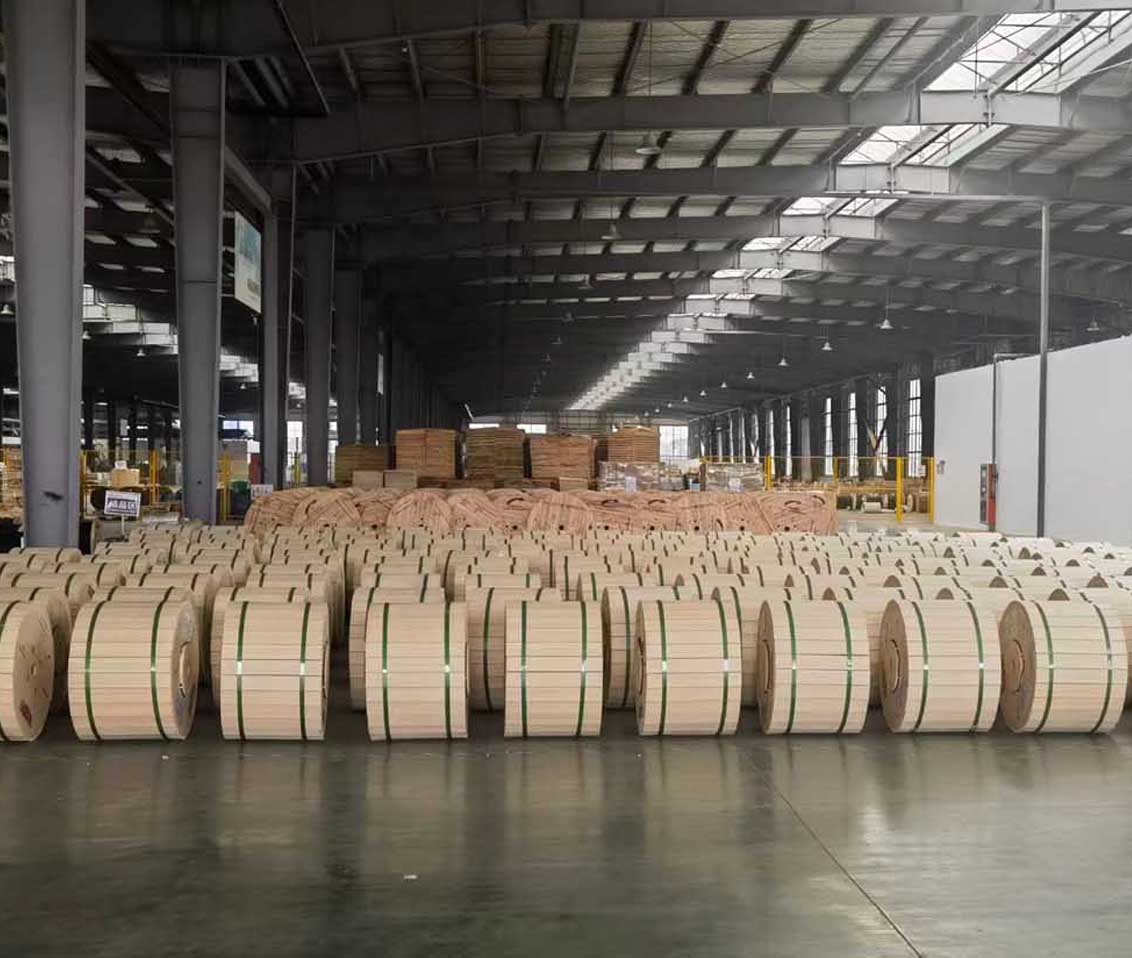
 Optical Fiber
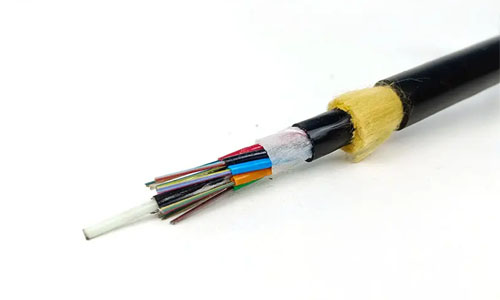 ADSS Fiber Optic Cable
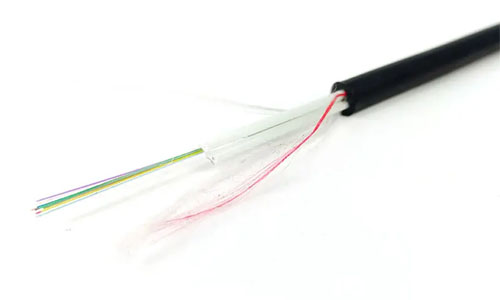 ASU Fiber Optic Cable
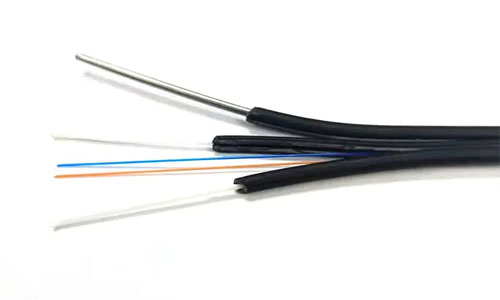 FTTH Fiber Optic Cable
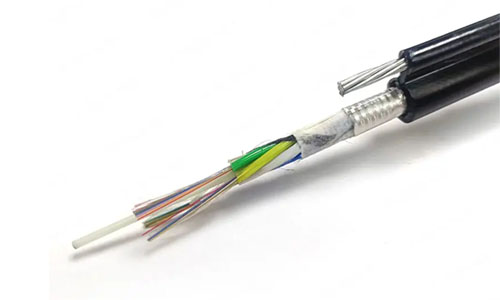 Figure 8 Fiber Optic Cable
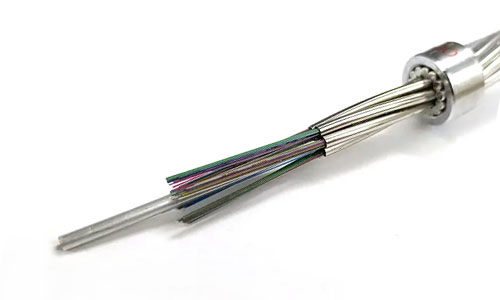 OPGW Fiber Optic Cable
 Coaxial Cable
 Ethernet Cable
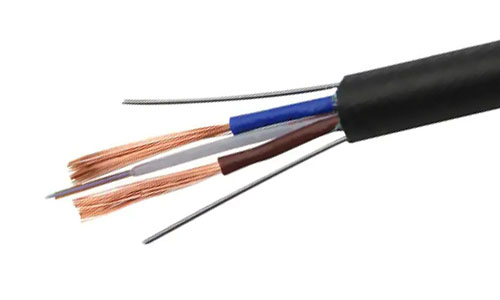 Photoelectric Composite Fiber Optic Cable
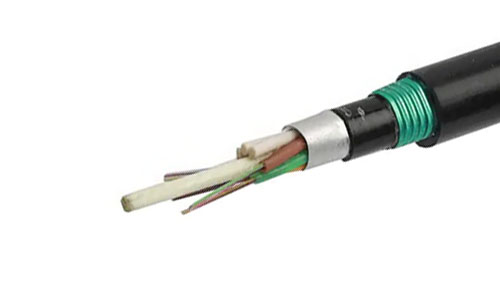 Underground & Pipeline Fiber Optic Cable
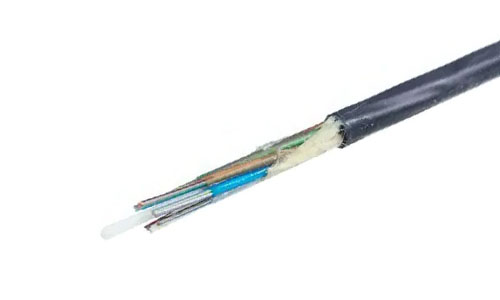 Air-Blown Micro Fiber Optic Cable
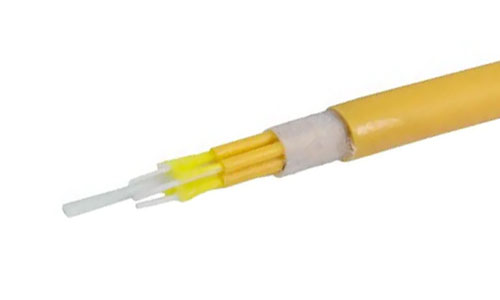 Indoor Fiber Optic Cable
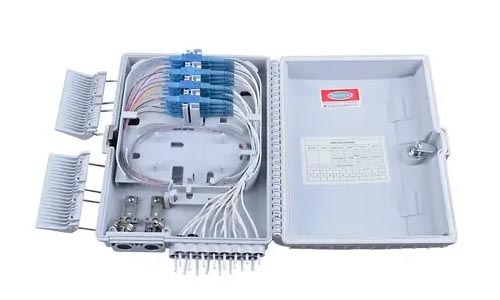 Fiber Optic Distribution Box
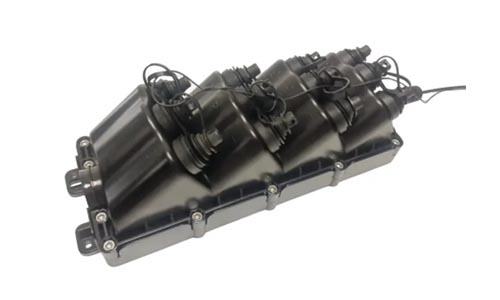 Multiport Service Termina Box
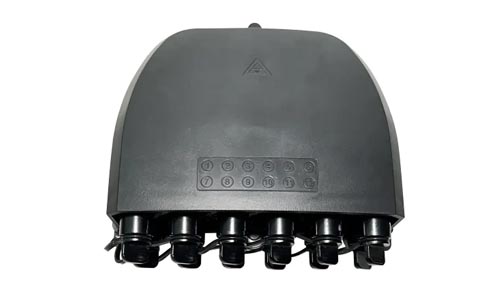 Fiber Optical Terminal Box
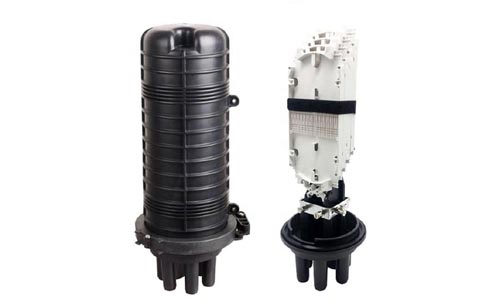 Fiber Optic Splice Closure
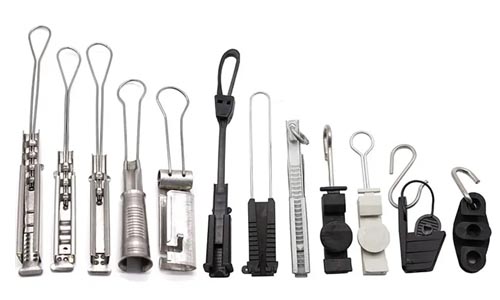 Fiber Optic Clamps
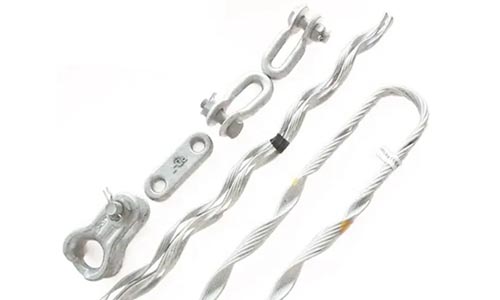 Fiber Optic Cable Fittings
 ADSS Fiber Cable
 ASU Fiber Cable
 OPGW Fiber Cable
 FTTH Fiber Cable
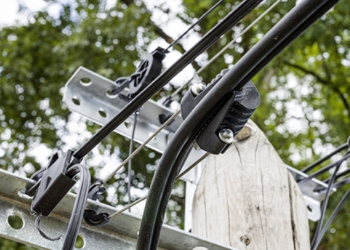 Figure 8 Fiber Cable
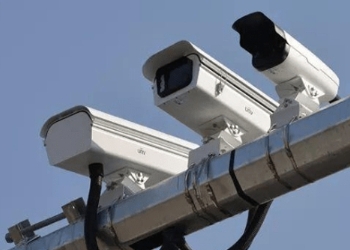 Photoelectric Composite Fiber Cable
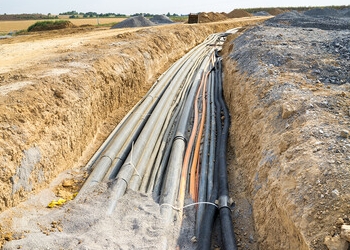 Underground & Pipeline Fiber Cable
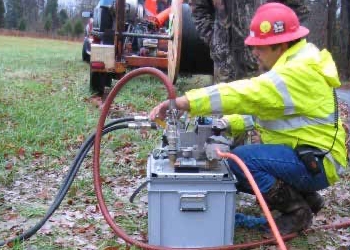 Air-Blown Micro Fiber Cable
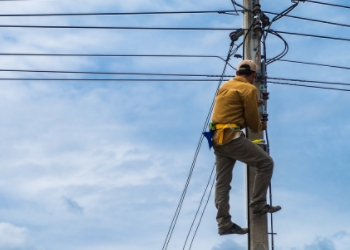 Aerial Fiber Cable
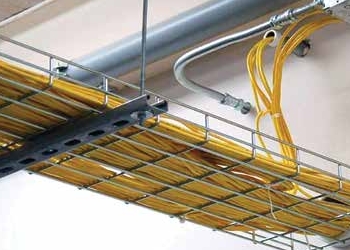 Indoor Fiber Cable
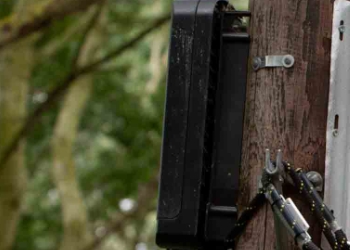 Fiber Optical Terminal Box
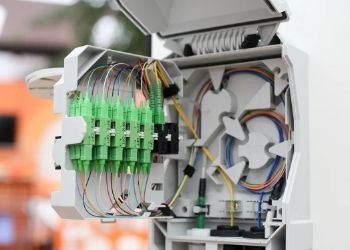 Fiber Optic Distribution Box
 Multiport Service Termina Box
 Fiber Optic Clamps
 About Us
 Our Team
 History
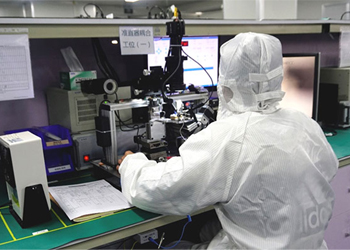 R&D Strength
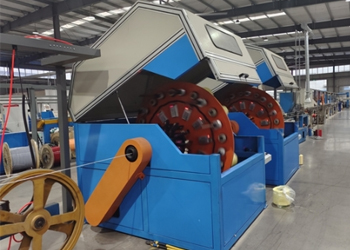 Production Base
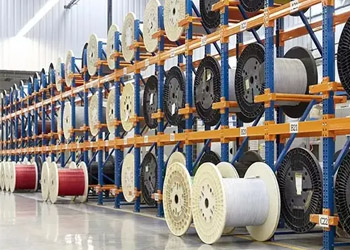 Warehouse & Logistics
 Quality
 FAQs
FAQsGYFTY Fiber Optic Cable Features and Applications
GYFTY Fiber Optic Cable is a kind of outdoor cable designed to be metal-free and thus safe in places where lightning or electrical hazards are a threat. With a non-metallic construction, it remains lightweight yet durable, able to survive harsh weather and resist corrosion. A lot of people utilize gyfty fiber optics for aerial or direct burial installations, as it doesn’t attract lightning or withstands sun, wind, and rain. Its heart of glass fibers provides blazing speed and rock-solid data connections over great distances. Others opt for gyfty along telecom lines, railways, or power grids where safety is critical. The rest of this post discusses its design, how to use it, and why it shines in rough spots.

What is GYFTY Fiber Optic Cable?
GYFTY fiber optic cable is a high-performance cable designed for rapid, reliable data transmission across great distances. Its unique qualities are a lightweight, flexible design and a rugged construction that withstands harsh environments. The cable is designed to be our first choice for just about any project — city or rural — because it remains robust in temperatures ranging from -40℃ to +70℃.
1. The Core Concept
The round cable core lies at the center of GYFTY fiber optic cable. It contains more than 150 optical fibers, with as many as 144 in some cases, driving data limits beyond previous cable generations. The alignment of these fibers within the core maintains signal clarity and transmission in an unyielding state, even as the cable bends or twists. This plug core design is compatible with many connectors and transceivers, providing it a plug and play vibe.
A quality core means less dropped signals and more uptime. With the proper construction, you sidestep issues such as attenuation, so you get less signal loss as information moves.
2. The Non-Metallic Design
GYFTY cable eschews metal components altogether, opting for high modulus plastic in its place. This decision makes the cable significantly lighter, which is convenient when pulling it over extended routes or through tight corners. It allows the cable to bend more without snapping the fibers inside.
Non-metallic construction prevents electromagnetic interference that can corrupt data in crowded environments such as factories or near power lines. It’s longer lasting outdoors because it won’t rust or corrode.
3. The Loose Tube Structure
Loose tube design means every fiber rests in its own small, flexible tube. This configuration allows fibers to shift slightly when the cable stretches, bends, or experiences thermal swings. Gel-filled tubes inside keep water and moisture out, an outdoor essential.
Fibers are spaced just so in these tubes, which reduces signal loss and keeps data flowing smoothly. The stranded loose tube design renders the entire cable more flexible than tight-buffered cables.
4. The Central Strength Member
In the middle, a fiberglass or aramid yarn rod provides the cable backbone. This component assumes the pulling tension during crews' installation of the cable, protecting the fibers from stretch and snap.
With this rugged core, the cable endures strenuous stresses during installation and throughout everyday use. It’s what keeps those data lines humming for years.
5. The Outer Sheath
Polyethylene sheath wraps the cable and protects it from sun, rain, and dirt. It blocks UV rays, which will deteriorate cables laid in the open. Waterproof membranes keep the interior dry.
The sheath serves as armor, increasing the cable’s crush resistance and ensuring that bumps and scrapes won’t cause larger problems.
Why Choose GYFTY Cable?
Our GYFTY fiber optic cable is unmatched for its winning combination of performance, reliability, and cost savings. It fits the intense requirements of modern networks in both metropolitan and isolated locations. Its design protects signals from external damage, assisting enterprises and institutions in meeting their objectives for high-speed, reliable connections while minimizing total ownership costs.
Electrical Immunity
GYFTY cable isn’t disturbed by electric noise or EM fields, which is important in areas with many power lines or heavy equipment. Fiber optics don’t conduct electricity, so signals pass through the cable pure and unadulterated. This means files, calls, and data don’t get scrambled or lost, even when cables run close to big electric sources.
Data remains honest end to end. That’s why GYFTY is trusted for airports, hospitals, and power plants, where a dropped signal or glitch can be expensive. The cable’s non-metallic construction maintains safety, even in lightning storms.
Electrical immunity translates to fewer fixes required. Fewer issues by the external power mean repair is rarer and cheaper in the long run.
Lightweight Build
Not only is this cable light, so you can easily transport it and lug it around those difficult job sites. Installers don’t require special equipment or an oversized crew. It’s easy to drag across long distances and they can get the job done sooner, which saves time and money.
By putting less weight on poles and supports, a lighter cable means less risk of sagging or damage. Shipping prices go down too; one truck can haul more cable at a time.
The cable’s stranded loose tube design factors in here as well. It assists the cable in bending and conquering rough patches without harm.
Installation Flexibility
GYFTY cable flexes and tangles without damaging the fibers within. That means you can wedge it into tight corners, bend around sharp turns, or snake through old buildings and congested city streets. No tool is required to strip the cable and the job proceeds faster.
It does just as well outside as inside. Whether you’re wiring a high-rise or spanning farmland, the cable adjusts. Installers have the liberty to deploy networks in any layout, even if the route is intricate. This flexibility typically translates to faster build times and minimal interruption to everyday business.
Environmental Resilience
-
Built to handle rain, sun, and rough weather
-
Coating blocks water, keeping fibers dry
-
UV-resistant jacket prevents sunlight from wearing down the cable.
-
Stands up to heat, cold, wind, and ice
This durability is why GYFTY cables continue to function year after year, even in extreme environments. Whether you want to use them in deserts, mountains, or coastal zones, the cable maintains signal flow in storms or extreme heat, extending the life of your investment.
Where GYFTY Cable Thrives
Where GYFTY Cable Thrives Non-Metallic Build – GYFTY cable fits tough spots where metal just won’t work. It’s designed to sparkle where high voltage, lightning, or heavy EM noise can fry other cables. Its all-dielectric design keeps data safe, while the outer sheath and loose tube construction help it brave rough weather, bends, and tight installs. That’s where GYFTY cable excels, and it’s what makes it a favorite choice across industries, from power grids to long-haul data lines, where streamlined, consistent connections count the most.
High-Voltage Areas
It’s at high-voltage sites that GYFTY cable really shines. Its non-metallic composition means it doesn’t conduct electricity, so it won’t catch stray currents from adjacent power machinery. It keeps signals clear and the network safer. This is huge for locations such as power substations or near overhead lines, where electrical surges occur frequently and metal cables simply aren’t safe.
The cable’s design includes rugged insulation and a durable outer jacket. This pairing eliminates electromagnetic interference and maintains cable functionality, even when the temperature ranges from -40°C to 70°C. Maintenance crews and others who need to go underground between transformer stations or run lines in the air along power corridors often choose GYFTY. It’s designed to the exacting standards of high-voltage tasks, ensuring critical infrastructure remains operational.
Lightning-Prone Zones
Lightning may wreak havoc for cables with metal components, but GYFTY’s all-dielectric construction just brushes it away. In stormy areas, this cable keeps plugging along when the rest might give out. Its components prevent surges from reaching the cable and ensure information remains streaming and equipment secure.
The cable’s grease-filled tubes provide additional protection, preventing water ingress even in heavy rain. Signal quality remains crisp, as the cable won’t receive any false signals during storms. For telecom networks in tropical or mountain regions, GYFTY’s rugged reliability translates to less downtime.
Long-Haul Networks
GYFTY cable’s low attenuation makes its data travel far. Its non-metallic core prevents external noise from interfering with the signal. This keeps calls, video, and internet flying smooth, even across hundreds of miles of rural or urban terrain.
For service providers, GYFTY in long-haul lines translates to less maintenance and more uptime. Its lighter weight and smooth sheath facilitate easy pulling through ducts or strung on poles. As high-speed internet and 5G reach farther, this cable is built for the work.
Campus Backbones
On large campuses, be it a university, hospital or tech park, networks must contend with a significant amount of users and devices. GYFTY cable fits as the backbone, shoving high volumes of data back and forth between buildings. Its flexibility means adding new links or changing routes is a snap, so your campuses can expand without a snag.
GYFTY’s rugged construction ensures your network stays alive, no matter if cables are buried, aerially strung, or tucked into narrow spaces. It fights bends and won’t snag, so installers love using it for upgrades or new projects.
GYFTY Cable Engineering
GYFTY fiber optic cables are based on time-tested engineering formulas optimized for performance, safety, and user-friendliness. Their stranded loose tube design keeps each fiber isolated from external pressure. Bumps and bends don’t interfere with the signal, keeping data piping hot. A non-metallic strength member in the center bears the tension, allowing the cable to withstand rugged pulls during installation and everyday moves without snapping or compromising signal quality. GYFTY’s non-armored construction makes it light and easy to strip, so installation doesn’t require weird tools or special hacks. These decisions assist in extending the life of the cable and reduce the maintenance and replacement costs, making it an excellent option for applications where reliability and budget are important.
Material Science
Material selection is the foundation of GYFTY’s aesthetic. High modulus polyester is used for the strength member. It stands up under tension and maintains its form even when the temperature fluctuates. The loose tube is composed of hydrolysis-resistant plastic, and unique grease inside the tubes envelopes fibers in a protective barrier that prevents water damage. This selection of plastics and grease ensures the cable functions even in wet or humid environments. Over time, tweaks in plastics and coatings have made these cables more flexible and more resistant to outside stress, so they hold up better out in the elements or buried in earth.
Material science has ensured GYFTY cables could be installed in emergency responder rooms or other high-electromagnetic-interference locations. The non-metallic build means there’s no metal for electric currents to piggyback on, so signals are protected from external interference. The smooth sheath helps too; it slides easier during setup, reduces friction and helps keep the cable from snagging.
Manufacturing Precision
Precision is at the core of crafting GYFTY cables. Each step from orienting fibers in tubes to closing the sheath is carefully observed. Automation and precision inspections maintain the fiber alignment pristine, a must for robust signals. We test every batch for water-blocking, flexibility, and tensile strength to ensure each cable hits its spot.
Quality control is as important as new tech. All cables undergo signal loss and strength testing to identify issues early. This care means users can trust every length of cable will behave the way they need it across any build.
Performance Metrics
| Metric | Value / Description | Significance |
|---|---|---|
| Attenuation (1310 nm) | ≤ 0.35 dB/km | Shows how little signal is lost per km |
| Attenuation (1550 nm) | Less than or equal to 0.21 dB/km | Key for long distance transmission |
| Tensile Strength | High (depends on model) | Withstands pulling during installation | Flexibility | High | Facilitates bends and twists in routing | | Electromagnetic Resistance | Excellent | Works even in high-interference areas | | Hydrolysis Resistance | Good | Survives wet or humid environments |
Attenuation is key. Low counts at both 1310 nm and 1550 nm indicate signals remain strong over distance, making GYFTY the choice for those long outdoor runs. Tensile strength indicates the cable can withstand pulls and drags, and flexibility explains it can snake around corners unharmed. When buyers see these numbers, they know if the cable will work in their location—be it a city street, a rural trail, or a factory with a ton of electrical equipment in the vicinity. Adhering to international standards in these tests is not mere window dressing. It provides all of us a reasonable means to compare cables and choose the appropriate one for our purposes.
Lifecycle and Sustainability
GYFTY fiber optic cables stand out for their long lifecycle, solid performance, and their place in modern, greener telecom projects. Their design from raw materials to end-of-life disposal shows a clear move toward better sustainability. The cables’ lifespan stretches over 30 years, and their durability means they stay in service far longer than many older options. In today’s world, where every choice in infrastructure can have a ripple effect on the environment, these details matter. Lifecycle assessments help decision makers weigh options and make choices that fit both today’s needs and tomorrow’s challenges.
Total Cost
GYFTY cables’ total cost of ownership includes more than just upfront spending. The upfront cost may appear steep, but the true cost savings come from less maintenance and infrequent replacement. Because the cables have withstood the elements, lightning, and electromagnetic fields for years, it reduces outages and emergency repairs. For large-scale projects, such as city-wide internet or rural broadband deployments, the hours saved and repairs avoided are an hour less or a repair less going out the door. When budgeting for telecom builds, being informed of these savings in advance allows teams space to invest smartly and go farther.
Environmental Impact
-
Smaller carbon footprint because signals travel as light, not electricity.
-
Fewer raw materials compared to copper cables
-
Durable design means less waste from replacements
-
Non-metallic build eases recycling at end of life
Opting for cables like GYFTY is a minor, yet significant move toward projects that do less damage and endure. Their rugged construction means less waste in landfills and less energy used to manufacture new cables every few years. Each time you opt for a more sustainable cable, you help establish a new project planning norm.
Future-Proofing
GYFTY cables are tailored to today’s lifestyle and tomorrow’s devices. With their flexible, loose tube design, they can bend and shift while networks expand or adapt. They slide right into upgrades, whether it is higher speeds, more users, or new tech such as 5G. For planners, this implies that a single cable today can address multiple needs in the future. It’s an elegant approach to maintaining networks that are resilient, dependable, and prepared for the unexpected.
Deploying GYFTY Cable
Deploying GYFTY cable is about more than just fiber in the ground. With its unique construction, stranded loose tube with non-metallic strength, GYFTY Cable is the perfect choice for outdoor, power backbone transmission and access networks in high-EMI environments. The cable is flexible, which allows for easier routing and reduces stress during installation, and it saves time and hassle. Even the finest cable can underperform if abused, not carefully installed and maintained.
Handling
Meter by meter of GYFTY cable is deployed so it counts. If crew drag or bend it too sharply, they risk fiber micro-cracks or a ruined waterproof core that can cut network speed and shorten its life. Reels for transport, wide loop coiling, and never stacking heavy loads on the cable keep it protected. Even the slick sheath aids in reducing friction when pulling the cable through narrow conduits or across extensive distances.
Installers need to realize not to twist or kink the cable and use gloves in order to prevent oils and dirt from landing on the fibers; if treated properly, GYFTY cable can resist moisture, UV, and extreme temperature variations, making it a dependable option for any environment, and good handling leads to better network up-time, less repairs, and longer life from every roll.
Installation
-
Map out the path and look for power lines or areas with high interference.
-
Install the cable ducts or trays, maintaining a generous bend radius to prevent stress on the fiber.
-
Let’s just ‘pull’ GYFTY cable gently, using rollers or guides to reduce friction and taking advantage of that smooth sheath.
-
Fix the cable at intervals, stopping sag and vibration.
-
Seal the ends with waterproof jackets to keep water and dust out.
Cable installers require cable pullers, rollers, winches, and sealing kits. Following the manufacturer’s actions preserves cables from harm. A clean install job ensures that GYFTY Cable stands the test of time and maintains top performance even in long-haul or metro fiber networks.
Maintenance
-
Clean connectors and check for any visible sheath damage.
-
Test for loss or breaks with an OTDR and quickly repair weak spots.
-
Observe the web with real-time screens to capture minor glitches before they multiply.
-
Swap out gaskets and seals if water or dust gets into a joint.
-
Log all checks and repairs for future planning.
Intelligent, routine maintenance keeps the system humming and reduces massive expensive outages. It’s a great approach, with alarms and tracking to identify trouble early, a necessity in hard places such as power grids or city-wide networks.
Conclusion
GYFTY fiber optic cable – rugged and no-metal. It hugs hard areas, such as urban centers or locations crowded with electrical wires. They choose it for clean data flow and durability. Way too many crews love putting it down, even in wild weather. GYFTY fiber optic cable remains protected against rust and power surges, which helps you save time and money. Looking for a smart choice for heavy-duty tasks or rocky soil? GYFTY cable stands up and keeps operations smooth. We’ve experienced it in municipal networks and remote wind farms, and it’s consistently performed beautifully. To secure robust, reliable connections for your next endeavor, consider GYFTY fiber optic cable and discover how it complements your design.
Frequently Asked Questions
What is GYFTY fiber optic cable?
GYFTY fiber optic cable is a loose tube outdoor cable. It employs a non-metallic strength member and is perfect for electrically sensitive environments.
Why is GYFTY cable suitable for outdoor installations?
GYFTY cable is moisture, UV, and weather resistant. Its non-metallic components eliminate electrical interference, rendering it safe to use in proximity to power lines and outdoors.
Where can GYFTY cable be used?
GYFTY cables are utilized for aerial, duct, and direct-buried applications. They are used for urban and rural network installations where reliability is key.
What makes GYFTY cable environmentally friendly?
GYFTY cables are lead-free and long-life. Their design helps reduce maintenance and minimizes environmental disruption in the long term.
How durable is GYFTY fiber optic cable?
GYFTY cable is constructed with robust water-blocking materials and UV resistant jackets. This provides ruggedness and reliable performance in demanding outdoor environments.
What are the main benefits of using GYFTY cable?
Its primary advantages are its immunity to EMI, lightweight, and easy installation. It enables stable, high-speed data transmission.
How is GYFTY cable installed?
GYFTY cables can be deployed by aerial suspension, in ducts or direct burial. Their pliant yet durable construction makes them easier to deploy than traditional fiber cables across challenging landscapes.