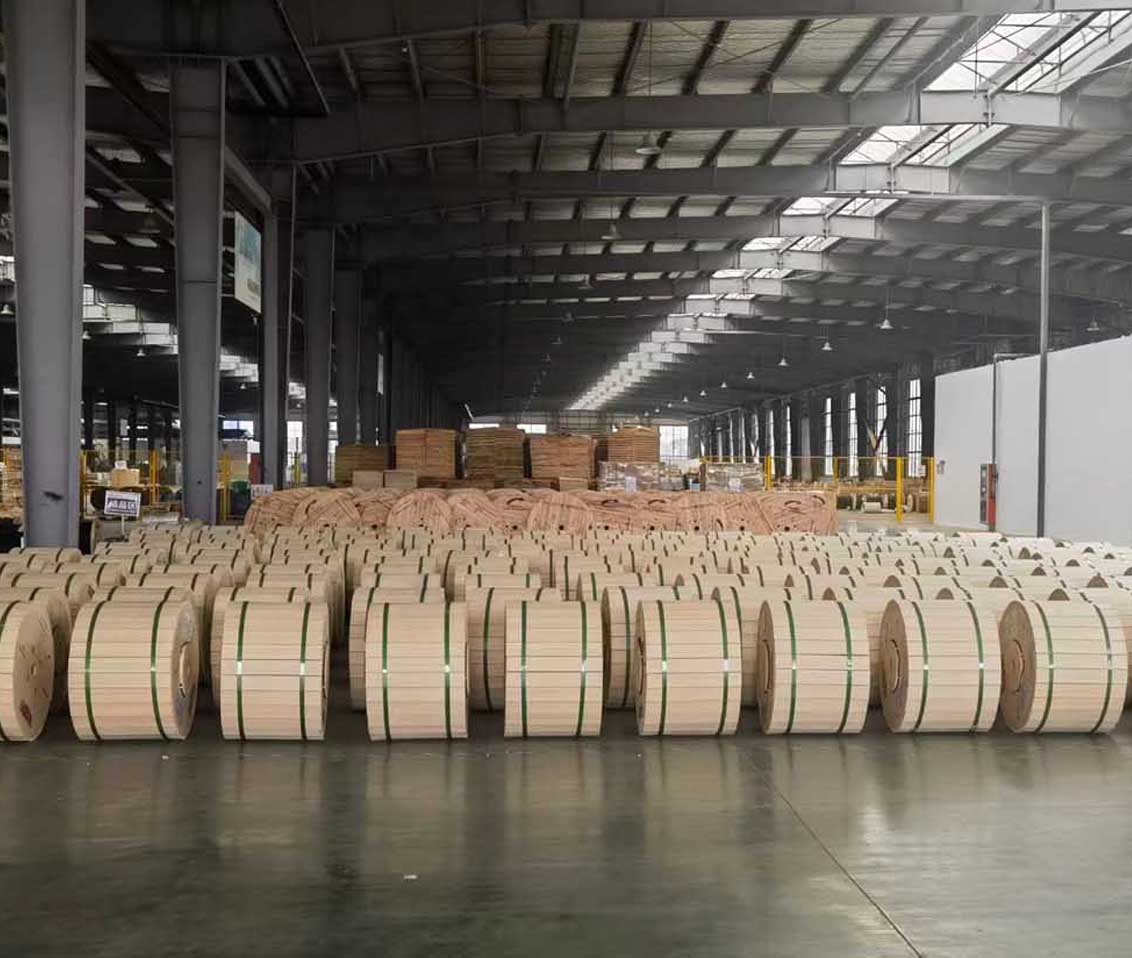
 Optical Fiber
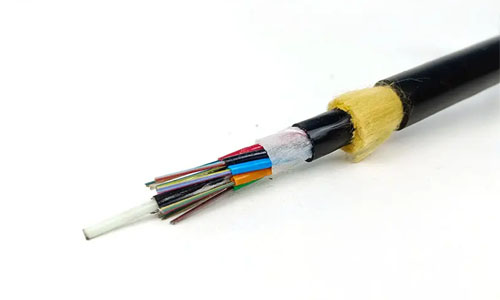 ADSS Fiber Optic Cable
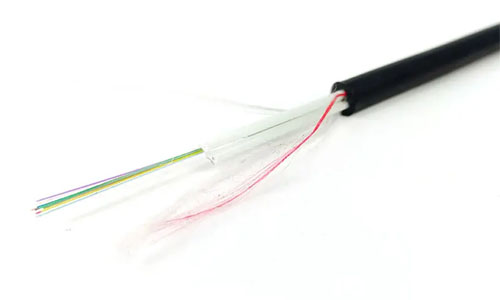 ASU Fiber Optic Cable
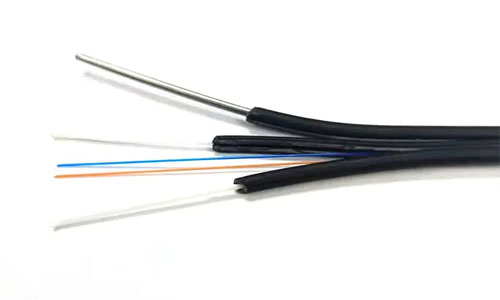 FTTH Fiber Optic Cable
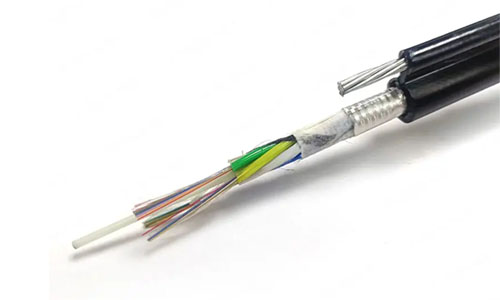 Figure 8 Fiber Optic Cable
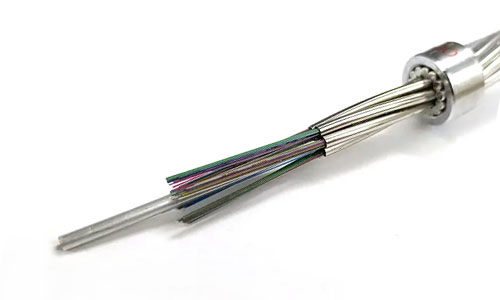 OPGW Fiber Optic Cable
 Coaxial Cable
 Ethernet Cable
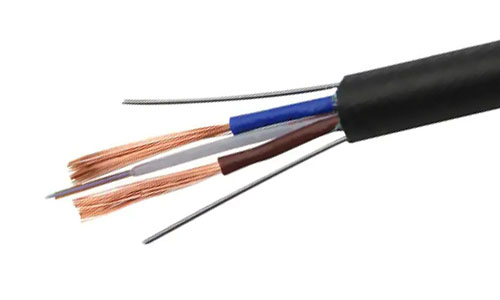 Photoelectric Composite Fiber Optic Cable
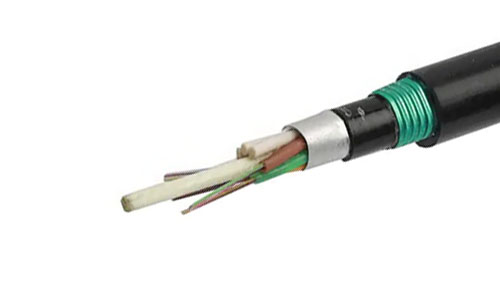 Underground & Pipeline Fiber Optic Cable
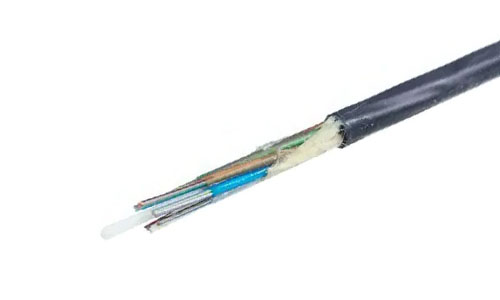 Air-Blown Micro Fiber Optic Cable
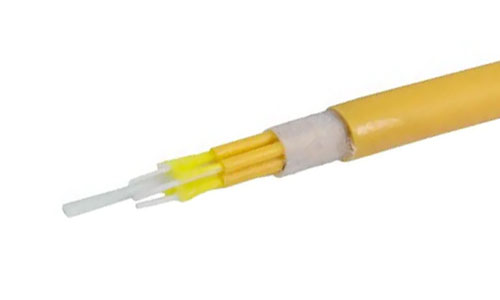 Indoor Fiber Optic Cable
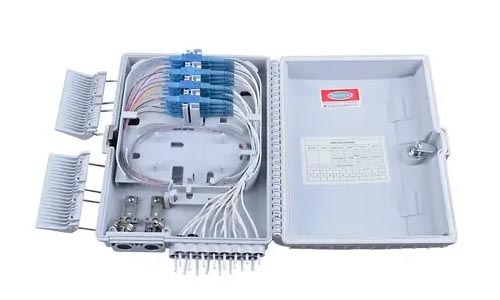 Fiber Optic Distribution Box
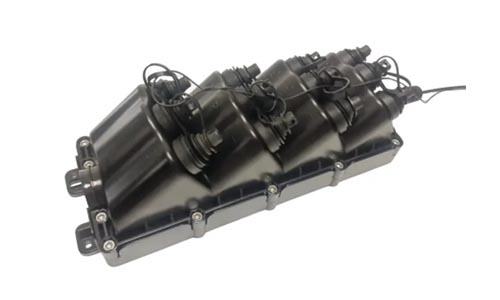 Multiport Service Termina Box
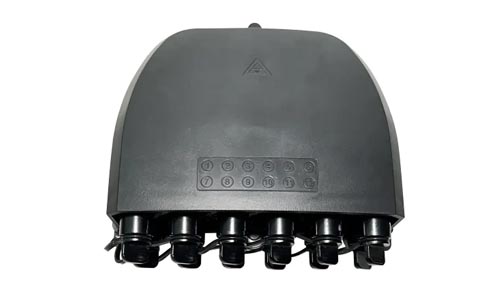 Fiber Optical Terminal Box
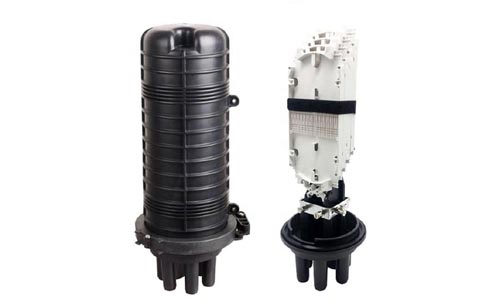 Fiber Optic Splice Closure
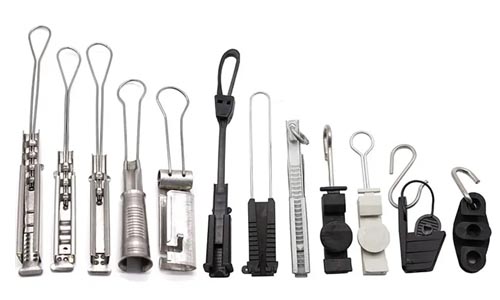 Fiber Optic Clamps
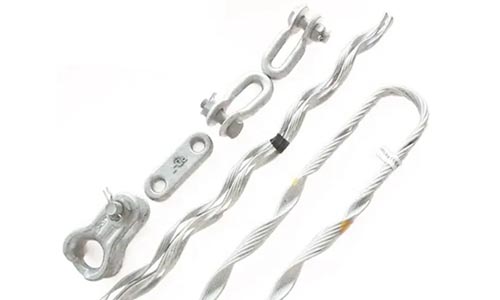 Fiber Optic Cable Fittings
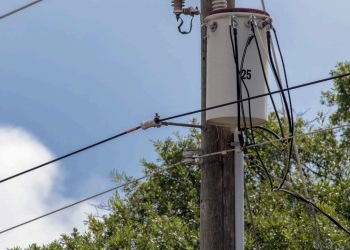 ADSS Fiber Cable
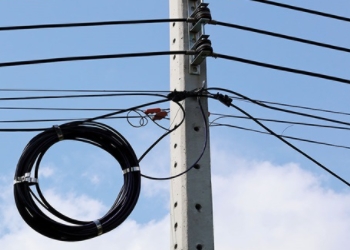 ASU Fiber Cable
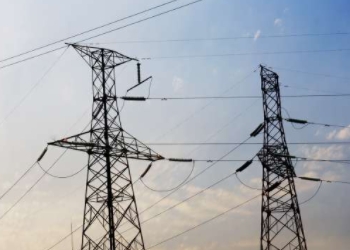 OPGW Fiber Cable
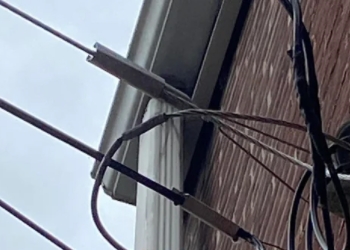 FTTH Fiber Cable
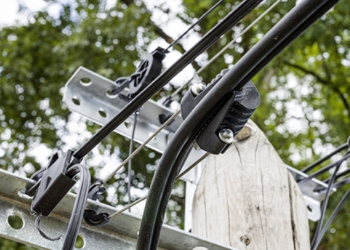 Figure 8 Fiber Cable
 Photoelectric Composite Fiber Cable
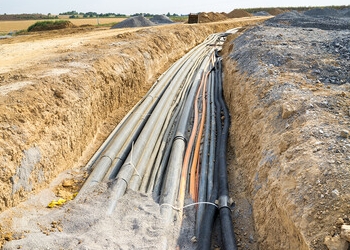 Underground & Pipeline Fiber Cable
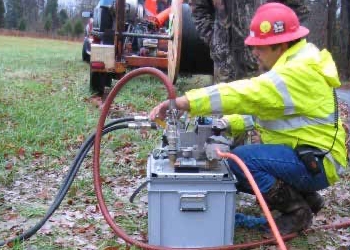 Air-Blown Micro Fiber Cable
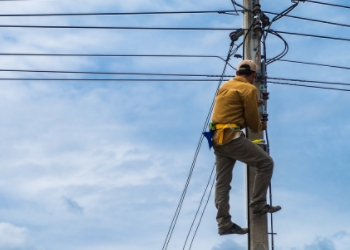 Aerial Fiber Cable
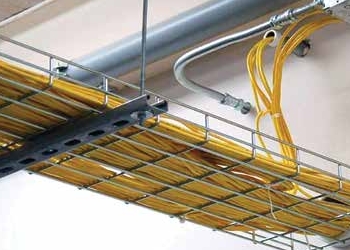 Indoor Fiber Cable
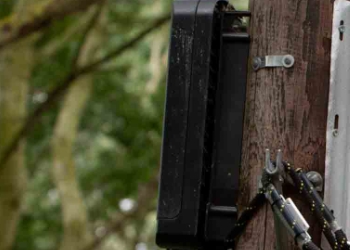 Fiber Optical Terminal Box
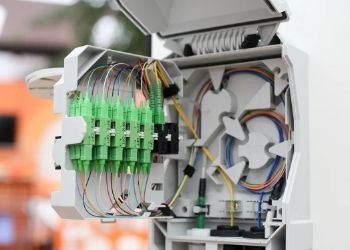 Fiber Optic Distribution Box
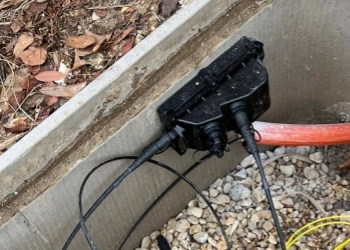 Multiport Service Termina Box
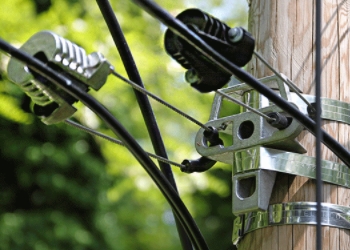 Fiber Optic Clamps
 About Us
 Our Team
 History
 R&D Strength
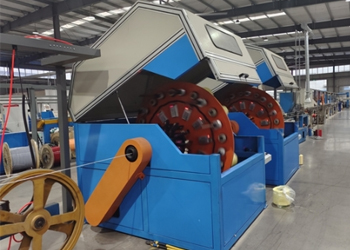 Production Base
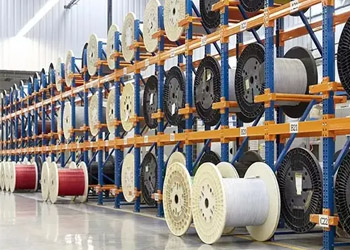 Warehouse & Logistics
 Quality
 FAQs
FAQsGuy Grips - Essential Components for Secure Guying Applications
Guy grips are metal clamps that attach wires to poles on overhead power lines. These small but sturdy little guys grip the wires, keeping them put even in wind or rain. Constructed of galvanized steel or similarly rugged metals, guy grips perform well in all sorts of weather. Power line workers love them because they are hand-tightened and don’t require any special tools. The design distributes the pressure across the cable, which prevents abrasion and snapping. Guy grips are used to keep power lines secure. To understand how guy grips assist in actual work, the following section highlights when and how they are applied, and why they are a clever choice for numerous tasks.

What Are Guy Grips?
A guy grip, known as a dead-end grip, is a basic but essential hardware designed for securing guy wires. Keeping poles, towers and even offshore rigs safe and sturdy is where these bad boys come in. Employed across industries—such as power lines, telecom and construction sites—guy grips ensure that the cables supporting high wires remain in place, even in rough conditions or tight spaces. Crafted of hot-dip galvanized steel, they resist rust and endure for years. These grips are designed to accommodate strands up to 1 diameter and the loop at the end facilitates easy hookup and support.
-
Regular Guy Grips . . Are the most popular, and excellent for common day-to-day tasks such as electrical poles and small towers. It wraps around the guy wire and hooks on to an eye thimble, a powerful, straightforward grasp. It’s the much-used solution for utility crews who require a fast, secure repair.
-
Heavy-Duty Guy Grips . . Applied where the load is greater—such as large transmission towers or in high-wind locations. These have more wire and a thicker construction, so they don’t release even when the tension is intense.
-
Preformed Guy Grips . These are formed to wrap snugly around the guy wire, matching the strand’s size and type. They’re great for telecom masts or marine applications, such as stabilizing a satellite dish or platform in salty air.
-
Specialty Guy Grips . . Other grips are designed for specialized tasks, such as marine use on off shore oil rigs or antennas in extreme environments. They tend to be extra padded or molded for a custom fit.
Guy grips therefore help keep towers and poles standing up tall and secure. When connected correctly, they prevent cords from loosening or breaking. They hold antennas, dishes and even marine platforms in a row and firm, preventing sway and destruction. Choosing the appropriate grip for your project is important—a mismatch could mean a fragile grip, which endangers the entire arrangement. Always consider the strand size, the work site, and the pull the wire will endure. A good grip equals less repairs & more safety for all.
The Core Function of Guy Grips
Guy grips are fundamental components in holding up guyed towers. They function by encircling guy wires and securing them to poles, towers, or other supports. Their core function is to prevent these wires from slipping or snapping under tension. With their helical form, guy grips create a solid grip at the termination of each guy wire. Which they use to support antennas, radio towers, satellite dishes and even big offshore rigs. No matter where your structure stands, guy grips provide the same strength and peace of mind.
1. Secure Termination
Guy grips provide a powerful termination point for guy wires. This anchored end prevents the wire from sliding or loosening — crucial for stability. When a guy grip is installed properly, the load distributes uniformly, allowing the wire to withstand wind, weight and other stresses without breaking. Safety rides on this, a frail terminus can compromise the entire edifice. Because there are tons of guy grip styles—some for chunky wires, others for skinny or flexible ones– every project can find its perfect match.
2. Tension Distribution
Guy grips allow distribute the pull or tension along the guy wire. If stress accumulates at one point, it can fracture the wire or compromise the architecture. Tension keeps towers, poles and antennas upright and safe– regardless of the weather. If tension is off, components may flex or fracture, endangering collapse. At erection, guy grips simplify monitoring and maintaining the proper tension from one end to the other.
3. Vibration Damping
Wind, storms and ground shakes cause guy wires to vibrate. Guy grips assist in reducing these oscillations, preserving both the wire and the structure from gradual destruction. This is critical in windy areas or in seismic regions. A few grips are designed to flex a little and absorb shock, others use harder wire to stay strong. Choosing the appropriate grip combats abrasion and maintains durability.
4. Lasting Durability
The majority of guy grips are used on galvanized steel or aircraft grade metal. These battle rust and wear, therefore less repairs. Strong grips means that the wires get the job done, year after year. Corrosion-proof grips are a must in wet, salty, or harsh places. Still, every once in a while, a check is clever–catch issues before they expand.
5. Installation Simplicity
Putting in guy grips is easy – wrap, twist and you are set. All you need are simple hand tools. ALWAYS read maker’s steps, as each grip might require a special touch. A properly executed install means the grip stays strong — securing the structure.

Anatomy of a Guy Grip
A guy grip is a piece of hardware that is used to anchor and support cables, wires, or poles across multiple industries. Its composition determines how it holds up under stress, how durable it is, and where it performs optimally. Familiarity with each component allows users to select the appropriate grip for the task and maintain system security.
Material Composition
-
Galvanized steel
-
Aluminum alloy
-
Stainless steel
-
Special corrosion-resistant coatings
Material selection influences the weight capacity of a guy grip and its field longevity. Galvanized steel is amazing because it doesn’t rust or wear down, which makes it a choice item for outdoor work where rain, snow or salt can wreak havoc. Aluminum alloy is less heavy and easier to work with during installation but might not weather as well. Stainless steel is highly resistant to rust and bending as well, which is beneficial in coastal or industrial areas. Some grips even include additional coatings that resist chemicals or salt air, allowing the hardware to survive longer in harsh locations.
Helical Design
| Advantage | Description |
|---|---|
| Enhanced grip | Spirals wrap tight, boosting grip strength. |
| Even load spread | Helix spreads weight along the wire. |
| Less stress points | Fewer sharp bends, so less risk of snapping. |
| Easy to install | Simple wrap-around action makes setup fast. |
A helix shape allows the grip legs to conform around both the guy wire and pole, ensuring that the stress disperses rather than bunches up at one point. That spiral motion translates to less weak points, so the grip is capable of supporting as much as 95% of the wire’s breaking load. That’s why helical grips work great in power lines, telecom towers and anywhere cables need solid, secure support.
Color Coding
Thanks to color coding–inspired by the good ol’ baseball glove–users are able to distinguish grip sizes at a glance, reducing errors and set-up time. If you use the wrong size, it can blow the system – so selecting the right color is a must! Each size and load rating is marked by a different colored band or stripe, so manufacturers can easily match a grip to a certain cable or job. Adhering to these color code rules isn’t just aesthetic—it's a safety measure to ensure that every grip functions as intended.
Grit Application
Once a ‘guy grip’ catches a layer or two of grit, it adheres to wires even better. The abrasive surface then latches onto the cable, keeping it in place even when the wire is taut. This is especially helpful in rain or icy conditions, when the wires can get slippery. Certain grit works better in different places—hard grit for wind farms, lighter grit for smaller poles. Either way, a solid grit coating saves the grip from sliding, injecting an additional ingredient of confidence into the entire rig.
Where Guy Grips Anchor Our World
Guy grips anchor our world. These little metal spiral guys hold cables and poles and towers secure. Their flexible lead design, with legs you wrap around conductors or grounding wires by hand, means they’re easy to install and can even be re-used within a limited period of time. In sizes ranging from 1/8”, 3/8” or 5/16”, and constructed from rugged materials like galvanized steel, guy grips comply with stringent international standards and accommodate diverse requirements.
-
They secure telegraph, telephone and electricity lines, anchoring utility poles and keeping them standing in any weather.
-
They stabilize power lines, minimizing the potential for outage when high winds or hurricanes strike.
-
They support communication towers, keeping signals clear and reliable.
-
They support structures in construction projects, from bridges to high masts.
-
They assist farmers by bracing trellises and irrigation pipes and even fencing.
Utility Poles
Guy grips protect utility poles from punishing wind, pounding storms and even ice, standing strong. Without this support, poles could lean or topple, risking outages. To electrical grids, guy grips are a mandatory fashion statement, holding wires taut and amps pulsing. Safety is a big deal, and firm grips translate to reduced risk for workers and the public. Each pole could require different grip size or breaking loads. That’s why specs matter–one size doesn’t fit all.
Communication Towers
One crappy guy grip and the entire tower is in jeopardy. Grips assume changing loads as antennas or cables sway with wind or elements. They cease to sway, reduce vibration, and safeguard network signals. If guy grips slip or corrode, links can fall. That’s why tower checks and grip replacements are every good maintenance plan. Right grip, clearer calls, faster data.
Structural Support
Guy grips, they’re not just for lines or towers. They prevent scaffolds, bridges and even tall signs from toppling. Selecting the proper grip for every task is essential. Some places require bigger, thicker grips for additional hold. Bridges with boulders or tall ship masts in gusty harbors rely on these grips to keep it all anchored. Employees feel more secure, that the grips can handle the load.
Agricultural Use
Farmers rely on guy grips to brace greenhouses, tension irrigation pipes, or anchor trellis wires for grapes or tomatoes. Grips support heavy vines and prevent sagging. The weather can be rough on fields, so strong, rust-resistant grips are ideal for farm work. With proper grips, farm setups endure and require less maintenance. It means more time focusing on crops, not repairs.
Mastering the Installation
Having guy grips installed the right way starts with knowing the basics and adhering to them each step of the way. It’s not about speed or about muscle—it’s about having a feel for the details. Mindfulness is critical here, as these grips support actual loads and propping valuable architecture. Be sure you ALWAYS think ahead and check the weather. Wet, windy days or any presence of a storm and you should hold off. Safe and secure employment.
-
Gather all needed tools and guy grip parts
-
Check weather and site conditions
-
Set screw eyes at 120 degree angles to each other.
-
Anchor wires 45º from the pole to establish a firm foundation.
-
Hang the thimble clevis and feed in one leg of the preformed guy grip.
-
Bend the center of the wire to form two feet, running them alongside the cable.
-
Fasten the hold and test pull, ensuring everything is snug but not overly taut.
-
Inspect the whole setup for correct alignment and strength
Adhering to industry standards isn’t simply a checkbox. These regulations protect individuals and ensure edifices remain stable for years to come. Three guy strands is the typical minimum. This distributes the burden and maintains equilibrium. Installing them with screw eyes set 120 degrees apart keeps the pull even. If you cut corners or hurry, the grip may slip or break under tension.
Tension is more important than most people suspect. If it’s too loose the grip might sag or release. If it’s too tight, the cable can snap or break down quicker. Checking and adjusting tension as you go can save a lot of hassle down the line. For instance, a meter or a basic tension gauge can assist you in nailing it down.
Becoming proficient at this procedure rewards. Properly installed guy grips can withstand up to 95% of their breaking load. That means they cling even during hard weather. They even let you re-install them within 90 days if you need to change. Considering the conditions, whether it’s heat, rain or salt air, guides you select the correct grip and technique.
The Unseen Risks
Guy grips — the hardwear that holds guy wires — appear straightforward. Misusing them or cutting corners can lead to actual issues. Below is a table showing what can go wrong if you don’t use guy grips as intended:
| Risk Detail | What Can Happen | Example or Consequence |
|---|---|---|
| Wrong installation | Loose or weak hold | Support wires slip, structures lean or fall |
| Skipping checks | Rust or wear goes unseen | Breaks under normal stress |
| Overloading | Exceeds weight limit | Wires snap, grip fails |
| Ignoring environment | Weather or water weakens grip | Corrosion, sudden failure |
Neglecting regular inspections is a major hazard with guy grips. If rust, fraying or bent parts are overlooked, the hold can snap when you least expect it. Similar to watersports where the leap may appear safe but masks unseen rocks or shallows, these underlying defects in guy grips can cause sudden failure. Llano City Dam’s recent tragedy demonstrates how something seemingly safe can turn hazardous in a heartbeat—one man is hospitalized following a lake-dive that appeared deep enough to withstand it. It’s the same with hardware: you can’t see what’s wrong until it’s too late.
Knowing how much weight your guy grip has to hold is key. If you guesstimate or simply use the closest match, it can fracture under excessive stress. It’s like disregarding bridge signage and leaping into unknown waters–folks have attempted to jump from the handful of the U.S. 281 bridge even though they’re prohibited by law. Both examples demonstrate why it’s wise to be aware of the actual constraints before you operate.
Weather and water are big factors as well. Rain, wind, temperature swings can erode metal more quickly, just like muddy water conceals hazards for bathers and complicates rescues when someone is in peril. If grips rust or get bent in bad weather, they can break without warning. Other locations, such as the Llano city dam, prohibit walking or jumping for similar causes—what you can’t see can still get you.
Conclusion
Guy grips pack a punch in a tiny package. They hold poles, towers and lines in place — even in crazy storms or windblown fields. Imagine the jagged turn of metal, the tight grip on a fat cable, the bristly brush against your palm—every element collaborates to support weight and resist tension. Missing a step or choosing the wrong grip can spell death. A solid grip leaves its imprint on Safety you can SEE every day. Want to extend the life of your equipment or maintain a secure site? Tell your tale, seek advice or trade thoughts with your peers. The proper grip can transform the entire game.
Frequently Asked Questions
What is a guy grip?
A guy grip is a molded piece of hardware used to anchor cables or conductors to a pole, tower or other structure. It provides security in power and telecom lines.
How do guy grips work?
Guy grips that your wrap tight to a cable or wire. They have a helically-designed ‘teeth’ that grip the cable, spreading force. This offers robust, slip-proof grip without scuffing the cable’s finish.
Where are guy grips commonly used?
Guy grips are commonly found on power lines, telecommunication towers and wind turbines. They keep guy grips from slipping on support cables.
What materials are guy grips made from?
Most guy grips are constructed of high strength galvanized steel or aluminum alloy. These provide both durability and weather and corrosion resistance.
Are guy grips reusable?
No, guy grips are usually a one time deal. Recycling can weaken grips and jeopardize safety.
What are the main risks of improper guy grip installation?
If installed wrong, it can cause cable slippage or breakage. This can cause equipment malfunctions, property damage, or safety risks for workers and the public.
How do I know the right size of guy grip to use?
Just make sure you check the cable diameter and adhere to your manufacturer’s sizing chart. With the proper size, you can guarantee optimal grip and safety.