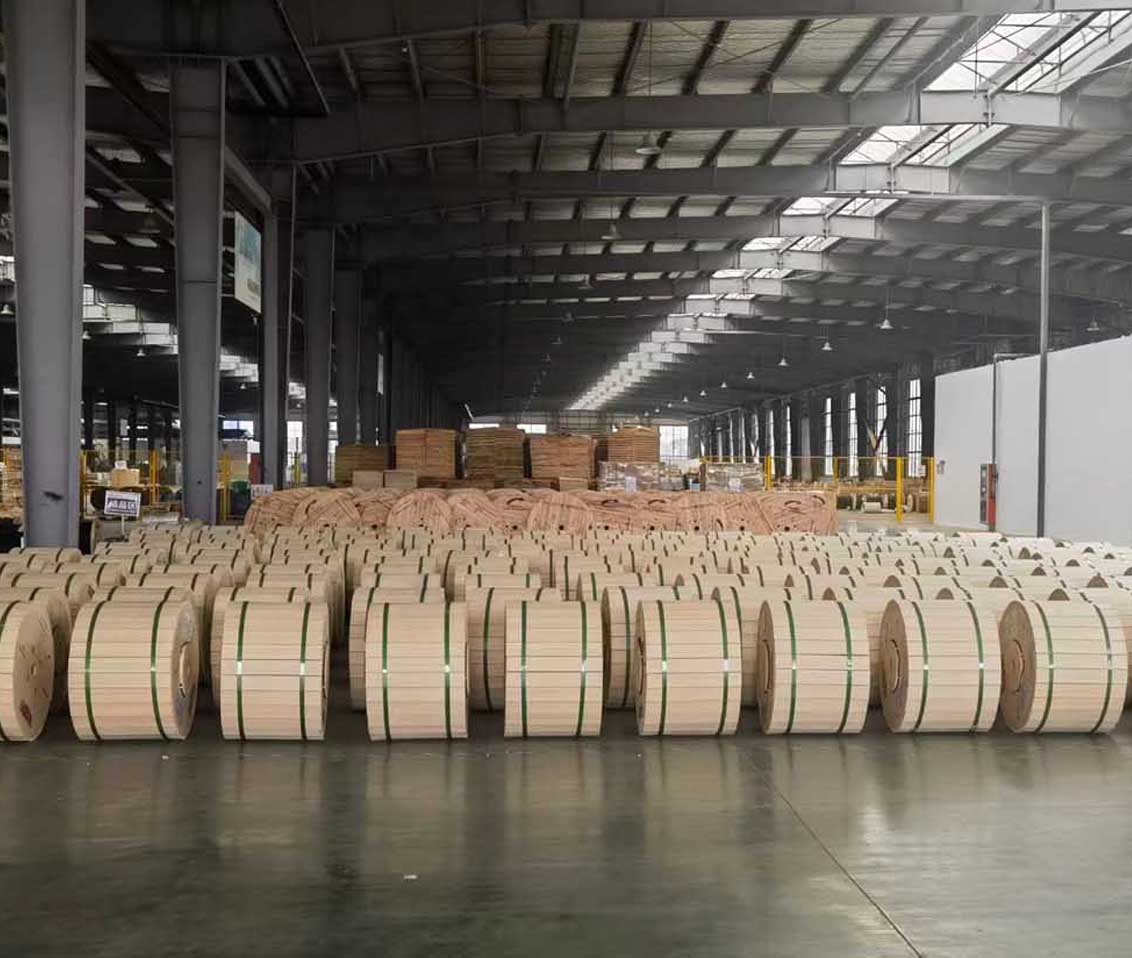
 Optical Fiber
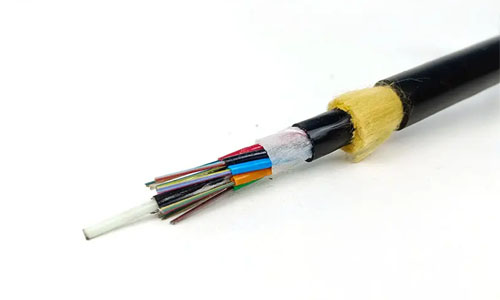 ADSS Fiber Optic Cable
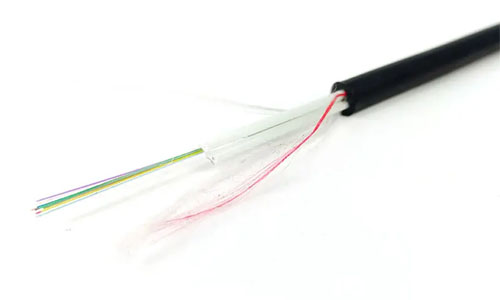 ASU Fiber Optic Cable
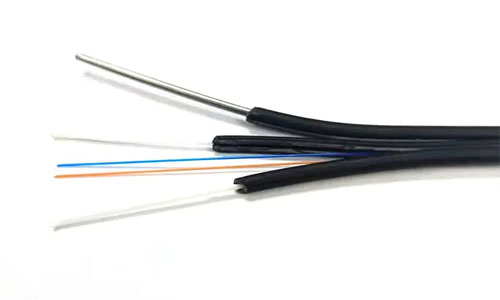 FTTH Fiber Optic Cable
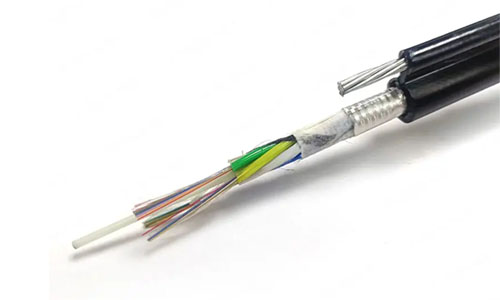 Figure 8 Fiber Optic Cable
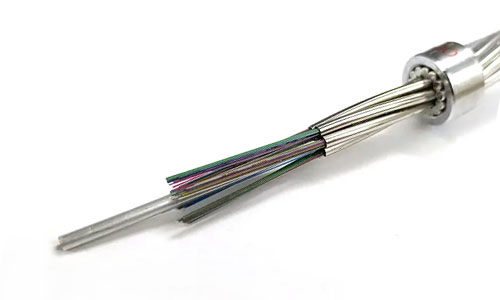 OPGW Fiber Optic Cable
 Coaxial Cable
 Ethernet Cable
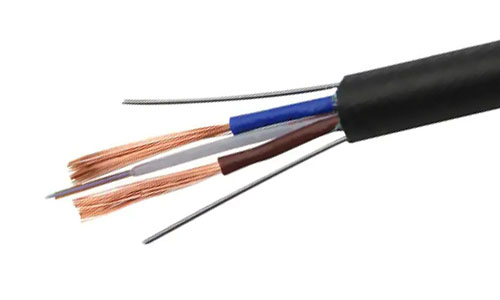 Photoelectric Composite Fiber Optic Cable
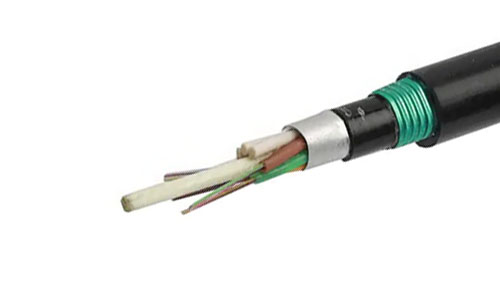 Underground & Pipeline Fiber Optic Cable
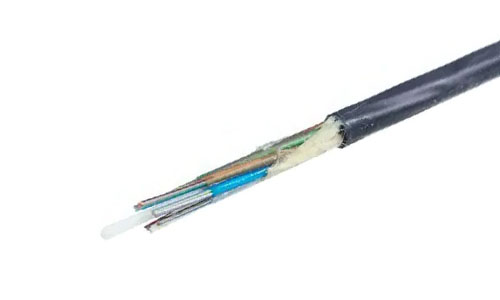 Air-Blown Micro Fiber Optic Cable
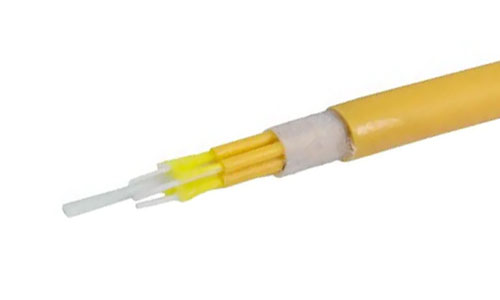 Indoor Fiber Optic Cable
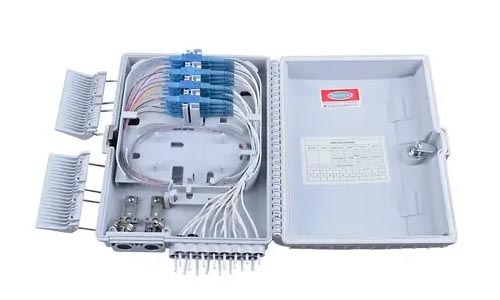 Fiber Optic Distribution Box
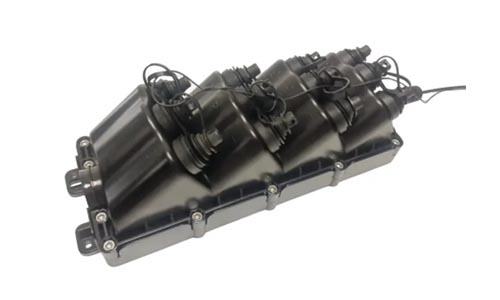 Multiport Service Termina Box
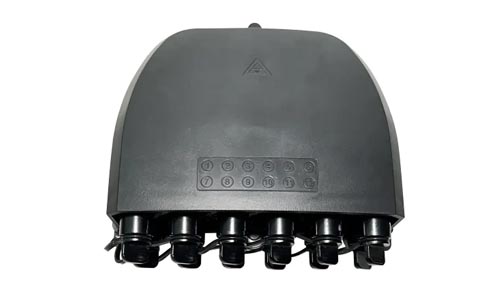 Fiber Optical Terminal Box
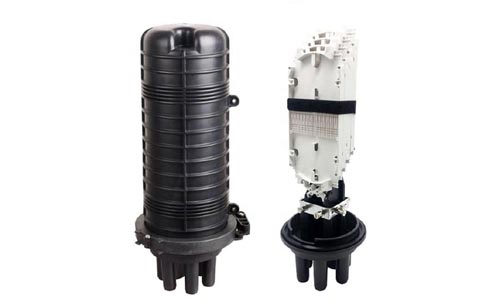 Fiber Optic Splice Closure
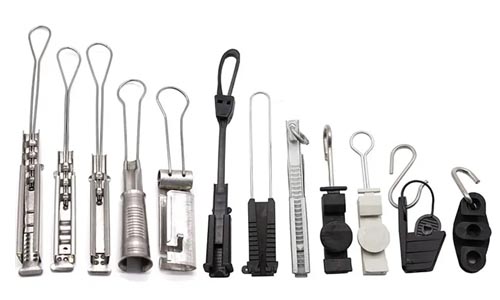 Fiber Optic Clamps
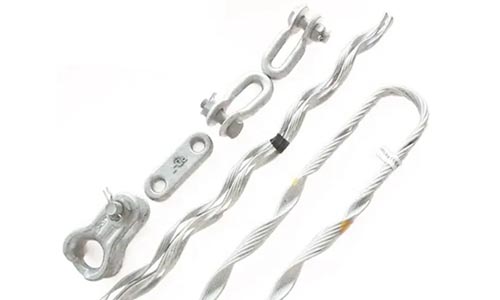 Fiber Optic Cable Fittings
 ADSS Fiber Cable
 ASU Fiber Cable
 OPGW Fiber Cable
 FTTH Fiber Cable
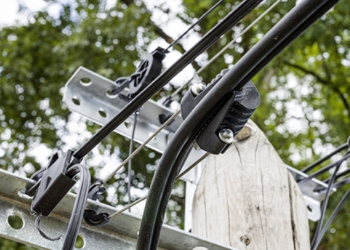 Figure 8 Fiber Cable
 Photoelectric Composite Fiber Cable
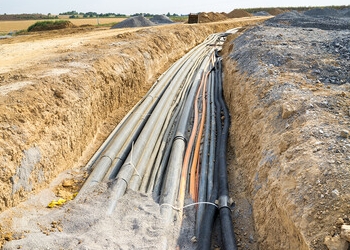 Underground & Pipeline Fiber Cable
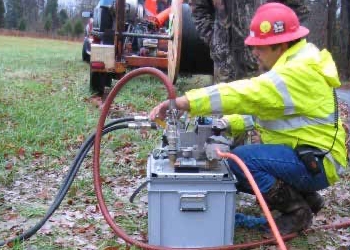 Air-Blown Micro Fiber Cable
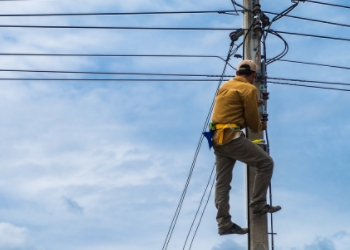 Aerial Fiber Cable
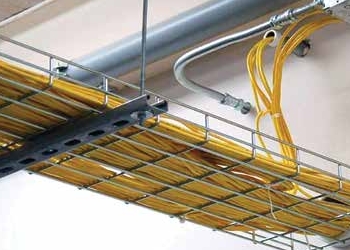 Indoor Fiber Cable
 Fiber Optical Terminal Box
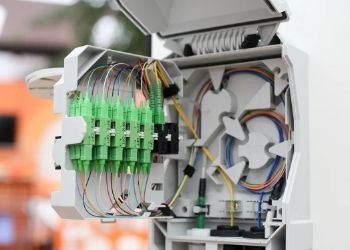 Fiber Optic Distribution Box
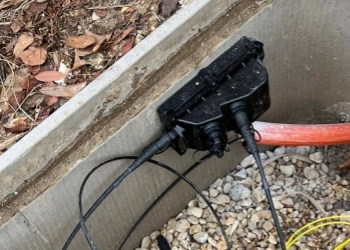 Multiport Service Termina Box
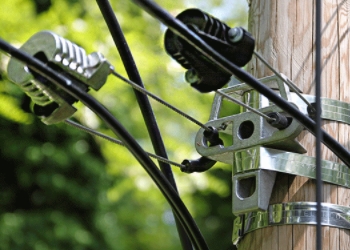 Fiber Optic Clamps
 About Us
 Our Team
 History
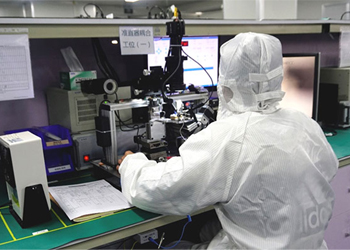 R&D Strength
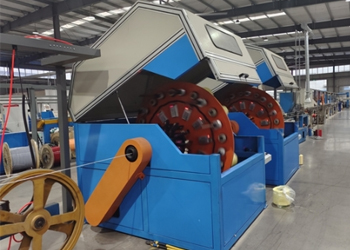 Production Base
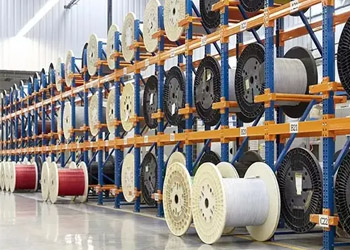 Warehouse & Logistics
 Quality
 FAQs
FAQsGPON vs FTTH: Understanding the Key Differences and Benefits
GPON vs FTTH, both GPON and FTTH refer to methods of delivering internet data to homes or businesses, but they operate differently. GPON is short for Gigabit Passive Optical Network, which transmits data via fiber optic cables with shared links. With FTTH, or Fiber to the Home, the fiber optic line runs directly from the provider all the way to each individual home, providing faster and more reliable speeds. They are compared so often because GPON can be cheaper at scale for larger networks, while FTTH could offer a superior experience to end users. The decision between them often comes down to what you prioritize—affordability, speed, or stability. The following sections explain how each alternative operates, the advantages, and ideal candidates.
Understanding FTTH and GPON
Fiber-to-the-Home (FTTH) and Gigabit Passive Optical Network (GPON) are two core technologies driving modern internet access. Both respond to the escalating worldwide demand for speedier, more dependable connections as individuals stream 4K videos, attend Zoom calls, or control their smart homes. Service providers around the world depend on them to deliver reliable internet right to users' doorsteps, defining how communities and businesses connect.
The Concept
FTTH takes those fiber lines all the way to your home or business. This straight connection eliminates copper wire or coax in the last mile and uses only fiber. You receive reliable, fast internet, even when your neighbors are surfing the web. It is super convenient for families, remote workers, or gamers looking for consistent speeds for 8K streaming or VR.
GPON functions differently. It utilizes one optical fiber to serve multiple users by splitting the signal en route. This sharing model reduces expenses for providers and allows them to reach more residences without having to deploy additional cable. GPON can power up to 64 users on a single fiber strand and it is very popular with apartment complexes or tightly packed neighborhoods.
Both have benefits. FTTH provides you with the quickest, most dependable speeds reaching as high as 10 Gbps. GPON is cheaper and still fast, up to 2.5 Gbps down and 1.25 Gbps up. FTTH is for those who require maximum performance, while GPON is for larger communities where price is more important.
FTTH is commonly selected for new subdivisions or single-family residences. GPON is best suited for multi-unit dwellings or in communities where providers want to reach a large number of users with less infrastructure.
The Technology
FTTH networks use optical fibers, splitters, and an Optical Network Terminal (ONT) at each home. The ONT converts the light signal into usable service for your devices, such as WiFi or ethernet. This arrangement maintains low latency, and latency can fall below 1 millisecond per 200 kilometers.
GPON uses passive components such as optical splitters. These split one fiber’s signal into many, enabling dozens of homes to share the same line. It operates on two light wavelengths: 1490 nm downstream and 1310 nm upstream, employing timesharing techniques to isolate each subscriber’s traffic. GPON uses strong encryption (AES128) to protect data in transit.
It’s all built around optical fibers. They drive enormous volumes of data very, very far, up to 20 kilometers, with very little signal loss. Fiber advances have FTTH and GPON getting faster and more reliable every year.
The GPON vs FTTH Distinction
GPON (Gigabit Passive Optical Network) and FTTH (Fiber to the Home) often get mixed up. FTTH is the general design principle of getting fiber to your doorstep, and GPON is one technology used within certain FTTH deployments. Not all FTTH is GPON, but all GPON is FTTH. Both intend to fiberize internet but operate differently, with distinct advantages and compromises.
| Feature | FTTH (Point-to-Point) | GPON (Point-to-Multipoint) |
|---|---|---|
| Architecture | Dedicated fiber per user | Shared fiber via splitters |
| Bandwidth | Dedicated, high, consistent | Shared, dynamic |
| Scalability | Needs more fibers per user | More users per fiber |
| Upgrade Path | Flexible, easy for higher speeds | Limited by shared infrastructure |
| Security | Direct, isolated connection | Shared, needs more encryption |
1. Network Architecture
FTTH employs a direct architecture with a dedicated fiber line for each residence or business. When you send data, it has a direct route to the provider, like a private lane on the motorway. There is no sharing and no surprise slowdowns from neighbors.
GPON utilizes passive optical splitters. One fiber from the CO splits to serve dozens of homes, 32 or even 64. That economizes on fiber and reduces costs. Everyone downstream shares the same trunk line. FTTH’s data flow remains fast and steady. GPON becomes congested if a lot of users stream or download video simultaneously.
FTTH is simpler to upgrade for faster speeds because each line is individual. GPON requires a bit more consideration, as incorporating users or increasing speeds might require new splitters or backbone enhancements.
2. Bandwidth Allocation
FTTH provides a dedicated amount of bandwidth to every customer. If you pay for 1 Gbps, you typically get it even with neighbors online.
GPON splits bandwidth with dynamic allocation. Downstream, you could get 2.5 Gbps and upstream 1.25 Gbps, but that gets allocated when others hop onboard. Streaming, gaming, or large file uploads can bog things down in rush hour.
Its dedicated bandwidth is what makes FTTH so excellent for high-demand needs such as 4K streaming or smart home systems. GPON is fine for casual surfing, but being shared can become a choke point if everyone needs speed simultaneously.
3. Core Components
FTTH utilizes fiber terminals, ONTs, and direct cabling to individual addresses. The ONT resides in your home and converts light to internet.
GPON arrangements require an optical line terminal (OLT) on the provider side and optical splitters in the field. The OLT oversees signals in both directions for any user and splitters divide a fiber among many. Both use quality fiber and connectors to maintain clear and stable signals.
Good hardware is key for both. Robust, maintained networks ensure connections remain dependable as demand increases.
4. Security Model
FTTH is robust on security, as every subscriber has a private line. There is less risk of data leakage between homes.
GPON, sharing a trunk fiber, requires strong encryption and user authentication. It employs steps such as AES encryption to secure shared streams. It is critical to update software and monitor for exploits.
Both are well served by routine security reviews. User data remains most secure when providers remain vigilant.
5. Scalability Path
FTTH scales by installing more fibers, a great approach if you don’t have a bunch of homes per kilometer. Adding capacity is easy; pull a new line, upgrade ONTs.
GPON can scale to add more users by putting more splitters or fibers in, so it’s perfect for high urban densities. As more people sign up, they each get a smaller piece of bandwidth unless the backbone is upgraded, too.
Scalability is really a function of population density and people’s internet requirements. Both systems answer the call, but the right fit is community dependent.
Real-World Performance Impact
When you compare GPON and FTTH, you are essentially examining how each technology influences everyday online experiences, from casual surfing to critical enterprise applications. Both use fiber optic cables, but how they drive information, manage peaks, and resist real-world pressures is where distinctions arise. Here is how they compare in real-world performance.
| Technology | Downstream Speed | Upstream Speed | Max Distance | Typical Use Cases |
|---|---|---|---|---|
| GPON | 2.488 Gbps | |||
| 1.244 Gbps | 20 km | 5G backhaul, small cell, residential |
| FTTH | 1 to 10 Gbps | 1 to 10 Gbps | 20 km | 8K streaming, VR, smart home, enterprise |
Latency
-
Real-World Performance Impact Direct fiber paths, shorter splitter chains, and simpler hardware.
-
Increase splitter ratios only when user loads are low.
-
Monitor and fix traffic spikes quickly.
FTTH usually has lower latency, typically around 5 to 10 milliseconds during peak hours, with GPON possibly experiencing 10 to 30 milliseconds or higher when multiple users share a line.
Video calls, online games and virtual meetings benefit from lower latency. A gamer or remote worker, for instance, could sense frame drops or lag with GPON if the network is congested. FTTH’s dedicated lines keep things nice and smooth, even during peak usage hours.
Throughput
Throughput is the peak rate data can flow over a network. With FTTH, it’s a straight shoot. Users commonly receive the entire 1-10 Gbps, which is great for 8K streaming or rapid cloud backups. GPON, of course, has its split lines sharing 2.488 Gbps downstream and 1.244 upstream. That is good enough for most households but can bottleneck uploads for companies or artists.
Demand of heavy users, network design and congestion are all factors. Even the top fiber hits bottlenecks at peak hours, particularly if splitters are abused. They desire consistent, high throughput for large uploads and seamless video. FTTH’s edge here drives satisfaction and maintains service quality for expanding demands.
Reliability
FTTH is the stable, always-on access. Businesses conducting real-time analytics or video conferencing depend on that. GPON uses passive splitters, so there is less to break and energy bills are about 30% lower. More users on a line means that one fault can affect many.
Bad weather, construction, or even bad cable layout can cause outages in either one. Best practices such as regular inspections, intelligent cable paths, and redundant lines keep networks from being down.
Installation and Cost Factors
Here, evaluating GPON vs. FTTH comes down to real-world considerations. How much does it cost to get started? How complicated is it to maintain? For that upgrade time, what becomes of it? Most people overlook the minutia, but these elements determine the expense and simplicity of constructing and operating a fiber network, regardless of your location.
Deployment
-
Installation and cost factors. Several companies choose to do rollouts in phases, beginning in larger cities and then going to towns and villages. Each phase leverages hard-won experience to minimize errors and unnecessary expenses.
-
Installation, Cost, and Local Laws/Permits can slow things down a lot. In other locations, it could take weeks to get a permit to dig up streets or lay cables. Even weather and soil types can affect the rate of progress. Installing SMF can take 20 to 30 minutes per kilometer, but bureaucracy contributes days or weeks.
-
It can really help to use pre-terminated cables. By forgoing on-site splicing, installation time decreases by approximately 30 percent. For a 10 kilometer, under 32 user installation, the complete install could take 15 hours, with OTDR testing requiring 15 to 20 minutes per kilometer.
-
Things are peaking out all over—ancient ducts may be plugged, or you strike bedrock. Teams have to vet old infrastructure to avoid big surprises and added expense. GPON’s passive splitters are less powered parts, cutting energy bills by approximately 30%.
Maintenance
FTTH networks must be maintained to ensure optimal speed and uptime. Dust, cuts or water leaks can decelerate things. GPON systems require maintenance as well, but passive architectures result in fewer outages due to powered components. Providers have to educate crews to identify problems before they arise, swap out aging equipment, and react quickly to outages. Good maintenance is essential for both, but GPON usually runs cheaper to maintain due to its straightforward configuration. Still, upkeep gnaws at budgets, so planning ahead counts.
Upgrades
FTTH is straightforward to upgrade as technology advances. New splitters and speedier optics can plug in when necessary. GPON can speed up too, but aging equipment might require replacement to support the new rates. Planning for upgrades makes networks last longer and keeps them useful. Both present challenges: legacy wiring may not suit new equipment, or there is no convenient means of supporting additional users. Recyclable cables can reduce carbon footprint by as much as 20%, further supporting worldwide targets.
The "Good Enough" Dilemma
The ‘good enough’ internet concept underlies how they perceive and utilize their online links. What is good enough for one person may not be good enough for another. There are others who just need a little speed to check email, surf, or stream a few shows. For them, GPON and FTTH can both seem like overkill. Others, such as remote workers or gamers, see every lag and every lapse in reliability. For this crowd, good enough is soon abandoned for something faster and more robust. How users use the web and what they expect drives the need for ever-better service.
User Reality
For most, GPON is their everyday internet workhorse. It delivers broadband to residences via communal fiber connections, something that can be sufficient for typical consumption. FTTH, conversely, delivers fiber all the way to the door. That translates to less signal loss and fewer speed bumps, even when the block is hopping. Lots of GPON users report it’s good enough for them. They peek at the news, watch movies and hop on Zoom calls with ease. When it blinks out or slows down during prime time, irritations mount.
A few bunches are more concerned with pace, others want a stripe they can bank on. GPON is notorious for shared bandwidth complaints and frequent outages and slowdowns in congested areas. FTTH users have fewer problems, but the premium price can be difficult to justify for those with less need for speed. These real-world experiences influence what services get selected and what companies gain and lose customers.
Provider Economics
FTTH takes more money to build up front. It means fiber to every home. GPON allows providers to divide a single fiber line among multiple users, thereby reducing costs. Market demand and local budgets determine which path a company chooses. Providers have to speculate about how many people need lightning fast, always-on internet and how many are fine with good enough. That informs prices and packages and what we invest in upgrading. For some, the return on building FTTH is worth it—especially where people pay for better. Others adhere to GPON, aspiring to maintain low prices and satisfaction among users.
Future-Proofing
Tech doesn’t stand still. Networks have to grow as well. FTTH has a leg up on future proofing, as dedicated fiber is simpler to refresh with new equipment. GPON can upscale too, but runs into limits when more want to get high speed or new services. Long term planners look for providers who plan for the long term and keep up with flexible platforms, intelligent hardware, and iterative updates. Staying ahead means listening to what people need and where the market is going. GPON and FTTH innovations will determine who keeps up as internet habits shift.
Future of Fiber Access
Fiber access is at a crossroads. GPON and FTTH are defining how homes and businesses connect. For now, they’re trending toward the future of fiber access: higher speeds and more reliable links. A number of cities around the world already embrace fiber as their fixed-line backbone, delivering fast, reliable, and secure internet directly to homes and offices. After mobile networks, fiber begins to shine, giving fresh hope to users seeking more than wireless can provide.
Digging deeper, the expense of burying fiber plays a heavy role. In the US, it can cost between $150,000 and $1 million to lay 20 kilometers of fiber. This also means a few rural spots are still waiting on real FTTH service. Yet, around 60% of homes in certain parts are slated to receive FTTH within 3 years. Overbuilding or building more fiber access is common in cities to get more people connected. For areas remote from urban centers, the narrative is more gradual, but hope remains that innovation will narrow the divide.
New tools like IoT are altering user expectations of their internet. Even more devices in homes and businesses require speedy, reliable connections. This drives the demand for even higher quality fiber networks. FTTH can rapidly turn symmetrical 100 Mbit/s speeds into the new normal, which is significant as basic activities like video conferencing or smart home devices require more bandwidth. In Europe, FTTH homes consume three times the data of older ADSL homes. Next-gen WDM-PON tech can assign every house its own wavelength, increasing overall bandwidth for all.
The fiber optic industry has some genuine problems. Expensive tech upgrades are blocking the way when new long-range PONs with higher split ratios and much lower costs than GPON are still about 5 years away. Yet, the opportunity to deliver high-speed, reliable connectivity to all residences and commercial establishments presents genuine potential. That once-miraculous concept of “a router and symmetrical 100 Mbit/s Ethernet to every home and business” is no longer a dream. It is an achievable objective as we put down each new strand of fiber.
Conclusion
GPON vs FTTH both influence how individuals access high speed internet at home or the office. GPON provides a solid foundation for multiple users simultaneously, whereas FTTH reaches directly to an individual location for maximum speed and reliability. Both perform well for everyday tasks, such as streaming, working, or gaming. All three configurations have their advantages, and the right choice is based on your desired balance between speed, range, and cost. Many cities use both, intermingling to satisfy all demand. To choose the best one, consider your usage, your location, and what’s important to you. Got a story or a tip about your fiber setup? Let me know below, or post your #1 question — let’s keep the conversation going.
Frequently Asked Questions
What is the difference between GPON and FTTH?
GPON is a technology to deliver fiber optic internet. FTTH explains the actual physical run of fiber to a home. GPON is one path to FTTH.
Is GPON faster than FTTH?
No. GPON is FTTH. It’s the GPON standard and network design that determines your speed, not FTTH itself.
Which is more reliable: GPON or FTTH?
Both are dependable as GPON is a way to deliver FTTH. Fiber is just a nice connection overall with high stability and low downtime.
Are there cost differences between GPON and other FTTH technologies?
Yes. GPON is typically more economical for providers because it enables fiber to be shared between multiple subscribers and keeps costs down.
How does GPON impact internet performance?
GPON is a high-speed internet access technology that supports multiple services (internet, voice, TV). The bandwidth is shared, so it doesn’t perform as well if a lot of people are on at once.
Is GPON "good enough" for future internet needs?
For the vast majority of households and SMBs, GPON serves here and now and near-term requirements. As data needs increase, they may be beaten by newer fiber technologies.
Will upgrading from GPON to another FTTH technology improve my internet?
It varies. If your family has extremely demanding or numerous concurrent users, an upgrade to a newer technology such as XGS-PON can yield increased speeds and stability.