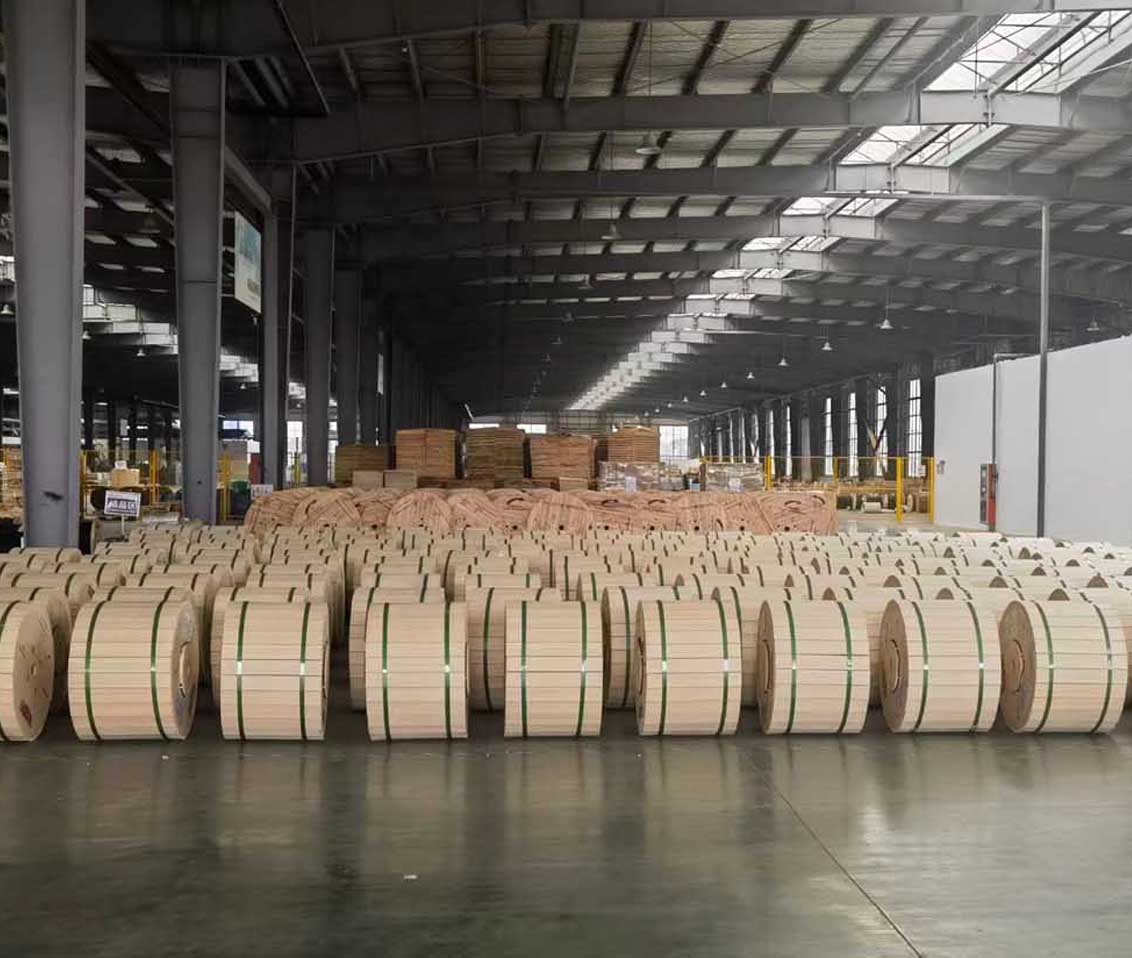
 Optical Fiber
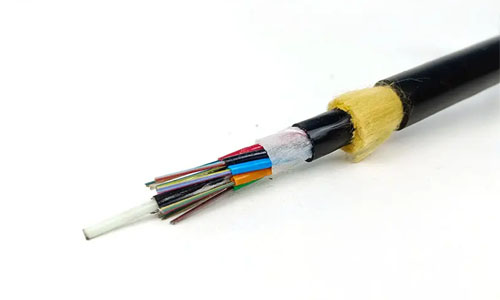 ADSS Fiber Optic Cable
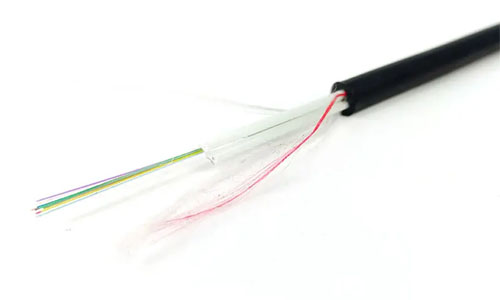 ASU Fiber Optic Cable
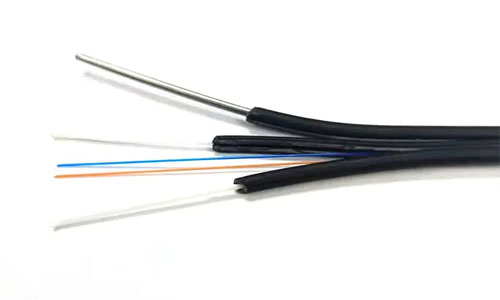 FTTH Fiber Optic Cable
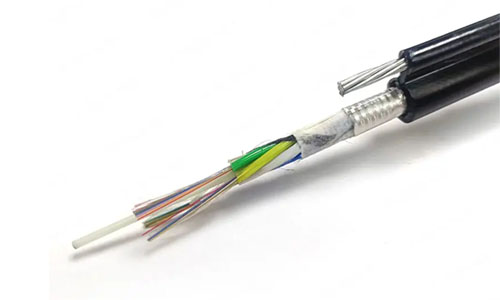 Figure 8 Fiber Optic Cable
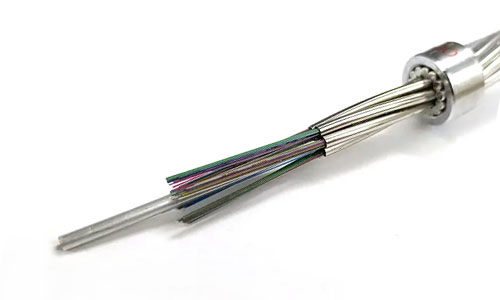 OPGW Fiber Optic Cable
 Coaxial Cable
 Ethernet Cable
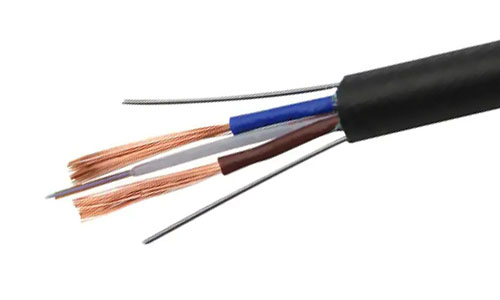 Photoelectric Composite Fiber Optic Cable
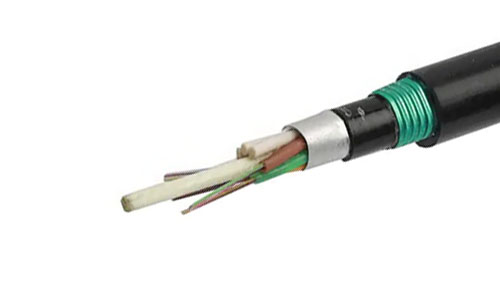 Underground & Pipeline Fiber Optic Cable
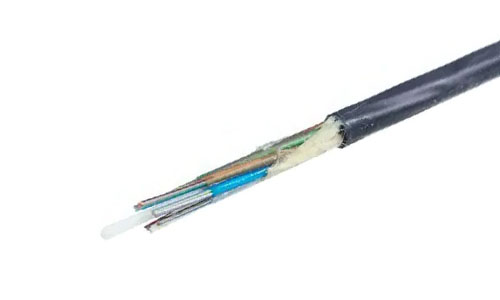 Air-Blown Micro Fiber Optic Cable
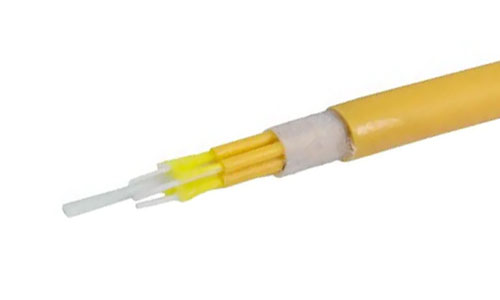 Indoor Fiber Optic Cable
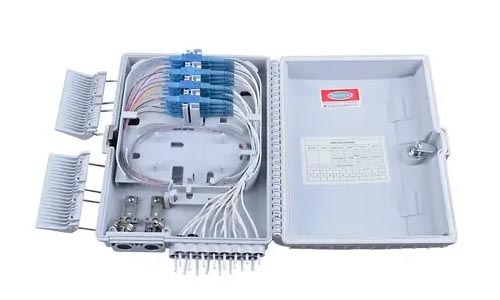 Fiber Optic Distribution Box
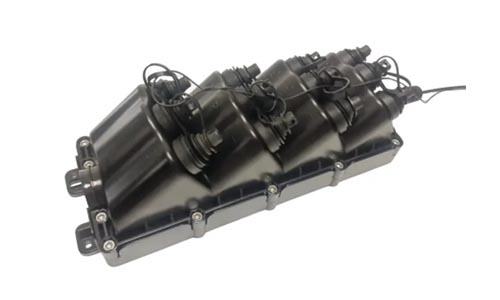 Multiport Service Termina Box
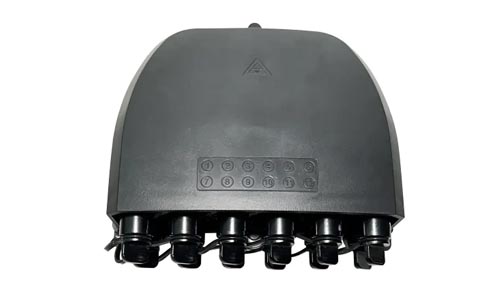 Fiber Optical Terminal Box
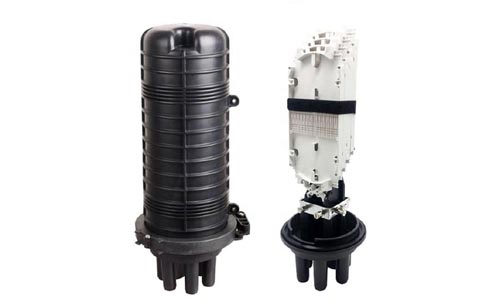 Fiber Optic Splice Closure
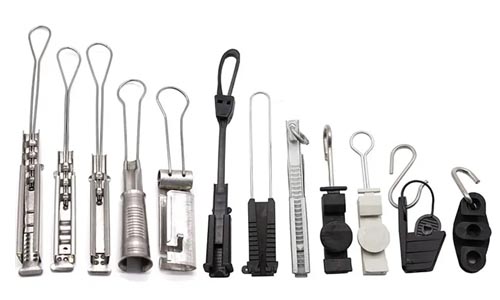 Fiber Optic Clamps
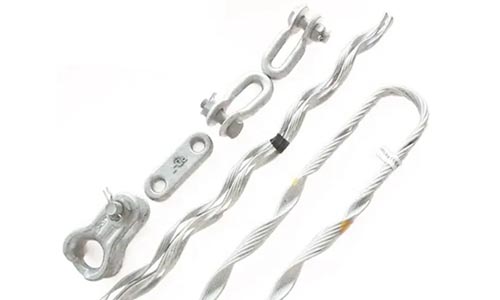 Fiber Optic Cable Fittings
 ADSS Fiber Cable
 ASU Fiber Cable
 OPGW Fiber Cable
 FTTH Fiber Cable
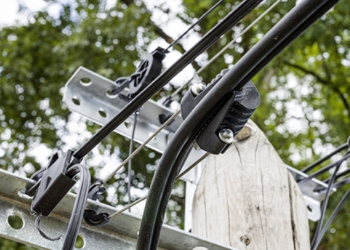 Figure 8 Fiber Cable
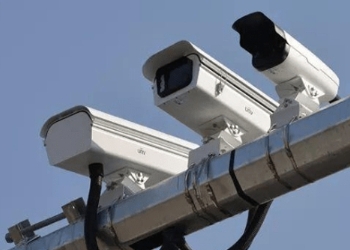 Photoelectric Composite Fiber Cable
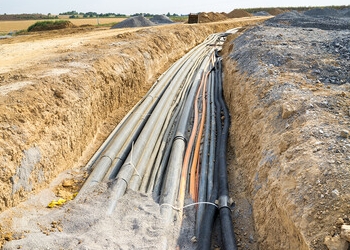 Underground & Pipeline Fiber Cable
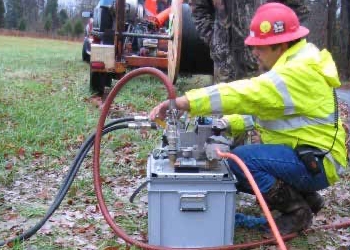 Air-Blown Micro Fiber Cable
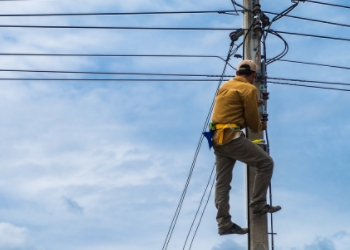 Aerial Fiber Cable
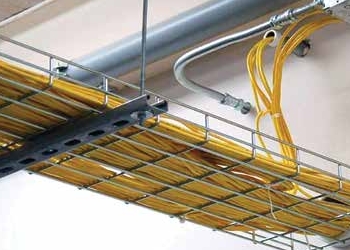 Indoor Fiber Cable
 Fiber Optical Terminal Box
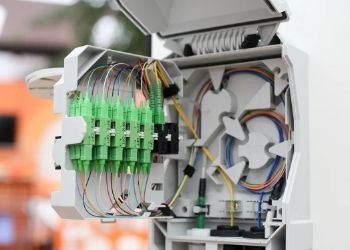 Fiber Optic Distribution Box
 Multiport Service Termina Box
 Fiber Optic Clamps
 About Us
 Our Team
 History
 R&D Strength
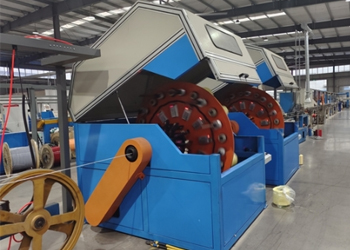 Production Base
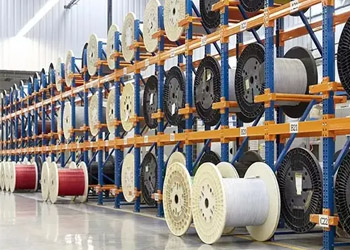 Warehouse & Logistics
 Quality
 FAQs
FAQsG.652.D vs G.657.A1 vs G.657.A2: Key Characteristics and Applications
Contact for Free Quotation & Sample, According to your needs, customize for you.
inquiry nowG.652.D vs G.657.A1 vs G.657.A2: Key Characteristics and Applications
G652D vs G657A1 vs G657A2: These fibers all have different core designs, bending radiuses, and attenuation rates, tailored to various network scenarios and deployment requirements.
g657a1 and g657a2 fibers have better bend sensitivity, making them perfect for tight spaces and convoluted configurations, particularly in metropolitan or interior environments.
Lower attenuation rates in G657 series optimize signal transmission, enabling high-speed data applications and extended distances with minimal loss.
It comes down to finding the right fiber for your needs – balancing cost against installation complexity and future network requirements. If you are planning for the future, investing in advanced fibers like G657A1 or G657A2 can deliver long-term value.
Because of fiber’s sensitivity, and for splicing reasons, fiber is generally NOT strippable or installable at any length without special care and proper equipment, making best practices during installation vital.
As always, consult with your fiber optics experts and test real-world performance numbers so you can be confident your chosen fiber is going to serve your networks now and in the future.
Single-mode fiber is manufactured in different types based on variety of requirements in fiber optic networks. G652d is its low water peak and long distance link compatibility. G657A1 and G657A2 are bend-insensitive fibers, more suitable for locations where cables need to twist or turn in cramped spaces. G657A1 can resist a few bends, and G657A2 can combat even more severe curves – perfect for congested ducts or short in-building spans. All of these types meet different specifications and fit different configurations, so understanding their key characteristics aids in selecting the appropriate fiber for each task. The main body covers their specs, applications, and real-world advantages to assist with optimal selection.

Core Fiber Differences
Fiber optic cables can be deceiving — while they may seem identical on the outside, the distinctions on the inside determine everything from speed to where you can run them. All three—G652D, G657A1, and G657A2—have the same 9μm core diameter and 125μm cladding diameter, but it’s a departure from there. Here’s a closer look at what makes them different and why it’s important.
1. Bend Sensitivity
G652D fibers have a 30mm minimum bend radius, so they don’t like sharp turns. G657A1 steps that down to 10mm, and G657A2 goes tighter at 7.5mm. This difference is huge if you’re pulling cables in jam-packed ducts, hard-to-reach bends, or between wall studs.
Bend-insensitive designs in G657 fibers unlock additional paths for deployment. So you can snake them through tight areas without fretting about signal degradation. For buildings with lots of twists and turns, G657A2 really shines.
If fibers bend too much, their performance degrades. G652D requires more delicate care, but G657A1 and G657A2 keep better signal despite years of bending. Choosing the appropriate bend rating saves you headaches down the road.
2. Attenuation
G652D fibers typically exhibit lower attenuation than their G657 brethren. Per km, G652D could have 0.35 dB loss at 1310nm, with G657A1 and A2 being a little more but still generally under 0.4 dB/km.
Lower attenuation is important for long runs – such as connecting cities or data centers. For short links, the slight bump in G657’s attenuation doesn’t sum to much. G657A1 and G657A2 too glimmer with low splice loss (0.02-0.05 dB), maintaining links robust and easy.
Attenuation determines the distance signals can travel before requiring repeaters. G652D keeps long-haul losses down, G657 types cover almost all in-building requirements without a snag.
3. Dispersion
G652D and G657 fiber have the same dispersion rates, due to their common core size. For high-speed or long-haul links, G652D tends to be preferred due to its more manageable dispersion properties.
In long-haul configurations, networks occasionally require dispersion compensation with G652D to maintain data crispness. For short-haul or in-building runs, this isn’t a major concern, and G657 fibers just fine without accommodations.
4. Mechanical Design
All three fibers are ruggedly crafted, but G657A1 and G657A2 turn up the toughness a bit for gnarly installs. G657A2, specifically, deals small bends and tight pulls more admirably, which is why it’s a dense city network staple.
G652D can last for decades if treated well, but it’s less forgiving if you jab it against a sharp corner. G657 fibers are more durable in aggressive or outside plant tasks, reducing truck rolls.
With key design features—core size, cladding and coating—G657 types could go places G652D just couldn’t.
5. Cost Profile
G652D is the standard for large, long distance runs and typically is cheaper per meter. G657A1 and G657A2 might be a little more expensive initially, but they pay themselves back with easier installs in tight spots.
If you’re wiring a building with lots of bends, G657 can reduce labor expenses and future-proof your installation. When it comes to large external connections, G652D remains the economical choice.
Over time, choosing the right fiber can translate into less patches and reduced downtime, justifying those additional cents.

Ideal Deployment Scenarios
Selecting the optimal fiber for every project can have a huge impact on your network’s speed, reliability, and cost. Every fiber, G652D, G657A1 and G657A2 has a sweet spot for which it performs best.
Long-Haul Networks
G652D fibers are suitable for long-haul networks. Their low attenuation and wide availability render them a default choice for backbone links that span hundreds or even thousands of kilometers. They manage up to 3000 km for 10 Gbit/s, and up to 80 km for 40 Gbit/s, so they’re a staple for large telecom builds.
G657A1 and G657A2 aren’t as frequent for long-haul lines. Their key advantage is bend-insensitivity, not distance. Still, in routes with lots of tight turns or tricky corners, G657A2’s 7.5mm bend radius can help stave off signal loss. For most long-haul routes, however, G652D is the one to have, unless the route winds through congested urban areas.
Selecting the appropriate fiber involves considering bandwidth, attenuation and path geometry. In flat, open runs, G652D triumphs on cost and signal quality. In cities, where cables have to twist and turn, G657A2 could be worth the premium for simpler installs.
Fiber-to-the-Home
G657A1 and G657A2 are now the fiber-to-the-home go-to standards. Their bend-insensitive design allows installers to snake cables through hard-to-reach spaces, scratchy edges, and corners without signal loss. These make them ideal for city and suburban residences where clean, out of sight installs are important.
They anticipate swift, dependable service at their residences. Bend-insensitive fibers maintain signal integrity even if the cable bends behind walls or under floors. This translates into reduced service calls and delighted customers.
Installers love G657A1 and G657A2 because they reduce install time and frustration. Trends indicated more networks choosing these fibers for new construction and upgrades.
Data Centers
Data centers require high bandwidth, tight turns, and dense racks. G652D fibers have done very nicely for point to point, no-frills runs. As racks get closer and routes get tighter, the industry is transitioning to G657A1 and G657A2 for their bend-insensitive properties. This transition has allowed data centers to jam more cables into small trays without concern about signal degradation.
Bend-insensitive fibers make moves and changes smoother too. Data centers can scale up or rewire quicker, because the cables can wind and unwind without losing performance.
Indoor Cabling
Inside, G652D fibers perform for shortish hauls. When room is limited—such as within walls, floors, or jam-packed electrical closets—G657A1 and G657A2 excel. Their small bend radius results in less degradation if one accidentally bends a cable in the wrong direction.
So really, it’s a matter of the building layout, anticipated moves, and logical cable run space.
G657A1 and G657A2 help future-proof buildings as more devices get connected and require higher speeds.
Installation and Splicing
Installation and splicing done right is important for fiber performance. Thoughtful installation, intelligent splicing and the right tools ensures your connections are robust and reliable, no matter if you’re working with G652D, G657A1 or G657A2. Each fiber type works a little different, especially in tight spots and under stress.
Handling Practices
Bend-insensitive G657A1 and G657A2 fibers can withstand much tighter bends than G652D. G657A1 has a 10mm bend radius, while G657A2 dips down to 7.5mm. This allows them to nestle nicely into cabinets, racks, and places where space is at a premium. Despite this flexibility, rough handling or sharp bends beyond their limit can still snap the fibers or damage performance.
Cables should remain on their reels until used, kept away from moisture and dust. When transporting them, don’t drop reels or pile too high. Basic action, but they prevent micro-cracks or crushed jackets that register as weak signals down the line. In the long run, bad handling destroys cables more quickly, increasing expenses and outages due to replacement.
Techs should never forget gloves, clean fiber ends, and appropriate, stress-free pulling equipment. A little on site care avoids a world of later bother.
Splicing Compatibility
Fusion splicing is the optimal method for G652D, G657A1 and G657A2. This provides a robust, low-loss splice. For G657A1 and G657A2, splice loss is approximately 0.02-0.05 dB—virtually undetectable. G652D is a bit higher, at 0.05-0.1 dB, but that’s still okay for most arrangements. The proper splice loss spec maintains that signal crisp and stable.
Mixing fiber types is typical, particularly splicing new G657A1 or G657A2 to legacy G652D lines. They splice beautifully together, but it pays to use high-precision cleavers and fusion splicers. Other techs get into trouble splicing different types because of subtle mismatches in core size or coatings. Thoughtful preparation and utilizing calibrated tools address the majority of these concerns.
Installation Challenges and Solutions
Running cable in crowded racks or around sharp corners drives G652D beyond its bend limits, endanger of breaks or big loss. G657A1 and G657A2 are made for these tasks, enabling challenging paths to become feasible without significant signal loss, only 0.1-0.2 dB per tight bend.
Dust, moisture and bad storage FUBAR projects. Easy inspections—freeing connectors, dry reels, soft bends—make cables go the distance and networks stay strong.
Connector and Equipment Choices
Select connectors qualified for your fiber, particularly for G657A2 which requires more bend-tolerant components. Premium fusion splicers and cleavers perform optimally for all three, however, using equipment tailored to your fiber diameter will always yield superior splices.
Network Design Implications
Selecting between G652D, G657A1, and G657A2 designs defines the appearance and mechanics of a network. Fiber type can impact where you lay cables, select hardware and schedule upgrades. Each fiber has its strengths that emerge in different locations—tight spots, patching fields, or long-haul networks. The right mix balances price, performance and the imperative to stay ahead of rapid technology turnover.
Budget Allocation
Money motivates many network choices. G652D fiber is frequently cheaper initially, making it alluring for budget-constrained builds. G657A1 and G657A2 can reduce buried expenses down the road. For instance, G657 fibers bend tighter—A1 to 10mm, A2 to 7.5mm—so you can consume less space and require fewer cable trays in cramped data centers or small cabinets. That saves on hardware and labor costs.
The price premium of G657s pays off if you require many bends or operate in dense patch fields. It’s wise to consider the generational advantage versus the premium cost. If your network will be relocated or reconfigured frequently, selecting G657 can translate to reduced upkeep and reduced signal issues. Always bit your spend to the needs of your project, not just the sticker price. Think beyond first-buy costs, to repairs, downtime or extra components.
Future-Proofing
Networks must keep pace with new technology and increased data volumes. G657A1 and A2 fibers assist with this as they perform well in tight spaces, preparing them for higher-density equipment and next-gen devices. As cities expand and buildings cram more cables, the small bend radius of G657 fibers simplifies upgrades and changes without pulling out old lines.
Sticking with G652D restricts what you can stuff into tight places — something that counts increasingly every year. Telecom trends point to flexible modular arrangements. Selecting G657A1 or A2 at design time today means less pain down the road when you want to increase speed or capacity. It’s like an open door for new tech and bigger data streams.
Signal Integrity
Signal strength dangles on your fiber selection. Bending a fiber too much can sap the signal, causing drops and errors. G657 fibers repel this more effectively than G652D, preserving signal power even around tight bends. This is crucial in networks that carry a lot of data very fast, as in data centers.
Both G652 and G657 fibers have very similar specs for things like dispersion and wavelength, so the substitution doesn’t degrade total performance. In practical deployments, G657’s bend tolerance reigns supreme wherever cables slither through confined areas. To maintain clean signals, utilize gentle bends, avoid pinched cables, and adhere to the manufacturer’s guidelines for the specific fiber.
Beyond the Standards
Fiber optic cables might seem similar, but their tale runs deeper than what you see on spec sheets. Real world application, microscopic nuances in their craftsmanship, and what transpires once they exit the assembly line—these collectively define their status in the game. Knowing these distinctions equals less heartaches and smarter circle selections.
Manufacturing Nuances
How they manufacture a G652D fiber differentiates it from G657A1 or A2. G652D fibers are a simple procedure that’s been optimized for years, which is why they’re ubiquitous on the web. The ITU-T splits G652 into four: A, B, C, D. G652D is notable for its low water peak and improved wavelength utilization due to adjustments in material and process.
G657A1 and A2 require more attention in production. Their glass core is engineered with bend enhancing materials. Which is why G657A2 can bend down to only 7.5mm, while G657A1 squeezes down to 10mm. Material selections in this regard really count. The tighter the bend, the greater the risk of attenuation, so superior glass and coating technology assist in maintaining low loss.
Real-World Performance
Lab numbers establish thresolds, but field use delivers surprises. G652D, with its low attenuation (under 0.4dB/km) is the gold standard for long runs. You’ll discover it in backbone networks, where direct paths = fewer hops. G657A1 and A2, however, shine in city streets or congested buildings. Their mini bend radius—just 7.5mm for A2—allows them to snake through tight spaces with minimal signal loss.
A study in a high-rise demonstrated that G657A2 managed sharp corners and tight conduits with ease, whereas G652D required additional slack and routing diligence. Splicing G652D and G657A1) Anticipate a minor increase in splice loss—roughly 0.05 to 0.1dB, but usually a fair trade for versatility.
Field tests are significant. Actual bends, splices and pulls expose boundaries overlooked in labs. See attenuation, PMD, splice loss and minimum bend radius before choosing fiber. Compatibility counts: G657A matches G652D, making upgrades easy.
Making the Right Choice
Selecting G.652.D, G.657.A1, and G.657.A2 fiber cables requires more than a glance at specs. It’s about understanding each type’s strengths and placement. All projects are not the same — the right choice in a can or a gallon can save you time and money, and keep things running smooth!
A straightforward checklist can come to the rescue. First, verify the minimum bend radius. G.652.D requires a big bend, roughly 30 mm, therefore it performs better in locations with mild turns and lengthy runs. G.657.A1 can service tighter bends at 10 mm, while G.657.A2 goes even further to 7.5 mm. In those hard-to-reach spaces — wiring through walls or under floors — G.657.A2 is the undisputed champion. That tighter curve is not without cost. G.657.A1 and G.657.A2 attenuate more over distance, so they’re not ideal for transcontinental connections.
Consider the miles. For long routes, such as city-to-city cables, G.652.D performs admirably as it maintains low loss. For home/office jobs, particularly FTTH, G.657.A1 or A2 suit better. They don’t mind tight corners, which is a big help in small spaces.
Core size counts as well. G.652.D has a larger core, so it’s a better choice if you’re dealing with legacy equipment or upgrading a legacy network. G.657.A1 and A2 are smaller cores, which is great for new construction.
Splice loss is yet another to look for. G.652.D will generally have lower join loss (0.02-0.05 dB), with G.657.A1 and A2 a little higher (0.05-0.1 dB). The attenuation at 1310 nm is approximately the same for all three—0.36 dB/km—so that doesn’t tip the scales much.
Consult a pro prior to selecting. They can browse your site, see what you require, and recommend just the right thing. Hash out your budget. G.657.A1 and A2 are usually more expensive, particularly if you require a significant amount of cable.
To make a long story short, fit the fiber to task, consider the room and breathing space, see if it matches your tech, and consult if necessary.
Conclusion
G652D is great for long, direct paths. G657A1 bends more, so it works well in tight areas but still performs over distance. G657A2 bends the most and fits nicely in those hard to reach, sharp turny places, such as corners or small ducts. All have their own blend of toughness and utility. None is best for all work, but each dazzles in the proper niche. Experienced it in urban developments, vintage flats or bustling business centers—every strand keeps your connection thriving. Interested in making smarter networks, or selecting appropriate fiber for your upcoming project? Query, share experiences, and assist others with their education.
Frequently Asked Questions
What is the main difference between G652D, G657A1, and G657A2 optical fibers?
G652D is low water peak standard single-mode fiber. G657A1 and G657A2 are bend insensitive fibers, with G657A2 having the tightest bend performance to support tight spaces.
Which fiber type is best for tight bends or indoor use?
G657A2 is ideal for tight bends and indoor spaces. Its high bend insensitivity avoids signal loss in tight installations.
Can G652D and G657A fibers be spliced together?
Sure, G652D is splice compatible with G657A1 or A2 fibers. Attentive splicing is required to reduce attenuation.
Are there cost differences between G652D, G657A1, and G657A2?
Indeed, G657A1 and A2 fibers tend to be pricier than G652D. The premium is due to their superior bend performance.
What should I consider when choosing between these fibers for network design?
Think about installation space, bend radius, and future upgrades. G657A2 is perfect for those high density or complex layouts and G652D works great in direct, outdoor runs.
Do G657A1 and G657A2 support the same data rates as G652D?
Yes, all support similar data rates. The difference is in bend performance, not transmission capacity.
Is G652D still suitable for modern fiber networks?
Yes, G652D is still right for many situations, including long-haul outdoor networks. Bend-insensitive fibers like G657A2 are superior for modern, space-limited configurations.