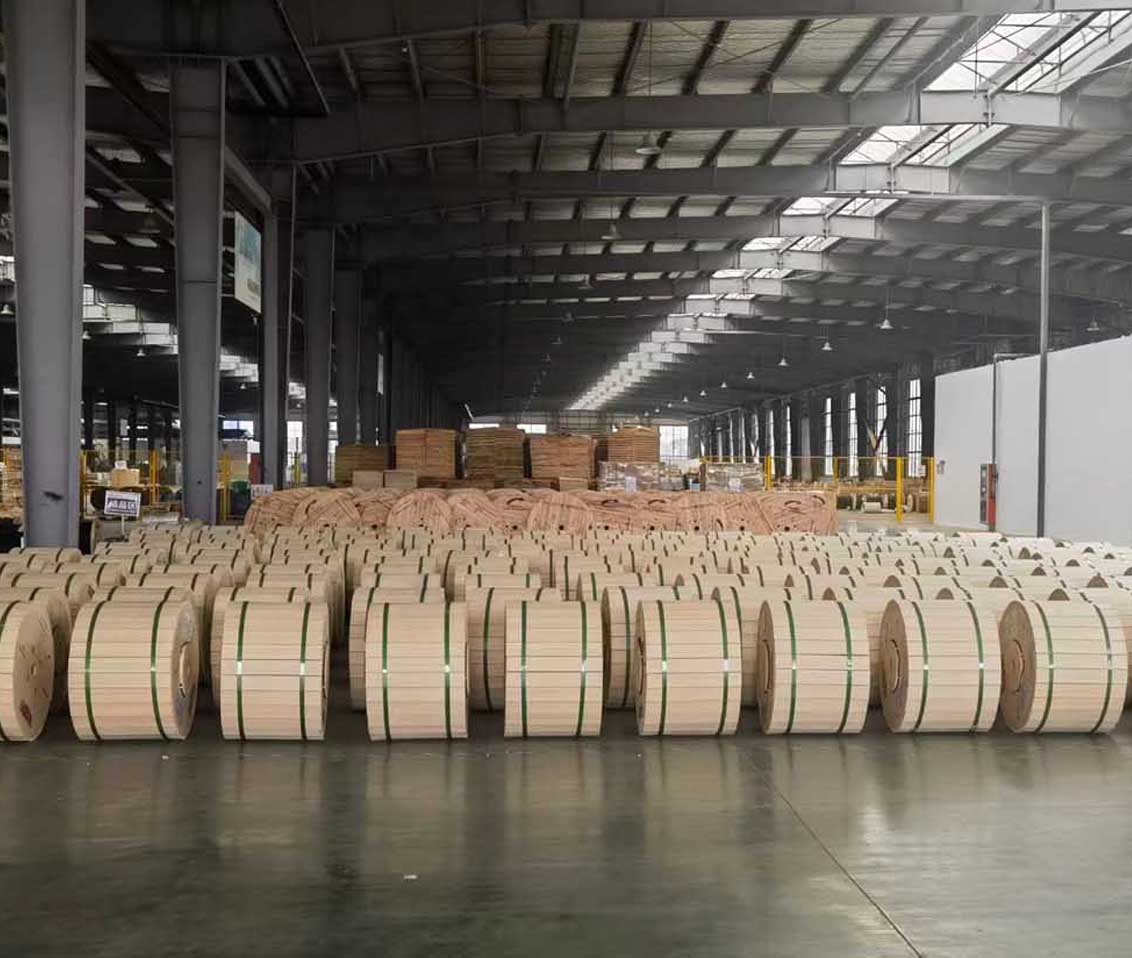
 Optical Fiber
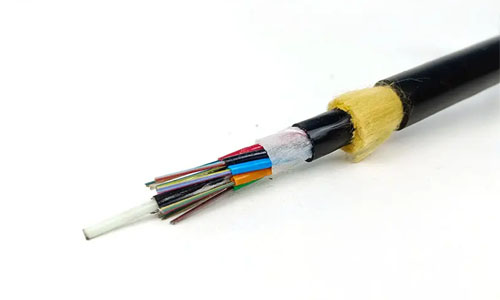 ADSS Fiber Optic Cable
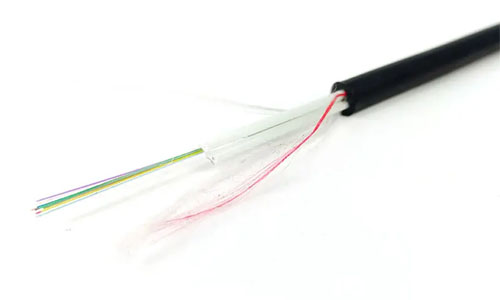 ASU Fiber Optic Cable
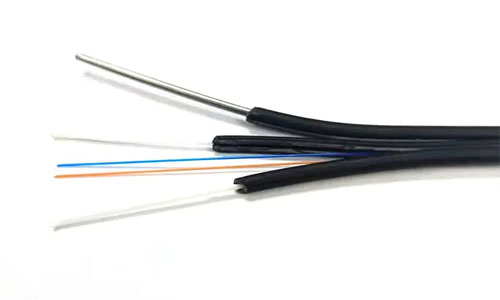 FTTH Fiber Optic Cable
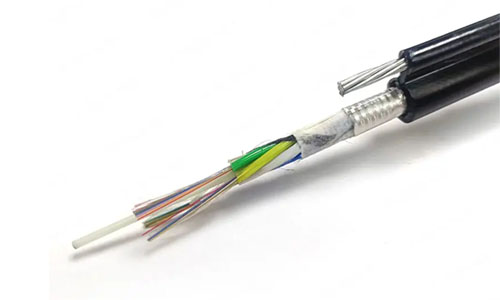 Figure 8 Fiber Optic Cable
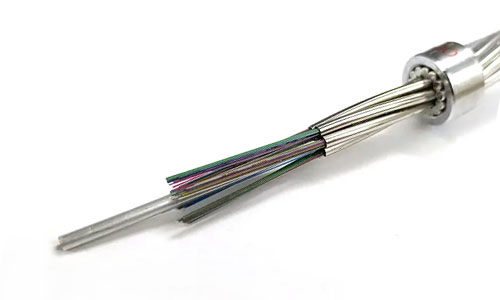 OPGW Fiber Optic Cable
 Coaxial Cable
 Ethernet Cable
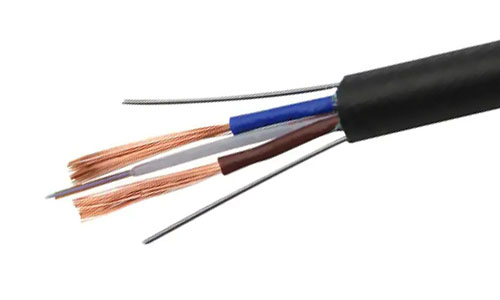 Photoelectric Composite Fiber Optic Cable
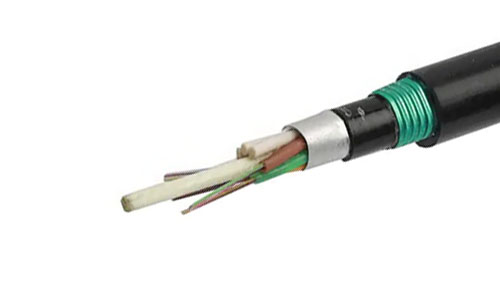 Underground & Pipeline Fiber Optic Cable
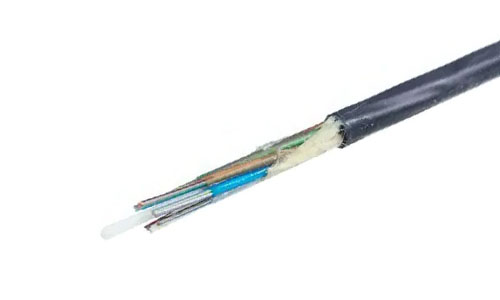 Air-Blown Micro Fiber Optic Cable
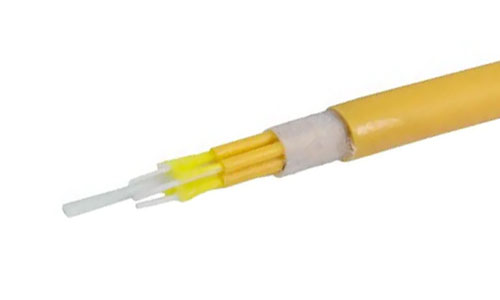 Indoor Fiber Optic Cable
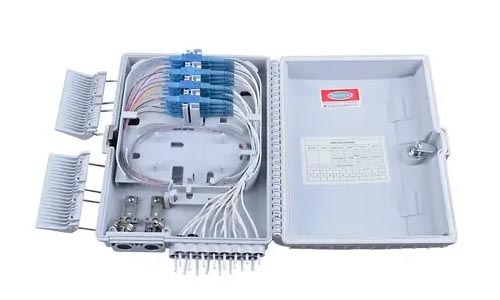 Fiber Optic Distribution Box
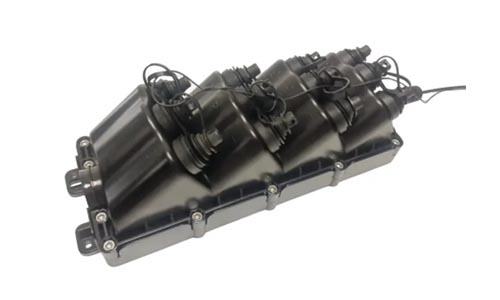 Multiport Service Termina Box
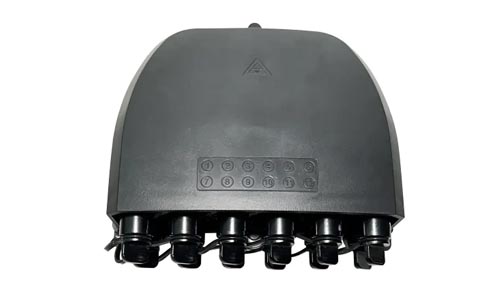 Fiber Optical Terminal Box
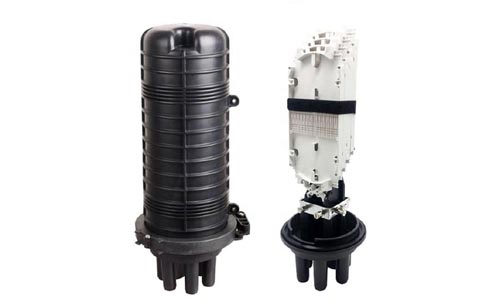 Fiber Optic Splice Closure
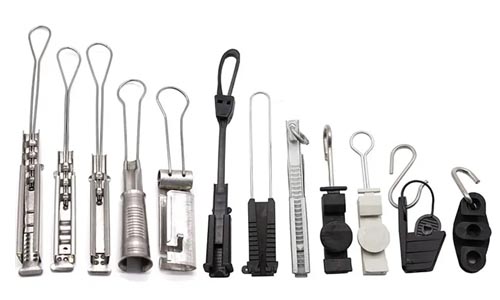 Fiber Optic Clamps
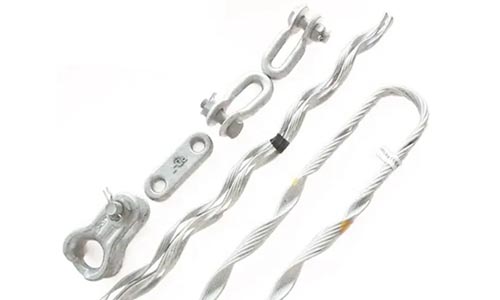 Fiber Optic Cable Fittings
 ADSS Fiber Cable
 ASU Fiber Cable
 OPGW Fiber Cable
 FTTH Fiber Cable
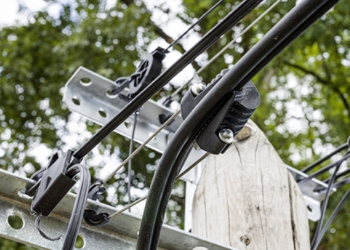 Figure 8 Fiber Cable
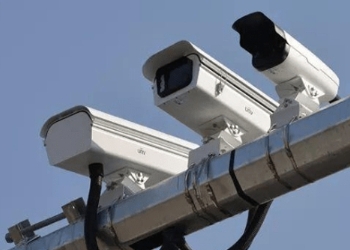 Photoelectric Composite Fiber Cable
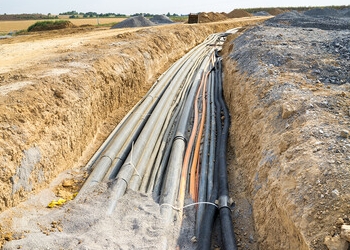 Underground & Pipeline Fiber Cable
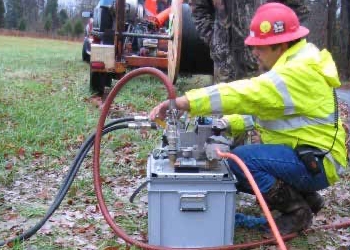 Air-Blown Micro Fiber Cable
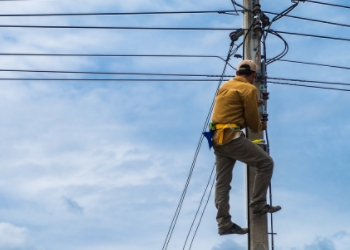 Aerial Fiber Cable
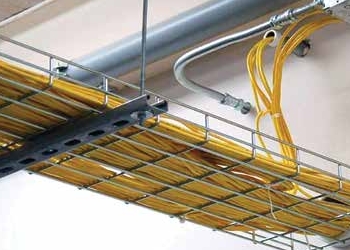 Indoor Fiber Cable
 Fiber Optical Terminal Box
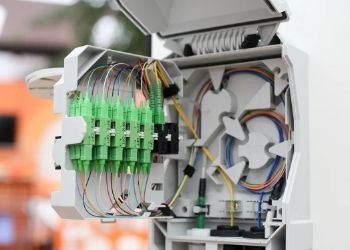 Fiber Optic Distribution Box
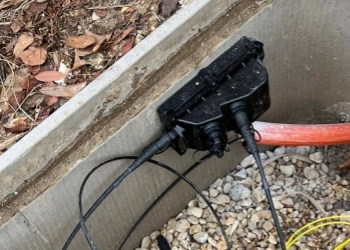 Multiport Service Termina Box
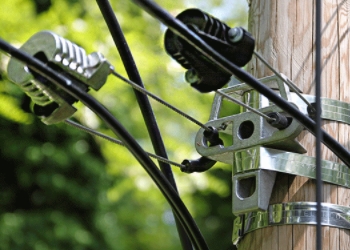 Fiber Optic Clamps
 About Us
 Our Team
 History
 R&D Strength
 Production Base
 Warehouse & Logistics
 Quality
 FAQs
FAQsFluke Networks Cable Testers and Performance Assessment Tools
Contact for Free Quotation & Sample, According to your needs, customize for you.
inquiry nowFluke Networks Cable Testers and Performance Assessment Tools
A fluke network cable tester is used to test the health and configuration of network cables, ensuring they operate properly and comply with required specifications. They employ these testers in offices, schools and homes to identify breaks, shorts or poor wiring in Ethernet cables. Fluke testers provide clear results and strong build to save time and avoid errors when setting up or fixing. Most testers display wire maps, length and signal quality, allowing users to quickly identify and troubleshoot issues. In addition to speed, tools like the Fluke LinkIQ and Fluke DSX Series are popular picks for both simple checks and full reports. To assist you in choosing, the following sections will highlight important features and provide usage tips.

The Purpose of Network Cable Testers
Network cable testers are the heart of constructing and maintaining robust networks. They play a crucial role in network testing, ensuring the integrity and performance of the copper cables that interconnect our digital universe. These testers assist in identifying bad wiring, testing for faults, and verifying that cables comply with safety and performance standards. Whether for a new installation or maintenance work, they confirm that network cables are prepped for speedy and dependable operation.
1. Verification
Network cable testers assist in validating whether cabling installations are reliable. One classic example, and the most basic use, is that technicians conduct wiremap tests to indicate if cables are wired correctly or if there’s a mix-up—swapped or crossed wires. They catch problems before a system goes live. Verification that the cables actually perform, that they aren’t faulty, or broken lines or signal drops. That way it prevents headaches before the network even gets used.
For example, if a business is wiring a new building, running these tests means knowing every cable will carry future upgrades or new tech. When you test cables before they’re deployed, you know the network won’t let you down.
2. Certification
Certification testers are the gold standard for verifying cables meet ANSI/TIA or ISO/IEC specifications. They indicate whether the install is capable of supporting standards like Cat 6 or Class E. These testers provide specific measurements—signal loss, crosstalk, total length, etc.—to allow you to demonstrate that the job is well done.
For large-scale efforts, these outputs are archived as documentation for warranties and customer requirements. With certification testers, every single cable is signed off as safe, strong, and ready for whatever the network hurls its way.
Having these records means you can always go back and check history if anything blows down the road.
3. Troubleshooting
When a network gums up or breaks down, cable testers swoop in to locate the issue pronto. They detect short circuits, crossed wires or signal degradation. Designed tests provide precise results allowing you to repair the exact location, not just estimate.
Interpreting outcomes from these tests equates to reduced stasis and increased faith in the grid.
4. Qualification
Qualification tests indicate whether cables support transmission rates such as 1 Gbps or 10 Gbps. They test actual cable performance in real-world configurations. This is crucial when integrating new technology or increasing speeds.
Qualification testers assist in making the call as to whether you require new cables or if the old ones still test out.
Testing lets you plan upgrades with facts, not guesswork.
5. Documentation
Logging is good network hygiene. Tester reports indicate cables that pass or fail. These files assist teams follow modifications and comply with legal or guarantee rules.
Automated reports save time and keep info neat.
Compliance and clear documentation breed faith in the craftsmanship.
Advanced Diagnostic Capabilities
Modern fluke network cable testers offer a comprehensive suite of tools to quickly detect and resolve cable problems, enhancing network testing efficiency. They unite testing capabilities for crosstalk, return loss, shielding, and resistance, and can run load tests all the way up to Class 8 (90 W). Performance checks can be configured from 10 Mb/s to 10 Gb/s, providing a straightforward pass or fail display. These testers handle many types of cables, including balanced and unshielded twisted-pairs, both 2-pair and 4-pair. Results are fast—approximately 1 second for cables up to 120 meters—allowing users to save up to 1,000 results with clear names, making them essential for large or intricate projects.
Crosstalk
Crosstalk is a big thing to watch in data cables. When signal ‘leaks’ between pairs it can slow down the network or cause errors.
To test for this, testers examine near-end and far-end crosstalk. Near-end is the near-end where the signal originates, and far-end is at the opposite end of the cable. Locating weak spots enables you to replace broken cables or optimize configuration. With advanced testers, you can determine if a cable passes or fails immediately—even at 10 Gb/s. These crosstalk checks reduce guesswork and assist in keeping the network clean and quick.
Return Loss
Return loss is yet another metric for cable health. It detects if signals reflect, which can disrupt data transfer.
Low return loss means the cable is slick and signals cruise easier. Testers will utilize these numbers to identify cables that may not support high-speed data transmission effectively. If a cable exhibits high return loss, it can induce slowdowns or lost packets. By executing these checks when setting up, you identify issues sooner and save time down the road.
This is particularly useful in congested locations where tons of users depend on robust, reliable connections.
Shielding
-
Foil Shield (FTP)
-
Braided Shield (STP)
-
Foil + Braided (S/FTP)
-
Unshielded (UTP)
Shielding tests indicate whether an ethernet cable can effectively shield external noise, which is crucial for maintaining a reliable network infrastructure. Proper shielding prevents interference from wi-fi, motors, or nearby cables, ensuring efficient diagnostics and more fluid work. Selecting the appropriate shield type translates into less downtime and improved performance.
Resistance
Measuring DC loop resistance allows us to identify bad connections. High resistance can signify a break, loose end or bad crimp.
Regular resistance measurements detect issues before they become too large. These tests guarantee each pair in the cable is functioning as prescribed.
Strong resistance figures translate into signals breaking through and powering on, both critically important for Power over Ethernet networks.
Selecting the Right Tester
Selecting the right network cable tester, especially for ethernet cable installation, is simply a matter of fitting your needs to the capabilities of the tool. Testers are not created equal; some offer efficient diagnostics for quick ethernet cord checks, while others provide a comprehensive suite of features for in-depth network testing. Below is a quick look at features and specs for different testers.
| Tester Model | Cable Types | Max Cable Length | Key Features | Display Type | Modularity |
|---|---|---|---|---|---|
| Fluke DSX-5000 | Copper, Fiber | 500 m | Certification, Crosstalk, Reporting | Touchscreen | Yes |
| Fluke MicroScanner2 | Copper | 200 m | Tone Generator, Wire Mapping | LCD | No |
| Fluke CIQ-100 | Copper, Coax | 300 m | Cable IQ, Troubleshooting | Backlit LCD | No |
| Fluke FI-7000 | Fiber | 400 m | Fiber Inspector, Auto Focus | Color LCD | Yes |
Application
You’ll find network testing tools everywhere—data centers, offices, schools, and even at home. What you want really depends on the cords you deal with the most. If you frequently test copper and fiber, choose a tester that does both. A few can test Ethernet, coax, and twisted pair, which is excellent for mixed environments. Being a good fit is important; if you’re working with long cables, check the tester’s max cable length. Something that tests for opens, shorts, or crossed pairs is simple but required. For larger projects, tools like crosstalk testing or integrated tone generators assist in saving time, particularly on large or complicated sites.
Standards
They are industry standards, and these standards influence how network testing tools operate. Famous ones are ANSI/TIA and ISO/IEC. Ensure your ethernet tester always aligns with these standards. As new technologies emerge, a tester that remains current is a significant advantage. Adhering to these guidelines ensures your tests are reliable everywhere, which is crucial in global or high-stakes projects. Watch for updates to keep your testing devices effective.
Modularity
A modular tester scales with your requirements, making it an efficient network tool. If your jobs change, you don’t need a new machine—just add a module for advanced solutions. This is convenient for teams that oscillate between cable types or network testing requirements, saving cash and shelf space in addition.
Durability & Ease of Use
Field work is harsh, especially when it comes to network testing. Choose a dependable LAN tester that can handle drops, dust, and weather. Minimal interfaces and clean screens lead to fewer errors and quicker work, enhancing the efficiency of your ethernet cable installation.
Effective Field Application
Understanding how to use Fluke network cable testers in the field is crucial for effective network testing. A solid field strategy requires meticulous preparation, adequate instrumentation, and keen observation. Field techs utilize Ethernet testers to check cables for continuity, signal loss, and compliance with global standards from the TIA. By pairing the tester with cable types—such as Cat 5, 6, or fiber—this process becomes streamlined for both quick inspections and comprehensive diagnostics, whether for simple validation or the full certification that warranties demand.
Test Setup
A clean test environment counts. Less clutter leads to less errors and prevents external noise from corrupting your output.
Install by taking the maker’s steps. Insert the tester into the appropriate port. Make sure you have all adapters and cables handy – a forgotten fiber adapter or missing patch cable can put a damper on things. Always verify your tester is functional and calibrated – an off reading from a mis-set tester can have you chasing nonexistent problems. For most work, that translates into a quick pre-start self test, and a once over your kit for damage or worn components.
Result Analysis
Examine the test readout carefully. Low numbers or strange readings can indicate broken wires or loose connections.
PS Compare results with standards—like TIA specs for Ethernet. If the data is lacking, record it. Good record-keeping helps everyone: log the results, and send them to team leads or clients. Most testers connect to software that displays results in charts or trends. They help you identify problems that keep recurring, so repairs are quicker the next time around.
Fault Location
Expert testers indicate the location of the fault, not just that a wire failed. Tone generator to trace a cable or locate a break behind wall.
Test the test data, to find out if its a crimpd or really broken cable. Once you know the type, plan the fix–sometimes it’s a quick re-terminate, other times you swap the whole run. A fixed procedure helps you make inroads on large tasks and maintain corrections at a constant level.
The Tester's Digital Ecosystem
A Fluke network cable tester isn’t simply a handheld tool; it serves as a dependable LAN tester. Its digital ecosystem connects hardware, software, and cloud tools to provide a comprehensive suite for network testing, allowing users to detect and troubleshoot issues like crosstalk and signal loss efficiently.
Cloud Integration
Cloud-based solutions allow users to store and manage test results without concern. Each data point is secured with automated backups, so you don’t have to worry about losing crucial test info. Teams can get this info from anywhere, which is useful when multiple people are working on a network. So a cable tester in Berlin can run tests and a colleague in Singapore can watch the results live.
Cloud analytics also applies. It allows users to identify trends and patterns, such as cables that consistently fail certification or locations of high signal loss. These tools provide the high-level view, so teams can schedule upgrades or fixes. That’s why net work remains quick and dependable. The table below sums up different cloud integration options and their benefits:
| Cloud Option | Key Benefits |
|---|---|
| Secure storage | Keeps data safe and organized |
| Remote access | Enables team collaboration |
| Automated backup | Prevents information loss |
| Analytics platform | Shows network performance trends |
Project Management
Project management features keep cable testing on course. Keep it on schedule and watch milestones, so nothing falls through the cracks. Team members share access to testing data, so it’s a snap to collaborate, even when you’re not in the same place.
It means less confusion to have your tasks organized in one place. When testing is complete, the platform reveals what’s completed and what requires focus. Real-time data allows teams to adjust plans if something shifts. This keeps projects slick and helps sidestep expensive delays.
Reporting
Reports aggregate all the results and findings from tests. The tester’s digital ecosystem can generate reports tailored to various requirements. Some might seek comprehensive technical data, while others desire a brief summary. Visuals such as graphs and charts help communicate the key points, even to the non-technical audience.
They keep all reports on file for future use, so audits and reference checks are easy. With crystal clear, easy-to-read reports everyone stays informed and networks operate more efficiently.
Future-Proofing Your Network
Networks must adapt to rapid changes in technology and the growing demands for speed and reliability. Even a single wiring snafu or outdated ethernet cable can lead to significant issues later on. With numerous devices and applications continuously joining the network, utilizing reliable ethernet testers for efficient diagnostics is essential for future-proofing your network.
To ensure your network remains robust, consider a comprehensive suite of testing devices, including dependable LAN testers and RJ45 cable testing tools. These advanced solutions not only help in maintaining your network infrastructure but also enhance the efficiency of ethernet cable installation and overall performance.
-
Stick with quality Cat6 cables as they’ll provide better speed, up to 10 Gbps and frequencies of 250 MHz.
-
Verify cables are fault, length and performance tested with trusted testers.
-
Monitor for new standards and upgrade equipment as needed.
-
Get ready for IoT and PoE with cabling that carries data and power.
-
Invest in diagnostic tools that identify vulnerable points, such as signal loss or bad connections.
-
Schedule maintenance to catch problems early and reduce downtime.
Firmware Updates
Look for firmware updates frequently so your ethernet cable testing equipment remains keen. Updates not only keep your devices safe from new threats, they add convenient tools that enhance the efficiency of network testing. Of course, never skip reading the manufacturer’s guide before you begin an update—you might miss something!
Emerging Standards
Network standards evolve rapidly. Staying up-to-date on things such as the new IEEE or TIA standards futures-proofs your network. Cat6’s, for instance, play nice with new tech, whereas Cat5 maxes out at 100 Mbps. Training enables teams to know what’s new and how to test for it, so the network remains prepared.
Not all testers are able to adapt as standards change. When new cabling types or data speeds come along, your tester should be able to play along. Otherwise you’ll get slowdowns or missed problems.
IoT and PoE
IoT devices – from smart sensors to security cameras – are inundating networks. Each one dumps more data into your system. PoE makes it easy to operate devices without additional power lines — only if your cables can carry it.
For IoT, testing means seeing if your cables can sustain the increased traffic and power demands. Cat6 cables, with their shielding and speed, are a solid choice for both IoT and PoE support.
Investing in Adaptable Testing Solutions
Smart: Purchasing a tester that can grow with your network saves you time and money. Seek out ones that deal with new cable types and higher speeds.
Flexible testers mean fewer upgrades down the road.
Faster troubleshooting, less downtime.
Easy to use in any country.
Conclusion
Fluke network cable testers make work easy for techs who want quick answers and rock solid evidence. With clear screens, quick tests and rugged builds, they help technicians catch cable faults with minimal hassle. A little crew can inspect a large office floor in a half day and catch straggling wires or poor links quickly. Digital logs assist teams demonstrate what went right or wrong. A quality tester stays current as new technology arrives, so you won’t have to switch tools anytime soon. Every field story confirms this—people rely on these testers for major projects and everyday repairs. For smoother work, less call-backs, and keen network health, give one a test drive and feel your workflow soar.
Frequently Asked Questions
What is a Fluke network cable tester?
A Fluke network cable tester is a dependable LAN tester used to check the integrity, performance, and wiring of network cables, providing efficient diagnostics for pinpointing faults and misconnections.
Why should I use a network cable tester for my network?
A network cable tester, essential for efficient diagnostics, ensures your ethernet cables are installed properly and functioning optimally, reducing network downtime and facilitating dependable communications.
Can Fluke testers detect advanced network issues?
Yes. Fluke testers provide efficient diagnostics for complicated issues such as signal loss, crosstalk, and network speed problems, offering users detailed reports for effective testing capabilities.
How do I choose the right Fluke network cable tester?
Consider your network type, testing needs, and budget, focusing on capabilities like speed certification and fault detection for effective testing capabilities with your cable standards.
Are Fluke testers suitable for field use?
Yes, Fluke testers are designed for efficient network testing on site. They’re compact, rugged, and user-friendly in the field, which is why many technicians trust these dependable LAN testers.
Do Fluke testers offer digital connectivity features?
Most Fluke testers offer advanced solutions by linking to apps or the cloud, enhancing efficiency for network testing and data cable diagnostics.
How do Fluke testers help future-proof a network?
Fluke testers ensure your ethernet cables can handle today’s and tomorrow’s network speeds, providing effective testing capabilities to keep your network upgrade-ready.