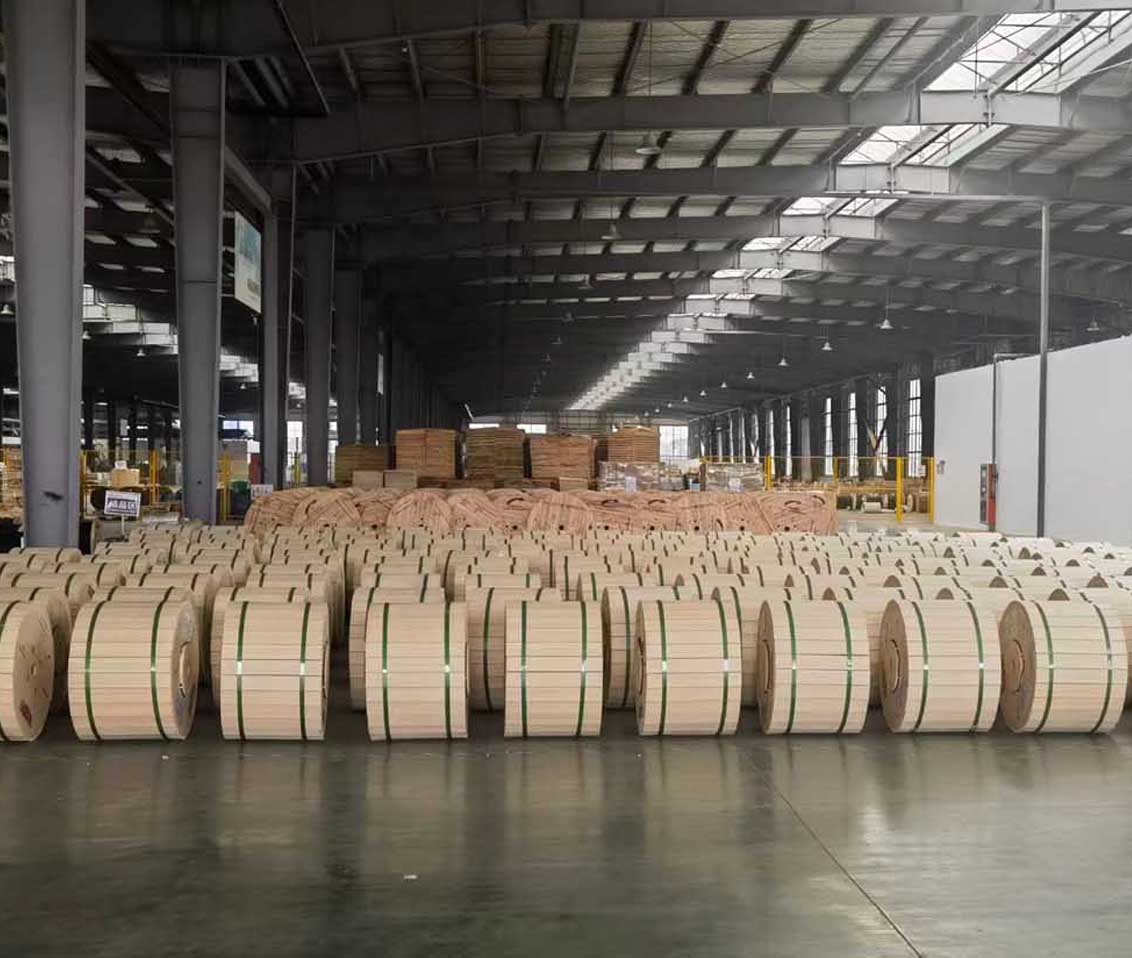
 Optical Fiber
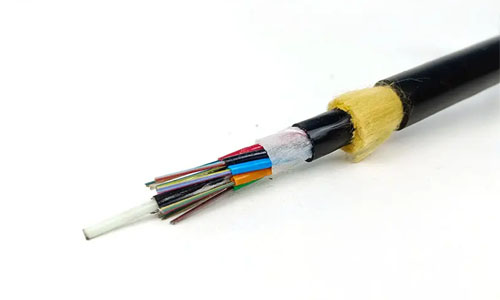 ADSS Fiber Optic Cable
 ASU Fiber Optic Cable
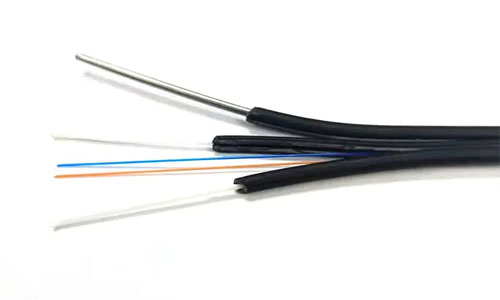 FTTH Fiber Optic Cable
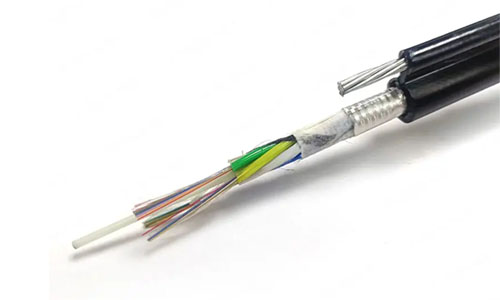 Figure 8 Fiber Optic Cable
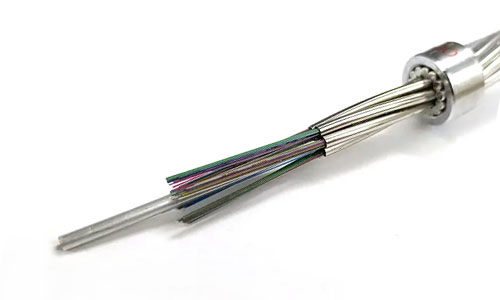 OPGW Fiber Optic Cable
 Coaxial Cable
 Ethernet Cable
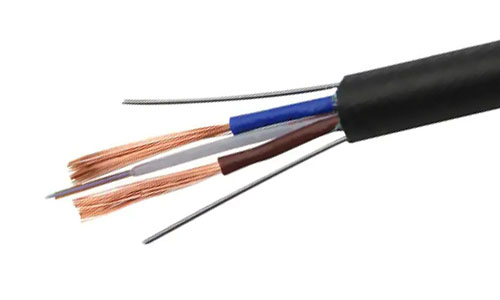 Photoelectric Composite Fiber Optic Cable
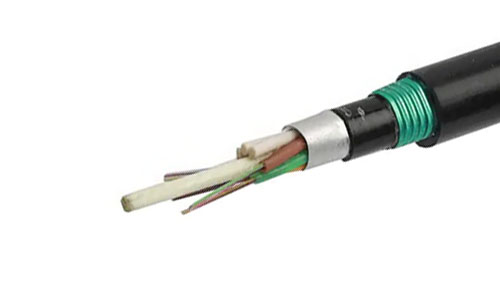 Underground & Pipeline Fiber Optic Cable
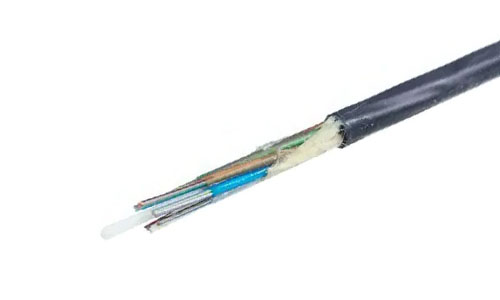 Air-Blown Micro Fiber Optic Cable
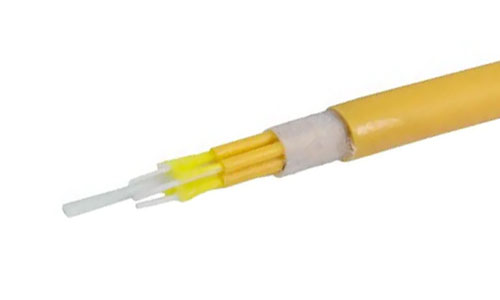 Indoor Fiber Optic Cable
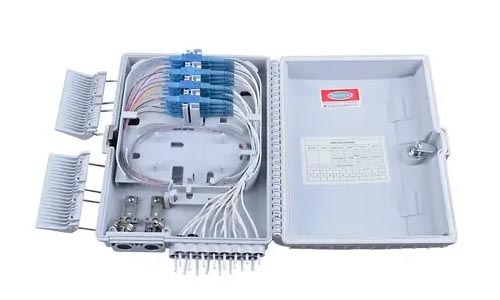 Fiber Optic Distribution Box
 Multiport Service Termina Box
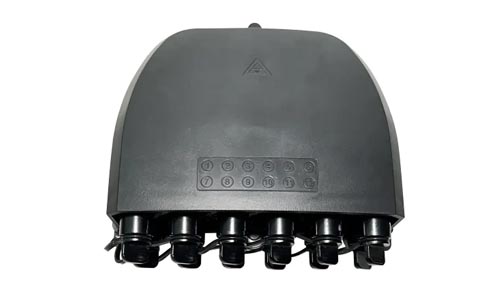 Fiber Optical Terminal Box
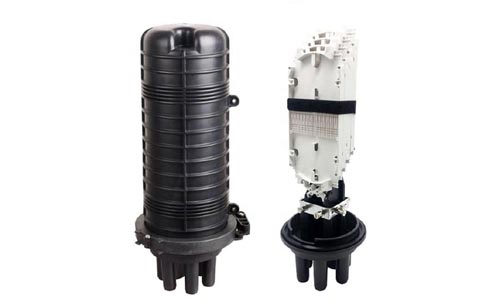 Fiber Optic Splice Closure
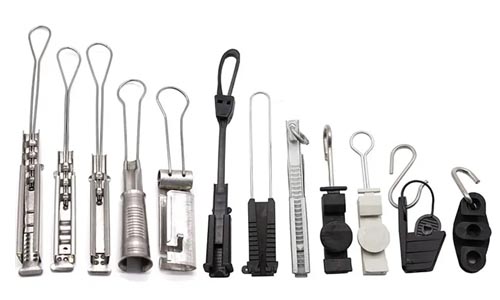 Fiber Optic Clamps
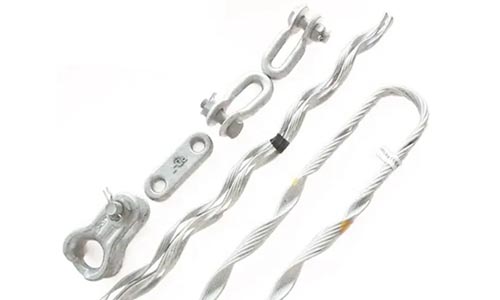 Fiber Optic Cable Fittings
 ADSS Fiber Cable
 ASU Fiber Cable
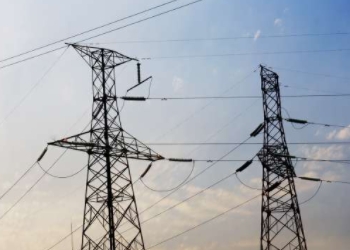 OPGW Fiber Cable
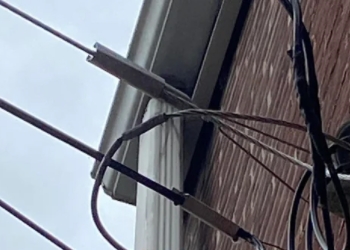 FTTH Fiber Cable
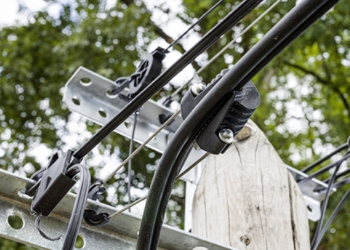 Figure 8 Fiber Cable
 Photoelectric Composite Fiber Cable
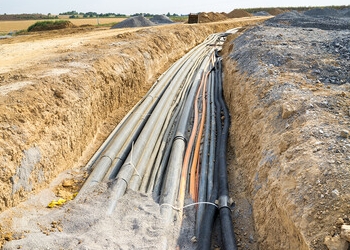 Underground & Pipeline Fiber Cable
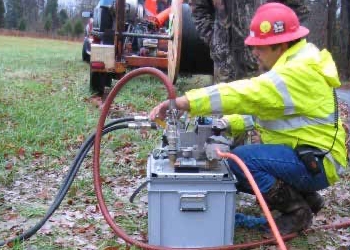 Air-Blown Micro Fiber Cable
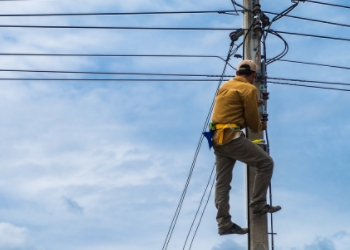 Aerial Fiber Cable
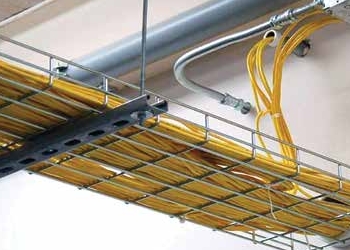 Indoor Fiber Cable
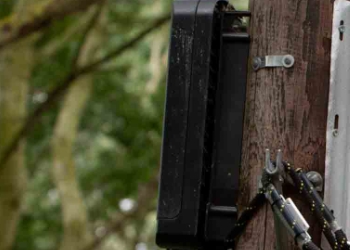 Fiber Optical Terminal Box
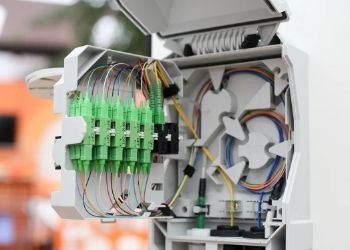 Fiber Optic Distribution Box
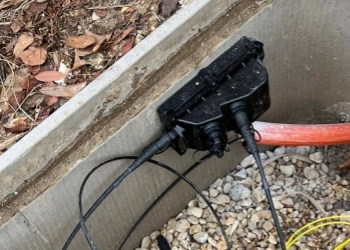 Multiport Service Termina Box
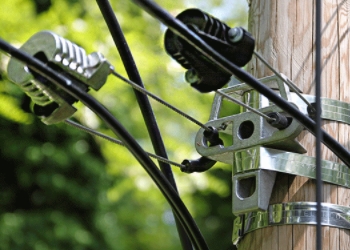 Fiber Optic Clamps
 About Us
 Our Team
 History
 R&D Strength
 Production Base
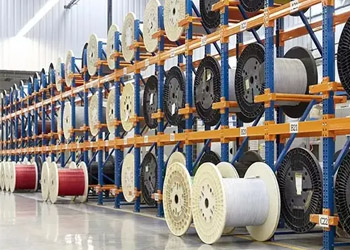 Warehouse & Logistics
 Quality
 FAQs
FAQsFiber vs Cable Internet
inquiry nowFiber vs Cable Internet: Which One is Right for You?
Fiber internet transmits data with light signals, providing faster speeds and more reliability. In comparison, cable internet relies on coaxial cables, which often suffer from speed and performance issues.
Speed and latency are important considerations when choosing an ISP. With a fiber internet connection, you’ll get the same speed for uploading as you do for downloading. This highly symmetrical service is ideal for needs such as gaming and video conferencing, cable internet uploading at much slower speeds.
Availability and infrastructure play a huge role in what you have access to. Fiber is available in significantly fewer locations compared to cable internet, available in only 43% of US households compared to over 82% of households with access to cable internet. So think about both nationwide and regional availability when deciding.
Customer installation processes Installation processes differ between the two technologies. While cable installation is usually pretty simple, fiber installations can sometimes be trickier and result in prolonged wait times. Having a better idea of these processes will inform you on what to expect and when to expect it.
Long-term costs and future needs are key considerations. Stable and predictable pricing with optimal scalability for your organization’s future needs. Fiber internet provides the most stable and predictable pricing. By comparison, cable internet consistently raises prices after a promo period ends.
User experience testing is all about evaluating real people’s experiences to gain insights. Reliability, customer service experience and maintenance issues are notably different between each technology which can immensely impact the customer satisfaction and quality of service.
Fiber and cable internet are the two fastest types of wired connections. They provide the fiber-to-the-home that connect everyone, including users. Wired internet uses physical lines made of fiber-optic glass to move data.
Fiber truly shines when you compare it to legacy cable internet as a whole. No matter which option you choose, you’ll enjoy reliable performance. Fiber internet is unique with its lightning-fast speeds, making it ideal for all your streaming and remote work needs.
The demand for high-speed connectivity is at an all-time high, particularly in urban environments. Knowing how these technologies differ can help you make the right decision. This guide will compare fiber and cable internet, highlighting key factors such as performance, availability, and costs to assist you in finding the best fit for your needs.

What are Fiber and Cable Internet?
Fiber and cable internet are two different kinds of networks with very different capabilities. Each one’s got their own set of defining characteristics that affect their speed, reliability, and availability. Knowing these key differences is important as you consider your internet choices.
How Cable Internet Functions?
Cable internet runs over coaxial cable, which sends data using electrical signals. When your cable modem gets these signals, that starts the churning process that turns them into internet access.
Local cable infrastructure plays a significant role, as it connects your home to a broader network, ensuring a steady flow of information. This infrastructure is inarguably the most widely available infrastructure — owned and laid — in the country, reaching over 82% of U.S. Households.
How Fiber Internet Functions?
Fiber internet is unique in that it relies entirely on fiber-optic cables, which send data through light signals. This technology offers true symmetrical upload and download speeds so you can send and receive data faster than ever.
Fiber networks offer far greater efficiency, allowing information to travel at 70% of the speed of light. This winning speed greatly enhances general connectivity and performance. Different from cable, fiber networks are passive, eliminating many possible points of failure that can be created by electrical equipment.
Coaxial vs. Fiber-Optic Cables
Speed and bandwidth are huge advantages for fiber when we compare coaxial cables used in cable internet to fiber-optic cables.
Quality of fiber vs cable signal shows that fiber has a higher quality signal over cable, demonstrating lower vulnerability to interference. Fiber-optic cables show incredible longevity and durability, offering a more solidified option for internet connectivity.
Most fiber internet plans range from $20 to $50 per month. Cable’s availability to a broader swath of Americans has resulted in it being a more popular choice.
Fiber vs Cable: Key Differences
Knowing the difference between fiber and cable internet is key to choosing the best option for your home internet. Here, we compare important aspects of each technology.
| Feature | Fiber Internet | Cable Internet |
|---|---|---|
| Maximum Speed | Up to 10 Gbps | Up to 1 Gbps |
| Upload Speed | Symmetrical speeds | Asymmetrical speeds |
| Reliability | More reliable, less prone to outages | Can experience slowdowns during peak hours |
| Availability | 43% of US households | Over 82% of US households |
| Cost | $20 - $50 per month | Often more affordable |
1. Speed Capabilities Compared
Fiber provides the fastest speeds available at up to 10 Gbps—far exceeding cable internet’s top speed of 1 Gbps. For uses like gaming and streaming, faster download speeds provide a better experience.
Fiber’s symmetrical upload speed allows you to upload and download data at the same speed. This upgrade really makes the difference when you’re video conferencing or sharing large files.
2. Latency: Which is Better?
Latency is the time between when an operation is requested and when the data transfer begins. Fiber internet tends to have lower latency, resulting in a smoother experience in real-time applications, such as video conferencing.
This benefit is particularly obvious in times of peak usage, where cable has difficulty.
3. Reliability and Consistency
Fiber networks are fundamentally more reliable. They take advantage of passive technology that doesn’t use electrical components that can fail.
Users across the board saw fewer interruptions in service with fiber and a noticeable difference during peak usage times.
4. Availability: Where Are They Offered?
Cable internet is far more available—reaching over 82% of US households to just 43% for fiber. Some cities such as San Francisco are well served by fiber, while rural areas would continue to depend on cable.
5. Installation Process and Time
Installing cable internet can be much smoother. Fiber installation is often more complicated, sometimes necessitating in-ground construction to install new lines.
Heavy installation times only increase irritation for users.
6. Cost: Initial and Long-Term
Though fiber internet generally costs about $20 to $50 less a month than cable, cable is more affordable. Think about overall value — fiber can provide the best performance per dollar as demand for internet service continues to increase.
7. Upgrade Potential and Future-Proofing
Where fiber networks can easily accommodate and deploy growing demands for higher bandwidth, the cable technology is reaching its limits for improvement.
8. Maintenance and Service Issues
Cable maintenance is more susceptible to routine maintenance problems, but fiber is less so as it requires lower maintenance efforts and therefore experiences shorter outages.
9. Security and Privacy Aspects
Fiber offers better overall security, transmitting data more securely than cable.
10. Ideal User Environments
Fiber service is better for heavy internet users, such as gamers or streamers, while cable can be enough for low usage, casual browsing internet users.
Performance and Real-World Usage
To accurately understand the performance of fiber compared to cable internet, it’s important to look beyond a few key metrics that heavily influence real-world usage. These factors can be bandwidth capacity, latency, network congestion, or the number of devices connected to your network.
Takeaway #2 Fiber internet provides faster, more reliable speeds. It frequently exceeds 1,000 Mbps, which is ideal for families with heavy simultaneous usage across devices.
By comparison, cable internet is more like 200 Mbps, which causes annoying slowdowns at rush hour. To illustrate, speed tests show that fiber internet delivers the same lightning-fast speeds regardless of the time of day.
Users notice almost no difference even in peak usage hours. In comparison, cable internet speeds can slow drastically during peak hours, meaning much slower performance when everyone is online at once.
Latency is particularly important for activities such as online gaming and video conferencing. Fiber connections mean lower latency for faster response times and a more seamless experience.
Many users complain about lag and latency on cable, especially during peak periods of usage. Network congestion is emerging as a key issue for cable internet.
The more users that are connected, the slower speeds can become with cable, leading to annoying slowdowns. With unprecedented levels of demand, fiber hasn’t buckled, delivering reliable performance that makes users fall in love.
Real-world stories, such as a customer spending nine weeks waiting for a broadband repair, illustrate the lack of reliability with cable services. These issues are particularly acute in a competitive, shared ISP environment.
Availability and Infrastructure
Knowing the availability and infrastructure of fiber and cable internet is key to making sense of your options. Each type has its own unique access and deployment challenges regionally that heavily dictate what your internet experience may look like.
Regional Deployment Variations
Urban areas, for example, tend to have more fiber internet availability thanks to dense populations, generating greater demand and creating business opportunities. For example, cities like San Francisco and New York offer robust fiber networks, while rural regions often rely on cable internet.
Availability of cable internet, the most common form of broadband, varies widely by state. Take California and Texas, where cable has built extensive networks and other states have no options at all. Local regulations may impact deployment. Some regions with tough permitting procedures would hinder the rapid deployment of both fiber and cable services.
Infrastructure Challenges for Each
Cable internet providers are burdened by aging infrastructure and the high cost of maintaining and upgrading it. These outages can contribute to slower speeds and reliability issues.
Building out new fiber networks don’t come without obstacles. High installation costs and the laborious process of extensive trenching to install cables are both formidable hurdles. Technological advancements, like new microtrenching solutions and much more durable fiber optics, are making it easier to overcome this infrastructure deficit.
Factors Affecting Availability
Demographics play a large role in the availability of fiber and cable choices. Areas with more people have historically been targeted for investment by Internet Service Providers (ISPs).
Competition among ISPs is another crucial factor. The presence of more providers within a given area can result in increased service availability and quality. What’s more, local government initiatives tend to speed up deployment and can lead to greater high-speed internet accessibility.
Installation and Costs
If you’re still weighing fiber vs cable internet, knowing what to expect with installation and costs can be helpful in making your final decision. Each of these services has specific installation processes, equipment requirements, and hidden fees that can affect your user experience.
Typical Installation Process
Cable internet usually requires a technician visit for installation. The installer comes to inspect your home and install the required equipment, a process that typically takes one to two hours.
By comparison, fiber installation often takes longer because of more extensive infrastructure upgrades and specialized installation equipment. Provided you can find the materials locally, delays can be prevented.
Users can tell you it’s an easy plug-and-play with cable, while fiber comes with more complicated internal setups and mixed experiences.
Equipment Costs and Fees
For cable internet, you typically rent a modem and router, which run about $10 to $15 per month. With fiber internet, these installations typically require or involve advanced and specialized equipment.
While rental costs may be similar, the full ownership of the equipment presents additional advantages. It’s important to understand your provider’s equipment needs upfront to steer clear of unexpected costs later.
Hidden Costs to Consider
Another hidden cost with cable internet are data caps and overage fees that can rack up quickly without warning. There can be other installation fees or equipment charges associated with fiber internet that aren’t upfront about costs.
Genuinely reading the fine print of service agreements prevents you from falling into these traps.
Pricing and Long-Term Implications
Being informed about the differing pricing structures and long-term implications that come along with fiber and cable internet is key to making the best choice. Every type has unique features that will impact both your wallet and your trip overall.
Comparing Plan Structures
Fiber internet plans generally provide symmetrical download and upload speeds, frequently up to 1 Gbps. Cable plans come with asymmetrical speeds. Since they usually only go up to 500 Mbps for uploads, they tend to be slower overall.
The table below outlines typical pricing structures:
| Internet Type | Speed Options | Average Monthly Cost |
|---|---|---|
| Fiber | 300 Mbps to 1 Gbps | $70 - $100 |
| Cable | 25 Mbps to 500 Mbps | $50 - $80 |
Selecting the right plan for your unique drainage and transportation usage patterns is key to maximizing the value of your purchase. For intense gamers or aspiring streamers, go fiber all the way for its superior speeds and proven reliability.
Promotional Pricing vs. Regular Rates
Cable internet commonly uses promotional pricing, luring new customers in with reduced honeymoon periods. Yet, these rates increase dramatically after a predetermined timeframe.
First, fiber pricing is generally more predictable long-term, which leads to easier budgeting. Familiarity with these subtleties can make a world of difference in your long-term financial picture.
Long-Term Cost Analysis
When you calculate long-term costs, fiber internet almost always ends up being the more cost-effective option. Its speed and durability result in reduced outages and maintenance, which can lead to savings.
Furthermore, when your internet needs increase, fiber is better positioned to meet future demands without costly and time-consuming redeployments.
Upgrades and Future-Proofing
As innovation continues to advance, developing a future-ready workforce will require even more reliable high-speed internet access. Whether you’re streaming, gaming, or working from home – the type of internet connection you choose makes all the difference. Choosing fiber instead of cable will help future-proof your connectivity.
Here’s what to consider for upgrades:
-
Installation Location: Assess the physical infrastructure in your area.
-
Bandwidth Requirements: Determine current and future usage.
-
Cost of Upgrades: Evaluate the potential financial impact.
-
Consider availability of providers, particularly those who provide fiber or cable.
Scalability of Each Technology
Of all the internet infrastructure options, fiber is unique in its scalability. Perhaps most important, it is well-equipped to handle future bandwidth needs thanks to its state-of-the-art infrastructure.
In comparison, cable technology runs into significant hurdles for making upgrades. It usually depends on a shared bandwidth, which creates a bottleneck during rush hour.
Potential Speed Increases
With fiber, we don’t have that problem because the sky’s the limit on how much technology can increase speeds. Cable is finally producing good speeds.
However, it can’t upgrade into the future since its one-foot-in-the-grave physical coaxial lines will never be able to compete with fiber’s capabilities. It’s not hard to understand why users tend to find fiber services much superior to cable, particularly at peak times of demand.
Adapting to Future Demands
Since it’s built for future-proofing, fiber internet doesn’t just meet today’s demands. It effectively anticipates and handles increasing bandwidth needs.
In fact, cable internet fails to keep up with changing demands and standards. It is frequently a sector that requires significant infrastructure upgrades just to maintain status quo.
By choosing fiber, you are making the right choice for the technology and connectivity of the future.
Maintenance and Reliability
When deciding whether to go with fiber vs cable internet, it’s important to consider maintenance and reliability. Both technologies are powerful in their own right, and both can have a huge effect on your online experience today and tomorrow.
Common Issues and Downtime
Cable internet users routinely experience outages caused by network congestion, particularly during evening peak hours. If too many users are on the same bandwidth it can cause slowdowns, dropouts, pixelation, etc., making for a disappointing and frustrating experience.
Compare that to fiber internet – which is not only faster but more reliable, delivering data on light signals that aren’t as easily interfered with. For users, the experience of service interruptions is significantly reduced with fiber. That reliability is why it’s the go-to connection for anyone—individuals or businesses—who demand reliable connectivity.
| Feature | Fiber Internet | Cable Internet |
|---|---|---|
| Maintenance Needs | Minimal, often proactive | Regular checks needed |
| Reliability | High, fewer outages | Moderate, prone to slowdowns |
| Installation Time | Longer due to fiber optic work | Generally quicker |
Service Level Agreements (SLAs)
These Service Level Agreements are critical to delivering reliable service. Fiber providers will typically have SLAs with high uptime guarantees, single digit percentage with an actual minimum for downtime while cable providers lease may have much looser requirements.
Users often value the fiber SLAs for their specificity, as they outline clear recourse in the event of service outages.
Customer Support Experiences
Comprehensive customer support goes a long way toward ensuring the happiness of end-users. Fiber internet customers get fast and friendly help from local experts.
In comparison, cable customers face longer hold times and less friendly support staff. Strong customer support becomes particularly crucial when issues arise, as swift resolution keeps users happy and prevents frustration from taking root.
Choosing the Right Internet for You
When choosing an internet service, knowing how fiber and cable compare can help you make the right choice. Each type is best for certain purposes, and choosing the right one for your needs can maximize your internet experience.
Consider the following points before making a decision:
-
How do you primarily use the internet? Whether you’re streaming, gaming, or telecommuting, each activity has its own bandwidth needs.
-
The more devices you have using a connection at once, the more it can affect performance.
-
Set a realistic budget that accommodates both your current and future needs.
-
Not all providers offer the same services in every area.
-
Consider how your internet needs may evolve as technology advances.
Assess Your Internet Needs
First, focus on what you actually need. Start by analyzing how you use the internet. If you often stream HD video or play online multiplayer games, you’ll require more bandwidth.
Perhaps even more importantly, a household with multiple users and devices will need to support more intensive use.
Consider Your Budget
Budget is an important consideration. Fiber will be more expensive upfront, but it provides savings over the long haul.
Its reliability and speed should make it a smart investment. Look at the full cost for all providers to see the real value.
Check Availability in Your Area
Availability of service can be extremely variable. If you plan to connect via fiber or cable, use online availability checkers to find which of the providers deliver service in your location.
Knowing what’s available in your region will set you up to make the smartest choice.
Read Customer Reviews
Writing Customer reviews are an excellent way to understand how users feel about these providers. Ask about the overall experiences you should expect, with an emphasis on speed, reliability, and customer service for fiber and cable.
Factor in Future Needs
Plan for things you might need down the road. It’s important to remember that as technology changes, so will your bandwidth needs.
Choosing a provider that can grow with these inevitable changes will provide the most long-term value.
Conclusion
The decision of whether to go with fiber vs cable internet is an important one. In comparison, fiber offers superior speed and reliability. It dominates in average speed test results while keeping performance consistent across dozens of active devices. With good speeds and strong availability, cable is a natural strong choice for many consumers. Where you live and what you need are equally important in determining the best fiber vs cable internet fit. Consider what you need out of an internet connection. If your household streams, games, or needs a reliable connection while working from home, fiber will likely be the better choice. If you’re looking for something more reliable and affordable, cable will get the job done. Take your time, compare your options, and choose what’s best for you. Choose the internet that suits your lifestyle—your online experience might just depend on it.
Frequently Asked Questions
What is the primary difference between fiber and cable internet?
Because fiber internet transmits data via signals of light, it is able to provide much faster speeds and lower latency. Cable internet, which operates over coaxial cables, can slow down in speed during peak times.
Which internet option is faster?
Fiber optic internet provides incredibly fast download speeds up to 1 Gbps or higher! By comparison, cable internet has a maximum speed limit of about 500 Mbps. Fiber also provides the best experience for power users and homes with many connected devices.
Is fiber internet more reliable than cable?
Yes, fiber internet is more reliable. It’s less prone to interference and outages, particularly during times of high demand, so you have a reliable connection that you can count on.
How does installation differ between fiber and cable internet?
Fiber installation can take substantially longer and costlier since it includes the process of installing new fiber optic cables. Cable can be installed more quickly, as they use already-established coaxial wires.
What are the typical costs of fiber vs. cable internet?
The average monthly cost of fiber internet plans is typically in the $50 to $100 range. In comparison, cable plans typically cost between $40 and $80. Service costs fluctuate dramatically, as these prices largely depend on provider and speed offered.
Is fiber internet available everywhere?
No, fiber internet is not available to everyone. Though its infrastructure is indeed growing, many rural communities remain unserved, just as urban communities oftentimes have more choices.
How do upgrades and future-proofing differ?
Fiber internet is therefore far more future-proof, as it has the capacity to deliver significantly higher speeds unlocked. As technology continues to develop and require more bandwidth, cable will likely find itself increasingly unable to meet these demands, resulting in inevitable restrictions.