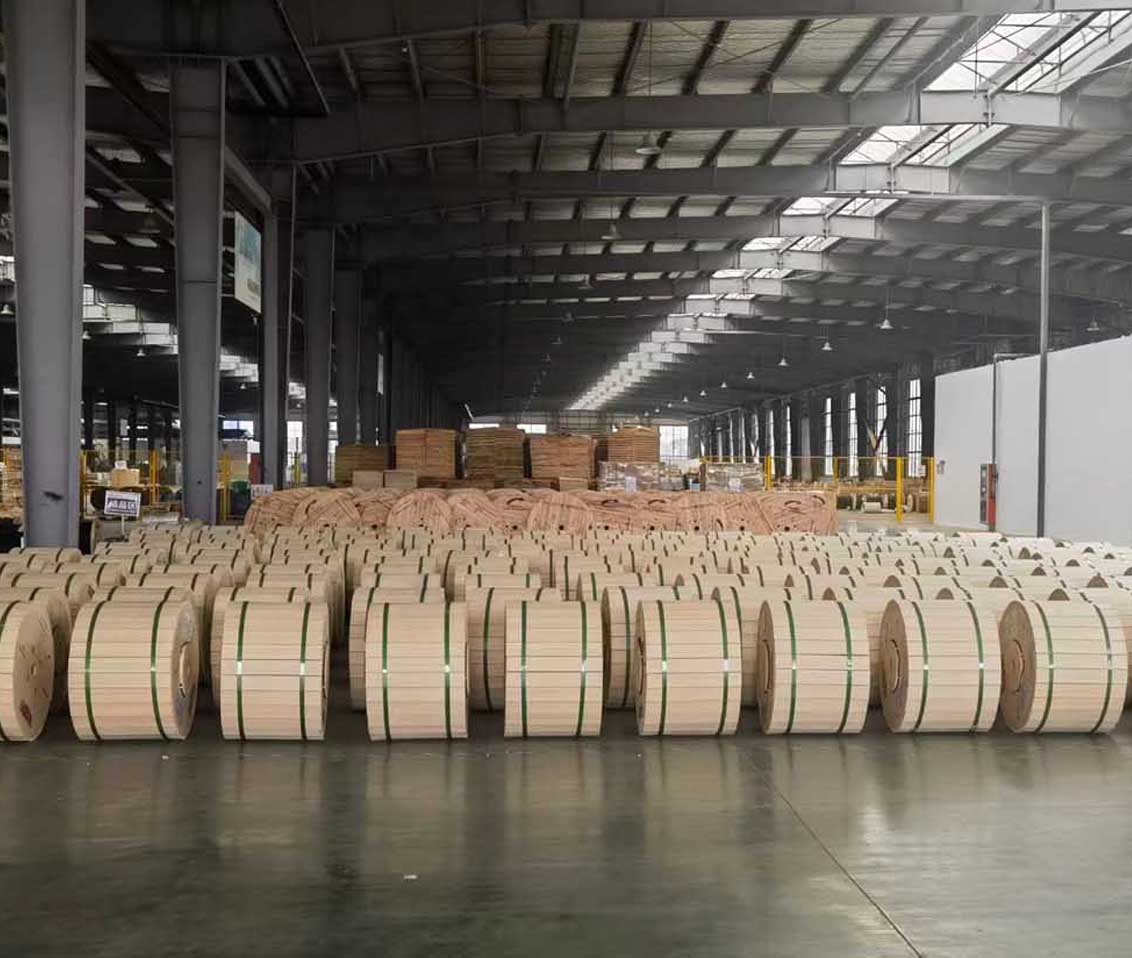
 Optical Fiber
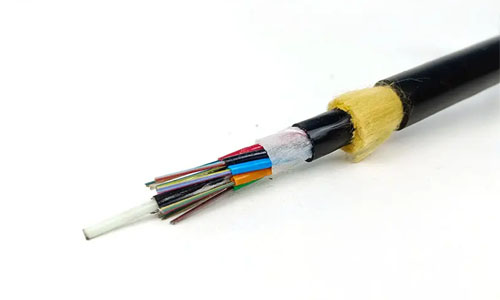 ADSS Fiber Optic Cable
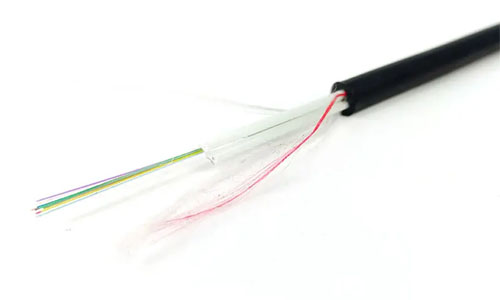 ASU Fiber Optic Cable
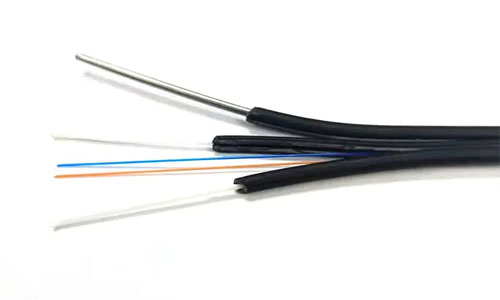 FTTH Fiber Optic Cable
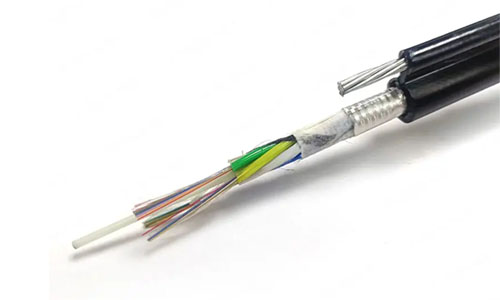 Figure 8 Fiber Optic Cable
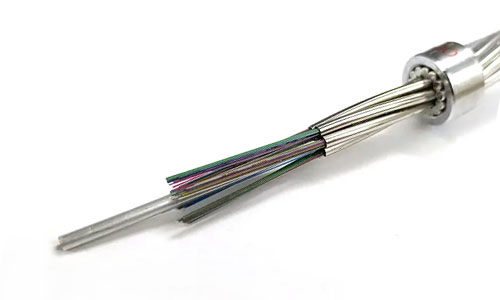 OPGW Fiber Optic Cable
 Coaxial Cable
 Ethernet Cable
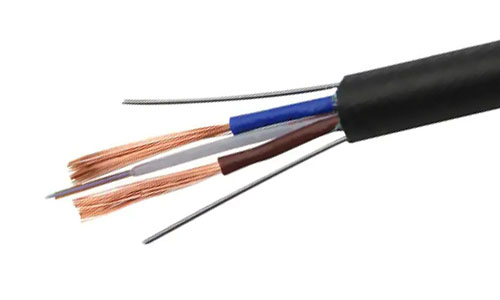 Photoelectric Composite Fiber Optic Cable
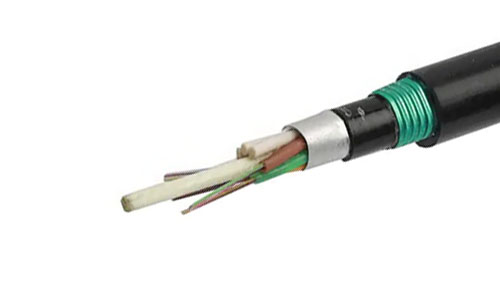 Underground & Pipeline Fiber Optic Cable
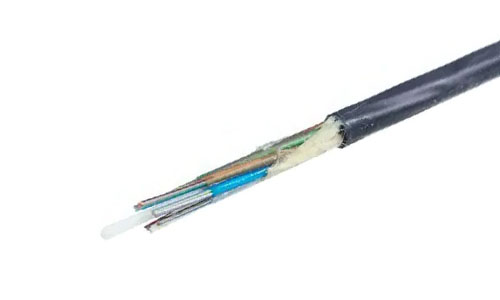 Air-Blown Micro Fiber Optic Cable
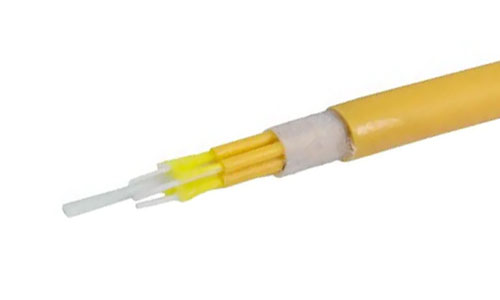 Indoor Fiber Optic Cable
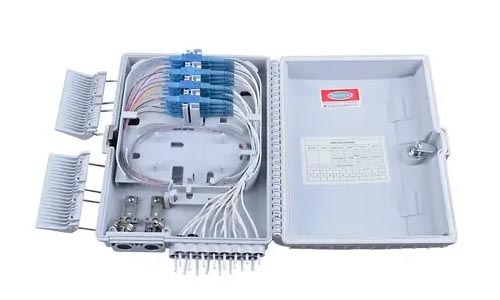 Fiber Optic Distribution Box
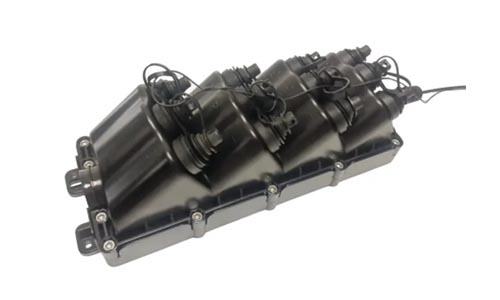 Multiport Service Termina Box
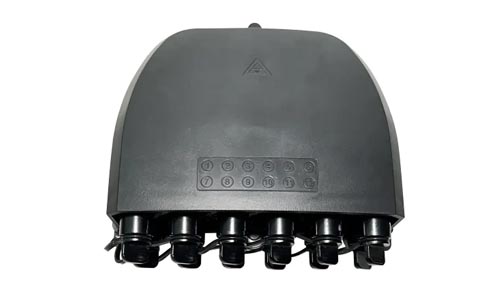 Fiber Optical Terminal Box
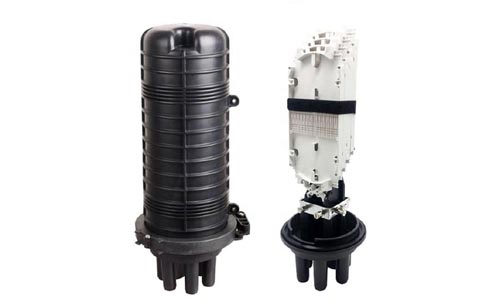 Fiber Optic Splice Closure
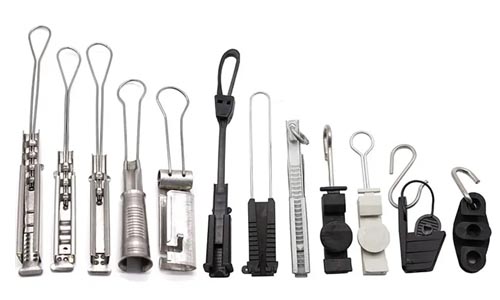 Fiber Optic Clamps
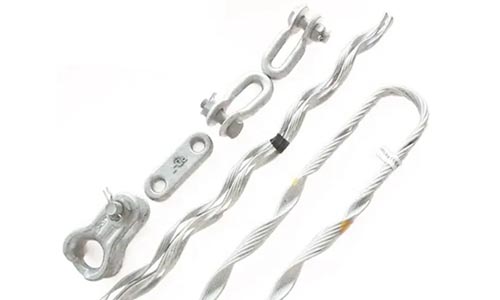 Fiber Optic Cable Fittings
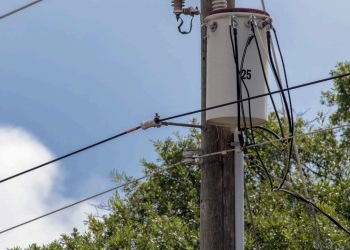 ADSS Fiber Cable
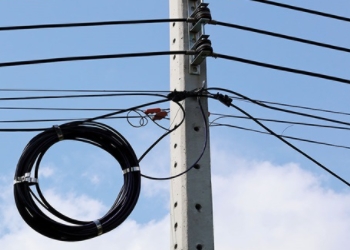 ASU Fiber Cable
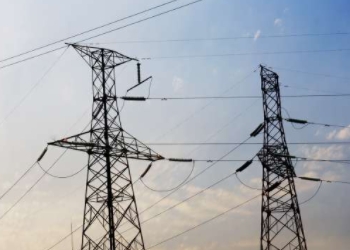 OPGW Fiber Cable
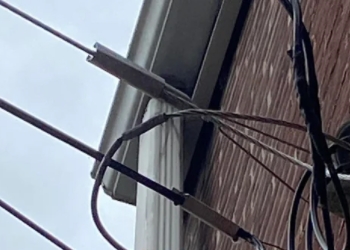 FTTH Fiber Cable
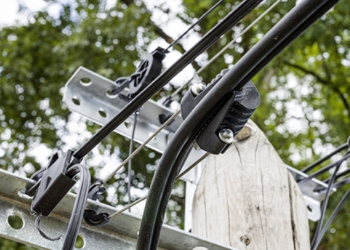 Figure 8 Fiber Cable
 Photoelectric Composite Fiber Cable
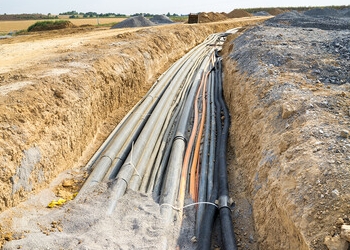 Underground & Pipeline Fiber Cable
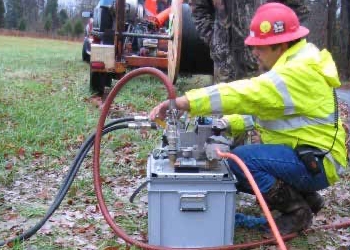 Air-Blown Micro Fiber Cable
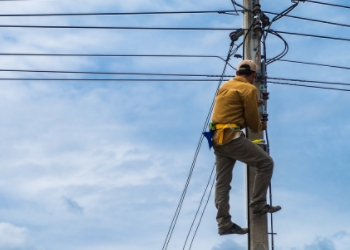 Aerial Fiber Cable
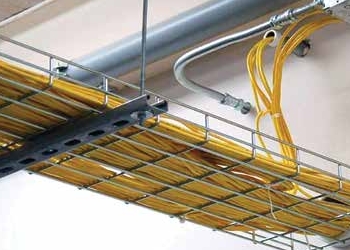 Indoor Fiber Cable
 Fiber Optical Terminal Box
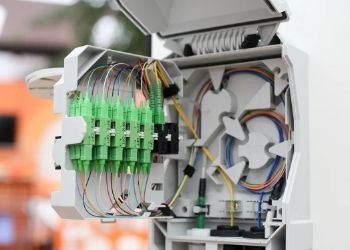 Fiber Optic Distribution Box
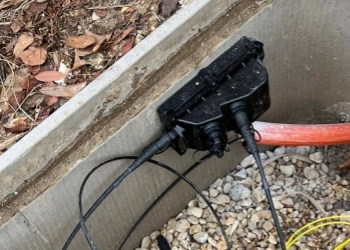 Multiport Service Termina Box
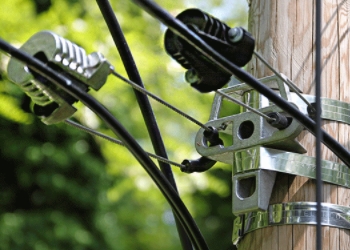 Fiber Optic Clamps
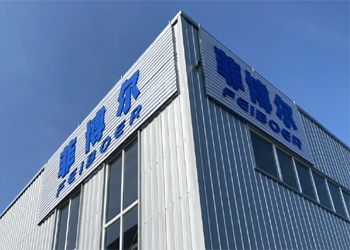 About Us
 Our Team
 History
 R&D Strength
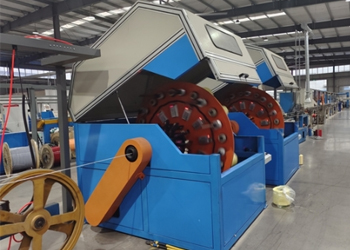 Production Base
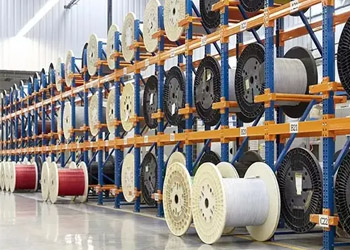 Warehouse & Logistics
 Quality
 FAQs
FAQsFiber Termination Box: A Complete Guide for Telecom Networks
A Fiber Termination Box is one of the most essential passive components in modern optical communication networks. It plays a critical role in protecting, organizing, and distributing fiber optic cables, especially in FTTH (Fiber to the Home), FTTC, data centers, and telecom backbone systems.
Although it looks like a simple plastic or metal box, it is actually a key infrastructure element that ensures signal stability, reduces maintenance costs, and improves network scalability.

1. What Is a Fiber Termination Box?
A Fiber Termination Box is a protective enclosure used at the end or distribution point of fiber optic cables. It is designed to:
- Terminate incoming fiber cables
- Protect fiber splicing points
- Manage fiber patching and routing
- Distribute optical signals to multiple endpoints
In simple terms, it is the “handover station” between the main fiber network and the end user.
Main Functions:
- Fiber splicing protection
- Cable organization and routing
- Optical signal distribution
- Connector management (SC, LC, FC, ST)
2. Structure of a Fiber Termination Box
A standard fiber termination box consists of several key components:
2.1 Enclosure (Housing)
- Material: ABS plastic, PC, or metal
- Protection: dustproof, waterproof, impact-resistant
- Outdoor models often reach IP65/IP66 rating
2.2 Splice Trays
- Store and protect fusion splicing points
- Maintain proper fiber bending radius
- Stackable design for higher capacity
2.3 Adapter Panel
- Supports fiber connectors such as SC, LC, FC, ST
- Provides plug-and-play fiber connections
- Enables fast maintenance and expansion
2.4 Cable Entry and Fixing System
- Secures incoming fiber cables
- Prevents pulling or mechanical stress
- Includes strain relief components
2.5 Fiber Management System
- Guides fiber routing inside the box
- Prevents bending loss
- Keeps installation clean and organized

3. Types of Fiber Termination Boxes
Different network environments require different types of termination boxes.
3.1 Wall-Mounted Fiber Termination Box
Used in indoor environments such as:
- Residential buildings
- Offices
- Corridor telecom rooms
Features:
- Compact design
- Easy installation
- Low cost solution for FTTH
3.2 Rack-Mount Fiber Termination Box
Used in:
- Data centers
- Telecom equipment rooms
- Network backbone systems
Features:
- High density ports
- Standard 19-inch rack design
- Easy centralized management
3.3 Outdoor Waterproof Fiber Termination Box
Used in outdoor FTTH deployment environments.
Features:
- Waterproof and dustproof (IP65/IP66)
- UV-resistant material
- Pole or wall mounting options
3.4 FTTH Fiber Distribution Box
Used in last-mile fiber access networks.
Features:
- Integrated PLC splitter support
- Multi-user fiber distribution
- Compact design for access networks

4. Application Scenarios
4.1 FTTH (Fiber to the Home)
- Building fiber distribution
- Corridor fiber termination
- User access connection
4.2 Data Centers
- Fiber patch management
- High-density interconnection
- Backbone distribution systems
4.3 Telecom Operator Networks
- ODN (Optical Distribution Network)
- Access layer fiber management
- City-wide fiber deployment
4.4 Enterprise Networks
- Office LAN fiber systems
- Server room fiber routing
- Network upgrades and expansion
4.5 Smart City Infrastructure
- CCTV surveillance networks
- IoT fiber backbone systems
- Traffic and monitoring systems
5. Advantages of Fiber Termination Box
5.1 Improved Network Reliability
Protects fiber splicing points from physical damage and environmental stress.
5.2 Easy Maintenance
Simplifies troubleshooting and network upgrades.
5.3 Structured Cabling
Keeps fiber routing organized and clean.
5.4 Scalability
Supports network expansion with additional ports or splitters.
5.5 Environmental Adaptability
Suitable for indoor, outdoor, and industrial environments.

6. How to Choose a Fiber Termination Box
6.1 Capacity Selection
Common options:
- 4 core
- 8 core
- 12 core
- 24 core
- 48 core
- 96 core
6.2 Installation Type
- Wall-mounted → indoor FTTH
- Rack-mounted → data center
- Outdoor type → telecom access points
6.3 Connector Type
- SC (most common)
- LC (high-density systems)
- FC (industrial use)
6.4 Protection Rating
- Indoor: IP20–IP30
- Outdoor: IP65–IP66
6.5 Splitter Compatibility
For FTTH systems, ensure compatibility with:
- 1x4
- 1x8
- 1x16
- 1x32 PLC splitters
7. Installation Process
Step 1: Cable Entry
Introduce the main fiber cable into the enclosure.
Step 2: Cable Stripping
Remove outer jacket and strength members.
Step 3: Fusion Splicing
Splice fibers using a fusion splicer.
Step 4: Protection
Place splice protection sleeves over joints.
Step 5: Fiber Routing
Organize fibers according to bending radius standards.
Step 6: Patch Connection
Connect pigtails to adapter panel.
Step 7: Closure
Seal the box to ensure dust and water protection.

8. Market Trends
8.1 Increasing FTTH Deployment
Global fiber rollout is accelerating, especially in urban areas.
8.2 Demand for Higher Density
More fibers in smaller enclosures.
8.3 Outdoor Deployment Growth
Rising need for waterproof and UV-resistant boxes.
8.4 Modular Design Evolution
Support for plug-and-play splitters and modular trays.
8.5 Smart Fiber Management
Future systems may include labeling and monitoring features.
9. Conclusion
A Fiber Termination Box is not just a passive enclosure—it is a critical infrastructure component that ensures the stability, scalability, and efficiency of modern fiber optic networks.
From FTTH residential access to large-scale data centers, it plays a central role in fiber management and signal reliability.