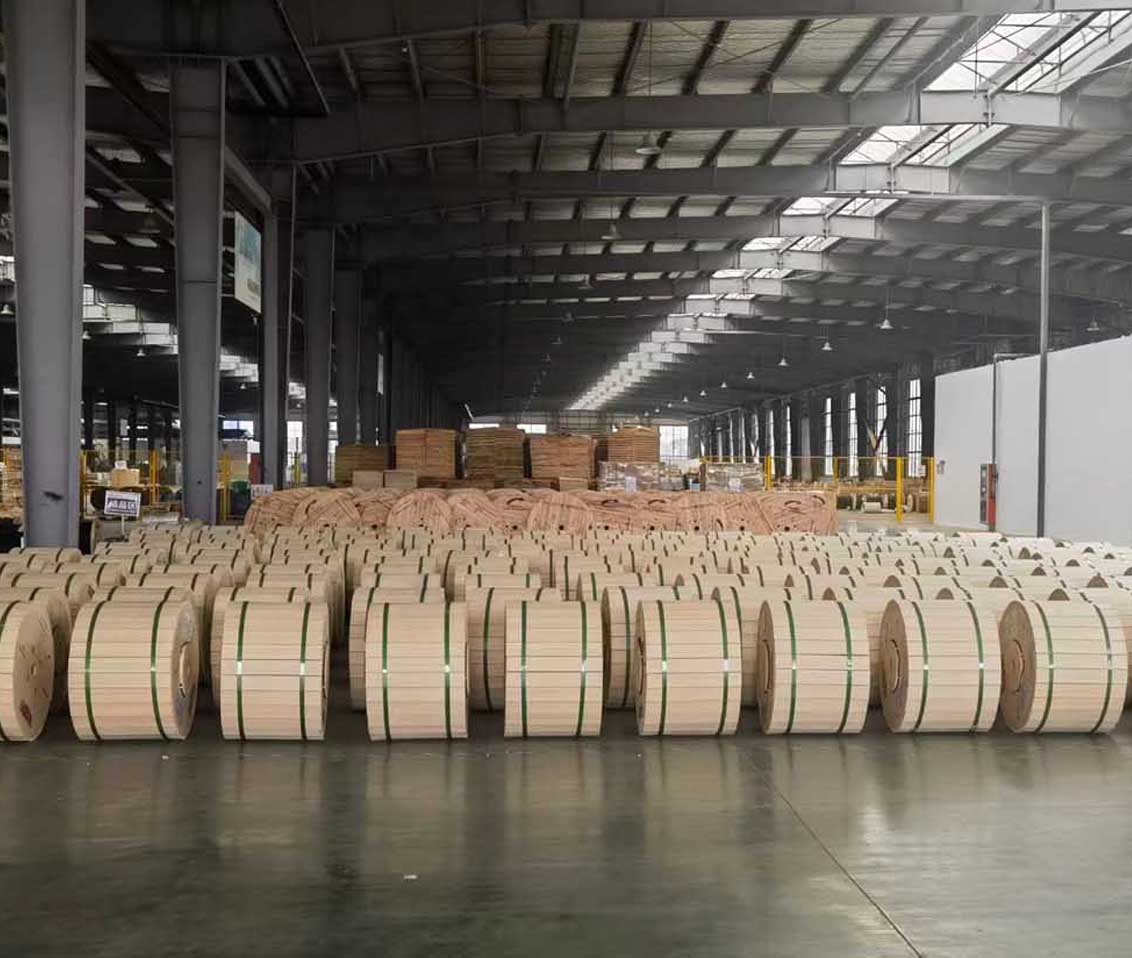
 Optical Fiber
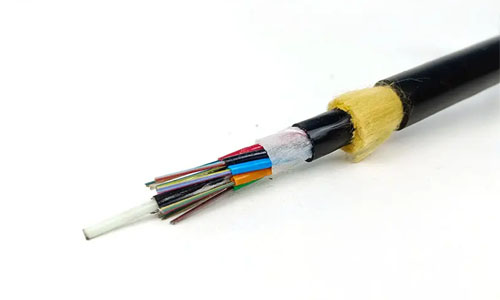 ADSS Fiber Optic Cable
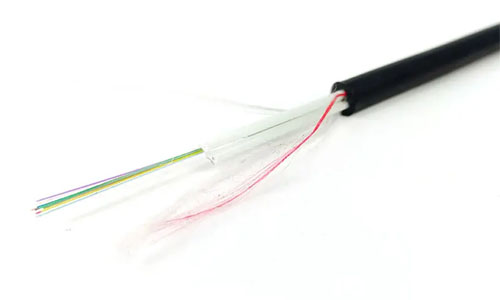 ASU Fiber Optic Cable
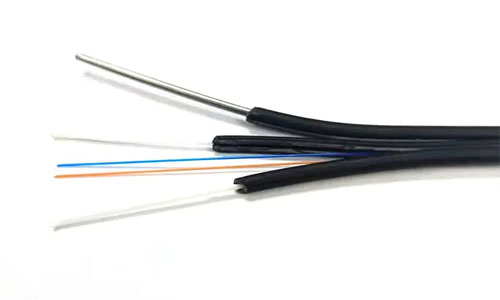 FTTH Fiber Optic Cable
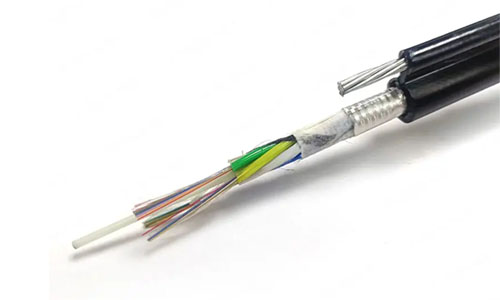 Figure 8 Fiber Optic Cable
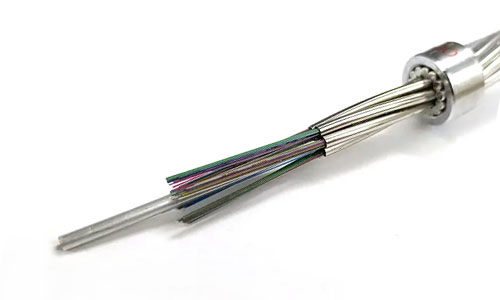 OPGW Fiber Optic Cable
 Coaxial Cable
 Ethernet Cable
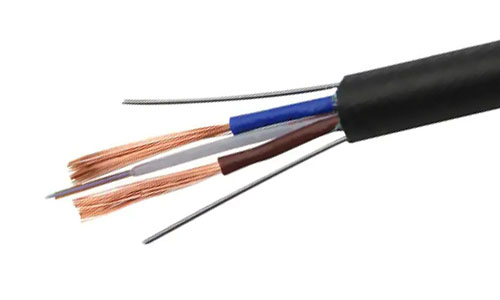 Photoelectric Composite Fiber Optic Cable
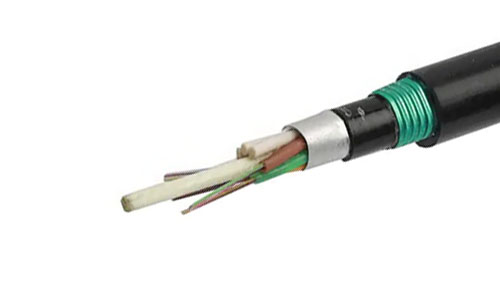 Underground & Pipeline Fiber Optic Cable
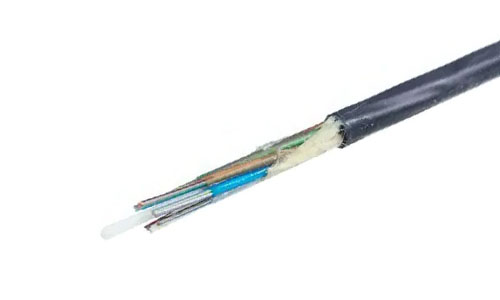 Air-Blown Micro Fiber Optic Cable
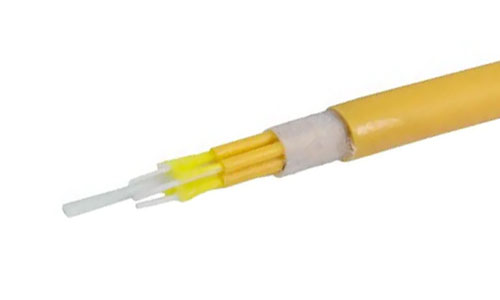 Indoor Fiber Optic Cable
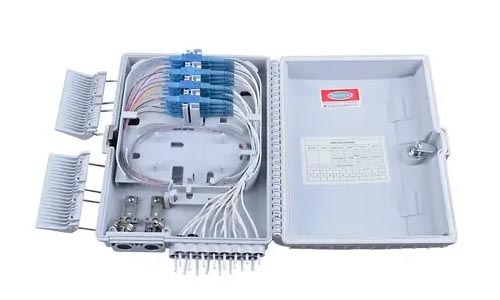 Fiber Optic Distribution Box
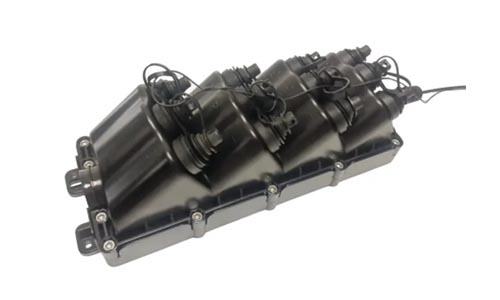 Multiport Service Termina Box
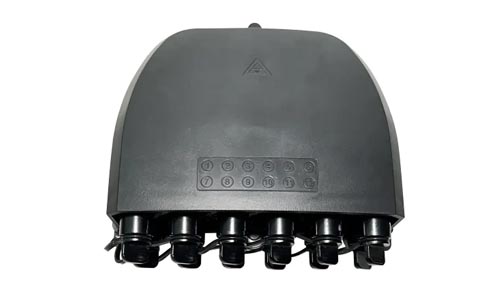 Fiber Optical Terminal Box
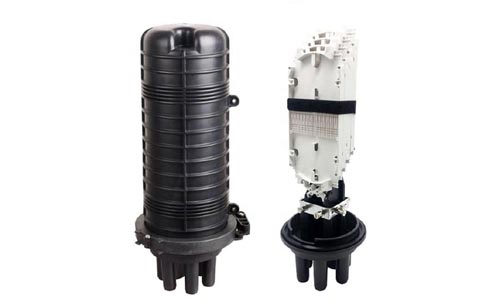 Fiber Optic Splice Closure
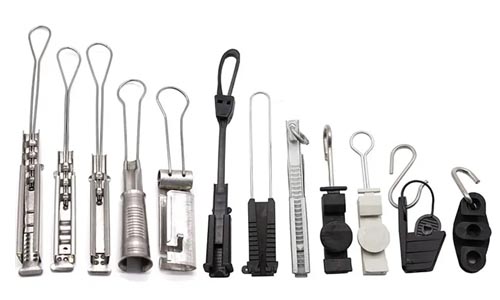 Fiber Optic Clamps
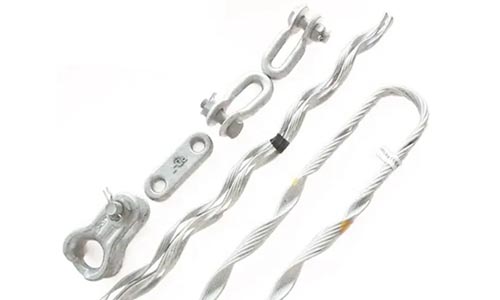 Fiber Optic Cable Fittings
 ADSS Fiber Cable
 ASU Fiber Cable
 OPGW Fiber Cable
 FTTH Fiber Cable
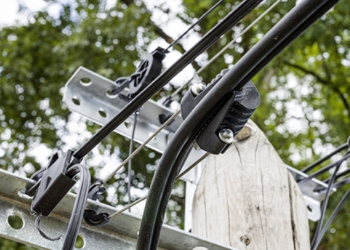 Figure 8 Fiber Cable
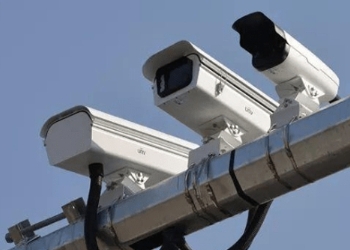 Photoelectric Composite Fiber Cable
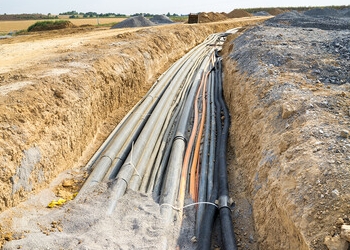 Underground & Pipeline Fiber Cable
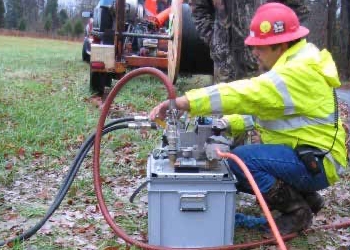 Air-Blown Micro Fiber Cable
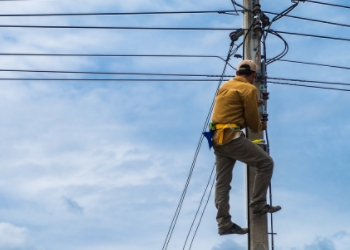 Aerial Fiber Cable
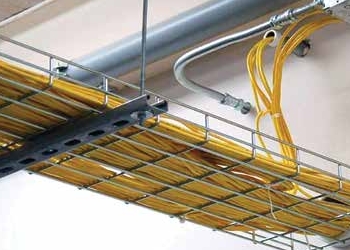 Indoor Fiber Cable
 Fiber Optical Terminal Box
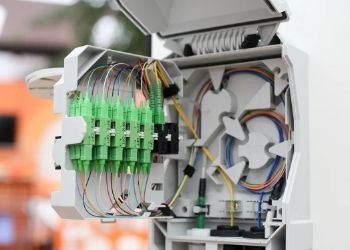 Fiber Optic Distribution Box
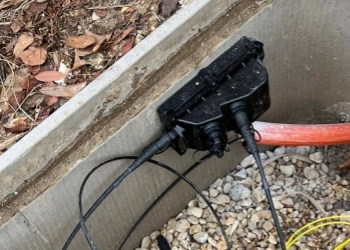 Multiport Service Termina Box
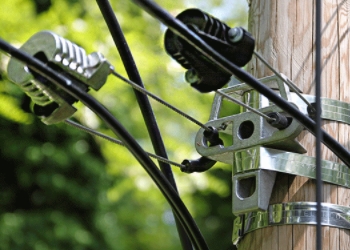 Fiber Optic Clamps
 About Us
 Our Team
 History
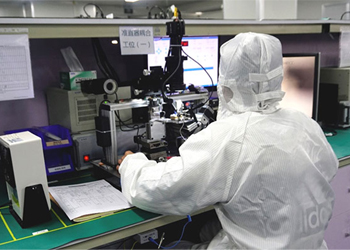 R&D Strength
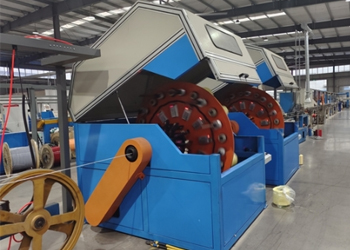 Production Base
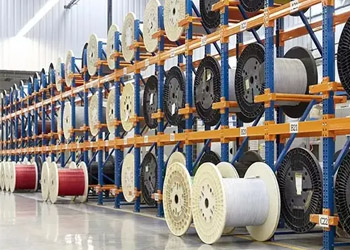 Warehouse & Logistics
 Quality
 FAQs
FAQsFiber Patch Cord SC LC FC ST Simplex Duplex Types
Fiber patch cords with SC, LC, FC, and ST connectors in APC or UPC types and in simplex or duplex cables link network devices for fast, stable data transfer. Every connector type has a particular form and fit, so SC and LC are prevalent across networks, whereas FC and ST perform well in laboratories and legacy configurations. APC connectors reduce signal loss, and UPC provides a basic standard polish. Simplex cables send data one way, and duplex cables send two-way data at once. These choices assist in aligning network requirements, be it for residential broadband, corporate LANs, or huge data centers. We’ll organize the bulk of this post to break down these types, explain where they fit best, and offer guidance for selecting the appropriate cable.

Decoding Fiber Patch Cord Anatomy
A fiber patch cable is not just a cable; it is an essential component in data communication. Its anatomy consists of multiple layers, with the central core transmitting light signals. The cladding prevents light from leaking out, while the coating protects the fiber. The jacket bundles everything together for greater protection and aids in identification. Each layer contributes to the performance of fiber optic patch cables in telecom and high-speed network applications.
The Core
The core of a fiber optic patch cable sits in the center and does the main job of moving light from one end to the other. Its diameter, in microns, is 9 µm for single-mode or 50/62.5 µm for multimode. The kind of core you select, such as single-mode fiber, determines speed and distance. Glass is the norm for high performance, while plastic is fine for short, less intense connections. Core quality makes a difference in data rates. Single-mode fiber, designated as OS1 or OS2, uses a small core to transmit light further with less attenuation, while multimode fiber corresponds to OM1 through OM5 classifications for various data rates and applications.
The Cladding
Cladding hugs the core with a somewhat lower refractive index, ensuring the light keeps bouncing inside. This makes the signal robust over long distances, especially in fiber optic patch cables. The diameter of the cladding, generally constant at 125 µm, plays a role in determining the fiber’s performance. The majority of cladding is glass, while some cheap fibers use plastic. Cladding gives flexibility and strength, allowing the fiber cable to bend more without snapping.
The Coating
The coating is a soft buffer, shielding the glass of the fiber optic patch cable from nicks, bends, and water. Typically acrylate or silicone, it provides additional strength and prevents cracks from propagating. This tough layer helps keep the signal clear, which is crucial for fast data transmission in tough locations, such as outside plant networks, preserving the cable life and protecting the signal from microbends.
The Jacket
The jacket is the outer hull of the fiber optic cable. It resists dust, water, and impact, ensuring durability for various environments. Jackets can be PVC for general applications or LSZH for fire-safe locations. Others require special jackets with high fire ratings. Color coding, yellow for single-mode or orange for OM1, for example, helps you quickly identify the appropriate fiber patch cables within a hectic panel. The jacket protects the cable and can help organize deep, entangled network configurations.
What Are Fiber Patch Cord Types?
Fiber patch cords connect your network devices with efficiency and accuracy. They exist in a variety of types, each optimized for a particular application or network configuration. Your choice of fiber patch cord matters; wrong picks slow a network or cut uptime. Some cords employ single fiber (simplex) for one-way signals or BiDi transceivers, while others use two strands (duplex) for two-way data flow. Fiber patch cords vary by connector, fiber core size, polishing style, and jacket material. Below is a quick outline of the main types:
-
SC, LC, FC, and ST connector types
-
Simplex and duplex cable structures
-
Single-mode (9 µm core), multimode (50/62.5 µm core)
-
OM1–OM5, OS1, OS2 fiber classes
-
PC, UPC, APC polishing, including 8° angle on APC
-
PVC, LSZH, and OFNP jacket materials
-
Hybrid cables with mixed connectors
Getting the right connector type is about fitting it to your gear and network requirements. The fit has an impact on speed, reliability, and upgrades. Mixing connector types, such as hybrid cords, can span between older and newer systems, making a network more adaptable.
1. SC Connectors
SC connectors are known for their square, push-pull design, making them easy to work with even in crowded network racks. They provide low insertion loss and endure many connection cycles, making them ideal for fiber optic patch cables. Many data centers and telecom hubs still rely on SC for reliable connections, as it works seamlessly with both single-mode fiber and multimode fibers, ensuring a dependable, general-purpose option.
2. LC Connectors
LC connectors, designed for high-density environments, are essential for quick, high-bandwidth networks where space is at a premium. The 1.25mm ferrule enables more connections in a single panel, making them ideal for emerging switches, routers, and data centers. These fiber optic connectors do not compromise on speed, ensuring fast data transmission even in compact setups.
3. FC Connectors
FC connectors utilize a robust, threaded design that locks in place, making them ideal for locations with heavy motion or vibration, like factories or telecom towers. Their screw-on style ensures a reliable connection, preventing signal loss in challenging environments. For optimal performance, single-mode fiber optic patch cables work best with FC, where accuracy is crucial.
4. ST Connectors
ST connectors utilize a bayonet mount and simple twist-lock motion, which translates to immediate patching and speedy swaps, making them ideal for legacy networks or training labs. Many schools and legacy sites still use ST because it’s easy to learn. ST pairs most effectively with multimode fiber optic patch cables, which deliver data to classrooms or older equipment.
5. Hybrid Combinations
Hybrid patch cords, such as the lc plenum duplex fiber patch cable, blend connector types on either end. Connecting LC to SC or ST to FC is particularly useful when integrating new switches with old patch panels. These combinations eliminate the need for adapters and accelerate deployments in hybrid networks, increasing the popularity of fiber patch cables.

Simplex or Duplex Transmission
Fiber patch cables come in two main types of transmission: simplex and duplex fiber optic patch cables. These terms describe the direction data flows through the fiber optic connectors, influencing network architecture and efficiency.
-
Simplex uses one fiber strand for a single direction transmission. Data travels from point A to point B with no return trajectory. It’s easy, which is why it’s good for work that doesn’t need a response.
-
Duplex has two fiber strands for transmission in both directions. One strand carries data in one direction and the other strand carries it in the opposite direction, like a two-lane highway, each lane going a different direction. Duplex is half when it transmits in one direction at a time and full when it transmits both ways simultaneously.
-
Bandwidth and appropriateness depend on these arrangements. Simplex is lightweight, with a small bandwidth for one-way activities. Duplex multiplies the bandwidth and enables both-way, real-time data streams.
-
Choosing the correct type makes a difference. The incorrect decision could potentially restrict network capacity or squander resources. It is really just about fitting the cable to your application.
Simplex Use Cases
Simplex patch cords shine in point-to-point links, such as transmitting information from a sensor to a monitoring device. They don’t have to send any information back, so one fiber strand works fine. This keeps installations easier and neater, particularly when space is at a premium.
Simplex cables often win in cost-sensitive projects. They require fewer materials and with a single connector, costs come way down. Less clutter means less potential for tangles or confusion when you’re doing maintenance.
Simplex has specialty uses. Industrial sensors, medical equipment, or broadcast feeds will often use this design. When you only require communication in one direction, simplex keeps it nice and straightforward.
Duplex Use Cases
Duplex patch cords litter data centres and LANs. Such arrangements nearly invariably require data to flow in both directions, as when computers communicate with servers or VoIP calls take place.
That’s because the design allows you to transmit and receive simultaneously, a crucial feature for real-time applications. This not only saves time but increases reliability, particularly in crowded venues where holding up the line can be problematic. Duplex cables are the default choice for those times when you want speedy, easy flowing, bi-directional traffic.
Duplex configurations help to keep networks flowing smoothly under load. They prevent bottlenecks by allowing data to stream forward without awaiting the other side’s conclusion. That’s why duplex is favored for high-traffic environments where uptime and speed are paramount.
Polish Matters: APC vs. UPC
Connector polish is a crucial consideration for fiber patch cables. The way the end-face is polished significantly influences how well the signal travels through the link, affecting light loss and reflection, which can impact the quality of the fiber optic connection. APC (Angled Physical Contact) and UPC (Ultra Physical Contact) are the two most popular polishing types, each playing a distinct role in fiber networks.
UPC Performance
UPC connectors have a flat or slightly curved end-face. This novel design reduces insertion loss, allowing more light to pass through with minimal impedance. These connectors are great for typical telco installations where performance is consistent and losses must be maintained low, but not at a premium.
A lot of data centers and enterprise networks deploy UPC connectors. They assist in transferring big amounts of data rapidly and dependably. UPC types suit both singlemode and multimode fiber, so they are good for everything from short patch panels to complex backbone links.
APC Performance
APC connectors have an 8° angled polish on the ferrule tip. This tilt causes light to reflect off at an angle, not straight back down the fiber. This prevents the signal from reflecting back and reduces what is known as return loss.
APC is the top choice for applications where minimal signal loss can still create significant issues. Long-haul transmissions, singlemode fiber networks, or high-precision optical work are ideal for these connectors. They maintain the signal pristine and robust, which is critical for TV, broadband, and telecom backbones that traverse long distances. They’re not for every application, but when you want the best of the best, APC rocks.
Visual Cues
It’s simple to identify APC and UPC connectors once you know what to look for. Typically, APC connectors are green and UPC connectors are blue. This color coding helps techs grab the right one quickly, although you should check your manufacturer’s guide as colors can shift.
The shape provides hints. UPC’s end-face is flat, and APC’s is angled. Recognizing these hints prevents confusion during installations, as APC and UPC connectors cannot be interchanged without adapters. Getting this right leads to fewer mistakes and more rock-solid fiber builds.
OS2 Singlemode Explained
OS2 singlemode fiber optic patch cable is our long-haul, high-speed favorite. OS2 Singlemode Fibers: Why it rocks very low loss, designed for next-gen networks transmitting huge data over long distances. In contrast to short-link, wider-core multimode fiber, OS2 fibers are thin and meant to send light inline for kilometers. The attraction here is its ability to maintain signal integrity, even in challenging scenarios such as outdoor fiber patch cables or metropolitan networks. OS2 is the choice for telecom and data centers and any configuration where distance and speed take precedence over cost.
Technical Specs
| Specification | OS2 Singlemode Fiber |
|---|---|
| Core Diameter | 9 µm |
| Cladding Diameter | 125 µm |
| Wavelengths Supported | 1310 nm, 1550 nm |
| Typical Attenuation | ≤ 0.4 dB/km @ 1310 nm, ≤ |
| 0.3 dB/km @ 1550 nm |
| Max Distance | 10,000 m or more | OS2 Singlemode Spelled Out | Bandwidth | No real limit | Data Rates Supported | 1 Gbps to 100 Gbps or more |
Specs are important because they define the boundaries of your network’s capabilities. If you want to build a backbone that won’t require upgrades every few years, these figures assist you in selecting the appropriate cable. OS2’s low attenuation translates to less signal loss, so you don’t have to fret about repeaters or amplifiers for city-wide or cross-country runs. For lightning-fast jobs or connections between massive data centers, these specs are what allow engineers to rest easy.
Environmental Resilience
OS2 fiber is a beast. It just keeps going when the weather turns rough, be it freezing, blazing, or soaking wet. The cable’s construction allows it to shrug off moisture and temperature extremes, which makes it a go-to for outside plant work. You find it buried under streets or strung between towers, where it endures rain, snow, or blazing sun. Its rugged design results in fewer outages and less maintenance, which is essential for networks that can’t go down.
So in harsh spots such as tunnels or mountain passes, OS2’s resilience really shines. It is selected for the jobs where any other cable would snap or fade, providing years of stress free confidence.
Future-Proofing
OS2 singlemode fiber optic patch cable assists networks in staying abreast of emerging technologies. You begin with 1 Gbps links, then move over to 10, 40, or even 100 Gbps later without changing the fiber cable. It’s designed to scale, so as data demands increase, such as 5G, telecommuting, and connected urban infrastructure, OS2 is prepared. That’s why big telcos and data centers use it, aware that it won’t be obsolete soon. It’s a savvy wager if you want to create a network that doesn’t drag you down.
The Real-World Selection Matrix
The real-world selection matrix helps demystify the selection maze when choosing fiber optic patch cables. It scores alternatives according to significant factors such as price, efficacy, or suitability, rendering choices transparent and objective. This systematic approach keeps bias down and shows you the tradeoffs, not just the sticker price. Here’s an example of how the factors might shake out in a selection matrix, with weights representing what’s most important for a typical project.
| Criteria | Weight | SC | LC | FC | ST | APC | UPC | Simplex | Duplex |
|---|---|---|---|---|---|---|---|---|---|
| Cost | 0.2 | 3 | 4 | 3 | 3 | 2 | 4 | 4 | 3 |
| Performance | 0.3 | 4 | 4 | 4 | 3 | 5 | 4 | 3 | 5 |
| Compatibility | 0.2 | 5 | 4 | 3 | 3 | 4 | 4 | 3 | 5 |
| Ease of Use | 0.1 | 4 | 5 | 3 | 3 | 4 | 4 | 4 | 3 |
| Availability | 0.1 | 5 | 4 | 4 | 4 | 3 | 4 | 5 | 4 |
| Future-Proofing | 0.1 | 4 | 5 | 3 | 3 | 5 | 4 | 3 | 5 |
Cost vs. Performance
-
Select the appropriate cable by considering budget, project scope and future needs.
-
The less expensive ones use simple connectors or fabrics and will not withstand.
-
High-end cables with high-end connectors (like APC) are more expensive upfront and can save you a lot in repair time and downtime.
-
Always confirm if high performance is really required for your work first. Otherwise, you’re just overspending.
Budget ceilings often inform materials and connectors selections. For scrimpers, SC or LC connectors might be chosen simply because they’re readily available and inexpensive. However, investing in high-quality fiber optic patch cables can be wise if the network will expand or support fast data transmission, leading to long-term savings with less downtime.
Network Environment
-
Data centers require high-density, duplex cables. Offices can use simplex.
-
Long runs require low-loss varieties such as APC. Short hops can use UPC.
-
Mixed hardware necessitates matching patch cord types to equipment ports.
-
Rugged or exterior locations require a more rugged jacket or armored cable.
Active networks with a lot of traffic require higher performance and robust shielding, making the choice of the right fiber optic patch cable crucial. Distance matters as well; longer runs necessitate duplex fiber optic patch cables that maintain low signal loss. Selecting the appropriate optic patch cord for your environment can prevent complications in the future.
Application Demands
Certain environments call for unique answers. Data centers care about space, so LC duplex cords are the darlings. Telecom configurations can use FC connectors for hard connections, even when bumped. Patch cords with APC polish go where signal purity matters, such as in video links.
Each job has its own must-haves: speed, loss, fit, or future growth. Faster networks could require duplex cables with tight tolerances. As more gear becomes faster and smaller, anticipate patch cords to continue evolving, too. Being in tune with what’s new allows you to shop intelligently!
Conclusion
In order to select the appropriate fiber patch cord, first get back to basics. About: fiber patch cord sc lc fc st apc/upc types simplex/duplex cable. Each one suits a task and equipment kind. Simplex cables transmit data in a single direction, whereas duplex transmits both ways. Polish types also count. APC and UPC provide varying signal levels and attenuation. OS2 singlemode is optimal for long runs. Every selection defines your network performance and security. For instance, a hospital with numerous devices requires duplex LC cables for reliable operation. A data center with long racks, on the other hand, may require OS2 singlemode with SC/APC for maximum speed. All configurations have specific requirements. Now inspect your equipment. Ask if stuck. Let your network work for you.
Frequently Asked Questions
What is a fiber patch cord?
A fiber patch cable, specifically a fiber optic patch cable with connectors on either end, links network devices for fast data transmission through light pulses.
What do SC, LC, FC, and ST mean in fiber cables?
SC, LC, FC, and ST are types of fiber optic connectors, each designed for specific applications, ensuring secure and stable connections in various fiber patch cables.
What is the difference between simplex and duplex fiber cables?
Simplex fiber cables transmit data in only one direction, while duplex fiber optic patch cables enable fast data transmission by allowing two-way communication simultaneously.
What is the difference between APC and UPC connectors?
APC connectors, known for their angled tip, minimize signal loss and reflection, making them ideal for applications requiring high-performance fiber optic patch cables. In contrast, UPC connectors feature a flat tip and are suitable for situations where signal reflection is less critical.
What does OS2 singlemode fiber mean?
OS2 singlemode fiber optic patch cable is designed for long-distance, high-speed data transmission, ensuring low signal loss and suitability for large telecommunication networks.
How do I choose between simplex and duplex fiber cables?
Select simplex fiber for one-way communication needs, like sensors. Choose a duplex fiber optic patch cable for two-way data transfer, essential for most network connections.
When should I use APC connectors instead of UPC?
Choose APC connectors for precision or long-distance connections, as they minimize signal reflection in fiber optic patch cable applications.