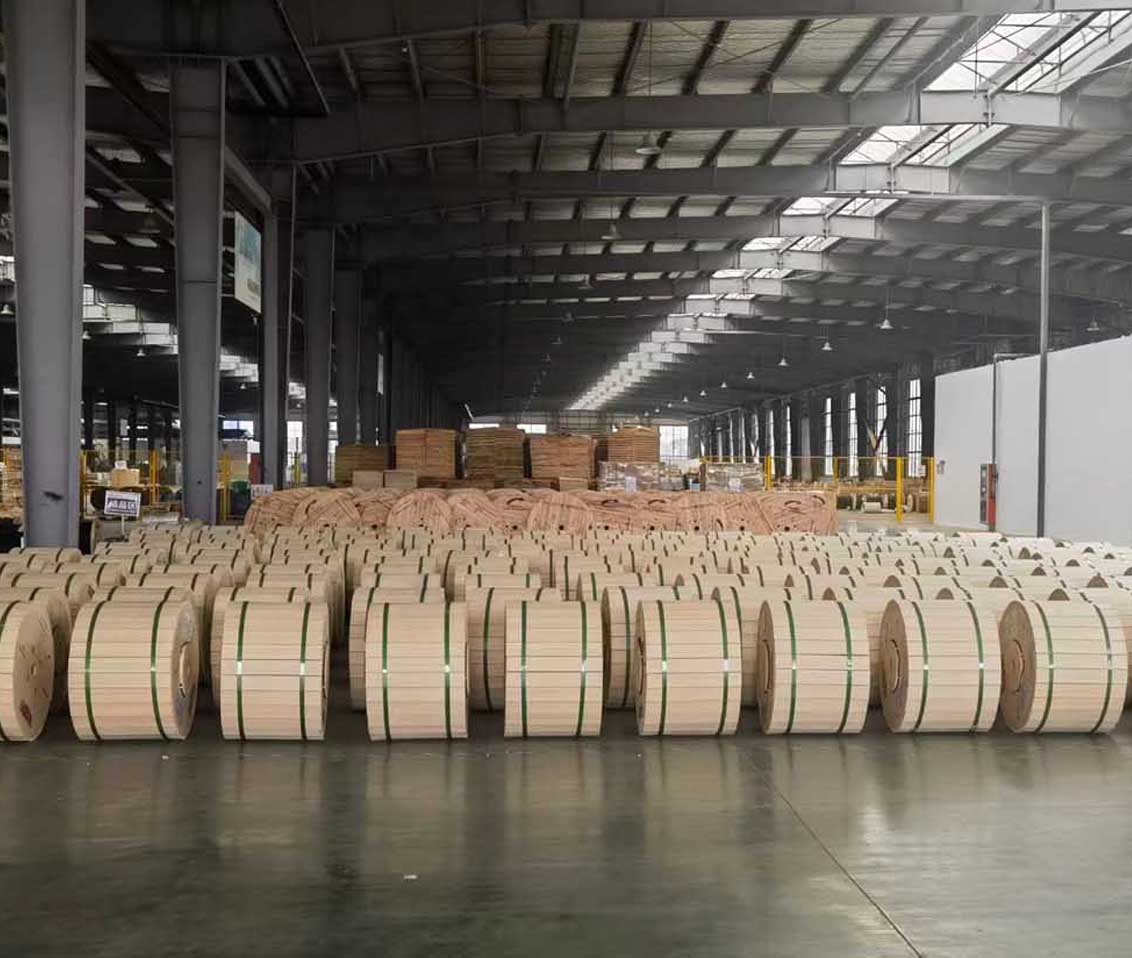
 Optical Fiber
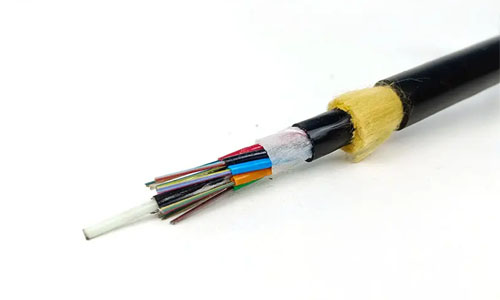 ADSS Fiber Optic Cable
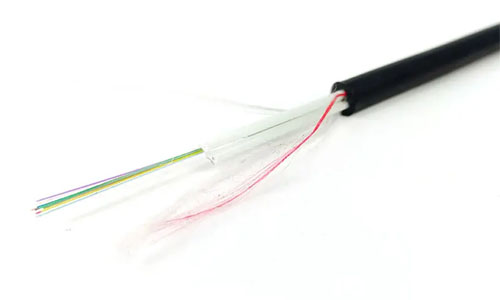 ASU Fiber Optic Cable
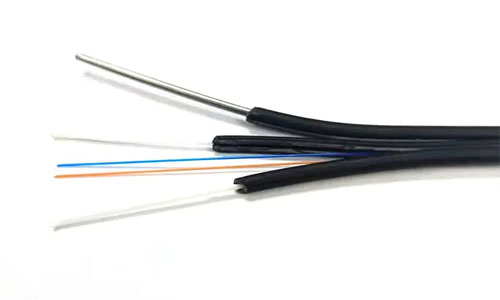 FTTH Fiber Optic Cable
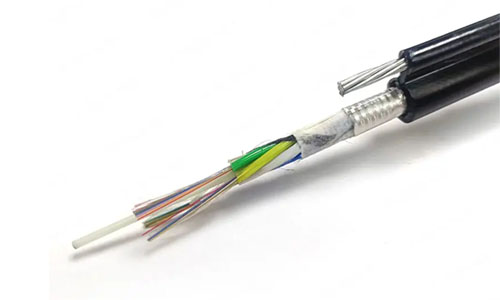 Figure 8 Fiber Optic Cable
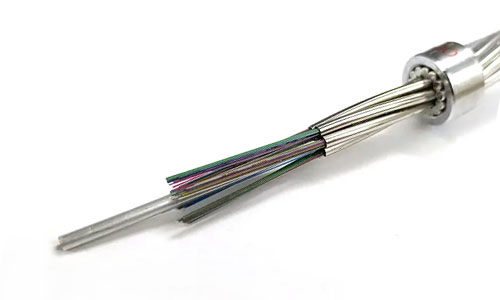 OPGW Fiber Optic Cable
 Coaxial Cable
 Ethernet Cable
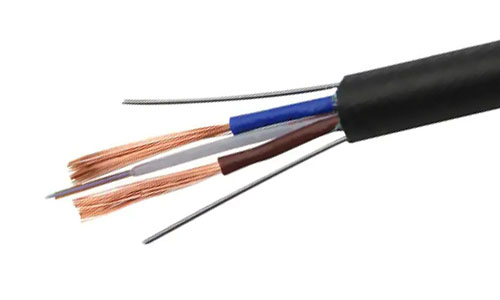 Photoelectric Composite Fiber Optic Cable
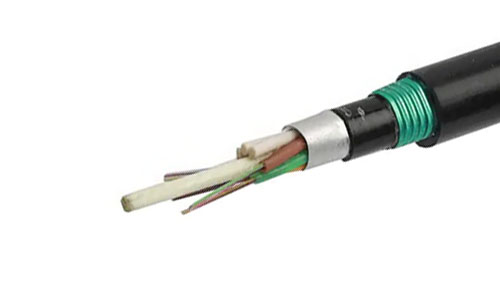 Underground & Pipeline Fiber Optic Cable
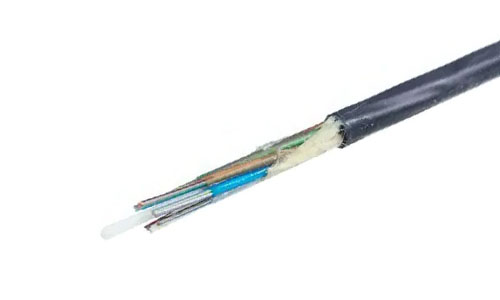 Air-Blown Micro Fiber Optic Cable
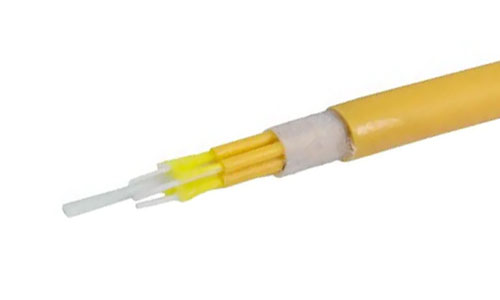 Indoor Fiber Optic Cable
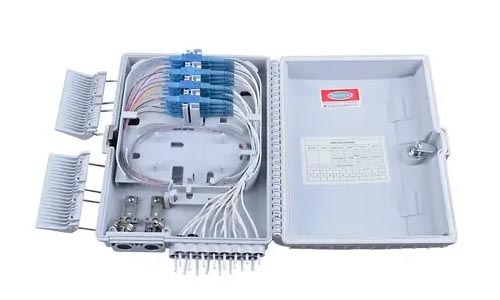 Fiber Optic Distribution Box
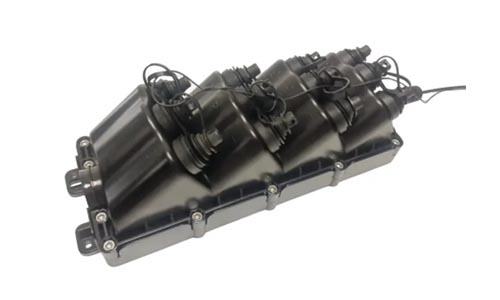 Multiport Service Termina Box
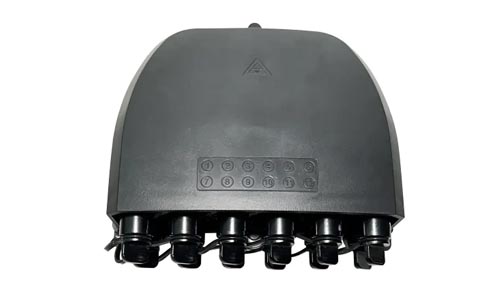 Fiber Optical Terminal Box
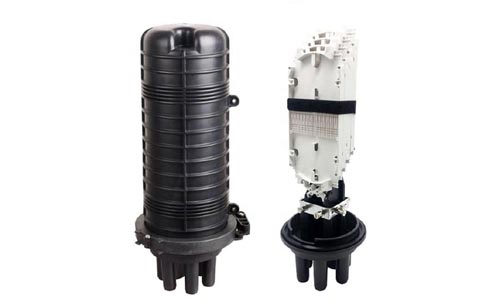 Fiber Optic Splice Closure
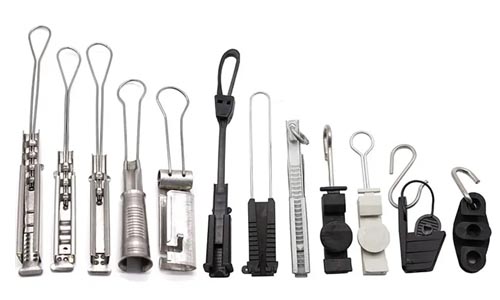 Fiber Optic Clamps
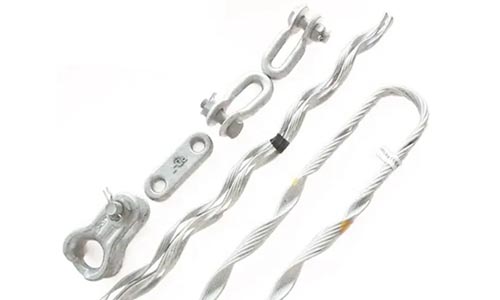 Fiber Optic Cable Fittings
 ADSS Fiber Cable
 ASU Fiber Cable
 OPGW Fiber Cable
 FTTH Fiber Cable
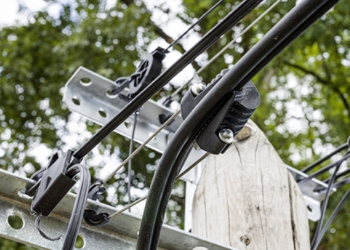 Figure 8 Fiber Cable
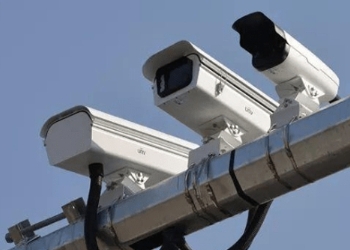 Photoelectric Composite Fiber Cable
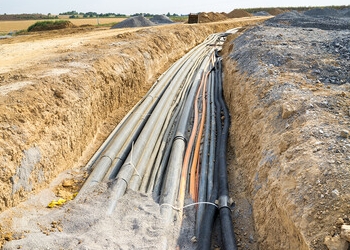 Underground & Pipeline Fiber Cable
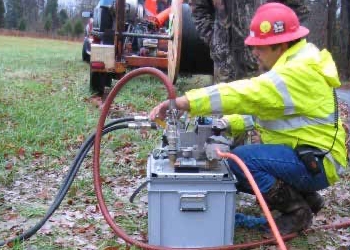 Air-Blown Micro Fiber Cable
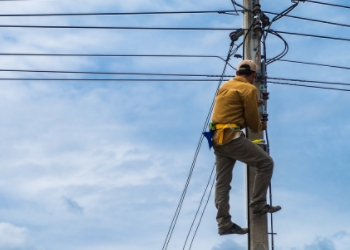 Aerial Fiber Cable
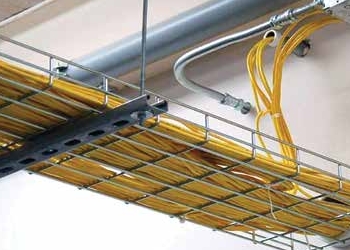 Indoor Fiber Cable
 Fiber Optical Terminal Box
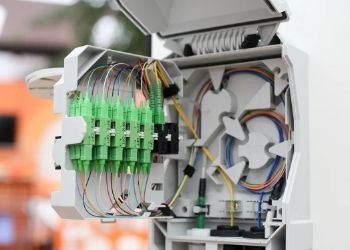 Fiber Optic Distribution Box
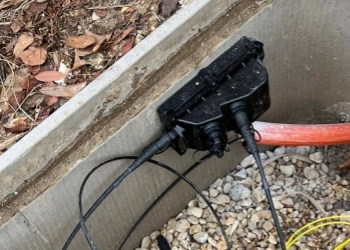 Multiport Service Termina Box
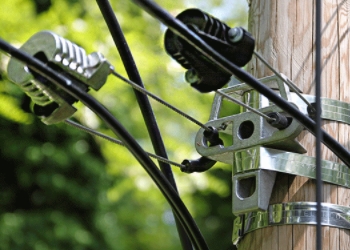 Fiber Optic Clamps
 About Us
 Our Team
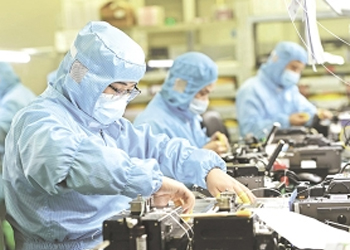 History
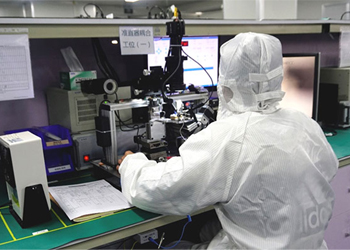 R&D Strength
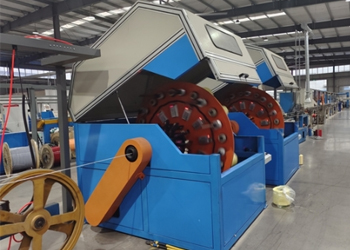 Production Base
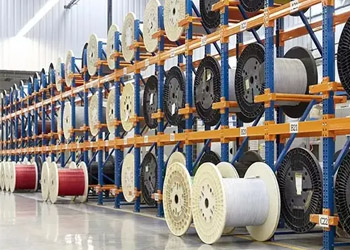 Warehouse & Logistics
 Quality
 FAQs
FAQsFiber Patch Cord Manufacturers & Suppliers
Fiber Patch Cord Manufacturer – A fiber patch cord manufacturer produces cables that link network devices for efficient and reliable transmission of data. These cables employ glass or plastic fibers to transmit signals with minimal attenuation and high bandwidth, making them an essential component of many internet and telecom infrastructures. Expert artisans craft every cord, employing durable components and rigorous inspections to comply with international standards. Most provide options for length, connector type, and fiber grade to suit various requirements, from hectic data centers to school labs. The great patch cords mean fewer drops and quicker fixes when things go sideways. To assist you in selecting the appropriate supplier, the bulk of the article discusses what to examine, top manufacturers, and best-use advice.

What Are Fiber Patch Cords?
Fiber patch cords, also known as fiber optic patch cables, are short optical fiber cables equipped with connectors on either end. These cables are an integral component in constructing high-speed, reliable, and loss-resistant network connections. Employed to connect equipment, patch panels, or network gear, they are essential to telecom, datacom, enterprise, and even home networks. Their capacity to transmit data rapidly with near-zero attenuation makes fiber optic patch cables the infrastructure that connects data centers and telecommunications across the globe. Their versatility means they suit numerous configurations, from compact office racks to expansive server farms.
1. Core Components
Each fiber optic patch cord consists of two main parts: the optical fiber cable and a connector kit, which includes the housing and ferrule. The cable features a glass core that transmits light signals, surrounded by cladding to prevent light leakage and direct it down the core. The outer jacket provides protection against physical damage. At each end, connectors such as SC connectors are attached to ensure a secure and lossless connection between hardware. Together, these components guarantee that the fiber optic patch cables are durable, dependable, and can withstand everyday abuse in active network settings.
2. Cable Types
Single mode and multimode fiber optic patch cables cater to different requirements. Single mode cords, including OS1 and OS2, are optimal for long-distance connections and are frequently utilized in telecommunications. Multimode cables, labeled OM1 to OM5, are suitable for shorter lengths within data centers. OM3 and OM4, for example, are preferred because they support higher speeds and more bandwidth. Custom patch cables are popular, crafted to work in unusual locations or unique configurations. Choosing the appropriate type is crucial because it impacts the performance of the network.
3. Connector Varieties
Popular connector types, such as SC, LC, and FC, are essential for various applications, including fiber optic patch cables and structured cabling products. SC is commonly used in data centers, while the miniature LC fits in tight spaces, and FC is ideal for labs or telecom environments. APC and PC connectors serve different purposes; APC's angled tip minimizes signal loss, whereas PC's flat tip ensures a consistent signal. Ensure that the connectors match your devices for optimal optical network performance.
4. Jacket Materials
Jackets for fiber optic patch cables are generally made of PVC or LSZH. While PVC is typical, simple to install, and flexible, LSZH is safer in the event of fire as it doesn’t emit toxic smoke and is mandatory to use in public buildings. The jacket protects the glass core from bumps and bends, which is particularly important in areas where custom cable assemblies may get pinched or exposed to heat.
5. Performance Metrics
The main metrics for fiber optic patch cables are insertion loss and return loss. Insertion loss indicates how much signal attenuates as it passes through the cord, with lower values being preferable. Return loss measures how much signal is reflected back toward the source, where higher values are better. Bandwidth and the distance a cord can send data are crucial, especially in large networks. To ensure they function correctly, always seek out industry standard specifications for cords.
The Manufacturing Process
Manufacturing fiber optic patch cables requires a methodical, hands-on process. Every step, from sourcing materials to quality control, impacts how your fiber optic product performs. Precision, skill, and new machines all come into play, ensuring that every patch cable meets industry standard specifications for practical deployment.
Raw Materials
-
High-purity glass optical fibers
-
Durable outer jackets (PVC, LSZH, or polyurethane)
-
Strength members (aramid yarn, Kevlar)
-
Connectors (ceramic ferrule, plastic housing)
-
Epoxy resin for bonding
-
Strain relief boots
Selecting the right fibers and jackets is the foundation of robust fiber optic patch cables. Quality fibers, such as multimode or single mode, keep signals crisp and reduce attenuation. Dependable suppliers of patch cables maintain quality consistently and ensure punctual delivery, minimizing susceptibility to the chain’s bottlenecks.
Cable Assembly
Assembly begins by cutting fiber cables to specific lengths with automated machines for efficiency and precision. Next, expert hands remove the jacket and buffer all the way down to the glass core. They wash the fiber with alcohol to cleanse dust and oil.
Just one tiny oops could spell huge trouble down the road, so steady stencils and eagle eyes are required! Automated splicing and assembly assistance reduces errors and produces more cables quicker. They still need smart techs to detect any defects and repair them immediately.
Connectorization
Connectorization connects the fiber to the connector. Epoxy fills the ferrule, the cleaned fiber slides in and the unit cures in an oven for a strong hold. Some epoxied them on, while others used mechanical clips.
Getting the fiber aligned correctly is paramount. Otherwise, signals will reflect or diminish. Polishing the connector end counts since a smooth end-face means less light escapes. Good connectorization leads to fast, reliable networks.
Polishing
Polishing smooths the connector end-face and reduces insertion loss. It is either done manually or with equipment based on connector type. APC, UPC, and flat polish styles all require different finishes.
A grounded surface transmits cleanly. Any scratch or pit can compromise the signal. Machines and ultrasonic cleaners assist here, but employees inspect them all. Quality checks at this step prevent defects from reaching your customers.
Final Testing
Each cord is tested for insertion loss, return loss, and signal flow. Testers probe with equipment that shoots light down the fiber to detect breaks or thin areas.
Industry specs define the loss and the performance. These tests show the cord is good to go. Leftover dirt or scratches show up under microscopes. Each cord must pass before it leaves the factory. With testing gear and trained workers, they can keep the error rate less than 1%. If trouble arises, previous phases get examined and repaired.
Critical Quality Standards
Fiber patch cord makers follow rigorous quality guidelines to maintain network performance. Living up to these standards isn’t just about acing tests. It’s about establishing confidence, ensuring relationships remain solid, and providing customers with that comforting sense of security. Below are the key standards and why they’re important.
| Quality Standard | Significance |
|---|---|
| ISO9001 Certification | Ensures consistent quality management across production |
| RoHS Compliance | Protects the environment and user safety |
| GR-326-CORE | Adds reliability and longevity checks |
| 568-B.3 Specification | Sets base requirements for performance |
| Insertion Loss <0.05 dB | Guarantees minimal signal drop |
| Return Loss greater than 58 dB | Minimizes signal reflection and enhances clarity |
Industry Certifications
Certifications such as ISO9001, RoHS, GR-326-CORE, and 568-B.3 are critical in fiber patch cord manufacturing. They indicate that a manufacturer is concerned about quality, safety, and the environment. For example, ISO9001 establishes an international benchmark for quality management. RoHS ensures products are free from harmful substances. GR-326-CORE adds a layer by validating long-term reliability beyond the minimum, such as 568-B.3.
Third party testing groups come in to test if they meet these marks. Reviews are objective, so purchasers can rely on the results. If a manufacturer holds several of these, it’s a public vow to maintain quality. Selecting certified patch cords leads to fewer network headaches and enhanced performance, regardless of where you plug them in.
Performance Testing
Fiber patch cords go through plenty of tests: Flex, Twist, Proof, Cable Retention, Impact, Vibration, and Durability. Every test checks whether the cord will stand up in real life. Flex and twist tests check if the cable can withstand being bent and twisted. Impact and vibration ensure it won’t short out when banged or rattled.
Routine testing is essential. It maintains quality and catches issues early. Tracking each test creates responsibility. When things break, there’s a record to trace back. Environmental tests such as Salt Fog and Airborne Contaminants assist in demonstrating whether cords will perform in various climates or harsh locations.
Material Integrity
Strong cables begin with quality materials. Premium components such as ceramic ferrules and polished connectors contribute to maintaining low insertion loss of less than 0.05 dB and high return loss of in excess of 58 dB. Even tiny defects in the materials will create major issues such as weak signals or dropped connections.
To prevent that, producers require harsh tests at all stages. Inspecting for cracks, checking endface geometry and ensuring that every part is up to snuff is an absolute necessity. Working the right stuff, determining job-based cable length, fiber type and connector, keeps networks running sleek.
Why Your Manufacturer Matters
Selecting the right fiber optic patch cables manufacturer is not merely picking a name from a list. Renowned manufacturers with decades of experience offer reliable expertise, ensuring they know how to manage large quantities, maintain industry standard specifications, and provide flexibility. When you purchase from a reputable firm, you receive fiber optic products constructed from premium materials and supported by rigorous quality standards, which ensures your network operates smoothly every day.
Reliability
Reliability is the heart of every fiber optic patch cable. A secure manufacturer strives to maintain their reputation, never skimping on materials or inspections. Key is quality control, as they conduct routine inspections at every point to spot issues before units leave the factory. When patch cables are dependable, networks remain up longer and downtime decreases, which is crucial for businesses where every second matters. Partnering with a manufacturer that prioritizes dependability, especially with custom cable solutions, is a wise decision for any network initiative.
Customization
Certain networks require more than off-the-shelf fiber optic patch cables. Custom manufacturers allow you to correlate cable lengths, optic patch cables, or colors. This comes in handy for intricate mechanisms or cramped quarters, where the one size fits all mentality simply won’t cut it. Veteran manufacturers can sometimes tweak designs or design from scratch. With flexible choices, you can customize your configuration and sidestep clunky hacks. Personal service means you receive a cable that fits and works right, which increases satisfaction in the long run.
Support
-
Fast, clear answers to product questions
-
Step-by-step help with setup and fixes
-
Expert tips for boosting network speed and cutting downtime
-
Ongoing help for new needs or upgrades
Responsive support means you don’t sit around literally waiting days for answers. Great support teams walk you through issues, from determining the right fiber optic patch cables to ensuring they function in your configuration. Tech support can keep your network firing on all cylinders, especially when it comes to custom cable solutions. A robust support team is not just a bonus; it’s a necessity for long-term partnerships.
Innovations in Connectivity
Fiber optic patch cable manufacturers have been busy innovating and advancing the boundaries of design, speed, and reliability. They combine ancient knowledge with modern technology, creating multimode fibers that connect more than just devices. Material science upgrades and the push for smaller, sleeker builds shape the latest trends.
Material Science
New fiber patch cords employ glass and polymers manufactured with more stringent specifications. This maintains the light path clear and stable, resulting in reduced errors and lost data. Industry innovations makers create new blends for jackets and cores that can stand the heat, the bend, and the abuse. One maker tested a new bend-insensitive fiber in patch cords and observed reduced signal loss even when the cables were compressed into tight racks. This material makes cables harder and more enduring.
Research teams collaborate with labs and schools to investigate novel coatings and manufacturing methods. They learn fast and transport fresh materials to the factory floor. Trend-watching makers can keep one step ahead. They achieve superior outcomes and satisfy the rigorous demands of international customers.
Automation
Robots and smart machines do a lot of the making these days. They can align miniscule fibers, slice them, and polish them into satiny gleaming tips. That means patch cords come out the same way every time, with fewer errors. A major global manufacturer slashed its build time in half with robots for critical steps.
Auto lines waste less. They employ just the right amount of glue, polish, and fiber. That saves money and enables employees to pursue professional work instead. Innovations in connectivity makers who invest in automation can fulfill large orders quickly and remain resilient in a challenging marketplace.
Miniaturization
Cables and plugs continue to minimize. This comes in handy in packed server rooms and office racks, where real estate is at a premium. Makers miniaturize the connectors but maintain top speed. In massive data centers, pencil-thin cords keep wiring tidy and cool.
Especially with the aid of tiny patch cords, they can reduce the risk of bending and breaking. Small doesn’t mean feeble, as new materials and shapes keep them brawny. Makers must adapt to evolving requirements and provide smaller options as racks and systems continue to get smaller.
The Sustainability Commitment
Sustainability is top of mind for fiber optic patch cable manufacturers as the world becomes increasingly conscious of its environmental footprint. The industry is going green, not only because it seems like the right thing to do, but because customers and partners expect it. Everything from raw material sourcing to end-of-life recycling is being examined. There was a time when single-use plastic or wasteful packaging was the norm. Now, businesses are turning to recycled plastics, compostable wraps, and reducing raw material where they can. Some even partner with eco-conscious fiber optic suppliers, ensuring each phase treads a lighter footprint.
Reducing waste and being smart about energy is another chapter in the tale. Today, more factories have solar panels or pull power from wind farms. Others established closed-loop water systems to further reduce waste. In one instance, a manufacturer substituted water-based coatings for cables where they had previously used harsh chemicals. This easy swap reduced toxic emissions and improved workplace safety. Another launched a take-back program in which customers send back used optic patch cables to be recycled, converting old cords into new products. All these little steps, when done at scale, begin to accumulate.
Sustainability isn’t just good for the world. It can enhance a brand’s appeal and attract new customers who value the production process. When a fiber patch cord maker tells us about its progress on cutting emissions or saving energy, it establishes trust. Consumers, particularly those with their own green objectives, desire to purchase from companies that mirror their convictions. It’s almost standard these days to have manufacturers post third-party eco-labels or produce their own annual sustainability report. These placards demonstrate a real commitment to improvement and keep their corporation accountable.
Long term commitment is what counts. Even as the industry evolves, so do the methods to green. You can’t do something and then call it a day. Producers must continue to seek out improvements, be it new materials, more clever design, or more responsible disposal. It’s this consistent push that keeps the company out front and demonstrates to customers they’re here for good.
Conclusion
Choosing the best fiber patch cord manufacturer determines network performance. Top producers construct cables with durable components, transparent networks, and genuine respect for the environment. Have you watched a cord survive hard use or deliver rapid pace in tight quarters? That work begins on the factory floor. The top brands stay in touch with innovative ways to connect and trim waste. Decisions in this realm impact actual lives, from a tiny office to a massive data center. Do you need powerful, seamless connections for your system? Check who manufactured the cords before you purchase. Require evidence of quality and eco-friendly measures. A clever selection today spares time, money, and angst tomorrow. Are you curious about what matches your requirements? Call and request assistance.
Frequently Asked Questions
What is a fiber patch cord?
A fiber optic patch cable, commonly referred to as a fiber patch cord, is a vital component with connectors on either end that links network devices for speedy, dependable data delivery.
Why is manufacturer quality important for fiber patch cords?
Superior manufacturers vet fiber optic patch cables to rigorous standards, minimizing signal attenuation and optimizing network performance.
What are the main types of fiber patch cords?
Single or multimode fiber optic patch cables are designed for different data speeds and distances.
How do manufacturers test fiber patch cords for quality?
The manufacturers perform tests such as insertion loss and return loss on fiber optic patch cables to inspect their performance, ensuring compliance with industry standard specifications.
What certifications should a fiber patch cord manufacturer have?
Search for ISO 9001 and IEC certifications, as these indicate the manufacturer of fiber optic patch cables adheres to international quality and safety standards.
Can fiber patch cord manufacturers support custom solutions?
Indeed, many manufacturers offer custom cable solutions with various connector types and jacket materials tailored to the network’s needs.
How do fiber patch cord manufacturers address sustainability?
Top fiber optic patch cable makers are using recyclable materials, efficient production, and eco-friendly packaging to help cut their footprint.