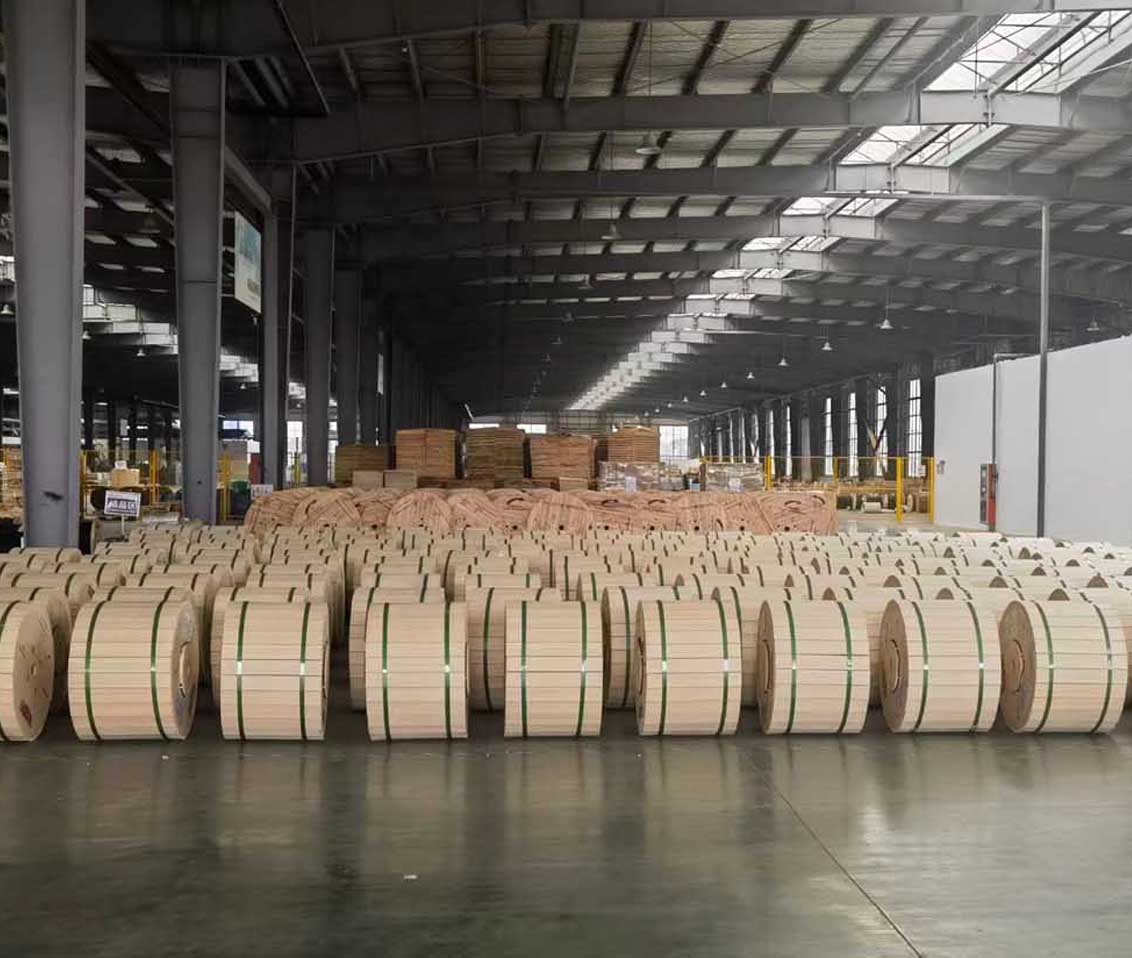
 Optical Fiber
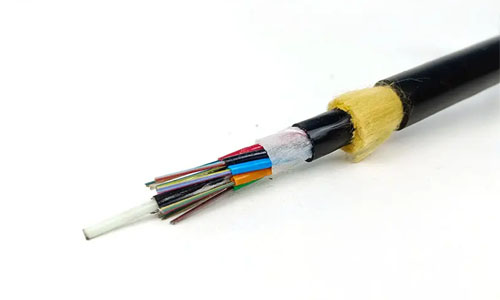 ADSS Fiber Optic Cable
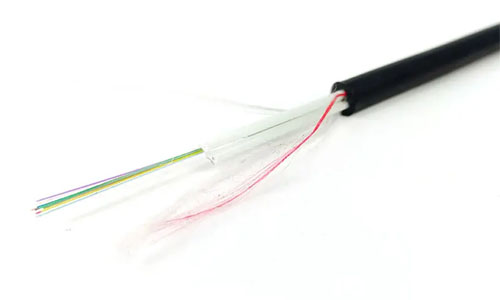 ASU Fiber Optic Cable
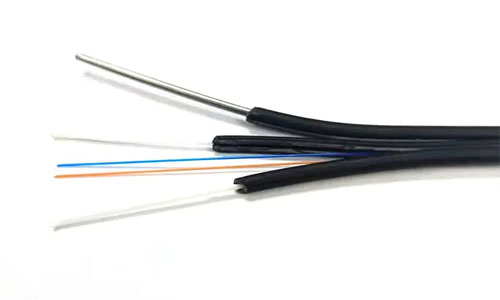 FTTH Fiber Optic Cable
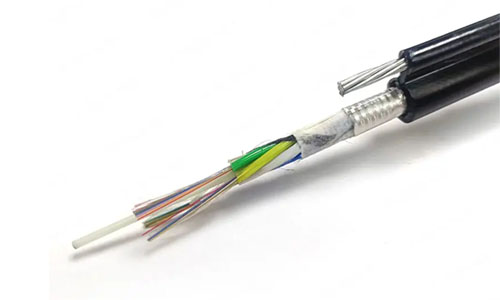 Figure 8 Fiber Optic Cable
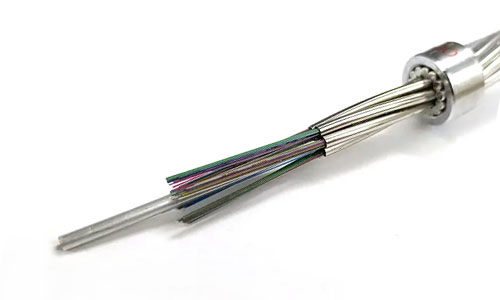 OPGW Fiber Optic Cable
 Coaxial Cable
 Ethernet Cable
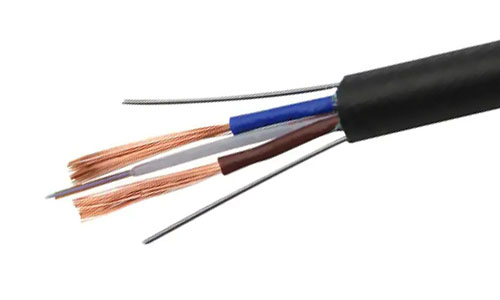 Photoelectric Composite Fiber Optic Cable
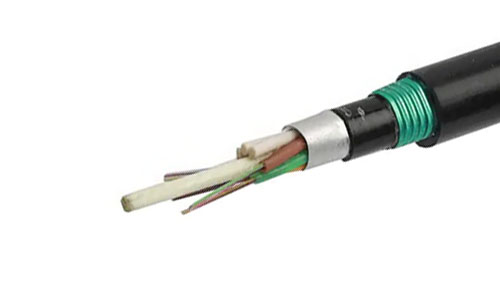 Underground & Pipeline Fiber Optic Cable
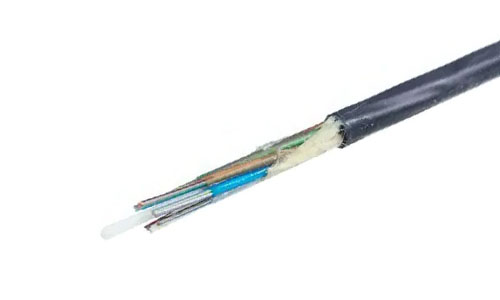 Air-Blown Micro Fiber Optic Cable
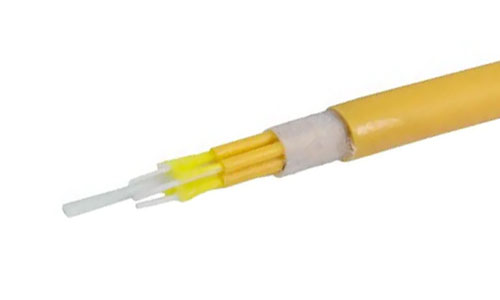 Indoor Fiber Optic Cable
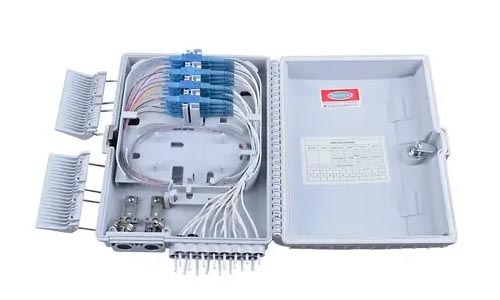 Fiber Optic Distribution Box
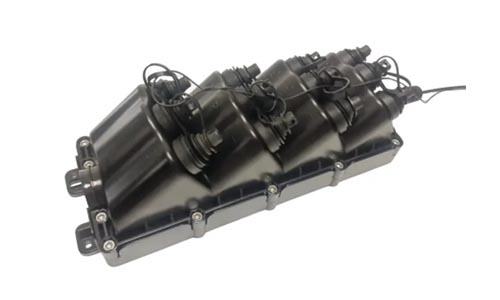 Multiport Service Termina Box
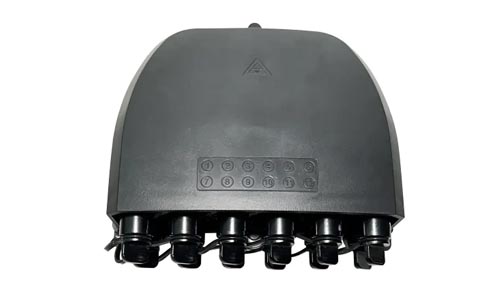 Fiber Optical Terminal Box
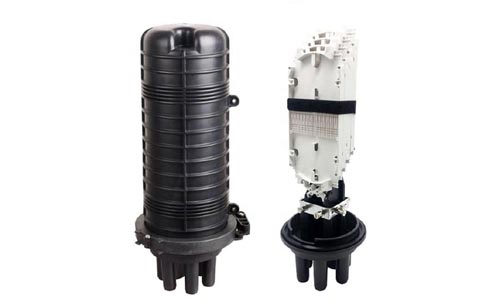 Fiber Optic Splice Closure
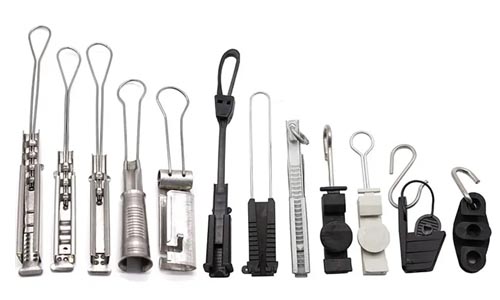 Fiber Optic Clamps
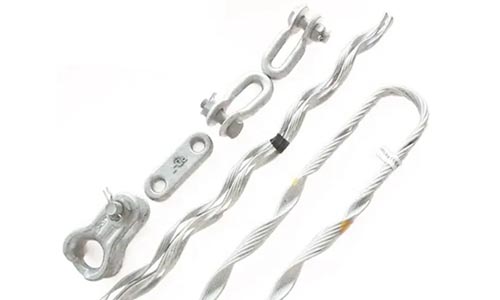 Fiber Optic Cable Fittings
 ADSS Fiber Cable
 ASU Fiber Cable
 OPGW Fiber Cable
 FTTH Fiber Cable
 Figure 8 Fiber Cable
 Photoelectric Composite Fiber Cable
 Underground & Pipeline Fiber Cable
 Air-Blown Micro Fiber Cable
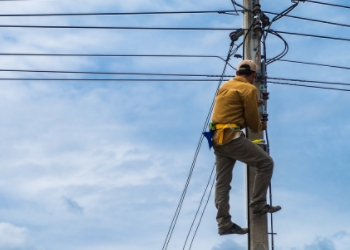 Aerial Fiber Cable
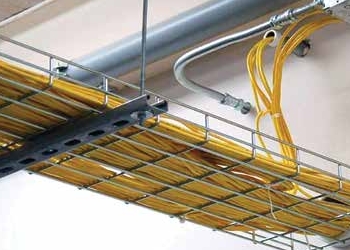 Indoor Fiber Cable
 Fiber Optical Terminal Box
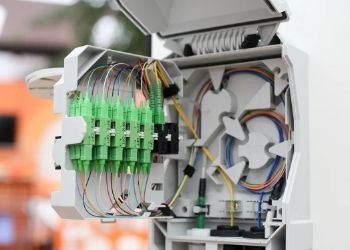 Fiber Optic Distribution Box
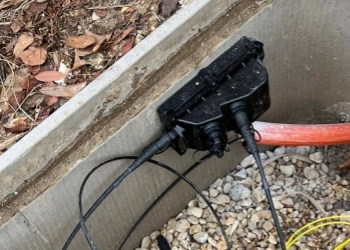 Multiport Service Termina Box
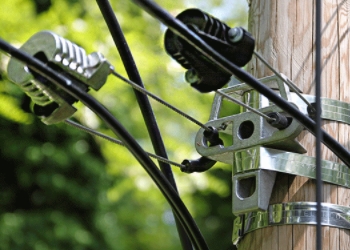 Fiber Optic Clamps
 About Us
 Our Team
 History
 R&D Strength
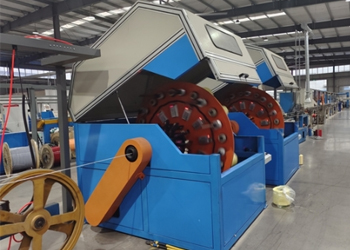 Production Base
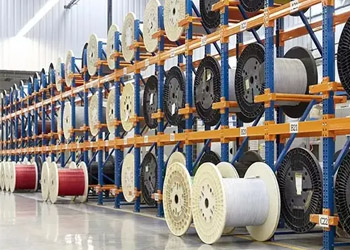 Warehouse & Logistics
 Quality
 FAQs
FAQsFiber Patch Cables | Custom Fiber Optic Cables
Fiber patch cable Definition A fiber patch cable is a type of fiber optic cable that is used to connect devices for quick, reliable data transfer. Most of us utilize these cables in high speed networks, such as those found in data centers or contemporary office environments. Fiber patch cables are available in single-mode or multi-mode varieties to suit various requirements and transmission distances. They’re preferred by many for their resistance to interference and their capacity to handle high volumes of data. Color-coded connectors make them simple to utilize and manage. In real-world configurations, they keep things clean and reduce mistakes. Let’s next explore what these cables do, key types, and advice for choosing the right one for your configuration.

Why Fiber Patch Cables?
Fiber patch cables connect crucial network components, transporting information rapidly between devices such as switches, servers, and routers. These cables are made up of thick or thin glass or plastic fibers that transmit light signals instead of electrical ones, which makes them considerably faster and much safer from external interference. You see them where data has to flow significantly—data centers, phone networks, and enterprise networks. They aid in powering speeds from 1 Gbps to 400 Gbps and beyond, a necessity for always-busy systems, especially when considering the advantages of fiber optic solutions.
Fast, neat connections are a big deal in networking, and fiber optic cables provide that. Because these cables can connect devices in seconds, if something fails or you want a new device, cable swapping is quick and doesn’t take the entire room offline! Others, such as the uniboot variety, cram two fibers into a single jacket. This design slashes cable bulk, allowing racks and rooms to stay organized. The trend for cables that bend more without breaking, such as reduced bend radius cables, means you can fit more cables into a small space without sacrificing speed or signal strength, which is crucial for effective performance.
Within frenzied environments such as server rooms, these cables assume the starring role. They support full-duplex (back-and-forth simultaneously) transmissions with duplex cables, or single-direction transmissions using simplex variants. Running a Gigabit 1000 Base-LX router on legacy multimode cabling requires a unique patch cable known as mode-conditioning. Choosing the appropriate fiber patch cable is job-dependent—single-mode cables are ideal for long-haul with high bandwidth capabilities, while multimode is better for short runs in a building.
Various connector types including LC, SC, FC, ST, LSH, MU, and MTRJ allow these cables to accommodate numerous configurations. Each has its use, from tight spaces to rough environments. Fiber patch cables are the key to transferring data without loss. With the right fiber optic product, you can reduce latency and maintain crisp signals over extended distances. They keep back reflection low, which is handy in applications where every bit of signal matters, ensuring minimal signal loss and optimal results.

How to Choose Fiber Patch Cables
Selecting the appropriate fiber optic cables, including single mode cables, keeps your network operating efficiently and securely. It’s not simply a matter of plugging things in; you must pair cable specs to your system, your space, and even your building’s safety standards.
1. Fiber Mode
Single mode and multimode cables may look similar, but they perform quite differently. Single mode cables, featuring a tiny 8–10μm core, are ideal for fast data transmission rates over long distances, making them excellent for high-speed and long-haul links. In contrast, multimode cables, with larger 50μm or 62.5μm cores, are designed for short runs within a building, making them perfect for your data centers or office. For the vast majority of users needing 10GB and lower speeds inside a building, there’s little difference between OM2, OM3, OM4, or OM5. For links requiring superior performance over longer distances, consider selecting higher-grade fiber optic solutions.
2. Connector Type
Fiber connectors are not created equal, as their fiber optic solutions vary significantly. LC and SC are the workhorses, commonly used for most day-to-day tasks due to their compatibility with single mode cables. LC fits tight spaces—particularly in high-density racks—while SC is slightly larger, making it simple to plug and unplug. For specialized tasks, such as high-speed backbone connections, MPO or MTP connectors pack multiple fibers in a single snap. APC connectors, with their slanted end, reduce back reflection, which is critical for applications like FTTH or PON where signal bounce can degrade performance. Always match your equipment—using the wrong connectors results in no connection at all.
3. Jacket Material
Jacket material is more important than most people realize, especially when considering fiber optic solutions. PVC is typical for home or basic office use but won’t clear fire codes in many public spaces. LSZH (Low Smoke Zero Halogen) keeps smoke and toxic fumes low, making it safer for crowded or closed spaces. OFNP or Plenum jackets, designed for air ducts or above ceilings, pass the most stringent fire tests, ensuring effective performance and safety. Riser-rated (OFNR) cables are specifically tailored for inter-floor runs, highlighting the importance of selecting the right jacket for your specific needs.
4. Polish Type
Connectors come with different polish types: PC, UPC, and APC. While PC is older and typical for traditional copper cables, UPC provides a superior finish and less signal loss, making it suitable for most data networks. APC, with its angled tip, practically eliminates back reflection, which is essential for effective performance in video, RF, or long fiber runs where every signal matters. The polish style alters return loss—lower is best for clean, powerful connections.
5. Cable Construction
A cable’s construction is crucial for its durability, especially when considering fiber optic cables. Inspect the core, the strength yarn (typically aramid), and the outer jacket. Aramid yarn prevents the cable from snapping! Additional strength members can enhance performance, providing the ability to absorb rugged pulls. Simplex (one fiber) works fine for short runs, while duplex or higher-count cables are necessary for longer distances, making them ideal for larger tasks and ensuring fast data transmission rates.
Beyond the Spec Sheet
Fiber patch cables are about more than simply transporting data from A to B; they play a crucial role in effective performance and minimal signal loss. Their true worth manifests itself in the specifics—their construction, durability in the wild, and whether they’re future-proofed. These cables, including single mode cables, turn up in all sorts of places—from LED energy transfer to medical instruments. To achieve the best results, it pays to look beyond the spec sheet and really dig into what separates one fiber optic product from another.
Build Quality
The touch of that outer jacket has so much to say—a thick, rugged jacket signals cable constructed to live a long life. What most users appreciate is how stiff these fiber optic cables are—they’re easy to plug in and route without kinks! Materials matter—low-OH fibers are less susceptible to photodarkening, a slow damage caused by exposure to short-wavelength light. Industry certifications such as ISO or TIA indicate that a cable was manufactured to a particular standard, providing some reassurance. Hardy construction goes a long way to maintaining the signal integrity and reducing packet loss—much to the relief of users seeking reliable connections. Choose cables with reinforced ends and high-quality connectors if you intend to employ them in crowded or rough environments, ensuring effective performance.
Environmental Resilience
Cables endure heat, cold, and damp and dusty locations, and how they manage these shifts can determine their longevity. Top quality fiber optic cables continue to perform even as temperatures fluctuate and moisture creeps in. The outdoor ones have jackets that comply with rigorous industry standards, resisting sun and rain. In labs or fieldwork, the cable’s stress and physical resistance means less swapping and less downtime, ensuring minimal signal loss. Monitoring for solarization problems in UV-heavy rigs prevents gradual harm, allowing for effective performance over long distances.
Future-Proofing
-
Select cables with bandwidth above current needs for growth.
-
Seek support for emerging standards, such as 10Gig Ethernet.
-
Choose cables with adaptable connectors to fit evolving devices.
-
Confirm cables provide choice of fiber types (single, multimode).
-
MFD–see if the cable’s effective area suits your application.
-
Confirm support for mixed applications—networking, spectroscopy, optogenetics.
Long-Term Performance
Signal quality is not only crucial for day one; over time, factors like the type of rays traversing the fiber optic cables—meridional or skew—can significantly impact performance and reliability. The angle at which light enters the fiber alters the output shape—from a smooth Gauss to a donut or a flat 'top hat'—if not configured properly. Keeping tabs on these details ensures that networks remain resilient and adaptable to new applications as requirements evolve, especially when considering custom cable products.
Customize Your Fiber Cables
Custom fiber patch cables truly unlock how to tailor to any setup, large or small. One of the most stressed details is cable length, which is crucial for effective performance. These installations require cables to be cut to exact lengths, whether it’s running inside a server rack or over long distances. While custom cables can be manufactured with precise lengths, some producers have a length margin of error of approximately ±7cm. This will not work for tasks where a slight gap or additional slack can be an issue. Others face challenges when ordering online and want to select a decimal length—many order forms simply won’t permit it. This little snag can drag on a project, so it’s clever to look for these idiosyncrasies in advance of your order.
The right connector is just as key. Not every network uses the same kind, and matching the right connectors is essential for seamless integration. Custom cables can include FC/APC, SMA, LC/APC, and more. For instance, some labs may require FC/APC for low back-reflection, while data centers may prefer LC for greater density. You can also request furcation tubing, which allows you to sheath just a portion of the cable for added protection in areas that bend or get rubbed, enhancing the overall durability of your fiber optic solutions.
Even the jacket around a fiber optic cable counts, especially in rugged or custom environments. If you want cables that will endure heat, moisture, or even chemical spills, you can specify custom jacketing. We have projects that use metal jackets for strength and safety, and can be terminated with panel-through mounts, leaving the inner fiber exposed. This assists with both protection and flexibility for multiple industries. We even get requests for custom core sizes such as a 400um core and a 0.39 numerical aperture that can assist with unique light requirements, showcasing the craftsmanship involved in our fiber optic solutions.
Custom cables don’t only fit right—they can help increase the performance of your network. By matching it all, from length to connectors and jackets, you reduce signal loss and minimize the possibility for errors. With fast data transmission rates and lead times, sometimes same day or 2-day, even rush jobs can get what they need without delay.
Warranty and Shipping Considerations
Purchasing fiber patch cables involves more than just selecting the correct type and length; it also requires careful consideration of warranty terms, shipping options, and ensuring the safe passage of your order. Many suppliers offer warranty periods ranging from one year to ten years, which may seem extensive, but the devil’s in the details. A thorough warranty check includes understanding how long coverage lasts, what it covers, and how returns are handled. For instance, most warranties do not cover modifications made to the cable’s internal electronics or EEPROM data. If problems arise after installing third-party software or altering the device’s software, the warranty will not provide assistance. Most brands do offer a “no reason” return and refund policy within 30 days for stock products, which is particularly useful when you buy in bulk and need to conduct quick quality checks.
Before shipment, fiber patch cables undergo rigorous testing to ensure their quality and performance. End Face Inspection checks for any scratches or dirt on the cable tip, while Insertion loss/return loss (IL/RL) testing evaluates the amount of signal lost or reflected. 3D Interferometer Testing examines surface shape. These steps are crucial to guarantee that you receive cables that function immediately. Once testing is complete, cables are carefully packaged to protect them from knocks, drops, or moisture during transit. When fiber optic cables are shipped over long distances, factors like temperature, humidity, and rough handling can potentially damage them. Reputable vendors utilize custom boxes and strict handling policies to minimize the risk of breakage.
Shipping adds another layer of complexity to the purchasing process. If you need cables quickly, some sellers offer rush shipping options, although they can be costly. Standard shipping is generally more affordable but slower. It's essential to evaluate warranty and shipping options—sometimes, you can benefit from free shipping on larger orders or discounts for bulk purchases. This can lead to significant savings, especially when stocking up for a new office or project. Reliable shipping is crucial; if the cables arrive damaged or late, it can stall your project. Therefore, seek out companies with a proven track record of delivering fiber optic solutions on time and safely.
Installation Best Practices
Fiber patch cable installs require both attention and a smart plan. Leave things simple and clear, right from the beginning. Every stage — plan, prepare, patch, check — counts for a sleek, solid connection.
-
Map your routes ahead of time. Choose the appropriate length by tracing the line between both extremities. Don’t guess—measure twice, cut once.
-
Always verify the minimum bend radius for your cable’s gauge. Too sharp a bend and the signal drops or the cable breaks.
-
Match the proper patch cord type to your backbone. If you feed 62.5 into a 50 micron trunk, you lose signal strength. Single mode requires matching Mode Field Diameter for optimal outcome.
-
Tag and track each step. A quick note about which cable goes where can save time later. Document the change request prior to any MAC work.
-
Employ proper tools for connectors. A crisp cut and snug fit maintain signal strength and prevent dust intrusion.
-
Never force a cable. Pull too hard and you bend the core, kinking or pinching. It’s easy to snag a cable in tight racks—slow down, and check before you push.
-
Patching is no place for guesswork. If you screw up, it can translate into hours repairing a minor bungling. Patch it right the first time.
-
Go back, test every damn link. even if it’s eye-candy, a quick test for light loss or signal drop is worth it.
A real-world example: In a data center, someone skipped labeling and used a patch cord that was too short. Later, when they had to swap hardware, they yanked the cable and bent it beyond its safe limit. That resulted in downtime and an expensive repair. A couple of hours of planning, logging and careful patching would have saved both.
Conclusion
Fiber patch cables maintain networks quick and fixed. Choosing the right one translates into less downtime and crisp data flow. Perfect fit ensures work goes smooth, from a tiny home office to a large data center. Some people want short links, some long runs. Color tags assist in locating the right place fast. Makers provide custom lengths and even different ends for hard places. Good warranty and fast ship means less wait and more peace of mind. Easy install steps, saving time and headaches. Thousands of teams rely on these cables for crystal calls, immediate files and protected backups. Want to enhance your setup! Test a solid fiber patch cable and experience the difference yourself.
Frequently Asked Questions
What is a fiber patch cable?
A fiber patch cable, a key component of fiber optic solutions, is used to connect devices within a network, delivering fast data transmission rates with minimal signal loss over long distances.
Why should I choose fiber patch cables over copper cables?
Fiber optic cables, including single mode cables, deliver quicker and farther data transfer with minimal signal loss than traditional copper cables, ensuring effective performance for today’s networks demanding peak performance.
How do I select the right fiber patch cable?
Consider the cable type, such as single mode cables or multimode, along with the connector type and length, to ensure effective performance and minimal signal loss.
Can I customize fiber patch cables?
Yes, some manufacturers offer a wide range of custom cable products for length, connector types, and jacket materials, ensuring effective performance for your specific needs.
What should I know about warranty and shipping?
Look for transparent warranty policies and dependable delivery services, including free shipping options. A solid warranty safeguards your investment while fast data transmission rates ensure your purchase arrives in good time.
Are there best practices for installing fiber patch cables?
Yes. To ensure effective performance and minimal signal loss, don’t bend fiber optic cables sharply, anchor them to alleviate strain, and keep connectors clean for optimal results.
Do fiber patch cables require special maintenance?
Yes. Maintain clean connectors and treat fiber optic cables with care for effective performance and minimal signal loss.