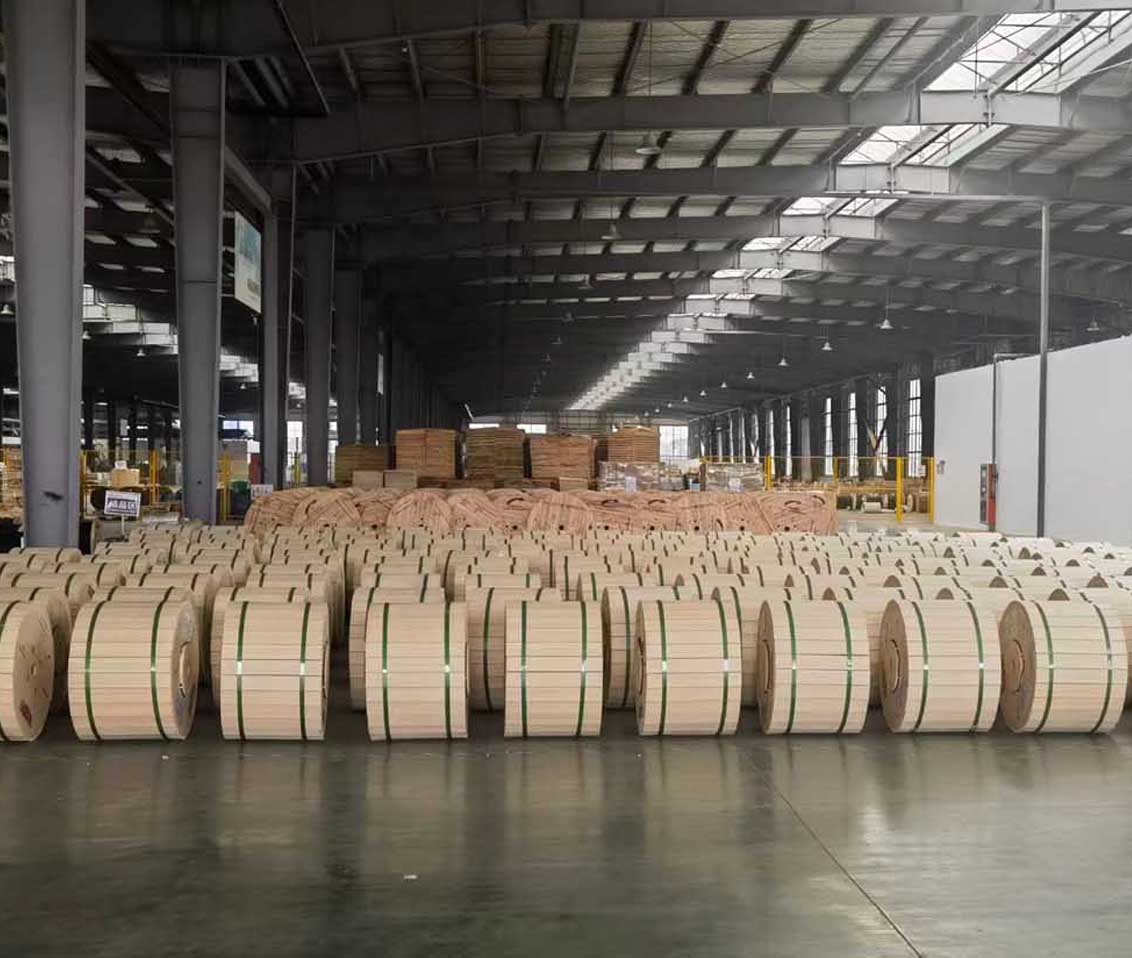
 Optical Fiber
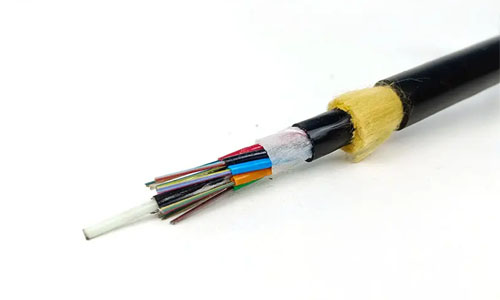 ADSS Fiber Optic Cable
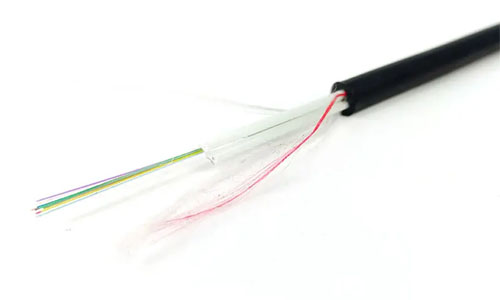 ASU Fiber Optic Cable
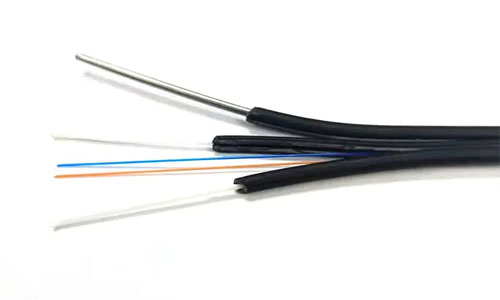 FTTH Fiber Optic Cable
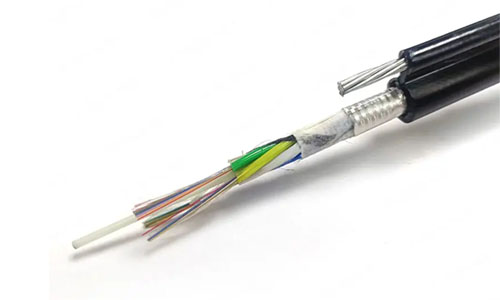 Figure 8 Fiber Optic Cable
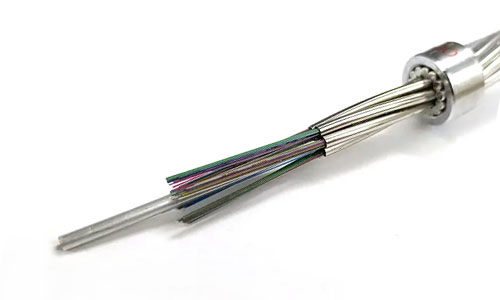 OPGW Fiber Optic Cable
 Coaxial Cable
 Ethernet Cable
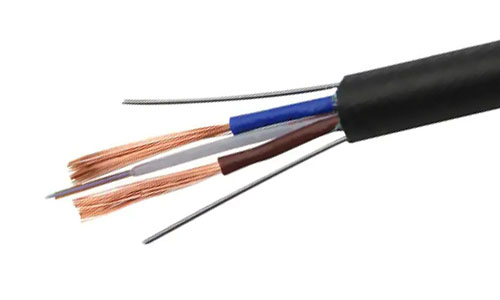 Photoelectric Composite Fiber Optic Cable
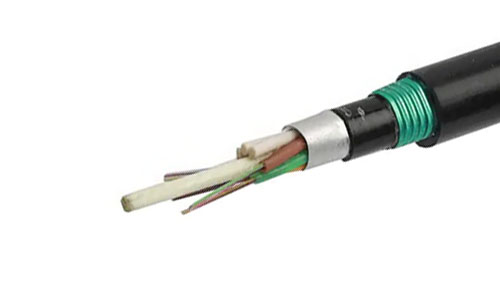 Underground & Pipeline Fiber Optic Cable
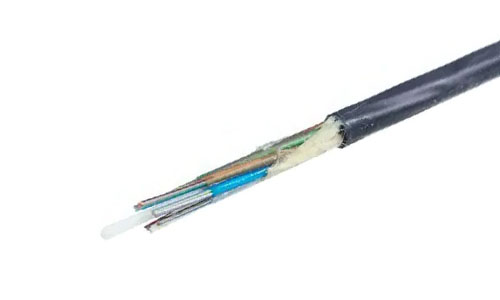 Air-Blown Micro Fiber Optic Cable
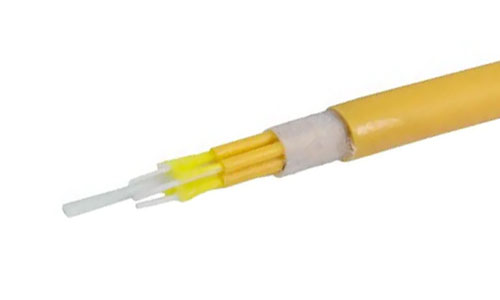 Indoor Fiber Optic Cable
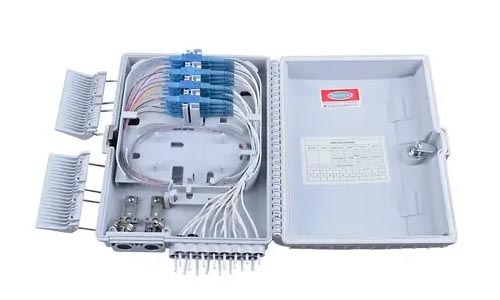 Fiber Optic Distribution Box
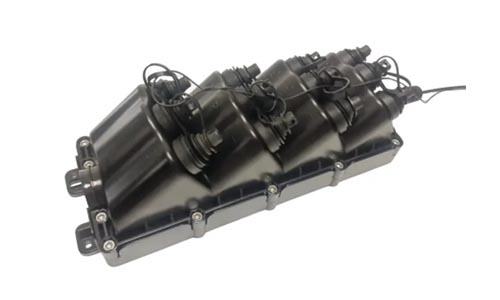 Multiport Service Termina Box
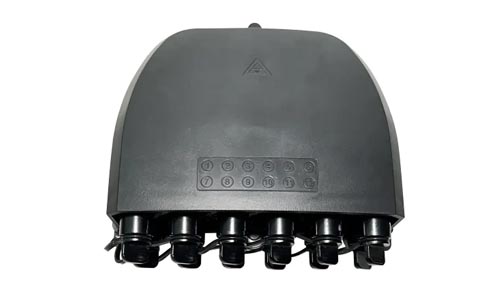 Fiber Optical Terminal Box
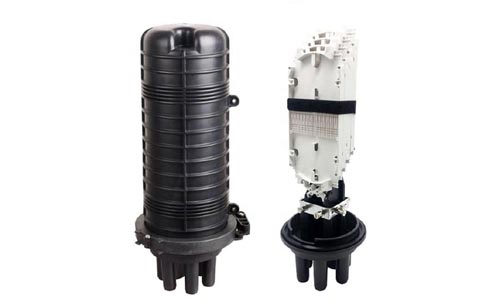 Fiber Optic Splice Closure
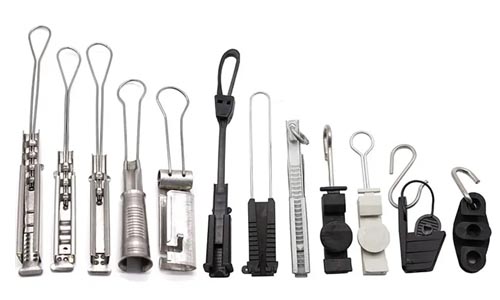 Fiber Optic Clamps
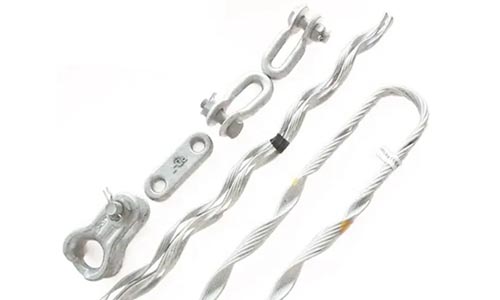 Fiber Optic Cable Fittings
 ADSS Fiber Cable
 ASU Fiber Cable
 OPGW Fiber Cable
 FTTH Fiber Cable
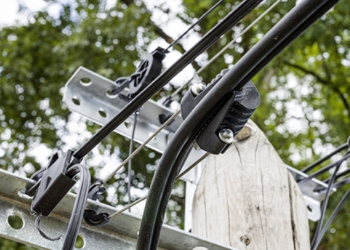 Figure 8 Fiber Cable
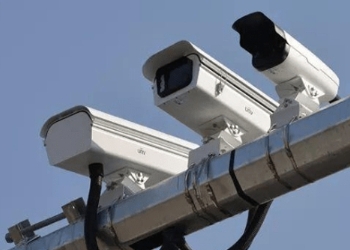 Photoelectric Composite Fiber Cable
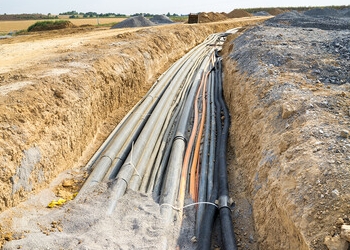 Underground & Pipeline Fiber Cable
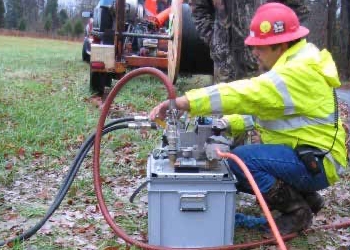 Air-Blown Micro Fiber Cable
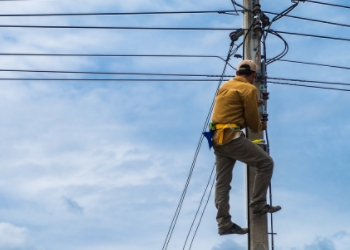 Aerial Fiber Cable
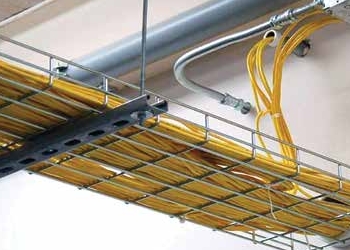 Indoor Fiber Cable
 Fiber Optical Terminal Box
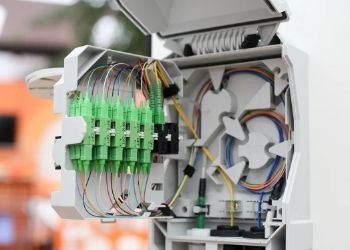 Fiber Optic Distribution Box
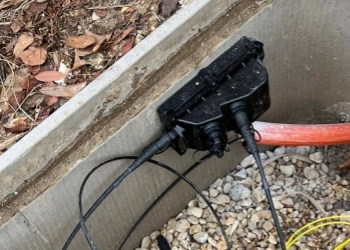 Multiport Service Termina Box
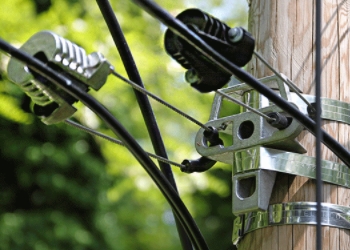 Fiber Optic Clamps
 About Us
 Our Team
 History
 R&D Strength
 Production Base
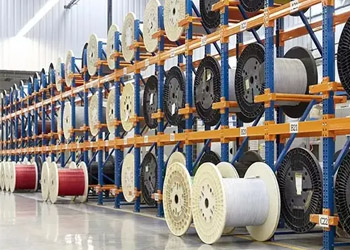 Warehouse & Logistics
 Quality
 FAQs
FAQsFiber Optic vs. Coaxial Cable: Key Differences
inquiry nowFiber Optic vs. Coaxial Cable: Key Differences
Fiber optic and coaxial cables are both used for data transmission, but they differ significantly in design, performance, and applications. Here's a detailed comparison:

1. Transmission Medium
-
Fiber Optic:
-
Uses light pulses (lasers/LEDs) transmitted through glass/plastic fibers.
-
Data travels via total internal reflection in the core.
-
-
Coaxial Cable:
-
Uses electrical signals through a copper core surrounded by insulation and shielding.
-
Consists of a central conductor, dielectric insulator, metallic shield, and outer plastic jacket.
-
2. Speed & Bandwidth
-
Fiber Optic:
-
Speed: Up to terabits per second (Tbps) in research; commercially supports 100+ Gbps.
-
Bandwidth: Nearly unlimited due to light’s high frequency.
-
-
Coaxial Cable:
-
Speed: Typically up to 10 Gbps (e.g., DOCSIS 4.0 for cable internet).
-
Bandwidth: Limited by signal attenuation at higher frequencies (up to 1 GHz in modern coax).
-
3. Distance & Signal Loss
-
Fiber Optic:
-
Distance: Single-mode fiber (SMF) can transmit 70–100+ km without repeaters.
-
Attenuation: Very low (~0.2 dB/km).
-
-
Coaxial Cable:
-
Distance: Limited to ~500 meters (for high-quality RG-6) before signal degradation.
-
Attenuation: Significant loss over distance, especially at higher frequencies.
-
4. Interference & Reliability
-
Fiber Optic:
-
Immune to electromagnetic interference (EMI) and radio-frequency interference (RFI).
-
No crosstalk or signal leakage.
-
-
Coaxial Cable:
-
Shielded design reduces EMI/RFI but is not immune (e.g., interference from power lines).
-
Susceptible to "ingress" (noise entering the cable) and "egress" (signal leakage).
-
5. Security
-
Fiber Optic:
-
Extremely hard to tap without detection (light disruption is noticeable).
-
Ideal for secure data transmission (e.g., government, finance).
-
-
Coaxial Cable:
-
Vulnerable to eavesdropping via electromagnetic leakage or physical taps.
-
Requires encryption (e.g., AES) for sensitive data.
-
6. Cost
-
Fiber Optic:
-
Higher upfront costs (installation, transceivers, splicing tools).
-
Lower long-term costs (minimal maintenance, future-proof).
-
-
Coaxial Cable:
-
Cheaper installation (widely available, simple connectors like F-type).
-
Higher maintenance over time (signal degradation, shielding repairs).
-
7. Durability & Size
-
Fiber Optic:
-
Fragile glass core (requires careful handling during installation).
-
Thin, lightweight, and flexible (ideal for crowded conduits).
-
-
Coaxial Cable:
-
More physically robust but thicker and heavier.
-
Prone to corrosion if the outer jacket is damaged.
-
8. Applications
-
Fiber Optic:
-
Long-distance telecom (ISP backbones, undersea cables).
-
High-speed internet (FTTH), data centers, 5G networks.
-
Medical imaging, military, and industrial systems.
-
-
Coaxial Cable:
-
Cable TV (CATV) and broadband internet (e.g., DOCSIS).
-
Short-distance video surveillance (CCTV).
-
Legacy networking (Ethernet over coax) and radio antennas.
-
9. Latency
-
Fiber Optic:
-
Lower latency (near light-speed transmission).
-
Critical for real-time applications (gaming, stock trading).
-
-
Coaxial Cable:
-
Higher latency due to electrical signal propagation delays.
-
10. Power Transmission
-
Fiber Optic:
-
Cannot transmit electrical power; devices need separate power sources.
-
-
Coaxial Cable:
-
Supports power transmission (e.g., powering amplifiers in CATV systems).
-
When to Choose Which?
-
Fiber Optic:
-
Need ultra-high speed, long-distance, or EMI-heavy environments.
-
Future-proofing networks (e.g., smart cities, IoT).
-
Applications requiring high security and reliability.
-
-
Coaxial Cable:
-
Budget-friendly setups (e.g., residential cable TV/internet).
-
Short-range video surveillance (CCTV) or legacy systems.
-
Hybrid fiber-coaxial (HFC) networks (common in cable ISPs).
-
Future Trends
-
Fiber optic adoption is accelerating for 5G, cloud services, and smart infrastructure.
-
Coaxial cables remain relevant for HFC networks and legacy systems but are gradually being phased out in favor of fiber.

Conclusion:
Fiber optic cables excel in speed, distance, and reliability, making them ideal for modern high-demand applications. Coaxial cables are cost-effective for short-range, legacy, or hybrid systems but struggle with bandwidth and interference limitations. The choice depends on your budget, technical requirements, and scalability goals.