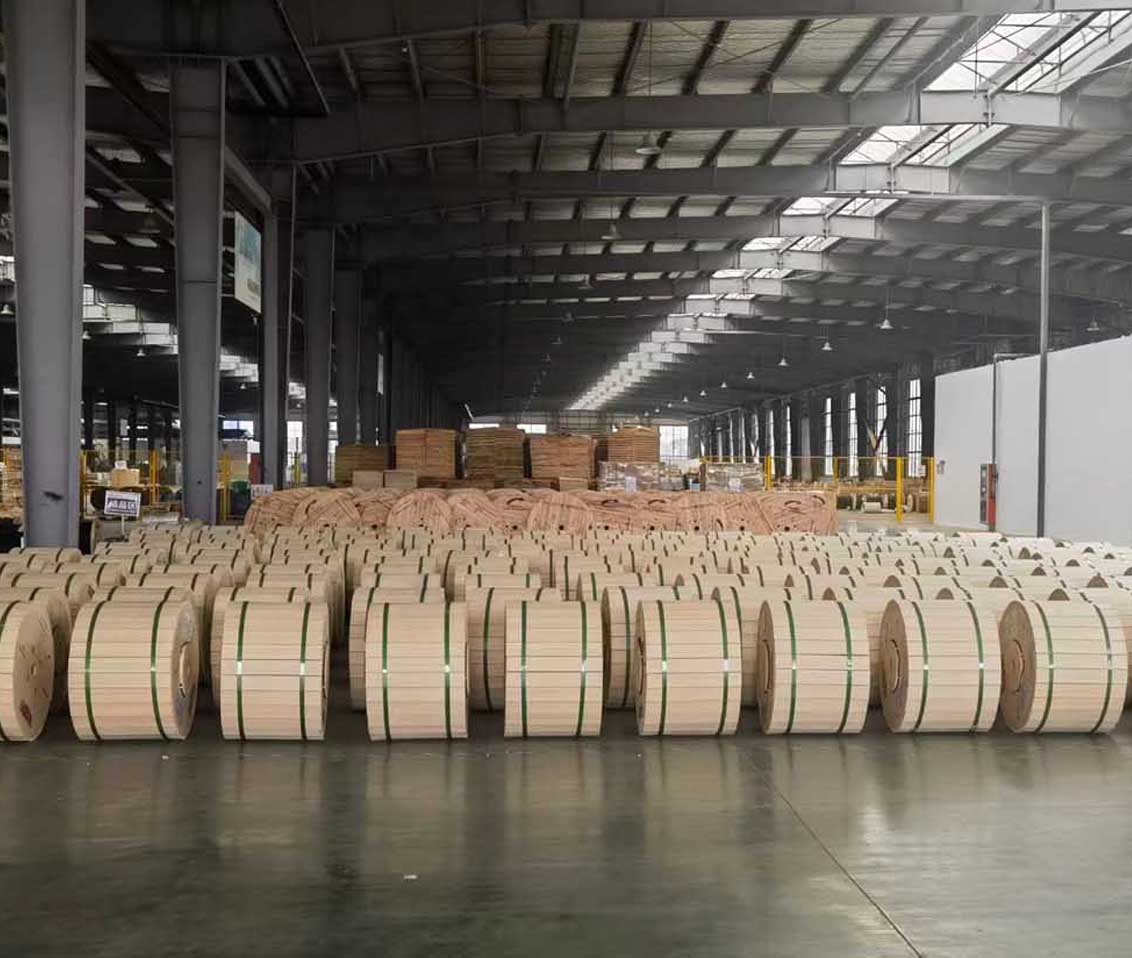
 Optical Fiber
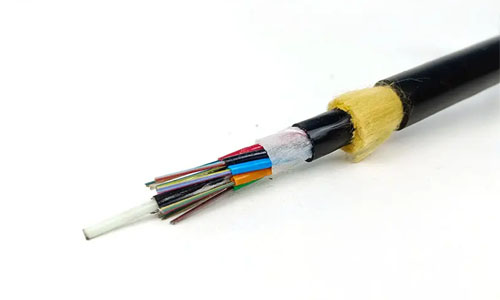 ADSS Fiber Optic Cable
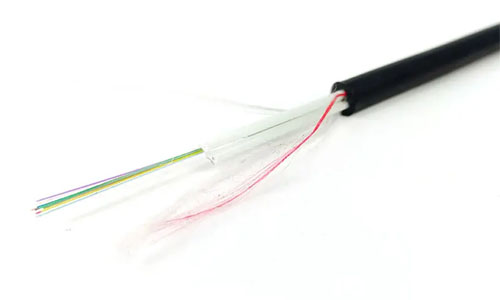 ASU Fiber Optic Cable
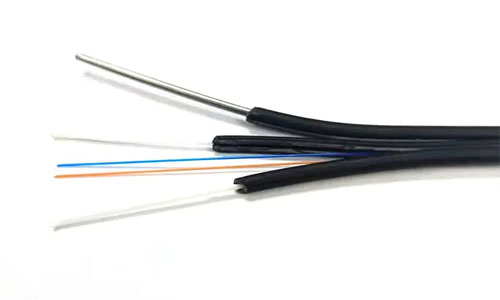 FTTH Fiber Optic Cable
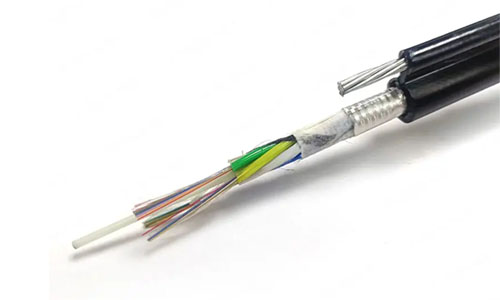 Figure 8 Fiber Optic Cable
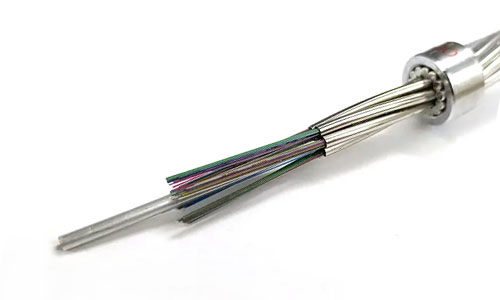 OPGW Fiber Optic Cable
 Coaxial Cable
 Ethernet Cable
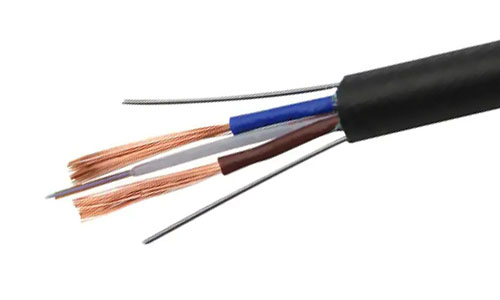 Photoelectric Composite Fiber Optic Cable
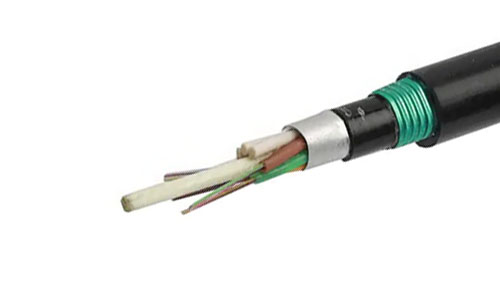 Underground & Pipeline Fiber Optic Cable
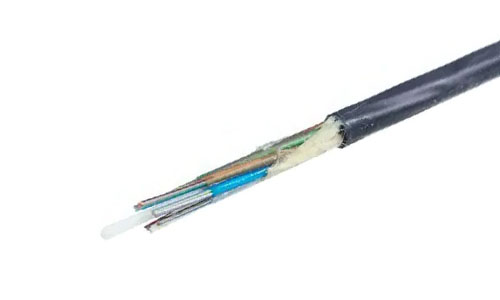 Air-Blown Micro Fiber Optic Cable
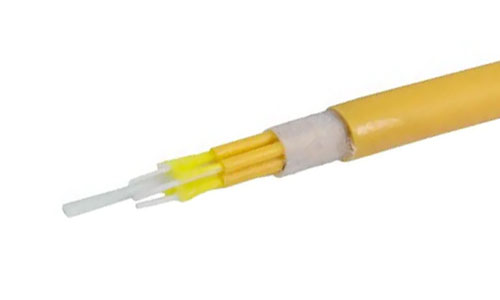 Indoor Fiber Optic Cable
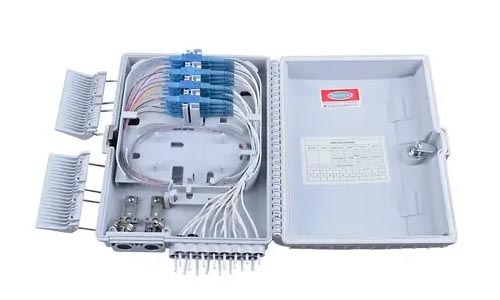 Fiber Optic Distribution Box
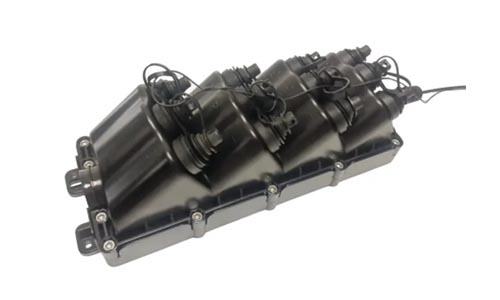 Multiport Service Termina Box
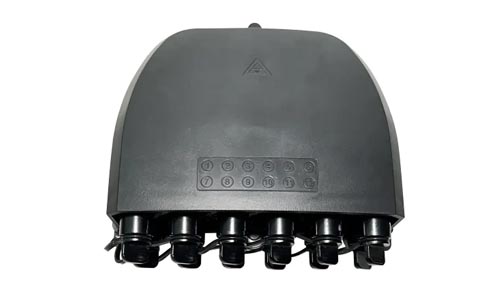 Fiber Optical Terminal Box
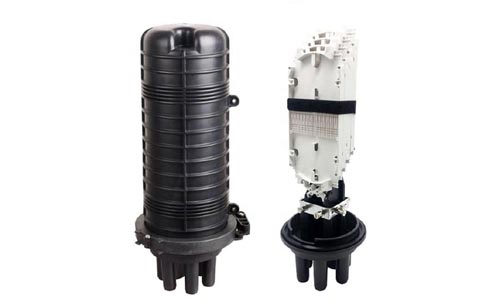 Fiber Optic Splice Closure
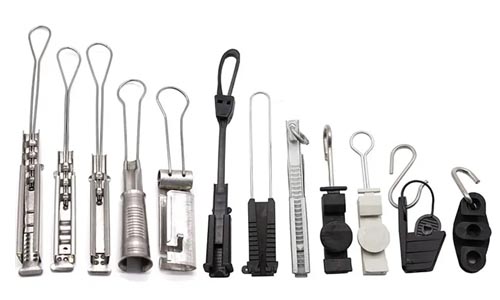 Fiber Optic Clamps
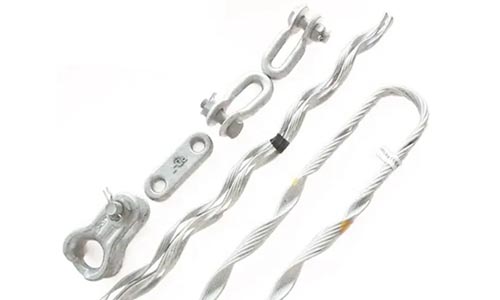 Fiber Optic Cable Fittings
 ADSS Fiber Cable
 ASU Fiber Cable
 OPGW Fiber Cable
 FTTH Fiber Cable
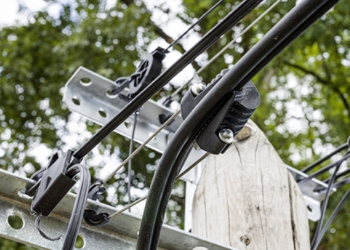 Figure 8 Fiber Cable
 Photoelectric Composite Fiber Cable
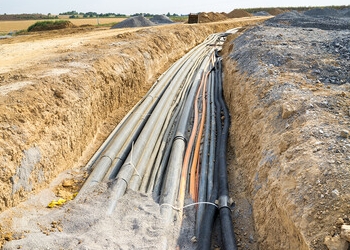 Underground & Pipeline Fiber Cable
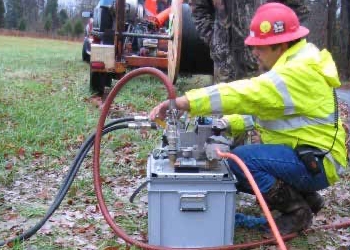 Air-Blown Micro Fiber Cable
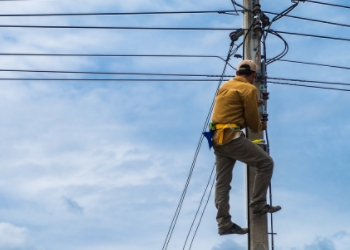 Aerial Fiber Cable
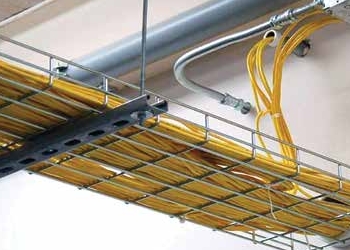 Indoor Fiber Cable
 Fiber Optical Terminal Box
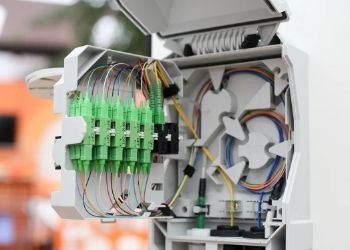 Fiber Optic Distribution Box
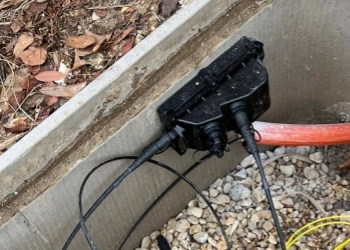 Multiport Service Termina Box
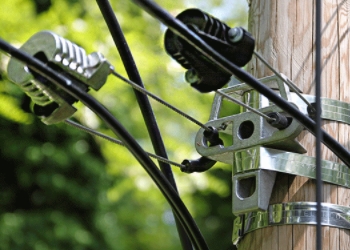 Fiber Optic Clamps
 About Us
 Our Team
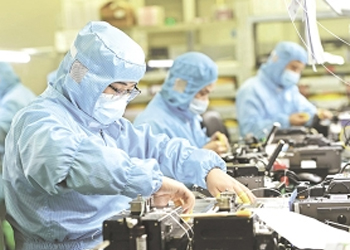 History
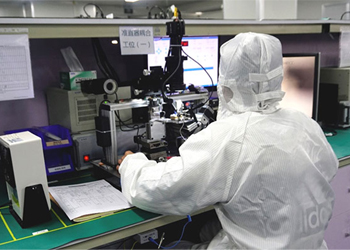 R&D Strength
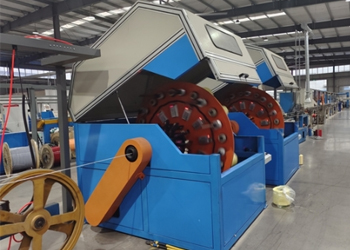 Production Base
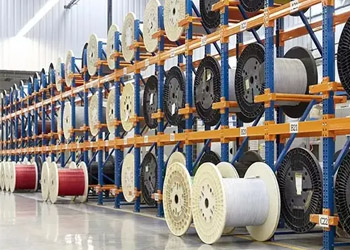 Warehouse & Logistics
 Quality
 FAQs
FAQsFiber Optic Splicing Techniques | Learn More
Contact for Free Quotation & Sample, According to your needs, customize for you.
inquiry nowFiber Optic Splicing Techniques | Learn More
Fiber optic splicing is the process of connecting two fiber optic cables. It’s this process that helps data flow quickly and efficiently around the world. It continues to be a critical component of the backbone of the internet across the United States.
This critical connection is what keeps our homes, schools, and businesses connected with high-speed data. Splicing gives networks the muscle to stay strong and steady, giving folks fewer slow-downs and dropped signals. An investment in quality splicing translates to better calls with no noise, faster download times, and smoother streaming.
Bad splicing is a surefire way to damage signal quality and incur unnecessary repair costs. Here, you’ll learn about splicing, the ins and outs of the craft, and the skills required. In addition, you will discover ways to help make the highest quality splices with less hassle during the process!
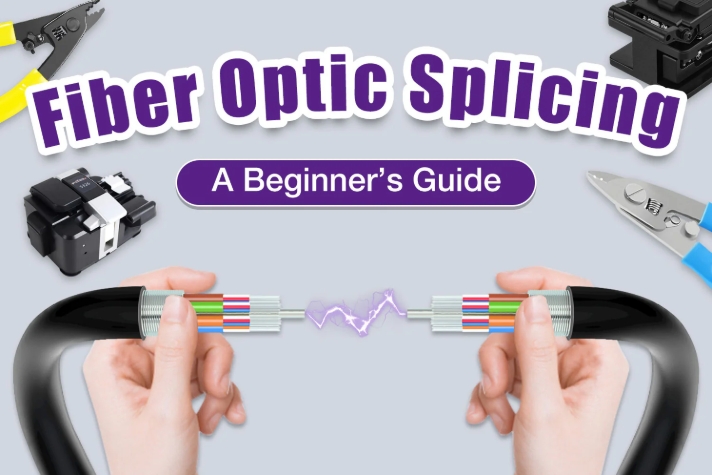
What Is Fiber Optic Splicing?
Fiber optic splicing is the act of joining together two fiber optic cables to create one functional link. This step is very typical when a single cable isn’t long enough or when a fiber network needs to be repaired. Splicing becomes the most important aspect of connecting different kinds of fiber cables.
For instance, it lets you splice a 48-fiber cable to six 8-fiber cables! Unlike connectors, splicing results in a nearly permanent connection, helping to maintain a strong signal and clear path.
1. Joining Light: The Core Idea
At the fundamental level of fiber optic splicing is the idea that light needs to travel uninterruptedly with minimal loss. An acceptable splice will have the cores of the fibers aligned so that the light can travel through with minimal disruption.
That said, most pros are shooting for much lower loss—below 0.1 dB with fusion splicing. With mechanical splicing, they work to achieve less than 0.5 dB. When that light path remains constant, the network runs more efficiently and at higher speeds.
2. More Than Just Connecting Wires
Splicing is much more than just joining wires. This process requires meticulous procedure, such as cleaning, cleaving, and precise alignment of the fiber ends.
Fusion splicing uses a complex machine to “weld” fibers together with heat. On the other hand, mechanical splicing uses an external tool which holds the fiber tips aligned. Every single step requires a calm hand and focused eye.
3. Why We Can't Just Twist Fibers
Unlike copper wires, you can’t simply twist fiber optic strands. Twisting leads to massive signal loss and fragility.
Splicing employs a combination of specialized tools and techniques to ensure the joint is strong and data is uninterrupted.
4. Splicing vs. Connectors: Key Differences
Splicing outperforms connectors when you require a permanent, low-loss connection. It’s the preferred choice for long-haul runs and permanent repairs.
In contrast, connectors are a better fit for temporary solutions and quick replacements.
5. The Goal: A Seamless Light Path
Every single splice is an opportunity to create a break-free path for the light. The lower the splice loss, the clearer the call, the smoother the stream, the faster the download.
6. Impact on Your Internet Speed
The end result is faster, steadier internet. High-quality splices reduce the likelihood of lost data, an important consideration for video conferencing and large file transfers.

Splicing: The Unsung Network Hero
Thanks to fiber optic splicing, our networks are fast and reliable. It’s the unsung hero that keeps the web of cables together, allowing data to flow seamlessly. The people who design and operate the splicer are usually unsung. Their steady hands and sharp eyes build the backbone of our new tech-driven world.
This effect reaches from telehealth to smart city LED lights in Marrakech and many other cities. As the city continues to expand, so does the demand for trained splicers and their specialized knowledge.
Minimizing Signal Loss Effectively
High-quality splicing helps ensure less data is lost while traveling down the roadway. When splicing two fibers together, techs don’t just slap the ends together—they use heat to weld the ends of one fiber to the other. Fusion splicing, while more expensive, provides a secure, permanent connection with losses as low as 0.02 dB.
This is where precision maintenance and attention to detail in preparation, polishing, and aligning comes into play. Most splicers will confirm their work with meters to ensure the loss is as low as possible, maintaining high speeds.
Ensuring Long-Term Network Stability
Finally, strong splices will result in fewer breaks and less repair work. Routine inspections identify vulnerabilities before they become a problem. Covering splices with sleeves or boxes protects them from dirt and impact—important in gritty Marrakech alleyways or crowded downtown office areas.
It’s not only ensuring the quality of that first join, but ensuring it stays healthy year after year.
Cost-Effectiveness in Network Builds
Though it is more expensive initially, fusion splicing gear is much more cost-effective in the long run. Less frequent callouts, longer cable life, and less downtime all reduce costs over time. Skilled splicers are well paid as well—with top hand splicers making upwards of $80,000 plus for high performing contractors.
Enabling Vast Network Expansion
Splicing allows networks to expand in any direction. Building extensions, connecting entire new buildings across campus to the network, all depend on these soft, subtle connects. Even connecting legacy networks to newer ones relies on them!
Expansion in rapidly urbanizing cities such as Marrakech will require this sort of flexible, adaptive structure.
My Take: Why Good Splicing is Gold
We want a tight splice, so our networks stay velvety smooth. On the flip side, I’ve witnessed poor splicing result in costly slowdowns and migraines. Spend a bit of care on each join, and the whole system sings with improved performance for years to come.
Fusion vs. Mechanical Splicing
Fiber optic splicing is the practice and science behind joining two fiber cables. This is the amazing process that enables light to continue traveling with almost no loss! There are two main ways to do this: fusion splicing and mechanical splicing. Each method comes with its own benefits, tools, and optimal applications.
People who plan and build Morocco’s booming telecom, security, and broadband sectors frequently have to choose between the two. Let’s explore how they operate, what differentiates them from each other, and when to best utilize each one.
Fusion Splicing: Melting Glass Together
Fusion splicing is literally the process of making two individual glass fibers into one. The process begins with a precise cleave—essentially, producing a clean break—so that the two ends are as flat as possible. After this, a fusion splicer makes precise adjustments, aligning the fibers exactly.
It follows that with a small electric arc which melts the ends of the glass. The heat melts the ends together so that the joint nearly vanishes. This approach provides a joint that’s virtually as transparent as one continuous fiber.
One major advantage here is the low amount of light that is lost at the splice point. With fusion splices, you’ll have less than 0.02 decibels (dB) of signal loss. This loss is considerably less than the loss incurred with mechanical splices. For high-speed networks and long-haul cables like the ones that encircle Marrakech — this is critically important.
The technology that goes into fusion splicers has become surprisingly high-tech. Today’s machines can automatically align the fibers, verify their position, and make adjustments to everything before the arc even fires. This level of precision results in fewer re-dos and stronger, more stable links.
How Fusion Splicers Work Wonders?
Fusion splicers don’t just melt glass—they control its melting with surgical precision. The fiber ends are then secured by a series of micro-clamps. The machine next employs a series of high-powered, precise cameras and sensors to align the fiber cores with a micron.
When it’s slightly misaligned, it’s up to the splicer to nudge the fibers until they align just right. When it’s time, a jolt of current ignites an arc that burns down the glass. Next, the machine cools the joint, resulting in a solidified bond.
Over the years, fusion splicers have been becoming smaller and smarter. Some models are capable of splicing several fibers simultaneously. This capability is often a lifesaver on larger projects connecting fiber to new developments or commercial business parks.
There’s reduced requirement for return trips, and outcomes withstand the test of time for several years, even in Morocco’s heat and dirt.
Mechanical Splicing: A Precise Alignment
Mechanical splicing is a more straightforward process. Rather than melting fibers together, this technique aligns them and bonds them with an advanced precision fitting or gel. After cleaving the fiber (albeit not as accurately as with fusion), fiber ends are inserted into a mechanical splicer.
Her tool presses them together and holds them stable enough so the light can transmit through one to the other. Typical mechanical splicing kits include a cleaver, fiber alignment tools, and the splice protective sleeves.
These systems are cheaper—only a few hundred dollars—so they’re ideal for smaller jobs or in-field repairs. Instead, they typically repair a rupture right where it happens. Another, more practical benefit — they joint cables in locations that fusion splicers cannot reach.
When to Choose Fusion Splicing
Fusion splicing is the clear choice when you need a permanent connection. If you’re deploying a new fiber backbone for a Marrakesh free-trade business park, fusion is the better option. If you are considering a city block, it’s the best choice there too!
It’s ideal for networks where low loss is essential and will be installed for decades. The splicer costs more upfront, but it pays off when the results matter most. As such, network builders choose to use fusion for the most permanent jobs, for underwater connections, or for any route where downtime cannot be accepted.
Large, long-running projects flourish with machines that can fuse multiple fibers simultaneously. This move not only makes the build go faster, but it makes the crew more effective at their jobs.
When Mechanical Splicing Makes Sense?
Mechanical splicing has its place in urgent repairs and temporary work. If a fiber gets damaged during street work or needs a test connection, mechanical splicing gets the line back up fast. The upside of the process is it’s super fast—most connectors take less than a minute to install.
Mechanical splices are useful when there is already a network in place with a desirable branch, and you don’t want to invest in additional equipment. Because the splice isn’t fused as a part of the process, it’s easier to remove or replace if the project scope changes.
Best of all, the price is right for small teams or small budgets. The tools are small and compact enough to fit in a work truck or even a backpack!
Performance: Fusion’s Edge
Performance-wise, fusion splicing wins hands down. The average loss at the joint is significantly less—around 0.02 dB versus 0.2 dB for the mechanical. This is important for long lines and high-speed signals where every small performance improvement is critical.
Fusion splices are more immune to dust, heat, and vibration—all prevalent in Morocco’s climate. While over time mechanical joints can loosen or allow dirt to enter, with fused glass you don’t have that issue. Thanks to productivity and reliability improvements, for mission-critical links, fusion is still the gold standard.
Cost and Speed: Mechanical’s Niche
Mechanical splicing shines when time or money is short. The tools are a lot cheaper, and the work is fast. That’s why it’s preferred for emergency repairs or other types of one-off connections.
The trade-off: slightly higher loss and less long-term stability. For a lot of smaller, local jobs—for example, splicing a few new security cameras into a hotel’s security system—mechanical works great.
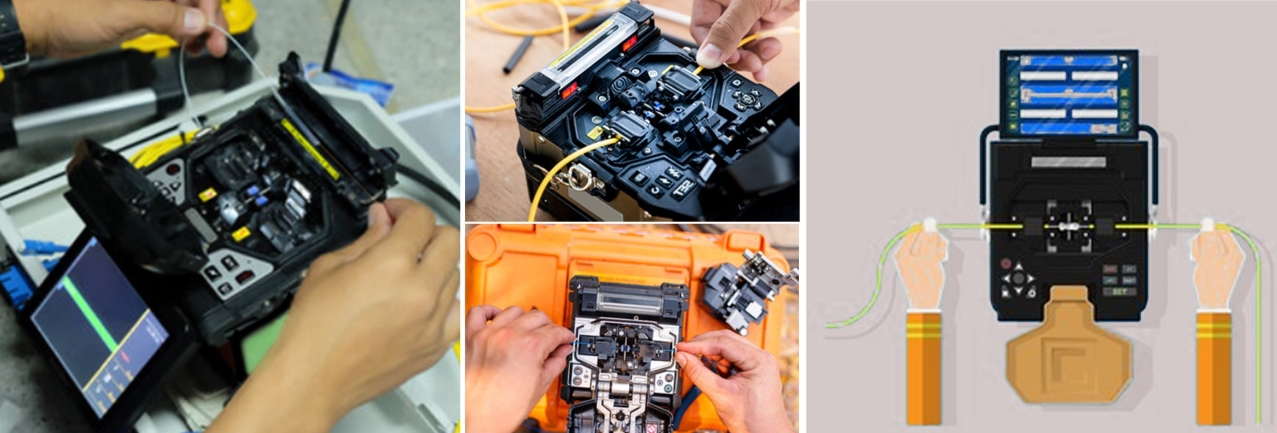
Your Splicing Toolkit Essentials
Setting up fiber optic splicing for success in the field begins well before the actual know-how comes into play. It’s all about equipping yourself with the right tools and using them responsibly.
As new technology collides with aging infrastructure, real-world impacts—especially during summer under the scorching sun—often reveal themselves. A well-prepared toolkit goes a long way in ensuring projects are installed timely and safely. Proper equipment prevents dust from contaminating fiber ends.
It’s what makes every splice permanent. It’s what makes all the difference. Here’s a detailed look at a basic splicing kit. Join us as we look at why quality counts and how each tool determines the success of your work.
The Mighty Fiber Cleaver
The fiber cleaver is literally the heart of any splicing prep work. Its most important task is to leave a flat, clean end on each of the fibers, prepared for splicing. This isn’t a luxury—needing a clean cut can be a harsh reality.
If the end isn’t perfectly smooth and straight, light leaks or bounces, and the splice will fail. This was particularly important in the dry, dusty climates, such as Morocco. Small chips can quickly find their way into the fiber and ruin the quality of the splice.
These are the main types of cleavers you’ll find. Some are multi-action and more complex. Others are much more complex, allowing you to adjust the angle for specific operations.
Whatever type you choose, maintaining your cleaver is essential. A quality, well-maintained cleaver should last you for years, but you want it to make clean cuts and strong splices. The initial cost is anywhere from $200 for a low-end model to $1,000 for a top-of-the-line one.
That may seem high, but the return is in the form of reduced failed splices and wasted fiber.
Strippers: Gentle Yet Firm
Before you can cleave, you’ve got to strip. Fiber strippers are designed to perform this task without damaging or fracturing the glass below. Most importantly, precision is the name of the game.
One little cut can damage the fiber and destroy an entire run. In Marrakech, the air is filled with dust and grit. A quality stripper ensures your fiber is free and clear for the next operation!
There are various strippers for various coatings—for tight buffer, loose tube. Others have optimized their parameters for various size ranges. Some are less elaborate, but effective nonetheless.
Which one you should go for really depends on the type of cables you’re working with and the environment in which you work.
Wipes and Solvents: Cleanliness First!
The answer is, nothing ruins a splice quicker than grime. Even small particles of dust or oil from your fingers can interfere with a splice holding. They can just as easily send data signals off the rails!
That’s not just a messy fact of life—that’s why wipes and solvents are essential components of any splicing toolkit. The safest and most effective way to clean bare fibers is to use a lint-free cleaning wipe saturated with 99.9% isopropyl alcohol (IPA). They wash all the filth away and prepare the fiber for battle.
Cleaning isn’t only important for the fiber, though. Your tools are collecting dust and debris, as well. A simple cleaning routine prevents excess contamination, saving both time and money in the process.
Some techs in Morocco even use air dusters to blow out stubborn particles on windier days.
The Fusion Splicer Machine
In today’s world of fiber work, the fusion splicer is the backbone. This complicated machine is responsible for aligning two fiber ends with laser-like precision. It finally applies a small electric arc to melt them together.
The end result is a clean, nearly perfect connection that allows an unprecedented amount of light to pass through with little to no loss. Usually, a fusion splicer will have a screen, heater, and adjustable settings for most cable types.
Automated fusion splicers increase operator comfort by making operation more user-friendly and worry-free. They reduce the risk of mistakes.
This expedites the process, saving valuable time especially on congested job sites or under extreme heat conditions.
How to Calibrate Your Fusion Splicer
Keeping your splicer properly maintained is as vital as having the right splicing machine. A badly configured machine will not only waste valuable fiber but produce bad splicing results and slow down your entire team.
Splice Protection Sleeves
Once you’ve created a splice you can be proud of, you want that splice protected. That’s where splice protection sleeves can help. These sleeves consist of a heat-shrink plastic outside covering a steel rod in the center.
They slide over the splice and are heated to seal it all up tight. On outdoor laborers just outside Marrakech, Morocco, the trifecta of wind, dust, and sun can be equally unforgiving.
A well-designed sleeve protects against moisture and dirt infiltration while stopping the splice from breaking when the cable flexes.
Visual Fault Locators (VFLs)
VFLs may be little, but they’re powerful. They transmit a visible bright red light along the length of the fiber, allowing you to quickly identify breaks, bends, or poor splices in a fiber.
In dark or cramped environments, techs can easily locate problem areas with VFLs. They’re especially great for testing long runs on a flat roof.
That translates to less time searching for faults and more time making sure the job is done right.
Power Meter & Light Source
After the splice is complete, testing the splice becomes necessary. Power meter & light source—these two tools combined are used for testing and troubleshooting.
The light source shoots a beam down fiber. At the same time, the power meter measures how much light is coming out the other end. This lets you know whether the splice is passing sufficient light or if something is obstructing the path.
In fiber work, accurate readings mean the difference between a job that lasts years and one that needs a redo next month.
My Tip: Don't Skimp on Tools
Cutting corners on your kit is supremely tempting, but quality tools will save you time and money. While high-quality splicing gear is more expensive upfront, it does result in less wasted fiber, fewer do-overs, and saves a lot of time on correcting mistakes.
Reliable tools are safer tools, as well. Safety glasses, cut-proof gloves, and aprons should be included in each kit. They prevent injuries and allow you to be more productive even during peak periods.
Of course, always inspect and disinfect your equipment regularly. Clean, well-maintained tools are not only easier and more enjoyable to use, but they’ll last far longer, saving you money over time.
Perfecting Your Splicing Technique
Constructing a solid, robust spliced connection comes down to mastering a series of small steps. Even the steadiest of hands are tested by swells of dust and heat in cities like Marrakech. Splicing fiber is an art that extends beyond a technical task. It’s a local craft.
High-quality splices ensure seamless communications no matter the IP provider’s deployment in one of the city’s bustling tech parks or in a remote desert branch station. Every step, from the fiber prep to the testing of the completed link, is critical. Here’s a look at how you can perfect your splicing technique. We’ll be telling lessons from the field and illustrating the importance of continued learning.
Preparing the Fiber Ends Meticulously
Every successful splice begins with clean, evenly spliced fiber ends. If you don’t take your time on this step, you’re going to end up with weak connections or excessive signal loss. Prepping involves removing the fiber coating while not damaging the glass. A basic tool such as a fiber stripper does the job, you just have to handle it with care.
Cleaning is a process that follows splicing. With the suspension dust in Marrakech is no joke, so a 99.9% IPA wipe becomes your best friend. Pull it down the stripped fiber to remove any dirt/oil. A highly polished surface will transmit 99.99% of light, resulting in minimal loss. If those ends are dirty or scratched, you incur additional splice loss equating to weaker signals.
Focusing on quality during prep makes everything come together better in the end, and it will save you from future headaches and do-overs. Most techs in local telecom shops develop a routine of verifying their prep work, particularly before large builds. Cutting corners here only results in your own misery down the line in wasted materials.
The Critical Art of Cleaving
This is the stage where craftsmanship really shines. The end face—perpendicular to the fiber core—should be as flat as possible. This alignment makes sure the two fibers will connect with the least amount of space in between them. All but the very low end of the pros use a high-precision cleaver.
Neglecting routine maintenance on a cleaver can result in jagged cuts. A damaged blade or dulled edge creates fiber ends that will never splice cleanly. That’s when you start to see really high attenuation and back reflection. This makes the signal reflect back rather than pass down the line.
For starters, frequent inspection of your cleaver’s blade will go a long way—replace the blade immediately if you notice nicks. We have heard splicers on the ground tell horror stories of a “bad day” that started with a poor splicing cleaver. Avoiding simple errors—such as going too aggressive with the fiber or hurrying the cleave—goes a long way. Be sure to verify the cut angle and smoothness before proceeding to the next step.
Aligning Fibers: Core vs. Cladding
Proper alignment of fibers is the key to a perfect splice. Fiber has two main parts: the core (where the light runs) and the cladding (which keeps the light inside). Core alignment aligns the exact center of each fiber. This technique is particularly well-suited for singlemode cables, now widely adopted in high-speed municipal networks.
Cladding alignment matches the outer glass layers and is used most often on multi-mode, shorter-distance splice jobs. That’s because misalignment—sometimes just by a hair—can make your signal leak out, resulting in a weakened connection. Modern splicers have built-in cameras and automatic alignment tools that do most of the work, but a steady hand and patient eye don’t hurt.
In Marrakech’s historic structures, wiring channels are narrow and visibility poor. Maintaining alignment of the fibers is an important process that takes concentration. A slight error at this stage requires you to return and redo the entire process.
Executing the Splice: Fusion/Mechanical
There are two primary splicing techniques—fusion and mechanical. Fusion splicing, as seen in the image above, employs heat to melt the fiber ends together. Fusion splicing is the gold standard for low splice loss. It typically gets to the point below 0.1 dB and can go even lower at 0.02 dB with specialized equipment.
Step One—Setting fusion current and fusion time: Adjust one variable at a time to accommodate your fiber type! Some local crews will maintain a notebook of their baseline settings for each cable manufacturer to make future jobs go faster.
Mechanical splicing employs a sleeve to clamp the fibers in parallel alignment. It’s faster but typically at a greater loss. Both techniques begin with meticulous preparation, cleaving and alignment. Adhering to protocols—such as not touching cleaned surfaces and maintaining a dust-free workspace—helps ensure consistency with the results.
Inspecting Your Work Visually
After the splice is completed, it’s time for a detailed inspection. Using a microscope or a splicer’s integrated camera to visually inspect your splices will allow for easy detection of air bubbles, cracks and misalignment. Upon arrival in the glaring, dusty light of Marrakech, a cursory look won’t do.
You should expect a seamless joint with no gap or black holes showing through. Forgetting defects today leads to returning tomorrow to repair fallen signals or service interruptions.
Testing Splice Loss: The OTDR
No splice is truly finished until it endures the test. An Optical Time Domain Reflectometer (OTDR) is a specialized test tool that sends light pulses down the fiber and measures reflections along the fiber. This tool helps identify precisely where a splice is located and how much signal is lost going through it.
When performing quality assurance on advanced fusion splices, you would expect to see results of <0.1 dB loss. Smart, dependable testing ensures that local networks continue to connect everything from city blocks to remote solar farms.
Best Practices for Top Quality
Top quality splices begin with a good practice. Use fresh blades and alcohol swabs. Adjust one fusion setting at a time to hone in on the best results. Having documentation of what works best for each cable type would go a long way.
Attention to detail day after day yields immense dividends. Experienced splicers will tell you that each job is a lesson, and every future splice improves because of it. Training, practice, and a willingness to learn is what really separates pros from amateurs.
Common Mistakes to Sidestep
Some mistakes show up often: dirty fiber ends, rushed cleaving, poor alignment, or skipping visual checks. Each of which contributes to increased loss or eventual failure down the line. We all know that it only takes the wind and a little bit of dirt to wander in and spoil an otherwise perfect splice.
Working in a clean environment, wearing splicing gloves, and inspecting at each stage can avoid these mistakes. If you have a splice that doesn’t look right or test well, fix it now. It’s much better to remedy the issue before you have an outage!
Protecting Your Precious Splices
We all know that fiber optic splicing is as strong as its weakest link. Perhaps even more threatening, splices, which connect every mile of fiber, are extremely vulnerable points that deteriorate quickly if not protected. Dust, water, heat, and cold are all very real dangers at this point.
This is particularly the case in Marrakech, where shifting dry winds and sandstorms are able to slink into even the most protected spots. Proper protection ensures your network continues functioning and protects you from costly repairs in the future.
Why Splice Protection is Crucial
Splices left unprotected are just asking for trouble. Dust, moisture or a sudden heat shock can sneak in, reducing signal strength and increasing loss. Care for your splice like it is a fine piece of art!
If it’s knocked out of alignment by severe weather, you’re looking at increased attenuation or back reflection—two top contributors to jittery links. In the long run, this translates into greater expenses and outages. Having the right protection in place from the start prevents future headaches and creates a longer-lasting network.
Heat Shrink Sleeves Explained
Heat shrink sleeves fit over new splices to create a tight, weatherproof seal. In Morocco’s extreme climate, these sleeves protect splices from scorching heat and pervasive sand.
All of these products are constructed out of durable polyolefin and commonly come reinforced with a steel rod for additional strength. They are temperature resistant from -40°C to 100°C.
The sleeve only really works its magic if you put it on the correct way. Ensure you complete a good fiber cleaning and get a flawless cleave—no cracks, no angles over 1 degree!
Splice Trays and Organizers
Splice trays don’t just look nice—they’re essential to protecting the signal quality of your network by preventing sharp bends and crossovers from ruining your signals. There are flat trays, stackable boxes, and stackable compact units for small spaces.
By using splice trays or similar organizers, it’s more efficient to identify problems quickly and replace splices without creating a jumble.
Enclosures for Outdoor/Harsh Areas
Outdoor/harsh area applications require durable housings. These boxes lock out dirt, water, and sun, employing rubber gaskets and snap-tight lids.
Quality enclosures can withstand the worst punishment of extreme heat or cold night temperatures, protecting splices from harsh elements such as moisture. That’s extra life for every splice, even in the great outdoors.
My View: Protection is Non-Negotiable
It’s common sense to codify splice protection into law so it’s not optional. These proactive measures in protecting and further arranging splices reduce long-term expenses and prevent most outages before they occur.
Spotless equipment, robust splice sleeves, and tough aerial or hand holes reflect a commitment to the quality of your craft and to the people relying on your infrastructure.
Navigating Splicing Roadblocks
Fiber optic splicing may sometimes seem like an arduous battle of patience vs dexterity, even for experienced field techs. No matter if you’re splicing on the gritty outer ring or bustling core of a metropolitan area, some familiar roadblocks emerge. On other days, it’s the battle to prevent dust from taking over.
Sometimes it’s the difficulty of achieving that ideal, smooth splice or the dramatic fluctuations in temperature. Each roadblock can halt a job or worse—result in loss of service. Understanding what to watch out for and how to address issues when they come up is the first step!
Battling Dust and Contamination
Even a tiny amount of dust can destroy a splice in seconds. These little bits can find their way into the fiber or stick to maintenance equipment. This results in a high attenuation and back reflection, so a contamination-free environment is essential.
Clean surfaces first, then unpack things. Canned air and lint-free laboratory wipes always work with fibers using clean hands and store tools in airtight containers. When these steps are rushed or overlooked, the majority of contamination problems arise.
Environmental Factors: Heat, Cold, Humidity
Splicing outside in Morocco’s climate adds an additional layer of headaches. Heat causes fibers to stretch, cold causes them to contract, and humidity can cloud all the connectors. These changes misalign the connection and lead to splice failure.
Avoid extreme environmental conditions. Provide portable shelters or climate-controlled boxes whenever possible to allow for respite. Temperature and humidity should always be verified prior to beginning work. Allow your fiber and tools acclimate to the local environment for optimal performance.
Common Causes of High Splice Loss
Cleaving imperfections, dirty tooling, and misalignment are the usual suspects. The angle of the fiber end plays a role—the sharper the angle, the better, with a 90-degree cut being ideal. Nothing else is as important as using a precision cleaver.
In some cases, mismatched fiber types or legacy connectors may be to blame. Regular spot checks with an OTDR can identify these issues before they become a problem.
Troubleshooting Poor Splices
When troubleshooting a failed splice, seek out telltale signs such as bubbles or dark spots under a microscope. Inspect your cleaver for chips or debris. If you have two very poor fibers, try re-cleaving and cleaning both fibers again.
When splicing on a fusion splicer, further reduce the fusion time or current. Don’t be afraid to adjust, it can often take a few attempts to get the perfect combination!
Preventing Future Splice Failures
Preventing Future Splice FailuresCatch up on routine maintenance and tool cleaning.
Develop and maintain a record of what goes well and what fails, allowing you to identify trends. True artistry comes from learning from each splice, whether it’s a success or a failure.
Real Talk: When Things Go Wrong
No matter how much you plan and prepare and no matter how careful you are, mistakes occur. Having these backup tools and splicing with extra fiber readily available up front can be a huge time saver.
Bringing your team along by sharing stories about the real reasons things went wrong (and what turned that situation around) makes everyone a little bit smarter. Aptitude and a calm demeanor make a challenging task a valuable teaching experience.
Next-Gen Splicing: What's Ahead?
Connect with us The world of fiber optic splicing is changing rapidly, driven by new technology and emerging challenges. Higher data rates and longer reaches for transceivers are no longer optional. This innovation is revolutionizing the way we splice single-mode and multimode fibers.
Next-gen splicing isn’t only speed. It’s about making sure networks are ready for 5G, cloud computing, and real-time data to flow seamlessly! The global fiber optic market is expected to make a giant jump, from $8.5 billion to almost $13 billion by 2028.
Innovation as Splicing’s New Normal
Luckily, this drive for better, smarter connections has shone the spotlight firmly on splicing.
Automation in Splicing Machines
Today’s splicing machines are more advanced with features that do most of the splicing work for you. Automated core alignment, touch-screen controls and built-in testing all help speed the job and eliminate errors.
Fusion splicing, known for its low-loss joints, can take 10–30 minutes per splice, but new machines can trim that time while keeping losses below 0.05 dB—key for passing tough job specs. Although mechanical splicing remains faster for many applications, automation is improving the feasibility of fusion splicing for large-scale projects.
AI-Assisted Splicing and Analysis
Now, new AI-driven tools are working to enhance splicing even further. Expensive software can even identify issues, direct decisions, and modify settings in real time.
This leads to reduced mistakes and more intelligent decisions when splicing difficult fibers. In the long run, AI will be able to identify patterns that the best surgical techs can’t always detect.
Specialized Fibers, New Challenges
Not all fibers are created equal—at least not these days. New specialty fibers require new splicing techniques and newer, more precise tools—such as cleavers with speed and precision and core alignment systems.
It involves a process of continuous education and innovation to stay ahead of these changes.
The Need for Skilled Technicians
No matter how smart machines become, skilled technicians will be invaluable to the industry. Ongoing training and consistent practice help to maintain high standards.
Regular training, supplemented by structured classes and certifications offered throughout the U.S., keeps techs on the cutting edge and climbing vertically.
My Prediction: Smarter Splicing
My prediction is splicing will become faster, smarter and more reliable thanks to tech and people learning together every step of the way.
Conclusion
Fiber optic splicing continues to be an integral part of high-speed, robust broadband connections. People all over America—even those of us waiting for our systems to be completed—depend on clean splices for crisp calls, high-definition streaming, and efficient workdays. So from that first cut to the very last test, every step counts. These skills are accessible to anyone with the right tools, a keen eye, and a dash of determination. Even the pros have their bad luck—dust, rain, or just a shaky hand—but a reliable cure never fails to deliver a clear signal. From the silence of rolling fields to the hustle of urban thoroughfares, each splice has a unique tale to share. Have a splicing story to share or a splicing question? Share your tales or questions below. So, let’s exchange advice, have some fun, and work together to keep those telecommunication lines open and buzzing.
Frequently Asked Questions
What is fiber optic splicing?
What is fiber optic splicing Fiber optic splicing is the process of permanently connecting two fiber optic cables. This is a crucial element in restoring or extending fiber optic networks, leading to faster, more reliable internet and communication.
Why is splicing important for fiber optic networks?
Splicing provides consistent, reliable connections and reduces potential signal loss. It’s crucial for constructing or restoring ubiquitous high-speed fiber optic networks, both in urban centers and in suburbs or exurbs.
What’s the difference between fusion and mechanical splicing?
Fusion splicing welds fibers together with concentrated heat to achieve the lowest possible signal loss. In mechanical splicing, a gel or adhesive holds the fibers in alignment. Fusion is more permanent. Mechanical is faster but less permanent.
What tools are essential for fiber optic splicing?
Tools such as a fiber cleaver, fusion splicer or mechanical splicing kit, fiber strippers and protective sleeves are critical. Tools for cleanliness, including lint-free wipes and isopropyl alcohol, are just as important.
How can I protect my fiber optic splices?
Employ splice protectors or splice sleeves to protect the fusion splice from humidity, dirt, and bending. Store them in a splice tray or closure to provide additional protection.
What are common issues faced during fiber optic splicing?
Frequent issues range from improper alignment of fibers, dirty connectors, and cleaving errors. These are all factors that can lead to signal loss. These problems are prevented through careful technique and sanitized tools.
What advancements are coming in fiber optic splicing?
What advancements are coming in fiber optic splicing Next-gen splicers come equipped with automatic alignment, real-time loss estimation, and cloud-based monitoring. These innovations provide time savings and increased assurance for expanding U.S. Fiber networks.