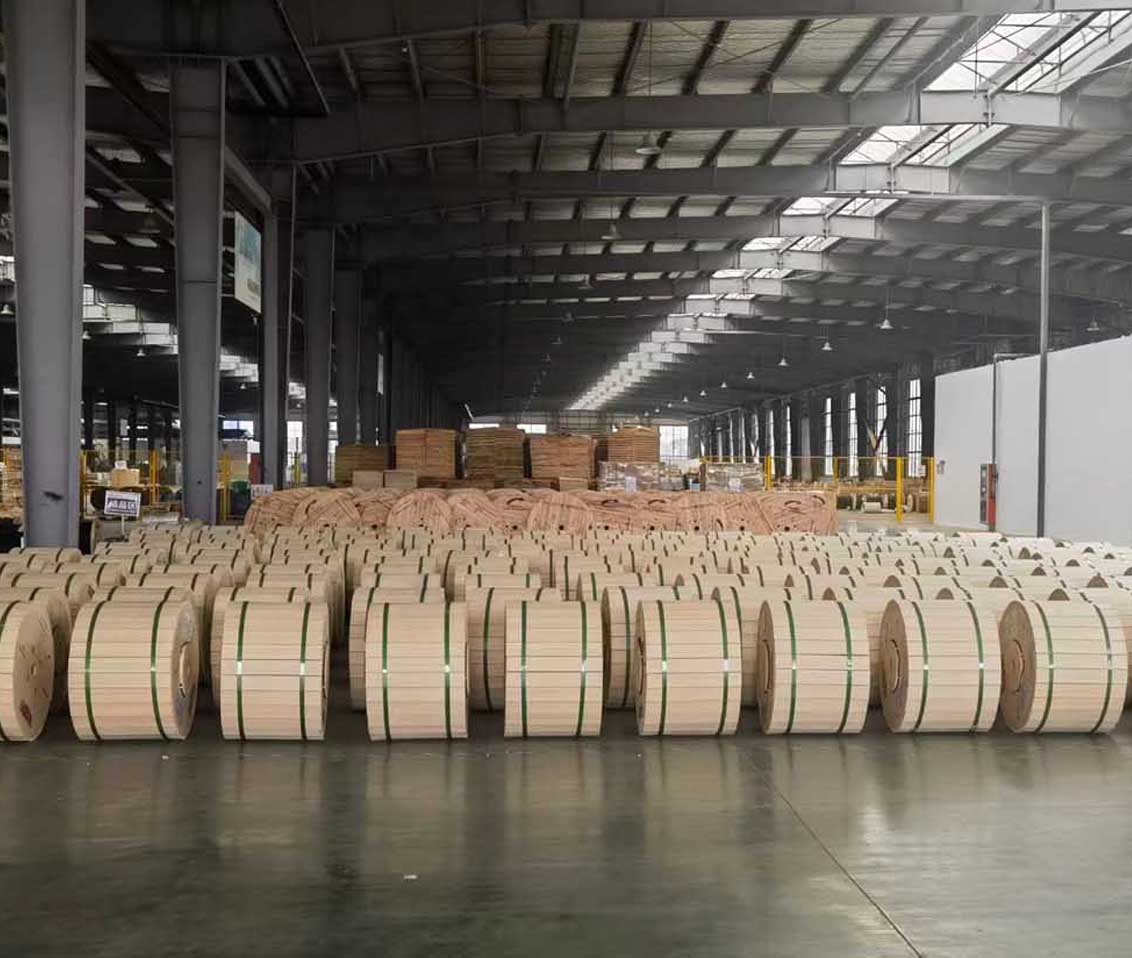
 Optical Fiber
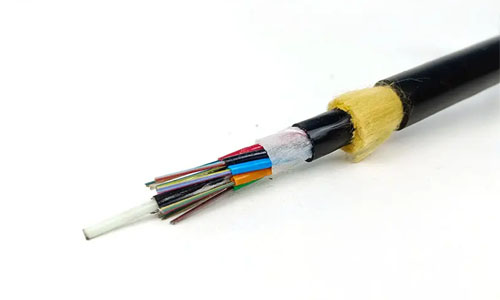 ADSS Fiber Optic Cable
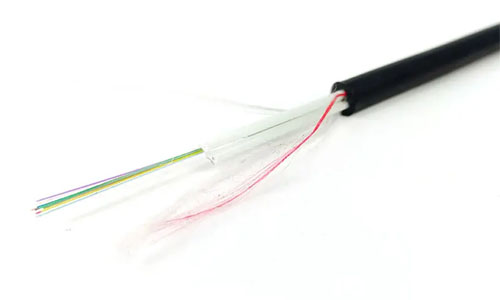 ASU Fiber Optic Cable
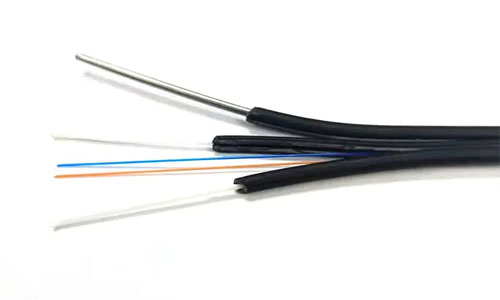 FTTH Fiber Optic Cable
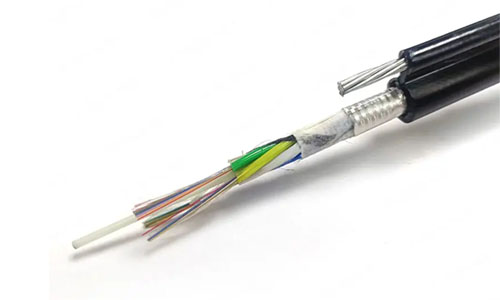 Figure 8 Fiber Optic Cable
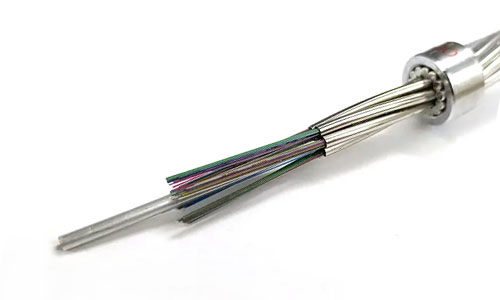 OPGW Fiber Optic Cable
 Coaxial Cable
 Ethernet Cable
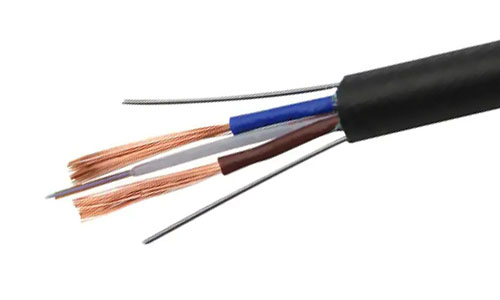 Photoelectric Composite Fiber Optic Cable
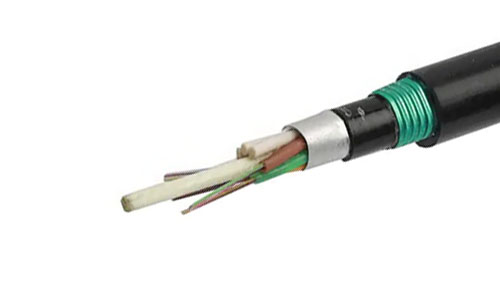 Underground & Pipeline Fiber Optic Cable
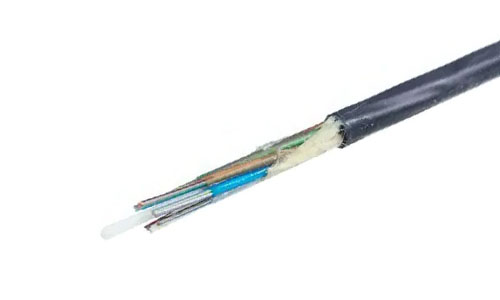 Air-Blown Micro Fiber Optic Cable
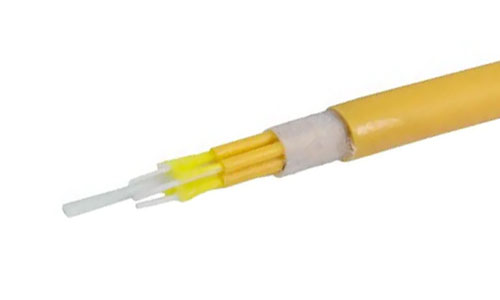 Indoor Fiber Optic Cable
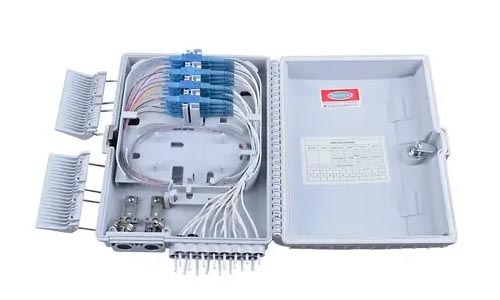 Fiber Optic Distribution Box
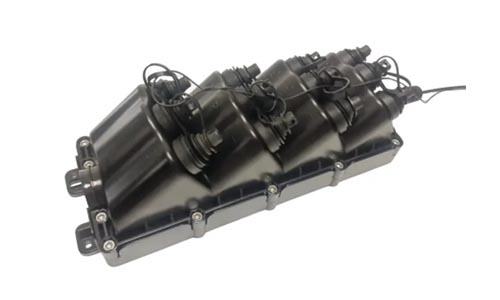 Multiport Service Termina Box
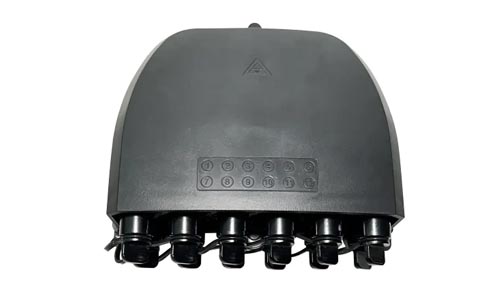 Fiber Optical Terminal Box
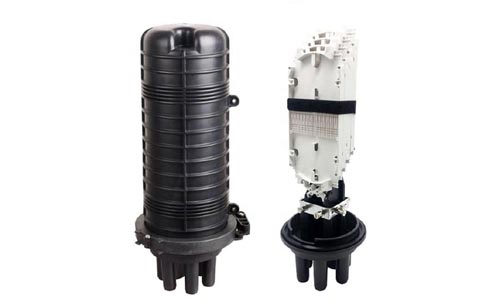 Fiber Optic Splice Closure
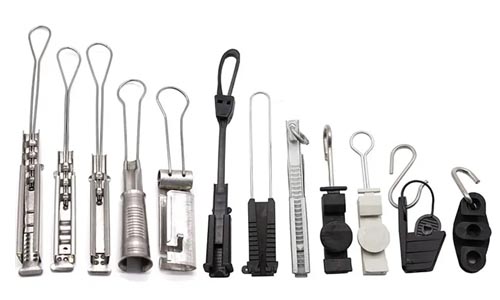 Fiber Optic Clamps
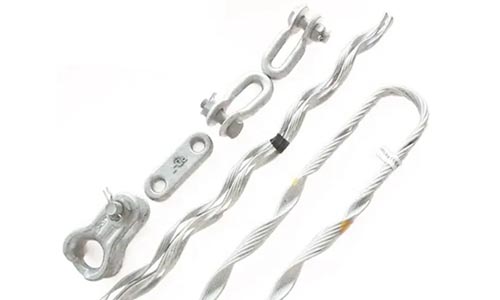 Fiber Optic Cable Fittings
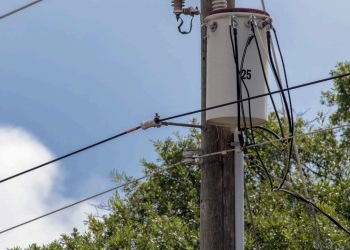 ADSS Fiber Cable
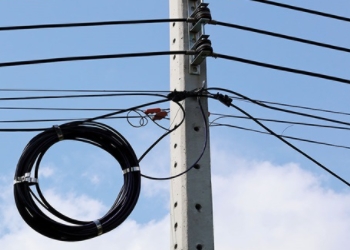 ASU Fiber Cable
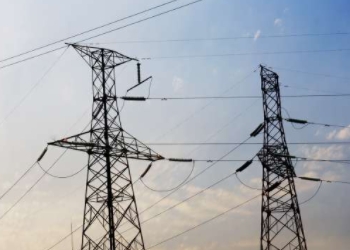 OPGW Fiber Cable
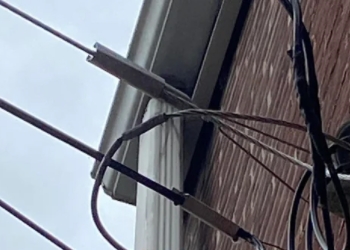 FTTH Fiber Cable
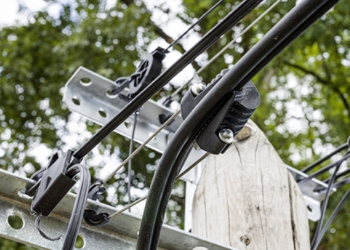 Figure 8 Fiber Cable
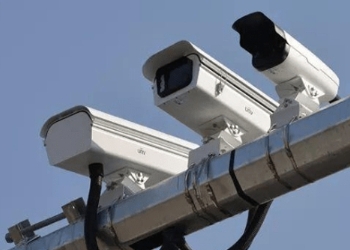 Photoelectric Composite Fiber Cable
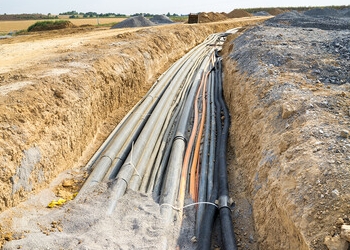 Underground & Pipeline Fiber Cable
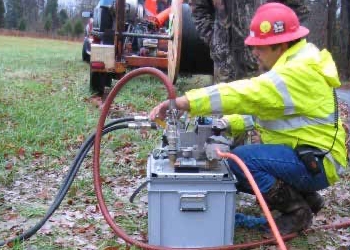 Air-Blown Micro Fiber Cable
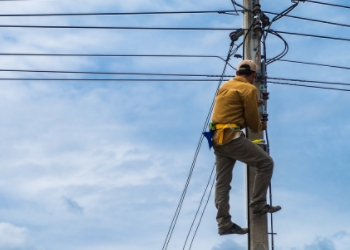 Aerial Fiber Cable
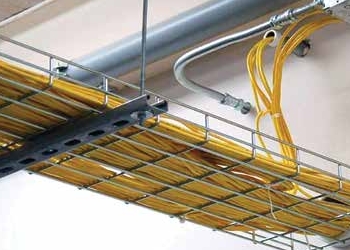 Indoor Fiber Cable
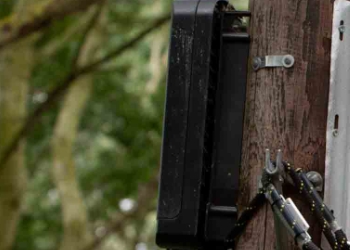 Fiber Optical Terminal Box
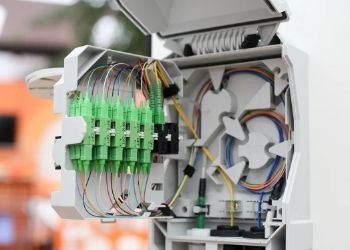 Fiber Optic Distribution Box
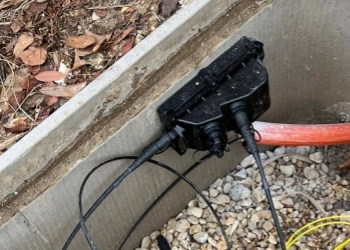 Multiport Service Termina Box
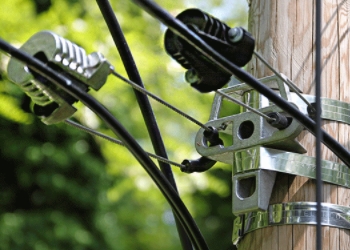 Fiber Optic Clamps
 About Us
 Our Team
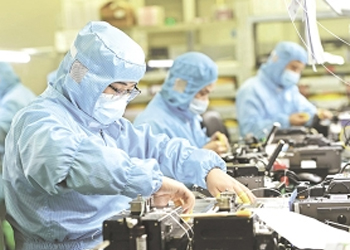 History
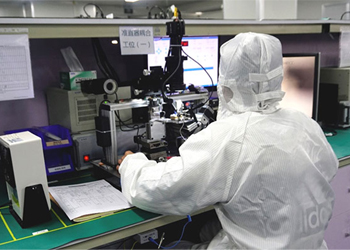 R&D Strength
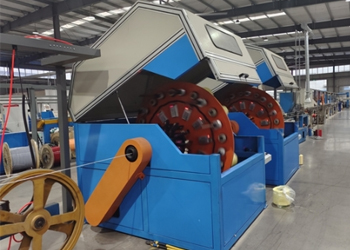 Production Base
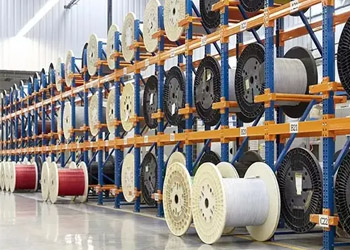 Warehouse & Logistics
 Quality
 FAQs
FAQsFiber Optic Enclosures & Network Reliability
A fiber optic enclosure is a protective box that houses and organizes fiber optic cables and connections. These fiber optic enclosures protect cables from dust, moisture, and physical damage and facilitate efficient cable management. Most enclosures are available in rack-mount or wall-mount styles, with transparent trays and ports to manage cables in an orderly manner. A quality enclosure allows techs to identify and address issues quickly, minimizing downtime and maintaining network stability. Certain ones are designed for outdoor use and can withstand harsh conditions. Selecting the appropriate enclosure depends on cable count, available installation space, and whether indoor or outdoor use is required. Up next, we’ll cover varieties, applications, and advice for selecting just the right fiber optic enclosure for any configuration.

Why Fiber Optic Enclosures Matter?
Fiber optic enclosures play a crucial role in telecommunications by protecting sensitive fiber connections from aggressive environments, ensuring maximum reliability and throughput. These fiber enclosure solutions simplify repairs and upgrades for network teams globally.
1. Physical Shielding
Fiber optic cables are delicate, and a tiny scratch on a fiber core or a speck of dust in a splice can take down gigabits of data, resulting in costly downtime. Quality fiber enclosure solutions utilize resilient materials such as polycarbonate or stainless steel to prevent punctures, moisture incursion, and corrosion. Some are even rated IP68, meaning they can sit under a meter of water for a day without leaking, which is critical for outdoor fiber deployments. Most designs resist temperatures from -40°C to +85°C, ensuring they function in deserts and frozen regions equally. These fiber optic box enclosures adhere to stringent industry standards, guaranteeing longevity, worldwide compatibility, and safety.
2. Signal Integrity
Signal loss and interference can disrupt any network, which is why using a quality fiber optic box is essential. Water and dust tight seals on enclosures keep out elements, ensuring signals stay strong. Various fiber types, single-mode and multi-mode, nestle in these fiber cable enclosures due to adaptable designs, ensuring robust performance across the board. Verifying enclosures during planned maintenance allows you to detect problems that may degrade the signal, avoiding cost and time in more extensive future diagnostics.
3. Cable Management
Messy cables are a pain, but quality fiber enclosures are designed to protect everything. They utilize trays and baskets for slack storage, preventing tangles and bends that could potentially snap a fiber optic cable. With labels on every port, technicians can quickly identify connections, making fixes and upgrades more efficient. Open layouts enable technicians to access any port or splice quickly during a scramble, while certain configurations offer tool-free access, keeping tasks straightforward and secure.
4. Future Access
As networks expand, selecting a fiber enclosure with extra space ensures that new fiber optic cables or equipment can be added seamlessly, without a complete overhaul. Modular models provide the flexibility for technicians to exchange components as technology evolves, minimizing downtime and reducing costs. Smart layouts in fiber distribution systems keep crucial components easily accessible, allowing updates without disrupting the entire network.
5. Network Security
Security isn’t just about passwords; lockable fiber enclosures, such as a fiber optic box, keep pestering hands away. Some are tamper-proof and rugged enough to withstand both inquisitive animals and extreme weather. Routine testing verifies that locks and seals still work as danger evolves, ensuring reliability for sensitive locations and providing peace of mind to operators and users alike.
Anatomy of an Enclosure
A fiber optic enclosure is more than just a box; it serves as a meticulously constructed haven for delicate fiber connections. This fiber cable enclosure is designed to keep strands secure and tidy, ensuring maximum reliability and protection for all your telecommunications applications.
Material Choices
Selecting the appropriate substance is crucial. If they’re for outdoor spaces, weather resistant plastics like polycarbonate or GRP (glass reinforced plastic) are typical, withstanding sunlight, rain and even ice. These plastics help keep the enclosure light, making wall- or pole-mounted units easier to lift and secure in place. Steel walls or mounting plates provide additional strength in areas with high wind and heavy snow.
Indoor settings often use fire-retardant ABS or lightweight steel shells. These are simple to move and set up, especially in tight server rooms or urban cabinets. Some enclosures use certified materials that meet global standards, which matters for compliance and peace of mind. Material choice links directly to how long the enclosure lasts, how well it protects, and how much work it takes to install or move it.
Sealing Mechanisms
Seal keeps the bad stuff out. The higher-end enclosures have double-sealed doors, heat-shrink cable entries, and grommets to fit numerous cable sizes. IP68-rated ones can block dust and water even when buried or exposed, which is ideal for severe weather.
Adhesive seals create a long term, tight bond at seams and penetrations. Seals deteriorate over time, so routine inspections are necessary to keep moisture and dust at bay. Some enclosures are designed to withstand -40C to +85C conditions, so the seal has to perform whether it’s freezing or scorching.
Internal Layout
-
Clearly designated areas for splice trays, adapters, and cable slack.
-
Convenient directions maintain fibers unordered and clean to follow.
-
Open access to all ports accelerates moves and repairs.
-
Space for 12 to 288 fiber cores, model dependent.
A good design, such as a fiber enclosure, assists installers in working more quickly and reducing errors. Rack-mounted fiber optic boxes offer plenty of room, while wall-mounted or miniature models fit great in cramped corners or remote locations. Basic items like internal ribs and steel plates enhance the toughness of the enclosure.
Enclosure Classifications
Fiber optic enclosures play a crucial role in secure and effective telecommunications network configurations. These enclosures come in various forms to meet different requirements and specifications, such as fiber cable enclosures and fiber splice boxes. Choosing the right fiber enclosure depends on your installation location, the number of fibers, and the desired protection level.
| Enclosure Type | Mounting Style | Capacity (cores) | Material | Example IP Rating | Designed For |
|---|---|---|---|---|---|
| Indoor Rack | Rack-mounted | 12-288 | Steel | IP20 | Data centers, offices |
| Outdoor Pedestal | Ground-mounted | 24-144 | GRP/Steel | IP65/IP68 | Streets, open fields |
| Aerial Mount | Pole/wall-mount | 12-96 | GRP | IP66 | Overhead lines |
| Underground Vault | Buried | 48-288 | Heavy GRP | IP68 | Below ground, harsh soil |
Indoor Racks
Indoor racks maintain fiber connections organized and accessible, making them perfect for data centers and network rooms. Rack-mount fiber enclosures can contain a high fiber density; certain models accommodate as many as 288 cores in a single cupboard. Cable management includes trays, guides, and labeling to keep things nice and tidy. This configuration is fantastic for fast swaps and upgrades, particularly at TIA-942-inspired locations. Most racks also support various adapter types, including LC, SC, and ST, providing great flexibility for global and mixed environments in telecommunications.
Outdoor Pedestals
Outdoor pedestals are designed to resist rain, dust, and tampering, ensuring maximum reliability for fiber optic box installations. Thick GRP or steel walls, combined with high IP ratings like IP65 or IP68, provide optimum protection for the connections within. Several models feature lockable doors and hinged panels for convenient service, catering to different applications such as aerial cable drops or underground feeds, making them essential for telecommunications companies.
Aerial Mounts
Aerial mounts elevate cables above the ground, protecting them from potential damage, especially in telecommunications applications along roads or between buildings where excavation is impractical. These mounts feature stable brackets and weatherproof seals to withstand wind and rain. Additionally, some models offer variable arms to adjust the fit during installation, accommodating various fiber types or high-count cables, which is beneficial for expanding fiber optic networks.
Underground Vaults
Underground vaults are crucial for fiber optic box security and longevity. Their heavy-duty construction effectively keeps out dirt, moisture, and insects. Vaults with IP68 ratings can withstand flooding and high ground pressure, while access points facilitate adding or repairing cables without tearing up the entire location. Large vaults enable you to bundle and split hundreds of fiber installations, accommodating up to 288 cores for big, complex networks.
Overcoming Environmental Threats
Fiber optic enclosures, designed for maximum protection against rough threats like wind, rain, and dust, are essential for telecommunications companies. These enclosures ensure reliability and optimum performance, safeguarding against potential network slowdowns or failures, whether in urban areas or remote locations, making them crucial for fiber installations.
-
Use smart protective measures. Installing rubber or silicone gaskets and heat-shrinkable sleeves to enclosures cuts moisture and dust ingress. These weatherproofing tricks are easy but very effective. Opting for enclosures designed to endure temperatures ranging from -40°C to 70°C minimizes the risk of heat or freeze damage. IP 68 closures provide an additional safety factor, as they are designed to withstand submersion or torrential rainfall.
-
Have them checked up regularly. A fast once-over every six months aids in detecting issues such as cracks, wear, or even a little water sneaking in. Research backs this up: sixty-seven percent of closures underground end up with water leaks, and forty-eight percent show water inside. Uncontrolled, these leaks can spell larger trouble. It is just as important to check for dust or dirt inside the box, as small particles can obstruct signals or cause permanent damage.
-
Watch the weather impact. Fiber optic closures could potentially fail more frequently if they encounter extreme heat exceeding 60 °C or are submerged for extended periods. Easy solutions such as replacing damaged gaskets or applying additional sealant can spare you a world of anxiety down the road. If repairs begin to run more than 50 percent of the cost of a new box, it’s more intelligent to simply replace it.
-
Train the team. It’s not as simple as purchasing the correct box or seals. The crew putting in or looking after the system needs to know what to watch out for: signs of water, rusty screws, or loose seals. Training clearly means fewer errors and more life for the entire system.
Choose the Right Enclosure
Selecting the appropriate fiber enclosure is crucial for ensuring network dependability, security, and scalability. The best fit will depend on your specific application and how you intend to utilize it, while also requiring hassle-free maintenance and space for future fiber installations.
Capacity Needs
| Enclosure Type | Tray Capacity | Fiber Count Range | Expansion Options |
|---|---|---|---|
| Wall-Mount Indoor | 1–4 trays | 12–96 fibers | Modular plates |
| Rack-Mount Modular | 2–12 trays | 24–288 fibers | Add trays and rings |
| Outdoor Pedestal | 1–8 trays | 24–192 fibers | Extra splice trays |
| Underground Dome | 2–16 trays | 48–576 fibers | Add trays, slack storage |
A rack-mount enclosure with 12 trays is perfect for a data center that expands quickly. For a small office, a wall-mount indoor variety with one or two trays may suffice. Always allow for additional fibers so you don’t run out of room as requirements evolve.
Think beyond just fiber count. Room for slack management, modular adapter plates, and storage for pigtails or spare fibers matter. When a pack is a snug fit today, it will quickly be a nightmare tomorrow.
Environment Rating
-
Indoor – Best for protected spaces, no special weatherproofing.
-
Outdoor – Weather-resistant, UV-stable, for open-air use.
-
Underground (IP67+) – Sealed against water, dirt, and debris.
-
Industrial – Tough, frequently metal, for severe or corrosive environments.
IP rated enclosures like IP66 and IP67 ensure maximum protection against dust and water, making them essential for outdoor fiber installations. For areas with intense sun, rain, or snow, selecting a weatherproof fiber enclosure with quality gasketing is crucial. Light but strong fiber optic boxes are vital for utility poles, and good hinges and doors can save time and prevent catastrophes.
Accessibility
Select enclosures with easy-off panels or lids. This makes repairs and upgrades a lot easier. Smart engineering provides rapid access to splice trays and adapters, reducing your average correction time. Thoughtful designs with spacious pockets and organized routing options assist in maintaining everything safe and tidy.
Don’t evermind where you’ll place the box. Whether high on a pole or in a vault, you need space to work. A smart enclosure can save headaches and help the network run better.
Future-Proofing Your Network
Future-proofing your network means selecting technologies that can evolve. Your fiber optic box is more than just a box for cables; it’s the front line of your future-proof network. Today, users demand networks that support streaming, gaming, and ideas not yet arrived. Future-proofing begins with selecting an enclosure that suits today’s digital universe and flexes for tomorrow’s demands.
Begin by seeking out fiber enclosures that employ a modular construction. This simplifies adding, moving, or swapping parts as your network expands. A modular enclosure allows you to add more fibers or swap hardware as you need it. Whether you have a small office or a big campus, selecting this style ensures that you won’t get saddled with a configuration you’ll outgrow in a year or two. It’s like your own personal closet that you can add shelves to whenever you want!
See how future-proof the enclosure is for new technology and international standards. Other networks will have to aggregate with multi-gigabit fiber-to-the-premises or even embrace coherent optics. These allow you to transport more information with less hassle. Laboratories have demonstrated speeds up to 256 Gbps across 80 km, all on a single fiber strand. This means you won’t have to pull cables or swap boxes when speedier gear arrives. Ensure the enclosure accommodates these types of updates, not just today’s gear, especially for high-density installations.
Remember to keep an eye on your enclosure setup. Even the best gear needs a check-up from time to time. With more people requiring more speed, such as homes, schools, and shops, your network has to deliver. Take a glimpse at your enclosure’s design, ensure it complies with new safety or tech regulations, and find out if you need to supplement it with additional fiber terminations. This saves you the headache of having to swap out the entire system down the line, which consumes both time and cash.
Conclusion
Fiber optic enclosures protect your network, tidy it up and prepare it for expansion. A nice little box keeps dirt, water, and hands off your cables. All styles serve a distinct purpose, from wall boxes for small storefronts to large racks in high-traffic lobbies. A robust seal means fewer breaks and quicker repair. Choosing the appropriate size and type can save you dollars and headaches. Most teams these days anticipate new technology by ordering boxes with room for additional cables. As a field tech in Berlin once told us, a tough box saved him hours during a storm. To keep your configuration robust, explore the possibilities, consult your crew and select the case that suits you. Your network will appreciate it.
Frequently Asked Questions
What is a fiber optic enclosure?
A fiber optic enclosure, also known as a fiber cable enclosure, is a protective box that organizes and shields fiber optic cables and connections, ensuring maximum reliability and optimum protection against harm, dust, and moisture.
Why are fiber optic enclosures important?
Fiber optic enclosures, such as fiber splice boxes, safeguard sensitive cables against physical and environmental damage while facilitating cable organization for maximum reliability and minimizing service outages.
What are the main types of fiber optic enclosures?
Wall-mounted, rack-mounted, and outdoor fiber enclosures are the primary classifications, each designed for specific installation locations and maximum capacity requirements.
How do enclosures help against environmental threats?
Fiber optic enclosures, designed for maximum protection, shield cables from water, dust, and heat, ensuring reliability in harsh conditions for telecommunications deployments.
How do I choose the right fiber optic enclosure?
Consider the fiber enclosure space for your installations, the number of connections needed, and the type of protection required for optimal reliability.
Can fiber optic enclosures help future-proof my network?
Of course, utilizing modular or expandable fiber enclosures allows for easy upgrades and expansions, supporting future growth in telecommunications without significant hassles.
Are there standards for fiber optic enclosures?
Yes, for example, fiber optic enclosures, such as fiber splice boxes, should comply with international standards like IEC and TIA/EIA to ensure reliability and interoperability across various environments.