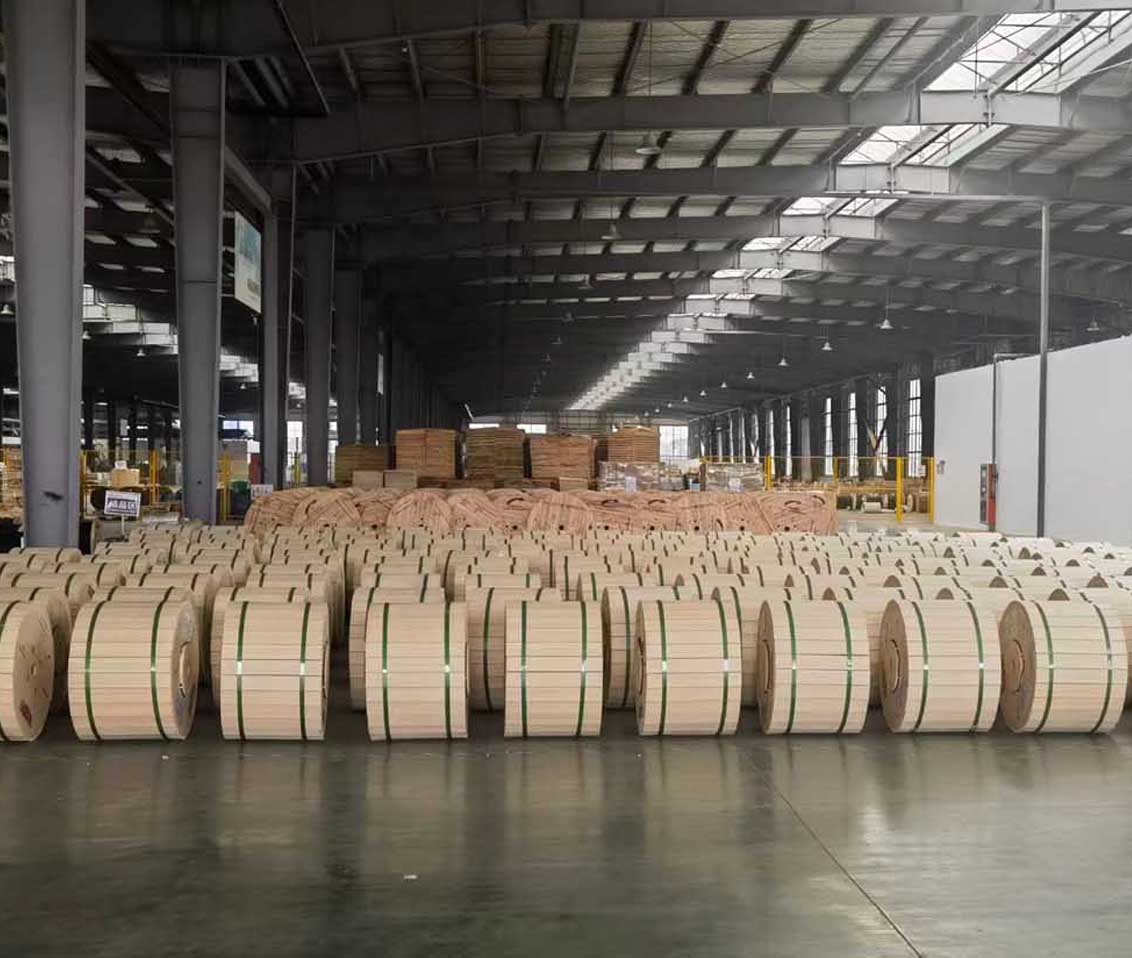
 Optical Fiber
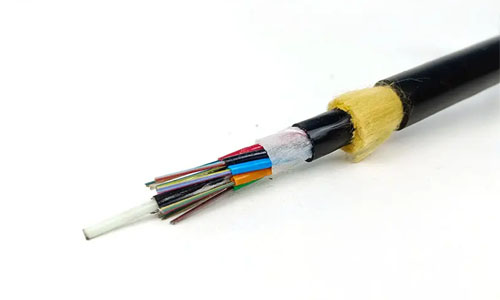 ADSS Fiber Optic Cable
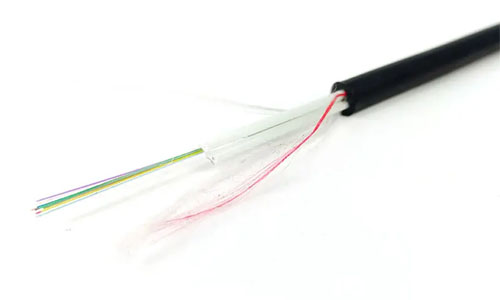 ASU Fiber Optic Cable
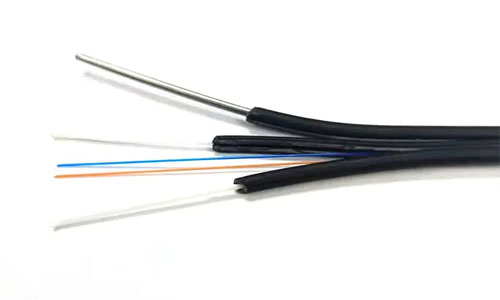 FTTH Fiber Optic Cable
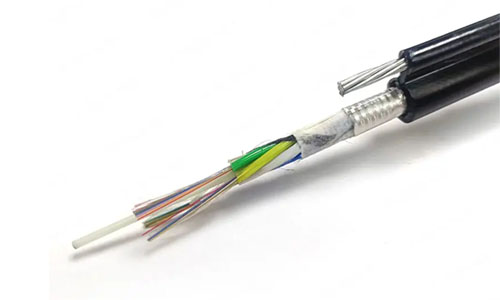 Figure 8 Fiber Optic Cable
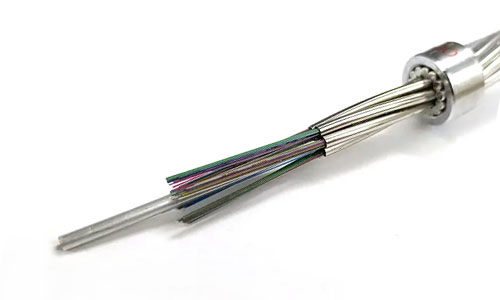 OPGW Fiber Optic Cable
 Coaxial Cable
 Ethernet Cable
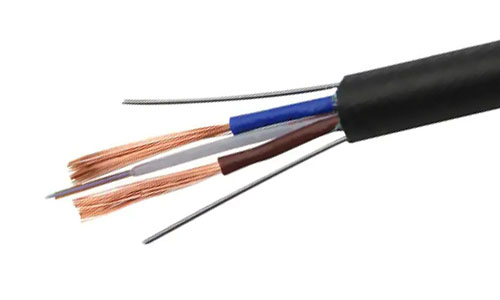 Photoelectric Composite Fiber Optic Cable
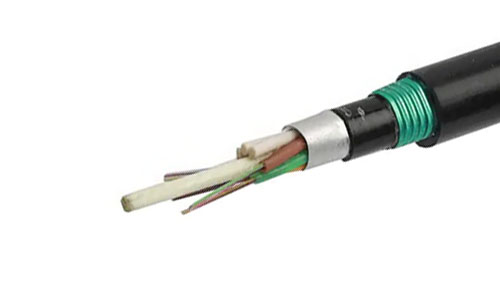 Underground & Pipeline Fiber Optic Cable
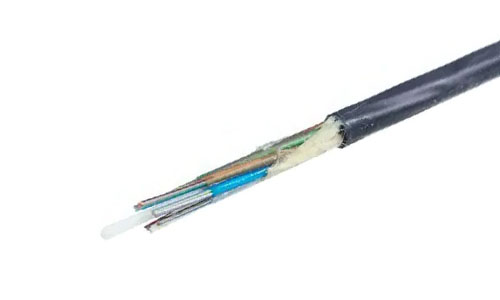 Air-Blown Micro Fiber Optic Cable
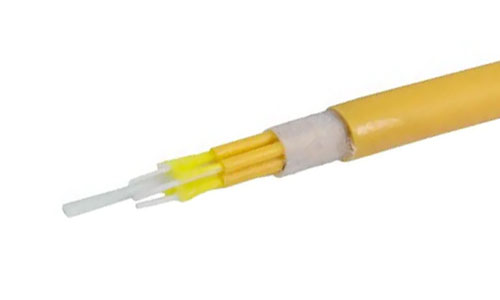 Indoor Fiber Optic Cable
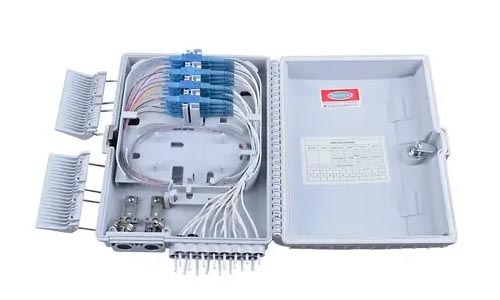 Fiber Optic Distribution Box
 Multiport Service Termina Box
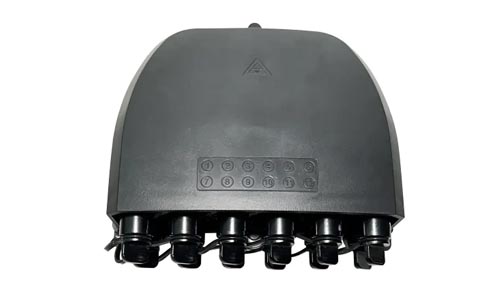 Fiber Optical Terminal Box
 Fiber Optic Splice Closure
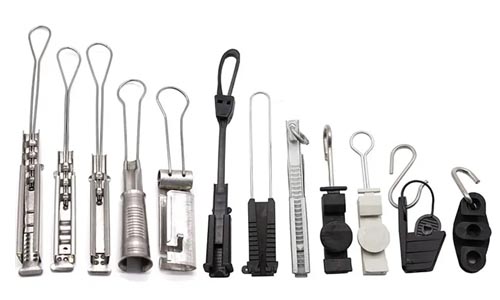 Fiber Optic Clamps
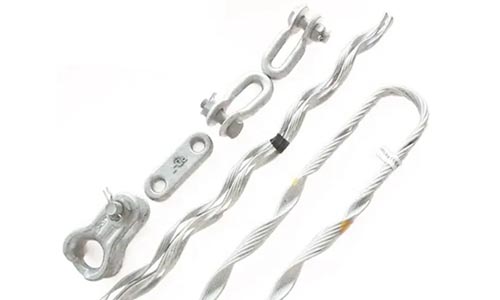 Fiber Optic Cable Fittings
 ADSS Fiber Cable
 ASU Fiber Cable
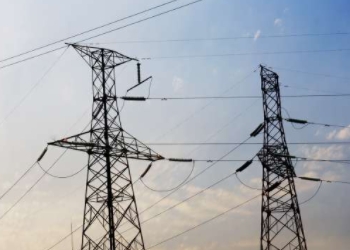 OPGW Fiber Cable
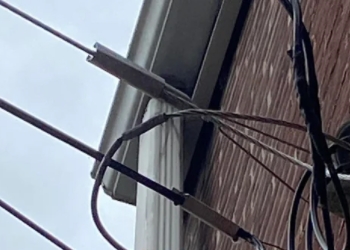 FTTH Fiber Cable
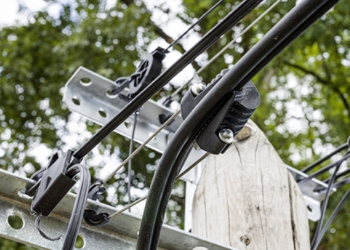 Figure 8 Fiber Cable
 Photoelectric Composite Fiber Cable
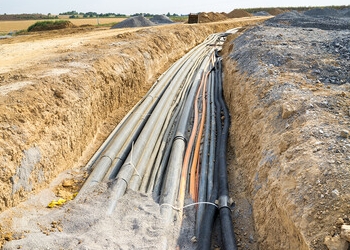 Underground & Pipeline Fiber Cable
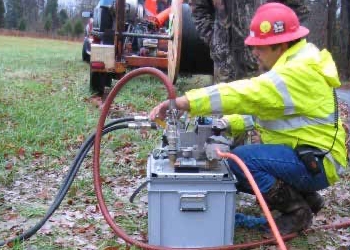 Air-Blown Micro Fiber Cable
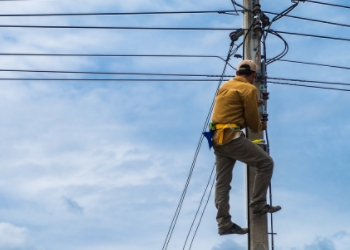 Aerial Fiber Cable
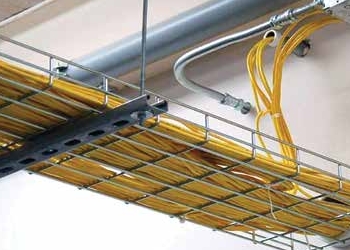 Indoor Fiber Cable
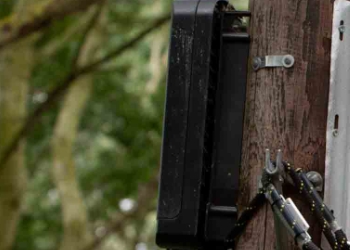 Fiber Optical Terminal Box
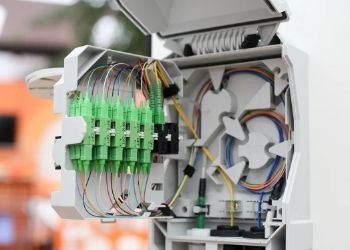 Fiber Optic Distribution Box
 Multiport Service Termina Box
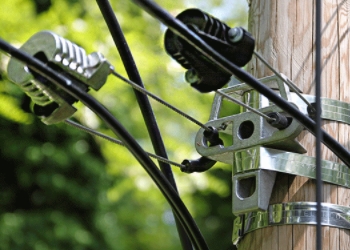 Fiber Optic Clamps
 About Us
 Our Team
 History
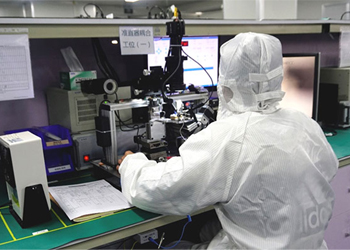 R&D Strength
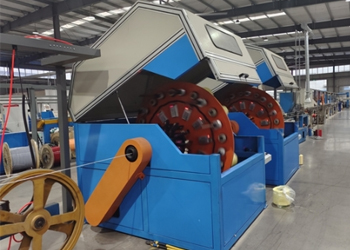 Production Base
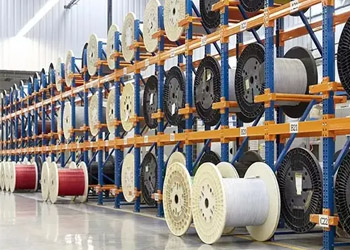 Warehouse & Logistics
 Quality
 FAQs
FAQsFiber Optic Communication: An Overview of Key Concepts and Advantages
Fiber optic communication sends light signals through thin glass or plastic fibers, enabling data to travel at high speeds and over great distances with little degradation.
Total internal reflection holds light signals securely within the fiber, enabling high-speed transfer and positioning fiber optics as well-suited to today’s digital needs.
With the most impressive speed, capacity, and reliability, fiber optic cables are a better option than copper cables for internet and data networks worldwide.
Fiber is key to closing the digital divide, powering critical services, boosting economies and unlocking innovations in healthcare, education and smart cities.
As technology advances, developments such as photonic integration and quantum communication are propelling fiber optics to new horizons. These advancements promise increased efficiency, security, and connectivity beyond.
For anyone thinking about upgrading their communications infrastructure, high quality fiber installation and maintenance is the gift that keeps on giving, staying ahead of the curve with the world’s ever accelerating digital expansion.
Fiber optic communication utilizes thin strands of glass or plastic fibers to transmit data as light pulses, serving as a rapid and dependable means of transporting information across significant distances. A lot of internet and phone networks rely on fiber optics because it is able to process massive amounts of data at full speed. These slender strands transport transmissions with minimal attenuation, allowing individuals to maintain reliable links even between cities or continents. Hospitals, schools, and companies commonly select fiber for its speed and security. In this world, your seamless video calls, streaming, and downloads are made possible by such technology. Knowing fiber optic communication helps us understand why our digital world hums. The following explains how fiber optic systems work and why they are important.

What is Fiber Optic Communication?
Fiber optic communication refers to the transmission of information as light pulses along a glass or plastic optical fiber. These are systems that use light to transmit massive quantities of digital data with speed and great reliability. You’ll commonly find fiber optics in telecommunication and computer data networks where bandwidth and latency are crucial, exceeding copper cables in speed and distance.
A fiber optic system includes several core parts:
-
Optical fibers (the medium)
-
Light transmitters (such as lasers or LEDs)
-
Receivers (that turn light back into electrical signals)
-
Optical amplifiers
-
Connectors and couplers
1. The Principle
Total internal reflection is the reason fiber optic cables actually work. When light encounters the core-cladding boundary at a sharp angle, it internally reflects back inside the core rather than refracting out. This keeps the optical signals in the fiber, even if the cable bends. The trick is the refractive index: the core has a higher value than the cladding, so light stays trapped. The cleaner and smoother the optical fiber, the less signal dies on its path. Because of this principle, a light pulse can travel 100 kilometers or more without fading out, which is a significant leap away from copper cables limited to a mere 100 meters.
2. The Medium
While the majority of optical fiber cables are composed of ultra-pure glass, a few are plastic for short-distance applications. The core size plays a crucial role in optical communication. A single-mode fiber, with a small core of about 9 micrometers, maintains the light direction in a straight path, making it ideal for long-distance connections. In contrast, multimode fibers, with larger cores of around 50 or 62.5 micrometers, allow light to bounce along multiple routes, which is suitable for shorter distances. The composition and diameter of the fiber determine the rate and distance that data can travel, as well as which telecom windows, such as 1.3 micrometers and 1.5 to 1.6 micrometers, are optimal for signal transmission.
3. The Signal
In optical fiber communications, data courses as rapid pulses of light, where on represents 1 and off represents 0. Modulation techniques shape the light pulses to convey the message, utilizing patterns such as amplitude or frequency modulation. If the signal fades or accumulates noise, the rate and fidelity decline. Optical amplifiers are essential for amplifying faint signals during those extended journeys, ensuring information remains clear and consistent.
4. The System
Transmitters, receivers, and optical fiber cables form the backbone of any fiber optic setup. Optical transceivers are essential; they convert electrical signals to light and back to electrical again. Fiber optic networks have intricate topologies, connecting multiple fibers and nodes for seamless optical data transmission. Most new telecom systems are a hybrid of fiber and legacy technology, allowing new cables to interface with existing equipment.
Why Choose Fiber Optics?
Fiber optics is a superior alternative to copper for transmitting information, particularly in optical fiber communication systems. The transition to fiber optics is fueled by the demand for fast, more capacious, and reliable technologies in a connected world, making fiber optic networks essential for businesses and communities planning for the future.
Unmatched Speed
Fiber optics can transfer data at many times the speed of copper cable. Speeds can frequently exceed 1 gigabit per second, with some of the latest systems boasting speeds as high as 800 Gbps. That means huge files transfer in seconds, and video chats remain seamless. Lightning speeds reduce lag, a major benefit for online gaming, streaming, or cloud work.
They’re joined by sophisticated modulation techniques, such as phase-shift keying, which have allowed us to push more data through each fiber. Speed is more important than ever as apps become more data-hungry. Data centers, universities, and health care providers all depend on fiber to stay ahead of these demands.
Massive Capacity
Fiber optics has enormous bandwidth, making fiber optic networks essential for modern communication. They allow you to multiplex dozens, maybe hundreds, of channels through a single optical fiber. With wavelength division multiplexing (WDM), every color of light functions as a channel, cramming even more data into the same fiber cable. This capability ensures that more people and devices can utilize the same network without slowdown.
That high capacity is paramount for addressing the world’s increasing data appetite. Optical fiber communications are future-proof, too. Fiber laid today means no major upgrades for two decades, allowing growing towns and businesses to expand seamlessly.
Superior Reliability
Fiber optic cables, a crucial component of modern fiber communications, resist weather, moisture, and temperature fluctuations. Unlike copper, fiber doesn’t rust or get struck by lightning. It has the lowest bit error rate and maintains a strong optical signal for up to 100 kilometers, minimizing the need for repairs. Additionally, fiber is immune to electromagnetic interference or crosstalk, resulting in more stable and clearer optical data transmission.
Inherent Security
Fiber optics, particularly optical fiber communication, are difficult to wiretap without detection. Light signals don’t leak out, ensuring that data remains private. Encryption adds another layer, making fiber optic networks a good fit for banks, hospitals, and anyone serious about security.
-
Do: Use up-to-date encryption, monitor for breaches, and limit access.
-
Don’t ignore alerts, skip routine checks, or use weak passwords.
How Fiber Optic Systems Work
Fiber optic communication systems transmit information by sending light pulses through hair-thin glass or plastic fibers. These strands utilize a clever technique known as total internal reflection, allowing optical signals to reflect inside the core and remain constrained, even as they curve around bends. This ingenious design enables optical data transmission at speeds of up to 20 meters per second on extended journeys with minimal attenuation. Most signals ride on invisible infrared light at 1,300 or 1,550 nanometers, well beyond the spectrum we can see. The optical fiber cables are created by molding a blank of glass with modified chemical vapor deposition, then heating and stretching it until it’s thinner than a strand of hair.
Core Components
Every functioning fiber optic system is dependent on a few key components. Cables are the backbone, made of cores surrounded by cladding and a protective jacket. Connectors connect cables to one another or to devices and they can make or break a network’s reliability. Transceivers emit optical pulses and convert electrical data to light for the fibers to transmit.
Long-haul lines often require optical amplifiers. These amplify the light signal as it diminishes, extending the distance the information can travel, occasionally beyond thousands of kilometers. At each end, optical receivers convert that light back to electrical bits so computers or phones can utilize it. If the switch or router is faulty, the whole system bogs down or data is lost along the way.
Fiber Types
Single-mode fibers have minuscule cores for one ray of laser light. This maintains signal crispness across tens of kilometers, which is ideal for submarine cables or city-to-city backbone links. Multi-mode fibers have broader cores, which allows them to convey many signals at once with LEDs. They are more manageable and less expensive, but the signals diffuse with distance, resulting in blur or chromatic dispersion.
Single-mode takes the crown for both speed and distance, while multi-mode suits short runs within office buildings. Newer designs such as bend-insensitive fibers maintain strong signals even in tight spaces or rugged conditions.
Transmission Windows
Transmission windows are sweet spots in the light spectrum of optical fiber communication where fibers perform optimally. These are approximately 850, 1,300, and 1,550 nanometers. At these points, glass absorbs less light, enabling optical data transmission to travel farther with less loss. Telecom networks select these windows to maximize speed and reliability in fiber optic networks. As glass-making improves, new materials broaden ranges, allowing systems to transmit more data in new bands.
Multiplexing Magic
Multiplexing enables multiple streams to operate on a single optical fiber, enhancing optical communication efficiency. Wavelength Division Multiplexing (WDM) segments the fiber into various 'colors' of light, with each color transmitting its own data. Time Division Multiplexing (TDM) delivers rapid bursts of data in quick succession, making it ideal for small, fast messages. Passive Optical Networks (PON) excel in providing high-speed data transmission over fiber optic networks, connecting many users in residential areas.
| Multiplexing Type | How It Works | Key Benefit |
|---|---|---|
| WDM | Uses light “colors” | Boosts total network capacity |
| TDM | Slices up time slots | Lowers equipment cost, simple setup |
Beyond Speed: The Unseen Impact
Fiber optic technology is not just about speed data communications; its richer narrative is about human life, labor, and bonds. These glass fibers have reached the world in ways that extend well beyond speed. With each optical connection, fiber optics influence economies, create more equitable online access, assist our planet, and keep people connected even amid disaster.
Economic Divide
Fiber optics bridge the digital divide by enhancing fiber optic connections. In regions where lagging or no access is the norm, new optical fiber communication systems open the doors of the web to additional people. When they gain robust, reliable access to the web, they land new jobs, pursue online education, or launch home-based enterprises. It’s a game changer for rural towns and up-and-coming cities. Take, for example, fiber networks in small villages that have allowed children to attend distant school classes or farmers to access information online.
Local economies get a boost with optical data transmission. Companies can operate more seamlessly with high-speed connectivity, tapping new markets or migrating to cloud-based systems. This surge can assist entire areas expand. Government projects often get involved too, either by laying fiber lines or providing grants to seed things. It means more people can find work or reskill. Fiber is about more than speed; it is about giving more people an equal opportunity.
Hospitals and schools change when fiber comes. Telemedicine allows doctors to treat patients remotely, and broadband means kids can study at home without falling behind. That’s a tangible quality of life enhancement.
Environmental Footprint
Fiber optics consume significantly less energy than legacy copper cables. They transmit more information and consume less energy, so they’re greener. When crews lay fiber, they use less material and produce less waste. In the long run, this translates into less garbage and less damage to the environment.
Fiber simplifies it for telcos to reduce their carbon footprint. Many smart grid and green energy systems need fast, stable networks—fiber lets these projects hum. Cities constructing solar or wind power grids deploy fiber to immediately monitor and direct power.
Network Resilience
Fiber networks withstand storms or heat behind the scenes. They’re less apt to break than ancient cords. When well-engineered, networks have redundant routes, so if a line drops, packets take a different route. This keeps people connected in crises.
RF in health care, a dropped call on a remote surgery is not inconvenient. It can be life-altering. Fiber’s reliable connection is essential for applications such as telesurgery or emergency communications. It’s essential to keep these fibers clean and inspected because dirt can lead to outages. Teams labor to check and repair lines frequently to maintain smooth operations.
When they relocate from home to office or even another country, fiber allows providers to migrate them from one network to another without users having a clue. This magic “hand-off” is a huge factor in how we’re able to work, call, or stream anywhere. As requirements evolve, fiber can scale up and expand to accommodate new requirements.
The Next Wave of Innovation
Fiber optic communication, a key player in optical data transmission, lies at the core of the planet’s digital transformation. Today’s networks must keep pace with that appetite for speed, bandwidth, and reliability. Researchers are designing new materials and smarter systems to answer these needs. With each upgrade, fiber propels forward technologies like 5G, AI, and IoT, paving the way for a connected future, from intelligent cities to data-intense applications.
Photonic Integration
Photonic integration is akin to cramming multiple optical functionalities onto a single chip, similar to how electronics fit on a microchip. This approach not only miniaturizes devices but also enhances speed data communications. By minimizing the size of optical components, we achieve faster data rates and lower power consumption, which is essential for space-constrained environments like data centers and congested urban networks. Integrated photonics can handle more data simultaneously, making it vital for applications such as AI assistants and smart homes.
One significant advantage is the reduction in expenses. With more functions integrated onto one chip, there’s less requirement for large, bulky equipment, resulting in lower costs for installing and maintaining fiber optic networks. This consolidation leads to fewer components that could fail, thereby decreasing downtime and enhancing reliability.
Quantum Frontiers
Quantum communication in fiber optics ushers in a new era of trusted data exchange. Quantum key distribution (QKD) enables users to exchange encryption keys utilizing the principles of quantum mechanics. If someone tries to tap the link, it leaves an imprint, so users can detect threats immediately. That is what makes quantum systems appealing to banks, governments, and anybody worried about privacy.
Working to build quantum fiber networks isn’t a cake walk. Quantum signals don’t travel far, fading fast, and the hardware comes with a high price tag. The payoff could be huge: super-secure data channels, new ways to share information, and early steps toward a global quantum internet. These innovations might just redefine our ideas of security in a super-connected age.
Material Science
High-end materials pave the way in fiber optics. Ultra-low-loss fibers allow signals to go farther with less attenuation, which reduces the cost and increases efficiency. Bend-insensitive fiber addresses actual pain points in crowded buildings and compact spaces, simplifying installations and providing more flexibility.
Specialized new coatings and core structures assist fibers in resisting severe weather, fatigue and extreme environments. Superior materials further pave the way for new applications, like 10G PON networks and all-optical links in future smart cities. As these innovations proliferate, more of us gain access to blazing-fast, reliable internet at increasingly affordable prices.
Real-World Fiber Applications
Fiber optic cables utilize light instead of electricity to transmit information, making them a key component in optical fiber communication systems. Many different industries use fiber optics for enhanced speed, safety, and innovative solutions.
-
High-speed internet and phone networks
-
Hospitals and medical diagnostics
-
Military and defense communication
-
Car safety and navigation systems
-
Space missions and satellite links
-
Smart city networks and public safety
-
Lighting and design in buildings
-
Inspections in hard-to-reach spots
Global Connectivity
Fiber runs between nations and cities around the planet. Across oceans, undersea cables span thousands of kilometers, connecting continents and enabling rapid, dependable communications. These cables transport much of the globe’s internet and telephone traffic, enabling video calls and online banking.
Cloud computing depends on fiber to rapidly transfer massive chunks of data between data centers, which allows companies and individuals to save, retrieve, and transmit data anytime, anywhere. With the power to accelerate worldwide data exchange, fiber connects cultures, opens new markets, and fuels business growth. Thanks to these invisible glass filaments, the world seems a tinier and more porous place.
Critical Infrastructure
Hospitals employ fiber for imaging such as MRIs and endoscopies. Clear pictures help physicians detect issues early and provide better treatment. Public safety emergency services require fiber for rapid and secure communication, rendering public safety response more swift and dependable.
Fiber optics help keep power grids and train systems running smoothly by transmitting real-time data for monitoring and control. For the military, fiber cables provide secure, difficult-to-tap lines that are essential for national security. These networks defend against cyber threats, adding yet another layer of resilience to vital infrastructure.
Future Networks
Next-gen fiber networks want to be faster and cover more ground. They power 5G wireless networks, allowing millions of devices to transmit and receive data simultaneously. Fiber will fuel smart homes, driverless cars and remote surgeries, creating new opportunities for living and working.
Fiber is the backbone of smart cities, linking sensors, cameras and control systems. As our digital needs multiply, fiber networks will allow cities and businesses to stay ahead and provide dependable coverage for whatever is next.
Conclusion
Fiber optic communication means much more than just rapid internet. It transforms the way we converse, do business, and exchange grand concepts. Fiber sends data using light, so people enjoy crystal clear video calls and lag-free online gaming whether they’re in crowded urban areas or remote rural communities. Imagine hospitals transmitting scans at high speed or students studying together live with peers abroad. Fiber makes this all real. New advances in fiber tech keep springing up, faster and more reliable. Each day presents another new application for those hair-thin glass lines. To witness every possible manner fiber can aid your world, initiate a conversation with regional tech experts or explore your local tales. Revolutionary shifts begin with little ones.
Frequently Asked Questions
What is fiber optic communication?
Fiber optic communication utilizes light signals to send information via slender glass or plastic fibers, forming the backbone of modern fiber optic networks. It supports rapid, dependable, and long-distance optical data transmission with very low attenuation.
Why are fiber optics faster than traditional cables?
Fiber optics utilize light for optical data transmission, a method that significantly surpasses the speed of electrical impulses through copper wire, resulting in faster speeds and increased bandwidth applications.
How do fiber optic systems improve internet reliability?
Fiber optics are less susceptible to electromagnetic interference. They provide reliable connections even in environments with many electronic devices.
Are fiber optic cables safe to use?
Yes, fiber optic cables are safe for use in optical communication systems. They don’t conduct electricity, lowering the chance of fire or electrocution during installation.
What are the main applications of fiber optics?
Fiber optics are a staple in internet communication, medical imaging, telecommunications, and industrial automation, enabling fast optical data transmission and high-capacity fiber communications.
How does fiber optic technology benefit businesses?
Fiber optic communications provide speed on the internet, security, and dependability, fueling productivity and enhancing customer experiences.
Can fiber optic networks support future technologies?
Yeah, fiber optics enable high bandwidth applications and scalable optical communication systems, primed to support the future of technology, including smart cities, IoT, and 5G.