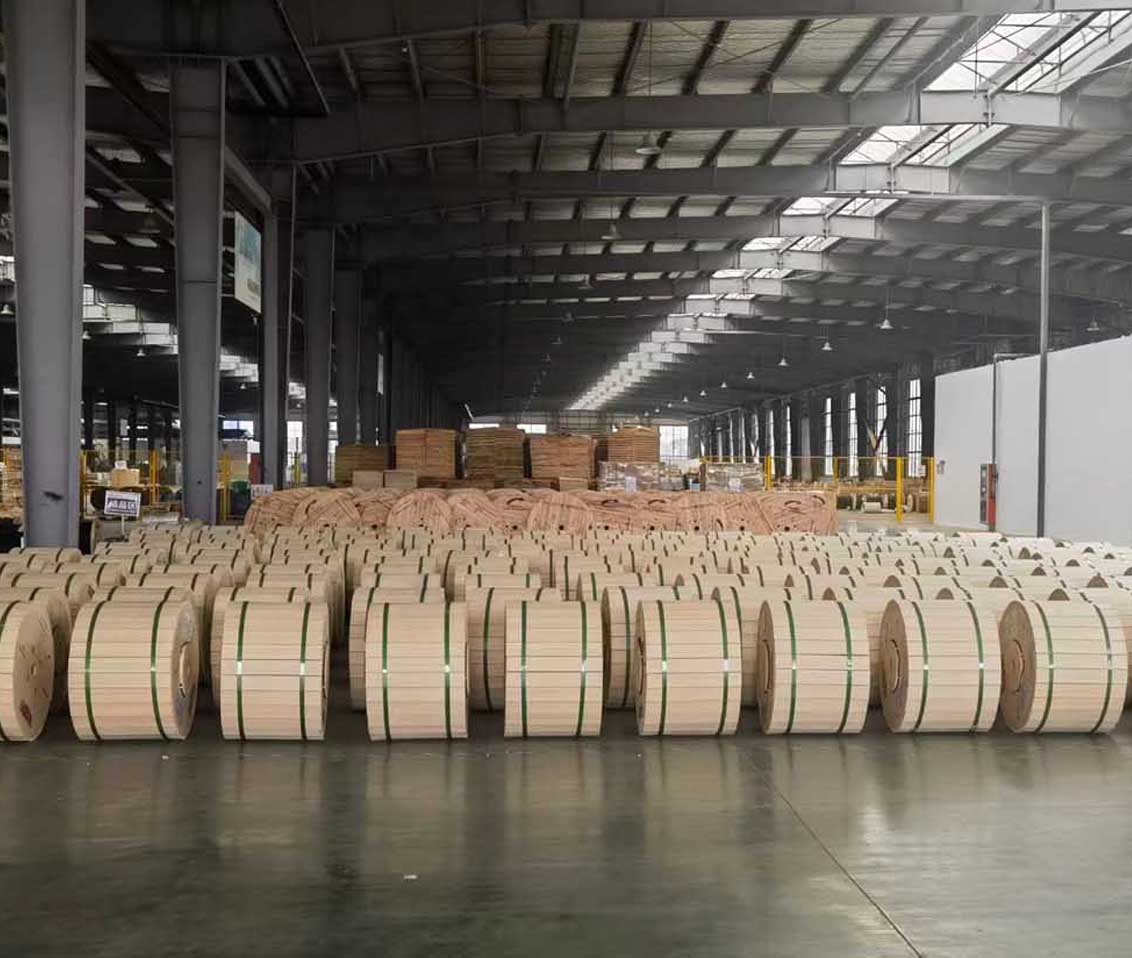
 Optical Fiber
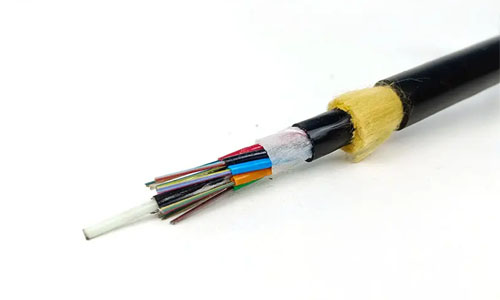 ADSS Fiber Optic Cable
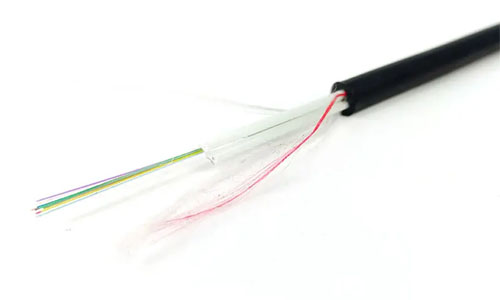 ASU Fiber Optic Cable
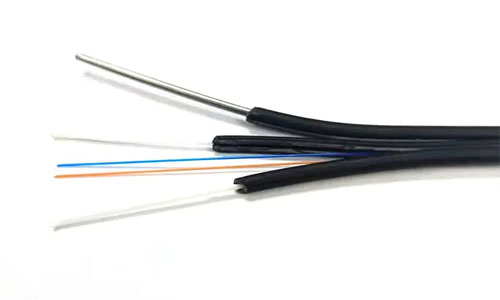 FTTH Fiber Optic Cable
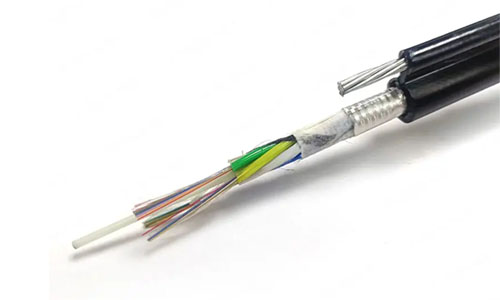 Figure 8 Fiber Optic Cable
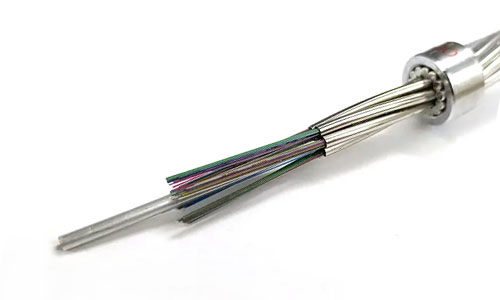 OPGW Fiber Optic Cable
 Coaxial Cable
 Ethernet Cable
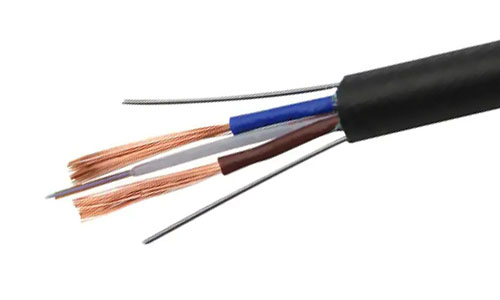 Photoelectric Composite Fiber Optic Cable
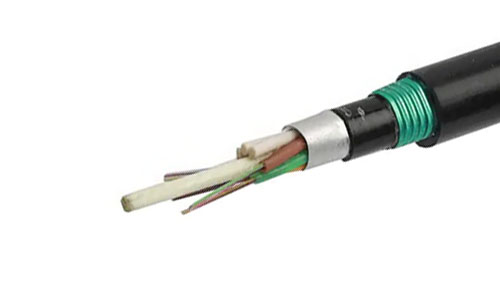 Underground & Pipeline Fiber Optic Cable
 Air-Blown Micro Fiber Optic Cable
 Indoor Fiber Optic Cable
 Fiber Optic Distribution Box
 Multiport Service Termina Box
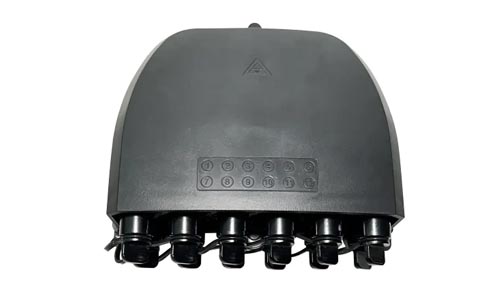 Fiber Optical Terminal Box
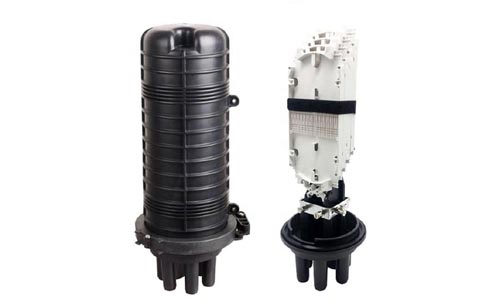 Fiber Optic Splice Closure
 Fiber Optic Clamps
 Fiber Optic Cable Fittings
 ADSS Fiber Cable
 ASU Fiber Cable
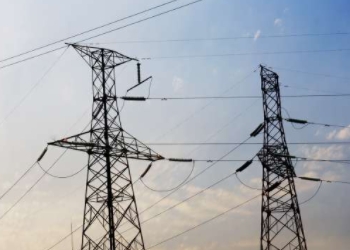 OPGW Fiber Cable
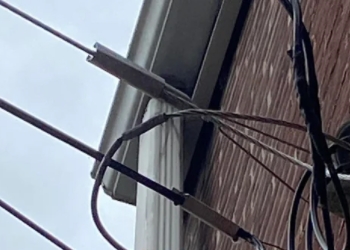 FTTH Fiber Cable
 Figure 8 Fiber Cable
 Photoelectric Composite Fiber Cable
 Underground & Pipeline Fiber Cable
 Air-Blown Micro Fiber Cable
 Aerial Fiber Cable
 Indoor Fiber Cable
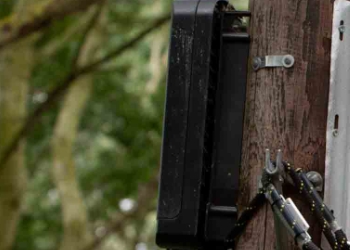 Fiber Optical Terminal Box
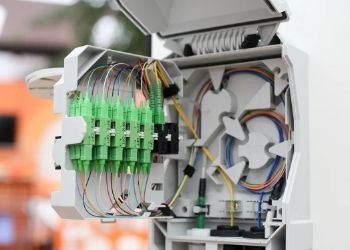 Fiber Optic Distribution Box
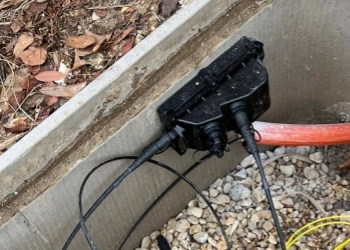 Multiport Service Termina Box
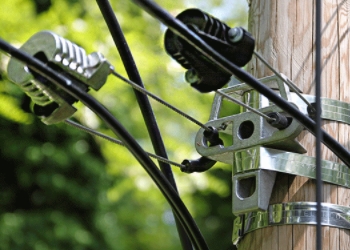 Fiber Optic Clamps
 About Us
 Our Team
 History
 R&D Strength
 Production Base
 Warehouse & Logistics
 Quality
 FAQs
FAQsFiber Optic Color Code: Essential Guide
Contact for Free Quotation & Sample, According to your needs, customize for you.
inquiry nowFiber Optic Color Code: Essential Guide
A fiber optic color code is a standardized coloring system used to identify each fiber within a fiber optic cable. These numbering codes allow technicians to easily identify various fibers when installing, maintaining, or repairing fibers, reducing mistakes and enhancing productivity.
Usually, each individual fiber is assigned a distinct color according to industry practices. The TIA-598-C describes how these colors are ordered and what they represent. Common colors of the inner fibers are blue, orange, green, and brown. Each of these colors correspond to a defined fiber position in the bundle.
Understanding these codes is essential for anyone working with fiber optic networks, as it simplifies complex tasks and avoids costly mistakes. In our fiber optic color code guide, we’ll explain everything you need to know about color code markings. We’ll look into their real-life applications out in the field.

What is Fiber Optic Color Coding?
Fiber optic color coding is part of the standard TIA/EIA 598. This color code system helps streamline the identification, organization and day-to-day management of fiber optic cables, connectors and individual fibers. By assigning different colors to each component, this color coding system guarantees clarity and consistency on every installation.
Fiber optic color codes The TIA/EIA-598 is the most popularly known standard. It offers definitive direction on color coding assignments based on fiber types, buffer tubes, and connectorized ends. Orange is often used to denote multimode fibers, and yellow is used for single-mode fibers. This method reduces confusion and increases efficiency in even the simplest to most intricate network infrastructures.
Define Fiber Optic Color Coding
Fiber optic color coding is based on a standardized color set. These specific colors allow us to easily identify between fibers, cables, and connectors. Every color represents a specific component, which streamlines the process when dealing with large, complex deployments.
Adhering to widely-accepted standards such as TIA-598 ensures clarity of communication and efficiency in network management. Splice trays come in sizes that can accommodate as many as 72 fibers. Color coding helps installers identify each fiber at a glance to avoid costly mistakes.
Purpose of Color Coding
The basic purpose of color coding is to make the installation, maintenance, and troubleshooting process easier. Fast, easy identification of fiber types, connections and faults minimizes downtime and human error.
When networks expand, color coding helps define purpose at a glance, making it easier to integrate new network components without missing a beat. For example, LC-, SC-, and ST-type connectors can be quickly identified using color-coded housing.
How Color Coding Works?
Color coding works on the principle of color identification by assigning different colors to each fiber window and buffer tube. Technicians rely on these assignments to track connections, locate faults, and keep everything orderly.
This color-coded systematic approach boosts organization and productivity, especially in data centers or with field technicians, where an estimated 80% of cable installations use color-coded networks.
Why Color Codes Matter?
Color codes are extremely important to fiber optic systems. They offer a standardized method for quickly identifying, diagnosing and deploying changes to the complex web of cables and fiber. Color codes make it easy to identify fiber cables, connectors, and individual fibers.
This visual clarity reduces ambiguity, speeds up operations, and enhances overall network efficiency. In one splice tray, you can fit 72 fibers in a single tray! When there is not a universal color code, errors and inefficiencies are almost guaranteed.
Today, more than 90% of the industry has adopted the EIA/TIA-598 standard. This color coding practice ensures that uniformity is created across all installations.
1. Improve Installation Accuracy
Accurate installations depend on properly identifying and connecting fibers, which can be much more intuitive when uniform color codes are widely used. Technicians use these codes as a guide to prevent miswiring from occurring, making certain that each fiber connects directly to the fiber it was supposed to connect to.
You might have noticed that single-mode fibers typically have yellow jackets. Color codes are critical. Unlike multimode fibers, which are always orange or aqua, eliminating the guesswork during installation. Following these standards improves accuracy, minimizing mistakes that may endanger system reliability.
2. Simplify Troubleshooting
When faults do happen, color codes make it easy for a technician to identify the bad fiber at a glance. For example, following a wire run from point A to point B is much easier with standardized color codes.
This reduces loss of life and injuries. Prompt and accurate response to emergency conditions restores services quickly, protecting valuable time and minimizing network disruptions.
3. Reduce Errors
Color codes significantly reduce human error by giving employees a quick and easy visual reference. Downtime due to misconnections, which can be extremely expensive, is avoided when fibers are color coded.
Adhering to widely accepted color codes and standards is a good practice that increases the clarity and interpretability of your work.
4. Lower Maintenance Costs
Proper use of color coding saves money on maintenance by making it easier to identify and address potential issues. Specifically, telling the difference between OM1 and OM4 fibers or riser and plenum cables prevents costly rework.
Without regular audits, cost effectiveness can be short-lived.
5. Enhance Network Documentation
Color codes enable precise written record documentation, rapidly allowing for deployment of diagrams and chain of custody while facilitating fiber network documentation. Incorporating these codes into asset management systems and maintenance management systems design provides more effective, trackable solutions.
This leads to more durable, long-lasting performance.
Fiber Optic Cable Types Overview
Fiber optic cables are divided into single-mode and multi-mode types, which each suit different network requirements. Knowing these differences is crucial for designing high performance, economical communications systems. The physical and functional differences between these cables affect their applications, performance, and even the environments in which they are best deployed.
Single-Mode Fiber Explained
Single-mode fibers have a much smaller core, typically around 8-10 microns in diameter. This innovative design allows light to move in an optical straight path. This design helps reduce signal dispersion, allowing data to be transmitted over long distances, sometimes over several kilometers, without significant loss.
These fibers are mainly utilized in long-haul networks, like undersea cables, intercity communication, and telecom infrastructure. The biggest advantage of single-mode fibers is their high bandwidth capacity. This property is what makes them ideal for applications that require little to no signal loss over great distances.
One major application, they’re deeply embedded in the backbone networks that connect the world’s largest data centers. Single-mode cables can be more expensive to install due to the precision they demand. Yet, their incredible superiority at long-distance communication makes the upfront cost worth it.
Multi-Mode Fiber Explained
Multi-mode fibers with a larger core diameter (50-62.5 microns) transmit multiple paths of light. This fab configuration accommodates high data rates over more limited distances, usually up to 2 kilometers. These fibers are increasingly used in local area networks (LANs) and metropolitan area networks (MANs).
The access networks that have them widely deployed are found in many commercial and educational environments. On the downside, multi-mode fibers are limited in their bandwidth and distance capabilities when compared to single-mode. Signal dispersion and attenuation happen much faster, rendering them unfit for long-haul applications.
Their reduced installation costs make them an economical option for short-range systems. Furthermore, they’re easily integrated with existing network hardware.
Distinguish Cable Types
-
Core size: Single-mode has a thinner core (8-10 microns) versus multi-mode (50-62.5 microns).
-
Transmission: Single-mode excels in long-distance. Multi-mode suits shorter distances.
-
Cost: Multi-mode is more affordable for installation.
Standard Color Codes Explained
The TIA-598-C standard governs color coding of fiber optic cables. It’s highly regarded both here in the United States and abroad. It promotes uniformity and makes it easier to identify applications throughout fiber optic networks.
By adhering to this standard, technicians can obtain consistency. This uniformity is key to meaningful agencies to communicate effectively with one another and integrate seamlessly across all systems. It’s no surprise that about 80% of fiber optic cables use this standard—an indication of its worldwide significance.
TIA-598-C Standard Details
The TIA-598-C standard organizes fiber identification using a sequence of twelve colors, divided into four groups of three colors each. This structure is practical for differentiating individual fibers within cables, such as singlemode and multimode fibers like 50/125 and 62.5/125 microns.
Failure to follow this simple standard can lead to fatal consequences. You will encounter mismanagement of IT assets, operational errors, and other miscalculations when incompatible equipment from different manufacturers is used.
When everyone follows TIA-598-C, interoperability is more dependable, operational downtime is minimized, and maintenance is more easily accomplished in an efficient manner.
Differentiate Fiber Types by Color
The table below outlines common color codes:
| Fiber Type | Color Code |
|---|---|
| Singlemode Fiber | Yellow |
| Multimode Fiber | Orange, Aqua |
| Polarization Fiber | Blue, Green |
Being able to identify these standard colors is essential in determining what type of cable you are working with. This applies to patch, outdoor, or premises cable.
Color Code for Connectors
Connector color codes are used to provide additional help, indicating connector types such as SC, LC, and MPO. For example, blue is used for UPC connectors, green for APC connectors.
Accurate identification helps guarantee the right parts are used during installation, minimizing costly mistakes in fiber optic networks.
Connector Color Codes
Connector color codes are an important asset to fiber optic systems. Beyond aesthetics, they offer a consistent way to distinguish between various parts, helping to promote efficiency and precision when installing and servicing equipment. TIA-598 establishes the principle for these codes, and as such is the most commonly used color code system in the world.
Depending on the manufacturer, nearly 90% of fiber optic cables will adhere to this standard. It gives every single fiber, cable, and connector a specific color, allowing for simple identification. By following these guidelines, technicians can quickly determine the type or function of a cable, reducing errors and improving workflow.
Identify connector types by color
Connector types are color-coded to easily spot them in the field. Common examples include:
-
UPC (Ultra Physical Contact): Blue
-
APC (Angled Physical Contact): Green
These connector colors are an essential element in avoiding confusion and incorrect vehicle to charger pairing. While UPC connectors have a flat polished end, APC connectors have an 8-degree angled end.
When cable and connector types are not compatible, significant signal loss or reflection problems may occur. Understanding these differences helps you make sure you have the right connections and the best performance. Colored jackets and buffer tubes adhere to the TIA-598 color code. They ensure the correct connection is always maintained within splice trays or a distribution panel.
Importance in network setup
In multi-component network installations, connector color codes are crucial for making sure things get wired up right. Misuse may lead to significant performance loss or expensive unplanned outages.
For instance, improper connector color coding can lead to signal interference, making troubleshooting a major challenge. Thorough training on these standards fully prepares technicians to treat each connector they pick up appropriately, avoiding damage and ensuring optimal performance.
Cable Jacket Color Significance
Fiber optic cables depend on outside jacket colors to convey important information about their make-up and characteristics. These colors are a handy at-a-glance reference. They provide technicians instant recognition with visual indications of each cable’s individual type, fiber count and application.
Being familiar with these color codes is essential during your installation, minimizing confusion and increasing efficiency. The TIA-598 standard has become the industry-wide standard technical specification. It creates a more reliable standard for interpreting these codes, leading to greater consistency and less margin for interpretation error.
Outer jacket color standards
The TIA-598 standard governs the outer jacket colors of fiber optic cables. This process provides an excellent means of distinguishing between cable sizes. This standard prescribes particular colors for each fiber type inline—yellow for single-mode fibers and orange or aqua for multimode fibers.
This kind of consistency helps you easily identify and differentiate between OM1, OM2, or OM3 cables and what they’re meant to be used for. Adhering to these standards is extremely important in the installation process, as variations can result in incorrect identification and costly project delays.
Manufacturers generally follow TIA-598, but there are some exceptions used to address special customer requirements. This is crucial for ensuring compatibility, particularly in larger and more complex installations that utilize multiple types of cables.
Interpret jacket color
Using jacket colors to interpret cable types requires knowledge of fiber type, size, and connector specifications. As an example, a yellow jacket usually indicates a single-mode fiber, often with LC or SC connectors on the ends.
Multimode fibers are orange or aqua in color, sizes 50/125 or 62.5/125. For fibers greater than 12 strands, like a common 24-strand fiber, the color pattern repeats, making identification easier. Familiarity with these military codes is crucial, as getting it wrong on installation can lead to a 90% increase in errors.
Internal Fiber Color Coding
Internal fiber color coding is an industry-wide normalized schematic that helps you identify each fiber individually within the cable. This technique dramatically improves cable management. It beautifully supports multi-fiber cables, whether they have a couple of fibers or several hundred fibers.
Technicians use a master color code to assign these codes. This enables them to quickly identify and route the fibers, minimizing costly mistakes in installation and maintenance. This EIA/TIA-598 standard has achieved broad-based acceptance throughout the industry.
It specifies a 12-color code for cables with fewer strands and repeats this pattern on higher strand count cables. For instance, in a 24-fiber cable, colors 1-12 would be reused for fibers 13-24, maintaining an unambiguous identification.
Fiber Arrangement Guidelines
Arranging fibers based on color codes simplifies the process for both installers and any future technicians that may need to make repairs. Having the same, predictable layout throughout your cables will help with clear, instant identification when troubleshooting.
For instance, buffer tubes in cables follow the same sequence: tubes 1-12 use solid colors, while tubes beyond that include stripes, like black with yellow for 13-24. While understanding the nature of these arrangements, documenting them is just as important.
Correct documentation of fiber placements downstream and their color codes is crucial for avoiding dangerous misidentification. This misidentification results in 90% of all mistakes made on a fiber optic system.
Splicing and Continuity Tips
Ensuring that they match during splicing is critical to maintaining signal integrity and allowing efficient, seamless data transmission. For instance, the 900-micron tight buffer fibers are equally easy because they fall under the same 12-color sequence.
Routine inspection of spliced connections can reveal signs of trouble before an expensive failure occurs. With careful design and following the guidelines of EIA/TIA-598, interruptions to performance and service are reduced.
Remember Color Codes Easily
Any technicians who have to deal with the EIA/TIA-598 standard will need to keep track of fiber optic color codes. This standard establishes the color code to be used for fibers, connectors, and cables. Given that this system can decrease errors by up to 90%, the ability to quickly and accurately recall this information can greatly improve productivity and precision.
By dividing the codes into smaller code sections, learning becomes much more manageable. For instance, you can first make 4 sets of 3 colors each, or 2 colors to each individual fiber. Here are big picture practical ways to improve retention.
Create mnemonic devices
Mnemonics are memory aids that help make complicated information easy to remember. For example, using a phrase like "Big Giants Often Yell Badly With Green Skates" can help recall the order of colors: Blue, Green, Orange, Yellow, Brown, White, Gray, Slate.
When personalization occurs—making mnemonics based on someone’s experiences or preferences—the memorization deepens even more. A technician may come up with a mnemonic rhyme or an acronym based on what they do every day.
These mnemonic devices take the otherwise esoteric codes and make them into concrete, memorable, and familiar reminders.
Use visual aids
Visual aids, like a colored chart or a color-coded schematic diagram of a piece of machinery, are all ways to help strengthen recall. A schematic showing a single fiber with colored strain relief boots is extremely useful in demonstrating codes.
This is particularly helpful for metallic connectors such as FC and ST, which lack color-coded guides. Reference cards or wall posters give technicians immediate access during installations, aiding technicians in fast-paced, high-pressure situations.
Practice regularly
Only through consistent practice can we really strengthen our knowledge. Hands-on activities, such as matching key fibers during mock installations, thread the codes into the daily practice and institutionalize them into muscle memory.
Regular training and refresher courses keep these skills fresh, particularly when new technology or standards are introduced.
Conclusion
Fiber optic color coding ensures everything is uniform and easy to manage. They make it easy to quickly identify cables, connectors, and fibers, enabling work to be done faster with less confusion. When you have clear color standards, troubleshooting repairs and maintenance are taken down a notch from awful scourge to mildly annoying task. Whether you’re managing jackets, pigtails, or internal fibers, these codes make it easy at every stage.
Having this color code chart available will help you save time and stay organized. Better understanding of the basics leads to fewer mistakes and a much smoother workflow. Fiber optics can be intimidating, but these straightforward color codes help to systematically place everything.
Use these color codes to your benefit so that users can easily recognize each connection’s purpose. They really are here to be your friends. The more these terms you use, the more second nature they’ll become.
Frequently Asked Questions
What is fiber optic color coding?
Fiber optic color coding is a universal method for distinguishing individual fibers in larger fiber optic cables. Each fiber is given a unique color code for easy identification of each fiber during installation, maintenance, and troubleshooting.
Why are fiber optic color codes important?
In summary, color codes allow quick and accurate identification of fibers within a loom, reducing the chance for errors during splicing, repairs, or network upgrades. They increase productivity and avoid expensive errors in fiber optic networks.
What are the standard fiber optic color codes?
Standard fiber optic color codes are based on TIA/EIA-598-C color standards. Each fiber in a cable has its own color code. It starts with blue, then goes to orange, green, brown, and so on through a predetermined sequence of 12 colors.
What do connector colors signify?
Connector colors used to identify type of fiber. In the top-down view above, notice, for instance, that blue connectors indicate single-mode fiber while beige or aqua connectors indicate multimode fiber. This allows technicians to easily identify different types of fibers at a glance.
Do cable jacket colors have specific meanings?
Yes, in some cases, cable jacket colors indicate fiber type. Yellow is generally used to denote single-mode fiber, orange or aqua for multimode fiber, while other colors might be used for particular applications. This makes it much easier to tell what something is and how to use it.
How do you remember fiber optic color codes?
Utilizing mnemonic devices or color code charts are ways to easily start memorizing fiber color codes. For example, using a phrase like “Big Oranges Grow Best” can help recall the sequence: blue, orange, green, and brown.
Are internal fiber color codes different from external ones?
No, internal fiber color coding adheres to the same TIA/EIA-598-C standards as external cables. This consistency makes it a breeze to identify and handle on all cable types.