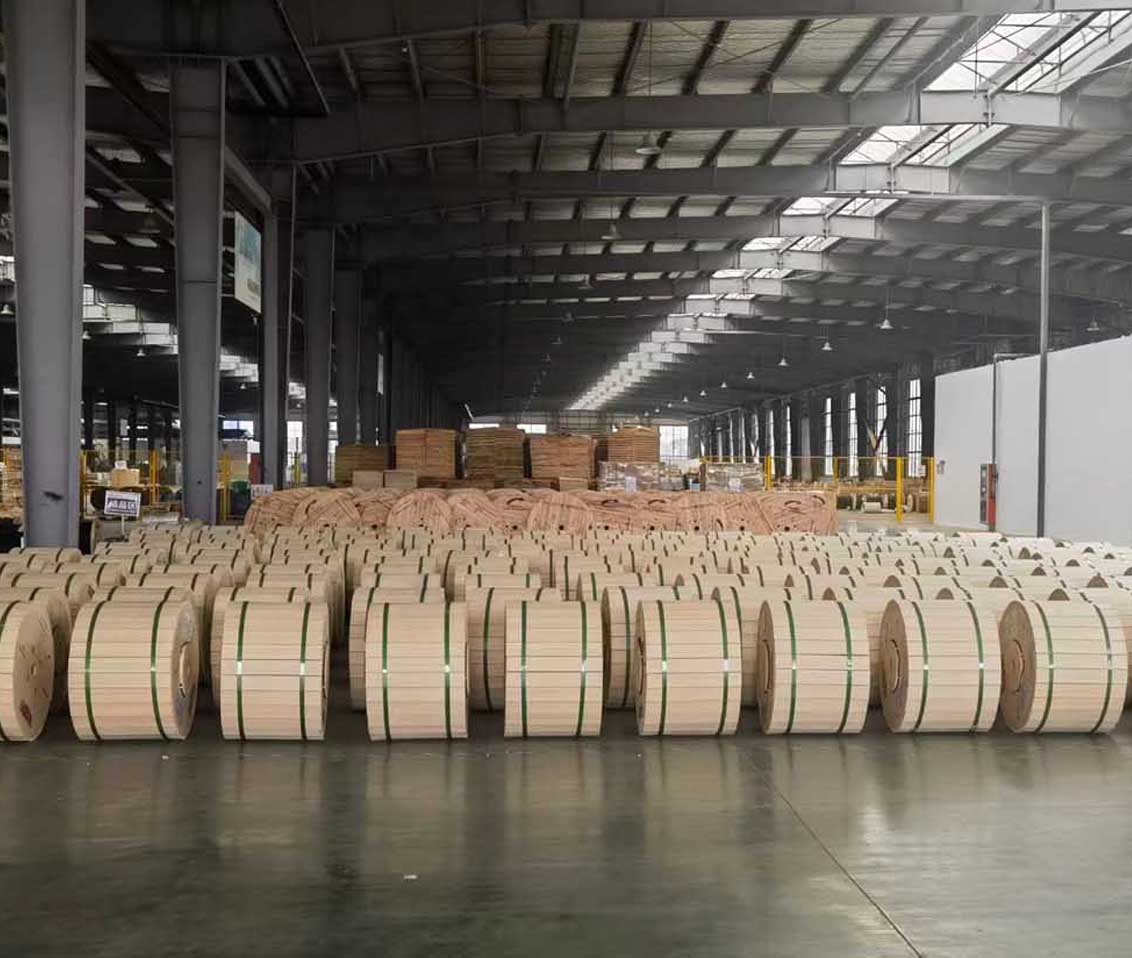
 Optical Fiber
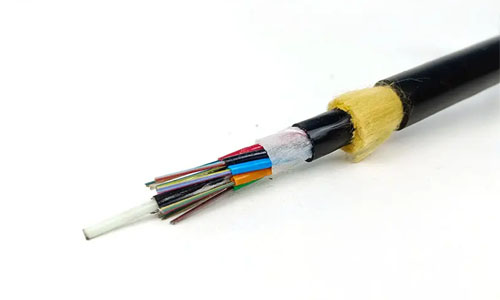 ADSS Fiber Optic Cable
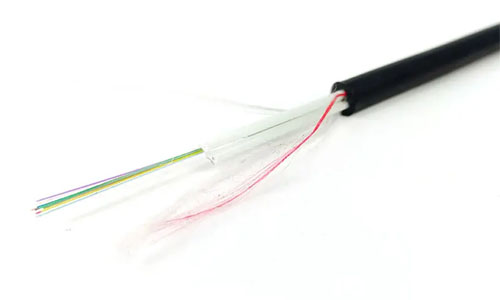 ASU Fiber Optic Cable
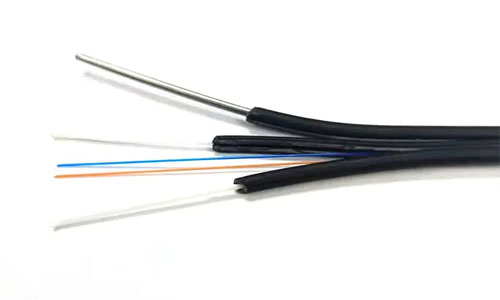 FTTH Fiber Optic Cable
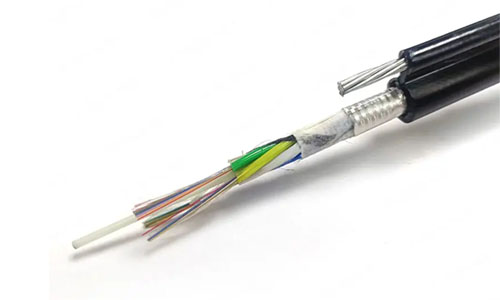 Figure 8 Fiber Optic Cable
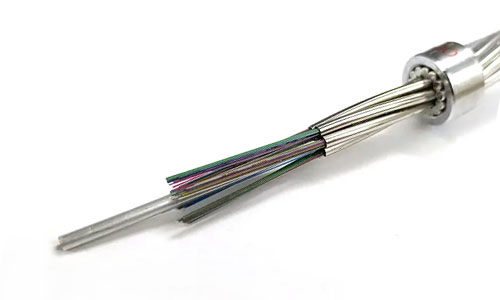 OPGW Fiber Optic Cable
 Coaxial Cable
 Ethernet Cable
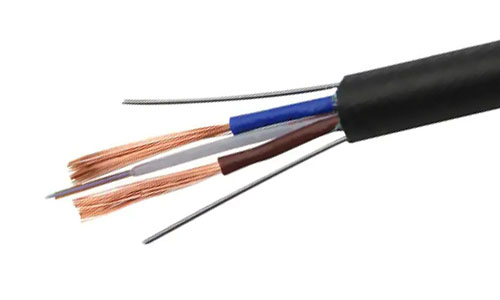 Photoelectric Composite Fiber Optic Cable
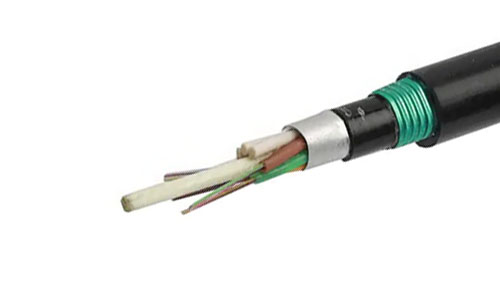 Underground & Pipeline Fiber Optic Cable
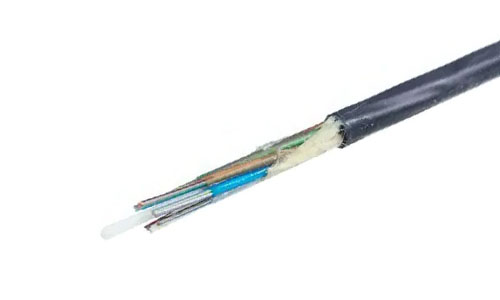 Air-Blown Micro Fiber Optic Cable
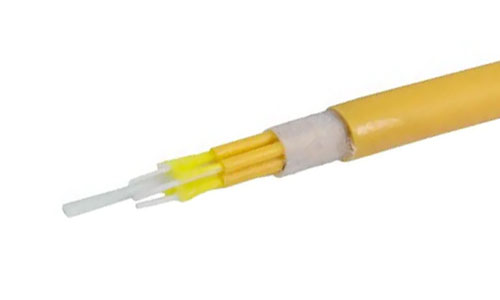 Indoor Fiber Optic Cable
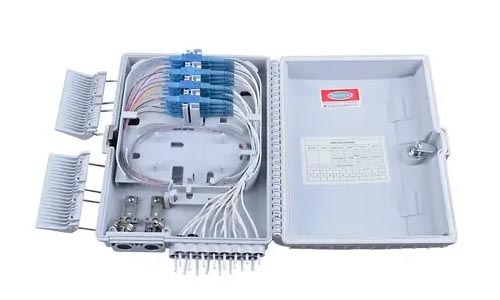 Fiber Optic Distribution Box
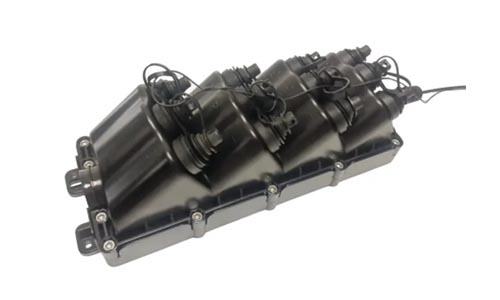 Multiport Service Termina Box
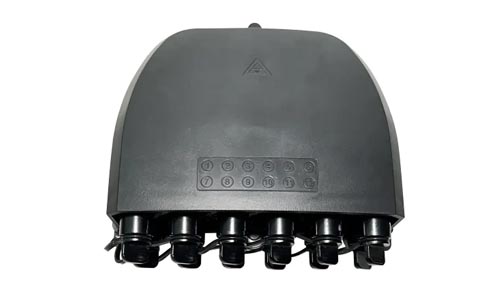 Fiber Optical Terminal Box
 Fiber Optic Splice Closure
 Fiber Optic Clamps
 Fiber Optic Cable Fittings
 ADSS Fiber Cable
 ASU Fiber Cable
 OPGW Fiber Cable
 FTTH Fiber Cable
 Figure 8 Fiber Cable
 Photoelectric Composite Fiber Cable
 Underground & Pipeline Fiber Cable
 Air-Blown Micro Fiber Cable
 Aerial Fiber Cable
 Indoor Fiber Cable
 Fiber Optical Terminal Box
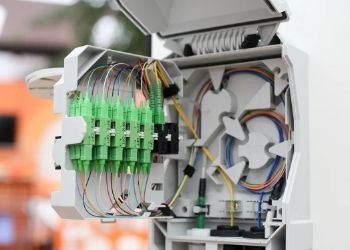 Fiber Optic Distribution Box
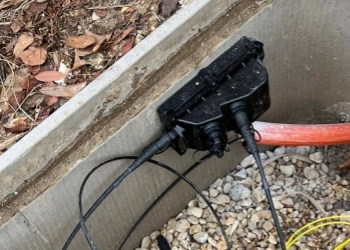 Multiport Service Termina Box
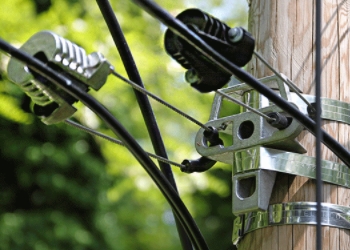 Fiber Optic Clamps
 About Us
 Our Team
 History
 R&D Strength
 Production Base
 Warehouse & Logistics
 Quality
 FAQs
FAQsFiber Optic Color Code: A Simple Guide to Easy Identification
A quick reference for fiber optic color codes makes it easy to identify and organize fiber cables without having to guess. Fiber optic cables have a transparent color code system, allowing installers and techs to identify the correct strand in an instant. Each color represents a unique fiber, eliminating confusion and time wasted when making repairs or inspections. These codes operate identically on a global scale, facilitating collaboration, regardless of large teams or international lines. Noobs or veterans both rely on these color guides for quick, hassle-free work. To assist you in noticing distinctions and maintaining progress, this guide presents the color regulations and advice for common tasks involving fiber optic cables.

Why Fiber Optic Color Codes Exist
Fiber optic color codes play a crucial role in ensuring clarity and organization within optical networks. When working with fiber optic cables that contain numerous microscopic fibers, a standardized fiber color code system is not just convenient; it is essential. Each individual fiber must be labeled clearly, allowing for easy identification and minimizing confusion. This leads to increased efficiency and a significantly easier experience for fiber technicians involved in laying, debugging, or enhancing a communication network.
Simplify Installation
Fiber optic color codes aid installers in identifying the correct fiber quickly. With distinct colors for each strand—such as blue, orange, green or brown—there’s minimal ambiguity. Even single-fiber cables exhibit their color, facilitating proper connector mating. If you’re out in the field with an inventory checklist specifying which color represents which type (i.e. Blue above orange for #1, orange over blue for #2, etc.) the job proceeds more quickly.
Some system saves time and confusion. Technicians familiar with the color schema, such as the TIA-598C standard, can square up cables and connectors without hesitation. Consistent coaching keeps the team playing by the guidelines, reducing errors and increasing the velocity of every assignment.
Streamline Maintenance
Color codes make every day checks easy, near mindless. When a cable drops, you don’t want to spend all day tracing fiber. With fiber-colored strands (especially in intricate loose tube cables) techs can locate the snag in a matter of seconds.
A concise labeling color code makes them easier to see. Diagrams or network maps duplicating the color scheme simplify tracking fibers during repairs. Teams that keep up with the codes fix problems more quickly, and your entire network performs better.
Prevent Errors
Typical color codes reduce the chances of incorrect terminations—essential for infrastructure integrity. Before a job is signed off on, one last double-check of every color keeps errors out. It’s smart to set up a checklist like this:
-
Do: Follow the global color code standard.
-
Do: Double-check every color before finishing.
-
Don’t: Mix up colors or skip verification.
-
Don’t: Ignore updates to the color code guide.
A culture of mindful labor and reverence for good practice repays itself, helping to keep networks healthy and dependable.
Decoding Fiber Optic Color Codes
Color codes are the heart and soul of fiber optic color coding. They assist in organizing, splicing, and repairing fiber optic cables, ensuring that nobody gets confused when dealing with hundreds of minuscule glass fibers in one cable. Every technician learns to identify these fiber color codes quickly, because one mixup can stall a project or disrupt a network.
1. The Core 12 Colors
Fiber optic cables rely on a set of 12 repeating fiber color codes: blue, orange, green, brown, slate, white, red, black, yellow, violet, rose, and aqua. These are the international standard, so techs can tinker away anywhere across the globe. It’s all about memorizing the order, and chunking them into groups of three (blue-orange-green, brown-slate-white, red-black-yellow, violet-rose-aqua) goes a long way. Making a fast chart on your phone or toolbox can save time on those tricky installs. Most folks, however, use fiber optic color coding cleave tools or wrap markers to match the fiber colors, making it even easier to ‘pair up’ strands when working in low light or busy racks. Here, practice really makes perfect!
2. Individual Fibers
With every fiber optic cable containing its own distinct color, tracking and connecting fibers becomes significantly easier, even when managing hundreds or thousands of strands. A good practice is to maintain a running inventory or log of the fiber color code associated with each device or panel. Many teams utilize spreadsheets or even old-fashioned scrawls for this, particularly during large upgrades. For fiber technicians, this fiber color coding must be performed quickly to ensure smooth networking and avoid costly errors.
3. Buffer Tubes
Buffer tubes contain bundles of fibers, utilizing the fiber color code system for clarity, typically following the same 12-color sequence. This effective fiber color coding system helps keep things organized when cables are packed with numerous fibers. Some teams employ labeled stickers or printed guides taped to racks to indicate which tube contains each color group. Visual cues assist new techs in catching up, and marking each buffer tube correctly during installation prevents confusion later, especially during repairs.
4. Cable Jackets
The outer jacket color of fiber optic cables indicates the type of fiber inside, with yellow representing single-mode, orange for older multimode, and aqua for laser-optimized multimode. Utilizing a fiber color code system or having a table posted in the workspace accelerates sorting and keeps everyone on the same wavelength. Jacket color is often the first thing you notice in a jam-packed cable tray, providing an immediate means of identifying cables.
5. Connectors and Adapters
Connectors utilize their own color code system to indicate type and polish: blue represents single-mode UPC, green denotes single-mode APC, and beige or aqua is for multimode fiber. Each patch panel or jumper rack will feature a chart displaying these fiber color codes at a glance. Understanding these distinctions helps avoid jumbled connections and network problems, ensuring smooth operations within the communication network.
Global Color Coding Standards
Fiber optic color coding is the foundation of quick and secure cable identification globally, particularly within the telecommunications industry. By adhering to accepted standards, such as TIA-598, you can ensure that the fiber color code system remains unambiguous and repeatable, regardless of your location. Color codes speed installation, repair, and routine maintenance, significantly reducing errors and confusion. Recognized standards like TIA-598C and CENELEC EN 50173, used throughout Europe, enable all of us in the industry to communicate effectively. Even small details matter—like jacket color, which indicates fiber types: yellow for single-mode, orange for multimode, and aqua for laser-optimized multimode. That same 12-color sequence—blue, orange, green, brown, grey, white, red, black, yellow, violet, rose, aqua—appears in many designs, from ribbon fiber to patch cords.
| Standard Name | Region | Key Features | Typical Use Cases |
|---|---|---|---|
| TIA-598C | Global/USA | 12-color system, cable & fiber ID, jacket color | Most commercial installs |
| CENELEC EN 50173 | Europe | Aligns with TIA-598C, regional color notes | European networks |
| Custom Codes | Industry/Local | Adapted for special setups | Data centers, specialty |
TIA-598 Standard
-
TIA-598C defines the universal color order for fiber identification.
-
Outer jackets show fiber type: yellow (single-mode), orange (multimode), aqua (laser-optimized).
-
Patch cord connectors use color: blue (UPC), green (APC).
-
Ribbon fiber applies colors left to right.
-
Used in cable trays, data centers, telco runs.
Adhering to TIA-598, which includes the fiber optic color coding system, makes work sites cleaner and reduces the risk of expensive mistakes. Sharing these fiber color codes with your crew gets everyone working smarter and safer.
Application-Specific Codes
Certain types of work deserve their own set of color codes, in addition to the basics. Custom codes pop up in huge data centers or hospitals, where disparate networks co-exist. These codes assist crews identify the correct fiber quick, even in a rat’s nest of cables.
Record any such codes you use and keep them on hand. Teach your crew to employ them and verify again before plugging or patching. It saves time and keeps things humming.
In large, bustling systems, custom schemes eliminate ambiguity. They allow techs identify the correct line immediately.
Regional Nuances
Color codes are location dependent! Europe may remain with CENELEC EN 50173 and N. America with TIA-598C. A few with minor differences in color sequence or jacket significance.
Know local laws before undertaking a task. Construct a cheat sheet if you work internationally. This keeps techs out of trouble and gets work done right.
Continue the conversation with your team. Pass along what you notice about local eccentricities so no one is blindsided.
A Technician's Perspective
Fiber optic color coding forms the foundation of a technician’s daily life. In the field, being organized isn’t just neat; it’s about working fast, safely, and getting it done right the first time. The fiber color code system assists in rapid recognition, particularly when confronted with seemingly identical bundles of wires. For a freelancer accustomed to working in closets and under deadlines, this setup is a godsend. Technicians count on these codes for each phase, whether laying new fibers, repairing old ones, or monitoring the network’s health. If you know the color, you know the fiber type, leading to fewer errors.
Splicing Trays
Color coding in splicing trays is the heart of fiber management. Each tray can contain dozens of fibers, and with each one transmitting critical information, staying organized is essential. A well-designed fiber color code system employs not only color codes but simple, obvious labels, enabling you to identify the appropriate fiber even amidst a frantic repair. Without this organization, even minor confusion can lead to service outages or prolonged delays.
Some teams utilize color-coded flow charts for handy reference, indicating which fiber types belong where—a map for the entire tray. This approach is not an escape from oppression; it’s a pathway to a life where daily efforts are less stressful and more dependable. New technicians still undergo real-world training over actual trays and diagrams to build confidence and precision. They may slip up, but with experience and a structured process, these errors become rare.
Patch Panels
Patch panels appear easy, but keeping them tidy requires talent. Color codes keep links straight, even in crowded data centers or network closets. By sprawl-mapping the panel with color-coded layouts, techs can identify and repair problems quickly. Visual landmarks, such as charts or stickers, make navigation faster.
Periodic inspections keep the system honest. Employees have to understand WHY adherence to the color-codes is important. When everybody uses the same system, the confusion plummets, and upgrades or repairs become simpler. Sometimes just a glance is enough to catch an error before it becomes an issue.
Network Audits
Audits are humdrum but essential. In these checks, teams zero in on color codes to confirm that each and every fiber aligns with the plan. Auditors use checklists to keep tabs on standards such as TIA/EIA-598-C, so nothing falls through the cracks.
Training audit teams are worth it. When techs realize the worth of color codes, they handle the network more carefully. Any issues identified during audits inform continuous improvement, closing gaps and ramping performance.
Beyond 12 Fibers
Fiber optic cables with more than 12 fibers, like 24 or 48-core, are prevalent in large network infrastructures—think data centers or telecom hubs. These cables utilize a fiber optic color code system and other sophisticated techniques to maintain clarity even as the fiber counts increase. When over 12 fibers are compressed together, they are arranged in ribbons or bundles, each following its own fiber color coding order and sometimes numbering. This organization simplifies locating, tracking, and repairing the appropriate fiber quickly for technicians. The color code system extends beyond the standard twelve—after blue, orange, etc., it repeats, occasionally with extra bands or “tracers” to differentiate them. Understanding this system is crucial for anyone managing optical networks, where errors can lead to significant downtime.
The Tracer System
The tracer system takes over when the primary color palette is depleted. Say you have a 24-core cable: the first twelve fibers use the standard color sequence, and the next twelve repeat the same colors but with a thin colored stripe (the tracer) running down each one. This stripe is an easy, visual reminder, so even in a large pile, you can find the fiber you want.
To simplify, teams reference charts or guides that correspond each fiber’s primary color and tracer to its number. That way, anyone can review while working. Training staff is a necessity, because a missed tracer line or color confusion can wreck an entire network link. In certain locations, techs rely on checklists or color-coded tags, ensuring every step is recorded and each fiber is inspected. This really comes in handy when dealing with MPO or MTP connectors, which group a ton of fibers into a single plug.
High-Count Cables
The more fibers the more opportunities for confusion. High-count cables require hard rules, not only for color coding but for labels and documentation. One popular method is to use printed labels on each end of a cable. Each label corresponds with the color and location of the fiber, so techs can operate quicker and with less mistakes.
Some teams arrange weekly trainings or quick refreshers, guiding new techs through the color code series, ribbon configurations and typical errors. It hones talent and courage, particularly when laboring under a deadline. With color-coded sleeves and/or clear diagrams, teams don’t get confused, even with 48 or 72 cores in a single cable. With solid habits and well signposted guides, even the hardest tasks become easier to manage.
How to Remember the Codes
Remembering fiber optic color coding is easy, which is beneficial for anyone involved in installation or maintenance of fiber optic cables. The codes aren’t just arbitrary colors—they follow a distinct pattern, usually TIA-598, and cycle every 12 fibers. Bunching these colors into groups of three or six makes the list much more manageable to remember — particularly when you’re on the floor or teaching rookies. Employing multiple modes of learning—such as mnemonic devices, visual aids, and practical exercises—can assist individuals in remembering the fiber color code system and preventing expensive errors.
Mnemonic Devices
Acronyms and simple phrases are a savior when it comes to memory, especially in understanding fiber optic color coding. For the first three colors, just use “BOG” for Blue, Orange, Green. The following group could be followed with sayings that fit your own logic or language, such as BRaWN= Brown, Slate, White or create a little story to tie all 12 together. Sharing these tricks within your team makes the fiber color code system stick even better, regardless of language or background. Each of us can construct his or her own, as well. Some engineers use rhymes, while others can use the initial characters of their favorite sports teams. Quizzes at the conclusion of training, employing these mnemonics, assist individuals in examining their knowledge and completing the gaps.
Visual Charts
They provide that all important connection between theory and hands-on work. Handy charts lay out every color and its location in the fiber bundle, including the fiber color code system — for easy cross-checking during installation. Color-coded diagrams indicate how each fiber links with others, assisting both on the field and in training rooms. Distributing laminated charts or quick-reference cards provides each person with a device they can deploy immediately. Flashing these visuals into online software or training apps animates the fiber color codes for rookies and grizzled veterans alike.
Repetitive Practice
No shortcut for practice when it comes to understanding fiber optic color coding. The more you review the fiber color codes, the quicker they adhere! Drills—matching fibers to colors or calling out codes in a circle—build muscle memory. Real-life drills—like sorting cables by color or doing mock installations—make the codes second nature. Periodic refresher sessions keep the team sharp and current, especially with cables that extend beyond 12 fibers and restart the colors. Active projects allow individuals to apply what they’ve studied, making each hue easy to detect and recall.
Conclusion
Fiber optic color codes help techs work quick, stay keen, and prevent confusion. Every color represents an occupation, and the codes keep everything straight anywhere—metropolis or rural. Techs worldwide use the same tricks, like rhymes or color wheels, to remember the codes. Tales from the trenches demonstrate how these colors rescue hours and reduce frustration, even when stacks of cables begin to blur together. To work sweet, learn the codes, try your hand, or trade tips with an old pro. Jump in, learn the colors and watch how easy work becomes with a little color and a keen eye.
Frequently Asked Questions
What is the purpose of fiber optic color codes?
Fiber optic color coding simplifies the identification of specific fibers in cables, allowing fiber technicians to complete tasks more quickly and accurately, enhancing efficiency in the network infrastructure.
Are fiber optic color codes the same worldwide?
While the majority of countries adhere to international standards such as TIA/EIA-598 for fiber optic color coding, a few areas or firms might differ slightly. Always check the local fiber color code system before working.
How many colors are used in standard fiber optic cables?
Standard fiber optic cables utilize a fiber color code system with 12 distinct colors to designate each fiber, ensuring clarity and organization in even the largest cable runs.
What happens if there are more than 12 fibers in a cable?
After the initial 12 colors in the fiber optic color code system, the sequence then repeats with stripes, making them easy to identify in high-count fiber cables.
Why is it important to follow color codes in fiber optics?
By using the fiber optic color code system, you avoid confusion and lower the chance of mistakes, ensuring secure, dependable connections and simpler debugging for all parties.
How can I remember the fiber optic color code sequence?
A lot of techs use memory tricks for remembering the fiber optic color coding sequence.
Who decides the fiber optic color code standards?
Institutes such as the TIA and IEC define and revise fiber optic color coding standards for global uniformity.