 Optical Fiber
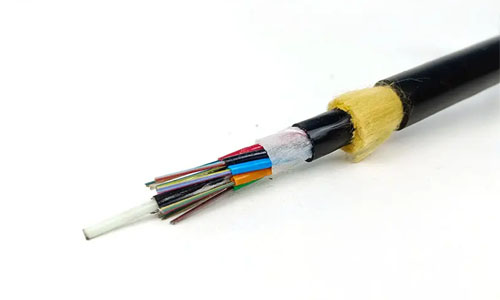 ADSS Fiber Optic Cable
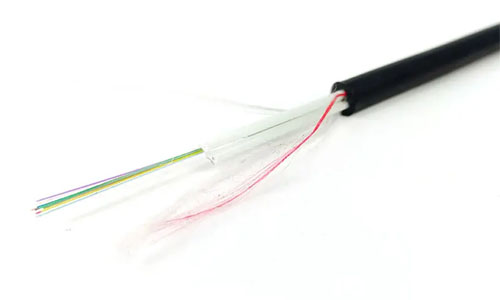 ASU Fiber Optic Cable
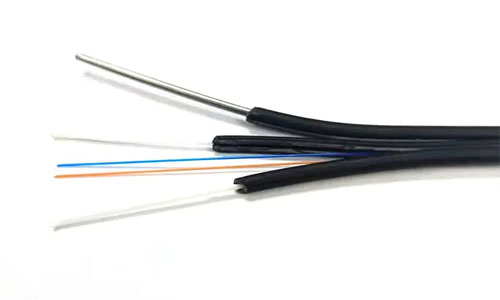 FTTH Fiber Optic Cable
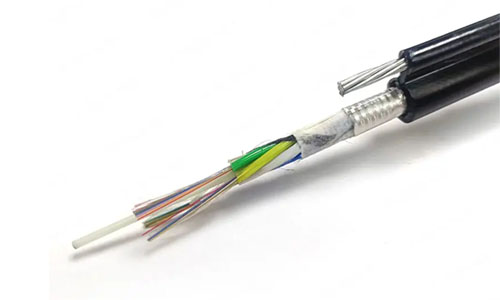 Figure 8 Fiber Optic Cable
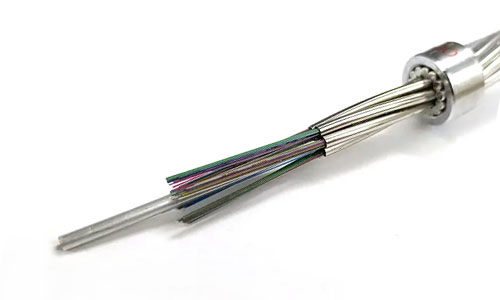 OPGW Fiber Optic Cable
 Coaxial Cable
 Ethernet Cable
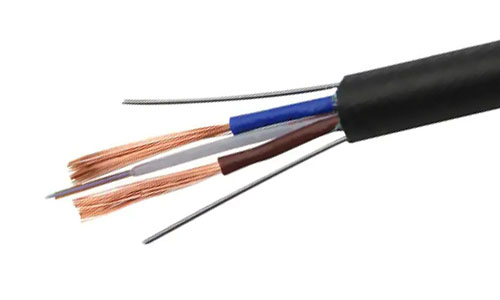 Photoelectric Composite Fiber Optic Cable
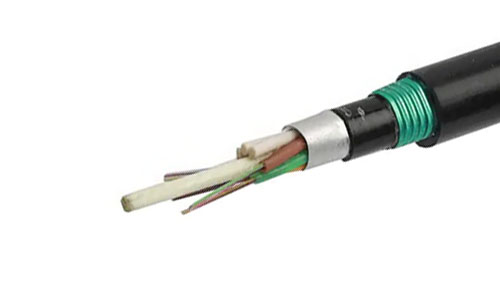 Underground & Pipeline Fiber Optic Cable
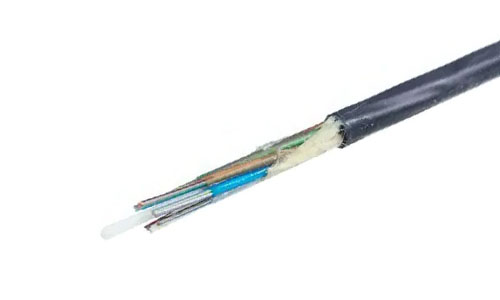 Air-Blown Micro Fiber Optic Cable
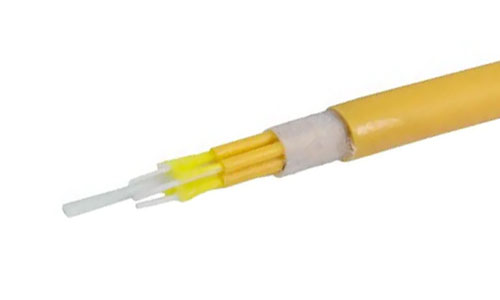 Indoor Fiber Optic Cable
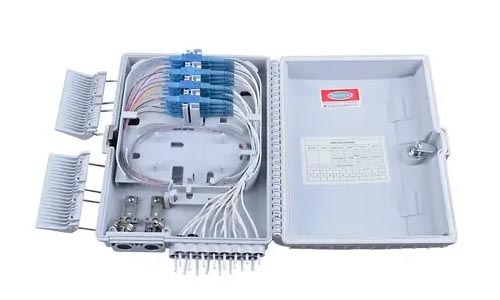 Fiber Optic Distribution Box
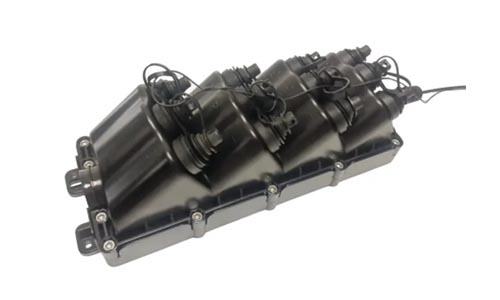 Multiport Service Termina Box
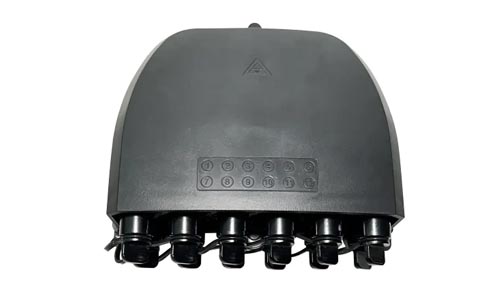 Fiber Optical Terminal Box
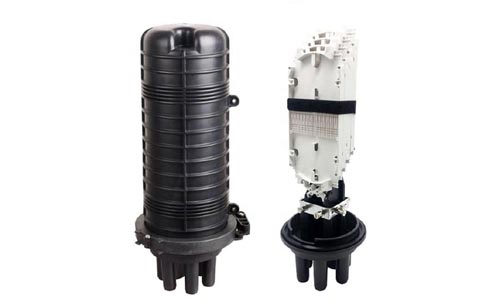 Fiber Optic Splice Closure
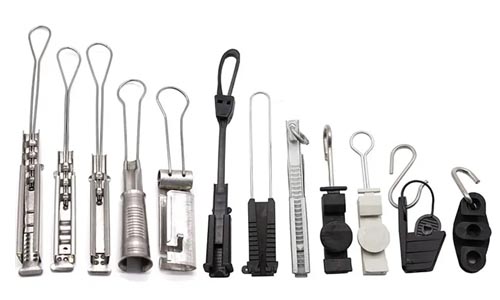 Fiber Optic Clamps
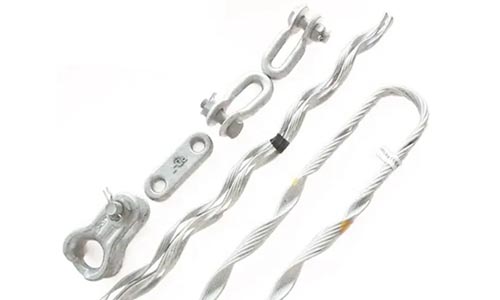 Fiber Optic Cable Fittings
 ADSS Fiber Cable
 ASU Fiber Cable
 OPGW Fiber Cable
 FTTH Fiber Cable
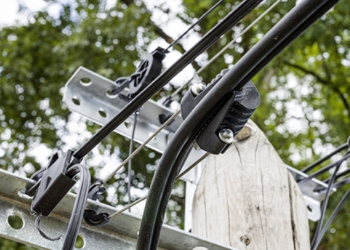 Figure 8 Fiber Cable
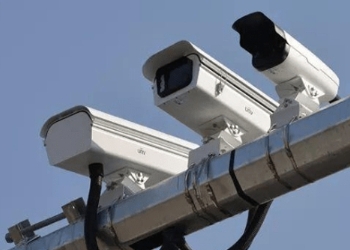 Photoelectric Composite Fiber Cable
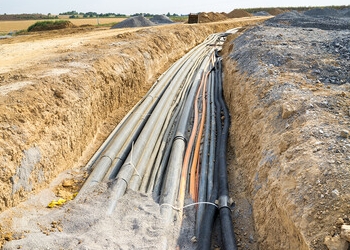 Underground & Pipeline Fiber Cable
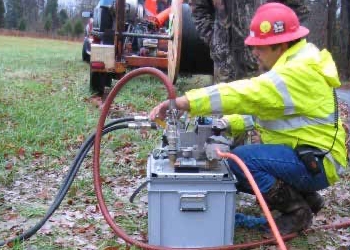 Air-Blown Micro Fiber Cable
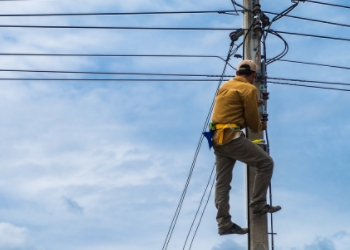 Aerial Fiber Cable
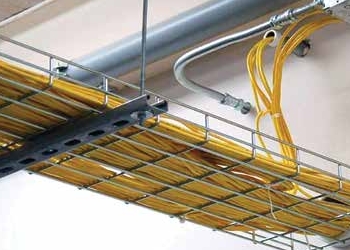 Indoor Fiber Cable
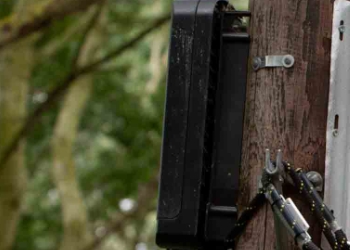 Fiber Optical Terminal Box
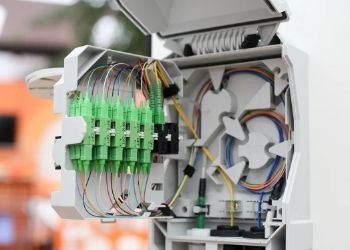 Fiber Optic Distribution Box
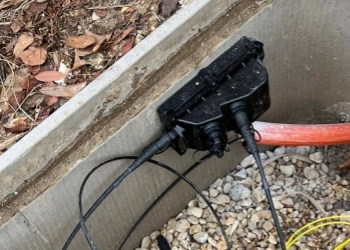 Multiport Service Termina Box
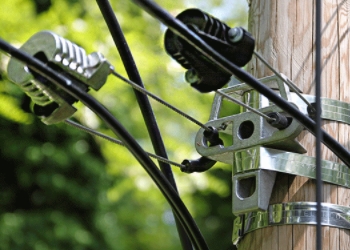 Fiber Optic Clamps
 About Us
 Our Team
 History
 R&D Strength
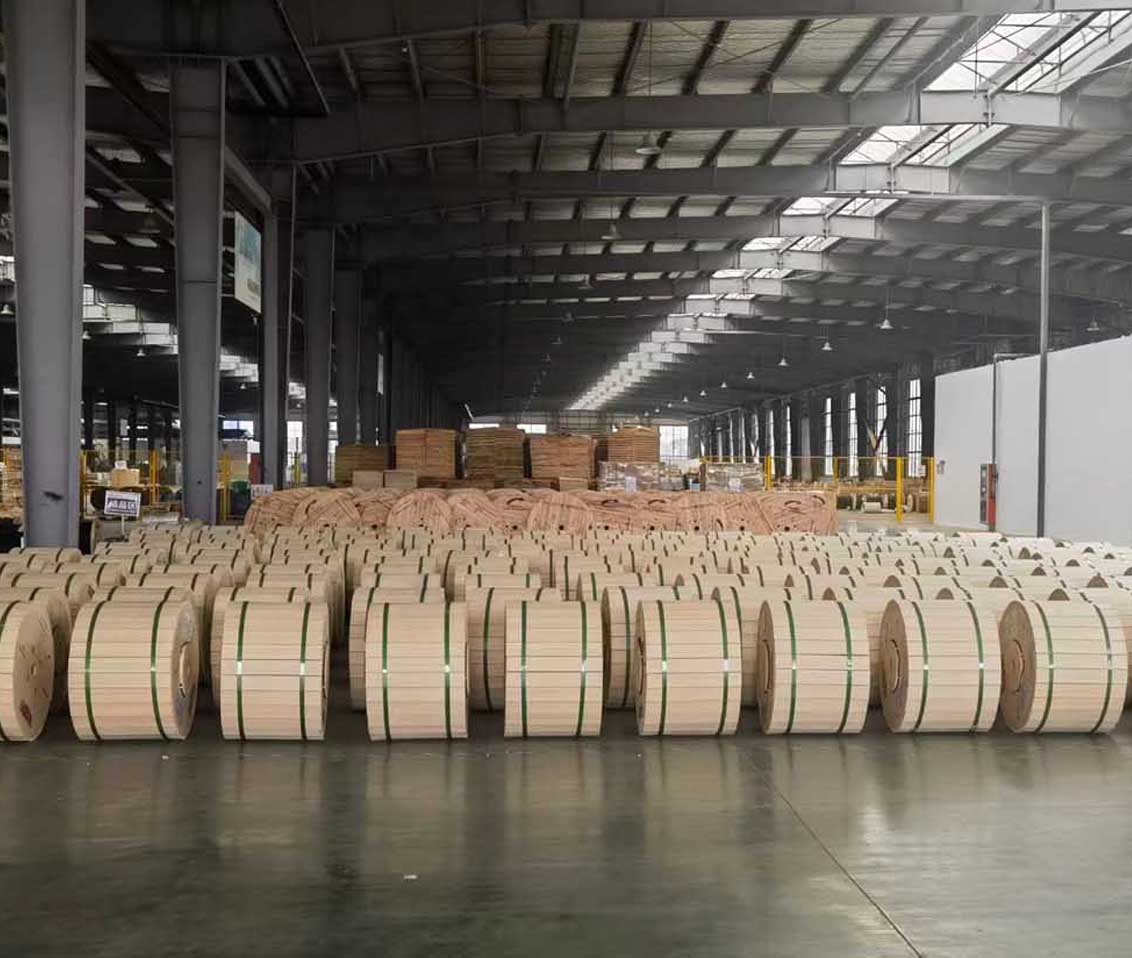
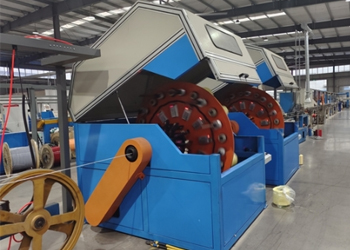 Production Base
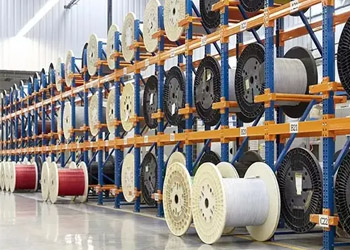 Warehouse & Logistics
 Quality
 FAQs
FAQsFiber Optic Cables vs. LAN Cables: What's the Difference?
Contact for Free Quotation & Sample, According to your needs, customize for you.
inquiry nowFiber Optic Cables vs. LAN Cables: What's the Difference?
Fiber optic cables transmit data as light, rather than electricity. They provide significantly higher speeds and greater distance than legacy copper Ethernet (LAN) cables, which use electrical pulses.
Installing ethernet cables as a whole is pretty easy! They’re far cheaper, too, making them a perfect fit for the average residential home network or small business throughout the US.
When it comes to connecting communities through high-speed internet and facilitating massive data transfers—that’s where fiber optic cables shine. They provide the interference-free connections that are ideally suited for offices, data centers, and future-ready homes.
While fiber optics are more expensive and trickier to install, their durability and performance can justify the investment if you need top-tier network capability.
Proper installation is very important with either type of cable. DIY is great for Ethernet, but in most cases fiber requires a professional touch—particularly for more complicated or longer distance runs!
Consider your immediate requirements, long-term goals, and available budget before making a cable selection. Putting this all together, investing in quality today will save you time and hassle in the future.
The main difference between fiber optic cable and LAN cable is in how they send data and what they’re made from. Fiber optic cables use very thin glass strands to transmit signals via light. This technology allows them to transmit much greater amounts of data over much longer distances without degradation in speed.
LAN cables, such as the familiar Ethernet cable, contain copper wires and transmit data via electric signals. In residences and small businesses throughout the U.S., LAN cables work well for short distances and are less expensive.
Conversely, fiber optic cables tend to be used in larger networks and areas where higher speeds are a necessity, like data centers. Coming up, we’ll explain how each cable type operates. We’ll share the key factors that you should look for when selecting one for your network.

What Are These Network Cables?
Network cables are the backbone of wired communication. They shuttle information back and forth between computers, servers, and devices. These cables have various types, each type designed for a task.
The two primary types you’ll encounter in the US are Ethernet (LAN) cables and fiber optic cables. Choosing the right type determines how quickly, at what distance, and how reliably your network operates. Some of these cables utilize the electrical signals running along copper wire, and others utilize the use of glass to transmit data as light. Each option caters to a specific requirement, from a home office to a large enterprise data center.
Ethernet (LAN) Cables Explained
Ethernet cables, sometimes referred to as LAN cables, are ubiquitous in home and small business environments. The majority utilize copper wires twisted together in pairs to reduce external noises such as electromagnetic interference.
The ends are terminated with RJ45 connectors, those big, fat plugs you’ve seen snap into your router or network switch. There are many different categories, such as Cat5e, Cat6, Cat6a, and now even Cat8. Each subsequent standard jumps significantly higher in speed and reduces signal loss.
For instance, Cat5e maxes out at 1 Gbps, Cat6 at 10 Gbps, Cat7 at 10 Gbps, and Cat8 can reach 40 Gbps over shorter distances. These cables typically perform well at lengths up to 328 feet.
Fiber Optic Cables Explained
Fiber optic cables are a game changer, transmitting data on beams of light rather than electrical signals. On the inside, there’s a glass or plastic core surrounded by cladding.
This approach prevents the light from escaping and ensures it continues traveling at a high speed. We have single-mode fibers for long-haul links and multimode for shorter, high-speed in-building runs. Fiber truly excels in situations where speed and distance are essential, such as between buildings or data centers.
How They Transmit Data Differently
Ethernet cables transmit data using electrical signals down copper. Fiber transmits data using pulses of light. Copper is straightforward, inexpensive and best for shorter hops.
Copper is more prone to electromagnetic interference (EMI). Fiber bypasses all these problems and manages speeds and distances orders of magnitude greater. How each cable transmits information determines how fast, how dependably, and how affordably a network can operate.

Fiber vs. Ethernet: Key Distinctions
Here’s how to determine the key distinctions between fiber optic and Ethernet cables. Think about how they work behind the scenes, their velocity, the distance range they can cover, and their stability in everyday environments.
Here’s a quick look at the basics:
| Feature | Fiber Optic Cable | Ethernet Cable |
|---|---|---|
| Medium | Glass or plastic fibers | Copper twisted pairs |
| Signal Type | Light pulses | Electrical signals |
| Max Speed | Up to 100 Gbps (some terabit links) | Up to 10 Gbps |
| Max Distance | Miles (single-mode: over 25 miles) | 328 feet (100 meters) |
| Interference | Immune to EMI | Susceptible to EMI |
| Cost | Higher upfront, lower maintenance | Lower upfront, higher loss |
| Durability | Fragile, needs careful handling | More robust, flexible |
1. Inner Workings: Light Beams vs. Copper Wires
Lasers beam these signals, and photodetectors on the receiving end pick them up. This helps to maintain the strength and quickness of the signal — think of it like a laser-focused stream of sunlight through a tube.
Ethernet cables utilize copper wires, transmitting electrical signals that degrade faster and are affected by interference from other electrical devices. That’s the reason fiber typically comes out on top for projects that require high speed and noise-free signals.
2. Speed & Capacity: Who Really Wins the Race?
Fiber optic cables are able to blast data at speeds of 100 Gbps or more. In fact, some configurations even extend into the terabit territory!
All versions of twisted-pair Ethernet max out at 10 Gbps. This larger highway allows fiber to support demanding activities—like streaming, large file uploads, or multiple users—without a degradation in performance.
3. Reach: How Far Can Your Data Travel?
Ethernet cables max out around 328 feet before the signal begins to degrade. Fiber runs for miles, with single-mode fiber able to transmit data over 25 miles.
Large campuses, municipal networks, and links between separate, far away buildings depend on fiber to stay in touch. This technology is what makes strong, seamless communication possible.
4. Signal Purity: Dodging Pesky Interference
Fiber’s glass core is immune to electromagnetic noise—cell phones, power lines, and other equipment can’t interfere with your data.
Ethernet copper wires are less resistant to static and dropouts. This is problematic because it makes it hard to achieve a pure signal in electrically noisy environments. High-demand locations and bustling technology markets tend to leave Ethernet in the dust for this reason.
5. Toughness: Which Cable Handles Real Life Better?
Not surprisingly, Ethernet cables are pretty rugged and built for wear and tear. They are especially convenient for short office runs and high foot traffic areas where cables may be walked on!
Fiber optic cables require a delicate approach—they’re more breakable, which is why installers are more careful with them. When it comes to outdoor runs or rugged environments, well-jacketed fiber still has the advantage.
Weighing The Pros And Cons
To distinguish between fiber optic and Ethernet cables, you first have to understand what each of those types does best. As you do, think critically about where they could be improved. Here’s a look at the pros and cons of each, along with some first-hand accounts from the field.
Fibre Cable Advantages Speed. Input: *Enables enormous capacity, supporting tens of millions of connections. It rides out long distances with almost no degradation at all! Now consider using it from one end of a large campus building to the other, or across an entire city. • Immune to electromagnetic interference, allowing nearby power lines or heavy machines not to disrupt your signal. Protecting against obsolescence for expanding systems and emerging technology. Input: *Reduced long-term operating costs.
Fiber optic cable downsides Negatives: *Greater initial cost, particularly on new installations. Needs trained hands for installation—delicate glass fibers snap if stretched or yanked too tightly. Repairs or replacements come with greater expense and inconvenience.
Ethernet Cable Pros & Cons Smart electric vehicle chargers are… *Cheaper to purchase and install, particularly for residences or small businesses. *Tough & movers friendly—no delicate flowers here that need to be cajoled into position during install. *Compatible with nearly all American devices immediately. *Easy to repair or expand runs.
Ethernet Cable Disadvantages *Low speed—maximum capacity of about 10 gigabits per second. Weaknesses: *Signal drops quickly over long runs; optimal for short/medium distances. *Vulnerable to interference from devices, such as microwaves or power cords. × Not good for large, fast networks.
Understanding these pros and cons allows you to choose the option that best meets your available space, your budget, and your long-term vision.
Fiber Optics: The Bright Side for Your Network
It is in environments where speed and distance are a priority that fiber optic cables truly thrive. For a visual effects company in the heart of downtown Marrakech, fiber even allows them to easily transfer massive files with huge detail from one floor to the next.
These cables shrug off interference and future upgrades are a breeze, making them a savvy long-term bet.
Fiber Optics: Potential Downsides to Consider
That said, fiber is not without its flaws. In practice, as that same Marrakech office discovered, installation costs were prohibitive, requiring skilled techs to handle the delicate lines.
In active co-working environments, desk spaces get a heavy turnover and interruption. The fragility of fiber means it needs extra attention and at times, extra money.
Ethernet: The Reliable Workhorse Advantages
Ethernet remains the standard for smaller installations. Even a corner café or small design studio can afford to wire up in short order. Cables are durable, simple to deploy, and replacing a failed wire is child’s play.
That’s the reason so many American homes and businesses continue to rely on Ethernet—it’s the tried-and-true workhorse.
Ethernet: Where It Might Fall Short
Ethernet fails to impress in situations where you need the fastest of the fast speeds or when you need to wire a large estate. It’s not that simple—over longer runs, the signal degrades, and interference starts coming in from sources like an adjacent fridge or fluorescent lighting.
Ethernet: Where It Doesn’t Deliver. On the ultra high-end requirements, Ethernet fails to deliver at times.
Budgeting: Cable Cost Realities
Cost considerations—Fiber optic cables vs LAN (twisted-pair) cables The costs are rife with layers. Both the materials and the setup are critically important. Here’s where the real story comes to light, when you look long run.
Here’s how to unpack what you’re really paying for—both at purchase and in the long run.
| Cable Type | Avg. Material Cost (per 100 ft) | Install Cost (per drop) | Maintenance Needs | Longevity |
|---|---|---|---|---|
| Fiber Optic | $50–$150 | $200–$500 | Higher, special tools | 20+ years |
| Twisted-Pair (Cat6/7) | $10–$30 | $75–$200 | Lower, simple tools | 10–15 years |
Initial Setup: What's the Price Tag?
Of all the technologies under consideration, fiber optic cables are unique in being the most expensive initial cost. Each 100-foot roll can cost $50–$150, excluding a fiber router, which drives costs up even further.
Installation isn’t a plug-and-play installation. In homes, and especially offices, hiring professionals is the norm, with potential costs up to $500 per connection if walls require cutting.
Ethernet cables—specifically, Cat6 or Cat7—are budget friendly. Our experience is that material costs never exceed $30 per 100 feet. Labor is easier, that’s all! Runs in homes and small offices cost $75–$200 per line, depending on how stubborn the walls are.
Long-Run Expenses: Beyond the Purchase
Fiber’s installation requires specialized gear (such as $100 Fluke cleaners) and more delicate maintenance. The positive side of this is reduced replacement frequency and excellent future-proofing for whatever high-speed, long-distance capacity we need.
LAN cables, particularly Cat6/7, resist bumps and drops with more resilience, making them cheaper to maintain. Yet, you may need to rewire after a decade or so as tech evolves.
My View: True Value Beats a Low Price
The upfront cost savings will be important, but with the right cable you’ll have more speed and less hassle in the years to come. Investing in what best matches your requirements—distance, speed, future expansion—saves money and hassle in the long run.
Installation: Getting Connected
Getting connected involves more than just selecting a cable. The way you install it has an enormous impact on its efficacy – both its speed and stability. Defining a detailed installation blueprint ensures that your network always operates at peak performance.
Whether you’re binge watching in the den or operating a microenterprise in Morocco, it keeps you connected! Choosing between Ethernet and fiber isn’t just a matter of price or speed. Of course, it’s not just logistics – it’s about what you are willing (and able) to manage at home.
Ethernet: Is It Really Plug-and-Play?
Ethernet setup is intimidating for many people. Well, all you have to do is plug them in. Today, almost all laptops, TVs, and game consoles in Morocco just work out of the box with these cables.
If an issue arises—say, the internet goes out—simply look at the connections or replace the cable. The fixes are mostly straightforward.
Steps for installing Ethernet cables:
-
Measure the distance between your devices.
-
Purchase appropriate length of Cat6 (or Cat5e) cable.
-
Lay out the cable along walls or under rugs.
-
It’s really as easy as plugging one end into the router and the other end into your device.
-
Test the connection.
Fiber: A More Delicate Installation Task
Fiber optic cable requires additional precautions. In order to prevent bends, kinks, or breaks you need special tools and a very steady hand. Even a slight bend can destroy signal quality.
Long runs across multiple homes or offices usually require expert assistance.
Steps for installing fiber optic cables:
-
Plan the entire route to avoid tight bends.
-
Use cable guides and supports.
-
Terminate ends with the right connectors using proper tools.
-
Test for light loss.
-
Keep the cable tethered and routed away from energized conductors or other cutting edges.
DIY or Call a Pro? My Honest Advice
This is an excellent DIY project. Fiber is a lot trickier—one mistake and you’re dealing with weak signals or an expensive repair.
When in doubt, calling a pro avoids future headaches. The correct installation will keep you miles away from lagging, data breaches, and throwing money down the drain.
Choosing Your Ideal Cable
Selecting the ideal cable for your network in the US takes some thought. Don’t simply price shop or buy whatever is discounted. Both fiber optic and Ethernet cables offer a unique mixture of velocity, distance, and value.
Your personal needs and circumstances will determine what’s best. Daily use pressures in an average Texas house are quite different from those in a high-tech incubator in Silicon Valley. So, make sure you’re choosing based on what you actually need.
| Scenario | Best Cable Type | Why It Works |
|---|---|---|
| Standard US Home | Cat5e Ethernet | Affordable, easy to set up, handles 1 Gbps |
| Large Homes/Estates | Fiber Optic | Keeps speeds high over long distances |
| Small Office | Cat6 Ethernet | Balances performance with budget |
| Large Business | Fiber Optic | Supports lots of users, future growth, security |
| High EMI Environments | Fiber Optic | Immune to electrical interference |
Best Cable for Your Typical US Home
For the typical US home, either Cat5e or Cat6 Ethernet cables will suffice. They’re the least expensive of the options and capable of super-fast speeds—plenty for streaming, gaming, or Zooming.
If you have a large home, fiber optic cables help ensure your signals stay clear—even down longer corridors.
Powering American Businesses: Which to Pick?
American businesses require more brawn. Fiber optic cables are a no-brainer for big office buildings or environments where huge data streams are whizzing about.
They remain speedy and dependable over long distances, essential for expansion and staying agile in a technology-first economy. Other industries, such as finance or healthcare, need fiber for its speed and security.
Future-Proofing Your Network Investment
Fiber optics wins out whenever you’re looking to future-proof your network investment against the next technological advancement. They’re designed to handle terabit speeds and high bandwidth from the start so you don’t find yourself having to constantly rip out cables as your needs expand.
Scalable configurations lead to cost savings in the long run.
My Quick Tip for Smart Selection
Consider your online usage, square footage of your home or office, the likelihood of interference, and how much you want to spend. Look for durability and future needs, not just short-term costs.
Conclusion
Choosing between fiber optic and LAN cable seems like choosing between fast and hassle-free. Fiber runs faster, farther, and is more expensive. Conclusion LAN cable makes things a little bit simpler, is more than adequate for home or small business environments, and is less expensive. Consider your location—large high rise floor plan in the city or home office on the fringe? Whatever the policy, each locality has its own unique needs. In the US, people tend to use LAN over short distances. That’s why they pick fiber for the heavy lifts or long hauls. Don’t make it more complicated than that. Aim for what works best for your lifestyle, your wallet, and your long term network goals. Have a horror story about bad cable or a nuts install. Post it in the comments—let’s trade some practical success stories.
Frequently Asked Questions
What is the main difference between fiber optic cable and LAN cable?
This is in contrast to LAN cables (Ethernet), which use electrical signals to transmit data. While fiber provides faster speeds and longer distance, Ethernet is more familiar and less expensive.
Which cable is better for high-speed internet in Marrakech?
Which cable is more suitable for high-speed internet in Marrakech. They provide higher speeds and greater capacity for data transmission which is ideal for residential, commercial, and expanding business use.
Are fiber optic cables more expensive than LAN cables?
Are fiber optic cables more expensive than LAN cables? While they may be more expensive, the speed and reliability you gain with fiber optic cables often justify the cost for most individuals and businesses.
Can I install fiber optic cables by myself?
Compared to LAN cables, fiber optic cables require special tools and training to install. It’s ideal to bring a pro in for fiber, but Ethernet cables lend themselves to easy at-home DIY projects.
Is LAN cable enough for home internet?
For normal internet, streaming, and gaming, a LAN cable (Ethernet) is typically sufficient. If you require fast speeds or have an extensive multi-story home, fiber would be more ideal.
What type of cable is used most in Morocco?
As of now, Ethernet cables (Cat5e or Cat6 predominantly) are the norm in Moroccan homes and offices. Fiber is becoming the default choice for new, high-speed last mile connections.
Does weather in Marrakech affect fiber or LAN cables?
Fiber optic cables are less susceptible to heat and humidity, making them an ideal fit for Marrakech’s climate. Unshielded LAN cables can be sensitive to extreme conditions if they are not protected in the first place.