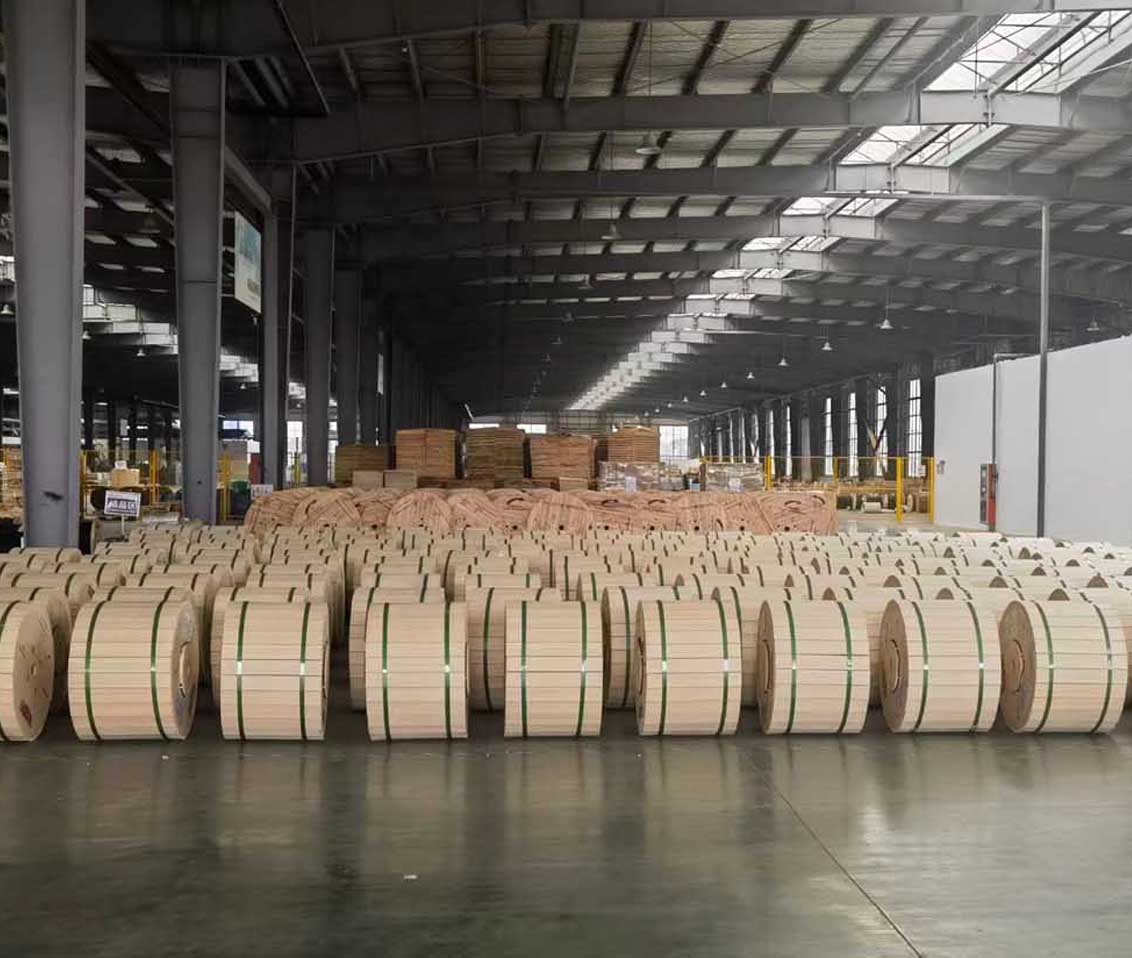
 Optical Fiber
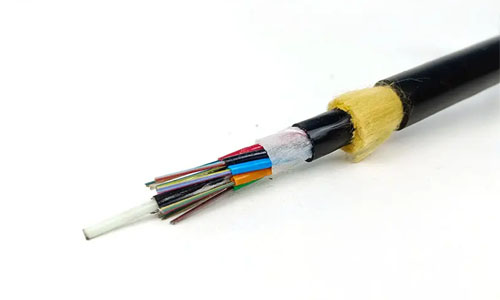 ADSS Fiber Optic Cable
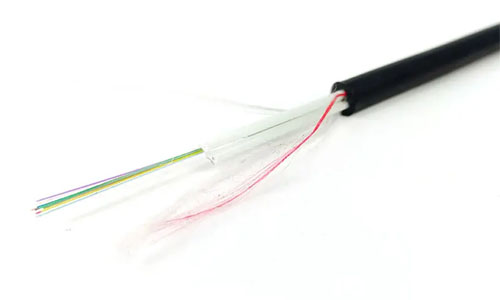 ASU Fiber Optic Cable
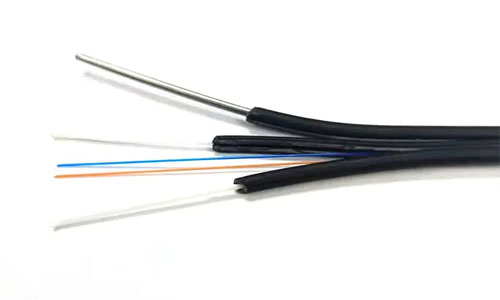 FTTH Fiber Optic Cable
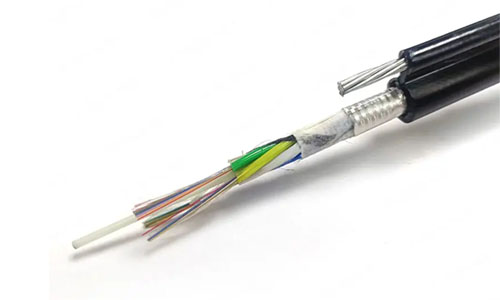 Figure 8 Fiber Optic Cable
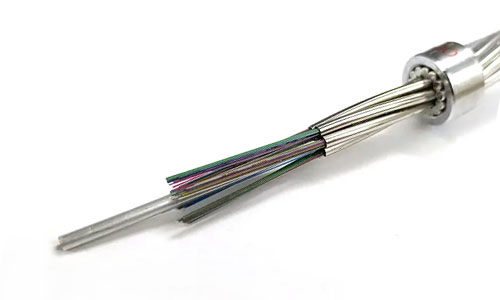 OPGW Fiber Optic Cable
 Coaxial Cable
 Ethernet Cable
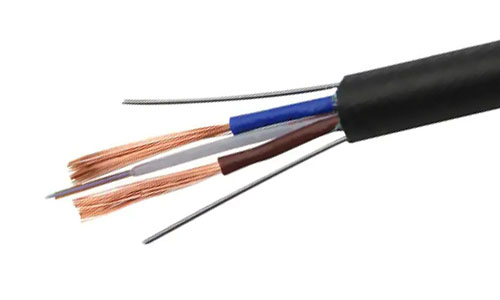 Photoelectric Composite Fiber Optic Cable
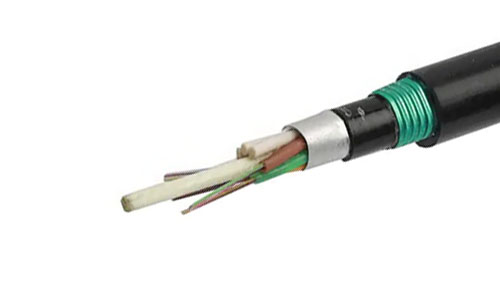 Underground & Pipeline Fiber Optic Cable
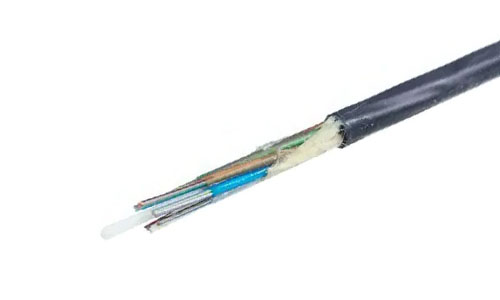 Air-Blown Micro Fiber Optic Cable
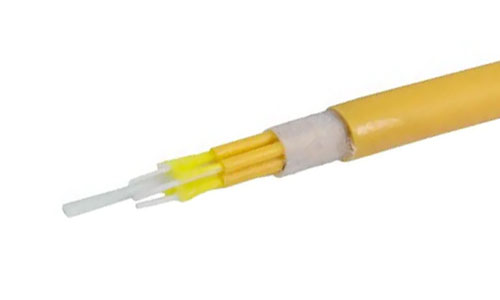 Indoor Fiber Optic Cable
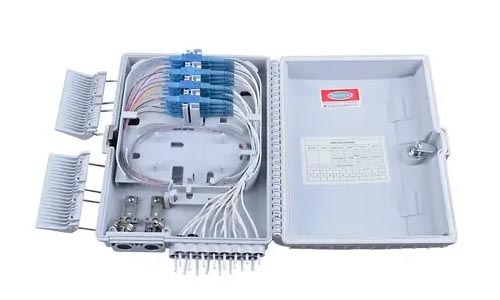 Fiber Optic Distribution Box
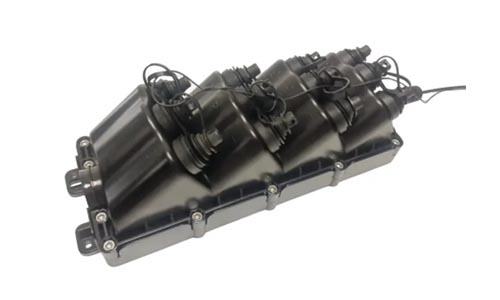 Multiport Service Termina Box
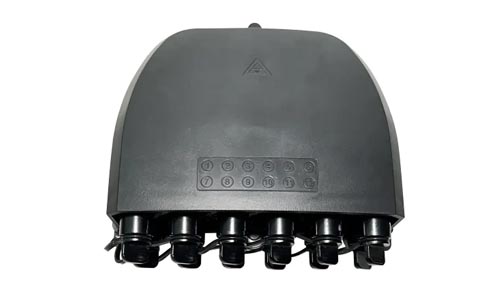 Fiber Optical Terminal Box
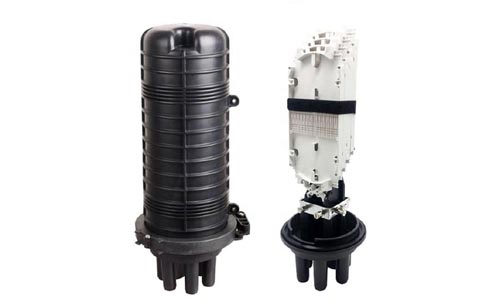 Fiber Optic Splice Closure
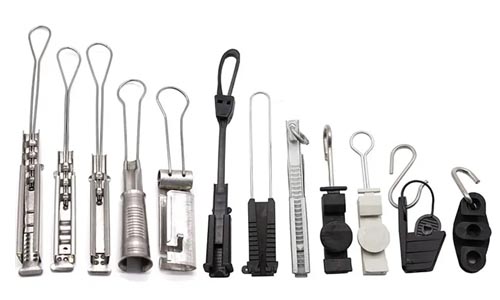 Fiber Optic Clamps
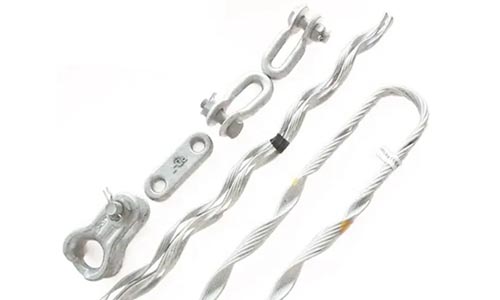 Fiber Optic Cable Fittings
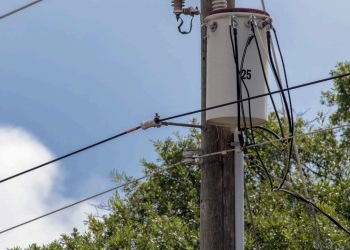 ADSS Fiber Cable
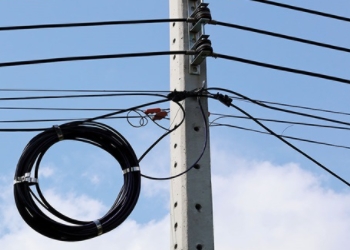 ASU Fiber Cable
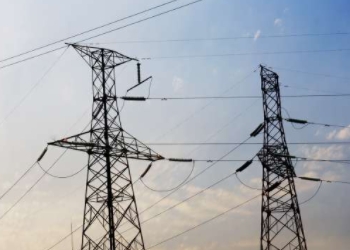 OPGW Fiber Cable
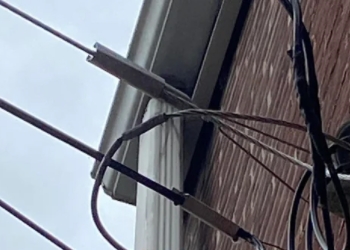 FTTH Fiber Cable
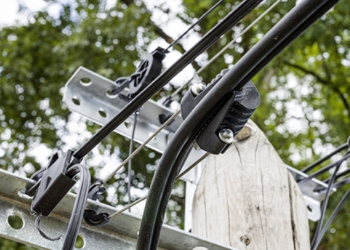 Figure 8 Fiber Cable
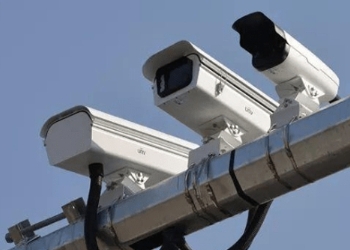 Photoelectric Composite Fiber Cable
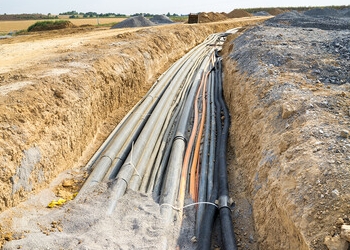 Underground & Pipeline Fiber Cable
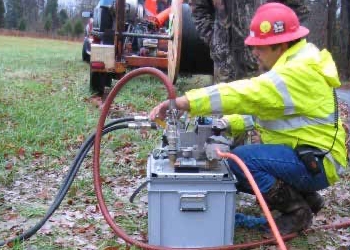 Air-Blown Micro Fiber Cable
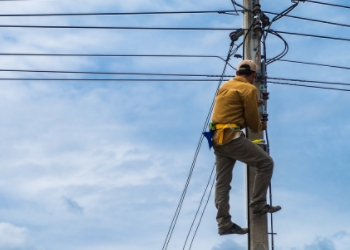 Aerial Fiber Cable
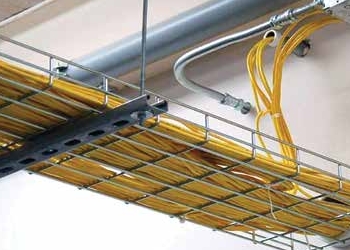 Indoor Fiber Cable
 Fiber Optical Terminal Box
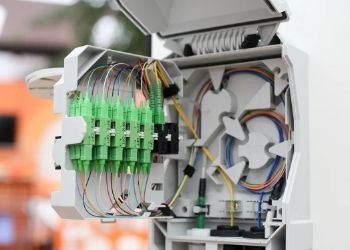 Fiber Optic Distribution Box
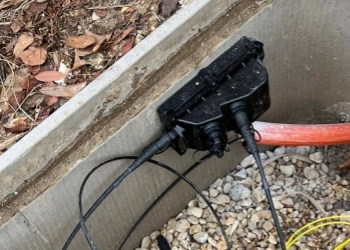 Multiport Service Termina Box
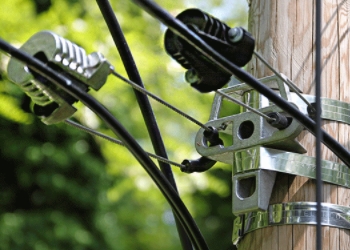 Fiber Optic Clamps
 About Us
 Our Team
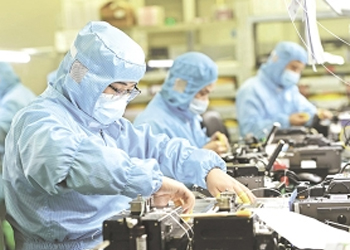 History
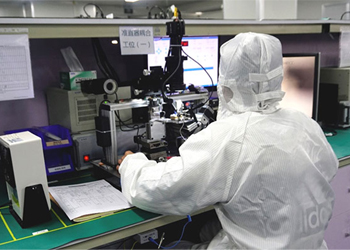 R&D Strength
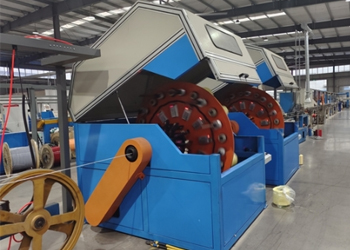 Production Base
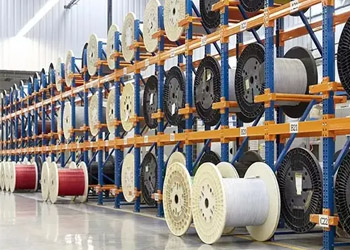 Warehouse & Logistics
 Quality
 FAQs
FAQsFiber Optic Cables Explained: Types, Connectors, and Applications
Fiber optic cables transmit data using pulses of light across thin glass or plastic fibers, representing one of the speediest methods to transport information currently in existence. These cables are integral to the world’s internet, phone, and TV networks, carrying massive volumes of data across vast distances with minimal degradation. Each of these cables is composed of a core, cladding, and protective coating which together help keep the signals potent and clear. Many businesses, schools, and hospitals rely on them for consistent and rapid connectivity. That’s why they opt for fiber optic cables: speed, safety, and durability in harsh weather. Below you’ll discover easy-to-digest facts and advice to better grasp how these cables influence the manner in which we communicate data.

How Fiber Optic Cables Work
They transmit data as light pulses along ultra-thin fiber optic cables or plastic fibers. Each fiber is roughly the diameter of a human hair. These fiber cable types transport information across vast stretches, frequently exceeding 100 kilometers, with minimal attenuation. They don’t use electricity to transmit signals, so they sidestep electromagnetic interference. The cable is multi-layered, with each layer playing a role to keep the light going and the signal strong.
1. The Core
The core is the tiny middle part of the fiber optic cable where light courses. It functions as a conduit, maintaining the light within as it travels through various fiber types. The cores in single mode fibers are very thin, approximately 8 to 10 micrometers across, while multimode fiber optic cables have broader cores, around 50 to 62.5 micrometers. Single-mode cores are ideal for long journeys, whereas multimode cores are suitable for shorter connections.
The core’s composition, typically ultra-pure glass or occasionally plastic, is selected for its capacity to transmit light over a distance with minimal attenuation. Glass is most common in fiber optic cabling because it maintains the light’s strength over long distances. Plastic cores are less expensive but attenuate more, so they are used on shorter runs.
Light travels through the core because it bends inward, a magic enabled by the core’s higher refractive index. This means it can transmit data quickly and transparently across continents, especially in fiber optic networks.
2. The Cladding
Cladding surrounds the core. It prevents the light from leaking out by reflecting it internally, utilizing a refractive index that is lower than that of the core. This allows the cable to transmit information with minimal loss and keeps the signal pure.
Cladding is almost always glass. Sometimes special needs dictate plastic. Its diameter, typically around 125 micrometers, adheres to international standards so cables are interoperable worldwide. With strong cladding, the fiber can bend without breaking.
3. The Coating
A transparent layer surrounds the cladding and core. This layer is soft, kind of like a pillow, and protects the fiber from impacts in bends and from moisture.
Coatings are typically acrylate or silicone. They help the cable endure anywhere—wet, dry, or even undersea. Coatings keep water and chemicals out, so fibers keep working for years.
4. The Jacket
The jacket is the rugged covering you see on the cable. It shields the interior from the sun, heat, and installation damage.
Jackets can be PVC, polyethylene, or other plastics. Some are UV resistant for outdoor use, while others are bend-focused for indoor use. The gauge can affect the cable’s flexibility and tensile strength. Colored jackets assist humans in determining what kind of fiber is inside or what role each cable plays.
5. Light's Journey
Light enters at one end and bounces down the fiber, trapped inside by total internal reflection. That maintains vigor for long distances and allows even undersea cables to transmit data between nations.
If the cable is bent too much, light can leak out and signal loss occurs, which is called attenuation. Clean, soft channels assist the furtherance of light. Maintaining the fibers clean, unbent, and unbroken is essential for optimal signal.
Types of Fiber Optic Cables
There are so many types of fiber optic cables that their shapes have been dictated by function. Loose-tube and ribbon-type are the two main build styles. Ribbon-type accommodates a higher number of optical fibers, which is ideal for environments requiring significant data transmission such as data centers. Loose-tube cables safeguard the fibers by allowing them to shift within semi-rigid tubes, making them suitable for rough weather. Most cables fall into two main categories: singlemode and multimode fiber optic cables. Choosing the right fiber cable type is crucial for both speed and the distance your data travels.
Singlemode
Singlemode fiber is designed for long-distance connections. It utilizes a narrow glass core that is just 8 to 10 micrometers wide and maintains the light’s linear progress. This slender core allows signals to propagate over kilometers with minimal loss at a speed needed for worldwide networks.
Telecom companies and cloud data centers rely on singlemode cables to link cities or big buildings. Singlemode OS1 and OS2 are used. OS2 is the choice for outdoor runs or anywhere requiring maximum speed in extended runs.
Multimode
Multimode fiber is best for short links and lower speed requirements. Its core, larger than singlemode at 50 or 62.5 micrometers, causes the light to reflect around and restricts the distance it can travel before the signal becomes fuzzy. Multimode shines at local networks, school campuses, or mid-sized data centers.
There are many types: OM1, OM2, OM3, OM4, and OM5. OM1 operates up to 100 feet at 10 Gbps and OM4 can reach 400 meters. OM3, OM4, and OM5 are for newer, faster LANs. Every step up provides either more speed or allows you to extend the cable farther before signal degradation.
Simplex
Simplex fiber optic cables contain a single fiber strand. They transmit signals in just a single direction. They are good for sensors, some industrial links, or alarms.
-
Advantages of simplex and duplex cables: * Simplex: Easy to set up and cheap for one-way traffic.
-
Duplex: Supports two-way talk and is better for networks.
-
Simplex cables can’t transmit simultaneous data streams. That renders them less applicable to the majority of networking tasks.
Duplex
Duplex cables contain two fibers. They transmit data simultaneously in either direction. Most network work requires duplex cables, such as in offices or data centers.
You’ll encounter LC or SC connectors on duplex cables. They fit different equipment. These cables are essential for today’s fiber networks, where bandwidth and bidirectional communication are important.
High fiber count cables, such as 864, assist big sites in transferring massive amounts of data quickly. A few cables use plastic fiber for brief hops, but they drop signal far faster than glass varieties.
Connecting the Light
Fiber optic cables, which include various fiber types, transmit data as light along slender, malleable strands of glass or plastic. At the center of these optical fiber cables is a core, typically constructed of purified silicon dioxide with a little extra added to guide the light where to travel. These cables use total internal reflection, allowing the light to echo down the core and maintain its intensity for long journeys. Good fiber optic connectors make it possible for these light signals to link up and remain powerful, rendering them central to any network’s throughput.
Connector Anatomy
At the heart of every fiber optic connector is the ferrule—a small, usually ceramic, tube that holds the fiber and aligns it precisely. The case shields the ferrule and allows you to click connectors into and out of sockets. Even a tiny slip in the alignment of how the fibers face each other within the connector can interfere with the signal, causing loss or error.
Precision counts. If the connector isn’t precisely manufactured, light can leak out or bounce around, resulting in slow or dropped connections. Most ferrules are ceramic as they provide a smooth surface for the fiber and won’t change shape with heat. Some employ metal or plastic housings for price or versatility.
Common Types
-
LC Connector: Small size, clicks in easily. Excellent for congested racks or patch panels.
-
SC Connector: Square shape, simple push-pull action. Typical of home and office networks.
-
ST Connector: Twist-lock design. Common in legacy networks or industrial environments.
-
MPO Connector: Holds many fibers at once. In other words, it is used in big data centers.
Each connector, such as optical fiber connectors, mates with specific cable types like singlemode or multimode fiber optic cables, ensuring your fiber optic networks remain solid and fast.
High-Density Options
High-density connectors are designed to cram more connections into smaller areas. In giant data centers, room and rapidity both count. MPO connectors allow you to connect multiple fibers simultaneously, conserving space and reducing clutter.
These are useful if you need to shuttle data loads between racks or buildings. High-density solutions are ideal for spaces that need to expand quickly without sacrificing speed or tidiness.
Measuring Cable Performance
Measuring cable performance is about more than just speed; it involves testing signal loss, signal strength, and durability of the cable in various locations. Fiber optic cables retain far more signal over distance than traditional copper cables, with only 3% lost over 100 meters. In contrast, copper cables can drop as much as 94% over the same distance. With fiber optic cabling, the goal is clear: keep connections fast, safe, and steady, no matter where the cables run.
OM vs. OS
Fiber cables are divided into OM (multimode) and OS (singlemode). OM cables, or multimode, utilize a larger core and allow multiple light rays to propagate simultaneously. This configuration works fine for short runs and is frequently used in office buildings or data centers. OS cables, or singlemode, have a significantly smaller core. They transmit only one thread of light, which reduces signal loss and makes them preferred for long-haul links, like city to city.
Its performance is type dependent. Multimode (OM) is for best close up, and singlemode (OS) is for long runs. International standards, such as ISO/IEC 11801 and ITU-T G.652, specify both.
| Type | Core Size | Distance Range | Typical Use | Loss (dB/km) |
|---|---|---|---|---|
| OM (MM) | 50–62.5 μm | Up to 2 km | LAN, campus networks | |
| 2.5–3.5 |
| OS (SM) | 8–10 μm | 40+ km | Telecom, backbone | 0.19
Signal Loss
Signal loss, or attenuation, is when the signal diminishes over the length of the cable. Bends, bad splices and cheap connectors make this worse. Even tiny bends outside the minimum bend radius can induce huge losses. For a multimode cable with a 3.0 mm jacket, avoid bending tighter than 30 mm.
-
Employ an optical power meter to gauge the signal strength on both ends.
-
Go for an optical time-domain reflectometer (OTDR) to locate faults and measure reflections.
-
Do insertion loss testing with a reference and a substitution cord. This tests how much signal the connectors lose and it should be less than 0.4 dB on singlemode.
-
Test frequently to detect faults early and maintain low downtime!
Good quality singlemode cables lose only 0.19 dB per kilometer at 1550 nm. Plastic optical fibers lose as much as 1 dB per meter at 650 nm. Quality and type matter.
Jacket Ratings
Jacket ratings tell whether a cable is fireproof, heat resistant, or suited for extreme environments. Standards such as OFNR (Optical Fiber Nonconductive Riser) and OFNP (Plenum) tell you where cables can go. OFNP is safe for air ducts, and OFNR works for risers between floors.
The jackets are not just wrapped in pretty paper. It’s a safety risk and can violate local codes. A low-rated cable could melt or allow poisonous smoke to permeate, particularly in dense areas. Always match the jacket to building and country codes. It helps keep people safe and ensures the fiber endures longer, even under duress.
The Unseen Impact
Fiber optic cables, a crucial component of fiber optic networks, serve as the silent foundation of digital existence, configuring global living, labor, and communication. Their consequences extend far beyond blazing broadband, impacting the world economy and ecological advancement.
Environmental Edge
Fiber optic cables consume less power than copper for data transfer. They transmit rays with light pulses, not electricity, resulting in less carbon over time. Fiber’s slender dimensions result in less raw material used during manufacturing, and its deployment disrupts less terrain and ocean floor than legacy cables.
Most fiber components are silica, a variety of glass, which is recyclable. This contributes to the general sustainability of the network. When those old cables are finally replaced, the glass fibers and some plastics can be reclaimed and reused, so the waste is minimal. Fiber optics bolster green projects, too, by helping to make smart grids and renewable energy more reliable. Their high-bandwidth, low-latency connections assist cities in monitoring and reducing energy consumption, driving neighborhoods toward carbon targets.
Economic Shifts
Fiber optic technology transformed the way business is conducted because fast cables enable real-time global trade, finance, and cloud computing, and an outage can cost billions a day in lost work and business.
Investing in fiber networks drives jobs, not just for engineers but for installers and support teams locally. Every new line translates into additional responsibilities, from scheduling to upkeep. The cost to lay a transoceanic cable runs from $250 million to $400 million, but the payoff is huge. International bandwidth demand grew by 45% yearly from 2017 to 2021. The network drives innovation, enabling tiny startups and rural communities to participate in the digital economy effortlessly.
Installation Quality
Even the best cable is useless if it’s not installed properly. Typical culprits are kinks, breaks, or bad splices. These problems result in signal loss or downtime. Undersea cables, as an example, require months to install and weeks to repair if they’re severed.
A checklist for quality includes: careful route planning, keeping fibers straight and clean, testing connections, and sealing joints against water. Installers have to learn how to identify small imperfections and employ the appropriate tools for each job.
Best practices are clear: never rush, keep workspace clean, double-check every splice, and always test before leaving a site. That attention keeps data streaming and damage uncommon, even as cables span thousands of kilometers under the sea.
The Future of Transmission
Fiber optic cables are framing how the world transmits information, especially with the rise of fiber internet. With data rates doubling roughly every five years, the demand for rapid, reliable connectivity continues to increase. The low signal loss and long-distance support of optical fiber cables make them the preferred option for future networks, including the transition to 5G, 5.5G, and 6G. Cutting-edge research is making fiber optics more versatile and is setting us up for innovations that extend well beyond our current vision.
Material Science
New glass blends and advanced polymers are rewriting the boundaries of fiber optic cables. These fabrics increase both velocity and durability, aiding cords in resisting brutal elements and everyday friction. Nanotechnology is beginning to enter the picture, allowing researchers to fabricate more durable, thinner strands with improved transmission fidelity. For instance, embedding nanostructures inside the glass can reduce light scattering, resulting in reduced signal loss. Scientists globally are experimenting with innovative coatings that block moisture and resist bend damage, all to extend fiber cable life without sacrificing quality. Recent lab work has even demonstrated that fibers with rare-earth elements can transmit more information without increasing error rates.
Emerging Applications
In smart cities, fiber optic networks assist in connecting public transport, traffic, and energy grids, keeping the information moving seamlessly and rapidly. For the Internet of Things, fiber optic cabling provides a robust backbone that powers countless connected devices. In medicine, fiber optics appear in miniature cameras for minimally invasive surgery and in rapid connections for digital imaging. Augmented and virtual reality tools rely on fiber to reduce lag and increase realism. Telecom is evolving as well. Fiber is now the baseline for speed and cloud access, and it’s positioned to accommodate the road ahead as more people get online to work and stream.
Network Security
Protecting fiber optic networks is now primary as more data traverses these fiber optic cables. Because fiber transmits such large volumes of data, any one break could be catastrophic. Encryption is important, which complicates outsider decoding of what’s sent over the lines. Additional security measures, such as sensing light patterns for interference, provide extra reassurance. Modal dispersion in multimode fibers still opens up holes for hackers, while new threats emerge as transmission speeds increase. Providers are experimenting with more stringent procedures and deploying single-mode fiber for sensitive, long-haul traffic to reduce threats.
Conclusion
Fiber optic cables carry light fast and pure. They connect homes and families, operate massive networks and fuel much of the world’s online existence in both big cities and far towns. That single hair-thin strand can transmit movies, calls, and files simultaneously. Fiber optic cable — clear fiber can eliminate lag and lost data. Upgrades are released all the time, so the next step goes even faster. Tiny boutiques to giant corporations rely on them to scale and keep smart. So when you’re next online, consider that slender glass wire laboring on your behalf. Want to find out more or check out how fiber can assist your location? Consult local options or inquire among your tech-savvy friends.
Frequently Asked Questions
What is a fiber optic cable?
A fiber optic cable is a slender thread of glass or plastic that carries information in the form of light. It provides fast, high-capacity communication over long distances.
How do fiber optic cables transmit data?
Fiber optic cables, utilizing optical fibers, carry information via light, with light signals traveling through the core and bouncing off the walls, ensuring data zips at warp speed.
What are the main types of fiber optic cables?
The two primary types of optical fiber cables are single-mode and multimode fiber optic cables. Single-mode is designed for longer distances, while multimode is ideal for shorter in-building connections.
How is the performance of fiber optic cables measured?
Performance includes bandwidth, data rate, and attenuation, which are crucial for fiber optic networks, influencing capacity and distance of data transmission without significant loss.
Why are fiber optic cables important in modern communication?
Fiber optic cables, essential for fiber internet and data transmission, provide fast internet and crisp phone calls, serving as the backbone of global communication and tech expansion.
What are the benefits of using fiber optic cables over traditional copper cables?
Fiber optic cables, known for their superior speeds and higher bandwidth, are lighter and longer-lasting than traditional copper cable, making them ideal for fiber optic networks.
What is the future of fiber optic technology?
For it is not just about connecting your home with fiber optic cables. The future is faster speeds, better connectivity, and expanded use in smart cities, healthcare, and education through advanced fiber optic networks. Research continues to boost capacity and reduce cost globally.