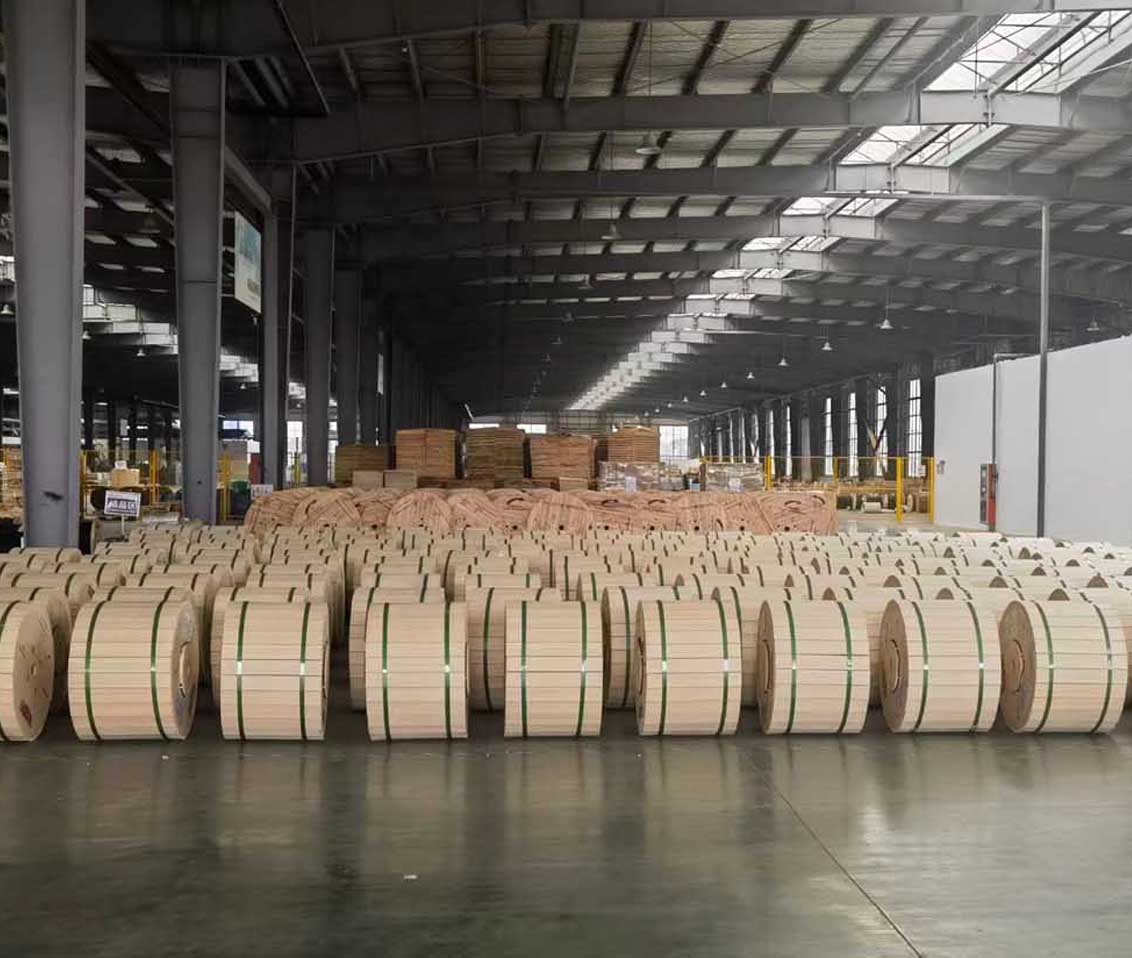
 Optical Fiber
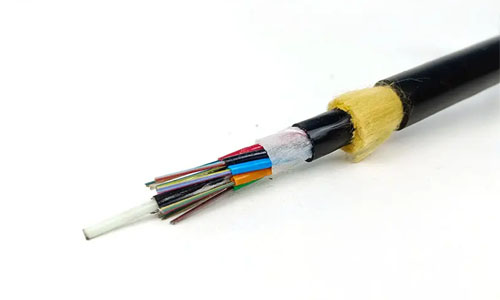 ADSS Fiber Optic Cable
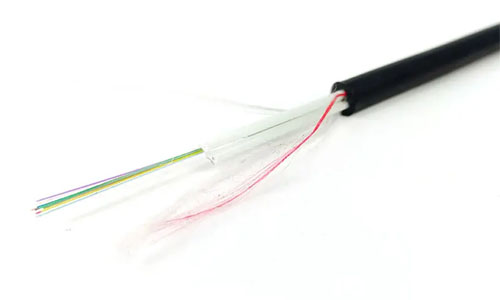 ASU Fiber Optic Cable
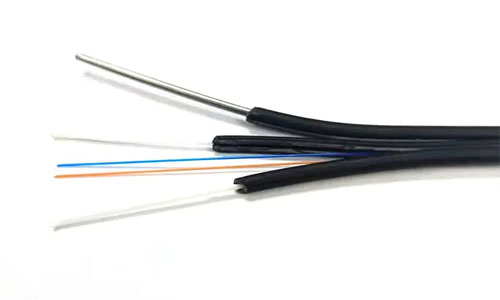 FTTH Fiber Optic Cable
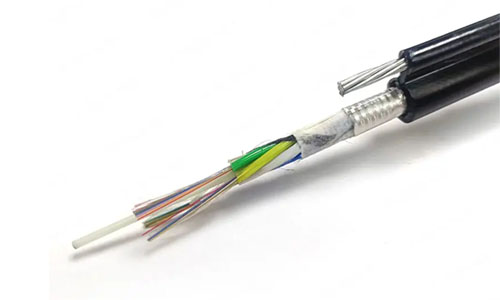 Figure 8 Fiber Optic Cable
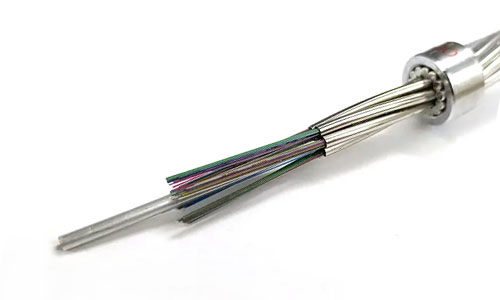 OPGW Fiber Optic Cable
 Coaxial Cable
 Ethernet Cable
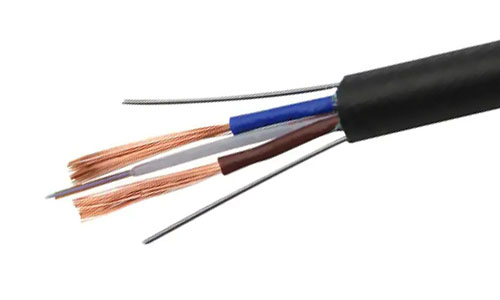 Photoelectric Composite Fiber Optic Cable
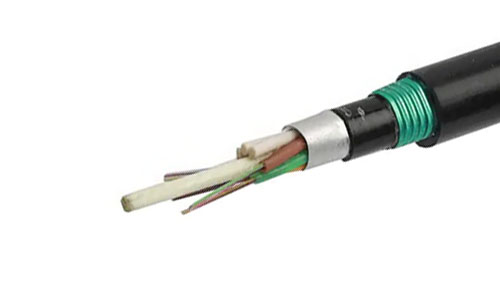 Underground & Pipeline Fiber Optic Cable
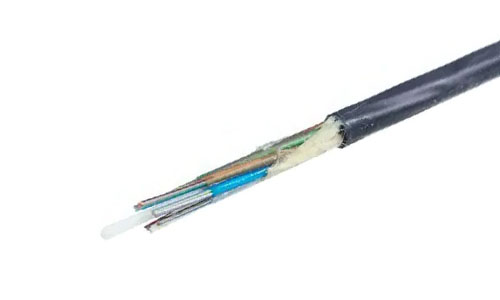 Air-Blown Micro Fiber Optic Cable
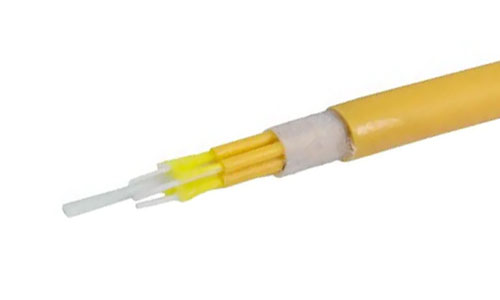 Indoor Fiber Optic Cable
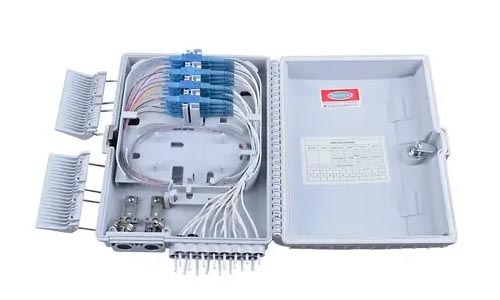 Fiber Optic Distribution Box
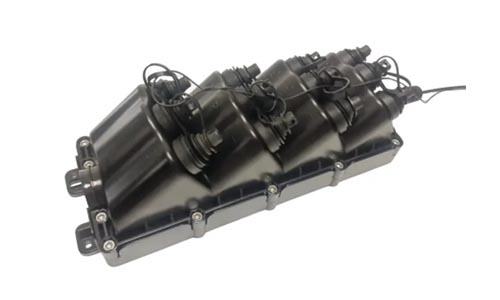 Multiport Service Termina Box
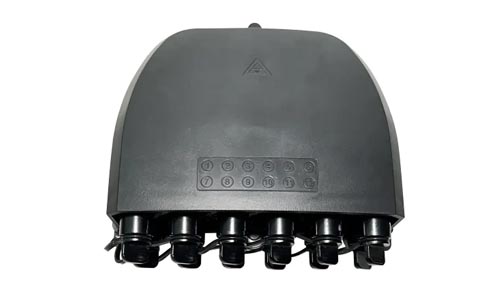 Fiber Optical Terminal Box
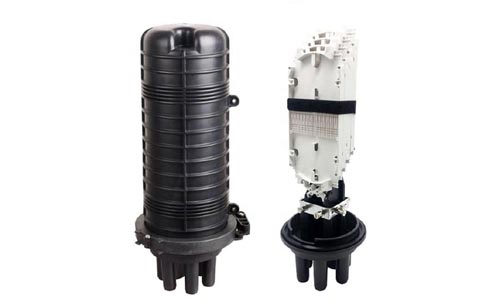 Fiber Optic Splice Closure
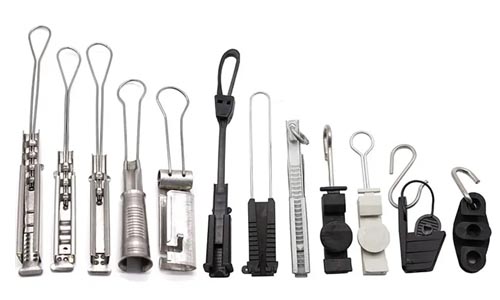 Fiber Optic Clamps
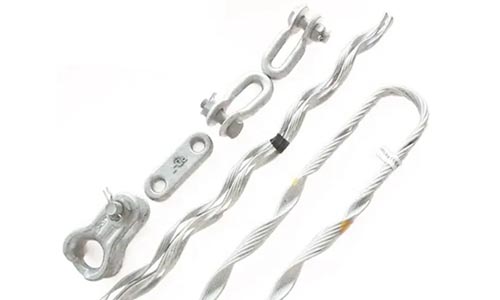 Fiber Optic Cable Fittings
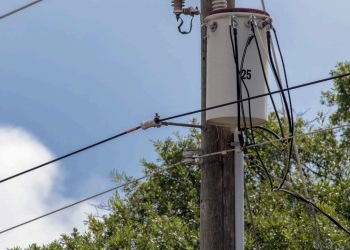 ADSS Fiber Cable
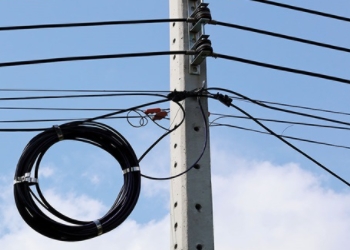 ASU Fiber Cable
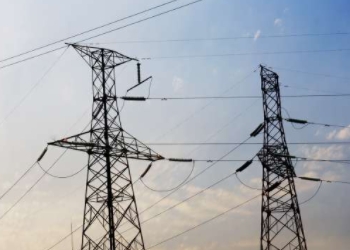 OPGW Fiber Cable
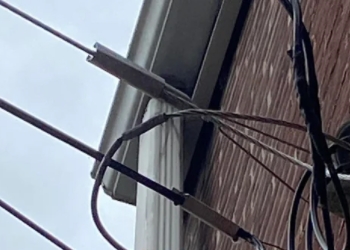 FTTH Fiber Cable
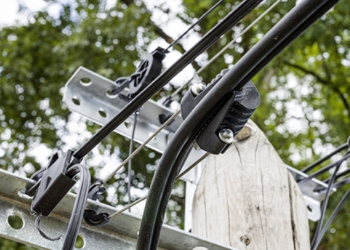 Figure 8 Fiber Cable
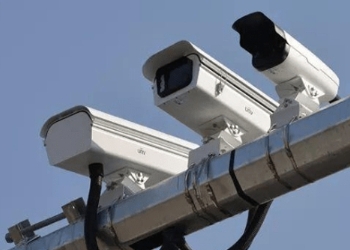 Photoelectric Composite Fiber Cable
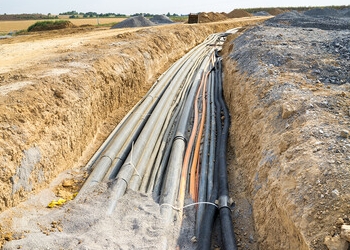 Underground & Pipeline Fiber Cable
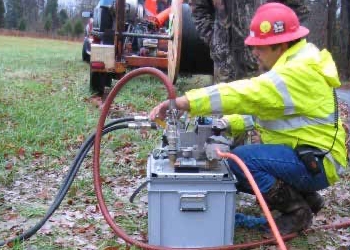 Air-Blown Micro Fiber Cable
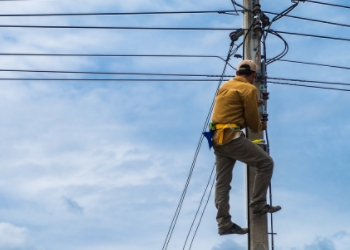 Aerial Fiber Cable
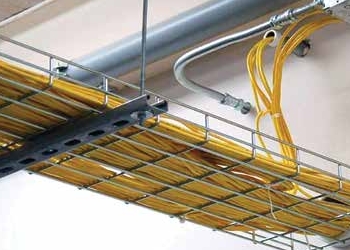 Indoor Fiber Cable
 Fiber Optical Terminal Box
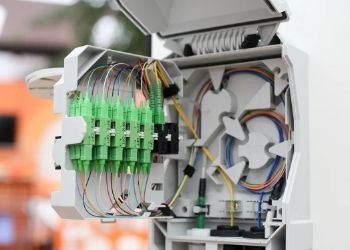 Fiber Optic Distribution Box
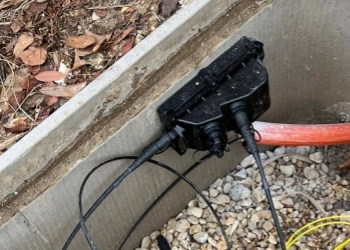 Multiport Service Termina Box
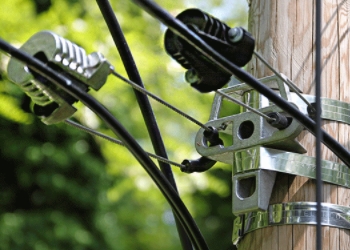 Fiber Optic Clamps
 About Us
 Our Team
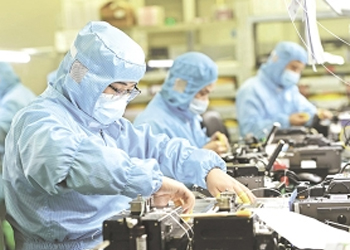 History
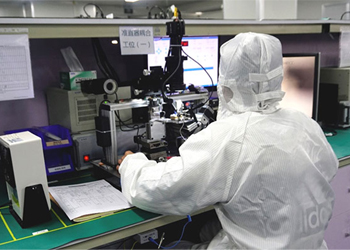 R&D Strength
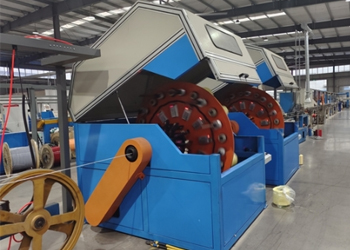 Production Base
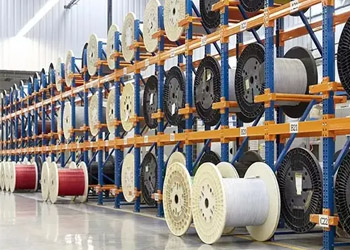 Warehouse & Logistics
 Quality
 FAQs
FAQsFiber Optic Cable: Technology, Classifications, and Applications
In the digital age, Fiber Optic Cable has become the backbone of global communication. From streaming 4K videos to powering AI data centers, this technology uses light pulses to transmit data at incredible speeds over long distances. Unlike traditional copper cables, fiber optics offer higher bandwidth, immunity to electromagnetic interference, and superior security. This comprehensive guide explores the technical foundations, classifications, and diverse applications of fiber optic cables.

1. Technical Foundations and Classifications of Fiber Optic Cable
To understand the versatility of fiber optics, we must first examine its core structure and types. A typical Fiber Optic Cable consists of four main components: the core (glass or plastic strand carrying light), cladding (reflects light back into the core), buffer coating (protects against physical damage), and outer jacket (environmental protection). Based on the core diameter and light propagation, fiber cables are primarily classified into two categories:
-
Single-Mode Fiber (SMF): With a narrow core (approximately 9 µm), SMF allows only one mode of light to propagate. It uses laser sources and is ideal for long-distance telecommunications, such as undersea cables and city-to-city backbones. SMF offers low attenuation (around 0.2 dB/km) and supports speeds up to 100Gbps and beyond. Common standards include ITU-T G.652 and G.657.
-
Multimode Fiber (MMF): Featuring a wider core (50 µm or 62.5 µm), MMF supports multiple light paths, making it suitable for short-distance applications like local area networks (LANs) and data centers. MMF uses LED or VCSEL sources and is categorized into OM1 to OM5 grades, with OM4 and OM5 enabling 40G/100G Ethernet over shorter spans (up to 550 meters for OM4).
Additionally, specialty fibers like bend-insensitive fiber (G.657) minimize signal loss in tight bends, while armored fiber provides extra protection in harsh environments. Understanding these classifications helps in selecting the right cable for specific needs, ensuring optimal performance and cost-efficiency.
2. Telecommunications and Internet Infrastructure
The most prominent application of Fiber Optic Cable is in telecommunications, where it forms the global internet backbone. Over 99% of international data traffic travels through undersea fiber optic cables, connecting continents with minimal latency. These cables are designed with multiple layers of protection, including steel armor and polyethylene jackets, to withstand deep-sea pressures and marine life. For example, the MAREA cable spanning the Atlantic Ocean uses advanced SMF to deliver terabit-level capacity between Virginia and Spain.
In metropolitan areas, fiber optics enable Fiber-to-the-Home (FTTH) and Fiber-to-the-Premises (FTTP) deployments, providing gigabit-speed internet to residential and business users. Telecom companies prefer fiber over copper due to its lower maintenance costs, immunity to corrosion, and ability to support future upgrades like 5G backhaul. With the rise of 5G networks, fiber optics are essential for fronthaul and backhaul connections, ensuring ultra-low latency for applications like autonomous vehicles and IoT. As demand grows, innovations such as hollow-core fiber (HCF) are emerging, promising attenuation as low as 0.1 dB/km for even faster data transmission.
3. Data Centers and Cloud Computing
Data centers rely heavily on Fiber Optic Cable for high-speed interconnects between servers, storage arrays, and switches. Hyperscale facilities operated by tech giants like Google, Amazon, and Microsoft use dense fiber networks to support cloud services and real-time applications. A single fiber cable can contain up to 144 strands, each capable of carrying multiple data streams via wavelength division multiplexing (WDM). This high density maximizes rack space and cooling efficiency while reducing latency by 30-40% compared to copper alternatives.
The shift toward 400G and 800G Ethernet in data centers has driven demand for OM5 multimode fiber and single-mode solutions like G.654.E. These cables support short-reach and long-reach connections within and between data centers, enabling seamless scalability. Moreover, AI and machine learning workloads require massive data throughput, with AI data centers consuming up to 36 times more fiber than traditional CPU-based facilities. This trend is reflected in market forecasts, where data center fiber demand is expected to grow from 5% to 30% of total global consumption by 2027, with orders already booked through 2027 due to supply constraints.
4. Industrial and Manufacturing Networks
In industrial settings, Fiber Optic Cable provides reliable connectivity for automation, robotics, and sensor networks. Factories often have high electromagnetic interference (EMI) from heavy machinery, making copper cables prone to signal degradation. Fiber optics, being non-conductive and immune to EMI, ensure stable data transmission for real-time process control and predictive maintenance. For instance, in automotive plants, fiber-based machine vision systems inspect quality at high speeds without interference.
Specialized cables like armored fiber or tight-buffered cables are used in harsh environments, such as oil refineries and mining sites, where physical protection is crucial. These cables withstand extreme temperatures, chemicals, and mechanical stress, ensuring uninterrupted operation. Additionally, fiber optic sensors embedded in cables can monitor temperature, strain, and vibration, enabling smart factory applications. This integration supports Industry 4.0 initiatives, where data-driven insights optimize production efficiency and safety.
5. Healthcare and Scientific Research
The medical field benefits from Fiber Optic Cable in both connectivity and instrumentation. Hospitals use fiber networks for secure data transfer between departments, supporting electronic health records and telemedicine. Fiber's high bandwidth allows for real-time transmission of large medical images, such as MRIs and CT scans, facilitating remote diagnostics and consultations. During the COVID-19 pandemic, fiber-enabled telehealth became vital for patient care, highlighting its role in resilient healthcare systems.
In scientific research, fiber optics enable high-resolution imaging and sensing. Endoscopy procedures use thin fiber bundles to illuminate and capture images inside the body, reducing invasive surgeries. Research laboratories employ fiber-based sensors to detect minute changes in temperature, pressure, or biomolecular interactions, advancing fields like genomics and particle physics. For example, the Large Hadron Collider uses fiber optics for timing and data acquisition across its vast detector network. These applications demonstrate fiber's versatility beyond communication, contributing to life-saving technologies and scientific breakthroughs.
6. Smart Cities and Public Infrastructure
As cities evolve into smart ecosystems, Fiber Optic Cable plays a central role in connecting IoT devices, smart grids, and public services. Smart streetlights, for instance, integrate fiber for both power and data transmission, allowing remote control and energy savings. In one case study, a city retrofitted 500 streetlights with fiber composite cables, reducing deployment costs by 28% and energy consumption by 40% through adaptive lighting. Fiber also supports intelligent transportation systems, such as traffic cameras and connected vehicles, enhancing safety and traffic flow.
Public sector applications include educational institutions and government networks, where fiber ensures high-speed access for students and officials. Rural broadband initiatives leverage aerial or underground fiber to bridge the digital divide, providing equal opportunities for remote communities. Furthermore, fiber optic sensing can monitor infrastructure health, such as bridge stability or pipeline leaks, enabling proactive maintenance. With the integration of AI and edge computing, fiber networks will continue to underpin smart city development, creating more efficient and sustainable urban environments.
7. Installation, Maintenance, and Future Trends
Proper installation and maintenance are critical for maximizing the lifespan of Fiber Optic Cable. During deployment, factors like bend radius (minimum 20 times the cable diameter for standard fibers), tension limits, and environmental protection must be considered. For example, outdoor cables require UV-resistant jackets and water-blocking features, while indoor cables need fire-retardant materials like LSZH (low-smoke zero-halogen). Regular testing with OTDR (optical time-domain reflectometer) helps identify faults, such as breaks or excessive attenuation, allowing for quick repairs.
The future of fiber optics is shaped by emerging trends like space-division multiplexing (SDM) using multi-core fibers, which increase capacity without expanding cable size. Green manufacturing practices are also gaining traction, with recyclable materials reducing environmental impact. As AI and 6G networks develop, fiber will evolve to support even higher speeds and lower latencies, potentially incorporating quantum communication for unbreakable security. With global market growth projected to reach $227.4 billion by 2031, fiber optic cable remains a dynamic and essential technology for the connected world.
In conclusion, Fiber Optic Cable is a transformative technology with applications spanning telecommunications, data centers, industry, healthcare, and smart cities. Its advantages in speed, reliability, and scalability make it indispensable for modern infrastructure. By understanding its classifications and deployment best practices, businesses and individuals can harness its full potential to drive innovation and connectivity in the digital era.
FAQ:
Q: What is the main advantage of fiber optic cable over copper?
A: Fiber offers higher bandwidth, longer transmission distances (up to 100 km without repeaters), immunity to electromagnetic interference, and better security against tapping.
Q: Can I use single-mode and multimode fibers together?
A: No, mixing them causes severe signal loss due to different core sizes. Always use matching fiber types and transceivers.
Q: How do I choose between aerial and underground fiber installation?
A: Aerial is cost-effective and faster to deploy but exposed to weather; underground is more durable and aesthetically pleasing but requires trenching and higher initial costs.
Q: What are the latest innovations in fiber optic technology?
A: Innovations include hollow-core fiber for ultra-low latency, multi-core fiber for increased capacity, and AI-driven monitoring for proactive maintenance.
This guide provides a thorough overview of fiber optic cable. For more detailed specifications or product inquiries, consult with leading manufacturers Feiboer.