 Optical Fiber
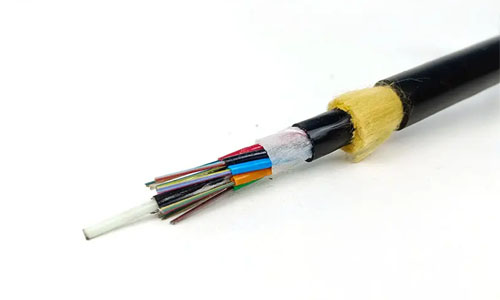 ADSS Fiber Optic Cable
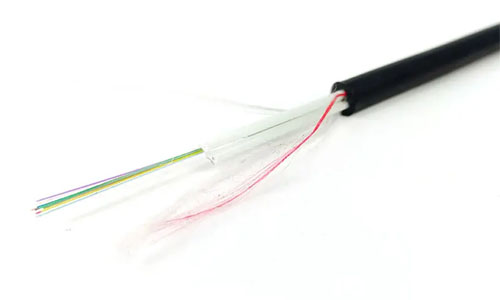 ASU Fiber Optic Cable
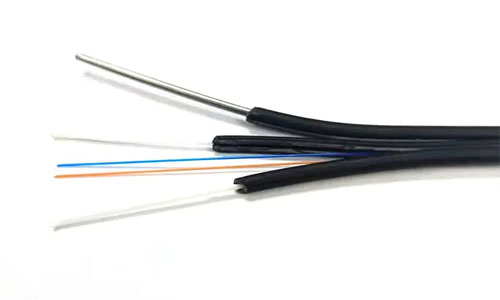 FTTH Fiber Optic Cable
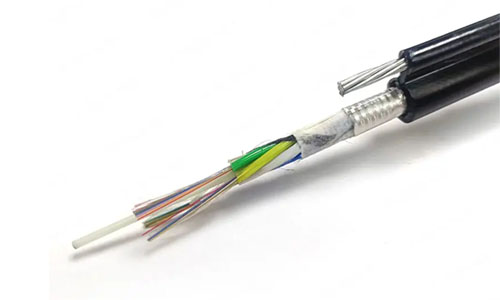 Figure 8 Fiber Optic Cable
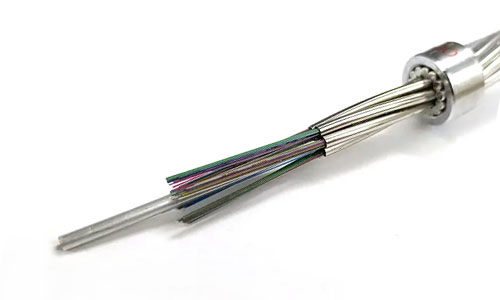 OPGW Fiber Optic Cable
 Coaxial Cable
 Ethernet Cable
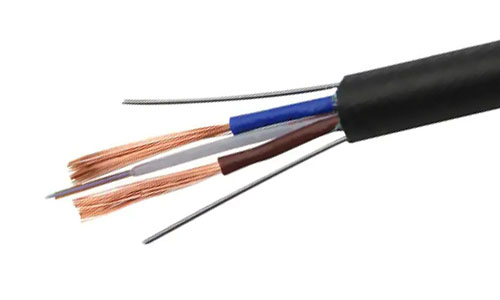 Photoelectric Composite Fiber Optic Cable
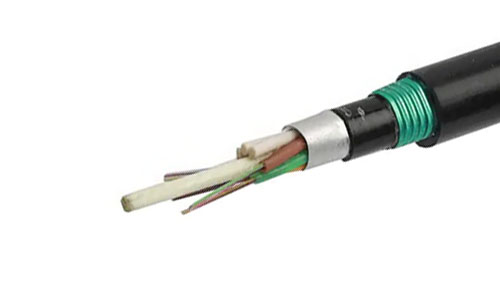 Underground & Pipeline Fiber Optic Cable
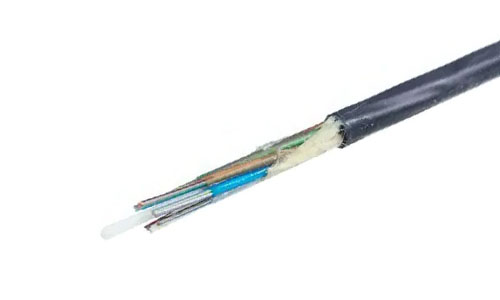 Air-Blown Micro Fiber Optic Cable
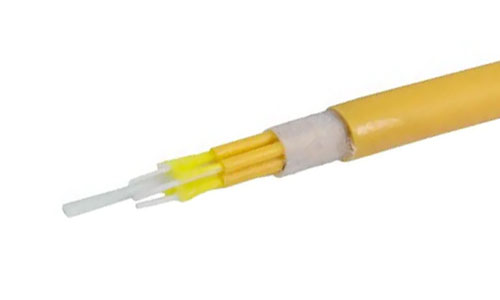 Indoor Fiber Optic Cable
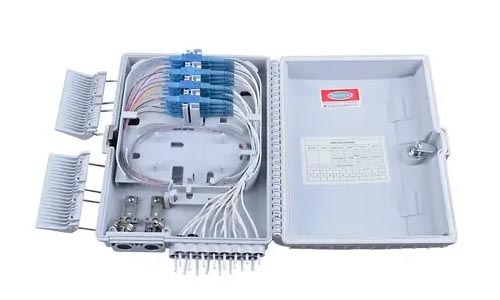 Fiber Optic Distribution Box
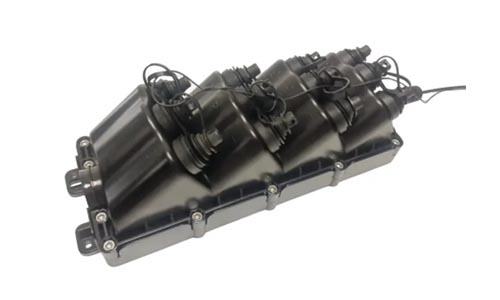 Multiport Service Termina Box
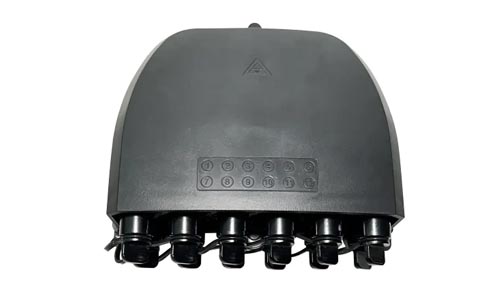 Fiber Optical Terminal Box
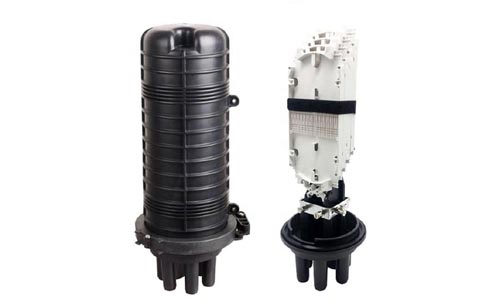 Fiber Optic Splice Closure
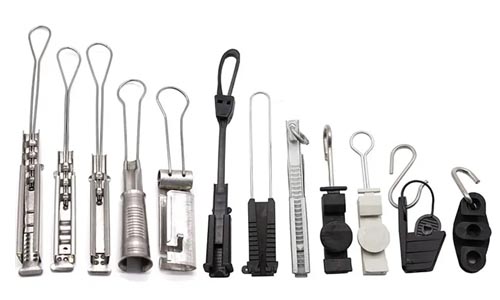 Fiber Optic Clamps
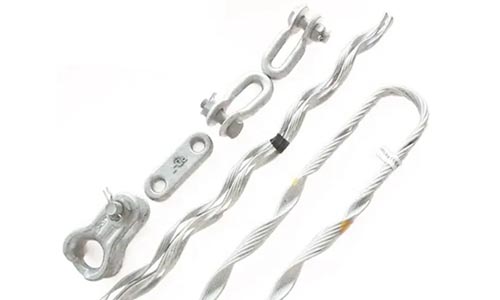 Fiber Optic Cable Fittings
 ADSS Fiber Cable
 ASU Fiber Cable
 OPGW Fiber Cable
 FTTH Fiber Cable
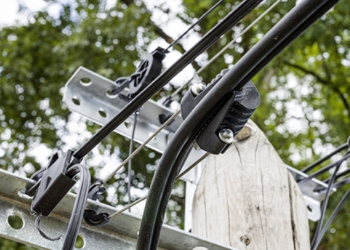 Figure 8 Fiber Cable
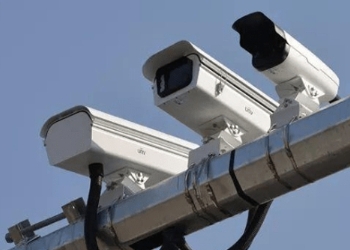 Photoelectric Composite Fiber Cable
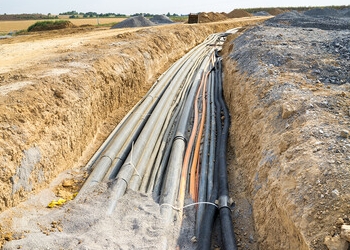 Underground & Pipeline Fiber Cable
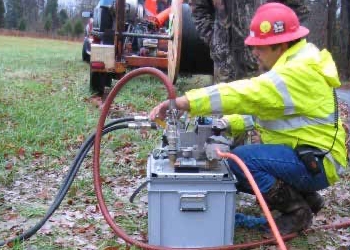 Air-Blown Micro Fiber Cable
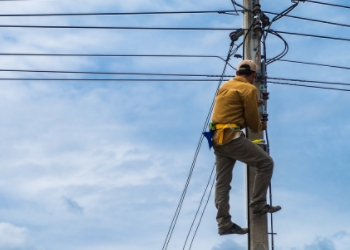 Aerial Fiber Cable
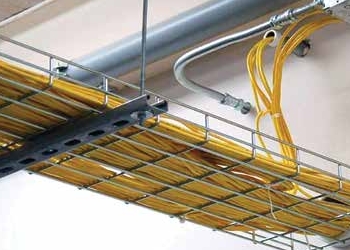 Indoor Fiber Cable
 Fiber Optical Terminal Box
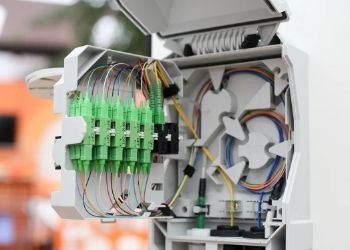 Fiber Optic Distribution Box
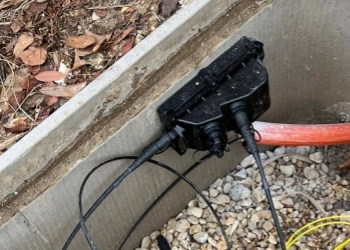 Multiport Service Termina Box
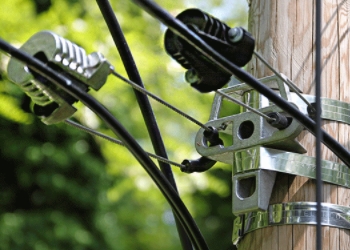 Fiber Optic Clamps
 About Us
 Our Team
 History
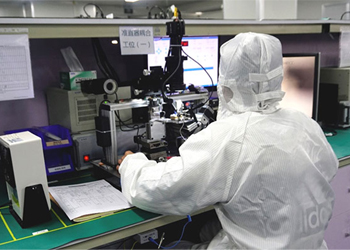 R&D Strength
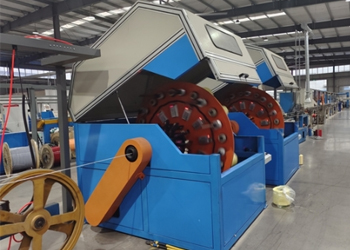 Production Base
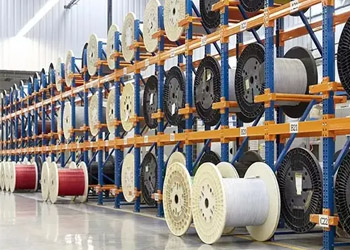 Warehouse & Logistics
 Quality
 FAQs
FAQsFiber Optic Cable Price - Factors & Installation Costs
If you want to understand fiber optic cable prices, you need to understand that cable composition, fiber type, strand count, and durability ratings all contribute heavily to costs.
Singlemode versus multimode and strand count are choices that affect both initial investment and long-term network performance. It’s important to fit cable to your project.
Installation costs differ by installation method. Aerial installation may be faster and less resilient when compared to underground trenching, which is more protective but comes with a higher upfront cost.
Things like raw material costs, supplier competition, and global logistics all play a part in keeping fiber optic cable prices stable or causing them to fluctuate.
Price is affected by project scale, so purchasing in bulk will generally lower costs per meter. Custom solutions and special needs increase budgets and timelines.
Accounting for concealed expenses like expert technicians, advanced tools, and continuous upkeep is essential to planning and securing the enduring worth of your fiber optic venture.
Fiber optic cable price – These prices vary by a lot of things like cable type, length, brand, and dealer. Most cables range from 0.20 to 1.00 per meter, but prices may be higher for special cables or bulk deals. Vendors generally provide volume discounts, and prices can increase with additional features such as rugged jackets or waterproofing. When considering a project, purchasers consider shipping fees, taxes, and installation costs. Other brands are more expensive due to higher quality or longer warranty. Transparent pricing assists purchasers in budgeting and selecting the appropriate cable for the application. Below, discover advice on what determines the price and how to score the best price.

Decoding Fiber Optic Cable Price
Fiber optic cable prices are not arbitrary. They come down to the combination of components, construction and specification. A bare-bones cable may run $0.09 per foot, but top spec armored lines can be $5 a foot or higher. The correct option depends on project requirements, robustness, and data transmission volume. Here’s a quick look at the key factors that drive those numbers:
-
Cable composition: glass, plastics, coatings, armor
-
Fiber type: singlemode or multimode
-
Strand count: number of fibers bundled together
-
Durability ratings: moisture, temperature, chemical resistance
-
Quality and certifications: industry standards, tested reliability
1. Cable Composition
Fiber optic cables begin as glass or plastic fibers, protected by strength and protective coatings. The glass core, while more expensive, remains the gold standard for long-haul links. Less expensive plastics are fine for short runs but don’t transmit signals as far. Jackets—plenum, riser or outdoor—alter the price as well. Armored cables, with steel tape or aramid yarn, increase weight and cost but protect from gnawing animals or severe conditions. Specialty builds for underwater or extreme heat run up to five dollars a foot. A well-engineered cable not only lasts longer and protects your data, but you end up paying for those bonuses.
2. Fiber Type
Singlemode cables are designed specifically for speed and distance and range from about $0.10 to $0.50 per foot. They utilize a very small core that allows light to propagate further with less attenuation. Multimode cables, which are less expensive and typical of shorter links, have a larger core for local networks. Big building bulk multimode buys decipher fiber optic cable price. The correct fiber type leads to fewer headaches and lower installation costs, but the wrong fiber type could wind up costing more down the line.
3. Strand Count
More strands equal more data shifts simultaneously. A 2-strand cable is rudimentary. Twenty-four, forty-eight, or one hundred forty-four strand cables are pricier but provide enormous capacity to expand. High strand counts push upfront costs higher but future-proof big projects.
| Strand Count | Typical Price/Foot | Usage |
|---|---|---|
| 2 | $0.09–$0.20 | Simple links |
| 24 | $0.30–$1.00 | Medium networks |
| 144 | $1.00–$6.00 | Data centers |
4. Durability Ratings
Cables designed for the hard stuff, such as wet, frozen, or sizzling zones, are pricier. These ratings include temperature fluctuations and water or chemical hazards. Saving with lower-rated cable costs more in repairs and downtime down the road, especially outside. Investing more up front usually leads to fewer replacements, a huge benefit to lean budgets.
5. Quality & Certifications
Certifications such as ISO or ITU indicate a cable has met rigorous standards. Higher quality translates to stable data and less potential for outage. Certified cables are more expensive, but in the long run, they reduce repair costs and downtime. Reputable brands cost more, but their cables tend to outlast the less expensive alternatives.
Installation Method Impact
Your installation technique determines the complete project cost. Both the cable routing and location can affect what you pay for labor, equipment, and maintenance. Choosing the right installation method is crucial for sticking to budgets, regardless of project location.
Aerial Deployment
Aerial fiber optic install is generally cheaper initially. Installation method factor2 costs $5,000 to $10,000 per mile, or approximately $8 to $12 per linear foot for overlashing on utility poles. It’s quick; crews string cable above ground, sidestepping a lot of trenching or bulldozers. On short schedules, aerial can accelerate the entire work. This translates into reduced labor bills and less time in queue for installation. There’s a catch. Cables up high endure wind, rain, ice, and occasionally wildlife. This results in more fixes and checks throughout the years, which adds up. A few bad storms or a fallen tree can end up being a steep repair bill.
Aerial jobs can require special equipment and permits if lines traverse highways or populated areas. Each additional step or difficulty can increase the cost.
Underground Trenching
Underground fiber is pricier up front, typically $10,000 to $20,000 per mile. That’s from trenching at $4 to $12 per foot, conduit installation at $8 per foot, or boring through hard areas at $20 to $30 per foot. Once it’s in, the cable is protected from most storms, sunlight, or critters. This reduces service and downtime, providing savings over time. Underground fiber lasts longer with fewer outages. That can translate to fewer support calls and less frustration for users.
Tricky soil, old pipes, or tight quarters can make the process take longer and be more expensive. Permits and safety inspections increase the number of steps and the length of time.
Site Complexity
Each site has its challenges. Rocky ground, old buildings, or busy streets make installs harder and more expensive. More drops, such as 200 versus only 50, can catapult the costs from $7,500 to as much as $30,000. Crews occasionally require special machines or additional labor to address irregular locations. Every additional component to the work increases time and expense. Pre-terminated assemblies can assist by eliminating errors and accelerating the process, but they might be more expensive up front.
Thoughtful design and site visits catch these problems with plenty of lead time, making budget figures feel more tangible and minimizing surprises.
Market and Supply Chain Forces
Fiber optic cable prices change for a lot of reasons. Supply chain specifics and worldwide demand and logistics are all part of it. Market and supply chain forces are tugged by raw material swings, supplier competition, and the actual cost to move and install cables. The global fiber optic market size reached USD 7.24 billion in 2024 and will more than double by 2033. Asia Pacific leads with almost 60% of revenues and a 12.6% CAGR, propelled by state-sponsored megaprojects. All the way from glass production to logistics to last-mile delivery, every step can tweak that final price.
Raw Material Volatility
Glass and plastics are the foundation of fiber optic cables. They skyrocket with worldwide demand. Helium, a less obvious but essential fiber production gas, sees a supply crunch that results in negative market growth of 1.20 percent and can persist for 2 to 4 years. When raw materials spike, manufacturers are quick to hold prices steady, frequently resorting to alternate suppliers or shifting designs. Others experiment with multi-core fiber, which crams more bandwidth into each strand and compensates for escalating prices. Year-to-year swings in glass or helium prices can disrupt project budgets, particularly on sprawling campus builds or citywide rollouts.
Supplier Competition
Fierce competition among suppliers can drag prices down. Newcomers and emerging players typically slash prices to gain business, while established names rely on name recognition and dependability. Customers that buy from multiple sources usually obtain improved terms and insulate themselves from scarcity. Quality and delivery times can shift with the supplier, making reliability just as key as the sticker price. New suppliers can be alluringly priced, but do not have a history.
Global Logistics
Bringing fiber optic cables from the factory to infrastructure in the field is no easy task. Shipping fees, tariffs, and customs taxes all add up, especially for submarine projects that surpass USD 7 billion a year. In dense cities, right of way and labor shortages drive underground installation costs to USD 24 per foot. Permitting delays can extend a project by 6 to 18 months. Local sourcing, when you can swing it, can slice logistics costs and accelerate launches. It’s good to be green, and fast, smart logistics help keep your project budgets in check, too.
| Factor | Impact on Pricing | Example / Timeline |
|---|---|---|
| Raw Material Volatility | Medium-term, -1.20% CAGR | Helium, glass price swings |
Supplier competition creates downward or stable pressure from new entrants and bulk buying. Market and Supply Chain Forces include global logistics, short-term spikes, delays, urban installs, and submarine cables.
Project Scale and Scope
Project scale and scope The size and scope of a fiber optic project drive final pricing more than you might expect. A few hundred dollars might cover a small indoor cable run, but a campus-wide network or city block connection quickly becomes a tens-of-thousands-of-dollars project. Each project’s specific needs—duration, setting, and sophistication—translate straight into expenses and deadlines. Small, basic projects can complete within days, while big builds might extend across weeks, particularly if regional regulations introduce additional procedures.
Purchase Volume
Bulk purchases of fiber optic cable generally result in reductions in cost. Suppliers love to drop unit prices as your orders get larger, particularly if you pass established thresholds. A school district connecting multiple buildings, for instance, could get a better deal than an office retrofit. Suppliers need to push inventory, so they incentivize significant, reliable orders with price breaks. This can reduce expenses by a significant margin, sometimes by 20% or more.
A bulk order provides extra leverage to negotiate payment terms or add-ons like connectors or sheathing. Among the famous bulk suppliers are Corning, CommScope, Prysmian Group, and OFS, all of whom provide tier pricing. Don’t forget the smaller regional vendors; they might offer attractive terms, particularly if you’re a repeat customer or have a long-term project.
Bulk buying isn’t all about price per meter. It simplifies logistics and shipping charges and guarantees cable quality. For global projects, this can translate to fewer surprises and more seamless coordination.
Customization Needs
Custom cables tailored for a specific project often cost more and take longer to deliver. Adding special sheaths, unique fiber counts, or non-standard connectors increases both the price and the wait. The more complex the design, like fire-resistant coatings or armored layers for harsh settings, the higher the final bill. These extras can add dollars per foot or slow a project by weeks if the supplier needs to source rare materials.
It means balancing custom features with actual need. Occasionally, prefab rocks! For specific worksites, such as medical locations or secure campuses, investing more initially on customized cables can be cost effective in the long run. Less repair, improved performance, and less downtime all accumulate over years of use.
The Unseen Cost Factors
Fiber optic cable pricing extends well beyond the materials’ sticker price. Too many planners ignore the ripple effects of labor, equipment, and maintenance, which can quietly accumulate and tip a project’s bottom line. Knowing these factors is key to preventing budget shocks and creating a network that lasts.
Labor Expertise
The expertise of your installation team determines both the initial expense and ongoing durability of your fiber initiative. Opting for seasoned contractors may appear expensive initially. Expert installation costs $65 to $149 per service call, but the reassurance might be worth it. Expert teams are more efficient, making fewer errors and decreasing the likelihood you’ll have to do it all over again down the line, which is a concealed savings. If you rely on in-house teams, training costs can shoot up fast, particularly if employees need to be trained in how to do splicing, termination, or troubleshooting. It’s far smarter to pay for quality professional help sooner than it is to struggle with expensive downtime or repairs later on. The right know-how keeps your web steady, so you don’t lose work weeks—one week a year, on average—to flaky connections.
Essential Equipment
Fiber optic projects require more than cables. Splicing machines, OTDR testers, and termination kits are essential tools. Equipment quality matters. High-grade tools do a cleaner job, last longer, and mean fewer problems down the road. They can drive up initial costs. Equipment rentals are another hidden cost, typically $10 to $15 a month. Moving or disconnecting cable costs $65 to $149. A basic checklist for most projects includes fusion splicers, cleavers, cable pullers, fiber testers, and safety gear. Cost factors can throw the project off track.
Long-Term Maintenance
Fiber-optic cables are sturdy, but not impervious to wear or storm. Underground installs cost between $15 and $35 a foot and are less vulnerable to storm damage, but they are pricier initially. Aerial cables cost less, ranging from $8 to $12 a foot, but require more maintenance, particularly in extreme weather. Thinking about maintenance from day one keeps you out of budget trouble down the line. Surprise repairs or restocking fees, around $50, can pile up. Proactive care means fewer breakdowns and less lost productivity, which helps balance out the higher initial price with long-term savings.
Calculating Long-Term Value
Computing long-term value The trick is to consider the total cost of ownership over time. That means factoring in more than just the up-front spend for cables and gear, but what it costs to keep things going—maintenance, upgrades, repairs, and power consumption. On fiber optic, continuing costs are usually lower than with ancient copper because fiber is hard, less prone to snap, and not as susceptible to signal loss or external interference. This leads to fewer outages and less money spent on repairs. Over a period of two or three years, a large number of users experience fiber returning its cost through reducing downtime, increasing productivity, and smoothing cloud applications.
To really size up the return on a fiber project, a few metrics stand out: payback period, total life cycle cost, downtime rates, and upgrade costs. For instance, fiber’s payback period can be as low as a few years due to fewer outages and less repairs. Life cycle cost is crucial as well. It encompasses expenses from beginning to end, providing a transparent view of true value. Downtime is important as well. Less downtime, including outages, slowdowns, and workarounds, means your teams can accomplish more, which drives your bottom line.
| Feature | Fiber Optic Cable | Traditional Cabling |
|---|---|---|
| Initial Cost (per meter) | $0.40–$1.50 AUD | $0.15–$0.80 AUD |
| Maintenance Cost | Low | High | | Downtime Frequency | Infrequent | Frequent | | Upgrade Flexibility | High | Low | | Monthly Fees | Lower | Higher | | Cable Lifespan | 25+ years | 10-15 years |
Good timing goes a long way to extracting the most from fiber. The type of fiber you choose, single-mode, multimode, etc., affects both price and performance. Single-mode might be cheaper per meter but requires more expensive equipment at the ends. Pre-terminated assemblies, while more expensive initially, save labor and reduce the potential for errors in environments such as data centers or large offices. Choosing cables that resist heat, cold, and tension translates to fewer repairs. Thinking ahead on upgrades helps since fiber can support new tech as it launches.
Conclusion
Fiber optic cable price changes a lot. Every project carries its own combination of requirements, including distance, speed, kind, or location of running the line. Big projects lower the meter cost and smart installation techniques can significantly reduce expenses. It’s not just what’s on the label, my friends; it’s market forces and supply chains, too. Most overlook maintenance, speed, and cable durability. Smart design pays off for you in the long run. Read stories where teams chose the appropriate cable for a school or a small business and enjoyed smoother days to come. To be smart, look at the total cost, not just the sticker. Post your fiber tales or price inquiries below.
Frequently Asked Questions
What factors affect fiber optic cable price?
Fiber optic cable price varies by cable type, installation method, market demand, supply chain costs, and project scale. All of these factors can affect the final price.
How does installation method influence cable cost?
Installation such as aerial, underground, or underwater alters labor and materials requirements. Tricky installs can add to the project cost.
Does project scale affect fiber optic cable pricing?
Yes. When you’re working on bigger projects, they typically offer bulk pricing discounts. Smaller projects may pay more per meter because of less volume.
How do market and supply chain issues affect fiber optic cable prices?
Supply shortages, shipping costs, and raw material prices can drive up fiber optic cable prices. Worldwide demand can contribute as well.
What are some hidden costs in fiber optic cable projects?
Additional costs could be permits, testing, maintenance, and unforeseen site difficulties. These can increase the overall project cost.
Is it worth investing in higher-quality fiber optic cables?
Yes. The better the cable, the higher the performance and the longer it lasts. They can minimize maintenance expenses and facilitate upgrades in the future.
How can I estimate the long-term value of fiber optic cables?
Consider cost of ownership — not just the price to purchase, but installation and maintenance costs as well. Think about dependability, longevity, and support for future technology requirements.