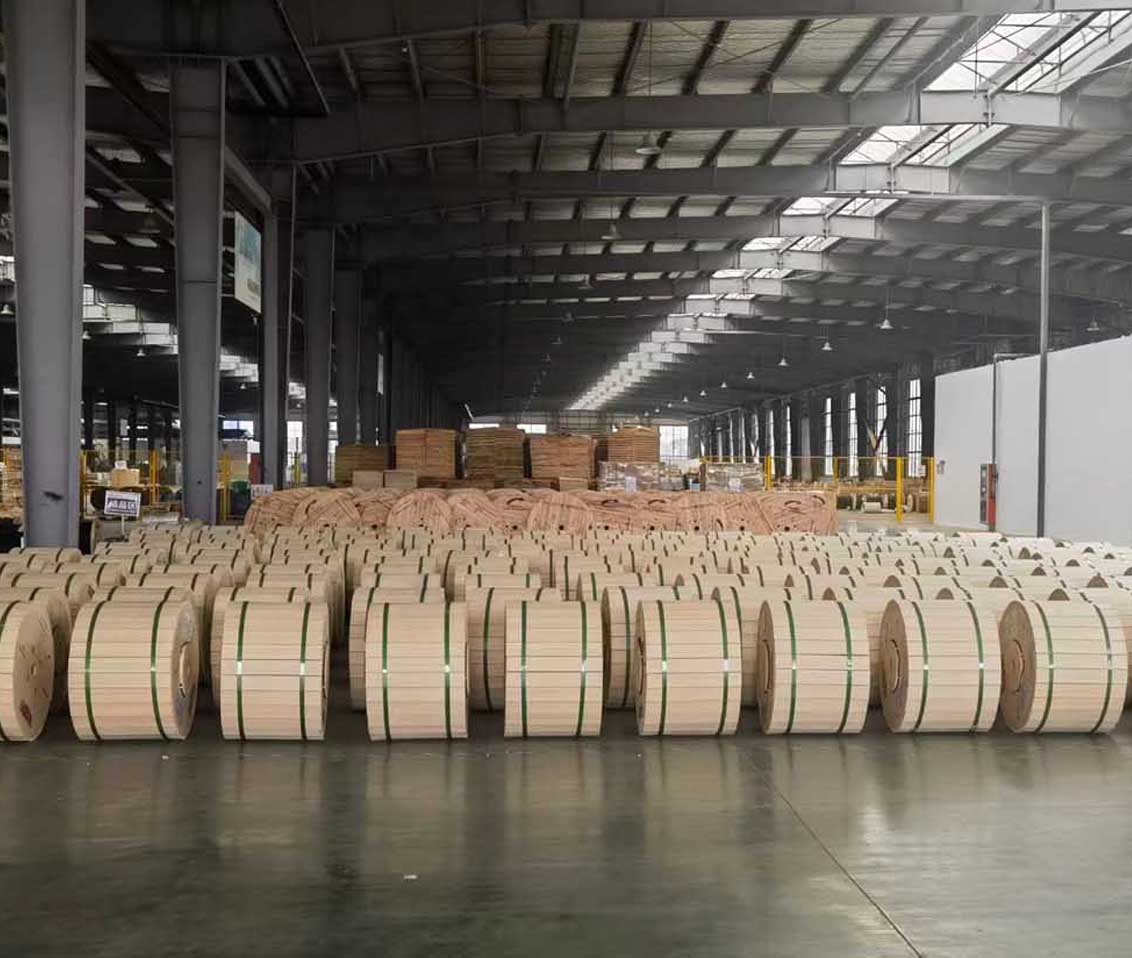
 Optical Fiber
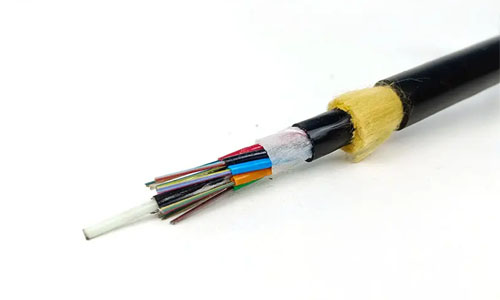 ADSS Fiber Optic Cable
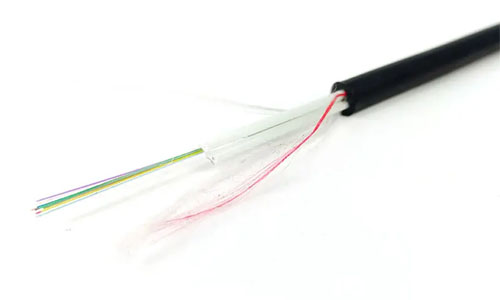 ASU Fiber Optic Cable
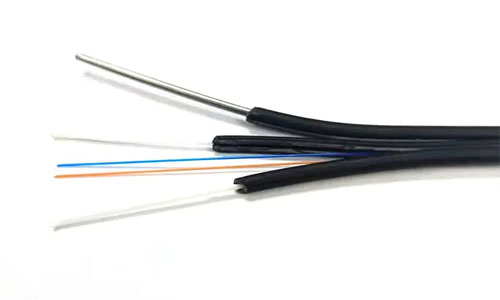 FTTH Fiber Optic Cable
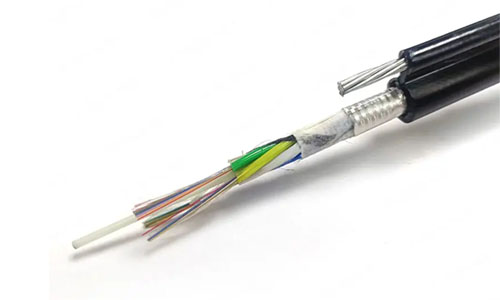 Figure 8 Fiber Optic Cable
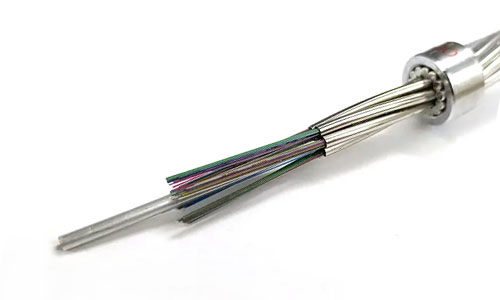 OPGW Fiber Optic Cable
 Coaxial Cable
 Ethernet Cable
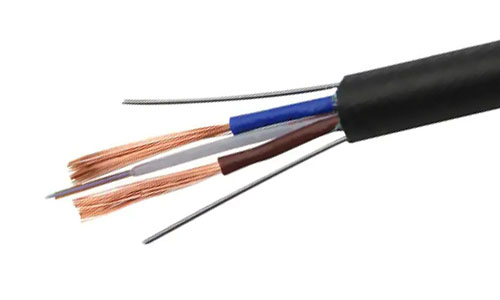 Photoelectric Composite Fiber Optic Cable
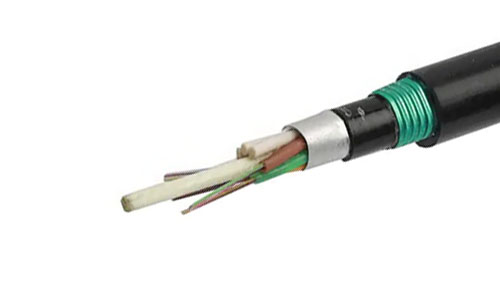 Underground & Pipeline Fiber Optic Cable
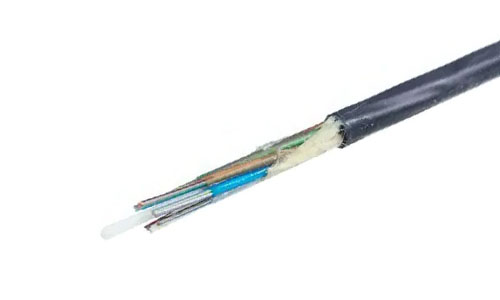 Air-Blown Micro Fiber Optic Cable
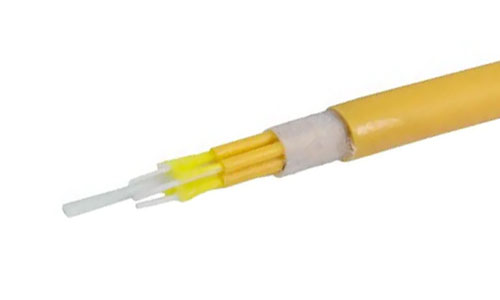 Indoor Fiber Optic Cable
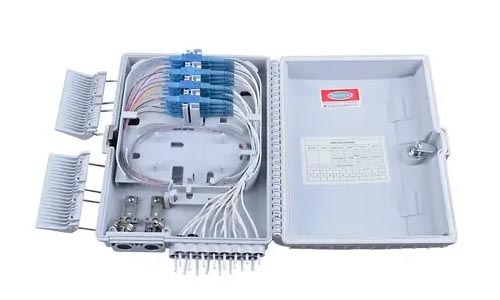 Fiber Optic Distribution Box
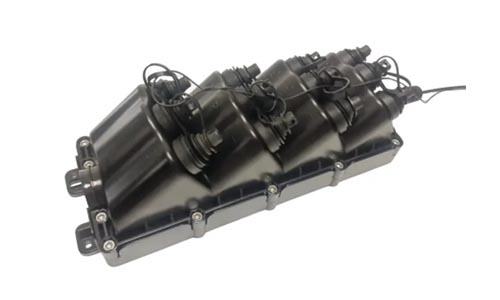 Multiport Service Termina Box
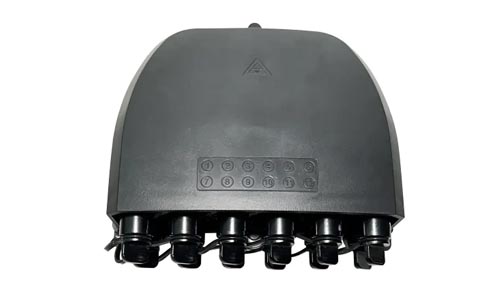 Fiber Optical Terminal Box
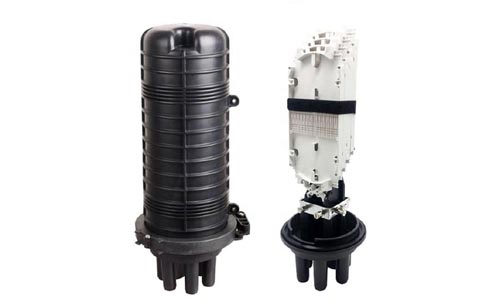 Fiber Optic Splice Closure
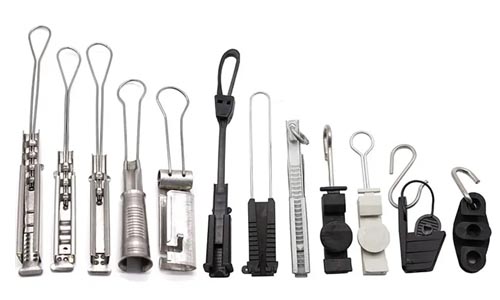 Fiber Optic Clamps
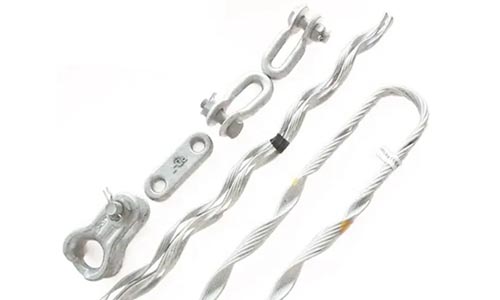 Fiber Optic Cable Fittings
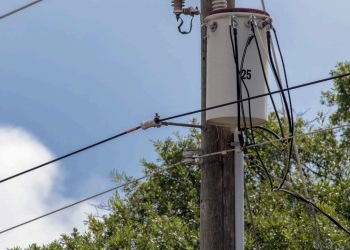 ADSS Fiber Cable
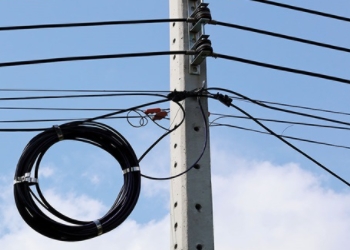 ASU Fiber Cable
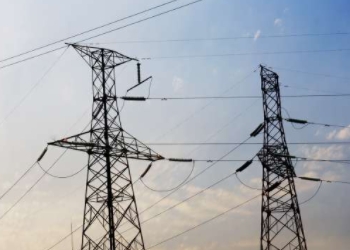 OPGW Fiber Cable
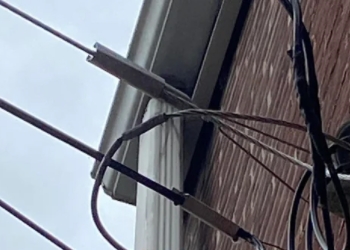 FTTH Fiber Cable
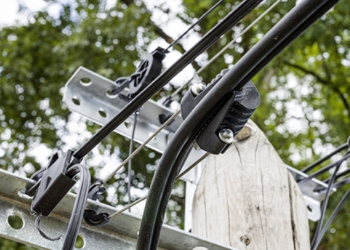 Figure 8 Fiber Cable
 Photoelectric Composite Fiber Cable
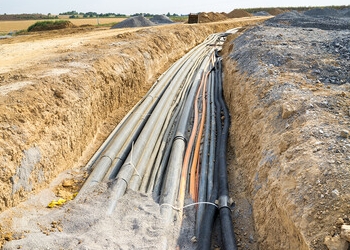 Underground & Pipeline Fiber Cable
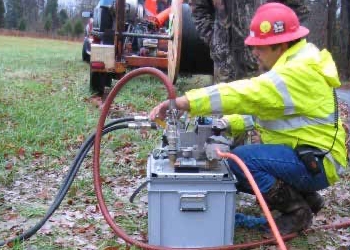 Air-Blown Micro Fiber Cable
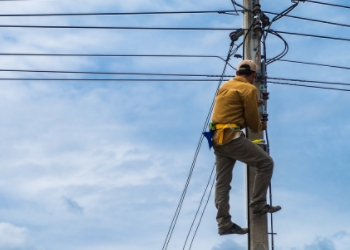 Aerial Fiber Cable
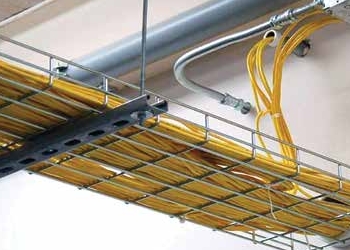 Indoor Fiber Cable
 Fiber Optical Terminal Box
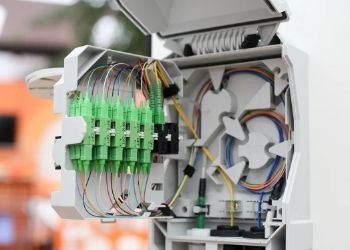 Fiber Optic Distribution Box
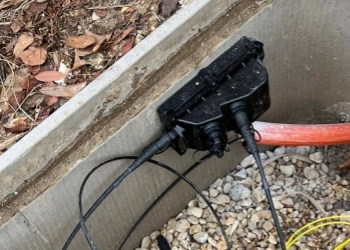 Multiport Service Termina Box
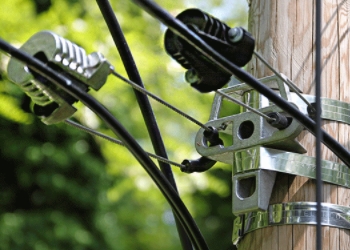 Fiber Optic Clamps
 About Us
 Our Team
 History
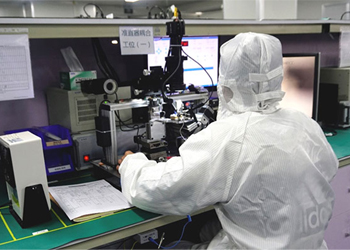 R&D Strength
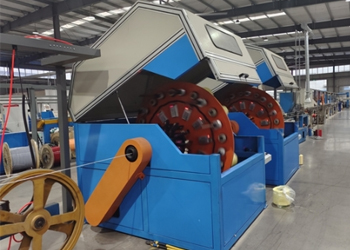 Production Base
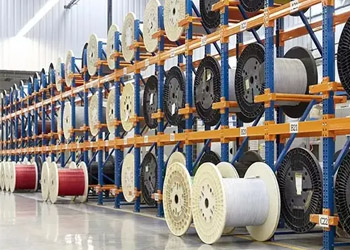 Warehouse & Logistics
 Quality
 FAQs
FAQsWhat Materials You Should Know About Fiber Optic Cable?
inquiry nowWhat Materials You Should Know About Fiber Optic Cable?
Fiber optic cables are made entirely of glass or plastic fibers, allowing for greater transmission capacity and distance. They further integrate protective layers for enduring performance while withstanding various elements.
The core, typically sliced from ultra-pure glass, transports light-based signals, and cladding guarantees the signal reflects indefinitely in the core. Outer coatings, like polymer outer sheath, add protection and bending capability.
These components all work in unison to provide incredibly fast, consistent communication. Familiarity with these materials will allow you to choose the right cable for your exact requirements while maximizing performance, cost, and environmental considerations.

What is Fiber Optic Cable?
Fiber optic cables, which use light signals instead of electrical ones, are the most efficient medium that exists for transmitting data. These fibre optic cables are made with an inner core and outer cladding layer, engineered specifically to take advantage of total internal reflection. This happens because the core, which is constructed out of ultra pure silicon dioxide (SiO2), has a greater index of refraction.
By doing so, it exceeds the refractive index of the cladding. Due to the core’s purity, the transparency looks like you’re looking through five miles of window glass. This patented design uniquely enables the fast and dependable transport of data over incredibly long distances.
Fiber optics are the backbone of our current communication infrastructure from high-speed internet to connection between data centers. Modern systems are capable of supporting traffic at 800 Gbps. In practice, as we’ve seen with localized applications of fiber optic technology, fiber can bring speeds hundreds of times faster than today’s internet reality, drastically transforming the way we communicate and access information.
These cables ensure minimal latency. Since light travels at approximately 124,000 miles per second, this only amounts to a 5 to 5.5 microseconds of delay per mile transmitted.
Production of fiber optic cables is rooted in precision. The core, usually 0.0003 to 0.001 inches in diameter depending on whether multimode or singlemode is used, transmits those light signals. Multimode fibers are more versatile.
Multimode fibers have larger cores and better short-distance application performance, which makes them ideal for local area networks (LANs). Conversely, single-mode fibers are optimized for long-distance transmission, as required for telecommunication. The cladding, which has a slightly larger diameter than the core, keeps light trapped in the core.
Other layers, such as the protective coating, aramid strength member, and outer jacket, protect the cable, providing ruggedness in even the most demanding conditions. Fiber optic cabling has very clear benefits compared to copper cabling.
They experience minimal signal loss, measured in decibels per kilometer, ranging from 0.06 dB/mile for single-mode to 1 dB/mile for multimode. Their versatility makes them suitable for an array of applications, including telecommunications networks, data centers, and even residential internet.
Key Components of Fiber Optic Cables
Fiber optic cables consist of many key components, each serving an important purpose to come together for efficient data transmission. The materials used in the production of all these components play an integral role in the performance, reliability, and durability of the cable. Below, we take a closer look at these central components.
Core: The Light Transmission Channel
At the center of a fiber optic cable is the core, which is responsible for carrying the light signals that transmit data. The core is a thin glass or plastic fiber encased in the cladding. Glass cores provide high performance across longer distances, as they experience less signal loss.
Plastic cores, though not as efficient, are cheaper and more pliable allowing them to be used in short-range applications. The impact on overall efficiency is also affected by the diameter of the core. This smaller core is typically found in single-mode fibers, which are preferred for long-distance transmissions due to their minimal signal loss.
They provide exceedingly low signal loss, typically 0.19 dB/km at 1550 nm wavelength. Higher core count multimode fibers perform better over notably shorter distances. They have an attenuation rate of 3 dB/km at 850 nm.
Cladding: Enhancing Light Confinement
Surrounding the core is the cladding, which works to reflect light back into the core to keep signals strong over long distances. This is achieved through a difference in refractive index between the core and cladding, often 1.49 and 1.47, respectively, at a wavelength of 1300 nanometers.
This difference creates the phenomenon of total internal reflection, which is necessary for efficient fiber optic data transmission. Cladding materials greatly reduce signal leakage and loss to provide high-quality, high-performance data transference.
Signal attenuation in today’s multimode graded-index fibers can fall to as low as 1 decibel per kilometer at 1300 nanometers. This example illustrates the importance of careful cladding design.
Coating/Buffer: Protecting the Fiber
The primary buffer coating is extruded onto the cladding to protect the fiber from mechanical stresses and external elements. Commonly used materials such as acrylate or silicone provide flexibility and protection from moisture.
These coatings further improve the cable’s durability, allowing it to survive stresses during handling and installation.
Strengthening Fibers: Ensuring Durability
Outer strength members, like Kevlar or Twaron, are woven into the cable to keep fibers from breaking. These materials help spread out tension uniformly, safeguarding the fragile core and cladding throughout installation and operation.
This additional strength helps to make the cable incredibly reliable, even in the most demanding environments.
Jacket: Providing Overall Protection
The outer jacket serves as the last line of defense, enclosing all inner elements and protecting them from outside forces such as cuts and water ingress. Ethylene or PVC sheath materials are popularly used on fiber optic cables for protection against harsh environmental factors, while providing cable flexibility.
Often multi-layered, jackets serve to protect the cable and increase longevity without compromising performance across any environment or application.
Fiber Optic Cable Materials: An Overview
Fiber optic cables consist of various materials, with each material chosen to maximize performance, longevity, and needs of specific applications. The materials used to create fiber optic cable play a key role in the cable’s ability to accurately transmit data. It affects the cable’s ability to endure environmental and mechanical conditions.
Getting to know the materials that fiber optic cables are made of will show you how they work. More importantly, it spotlights the critical importance of material selection in this cutting edge technology.
1. Core Material: Glass vs. Plastic
Sheathing around a fiber optic cable protects the core and cladding. Glass cores, produced from high-purity silica, are valued for their superb clarity and minimal signal loss over extended distances. Silica glass, created using molten quartz, reaches incredible levels of accuracy.
This incredible technology allows data to be transmitted with very little interference. Rare earth elements, such as germanium, can be introduced to increase the refractive index. Recycling germanium is mostly important because it’s super rare, found in trace amounts in the Earth’s crust.
Plastic cores are much more economical and simpler to produce. They have very promising advantages pertaining to short-distance applications, most importantly within buildings and consumer devices.
In such cases, durability and flexibility is favored over long transmission distance efficiency. Plastic fibers aren’t the best choice for long-distance data transmission, but they can be a viable option for cost-sensitive applications due to their inexpensive nature.
2. Cladding Material: Composition and Purpose
Cladding plays a crucial role in preserving the efficiency of emitted light. The cladding is usually made from fluorinated polymers or doped silica. It encloses the core and bounces light back into it, taking advantage of the idea of total internal reflection.
Together, this provides for very little signal loss and a smooth data transmission. Choosing the correct cladding material is most important for those applications demanding accuracy, like telecommunications or medical imaging.
3. Coating Materials: Types and Functions
We often leave coatings out of the discussions on fiber optic cable because they are so ubiquitous. Materials such as acrylate or polyimide protect the fiber from water, wear and tear and other environmental and daily rigors.
These specialty coatings maximize the cable’s flexibility and durability. They enable the cable to address installation challenges and withstand environmental exposure while delivering excellent performance.
Glass Fiber Optics: Deep Dive
Glass fiber optics revolutionized the communication industry by providing the infrastructure for high-speed, high-reliability, ubiquitous long-haul data transmission. These fibers, composed of ultra-pure glass, have transformed how information travels, from undersea cables spanning continents to local networks supporting homes and businesses.
Their basic structure consists of a glass core, cladding, and a protective coating. This unique combination contributes to superior signal transmission with very low loss combined with durability. They carry more than 90% of the world’s internet traffic, underscoring their singular importance to global connectivity.
Silica Glass: The Primary Choice
Silica glass is the method of choice for fiber optics because of its unmatched purity and optical clarity. With an unmatched signal attenuation, data can travel for miles without distortion, making glass fiber the perfect material for high-speed telecommunications.
Further, silica’s exceptional optical qualities, including low rates of scattering and absorption, help to amplify signal strength and minimize transmission losses. The new material is robust enough to survive extreme temperatures and environmental conditions. This durability further cements its place as the gold standard in glass fiber optic technology.
Doping Agents: Modifying Refractive Index
Doping agents are critical in tailoring the refractive index of glass fibers. These process-related chemical additives, like germanium or phosphorus, change the glass structures that allow it to effectively guide light.
Doping the glass affects the refractive index difference between the core and cladding. This forms an internal boundary that perfectly reflects light in the core, increasing signal transmission. By eliminating the factors that lead to distortion, this level of control increases data-carrying capacity while reducing distortion, enabling today’s demand for high-speed, reliable communication.
Manufacturing High-Purity Glass
Manufacturing glass fibers of high purity requires the highest precision techniques, such as Modified Chemical Vapor Deposition (MCVD). Using the MCVD method, for example, chloride gases are injected into a rotating silica tube, creating the preform—a hollow cylinder of glass.
This preform is then heated and drawn into thin, consistent fibers with the desired diameter. The drawing process ensures high material strength. Purity is key; even a few ppm impurities can become deleterious to optical performance. State-of-the-art manufacturing processes must reach the clarity and ruggedness required of these fibers to withstand the rigors of worldwide communications today.
Advantages of Glass Fibers
Glass fibers are unrivaled in their quality of data transmission, being able to carry enormous bandwidths over great distances without degradation. Just one fiber can carry over 10 million high-definition video streams at the same time.
Their durability reduces the need for replacements and maintenance costs, making them a holistic solution for cost-conscious businesses. Their immunity to electromagnetic interference makes them a reliable choice for demanding environments.
Disadvantages of Glass Fibers
Although glass fibers have many advantages, there are further problems with their use. Their fragility means they need to be handled with care during installation to avoid shattering them.
The installation process itself can be labor-intensive, requiring skillful technicians and specialized tools. First, glass fiber systems are more expensive upfront than other alternatives. As any experienced transit planner will tell you, their long-term benefits almost always outweigh these costs.
Plastic Fiber Optics: Deep Dive
Plastic fiber optics, usually relegated to the shadows of their glass relatives, present compelling advantages that serve specific demands. While glass fibers are fabricated from liquid silica and require precision management use, plastic fibers are produced using polymers. This high-throughput process creates flexible and cost-effective plastic fibers.
While glass fibers dominate long-distance telecommunications due to their capacity for high-speed data transmission over vast distances, plastic optical fibers (POFs) shine in short-range applications, such as automotive lighting, consumer electronics, and decorative lighting. Their capacity to carry light better than glass, combined with their strength, makes them a versatile option across multiple sectors.
Acrylic Polymers: Common Plastic Materials
Of the acrylic polymers, polymethyl methacrylate (PMMA) is by far the most widely used material in plastic optical fibers. PMMA has a unique combination of high optical clarity, low attenuation over short distances, and environmental stress resistance. These unique properties make it extremely efficient for transmitting visible light.
This efficiency ensures crispness in uses like accent and automotive interior lighting. Acrylic fibers are much safer and easier to work with than glass fiber optics. They are much less brittle and can be molded into delicate designs without shattering.
For long-distance data transmission, glass fibers are the gold standard. They do this because of their signal loss and ability to have higher bandwidth.
Advantages of Plastic Fibers
Plastic fibers offer myriad advantages, particularly in short distance applications. They’re lightweight, flexible, and resistant to impacts, making them well-suited for environments where durability is key. Their cost-effectiveness allows them to be introduced into the consumer product space, where consumer product goods are typically limited by constraints on material cost.
Due to their flexibility, installing them is a breeze. Their low bending threshold makes routing through unique environments, like inside vehicle cabins or dense electronic devices, easier and more flexible.
Disadvantages of Plastic Fibers
There is a catch: plastic fibers aren’t a panacea. They have lower bandwidth than glass fibers and extremely short transmission distances at best and are much more prone to signal loss. UV exposure and temperature changes, among other environmental factors, can degrade their performance over time.
Despite these drawbacks, when used in the right context, their benefits far exceed these issues.
Applications of Plastic Fibers
Plastic fibers are already widely used in automotive lighting, decorative displays, and consumer electronics. They are becoming increasingly important for telecommunications, short-range transfer of data, and in particular, local networks.
It is their versatility that keeps them relevant in so many different industries.
Glass vs. Plastic: A Detailed Comparison
Fiber optic cables have become indispensable in today’s communication networks. Their performance and suitability only go as far as the materials you select to build them from. These two materials are glass and plastic, each with their own unique benefits and drawbacks. Familiarizing yourself with these key distinctions goes a long way towards helping you choose the best option for your unique application.
Optical Properties and Signal Performance
Because glass fiber has a much higher refractive index to begin with, that means it can carry far more data with incredible clarity. Its structure makes it ideal for high-speed data transmission over long distances, maintaining signal integrity even with little signal loss. For example, glass fibers can achieve a BER of 10^-12. This degree of performance ensures dependability in demanding commercial and industrial uses.
Glass fibers offer very high resistance to electromagnetic interference, allowing them to be used in environments with heavy electrical noise. Plastic optical fibers (POF) have higher attenuation, which restricts their transmission distance to less than 100 meters. POF is great at creating speedy connections within buildings, particularly in residences and SOHOs.
However, it falls short in long-distance use cases or use cases requiring high-bandwidth transmission. The optical properties of glass fiber are drastically different. This has made it the material of choice for mission-critical data transmission, especially in telecommunications and data centers.
Cost Considerations
Plastic fiber usually costs less upfront, which can make it the appealing option for projects with tight budgets. Its easier production process and less expensive material costs help to explain its cheaper price point. Glass fiber does offer greater long-term value, thanks to its better performance, durability and lower signal degradation over time.
The use of glass fiber requires specialized equipment, expertise, and installation methods, driving up initial costs. While its initial cost might seem higher, its ability to sustain durable, high-speed networks greatly reduces the overall need for future upgrades or replacements.
Under circumstances where cost is the only consideration, plastic fiber should be sufficient for temporary or low-bandwidth applications. For enterprises serious about reliability and scalability, fiber is usually the safer long-term bet.
Durability and Lifespan
Glass fibers are naturally more rugged, able to handle very high, as well as low thermal temperatures, from -40°F to 900°F. This durability lends them to extreme conditions, whether in manufacturing plants or storage facilities, or installations outside. Despite the advantages of glass fibers, plastic fibers are less durable but more flexible – a feature that can be an asset in certain applications.
Yet at the same time, due to their shorter lifespan and susceptibility to environmental factors such as heat and UV exposure, long-term reliability is hampered.
Installation and Maintenance
With flexibility and lower fragility, plastic fibers are easier to handle and install. This practicality paired with their affordability makes glass marbles an especially great medium for DIYers or smaller projects.
On the other hand, glass fibers need professional installation, since their rigidity and precision necessitate specialized tools and expertise. It’s easier to maintain glass fibers, as they are simply of higher quality. This superior quality greatly reduces the risk of problems like signal degradation or wear and tear with age.
Material Innovations and Advancements
The fiber optics field has been experiencing accelerated advances in material science fulfilling the ever-increasing demand for improved performance and consistency while tackling significant challenges. These advancements have increased temperature tolerance and increased durability. They further decrease signal loss and attenuation to address the growing demands of today’s advanced communication networks.
High-Temperature Materials
High-temperature materials including advanced coatings and heat-resistant silica are built to withstand intense conditions while maintaining peak performance. For instance, high-purity silica fiber can endure extreme temperatures of over 1,800°F, suitable in the aerospace, manufacturing and other industrial enterprises.
These materials are immensely valuable in high-heat spaces. They find applications in areas that are too harsh for conventional fibers, such as in jet engines or industrial furnaces. Through the use of these materials, fiber optics gain superior reliability, providing steady quality data transmission and measurement under severe and high thermal stress.
Low-Loss Materials
Such low-loss materials were imperative for the breakthroughs in fiber optics, like germania-doped silica glass, which greatly reduced signal degradation over long distances. This seminal innovation made increased transmission efficiency possible, opening the door to clearer, faster communication over more and different types of networks.
It was pretty groundbreaking when, in the 1970s, the first low-loss optical fiber came along and changed global connectivity forever. Even today we’re continuing to improve this technology with cutting edge advancements. Today, advanced manufacturing processes have replaced those with ultra-low-loss fibers with fewer imperfections, optimizing signal integrity and network performance even further.
Enhanced Durability Materials
The fiber optic cables deployed to remote and hostile environments demand materials that are resistant to physical impact damage and environmental degradation. Innovations including specially developed robust polymer coatings and water blocking materials that have closed spaces between insulated wire pairs dramatically increased cable strength.
These improvements protect fibers from water, UV light, and mechanical abuse. This innovation ensures they operate consistently in high-performance applications like undersea cables and outdoor installations. Durability is always important within high-demand environments where frequent upkeep can result in safety hazards and high service costs.
Reducing Signal Attenuation
Signal attenuation, or loss, is the most critically important feature in fiber optics. Improvements in materials and design, including dispersion-shifted fibers and single-mode fibers, played a key role in overcoming that challenge.
These innovations minimize scattering and absorption, allowing for deeper, more efficient data transfer. Wavelength or wave division multiplexing (WDM) increases capacity by several orders of magnitude. When paired with low attenuation, it boosts overall high speed system performance and promotes high-bandwidth applications.
Environmental Factors and Material Performance
Fiber optic cables provide the highest efficiency, durability and environmental benefits. Their performance is largely determined by the materials they are made with and the environment they face. Environmental factors play a massive role on the long-term performance of these cables.
Temperature, mechanical stress, chemical exposure, and humidity are major factors to their failure. Selecting the right materials is essential to ensure reliability, minimize maintenance, and extend the lifespan of fiber optic installations, which can range from 20 to 40 years.
Temperature Sensitivity
Extreme temperature changes can take a strong toll on fiber optic components. Additionally, extreme heat or cold will cause the cable’s core and cladding to either expand or contract. This alteration may cause loss or distortion of the signal.
The core and cladding have a refractive index difference precisely controlled at about 1% with use of dopants. Nonetheless, this advantage can change under temperature stress, which contributes to a decrease in light transmission.
By using materials built with temperature resistance in mind—including specialized advanced polymer materials and coatings—projects achieve long-lasting stability across the most extreme climates. This is particularly important in climates with high daily temperature fluctuations. High-speed data transmission requires signal integrity to be maintained at all times.
Mechanical Stress Resistance
Upon installation and even during routine operations, fiber optic cables get imposed physical stresses like bending, pulling and crushing. Over time, these forces crush and weaken the cable’s internal structure.
To address this issue, manufacturers have employed materials such as aramid fibers and reinforced coatings to protect against harmful mechanical strain. For example, cables installed in urban infrastructure must withstand both installation stress and long-term strain from environmental movement, such as wind or ground shifts.
By enhancing mechanical resistance, these materials not only improve durability but reduce the need for frequent replacements, supporting the cable's 20- to 40-year lifespan.
Chemical Resistance
Exposure to various chemicals is another factor in the degradation of fiber optic materials. Oils, solvents, and other industrial contaminants that can corrode or deteriorate the cable’s protective sheathing are common threats.
Chemical-resistant materials, such as specialized polymers and acrylates, safeguard cables in environments like factories or underground installations, where exposure risks are higher. This inherent resilience has allowed fiber optics to flourish across myriad applications.
From oil extraction platforms to water reclamation plants, they deliver superior results.
Impact of Humidity
Humidity poses significant threats to fiber optic cables. In turn, it increases the likelihood of moisture penetration into the cables, leading to unacceptable levels of signal attenuation or even total signal failure.
Moisture-resistant sheaths and water-blocking compounds are essential in preventing these problems. This is even more critical in tropical or coastal climates.
By employing proper installation practices, like sealing entry points and utilizing desiccants, contractors can prevent many humidity-related issues. These strategies ensure that the cables are performing at their best, even in moisture-rich environments.
They further enable more energy-efficient data transmission, requiring up to 70% less energy per gigabit than copper networks.
Conclusion
Fiber optic cables depend on the integrity of the materials at their core to provide both the highest level of performance and reliability. Glass fibers are highly precise and durable, whereas plastic fibers provide advantages in flexibility and cost. Each material offers distinct advantages that cater to diverse requirements from extensive high-speed networks to localized short-range communication and even niche applications. New developments in the material technology have not let up, driving further improvements in performance and sustainability.
Being knowledgeable about these materials allow you to fully understand the benefits and shortcomings of each material within your project. Be it durability, flexibility, or eco-friendly requirements, choosing the appropriate fiber optic cable leads to an efficient end product. Find products tailored to your unique requirements and make the right upfront commitment to durable, future-ready solutions that adapt as needs grow and change. Connect with abundant broadband. Stay informed and make the right choice for a smooth switch.
Frequently Asked Questions
What materials are used in fiber optic cables?
Fiber optic cables are typically crafted from the highest-grade glass or plastic. Glass fibers are made of pure silica, but plastic fibers make use of polymers. Both materials are well suited for transmitting light signals and communication.
Which material is better: glass or plastic?
Glass provides even greater bandwidth and much longer distance transmission, making them easier for telecom networks. More economical, bendable and easier to deploy, plastic is commonly used in the last mile and other short-distance applications.
Why is glass commonly used in fiber optic cables?
Glass is chosen for its better light transmission, signal loss and durability. It gives power to high-speed data over long distances, paving the way for intelligent networks of the future.
Are plastic fiber optics durable?
Indeed, plastic fiber optics are very strong and extremely bendable. They are less prone to bending and physical stress, allowing them to be used in short-range, less ruggedized applications such as home networks and automotive systems.
How do environmental factors affect fiber optic materials?
UV light, moisture, and temperature changes all negatively impact fiber optic materials. Appropriate tubing and sheathing materials protect fiber optic cables from exposure to destructive elements in their surroundings.
What are the latest innovations in fiber optic materials?
Developments have focused on wider glass blends, sustainable materials for the inner and outer jacket, and advanced coating solutions. These advancements improve durability, performance and ecological sustainability alike.
Does material choice impact fiber optic cable performance?
You bet, material choice impacts quality of transmission, distance and cost. Glass performs best in long-distance and high-speed networks, whereas plastic works best for economical, short-range applications.