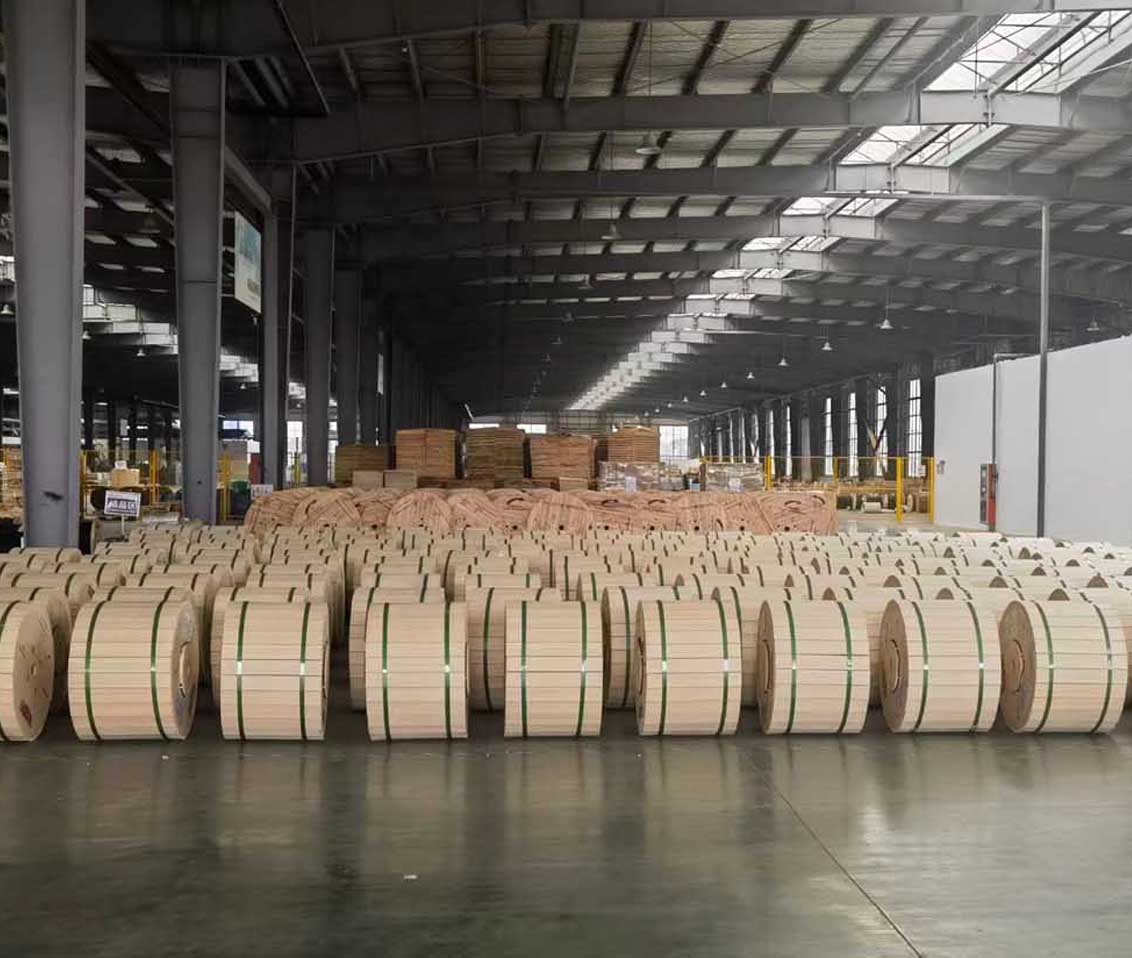
 Optical Fiber
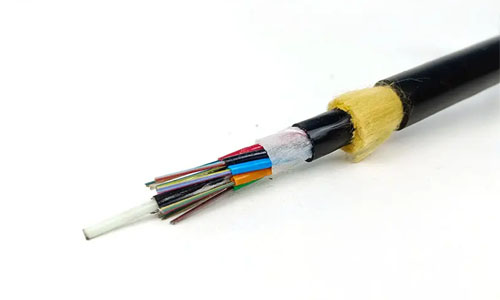 ADSS Fiber Optic Cable
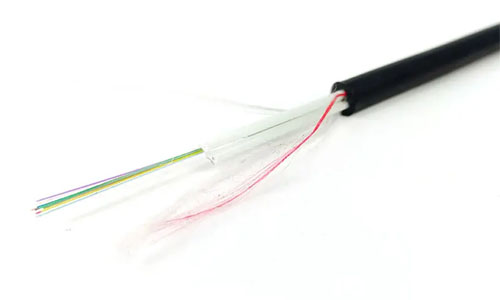 ASU Fiber Optic Cable
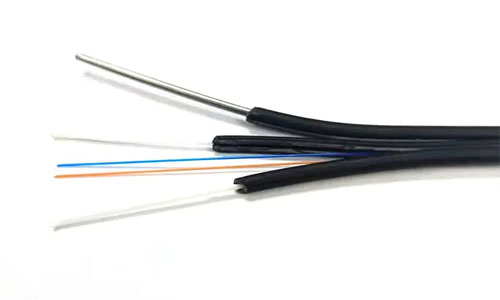 FTTH Fiber Optic Cable
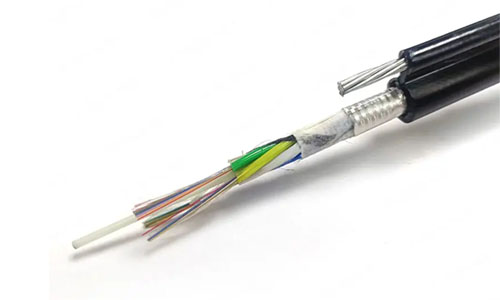 Figure 8 Fiber Optic Cable
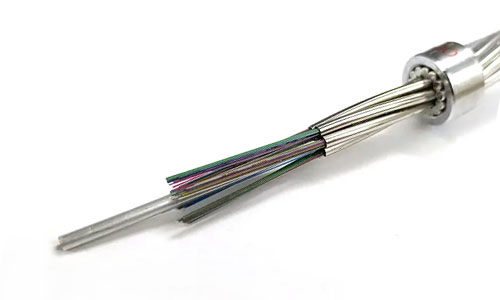 OPGW Fiber Optic Cable
 Coaxial Cable
 Ethernet Cable
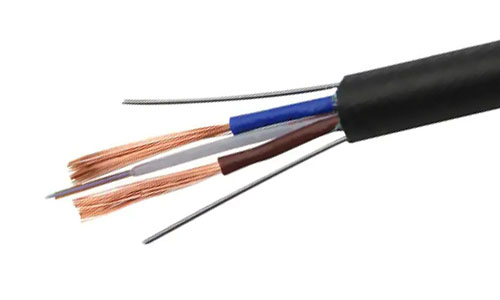 Photoelectric Composite Fiber Optic Cable
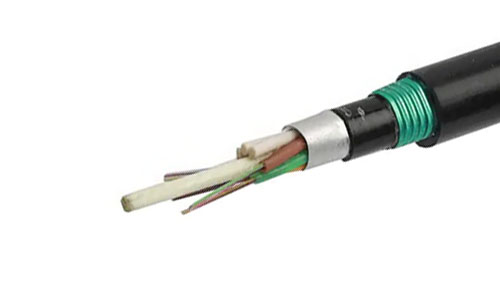 Underground & Pipeline Fiber Optic Cable
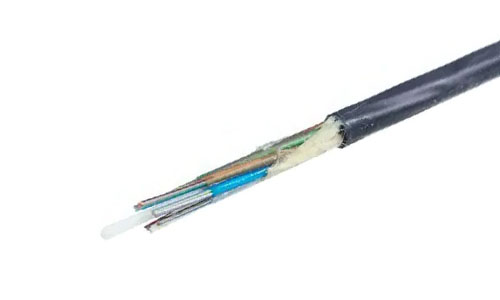 Air-Blown Micro Fiber Optic Cable
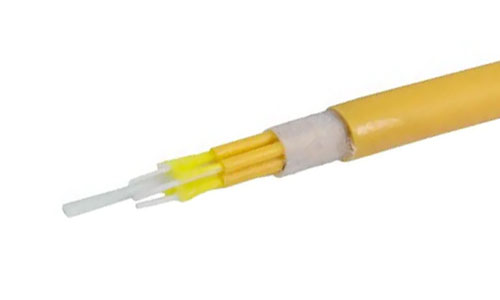 Indoor Fiber Optic Cable
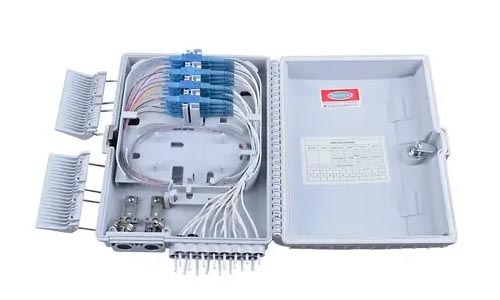 Fiber Optic Distribution Box
 Multiport Service Termina Box
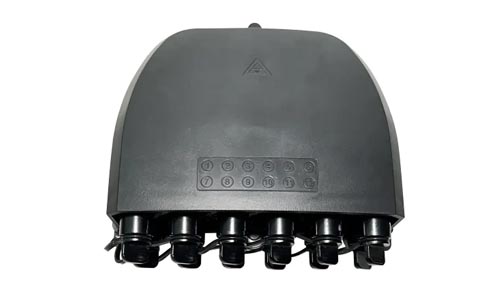 Fiber Optical Terminal Box
 Fiber Optic Splice Closure
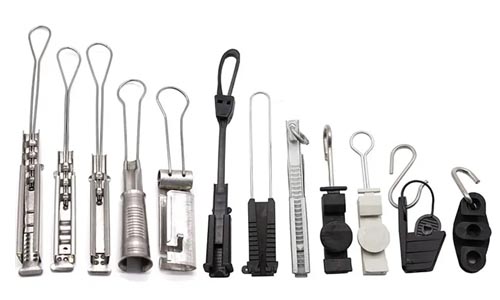 Fiber Optic Clamps
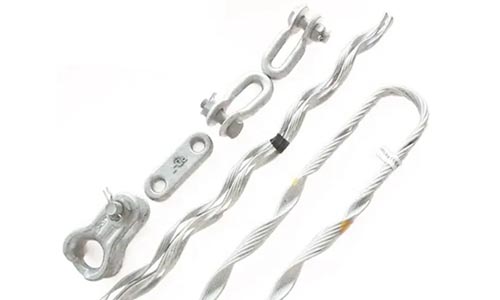 Fiber Optic Cable Fittings
 ADSS Fiber Cable
 ASU Fiber Cable
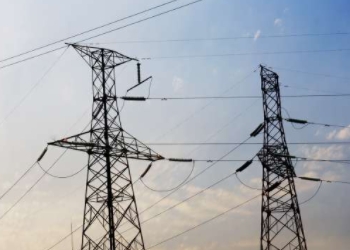 OPGW Fiber Cable
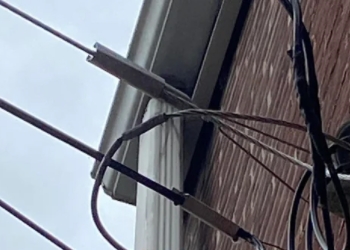 FTTH Fiber Cable
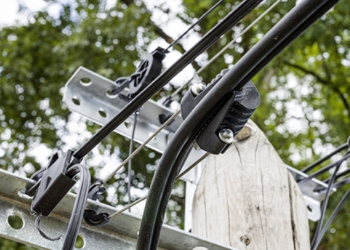 Figure 8 Fiber Cable
 Photoelectric Composite Fiber Cable
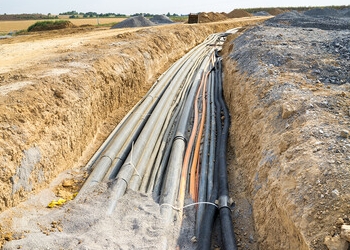 Underground & Pipeline Fiber Cable
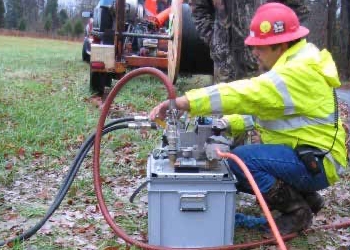 Air-Blown Micro Fiber Cable
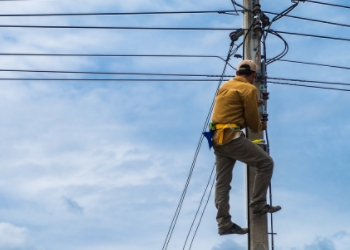 Aerial Fiber Cable
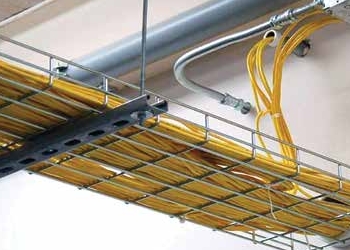 Indoor Fiber Cable
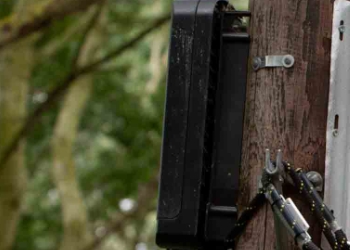 Fiber Optical Terminal Box
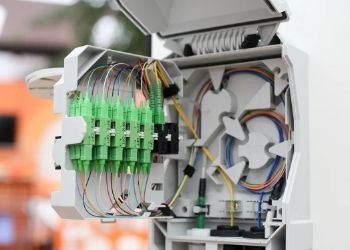 Fiber Optic Distribution Box
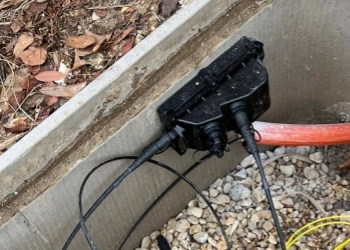 Multiport Service Termina Box
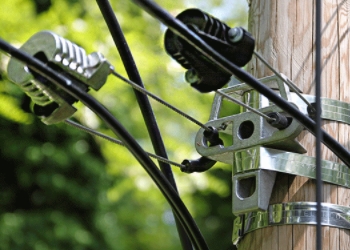 Fiber Optic Clamps
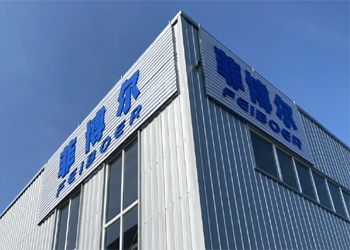 About Us
 Our Team
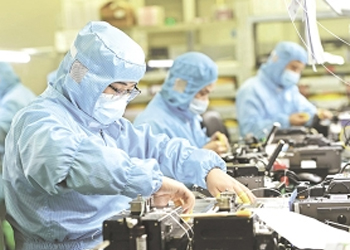 History
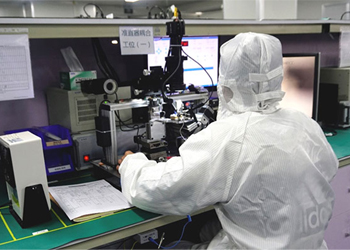 R&D Strength
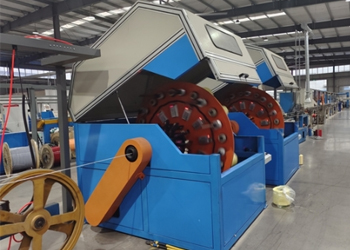 Production Base
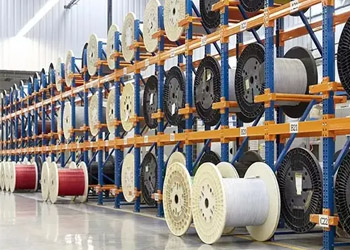 Warehouse & Logistics
 Quality
 FAQs
FAQsFiber Optic Cable Market Size, Share & Trends Report, 2030
Contact for Free Quotation & Sample, According to your needs, customize for you.
inquiry nowFiber Optic Cable Market Size, Share & Trends Report, 2030
The fiber optic cable market is an international juggernaut. It provides fiber optic cables, which consist of thin strands of glass or plastic that carry data at high speed. Essential to our broadband internet, telephone, and television networks, these cables have allowed us to transmit unprecedented amounts of data across our cities and continents.
Demand continues to skyrocket with more Americans requiring high-speed internet for remote work, virtual learning, and streaming media. Now, dozens of companies are in a fierce competition to provide the best and cheapest cables. Smart cities and new 5G networks are among the new uses fueling growth.
Countries pour money into fiber networks to hasten the delivery of digital services and foster the development of cutting-edge technology. The market is dynamic as new products and requirements emerge. In the following pages, information on market size, trends, and key players will provide context to these shifts.

Understanding Fiber Optic Basics
Fiber optics are incredibly thin strands of glass or plastic that transmit data using light signals. They’re an unsung hero of modern telecommunications, enabling everything from international fiber links to the internet, to streaming your shows on Netflix.
The setup is simple at first glance: each fiber has a core, a cladding, and a coating. The core, usually as thin as 9 micrometers in single-mode fibers, is where the light travels. The cladding, which surrounds the core, serves to contain the light within the core by reflecting it back. At the same time, the coating protects the fiber optic cable from scuffs and impacts.
How Fiber Optics Work?
The magic inside these cables comes from the properties of light and how it interacts with glass. Whenever a beam of light crosses the interface of the core and cladding, it angles, or “refracts.” It then remains inside by reflecting back and forth repeatedly.
This helps preserve the integrity of the signal as it zooms down the fiber optic cable. In reality, data is converted into pulses of light. These light pulses race across the globe close to the speed of light, transmitting everything from our video chats to stock market transactions.
Key Cable Varieties
Fiber optic cables come in three main types: single-mode, multimode graded index, and multimode step index. Single-mode fibers, with their minuscule 9-micrometer cores, excel at transmitting data over long distances like across cities or continents.
Multimode fibers have larger cores typically 50, 62.5, or even 100 microns so they’re more useful for shorter, campus-sized connections. For speed and distance, glass fibers typically win out over plastic fibers. However, plastic types can be more than sufficient for straightforward, short connections.
Why Performance Matters?
Bandwidth – this refers to the amount of data a cable can transport – is everything. Some fiber cables transmit at speeds of over 800 gigabits per second.
Faster speeds and larger bandwidths allow networks to operate more efficiently, reducing latency and increasing overall network reliability for users of all kinds.
Fiber Cable Market: Today & Tomorrow
The fiber optic cable market is currently at a crossroads. Culminating in steady growth, new technology, and major changes in the way people and businesses consume data. Globally, demand for high-speed, reliable data connections continues to increase, altering the competitive landscape and who controls it.
The following chapters take you through the market’s overall size, leading trends, trending growth areas, and most important ways companies make money.
1. Current Market Size Assessment
By 2030, the global market for fiber optic cables will reach around USD 20.89 billion. Increasing at a solid CAGR of 8.46% during the years 2025–2030. In 2024, Europe continues to make up a large portion at 21.8%.
This growth is driven by the demand for larger data centers and more advanced AI solutions. Latin America is getting on board! It has recently gained an 8.4% market share, fueled by demand for smart farming, green energy, and cloud services.
These areas are examples of how locally defined priorities can have an outsized impact on the international stage.
2. Dominant Market Trends Now
At this moment in history, the installation of 5G networks is the most prominent example. The telecom application segment dominates the market, with more regions deploying 5G and seeking higher, quicker, more reliable connections.
Governments influence the equation by investing in 5G and smart factories, thus increasing the productivity and demand for fiber cables. Single-mode fiber is experiencing greater demand, reaching USD 7.26 billion by 2024, valued for speed, range, and durability.
3. Anticipated Growth Hotspots
Asia and Africa are on the verge of fueling the next wave of fiber growth. Likewise, power utilities are expanding rapidly, with a staggering annual growth rate of 10.9%.
They are looking for faster data and more intelligent grids to manage this explosive growth. Aerial fiber—which is easier and cheaper to install than underground—might exceed USD 9.14 billion by 2034.
4. Core Revenue Stream Insights
The majority of this funding is driven by telecom, with accelerating adoption of 5G and cloud consumption. Telecoms require direct, high-speed, consistent connections.
This increased need is the primary force behind the overall capital build and upgrades, constituting the largest revenue source.
What Fuels Market Expansion?
Expansion in the fiber optic cable market is fueled by an increasing demand and technological advancement. The confluence of urbanization with rapid technology is creating an unprecedented opportunity. Fiber optics will be even more important when it comes to how we connect and share information. Similarly, in many countries, we are experiencing powerful politics for superior, swifter, stronger and more trustworthy superhighways. Here’s a closer look at what’s fueling this dramatic shift.
Soaring Data Demands
Americans rely on the internet for work, school and play more now than ever before. Video conferencing, online streaming, digital cloud storage—these are all activities we engage in every day that require fast, seamless data. Fiber optic cables, specifically, since they carry the most data at the highest speeds and the least amount of latency.
As Americans consume more data than ever, telecom companies need to expand their fiber networks. There, as in India and Brazil, millions more are getting connected every year. Fiber optics are key to satisfying this surging demand. This demand for more speed and more bandwidth is driving the market around the world.
Telecom Network Modernization
Telecom networks Copper wires are at the heart of many legacy telecom networks, and with good reason. As providers migrate to fiber optics to increase their network speeds and reduce dropped calls, there’s an opportunity to take a leap forward.
Upgrade provides the tools necessary for a seamless video calling experience, improved online gaming and access to future digital services. For service providers, modern networks reduce the cost of repair and preemption while creating new business opportunities. That trend is powerful across old industrial cities and new suburban small towns, where universal, reliable internet access has quickly become an essential amenity.
New Tech Reliance
Smart cities, IoT devices, and 5G rollouts need dependable fiber networks to make them work. When streetlights communicate with sensors or houses are filled with smart devices, fiber is what powers them all to communicate quickly and reliably.
Meanwhile, markets in Africa and Southeast Asia are just starting to bet big on fiber. They’re taking this step as they lead the way to adopting new technology. As these trends continue to develop, the demand for more cables planted in the ground continues to increase.
Obstacles in the Fiber Path
Constructing a more robust fiber optic network goes beyond the blitz of speed. Plenty of obstacles remain between new cable and deployment in the real world. These obstacles are acutely and painfully felt by both business and tech leaders, whether they are building new routes or maintaining service on established corridors.
These hurdles delay deployment, increase expenses, and in many cases, determine who receives broadband that is quick and dependable.
High Upfront Installation Costs
High Upfront Installation Costs Along the lengthy journey to completed broadband access, one major obstacle lays in the ground. The costs of digging trenches, purchasing cables, and hiring skilled workers all make it expensive quickly.
It’s exacerbated when you’re in a rural or difficult to reach area where longer distances and more rugged terrain increase the challenge. Subsea cables require specialized ships and equipment, further driving costs up.
Some private sector companies attempt to reduce costs by collocating and sharing trenches with water or power lines. They deploy new technology to accelerate the pace of excavation! Federal investments and public-private partnerships abound, further lowering the risk on these projects for private companies.
Physical Damage Vulnerability
Even though fiber cables are remarkably resilient, they can be snapped by the best of the digging, roadwork, and yes, even animals. A poorly performed rough cut can misalign signals and allow contaminants to enter, leading to signal loss or service outages.
In chilly environments or underwater, cables are even more difficult to repair. Others employ thicker sheaths, physical warning signs, and more accurate maps to better safeguard their lines. A few invest in real-time monitoring so they can identify trouble quickly.
Addressing Network Security
Even as more Americans use fiber networks, they are not entirely without risk. A simple tap or bend in a line could open the door for hackers or cause a data leak.
Macro-bending and connector loss additionally reduce signal strength, amplifying the effects of attacks. Extensive employee training, encrypted communications signals, and constant monitoring and auditing work together to ensure customer data remains secure.
The Persistent Last Mile Challenge
The term “last mile” refers to the last bit of distance to residences or places of work. This last part tends to be the most difficult and expensive, frequently dealing with obstacles such as bustling thoroughfares or historic structures.
Wireless links, micro-trenching, or more robust local mesh networks might all play a role in filling these gaps.
Future-Forward Fiber Tech
Smart fiber optic cable technology is racing ahead, with innovative concepts reimagining both the physical construction and utilization of these cables. More people and companies are demanding speedy data and robust connections. In part due to this demand, the global fiber market is expanding—projected at a 13.5% CAGR from 2022 to 2030.
With the advent of 5G, Big Data, and IoT, fiber is leading the charge. Businesses select fiber because of its lightning-fast speeds, security and far-reaching coverage.
Next-Generation Cable Innovations
Improvements to aesthetics are underway. Designs are improving, allowing cables to blend the past and the future, as with 50G-PON. This technology allows a single line to carry multiple services, making it simpler to upgrade when the time is right.
Pre-built Multi-service Terminals (MSTs) do a lot of the heavy lifting—these just plug in, meaning workers don’t require extensive splicing expertise. Additionally, sensors embedded in fiber cables can detect ground tremors or even attacks on pipelines beneath the pavement. This system provides municipalities and operators with improved tools to protect safety and maintain efficient operations.
Smarter Manufacturing Evolutions
Producing cables is a lot more intelligent today. Automation and advanced manufacturing technologies in factories translate to reduced waste and increased velocity.
For makers, the benefits of fiber are significant. They can run longer cables with fewer breaks. This is key to moving fiber to more locations, far and wide, including those areas that may be challenging to serve.
Automation reduces human error and saves money. Those new configurations allow more people—including those in rural areas—to be connected more quickly.
Advanced Network Capabilities Unlocked
When fiber and 5G complement each other’s strengths, remarkable innovations become possible. Smart cities, driverless cars, and remote health technologies require robust connections.
Fiber’s massive bandwidth allows an incredible amount of data to move instantaneously, meaning many of these concepts operate in real-time. It’s data centers and phone companies that truly win, as upgrades arrive more quickly and networks remain resilient.
Where Fiber Makes a Difference?
With the help of fiber optic cables, entire industries are evolving. With the push for faster data and more stable links, fiber now sits at the core of many big changes happening worldwide. Its impact extends well beyond simply providing faster internet to residential customers.
Powering 5G and Better Broadband
Fiber optics is at the heart of making 5G networks a reality. The cables transport massive quantities of data— as much as 800 Gbps —between cell towers and network hubs. This enables 5G to handle more users, smart automotive vehicles, and dynamic video feeds without lag.
In communities across the country, fiber is the key to delivering high-quality broadband to every home and school. It eliminates laggy speeds and ensures video conferencing, streaming and gaming is seamless.
The Backbone for Data Centers
Today’s data centers rely on fiber for their backbone. These cables are responsible for transmitting high capacity data at high speed and maintaining a reliable connection over vast distances.
Using single-mode fiber, a center can connect their servers across cities. This is critical for cloud storage and streaming, where a lag of even a second can lead to tangible issues.
Expanding Across New Industries
Recently, fiber has been making its appearance in new industries. Smart factories leverage it to connect the automation of robotics and sensors on the manufacturing floor.
Hospitals rely on high-capacity fiber links to provide immediate sharing of scans and patient files. Even hospitality has adopted it, realizing the need for strong Wi-Fi and smart room tech.
This includes supporting electric power utilities and solar power farms transmitting data about energy use and energy output.
Beyond Speed: Why Latency Matters
Speed may get all the headlines, but reduced latency is equally important. Fiber optic cables have nearly eliminated the wait time for data to travel.
This translates into a smoother and safer experience for activities such as stock trading, telemedicine, or watching live professional sports. Reliable, high speed connections help people and devices respond instantly.
Global Factors & Future Path
The fiber optic cable market is at a critical inflection point. Global expansion is on a roll! The global market is expected to more than double, growing from USD 8.96 billion in 2025 to USD 17.84 billion by 2032. This growth is a testament to the rapid increase in 5G subscriptions—as much as 1.9 billion by 2024—propelling high-bandwidth demands from continent to continent.
Currently, less than 10% of the connections globally are through fiber, indicating a massive opportunity for increased reach and impact.
Navigating Supply Chain Realities
Supply chain snafus are still a tangible stumbling block for fiber optic manufacturers. Sourcing raw materials, transporting goods across borders, and maintaining price stability are just a few of the challenging issues.
Factory slowdowns in Asia Pacific have the potential to derail global timelines. This area comprises nearly 29% of total revenue. To overcome this, companies are increasing local inventories and finding more supply sources.
They’re using technology to monitor the movement of goods in real time. These measures ensure that the chain keeps flowing even when segments of the chain come to a halt.
Policy and Standards Influence
Policies and standards determine not only who gets to compete, but the rate at which they are able to develop. A growing number of governments are requiring enterprises to invest in stronger security and safer flow of data, compelling markets to respond to these new requirements.
Changes in policy can bump up costs or open doors for makers who meet higher marks, so staying alert to shifts is key.
The Push for Greener Fiber
Sustainability is not just a marketing term. Whether it’s reducing the energy needed to produce new cables or reusing the materials in old lines, manufacturers are discovering innovative solutions to reduce waste.
These eco-friendly moves are smart business. These green steps don’t just comply with new regulations, they impress buyers looking for cleaner technology.
Geopolitics Shaping the Market
Trade spats and changing relationships among major countries influence both demand and supply. New regulations on technology exports can delay or accelerate initiatives in Europe and Asia.
Moreover, the effects of tariff changes is quite similar. This makes the market very dynamic and somewhat volatile.
Conclusion
Fiber optic cables are what allow today’s world to be so small, quick, and connected. Each piece of new technology or emerging city requires a robust backbone for information. These markets continue to expand as Americans crave greater speed and connectivity at home, in the workplace, and on the go. There are still barriers for many locations such as expense or difficult terrain. It’s the sharp minds and new ideas that fill those gaps every year. Today fiber lines are appearing in farms, communication towers, and even deep underneath metropolitan city streets. It’s steady, sure growth and sure doesn’t feel like a bubble. Curious to find out what’s different next? Keep a pulse on market intelligence and new developments. Post your questions, let us know what you think, and help change the discussion about where fiber should go from here.
Frequently Asked Questions
What is a fiber optic cable?
What is a fiber optic cable? It carries information through digital light pulses, enabling quick and consistent connectivity across extensive ranges.
How big is the global fiber optic cable market?
That global fiber optic cable market is valued in the tens of billions of US dollars. It’s as strong as ever and getting stronger every year, fueled by the insatiable global demand for faster internet and more resilient network infrastructure.
What drives the growth of the fiber optic cable market?
Primarily, the emergence of demand for high-speed internet, developing data centers, proliferation of 5G networks—and investments in smart city initiatives. Increasing adoption of digital technology in developed as well as developing countries further propels the market demand.
What challenges does the fiber optic cable market face?
Key challenges facing the fiber optic cable market High installation costs, complex tech and a shortage of skilled labor. Many of these areas still face regulatory challenges and challenging landscapes for cable installation.
What are the latest advancements in fiber optic technology?
Recent innovations concentrate on achieving ever greater levels of data transmission speed, durability and cost-effectiveness. Advancements such as bend insensitive fibers and higher capacity cables are paving the way.
Where are fiber optic cables most commonly used?
Fiber optic cables are deployed in telecom, internet, medical imaging, military, and industrial applications. They are essential to support the increasingly high-speed and reliable connectivity that all sectors now depend on.
How do global factors influence the fiber optic cable market?
How do global factors influence the fiber optic cable market. In addition, international trade and subsequent stability of the supply chain are vital components in the growth of the market.