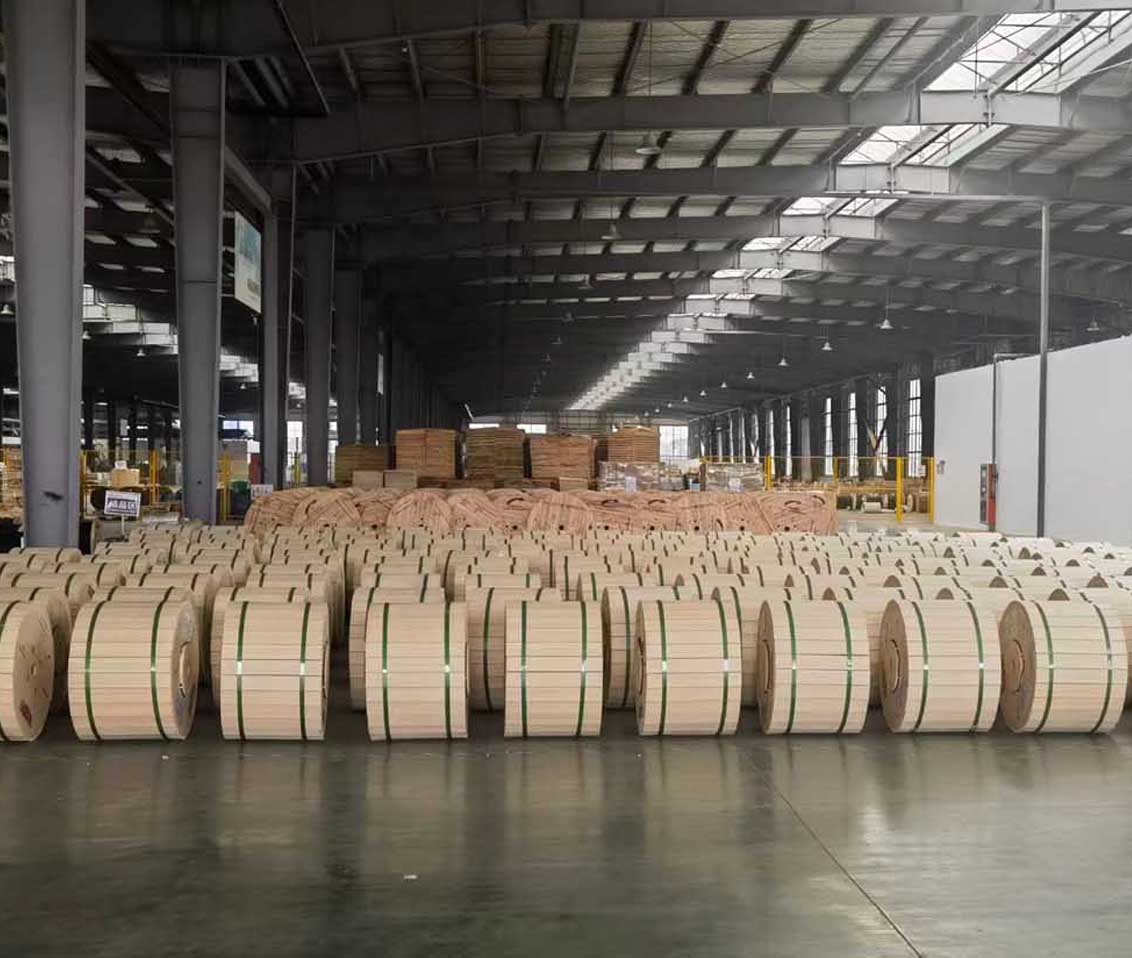
 Optical Fiber
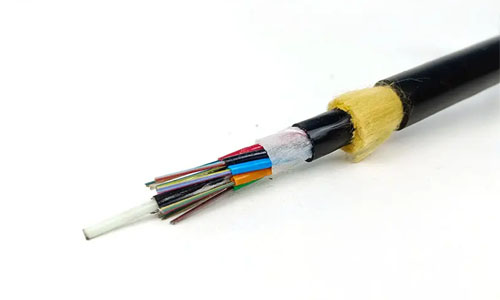 ADSS Fiber Optic Cable
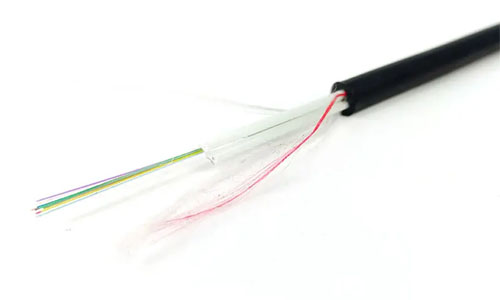 ASU Fiber Optic Cable
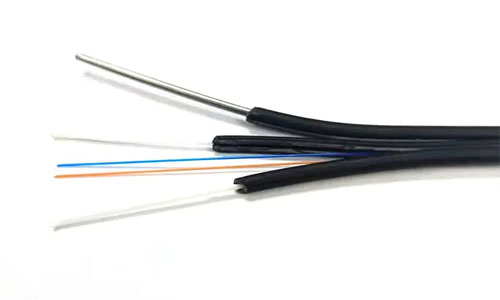 FTTH Fiber Optic Cable
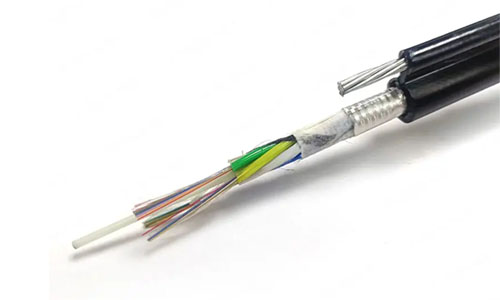 Figure 8 Fiber Optic Cable
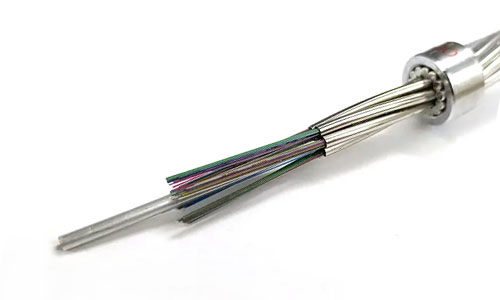 OPGW Fiber Optic Cable
 Coaxial Cable
 Ethernet Cable
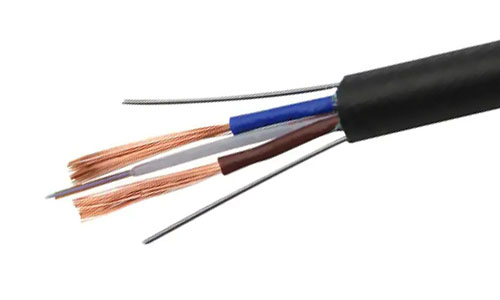 Photoelectric Composite Fiber Optic Cable
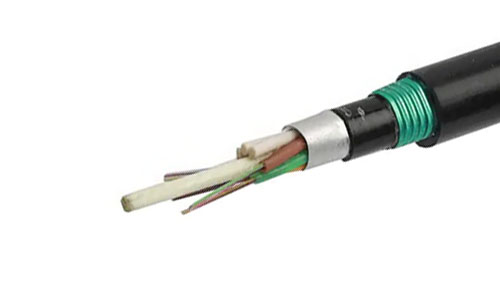 Underground & Pipeline Fiber Optic Cable
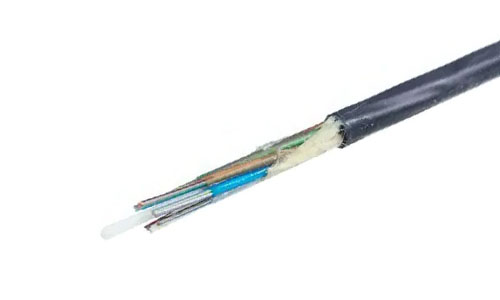 Air-Blown Micro Fiber Optic Cable
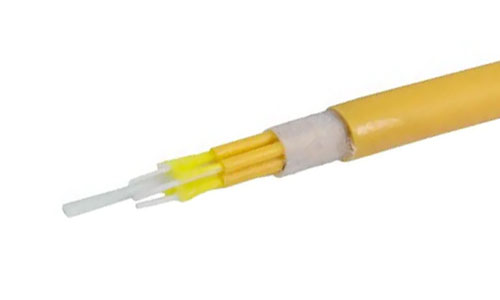 Indoor Fiber Optic Cable
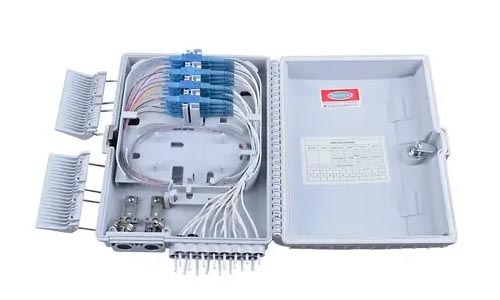 Fiber Optic Distribution Box
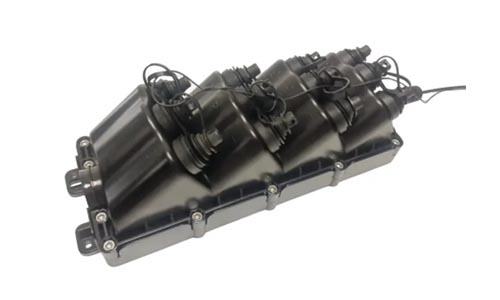 Multiport Service Termina Box
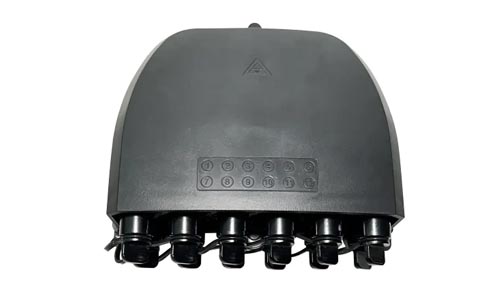 Fiber Optical Terminal Box
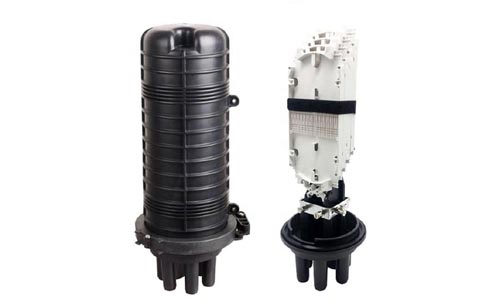 Fiber Optic Splice Closure
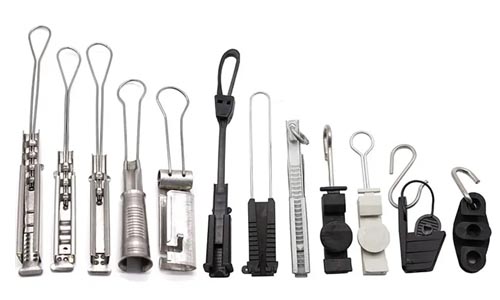 Fiber Optic Clamps
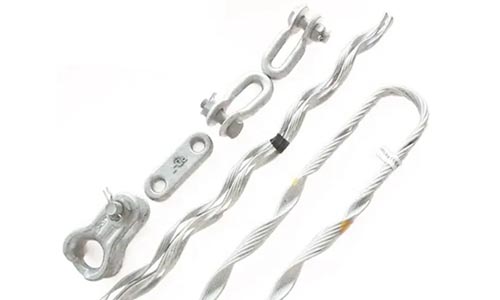 Fiber Optic Cable Fittings
 ADSS Fiber Cable
 ASU Fiber Cable
 OPGW Fiber Cable
 FTTH Fiber Cable
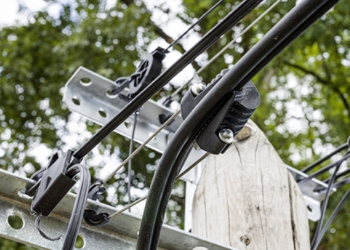 Figure 8 Fiber Cable
 Photoelectric Composite Fiber Cable
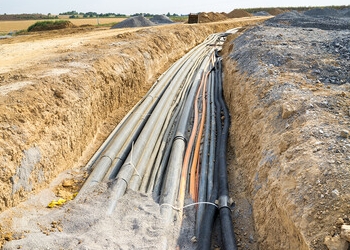 Underground & Pipeline Fiber Cable
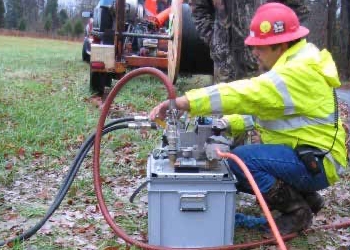 Air-Blown Micro Fiber Cable
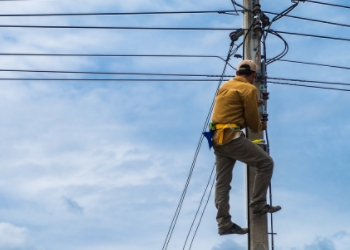 Aerial Fiber Cable
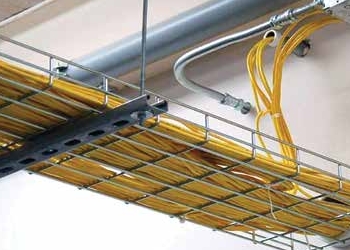 Indoor Fiber Cable
 Fiber Optical Terminal Box
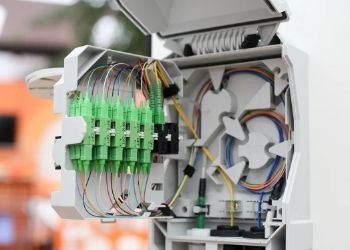 Fiber Optic Distribution Box
 Multiport Service Termina Box
 Fiber Optic Clamps
 About Us
 Our Team
 History
 R&D Strength
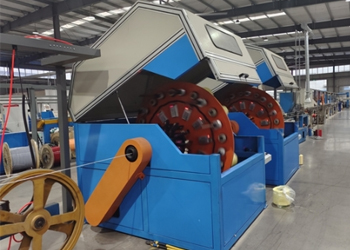 Production Base
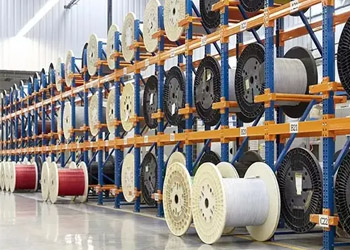 Warehouse & Logistics
 Quality
 FAQs
FAQsFiber Optic Cable Core: Structure and Importance Explained
Contact for Free Quotation & Sample, According to your needs, customize for you.
inquiry nowFiber Optic Cable Core: Structure and Importance Explained
The core of the fiber optic cable is an important aspect to transmitting light signals. It fuels faster and more efficient data transfer across all types of communication networks.
The core’s material composition, typically high-purity glass or plastic, plays a critical role in determining signal quality and transmission efficiency.
The diameter of the fiber core plays a key role in performance. Single-mode fibers are far superior in long-distance, high-bandwidth scenarios, and multimode fibers perform better over shorter distances.
All of this is possible through total internal reflection, which occurs with the refractive index difference between the core and cladding. This mechanism ensures high signal integrity and low loss.
Proper handling, installation and techniques such as splicing and connectorization are critical to achieving high signal quality and avoiding damage.
Advancements in core technology are pushing the envelope on fiber optic cables. Increased use of materials and designs seldom seen before are increasing their performance and reliability.
The core of a fiber optic cable is the section where light signals pass through. It’s flexible, durable central part that allows long-distance, high-speed data transmission. Composed of either glass or plastic, the core transmits light inside and is engineered to carry that light with high efficiency, preventing signal distortion over extreme distances.
Single-mode fibers have a core diameter of around 8 microns. By comparison, multi-mode fibers are between 50 and 62.5 microns each, with each dimension tailored to application-specific needs. Protective layers with cladding surrounding the core help prevent breakage and deliver reliable performance in even the most rugged environments.
Whether it’s found in communications or fiber optic internet infrastructure, or the medical imaging device, like a CT scanner, the core is critical to fast connectivity. Get to know its structure and function so you can choose the best cable for your application.

What is a Fiber Optic Core?
The core is the most important part of a fiber optic cable. It acts as the actual tunnel through which the light signals travel, thus transmitting data between a light source and a receiver. This core, typically made from silica or plastic, is selected for its ability to hold a high bandwidth signal with minimal attenuation or interference.
For some applications, alternative materials such as polymethyl methacrylate (PMMA) or polycarbonate are employed, as seen in plastic optical fibers (POF). These engineered materials maintain the core’s ultra-thin, ultra-flexible structure as it endures extreme operating temperatures.
1. Define Fiber Optic Cable
A fiber optic cable consists of three primary layers: the core, cladding, and jacket. The core, which is in the middle of the fiber, is what transmits the light signals. The cladding encircles the core and bounces light back into it.
The outer jacket offers additional durability and protection. When compared to traditional copper cables, fiber optics are superior in speed of data transmission, increased bandwidth, and EMI (electromagnetic interference).
2. Core's Primary Function
The core passes light through the fiber with very low loss. It relies on TIR — total internal reflection — to prevent any of its signals from escaping. Its design, including fiber optic core size, has a dramatic impact on its performance.
Single-mode fibers have smaller cores, around 0.00035 inches, which make them ideal for long-distance transmission. Conversely, multimode fibers have much larger cores, up to 0.002 inches, allowing them to capture more light over shorter distances.
3. Core Location in Cable Structure
At the center of the fiber optic medium, the core works with the cladding to keep light signals bouncing, minimizing loss. Its strategic placement means the least amount of signal loss and best in-class performance.
Fiber Optic Cable Structure
Fiber optic cables are precision-engineered with five core components: the core, cladding, coating, strengthening fibers, and the outer jacket. From its strict components to its extensive capabilities, each piece contributes to the performance, efficiency, and longevity of one fiber optic cable.
These components function collaboratively to facilitate long-distance, light-based data transfer. This lossless process is what distinguishes fiber optics from standard electrical cables, which use electrical currents that can be easily disrupted.
Core Material Composition
The core is the inner part of the fiber optic cable, which is specifically designed to carry light signals. Fiber optic cable is usually produced with ultra-pure glass or top-shelf plastic.
Glass cores, mostly made from silicon dioxide (SiO2), are preferred because of their optical clarity and extremely low signal loss. Single-mode fibers usually have a core diameter of 8 to 10 microns. Conversely, multimode fibers have much thicker cores that range from 50 up to 62.5 microns.
Impurities in the material purity directly affect the efficiency of light that can be transmitted, scattering or absorbing light and thus degrading the system’s overall performance.
Cladding Explained
The cladding that surrounds the core is an optical waveguide composed of a material with a slightly lower index of refraction. This difference enables total internal reflection, keeping light signals trapped within the core.
For instance, a commonly used core would have a refractive index of 1.48 while the cladding would read 1.46. This construction protects the fiber from signal loss and ensures data integrity.
| Material | Refractive Index |
| Core (Glass) | 1.48 |
| Cladding | 1.46 |
Buffer Coating Purpose
The buffer coating protects the fiber from physical damage such as scratches or breakage. Typically produced from polymer materials such as acrylate, coatings give fiber something useful: flexibility and ruggedness.
Coating diameters are different, affecting how easy the fiber can be handled. Smaller diameters allow for greater compactness, while larger ones offer better mechanical protection.
Outer Jacket Protection
The outer protective jacket protects important internal components from environmental dangers such as moisture or mechanical abrasion. Jackets vary in type, plenum-rated for indoor airspaces, riser-rated for vertical installations, LSZH (low smoke zero halogen) for safety, and outdoor jackets for weather resistance.
Materials such as polyethylene improve durability, providing reliability even in extreme environments.
Core's Role in Data Transmission
The core of a fiber optic cable is the heart of the cable and what makes high-speed data transmission possible. Serving as the guiding hand for all light signals, the core makes sure that data moves seamlessly over great distances.
Cable diameter and material are very important considerations. These qualities strongly affect its capacity to conduct data at low power dissipation and high fidelity. In single-mode fibers, the core diameter is 8 to 10 microns. They tend to be most optimized for high-speed, long-distance communication, which makes them ideal for telecommunications applications.
Multimode fibers have much bigger diameters, from 50 to 62.5 microns. They transmit in several light modes, increasing data carrying capacity across shorter distances, and are widely implemented in local area networks.
Light Transmission Principles
The idea of the light passing through the core is based on the concept of total internal reflection. This characteristic process prevents light signals from escaping outside the core of the fiber, thus ensuring there is little to no signal loss.
Single-mode fibers, on the other hand, diameter permit only one mode of light to propagate, minimizing dispersion and increasing speed over longer distances. Multimode fibers allow multiple modes, or pathways, for light to travel along, which increases capacity.
However, without proper design considerations, this can cause modal dispersion, limiting their application to shorter spans.
Total Internal Reflection
This phenomenon, known as total internal reflection, is made possible because of the difference in the refractive index between the core and the cladding. This keeps the light signals inside the core, increasing efficiency in their transmission.
Fibers designed with precise core materials reduce attenuation rates, often below 0.2 dB per kilometer at 1550 nm, optimizing long-distance performance.
Signal Integrity Maintenance
Signal integrity is very important, especially at high speeds. Physical conditions like external stress and bends are detrimental to performance.
First-rate core designs minimize core loss and ensure uniform reliability over time, even in-demand applications such as switchgear cabinets.
Single-Mode vs. Multi-Mode Cores
As more people and devices require reliable and high-speed data transmission, fiber optic cables are increasingly important. Single-mode and multi-mode fibers fulfill unique needs. The difference between these two comes down to their core design, performance, and usage.
Core Diameter Differences
Core diameter has a huge impact on how fibers carry light. Single-mode fibers have a small core, less than 0.0004 inches, or 10 microns in diameter. This design allows just a single light wavelength to transmit.
This accurate structure reduces light spread, making it appropriate for cross country communication. Multi-mode fibers have larger cores of 0.002 inches (50 microns) or greater. This design permits multiple light modes to pass through at the same time.
Although this design allows for much higher light intensity, it creates greater modal dispersion, restricting distance and bandwidth.
Bandwidth and Distance Capabilities
Single-mode fibers have a much smaller core that enables the delivery of higher bandwidth. They enable longer reach, with transmission distances up to 124 miles (200 km). This quality gives their fiber cores exceptional qualities suitable for telecommunication and internet backbones.
In contrast, multi-mode fibers are best for short-distance applications. They have a maximum range of 3 miles (5 kilometers), which makes them ideal for data center and campus/metro area networks.
The best example is that the single-mode fiber was the best choice for inter-city connections while multi-mode fibers work well for office universes.
Application Use Cases
Single-Mode Fiber: Telecommunications, cable TV, long-haul networks.
Multi-Mode Fiber: Campus networks, data centers, enterprise LANs.
Industries such as healthcare, education and last mile deployment in finance have greatly benefitted from these technologies. They enable rapid, secure, high-speed communication.
Factors Affecting Core Performance
The performance of a fiber optic cable core is influenced by a combination of design, material quality, and environmental conditions. Each of these factors significantly affects the transmission of signals and long-term performance.
Impact of Core Diameter
Core diameter has a direct influence on how and where light signals travel through the fiber. Wider cores like those found in multimode fibers allow the fiber to support multiple light pathways.
However, they do suffer from modal dispersion, which can decrease their signal clarity over large distances. Smaller cores are typical with singlemode fibers. They allow for very accurate signal propagation with little spread or flare, making them ideal for high-speed, long-distance applications.
A core diameter mismatch leads to signal loss at splice points. Light has a hard time transferring across to fibers that have larger or smaller cores. In networks where fusion splicing is required, such mismatches result in additional insertion loss. This effect compounds with any lateral or angular misalignment.
Material Purity Influence
In core construction, the use of high-purity materials is critical to minimize the signal loss. Any impurities within the fiber core can scatter or absorb light, increasing attenuation.
Vapor deposition, one of many advanced manufacturing techniques employed, ensures core purity and uniformity. By virtue of that, they bring intrinsic splice losses down to less than 1%.
This kind of tolerancing precision is vital in applications where low insertion loss is indispensable, including high-density data centers.
Environmental Stressors
Environmental factors such as extreme temperatures, moisture, and physical stress can negatively affect fiber integrity. For example, extreme heat can make a cable expand and contract.
Moisture can seep in through improperly installed cables and short them out or degrade performance. Protective measures, like healthy coatings and fiber environmental enclosures, protect fibers from these stressors and provide durability.
Manufacturing and Quality Control
Fiber optic cables are complex components engineered for optimal data delivery but full performance is contingent upon the integrity of their cores. Its core, constructed from pure silicon dioxide, is essential for moving light signals with little to no loss. Producing these cores presents unique challenges that demand innovative solutions and stringent quality control to ensure industry compliance and reliable performance.
Core Production Challenges
Making the cores for fiber optic cables requires nothing short of perfection. Any impurities in the SiO2 can cause signal loss or distortion, making material quality and purity a critical factor. Because of variability in the manufacturing process, uneven core diameters can result.
Inconsistencies in fiber drawing and failure to maintain temperature consistency are primary characteristics that play a direct role in performance. Inconsistent core diameters, for instance, lead to a high increase in attenuation resulting in less data transmission efficiency.
To mitigate these problems, manufacturers are pouring innovative techniques like chemical vapor deposition processes to improve core uniformity. Innovations such as Dense Wavelength Division Multiplexing (DWDM) technology further multiply data-carrying capacity, improving production efficiency. The use of stainless steel components in the cable structure adds to the durability and long-term reliability of the system.
Testing and Validation Methods
Thorough testing of individual fiber optic cores is essential to ensure they reach established performance benchmarks. Parameters including attenuation, bandwidth, and signal-to-noise ratio are tested with equipment including optical time-domain reflectometers (OTDR).
Advanced automated systems further streamline testing, ensuring compliance with industry standards.
Industry Standards Compliance
Nationally and internationally, organizations such as ANSI and ITU-T set standards for the design and production of fiber optics. Compliance guarantees repeatable performance, quality, and interchangeability between applications.
The standards foster innovation and help lead the industry to more durable, lightweight, and efficient designs.
Installation Best Practices
As sensitive and expensive components, fiber optic cables must be installed with an eye toward the highest standards and practices to increasingly deliver solid performance and longevity. Correct installation keeps elements from damage while reducing signal loss, to help provide a fast, high-quality network.
Here are some important factors to keep in mind for a successful FTTH deployment.
Connectorization Techniques
It’s imperative that signal integrity is key, and connectorization plays a huge role in that. Innovative techniques like epoxy and polish, pre-polished connectors, and fusion splicing have become quite standard. Each one serves a specific purpose, with epoxy and polish providing the greatest precision, while the use of pre-polished connectors enables faster installations.
Optimal splicing Fusion splicing, commonly used for permanent connections, creates the lowest possible signal loss. Common connectors, such as SC, LC, and ST, are selected according to the application. Cleaning and alignment during this process is critical to prevent any signal loss.
Splicing Methods
Splicing joins fiber optic cables, and there are two common types of splice methods, mechanical splicing and fusion splicing. Mechanical splicing, which manually aligns fibers, is an option for temporary installations or emergency repairs.
Fusion splicing, which employs heat to fuse fibers together, offers a higher quality low signal loss, making this method the choice for permanent installations. In order to make sure successful splice is achieved, adhere to installation best practices. Ensure the fibers are clean and verify using an OTDR with a long launch cable.
Minimizing Loss and Dispersion
Changes in fiber diameter produce signal loss and dispersion that degrade performance. To minimize these, keep the recommended minimum bend radius and use specialty materials engineered to minimize attenuation through effective transmission.
Routine inspections, careful use and management of the technology, and advanced tools such as a visual fault locator make it easier to identify and repair faults faster.
Innovations in Core Technology
With fiber optic core technology, we’ve witnessed incredible developments that have transformed the way our world transmits data instantly and cost-effectively across the globe. These innovations are aimed at both the materials, design, and manufacturing processes leading to advances in performance, durability, and scope of application.
Further down, we unpack what’s going on with these changes and what they mean.
Advanced Materials Research
Continued research into new, high-performance materials for optical fiber cores is crucial to continued innovation. Hollow core fibers are a huge step, using air or gas-filled cores instead of the conventional solid glass. This unique design minimizes scattering of light thus maximizing speed and precision.
As an emerging technology, multicore fibers are rapidly growing in popularity. They can combine dozens of data paths through a single cable, reducing the needed space by as much as 75%. The beauty of these fibers is that they support simultaneous two-way data transmission, significantly simplifying operations.
Ongoing advancements in developing materials that reduce attenuation rates even more improve signal strength across long distances, making high-speed connectivity consistently reliable.
Enhanced Transmission Efficiency
The history of core design has a profound influence on transmission efficiency. Single-mode fibers have smaller cores that help them shine in long-distance data transmission. They focus on reducing signal loss by directing light along one focused beam.
Advanced textile approaches including precision alignment and state-of-the-art doping methods play a part in producing high-quality fibers. Multicore technologies with the highest efficiencies show lower attenuation values and less cable count requirements, providing real-world answers to increasing network needs.
Future Development Directions
Emerging trends such as multicore technology and hollow cores hold exciting potential for transformative use cases in telecommunications. Ongoing innovation is essential to meet the growing global demand for data sustainably.
Ensuring Signal Reliability
Signal reliability is critical across all fiber optic networks, as these networks need to provide high-speed data services without any service interruptions or degradation. Here are a few things to consider, including material quality, installation practices, and ongoing maintenance. This is the only way to significantly improve performance and minimize disruptions.
Minimizing Signal Degradation
Signal degradation in fiber optic systems is when the transmission of light through the fiber weakens either over distance or because of outside stressors. Employing optical fibers with low-loss, high-performance connectors maximizes light power delivered over long distances.
Ensuring correct alignment on installation is extremely important to keeping that intensity high. Environmental conditions like extreme temperature changes or lack of moisture can be detrimental to signal quality as well. To combat this, rubber or insulated protective cable sheathing and sealed connectors can help keep harmful elements out.
Regular maintenance is important too, as many as 90% of cable failures come from physical damage or wear. Inspections need to be aimed at finding bends, breaks, or other misalignments that affect the reliability of the signal.
Core Material Selection
The selection of core material is intimately intertwined with performance. Single-mode fibers have a core diameter of 8–10 microns. They’re ideal for high-speed transmissions as they allow only a single light wave, reducing the potential for interference.
Pure silica materials ensure exceptional clarity enabling extremely long-distance data transmission. Specifically, polymer cores outperform short-range applications, leveraging their flexibility to withstand a range of stresses, including installation and environmental effects.
Choosing the right material is driven by the unique needs of each network, including speed, distance, and intended operating conditions.
Proper Handling Techniques
So obviously careful handling in implementation and ongoing maintenance is essential. Do not bend cables more than their minimum radius and use distributed fiber Bragg graters to measure strain.
Follow these guidelines:
Do: Use protective gloves, store cables properly, and check alignment.
Don’t: Pull cables by force, over-tighten clamps, or expose to heat.
Conclusion
The fiber optic cable core acts as the foundation for fast, reliable data transmittance. Whether it’s thickness, materials, or technology, every aspect of the core affects speed, clarity, and efficiency. Selecting the appropriate core type, adhering to proper installation practices, and keeping abreast of emerging technology will help you achieve optimum results. With quality control and innovations consistently coming in, pushing fiber optics further and further, fiber optic cable has become an integral aspect of modern communication.
Whether you’re planning a last mile connection or a nationwide deployment, knowing what’s under the marketing bluster will lead you to make wiser choices. Fiber optics is a science of precision and performance, and the core is literally the very core of the science. To ensure fast and reliable connections and smooth data flow, it pays to invest in the right core.
Frequently Asked Questions
What is the core of a fiber optic cable?
The core is the thin, central glass or plastic strand of a fiber optic cable. It’s the part of fiber optic cable that carries the light signals to transmit data. The quality and size of the core are crucial in enabling the efficient transfer of vast amounts of data.
How does the core affect data transmission?
The core acts as the medium through which light signals pass to transfer data. The clearer, more stable the core, the faster and more reliably the data can be transmitted through the fibers with little data loss or interference.
What is the difference between single-mode and multi-mode cores?
Single-mode cores produce a single output ray, are narrower (around 8-10 microns across) and are more suitable for long distances. Multi-mode cores provide larger cores (50-62.5 microns) and are used for shorter distances with higher bandwidths.
What factors impact fiber optic core performance?
Core performance is affected by material quality, cleanliness, core diameter precision, and installation in the cable tube. Even external factors, such as when the cable is bent or stretched while in use, can impact performance.
How is core quality controlled during manufacturing?
Manufacturers rely on state-of-the-art fiber drawing towers to guarantee core diameter accuracy, material purity, and crystal defect integrity. Rigorous testing ensures consistent performance and adherence to ANSI/TIA standards.
Can improper installation damage the fiber optic core?
Yes. Over bending or pressure applied on the fiber optic cable core during installation can break or deform the core, resulting in signal loss or interruption. Sticking to best practices is key.
What are the latest innovations in fiber optic core technology?
Among the recent advances are bend-insensitive cores, superior bandwidth capabilities, and environmentally sustainable materials. These innovations focus on increasing durability, efficiency, and sustainability. They are perfectly suited for today’s ever-expanding data networks.