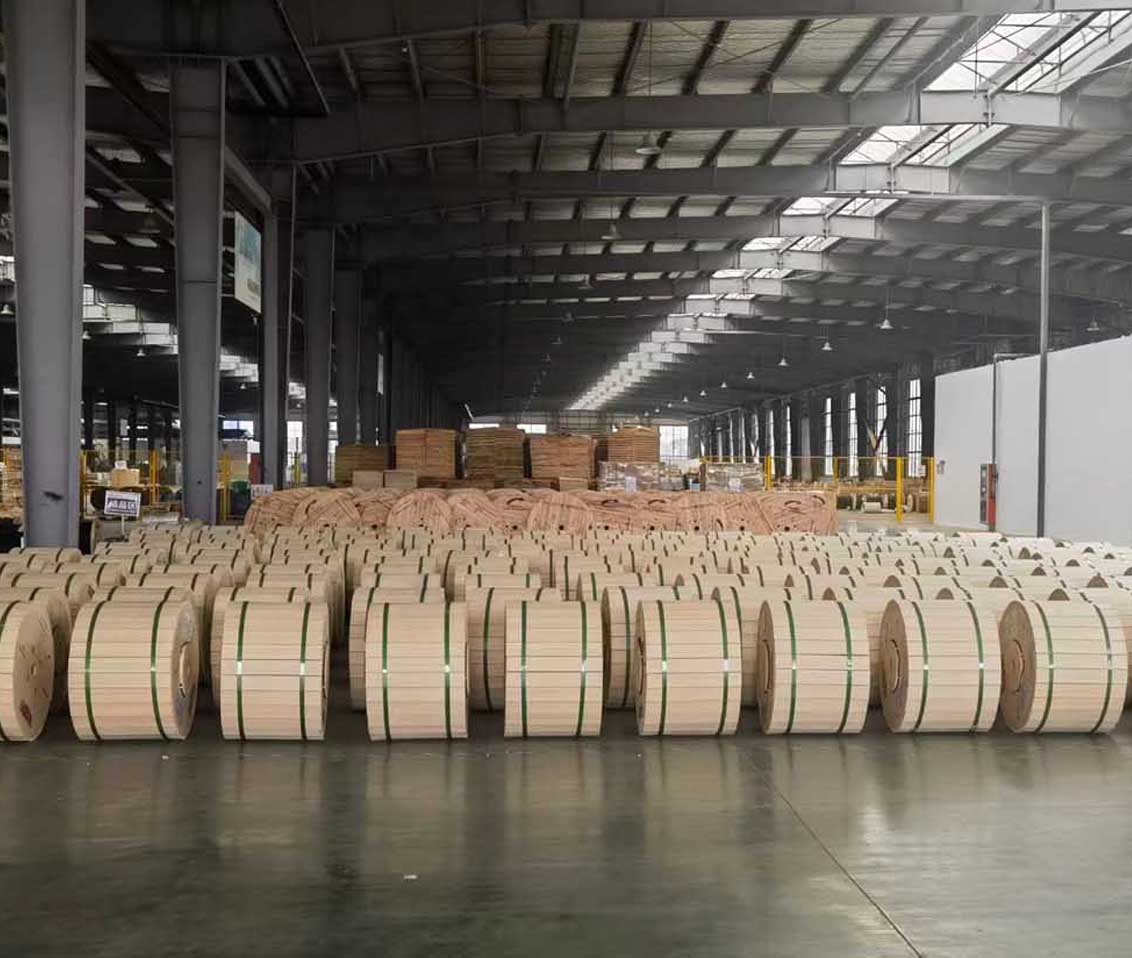
 Optical Fiber
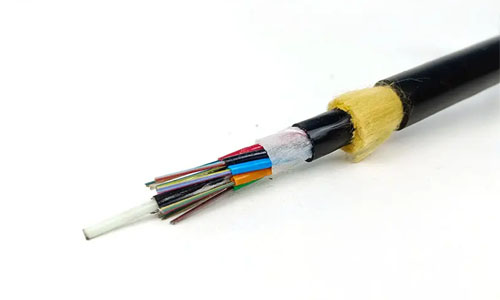 ADSS Fiber Optic Cable
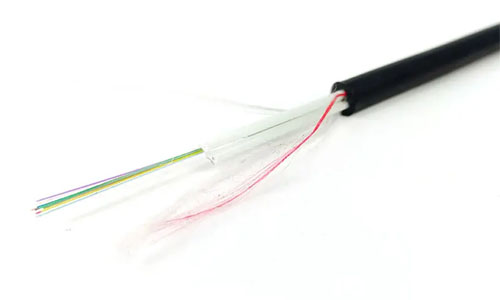 ASU Fiber Optic Cable
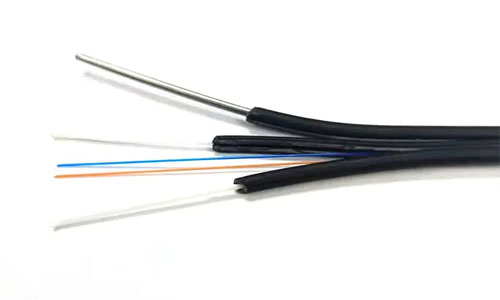 FTTH Fiber Optic Cable
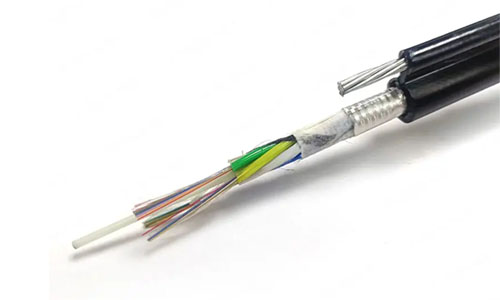 Figure 8 Fiber Optic Cable
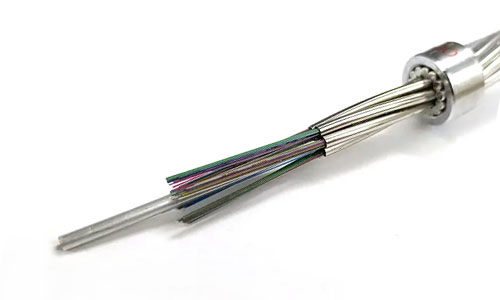 OPGW Fiber Optic Cable
 Coaxial Cable
 Ethernet Cable
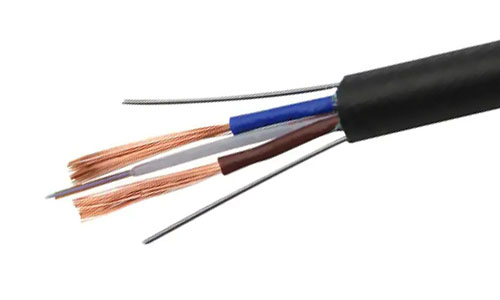 Photoelectric Composite Fiber Optic Cable
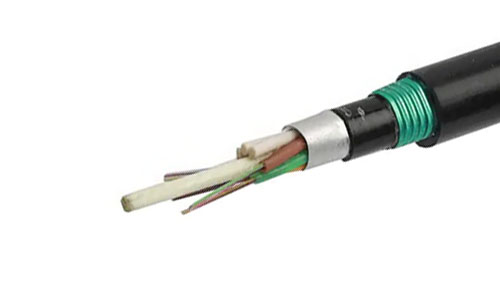 Underground & Pipeline Fiber Optic Cable
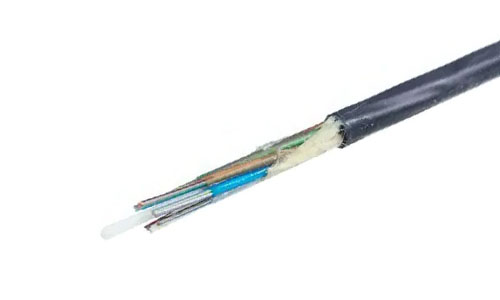 Air-Blown Micro Fiber Optic Cable
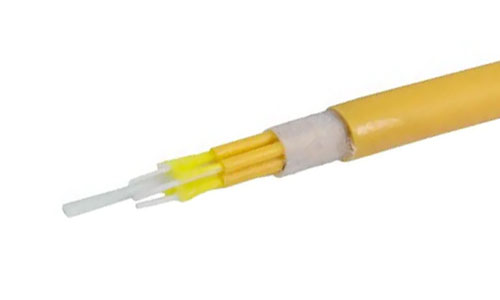 Indoor Fiber Optic Cable
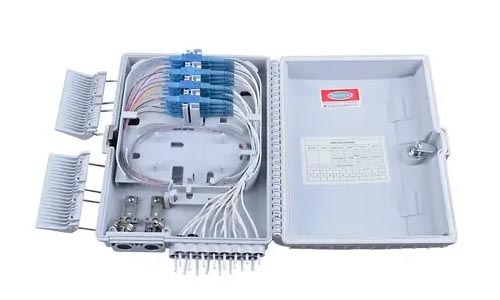 Fiber Optic Distribution Box
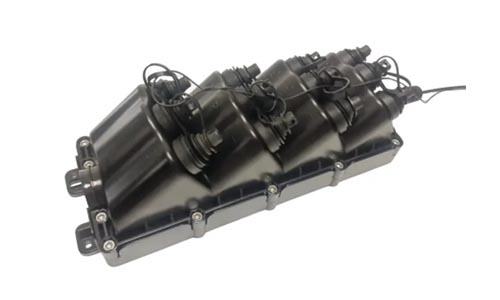 Multiport Service Termina Box
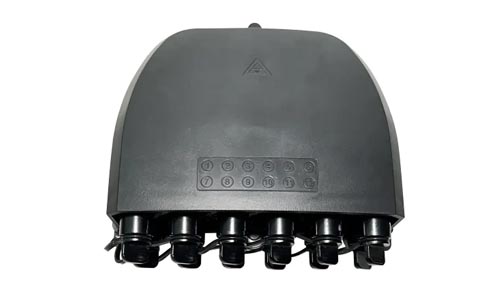 Fiber Optical Terminal Box
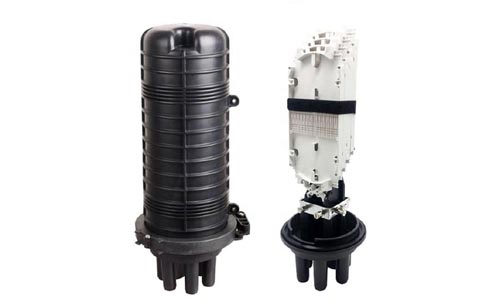 Fiber Optic Splice Closure
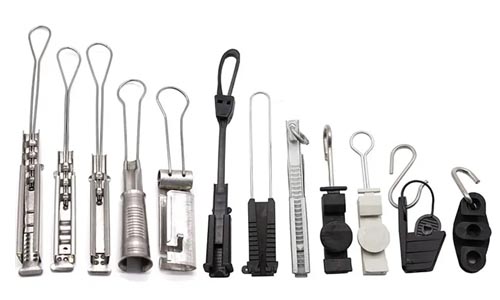 Fiber Optic Clamps
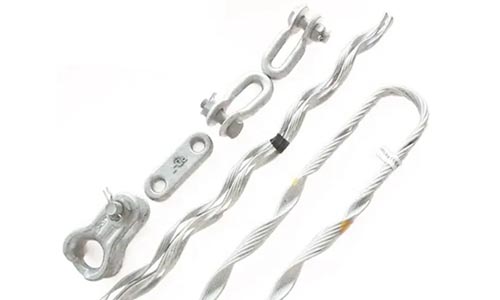 Fiber Optic Cable Fittings
 ADSS Fiber Cable
 ASU Fiber Cable
 OPGW Fiber Cable
 FTTH Fiber Cable
 Figure 8 Fiber Cable
 Photoelectric Composite Fiber Cable
 Underground & Pipeline Fiber Cable
 Air-Blown Micro Fiber Cable
 Aerial Fiber Cable
 Indoor Fiber Cable
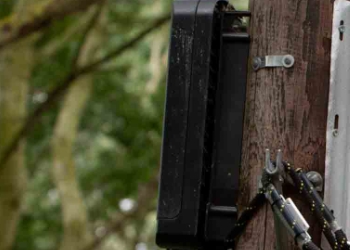 Fiber Optical Terminal Box
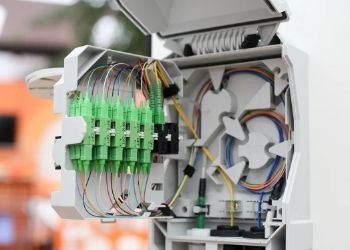 Fiber Optic Distribution Box
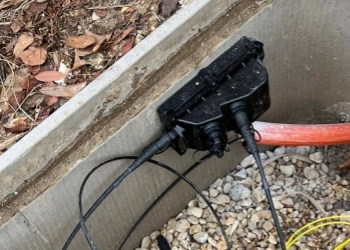 Multiport Service Termina Box
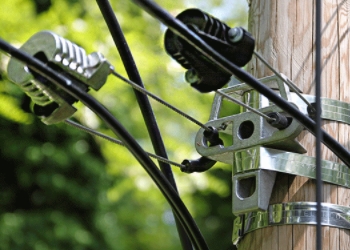 Fiber Optic Clamps
 About Us
 Our Team
 History
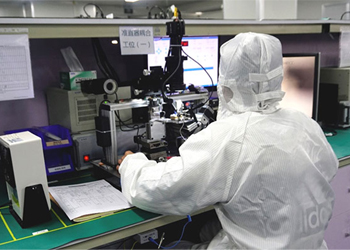 R&D Strength
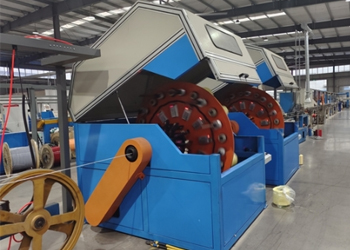 Production Base
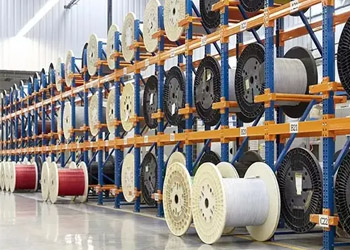 Warehouse & Logistics
 Quality
 FAQs
FAQsFiber Optic Cable Core: Key Types and Applications
Contact for Free Quotation & Sample, According to your needs, customize for you.
inquiry nowFiber Optic Cable Core: Key Types and Applications
Fiber optic cable core is the central core of a fiber optic cable, and it transmits light signals for high-speed data communication.
Types of fiber optic cable core Like with most things, we have more than one type of fiber optic core. Single-mode cores transmit light directly, ideal for these cables’ long-distance and high-speed internet applications. Multi-mode cores let light ricochet in numerous routes, which is great for short distances like within a building. Your decision between these core types impacts speed, distance, and cost of a network. Understanding fiber optic cable core types and applications assists in selecting the appropriate one for residences, workplaces, or large data hubs. The heart of the matter gets into more on selecting and utilizing these cores.

What is a Fiber Optic Core?
A fiber optic core is the innermost section of a fiber optic cable. It transmits light pulses end-to-end, enabling rapid information journeying over great stretches. Typically composed of glass or plastic, the core’s thickness varies from a mere 8 to 2000 microns depending on the cable type and application. The core’s role is to direct light by confining it with internal reflection, which allows the cable to transmit signals with minimal degradation, even over long distances. The size and composition of the core determine its performance characteristics, including its signal transmission range and capacity.
The size of the core shapes how a fiber optic cable works:
-
Single mode fiber has a small core (about 8 – 10 microns). It allows only a single light route, making it perfect for long haul, high-speed tasks—like submarine cables or massive telecom connections.
-
Multimode fiber has a larger core (50–62.5 microns). It can carry many light paths simultaneously, but it has higher attenuation, so it’s only effective for shorter distances up to 2 km—like within office buildings.
-
Plastic fiber cores can measure as much as 2000 microns. These are flexible and bendable, suitable for domestic or industrial applications, but not for high-speed, long-distance transmissions.
Its Anatomy
The primary components are the core, the cladding surrounding it, and a protective jacket on the exterior. Cladding maintains light bouncing in the core by having a lower refractive index. The way these layers nest makes all the difference in determining how effectively light propagates.
Core structure counts! If the core is round and smooth, light flows effortlessly. Any imperfections or weird shapes can disperse light and degrade the signal.
-
Single-mode: tiny, round, made for one light path
-
Multimode: bigger, lets more light bounce inside
-
Step-index: sharp edge between core and cladding
-
Graded-index: smooth shift in refractive index, helps light bend gently
A good-shaped core of the appropriate diameter assists in maintaining the light intensity.
Its Function
The core’s task is to transport light pulses end to end. Each pulse is a bit of data—on or off, one or zero.
The core is about the same size as the light’s wavelength. Smaller cores deal with short wavelengths, which are good for sending data quickly and over long distances. Bigger cores are great for slower, shorter links.
Signal loss occurs when light leaks out or bounces the wrong way. A well-designed core shape and ultra-smooth glass help keep loss low. This is crucial for calls, streaming, or file transfers across continents.
Without a hard core, our world-spanning networks of today would not fly as fast or as far.
Its Material
All but a few fiber optic cores use ultra-pure silica glass. Glass is best for high-speed and long-distance data lines because it bends light efficiently and doesn’t degrade.
Plastic is used as well, particularly for shorter, more pliable cables. It’s easier to bend and install but doesn’t send light as far or fast.
Silica glass cores have a high refractive index. That is, they capture light more efficiently, so transmissions travel longer distances with less loss. Plastic cores are less expensive and more flexible, but have a shorter life span and experience greater light attenuation.
Photonic crystal fibers deploy special glass with tiny air holes. This design allows them to control light in innovative ways, valuable to labs and specialized tech.
Why the Core Matters
The core is the part of a fiber optic cable through which light propagates, transmitting data. It’s not simply an empty road—it’s the core that determines how quick, how remote, and how consistent your information travels. The core’s diameter, composition and configuration determine a cable’s bandwidth, signal integrity and resistance to environmental or mechanical strain. All cores are a tradeoff, as every decision in core architecture affects frequency, scale of interconnectivity, and potential for expansion.
-
It’s the core that determines the bandwidth, which dictates how much data is moving at any one time.
-
Bigger cores permit more light paths, great for short links and high bandwidth.
-
Tiny, single-mode cores keep signals pure over miles and miles.
-
Core material and construction reduce signal loss and interference.
-
The core design influences the capacity of a network to expand and evolve.
Data Speed
To why the core matters. A single-mode core, generally 9 µm, shoots light directly down the middle. This narrow track equates to less bouncing, less distortion, and much higher speeds over many kilometers. These cables are the backbone of long-haul internet fibers.
Multimode cores are larger, typically 50 or 62.5 µm in diameter. They can transmit multiple streams concurrently, but the signal reflects within. This is fine for shorter stints, such as inside buildings. Over great distances, however, signals fade, velocity decays, and mistakes sneak in.
Single-mode versus multimode is a matter of necessity. High-speed, long-haul networks use single mode. For local, lower-cost jobs, multimode gets the job done. Core specifics—such as if it’s step-index or graded-index—count. Graded-index cores, say, smooth out the light’s journey, assisting maintaining the signal compact and quick.
Signal Integrity
Signal integrity means broadcasting the data clean, clear and strong from end to end. The core does a lot of heavy lifting in here. If the core is high quality glass, signal loss remains low, even over kilometers. Plastic cores lose more signal, so they’re best for short runs.
The structure of the core matters, too. Graded-index versions reduce light dispersing, which preserves the data crisp. The world’s not ideal—heat, cold and cable bends can screw with the core and compromise the signal. Selecting an appropriate core reduces these issues, maintaining a robust network.
A carefully constructed core resists stress and temperature fluctuations, maintaining a stable signal regardless of what is going on around the cable.
Network Capacity
The core determines how much data a network can shove. With multiple or larger cores, a fiber can accommodate more light lanes, increasing the overall capacity. Some cables stuff multiple cores together, allowing networks to scale up without installing new wires.
Core size, count and type all impact the growth of a network. Single-mode cores assist in cases when you require substantial data to go long distances, while multimode varieties accommodate high-density, local configurations. Getting the right combination means the network can address emerging needs without major modifications.
Making core features — from material to light wavelength support — optimal enables a network to be prepared for future technologies and increased demand.
What are the Core Types?
Fiber optic cables have several core types, each designed for a particular purpose. The core, a slender glass strand, is where the light signals travel. Selecting the appropriate core types is essential, whether you’re cabling a small office or outfitting a data center. It really boils down to the distance data must travel, how quickly, and what the system requires. Knowing the possibilities allows you to pair the right fiber with the task, making installs easier and performance superior.
-
Single-Mode:
Single-mode fiber has a very small core, only 8 to 10 microns in diameter. This tight pathway causes the light to move directly down the fiber with minimal bouncing, which maintains signal clarity. Having fewer modals spreading, single-mode is the preferred choice for long-haul and high-speed connections such as cross-country internet cables or our own local city backbones. These fibers cover distances of a few thousand kilometers, so they’re perfect for telecoms and data centers with worldwide presence.
-
Multimode:
Multimode fibers, on the other hand, feature a far broader core (commonly 50 or 62.5 microns). The larger size implies light can take multiple paths, or ‘modes’, which increases capacity but decreases maximum distance. Modal dispersion occurs here, so the signal disperses over longer runs, limiting viable distance to around 2 km at slower speeds. Most office buildings, schools and hospitals opt for multimode to link rooms or floors since it’s easier to install and performs well over shorter runs. Multimode comes in several types: OM1, OM2, OM3, OM4, and OM5, each offering better data rates and reach.
-
Step-Index:
Step-index cores present a sudden difference between the core and the cladding refractive index. It’s a low-end design, typically seen in cheap multimode fibers. Light bounces in a zigzag, so signals smear out as they travel, creating tons of modal dispersion. Step-index is cheap and tough, so you’ll encounter it in short, rugged links or to illustrate fiber optic fundamentals.
-
Graded-Index:
With graded-index cores, the refractive index changes in steps from the center out. This gradual transition curves the light with a gentle bend, causing signals to reach the destination simultaneously. Graded-index multimode fibers reduce modal dispersion and are used in the majority of high-speed, medium-distance links — such as data cabinet to data cabinet on a campus or in a single large building.
-
Photonic Crystal:
Photonic crystal fibers employ micron scale air holes in the core to capture the light. This new tech provides more control over how the light propagates, even allowing some light to propagate in ways not achievable with glass alone. They find their way into niche applications such as cutting-edge research labs, sensing, and premium telecom systems where special optical properties are paramount.
How Core Design Impacts Performance
The design of the fiber optic cable core determines how efficiently light travels through it, which determines the data capacity, transmission distance, and signal clarity. Every aspect of the core—from its thickness to its manufacturing—counts for the users who rely on rapid, reliable links between cities or even continents.
Core Diameter
Core diameter refers to the width of the central glass section in which light propagates. For multimode fibers, this diameter is typically 50 to 62.5 microns. That broad core allows multiple light rays, or modes, to pass simultaneously — perfect for delivering high volume data. When these various routes fall out of alignment, modal dispersion results. This effect muddies the signal and contains the data range—typically around 2 kilometers or less, particularly at lower data rates.
Single-mode fibers, with a far smaller core of 8 to 10 micrometers, permit only a single ray to propagate. This miniature size eliminates modal dispersion, meaning the signal remains crisp over greater distances. That’s why single-mode fibers enable greater bandwidths, longer runs and speeds, too – making them the preferred choice for networks required to transmit over long distances without degradation.
Bigger cores can transfer more information but can’t transmit it as far without degradation. Smaller cores have less data per pathway but can propel it much further with greater definition.
Refractive Index
The refractive index indicates how much the core refracts light. If the core’s refractive index is perfect, it keeps it contained, pushing forward with minimal loss. Modifying the index profile—such as with graded-index cores—maintains separation between various modes of light, allowing multimode fibers to perform better over longer distances.
Selecting the appropriate refractive index for the task matters. For shorter links, a step-index design might be just fine, but at higher speeds or longer distances a graded-index core or the right laser wavelengths (850 nm or 1300 nm, for example) can keep the signal sharp.
Manufacturing Precision
How well the core is constructed goes a long way toward fiber performance. Even minuscule defects or changes in core diameter can make light scatter, resulting in increased signal attenuation and decreased data rates. Good manufacturing maintains the core shape and size just so, for the light remains on track.
State-of-the-art equipment including precision lasers and real-time monitoring assist with creating cores that are nearly flawless. This accuracy reduces Optical Return Loss (ORL), which helps keep signals quick and consistent, particularly when deploying laser sources in high-speed networks. Precision fibers, such as OM3 and OM4, demonstrate how refined manufacturing can improve bandwidth and distance, attaining EMBs in excess of 2,000 MHz·km for contemporary networks.
Understanding Fiber Core Count
Fiber core count means how many individual fibers there are within a fiber optic line. Some cables contain only a single core, while others cram in hundreds. Core count is what matters because that determines how much data the cable can move, how easy it is to scale the network, and how well it tolerates bumps in the road. The higher the core count is, the greater your ability to scale up speeds, add users, or build redundancy. Selecting the appropriate core count defines the network’s coverage, expense and destiny.
Single vs. Multiple
One-core fiber optic cables have a single optical core transporting light signals from A to B. These serve you best in environments where you don’t need to transfer massive amounts of data, such as small office networks or basic camera connections. Single-mode fibers, with their minuscule 8 - 10 micron cores, are perfect for transmitting a lone light signal across many kilometers. They maintain the signal crisp, even across dozens of kilometers. This makes them a clever choice for city-to-city connections.
Multi-core cables can have 4, 6, 8, 12 or even up to 288 cores. Each core can have its own data stream. For instance, a 12-core cable is perfect for a hospital network backbone, whereas a 288-core cable could lurk beneath a data center servicing thousands of customers. With multimode fibers (core size 50-62.5 microns), multi-core designs allow you to transmit separate signals simultaneously, but are most effective in shorter distances, such as within a building.
Multi core cables may be pricier, but they carry more of the load and assist with foresight. Single-core cables are more straightforward and affordable, which is convenient for bare-bones requirements or constrained budgets. What setup you select is based on your requirements, your intentions and your budget.
Scalability
Core count holds the secret to network growth. If you begin with more cores than you require, you can introduce additional users or services without exchanging cables. This future-proofing saves you time and money down the road. Multi-core designs provide additional headroom to scale, particularly in large enterprise or public networks.
Designing for surplus capability avoids migraines down the line. It means your network can stay ahead of new tech and fast speeds. Scalability is not simply about expanding capacity, but ensuring that every enhancement operates seamlessly and integrates well with existing elements. Networks which anticipate growth last longer and are less costly to maintain.
Redundancy
Redundancy in fiber networks is crucial — there should be back up routes for traffic if something goes amiss. Multi-core cables simplify this by allowing you to transition to another core in the event of a failure. This keeps your data streaming with no bridge out.
For stuff like hospital data, emergency calls, and enterprise systems, a backup is not just nice — it’s necessary. Redundancy increases confidence in the network and protects all of us. In environments where downtime is not acceptable, choosing multi-core cables with additional backup can be a game changer.
The Core's Unseen Challenges
Fiber optic cable cores toil in the shadows but they encounter numerous hidden obstacles. The core’s configuration—single-mode or multimode—influences the way it processes stress and hazard in practical arrangements. All cores–glass or plastic–have to endure the elements, bumps and bruises and the delicate nature of installation. All of these things contribute to how effective and durable a fiber optic system is.
Environmental Stress
Fiber cores tend to block when faced with severe conditions. Heat, biting cold and humidity fluctuations can take a toll on a cable’s lifespan. Aging is a genuine concern, with years of exposure resulting in ice accumulation or latent damage from heat. Humidity can creep into misshapen, cracked, or poorly sealed cables and create signal loss or corrode within the core.
It’s a glass or plastic decision kind of thing. Glass withstands heat better and endures longer, it’s the more stable choice for harsh or fluctuating environments. Cores with a larger diameter, such as in multimode fibers, can be more susceptible to these stresses. Sleeves, gels, or weatherproof jackets protect fibers against water and temperature changes.
Physical Damage
Physical hazards appear quickly, particularly with installation. A cable can snap or kink if it bends too tightly or gets yanked too hard. Even a tiny crack can shatter the internal core, losing the light path and killing the signal.
The secret is in the packaging Installers must utilize padded clamps and eschew sharp bends. Protective conduits or trays protect cables from being crushed or nibbled by rodents. Overlooking these measures is inviting weak points to the grid, resulting in signal loss or even more downtime.
Installation Nuances
Nailing the installation is just as important as the cable. Splicing? It must be clean and precise. A bad splice can obstruct or diffuse light, damaging data rates. Single-mode fibers, with their such small cores, require special attention to maintain modal dispersion at a minimum level.
Industry guidelines stipulate bend radius and load standards. Adhering to these prevents cables from aging prematurely or losing bandwidth. Even minor errors—such as a twist or a grimy splice—can shave years from a system’s operational lifespan. Frequent inspections and experienced installers go a long way.
Conclusion
Fiber optic cable cores – they’re like the highways of light signals. Each defines how quickly and clearly information travels. Single-mode cores sparkle on long journeys, such as connecting cities. Multi-mode cores suit crowded spaces, such as data centers. Core size and count direct both speed and distance. Design tweaks address real world issues, such as bends or tight corners. Even little tweaks in the core can translate into huge jumps in your data capacity or signal range. To choose the appropriate cable, consider where you will be using it and what you want it to accomplish. Want to dig deeper or have a story to tell. Feel free to share your comments or leave your questions below–let’s continue the conversation!
Frequently Asked Questions
What is the core of a fiber optic cable?
The core is the heart of fiber optic cable. This is what transmits the light signals that communicate information over great distances quickly and with little signal loss.
Why does the type of fiber optic core matter?
The core type influences speed, distance, and data capacity. Single-mode cores are good for long distances. Multi-mode cores, meanwhile, are ideal for shorter distances and higher data rates.
What are the main types of fiber optic cores?
There are two main types: single-mode and multi-mode. Single-mode cores are very thin, and multi-mode cores are wider and support more light paths.
How does core diameter affect fiber performance?
The higher the core’s diameter, more light it can transmit and thus it can provide larger data rates for short distance. A smaller core diameter minimizes signal attenuation for long distance transmission.
What is fiber core count and why is it important?
Core count is the quantity of cores in a cable. With a higher core count, it can brandish more connections and more network capacity, which is perfect for large data centers.
What challenges can affect fiber optic cores?
Fiber optic cores are susceptible to issues such as bending, dirt, and tension. These problems may result in signal degradation or data transmission drops.
How do I choose the right fiber optic core for my needs?
Think about your distance, data speed and network size needs. Single-mode is best for long distances. Multi-mode is great for shorter, high-speed links. Just make sure to pair the core type with your application.