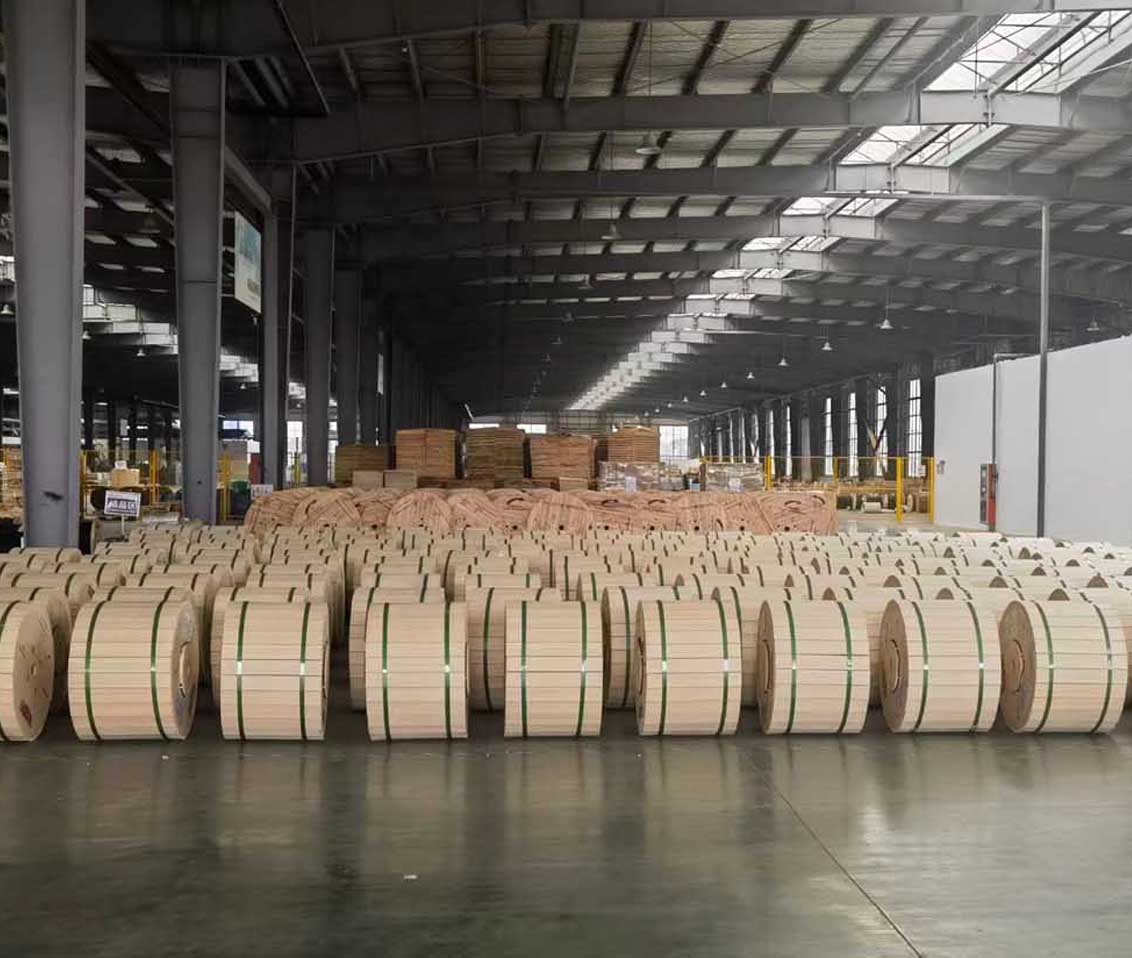
 Optical Fiber
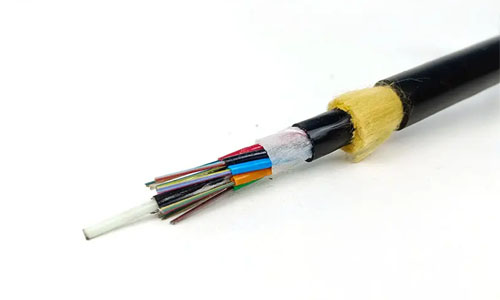 ADSS Fiber Optic Cable
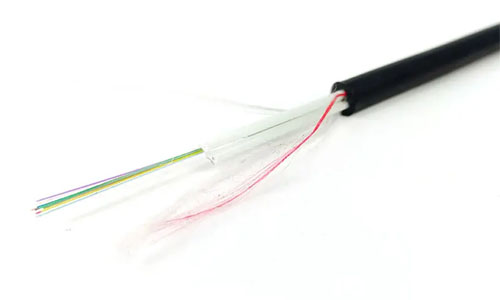 ASU Fiber Optic Cable
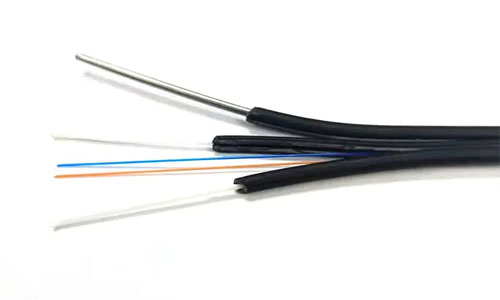 FTTH Fiber Optic Cable
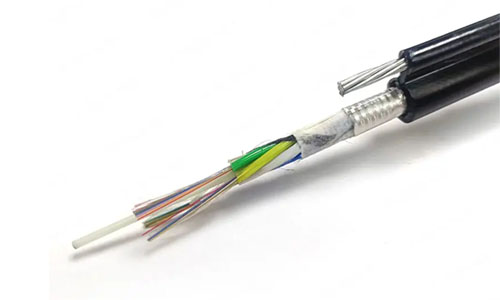 Figure 8 Fiber Optic Cable
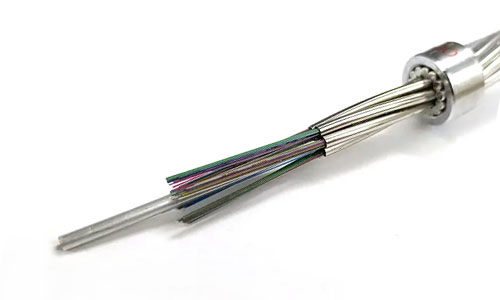 OPGW Fiber Optic Cable
 Coaxial Cable
 Ethernet Cable
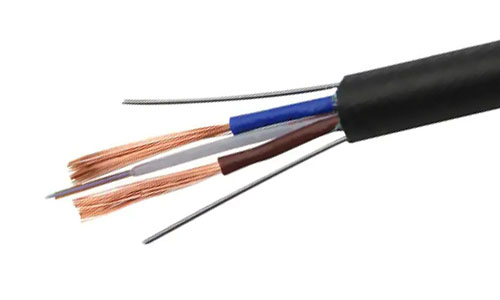 Photoelectric Composite Fiber Optic Cable
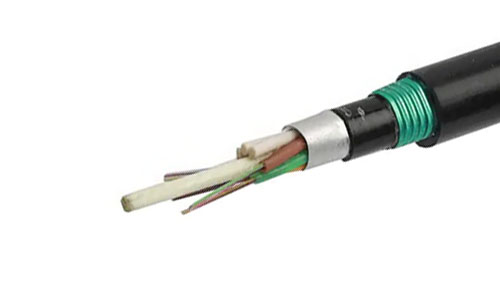 Underground & Pipeline Fiber Optic Cable
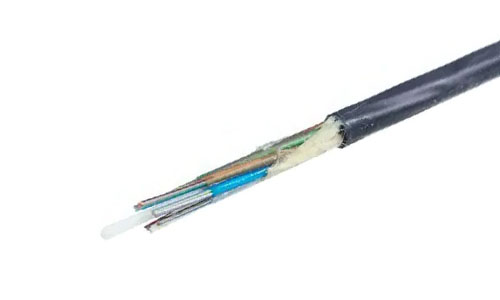 Air-Blown Micro Fiber Optic Cable
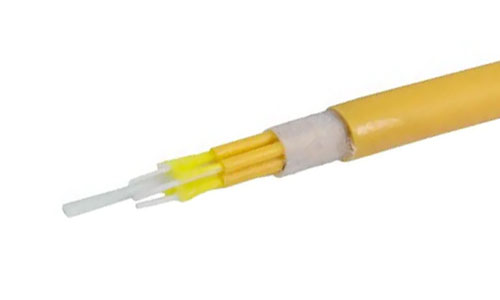 Indoor Fiber Optic Cable
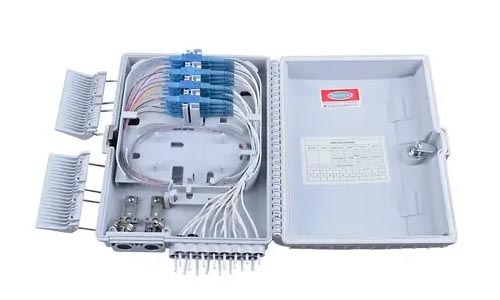 Fiber Optic Distribution Box
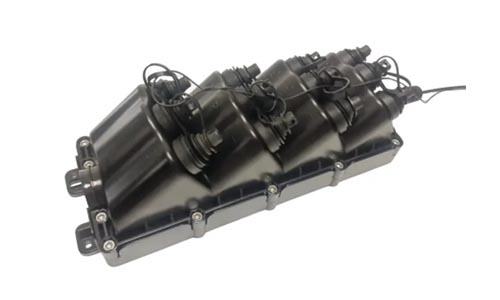 Multiport Service Termina Box
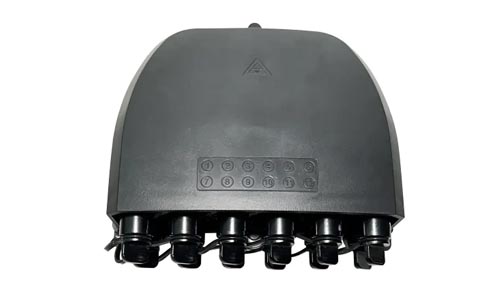 Fiber Optical Terminal Box
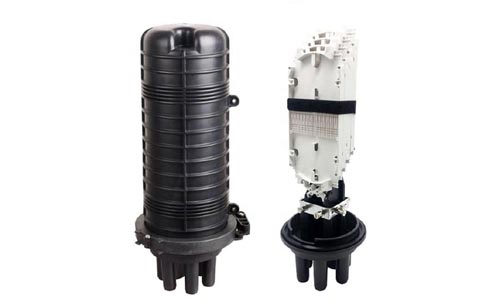 Fiber Optic Splice Closure
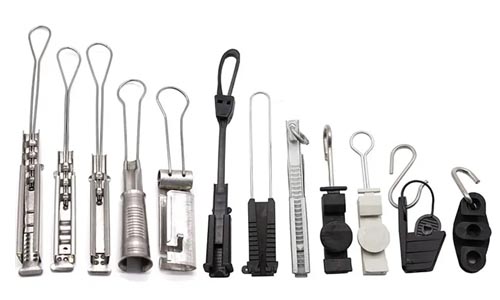 Fiber Optic Clamps
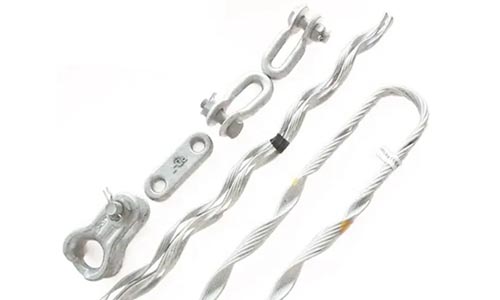 Fiber Optic Cable Fittings
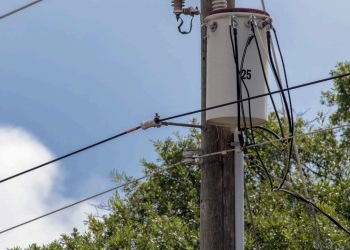 ADSS Fiber Cable
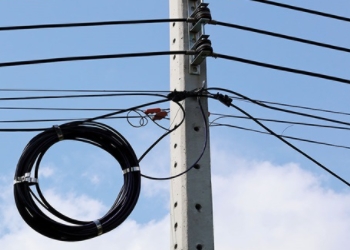 ASU Fiber Cable
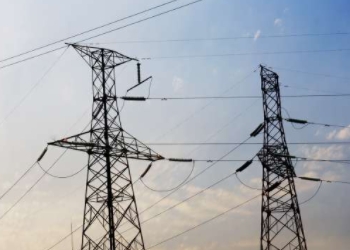 OPGW Fiber Cable
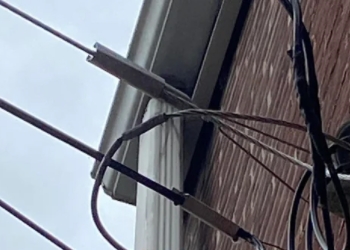 FTTH Fiber Cable
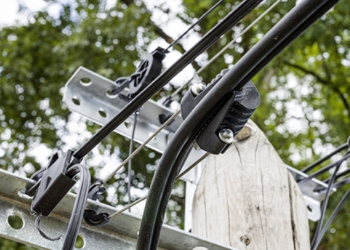 Figure 8 Fiber Cable
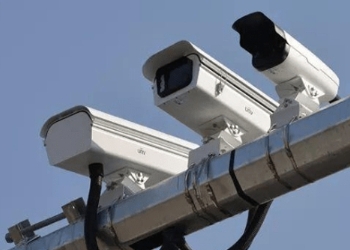 Photoelectric Composite Fiber Cable
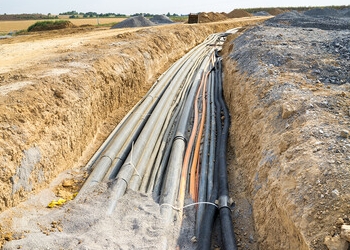 Underground & Pipeline Fiber Cable
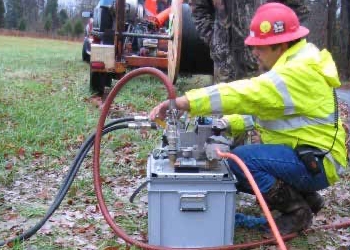 Air-Blown Micro Fiber Cable
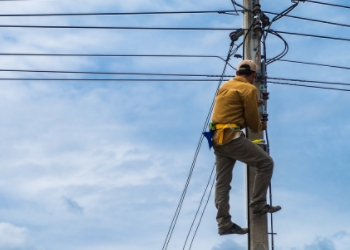 Aerial Fiber Cable
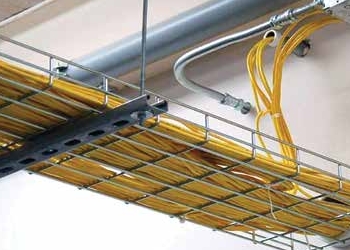 Indoor Fiber Cable
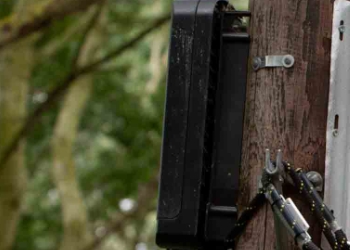 Fiber Optical Terminal Box
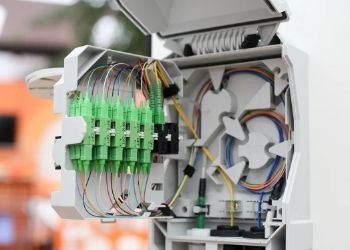 Fiber Optic Distribution Box
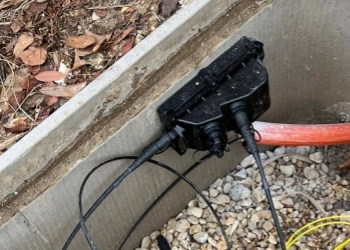 Multiport Service Termina Box
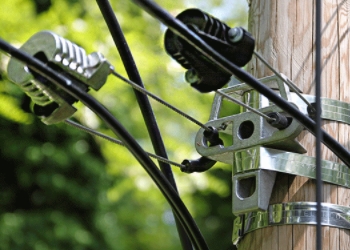 Fiber Optic Clamps
 About Us
 Our Team
 History
 R&D Strength
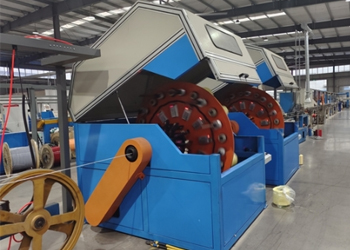 Production Base
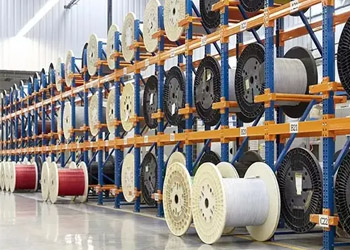 Warehouse & Logistics
 Quality
 FAQs
FAQsFiber Optic Cable Advantages and Disadvantages
Contact us for more sample, According to your needs, customize for you.
inquiry nowFiber Optic Cable Advantages and Disadvantages
Certainly! Fiber optic cables offer several advantages and disadvantages compared to traditional copper cables. Let's break them down:
Advantages:
High Bandwidth: Fiber optic cables have a much higher bandwidth compared to copper cables. This means they can carry more data over longer distances without losing signal strength.
Low Attenuation: Fiber optic cables experience much lower signal loss (attenuation) over long distances compared to copper cables. This allows for longer transmission distances without the need for signal boosters or repeaters.
Immunity to Electromagnetic Interference (EMI): Fiber optic cables are not affected by electromagnetic interference, making them ideal for environments with high levels of electromagnetic radiation, such as near industrial equipment or power lines.
Security: Fiber optic cables are more secure than copper cables because they do not emit electromagnetic signals that can be intercepted. This makes them less vulnerable to eavesdropping or hacking.
Lightweight and Small Size: Fiber optic cables are much lighter and thinner than copper cables, making them easier to install and requiring less space in cable ducts or conduits.
Durability: Fiber optic cables are less susceptible to damage from environmental factors such as moisture, temperature fluctuations, or corrosion. They are also immune to rust and degradation over time.

Disadvantages:
Cost: Fiber optic cables are typically more expensive to install compared to copper cables. The cost of the cables themselves, as well as specialized equipment for installation and maintenance, can be higher.
Fragility: While fiber optic cables are durable in terms of environmental factors, they are more fragile and can be damaged by bending or stretching beyond their limits. Care must be taken during installation and handling to avoid breaking the fibers.
Complex Installation and Maintenance: Installing and maintaining fiber optic networks requires specialized skills and equipment. Fusion splicing and termination techniques are needed for connecting fibers, which adds complexity and cost to the process.
Limited Compatibility: Fiber optic cables may not be compatible with existing infrastructure designed for copper cables. Upgrading to fiber optic networks may require significant changes to existing systems and equipment.
Light Source Dependency: Fiber optic cables rely on light signals for data transmission. This means they require a stable and reliable light source, such as laser diodes or LEDs, which adds complexity and cost to the system.
Security Concerns: While fiber optic cables are more secure in terms of data interception, they are vulnerable to physical tapping. Intruders can tap into the cable by intercepting the light signal without disrupting the transmission, although this is more difficult to accomplish compared to copper cables.
Overall, despite these disadvantages, the advantages of fiber optic cables often outweigh the drawbacks, especially for long-distance and high-bandwidth applications where reliability and data security are paramount.