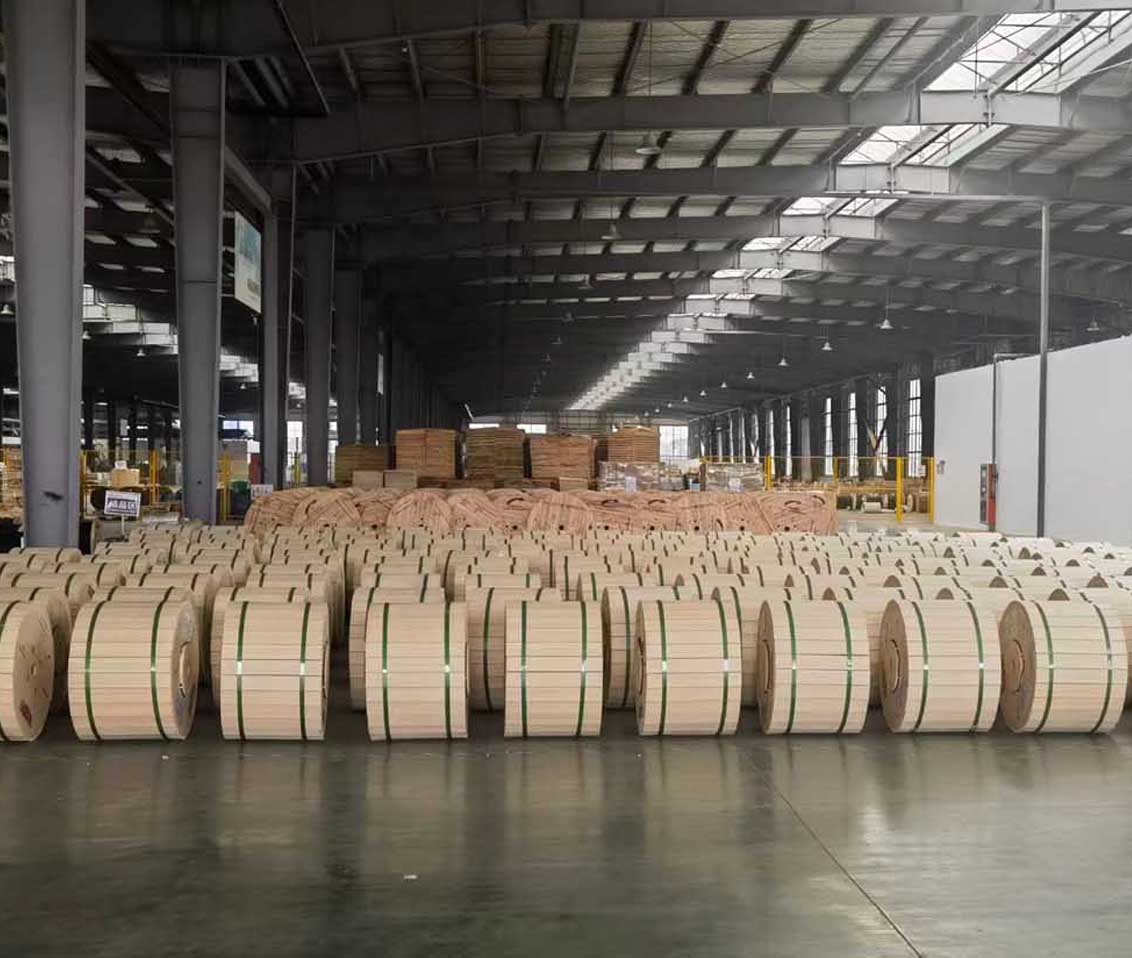
 Optical Fiber
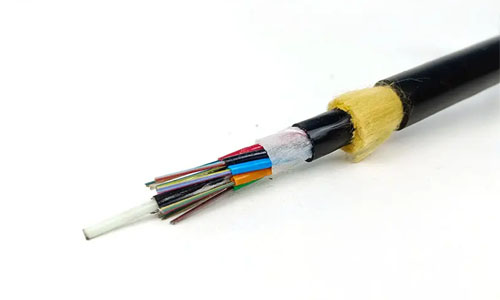 ADSS Fiber Optic Cable
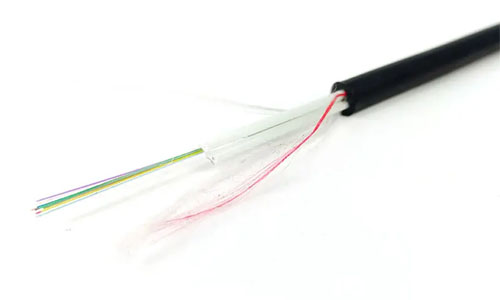 ASU Fiber Optic Cable
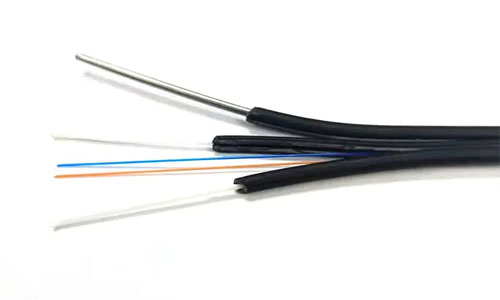 FTTH Fiber Optic Cable
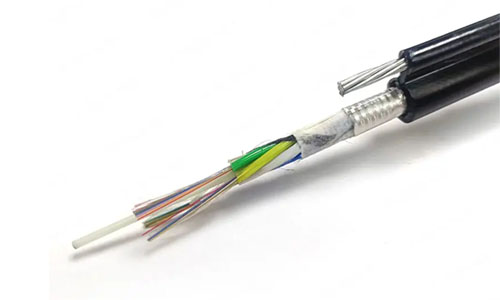 Figure 8 Fiber Optic Cable
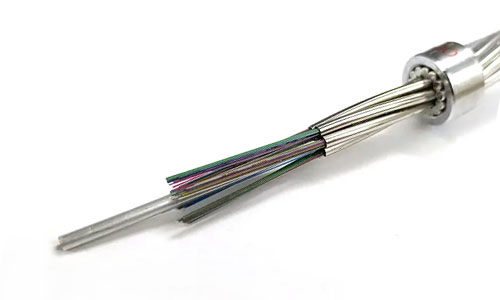 OPGW Fiber Optic Cable
 Coaxial Cable
 Ethernet Cable
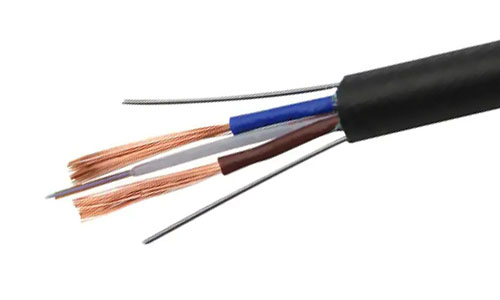 Photoelectric Composite Fiber Optic Cable
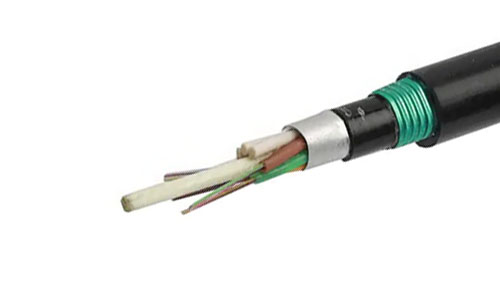 Underground & Pipeline Fiber Optic Cable
 Air-Blown Micro Fiber Optic Cable
 Indoor Fiber Optic Cable
 Fiber Optic Distribution Box
 Multiport Service Termina Box
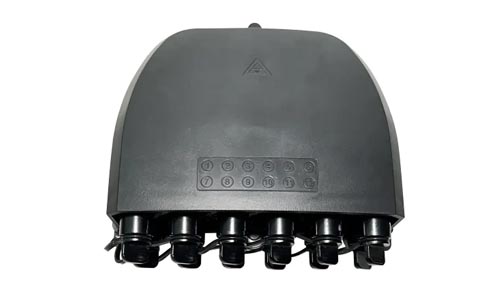 Fiber Optical Terminal Box
 Fiber Optic Splice Closure
 Fiber Optic Clamps
 Fiber Optic Cable Fittings
 ADSS Fiber Cable
 ASU Fiber Cable
 OPGW Fiber Cable
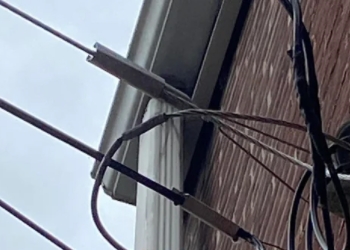 FTTH Fiber Cable
 Figure 8 Fiber Cable
 Photoelectric Composite Fiber Cable
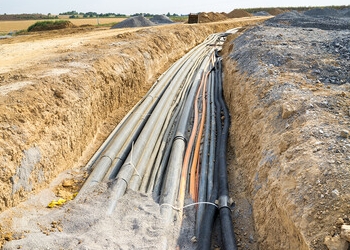 Underground & Pipeline Fiber Cable
 Air-Blown Micro Fiber Cable
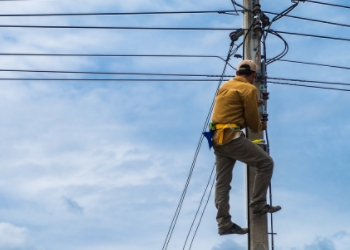 Aerial Fiber Cable
 Indoor Fiber Cable
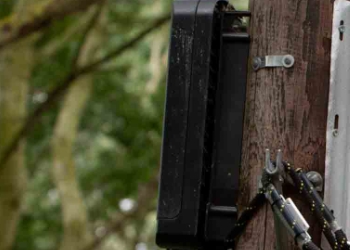 Fiber Optical Terminal Box
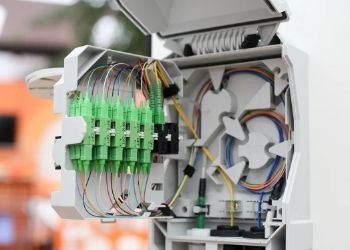 Fiber Optic Distribution Box
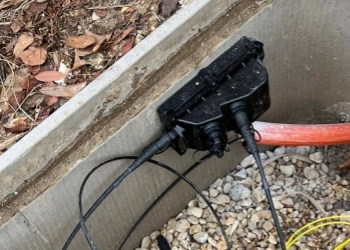 Multiport Service Termina Box
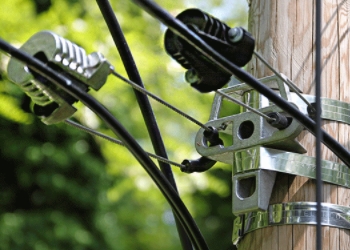 Fiber Optic Clamps
 About Us
 Our Team
 History
 R&D Strength
 Production Base
 Warehouse & Logistics
 Quality
 FAQs
FAQsFiber Color Code: Understanding Standards and Applications in Fiber
Fiber color code displays the colorful marks for optical fiber cables. This color coding allows for quick and easy identification of every fiber strand during installation or repairs. Most systems utilize a primitive set of twelve colors, each one attached to a number, making it consistent and easy for technicians everywhere. The color code is applicable in all kinds of cables, from individual strands to large, multi-fiber bundles. For any network pro, understanding the fiber color code reduces confusion and expedites work. In the following section, find out what the color code chart looks like, why the sequence is important and some tips for interpreting the colors in actual cables.

The Fiber Color Code System
More on the fiber optic color codes system is an international standard for the identification of fiber optic cables, tubes, and connectors. It simplifies the process for industry pros to identify, organize, and repair fibers quickly. This system employs a fixed 12-color sequence: blue, orange, green, brown, grey, white, red, black, yellow, violet, rose, and aqua to label each fiber. When there are more than 12 fibers, the color cycle repeats with stripes or additional markings, facilitating tracking even in large bundles. Standards such as TIA-598C in North America and CENELEC EN 50173 in Europe inform these codes, yet not all countries or installers implement them equally. Primarily, it is designed to reduce errors, accelerate installation speed, and simplify repairs.
| Component | Color Coding Example | Purpose |
|---|---|---|
| Outer Jacket | Yellow, Orange, Aqua | Shows cable type (single-mode, multi-mode) |
| Buffer Tube | 12-color sequence | Sorts and groups fibers |
| Individual Fiber | 12-color sequence, stripes | Tags each fiber for splicing, linking |
| Connector Body | Blue, Green, Beige | Shows connector type (UPC, APC, etc.) |
1. Outer Jacket
The color of the outer jacket is the most visible and what people use first to differentiate fiber optic cables. Yellow jackets indicate single-mode fiber, while orange jackets represent multimode fiber. Other colors might be used by some cables for local rules or tasks, but these are the most common fiber color codes. Understood at a glance, these colors keep field workers from snatching up the wrong cable. Since jackets can goof up in a huge way, jacket colors have a significant role in maintaining organization for those long runs or packed racks.
2. Buffer Tube
Buffer tubes contain and protect smaller bundles of fibers, utilizing the fiber optic color codes system. They employ the 12-color code, where a blue tube signifies the initial group, orange the second, and so forth. This color code standard is essential when managing hundreds of fibers in a single cable, allowing laborers to locate the correct tube quickly and shave hours off time. For more than 12 tubes, additional stripes or dots are used, simplifying the differentiation of groups without the need to open every tube.
3. Individual Fiber
Every fiber strand within the buffer tube is assigned a specific color from the fiber optic color codes, making it simple to identify and align fibers and thus reducing the risk of line cross during splicing. For cables with more than 12 fibers, the color pattern repeats but incorporates markers to indicate which group it belongs to. This easy-to-remember color code standard simplifies sorting for even new employees, ensuring that clear color codes prevent networks from becoming a snarl.
4. Connector Body
Connector body colors, such as the blue connector for UPC and the green fiber connector for APC, indicate the type of connector used in fiber optic installations. These connector color codes help laborers select the right plug for each job, as using the wrong connector can stall or break a network. By adhering to the fiber optic color codes, installations run easier and quicker, minimizing errors and ensuring efficient data transmission.
Why Color Coding Matters
Color coding is critically important in fiber optic networks because it is more than just a clever way to organize fiber optic cables. It establishes the basis for robust network performance and hassle-free daily operation. The fiber optic color codes provide the magical ability that helps anyone working with these cables identify the correct fiber immediately, regardless of the size or complexity of the system. This straightforward visual lexicon simplifies the process of troubleshooting, upgrading, and maintaining everything safely and efficiently.
Network Integrity
Effective fiber optic color codes are essential for maintaining the backbone of a fiber optic network. When each fiber is color-coded, it becomes significantly easier to identify which fiber optic cables connect to specific devices or systems. This clarity is especially crucial in high-density cables, where numerous fibers can exist. Even minor errors in matching or handling these fibers can lead to signal attenuation, outages, or difficult-to-track faults. Poor color coding can result in confusion, mix-ups, downtime, and potential damage to the network. By adhering to industry standards, such as EIA/TIA-598, a universal method for interpreting and complying with the codes is established. This consistency keeps the network robust and transparent, ensuring seamless data transmission. Regular checks of color coding can identify small mistakes before they escalate into significant issues, maintaining the network's integrity over time.
Human Error
Tiny errors can occur quickly when installing and repairing fiber optic cables. Selecting the incorrect fiber optic color codes, mixing up connectors, or losing track of which one fits where are frequent blunders, particularly when the tension is high. Think of color coding as a memory jolt to the person handling these cords. Technicians can identify the correct inner fiber by color, even after a tiring day or in a jammed rack. As important as the color code standard is training workers to know what each color means. By incorporating visual cues, such as diagrams and distinct labels, it keeps us all on the same page and reduces expensive mistakes.
Future Scalability
Networks don’t usually remain that size very long. Implementing fiber optic color codes makes it far easier to add new fibers or equipment down the road. When new lines need to fit in with old, these color code standards provide a transparent guide for where everything belongs. In this manner, enhancements and extensions do not become a random guessing game. Doing so will increase confusion and the risk of error as your network grows. An advanced color-coded plan ensures today’s decisions do not interfere with tomorrow’s requirements.
Navigating Global Standards
A few global fiber optic color codes keep international communication projects on track. Every continent has its own laws, so it’s crucial that your teams understand which color code standard to follow to minimize confusion. With a universal color code, you reduce errors, accelerate troubleshooting, and allow new technology such as 25G PON to integrate seamlessly with legacy infrastructure. Knowing these standards enables teams to collaborate more effectively and remain compliant across different fiber types.
TIA Standards
Specifically, the TIA develops the standard in TIA-598. It’s a standard here in the US and frequently employed elsewhere. TIA-598 represents color codes for single-mode and multi-mode fibers, connectors, and buffer tubes. These codes assist techs in finding the correct fiber quickly, even in large bundles. TIA is famous for its mnemonic-friendly sequence. This minimizes errors when installing and repairing.
| Fiber Number | Color |
|---|---|
| 1 | Blue |
| 2 | Orange |
| 3 | Green |
| 4 | Brown |
| 5 | Slate |
| 6 | White |
| 7 | Red |
| 8 | Black |
| 9 | Yellow |
| 10 | Violet |
| 11 | Rose |
| 12 | Aqua |
With uniform TIA standards, parts and skills are simpler to exchange across teams and companies. TIA standards help networks operate smoothly and facilitate future growth or upgrades. It’s worthwhile for any programmer to learn this code by heart.
IEC Standards
The IEC brings standards to more than a single nation. IEC 60304 and similar standards align well with TIA but have slight variations. Europe tends to use EN 50173, which is equivalent to ISO/IEC with some tweaks. IEC standards assist teams in collaborating when initiatives transcend borders, providing a common lexicon for colors and wiring. Other colors or order may vary from TIA, and that’s why double-checking is essential before commencing a job.
IEC standards are great for mixed teams, ensuring that everyone’s speaking the same language and reducing the likelihood of errors. Knowing both TIA and IEC codes provides greater versatility and keeps international projects humming.
Regional Variations
Regional regulations may alter the fiber color codes. Japan, for instance, uses JIS codes. In certain regions, local regulations or traditions may rearrange the sequence or color selections. This implies that teams have to navigate local standards, not simply adhere to a single global code.
Overlooking local standards can cause bewilderment and extended repairs or danger. It’s clever to check local codes before beginning work. Embracing these shifts ensures projects complete on schedule and protects everyone.
Beyond The Standard Palette
Fiber color coding goes way beyond the standard palette found in fiber optic color codes. For cables with more than 12 fibers, the color sequence restarts, but every new grouping receives a twist. The next dozen shows stripes, so a green fiber may have a thin blue line. The third and fourth groups frequently use codes such as “RBY” for red, black, yellow or “VRA” for violet, rose, aqua. This tiered platform allows electricians to process streams of data without hesitation. Mnemonics like “BOG” (blue, orange, green) are helpful, but squads still require frequent practice and refresher drills to keep the optic color codes sharp in memory.
Military Use
In military environments, fiber optic color codes extend beyond simple convention to issues of urgency and security. Troops depend on rapid, unambiguous cable IDs for missions where one mistake can mean losing lives or losing communications. Standard color sequences seldom apply. Military fiber optic cables commonly have custom patterns to identify secure or classified connections. These unusual color codes prevent confusion between mission-critical and non-mission-critical lines, particularly during tense maneuvers. Specialized codes may have more colors, double stripes, or even glow-in-the-dark markings for night work. Training features practical exercises to turn recognition into muscle memory, and squads are forced to refresh their expertise as fresh coding schemes arise.
Data Centers
Color coding is the backbone of order inside a data center, especially when dealing with fiber optic cables. With racks of thousands of cables, a transparent color code standard prevents mayhem before it begins. Straightforward labels enable technicians to locate the exact line that needs to be upgraded or repaired within seconds, significantly reducing downtime and errors. If a bundle has more than a dozen inner fibers, the recurring colors and stripes keep it on course. Managers who advocate frequent color-coding audits and dummy installs experience fewer mistakes, making even sprawling projects tractable.
Custom Systems
Because not every job fits the color code standard, custom fiber optic color codes come into play. Special builds, such as hospitals, labs, or high-security sites, frequently demand their own color logic. These occasionally stray from the standard dozen and include stripes, polka dots, or even fresh shirt colors. Teams collaborate on making the rules, documenting them, and distributing changes. That documentation is crucial for future techs, especially when projects swap hands. Frequent group reviews and drill sessions keep everyone aligned.
The Human Element
Fiber optic color codes are essential systems that guide the work of technicians and installers daily. Beyond every tidy cable bundle, it’s actual humans making decisions and doing the grunt work. Human error—whether due to long shifts, distraction, or simply inadequate training—can be expensive. Utilizing standardized color codes and labels is an effective method to reduce these mistakes. With common color code standards, everyone is speaking the same language, wherever they work. It saves time, eliminates guesswork, and helps identify the correct fiber optic cables quickly. Fiber techs can trace fibers in minutes, not hours, keeping networks humming and downtime brief. Obvious, minimalistic color codes make the work less stressful, increase productivity, and prevent teams from confusion.
A fiber color code checklist centers on concise training, well-done documentation, and a detail-oriented culture. First, confirm that all team members are familiar with the optic color codes. Then, always have current guides and clearly marked labels available. Update your logs. Ask everyone to verify their work. When folks follow these steps, errors plummet, and the entire experience flows more easily.
Memory Aids
Color coding is an inherent mnemonic, especially in the context of fiber optic color codes. Technicians take advantage of colors as visual cues, which adhere better to the human mind than numbers or words alone. For instance, encountering a yellow fiber optic cable immediately invokes a specific purpose and thus is easy to both remember and recognize. Repetitive color aids recall and reduces the chances of confusion when working on complicated tasks. Color-coded charts and guides, frequently housed in toolkits or on mobile devices, provide a handy field reference. These visual guides allow even new team members to find fibers with greater assurance, accelerating work and reducing anxiety.
Training Gaps
Training sometimes glosses right over how to color code. New employees could pick up the general rules of fiber optics, including the fiber optic color codes, but forget the color convention details. Without practice, even seasoned workers can get lost. Good training is more than a one-lesson; regular courses and refreshers keep everyone on their toes, addressing updates in standards or methods. Hands-on practice, like sorting and labeling real fiber optic cables, secures what’s learned in theory.
Documentation
Great documentation supports every fiber optic job. It’s not a formality; it’s a genuine instrument for day-to-day work. Precise logs indicate which fiber optic color codes bind with what strands and where they flow. This comes in handy for repairs, upgrades, or checks years down the line. Debugging is quicker when everyone understands the significance of each color code standard. Common sense guidelines for tracking help ensure nothing falls through the cracks, regardless of who’s working.
Future of Fiber Identification
Fiber ID is moving toward a future where the tech does the work. With the rise of AI and machine learning, new systems can identify and classify fibers more quickly and accurately. These changes become more important as networks increase in size and complexity, particularly with the prevalence of high-density cables and ribbon fibers. For instance, a tech on a hustling city street could scan a cable with a cellphone app, loading a complete digital history in moments. Quite a bit different than the old days of tracking color codes by hand, it demonstrates how much the job is moving toward digital aids.
Automated doesn’t mean just faster; it reduces mistakes that cause downtime or finder network jams. Digital documentation is no longer a luxury. It’s a necessity. As a tech updates fiber records on the fly, it keeps everyone in the loop — essential when your teams span large sites or are out in the field. Others envision a future where each fiber sports its own ID, an RFID tag or tiny optical marker, so that you could track every filament from cradle to grave. This would facilitate troubleshooting and change management as networks expand.
In all this new tech, color coding isn’t going anywhere. Snap, visual inspections are still the quickest way to identify the correct fiber in a congested patch panel. In locations where minutes are in short supply and errors are expensive, seeing the correct color immediately remains the benchmark. As the appetite for faster, bigger networks continues apace, the infrastructure behind these colors needs to as well. Tools such as optical time-domain reflectometry (OTDR) and optical frequency-domain reflectometry (OFDR) are creeping into more toolkits. They assist techs in locating and repairing issues with greater precision.
Keeping up with these changes is more than intelligent. It’s what keeps teams in front. By embracing new fiber identification tools and workflows, this translates to fewer errors, quicker remediation, and more dependable networks.
Conclusion
Fiber color code in links makes it clean and easy. Each color means something, blue for the first fiber and yellow for the twelfth. Techs in New York, Tokyo, or Cape Town all use these colors to prevent mix-ups. Even as newer gear emerges, the fundamentals remain. Folks in the industry rely on these colors to keep their job secure and speedy. Small breaks can halt entire systems, meaning every fiber matters. Want to work more cleverly or reduce mistakes? Discover your color code, wear it daily, and spread the knowledge. Tales from the trenches agree that obvious color coding makes tough tasks feel simple, wherever you work.
Frequently Asked Questions
What is the fiber color code system?
Now, why do the fiber optic color codes exist? They assist technicians in rapidly identifying and addressing each fiber, minimizing mistakes during installation and maintenance of fiber optic cables.
Why is color coding important in fiber optics?
Color coding, particularly the fiber optic color codes, enables quick and precise fiber identification, minimizing errors and expediting work for effective network administration.
Are there global standards for fiber color codes?
Yes, international standards like TIA/EIA-598 and IEC 60304 specify fiber optic color codes, ensuring consistency and compatibility across different manufacturers and regions.
Do all countries use the same fiber color code?
Most countries adhere to international fiber optic color codes, but local variations may exist. Always consult the documentation or labels before handling fiber optic cables in a new area.
What happens if a fiber color code is not followed?
Overlooking the fiber optic color codes can lead to connection errors, troubleshooting delays, and network outages. Proper color coding enhances reliability and safety in fiber optic installations.
Can custom color codes be used in unique installations?
Yes, we do custom fiber optic color codes on occasion for special projects. You better have crystal clear documentation or you’ll be lost when you need to maintain the fiber optic cables.
How might fiber color coding change in the future?
Technological innovations and automation could provide new identification methods, such as smart labeling or digital tracking, but fiber optic color codes will probably still matter for rapid visual identification.