 Optical Fiber
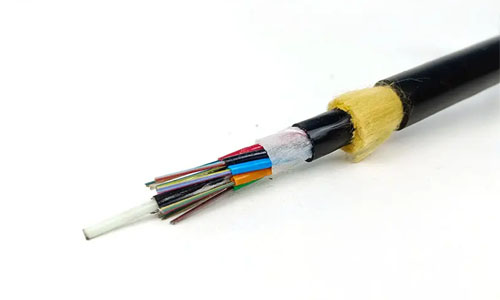 ADSS Fiber Optic Cable
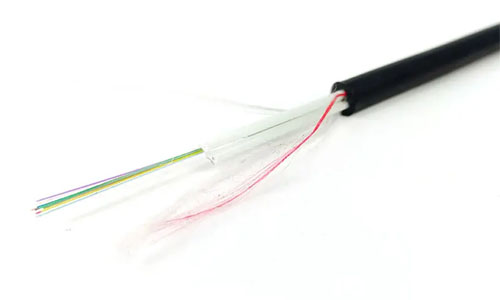 ASU Fiber Optic Cable
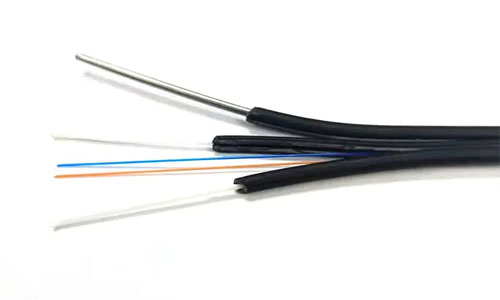 FTTH Fiber Optic Cable
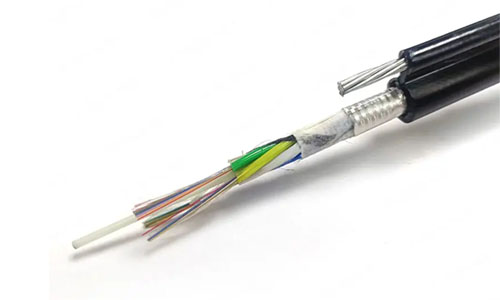 Figure 8 Fiber Optic Cable
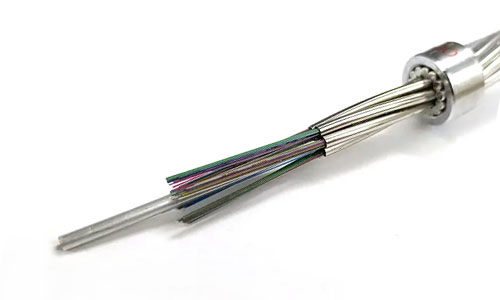 OPGW Fiber Optic Cable
 Coaxial Cable
 Ethernet Cable
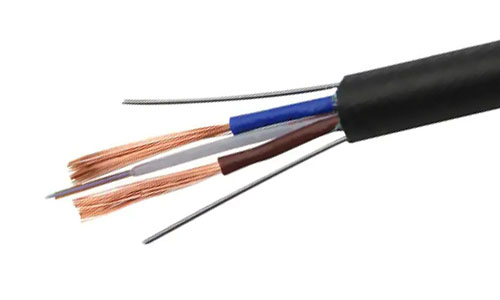 Photoelectric Composite Fiber Optic Cable
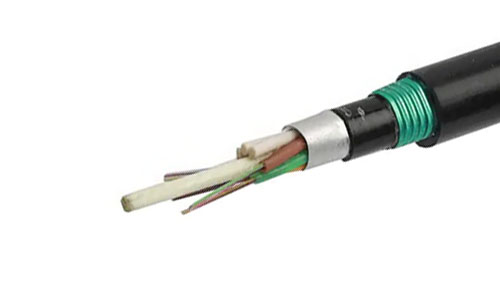 Underground & Pipeline Fiber Optic Cable
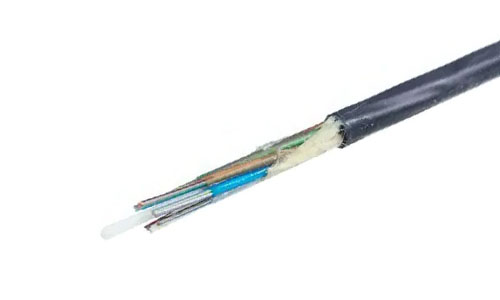 Air-Blown Micro Fiber Optic Cable
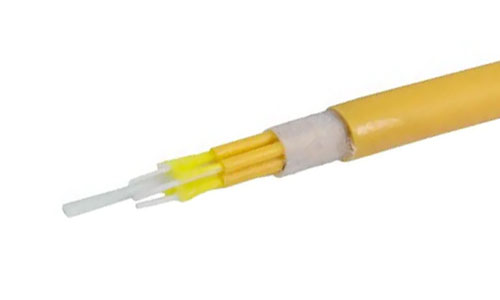 Indoor Fiber Optic Cable
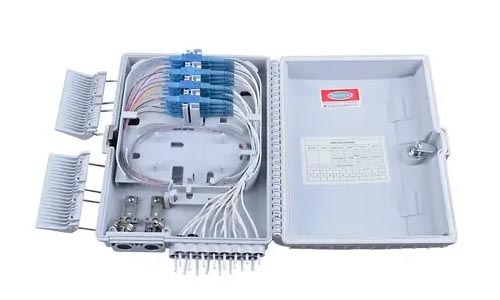 Fiber Optic Distribution Box
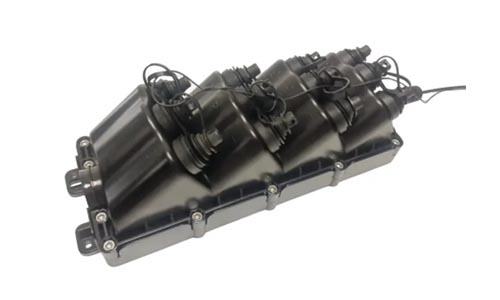 Multiport Service Termina Box
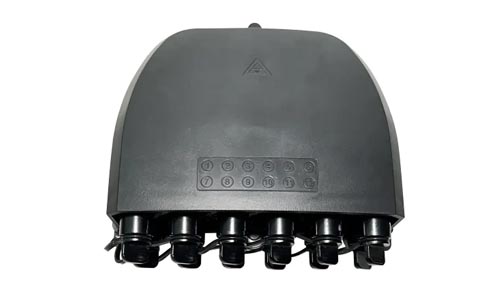 Fiber Optical Terminal Box
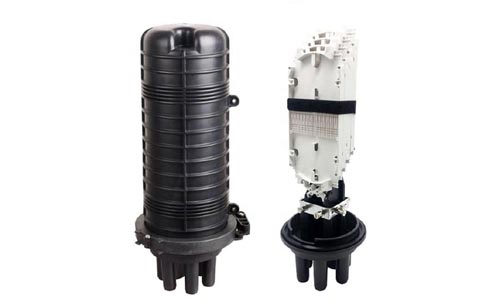 Fiber Optic Splice Closure
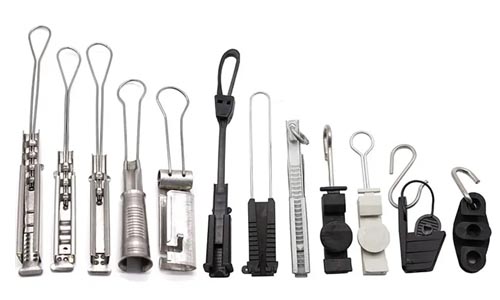 Fiber Optic Clamps
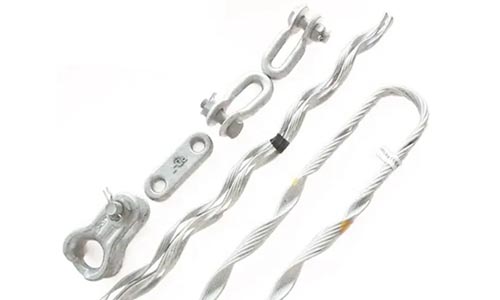 Fiber Optic Cable Fittings
 ADSS Fiber Cable
 ASU Fiber Cable
 OPGW Fiber Cable
 FTTH Fiber Cable
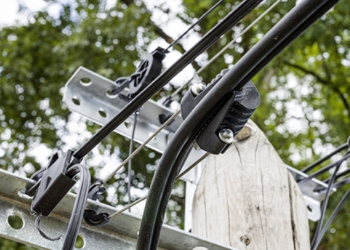 Figure 8 Fiber Cable
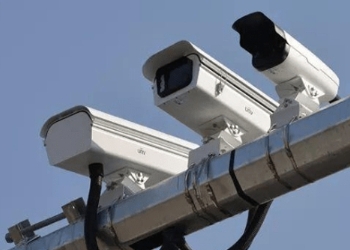 Photoelectric Composite Fiber Cable
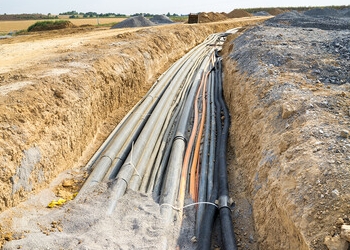 Underground & Pipeline Fiber Cable
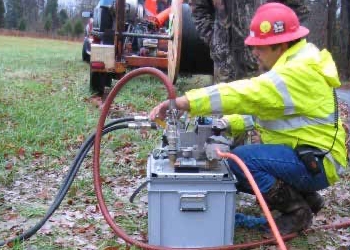 Air-Blown Micro Fiber Cable
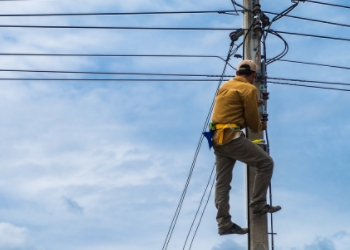 Aerial Fiber Cable
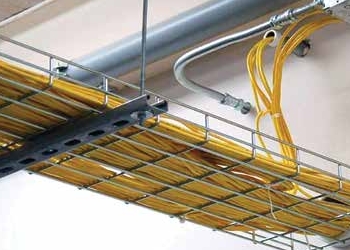 Indoor Fiber Cable
 Fiber Optical Terminal Box
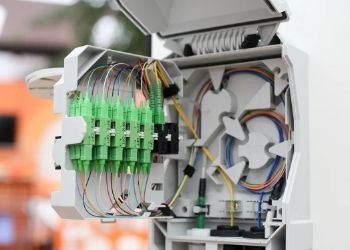 Fiber Optic Distribution Box
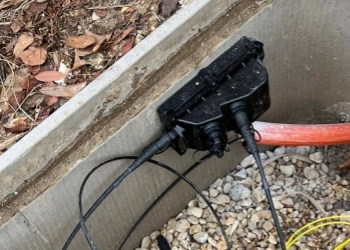 Multiport Service Termina Box
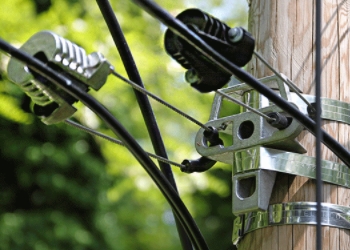 Fiber Optic Clamps
 About Us
 Our Team
 History
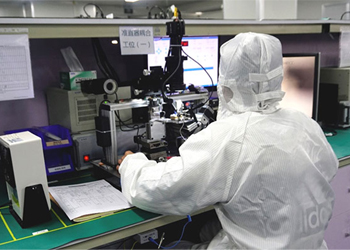 R&D Strength
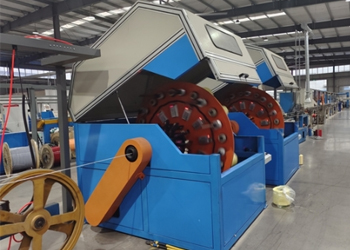 Production Base
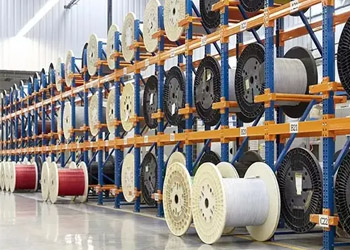 Warehouse & Logistics
 Quality
 FAQs
FAQsExploring the Manufacturing Process of Fiber Optic Cables
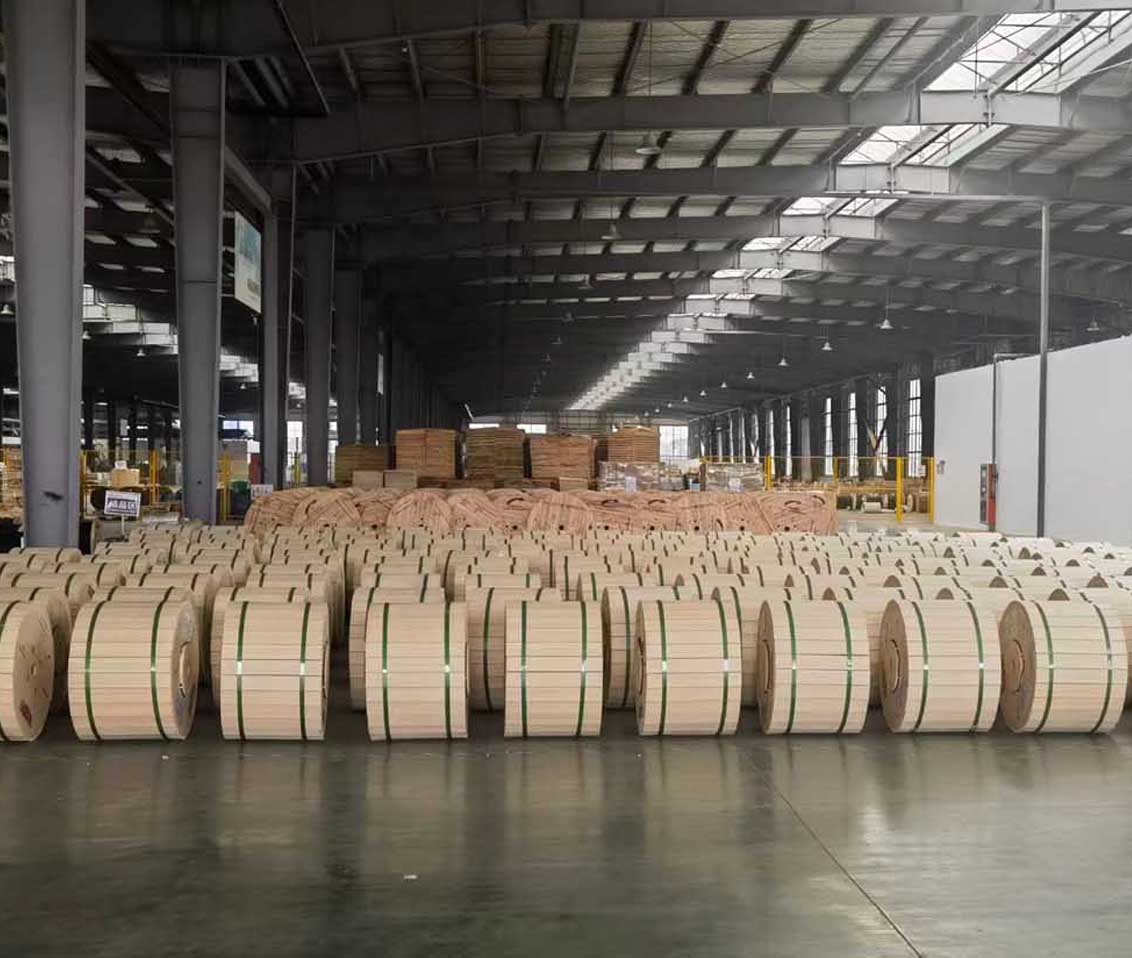
Fiber optic cable factory: microscopic threads of glass and plastic, moving data with light. Every cable begins as a glass preform, which is heated and pulled into hair-thin strands. Next, machines apply protective coatings to the fibers and bundle them into cables for durability and convenience. Workers inspect each cable for minor defects, ensuring they comply with rigorous quality standards. Each phase, from molding to quality control testing, adheres to a defined process flow that ensures the cables remain durable and efficient. To understand how these steps combine, it’s useful to examine each stage in the journey from raw material to the cable that enables speedy internet across the globe.

The Glass Heart: How Fiber Is Born
At the heart of every fiber optic cable is the glass preform, a translucent rod that contains the key to blazing-fast communication. Compounds such as silicon tetrachloride (SiCl₄) and, occasionally, germanium tetrachloride (GeCl₄) begin the process. These chemicals, either from quartz mines in Brazil or made in labs, are selected for purity. It is cut into a chunk around 1 to 2 meters long and 10 to 20 cm wide. Its form molds the DNA of each fiber, determining the route light will take through it. The preform’s composition and purity determine how effectively a finished cable will transmit information.
1. Preform Crafting
Manufacturing a preform requires art, precision and command. Factory workers employ vapor deposition, allowing gases to settle on a rod or within a tube. Once constructed, the tube is heated and collapsed into solid glass. Its key component, silica, is prized for its purity, durability, and light-refracting properties. Germanium gets sprinkled in every now and then, adjusting the degree to which the glass refracts light. Each cut and each polish has to be precise. One small error and you’ve just ruined thousands of kilometers of fiber. The preform’s core and cladding layers, each with a fixed refractive index, define how light signals will propagate later.
2. The Drawing Tower
A drawing tower looks simple but does a big job. It heats the preform to nearly 1900°C, softening it. Gravity then assists by actually pulling a fine fiber from the bottom. This glass heart, more slender than human hair, cools as it falls. Maintaining the proper temperature is essential. If the glass becomes too hot or cold, the fiber’s thickness varies. Lasers or cameras scan the fiber’s width every second, providing real-time feedback to maintain stability.
3. Precision Pulling
Consistency is crucial when pulling. Rollers and sensors feed the fiber to machines that maintain its diameter, meter after meter. Tension has to be perfect; just the right amount is needed, too much and the fiber snaps, too little and it’s uneven. Technicians monitor and tweak speed, heat, and pull strength. Now high-tech machines do most of it, which makes it faster and more reliable than in those early factories.
4. Optical Control
Each fiber is tested for light transmission. Engineers shine lasers through to detect weak spots or bends. They trace signal loss with as little as possible. Quality checks at every step ensure that only the finest fibers get shipped. Today’s factories have immediate feedback systems that identify issues early and increase yield far beyond the old 50% benchmark.
Building The Final Cable
To construct a fiber optic cable, plants mix engineering, artistry, and rigorous quality control. It begins by taking several thin glass fibers, up to 144 at times, twisted together with SZ stranding lines. Each strand rests with near-perfect accuracy, about 0.1 millimeters apart. This bundle is the spine of the cable and is crucial for the quality of data transmission between ends. Once fibers combine, they are wrapped in layers with extruders. Tubes, armor, and PE coatings are added, and the cable is ensured to last. Factories execute these steps at high velocity, up to 100 meters per minute, and can produce approximately 1,500 kilometers of cable per day.
Protective Coating
Fiber cables receive a protective jacket to shield the core from damage. Factories employ UV-curable acrylate, which is hard, translucent, and flexible. In coating, eight UV lamps cure the layer at 500 mJ/cm2 in half a second. This shell keeps out water, dust, and kinks. It enables the cable to flex without snapping when tugged or twisted. Outdoor cables require special attention. Here, paints have to block UV and combat heat while preventing water from seeping in. Water tests have a three-meter head for fourteen days to check for leaks. UV resistance is a must outdoors, or the sun will prematurely shorten the cable’s life.
Strength Members
Strength members do a lot of the heavy lifting in a fiber cable. They use aramid yarn (think Kevlar) or fiberglass rods, which are light but incredibly strong. They increase the cable’s tensile strength, which can reach up to 2,000 newtons, while holding stretching below 0.1%. Without them, cables break when tugged or kinked during installation. Striking the right balance of strength and flexibility is essential. If the cable is too flexible, it becomes difficult to install. If it is too soft, it won’t hold up or function well.
Outer Jacketing
The outer jacket is the cable’s shield. Protecting the final cable’s primary function is to shield it from damage, including water, heat, and impact. Polyethylene is my preference for its durability and weatherproofing. PVC might be substituted for additional flexibility in cold or rough locations. Jacketing helps cables cool, which is why some factories require lines as tall as 30 meters for cooling. Jackets of one color are used to distinguish cable types at a glance and facilitate life for installers and repair crews.
Ensuring Flawless Performance
Getting fiber optic cables to perform flawlessly isn’t about fancy tools; it’s about discipline. Factories combine ultra-pure silica, often 99.9999% pure, with first-class attention and they run it through a labyrinth of inspections. A little slip, a tiny impurity, a millimeter off in diameter, and you have a whole spool ruined. Here are the main steps to keep things running right:
-
Careful checks during every step of drawing and assembling.
-
About: Ensuring Flawless Performance
-
Last tests determine if cables are up to standard and dispatch only the finest.
-
Powered by industry-leading technology and industry-first approaches, we’re setting the bar for safety and trust.
In-Process Checks
Workers monitor the fiber drawing process. They maintain the temperature within no more than ±1°C variance. That diameter is verified to ±0.1 μm, so each filament fits the specification. Even the air’s purity and humidity get monitored.
Enter automation. Robotic arms now perform literally all the stranding, so errors plummet. AI vision scans the glass in real time, looking for imperfections that a human eye can overlook. That way, problems are resolved before they have a chance to escalate.
Live data streams from sensors allow teams to detect anomaly readings quickly. If a bearing is about to wear out, vibration sensors alert them 48 hours ahead of time. Quick fixes keep the line moving and trim waste.
Final Cable Tests
Completed cables undergo a final battery of tests. OTDR is testing signal attenuation, searching for losses as minimal as 0.2 dB/km at 1550 nm. Attenuation tests indicate whether the cable will preserve signals crisp over extended distances.
Testers employ sophisticated machines to search for vulnerabilities within each cable. They test for bend strength, signal loss, and inspect the cable's skin for nicks or dents. Cables that clear all tests go to packaging.
Industry Standards
-
IEC (International Electrotechnical Commission) standards for fiber optic design
-
ISO 9001 for quality management systems
-
ITU-T G.652 for single-mode fiber specs
-
RoHS for safe materials use and recycling
By adhering to these regulations, cables are secure and perform identically, regardless of where they’re deployed. Certification groups visit factories, review logs, and occasionally conduct their own analyses. This keeps us all honest.
Factories drive to be better every year. Industry 4.0 upgrades, such as digital twins to simulate changes and predictive repairs, reduce downtime and prepare teams for new norms.
What Are Fiber Cables Made Of?
Fiber optic cables may appear uncomplicated from the outside, but they’re constructed from layers of advanced materials. They are engineered for strength, speed, and durability. In the core of these cables lie some of the most human-made pure substances.
-
High-purity silica glass (SiO₂), refined to 99.9999% purity
-
Doped silica for the fiber core
-
Polymer coatings for insulation and protection
-
Strength members like Kevlar or fiberglass
-
Plastic or rubber outer jackets
-
Sometimes, recycled glass or eco-friendly polymers
Core Materials
The core is where light flows, transporting data at near-instant speed. Most fiber optic cores are made from ultra-pure silica, occasionally doped with germanium or phosphorus to adjust the refractive index. It’s this purity, less than one part per billion in impurities, that helps keep signals strong and clear.
Light’s route through the core is guided by its refractive index. It is similar to how a straw appears bent in a glass of water. The core has a higher refractive index than the cladding, so light bounces down the cable, not out of it. Single-mode fibers, with a core diameter of about 9 micrometers, are ideal for long-distance connections. Multimode fibers, which have larger cores of 50 or 62.5 micrometers, are suitable for shorter distances and can accommodate multiple light paths simultaneously.
New developments include hollow-core fiber, which uses air rather than glass at the center. This can translate to lower latency and even more bandwidth in less time. Factories use methods such as Modified Chemical Vapor Deposition (MCVD) to deposit silica layers, achieving the correct form and purity.
Sustainable Sourcing
It’s not just about getting these materials quickly. A lot of factories now work to reduce their footprint. Being made from recycled glass blocks, it’s energy-saving and waste-saving too as cable needs expand all over. Others substitute in green polymers for the coatings, exchanging old plastics for newer, greener mixtures.
Sustainable sourcing matters since mining and refining quartz or producing synthetic tetrachlorosilane is resource intensive. When producers utilize recycled or renewable resources, it reduces emissions and conserves nature. They’re helping to define a cleaner fiber optics industry for the future.
The Automated Factory Floor
Automation is at the heart of contemporary fiber optic cable factories. These manufacturing lines mix robotics, real-time data, and eco-friendly methods to remain in step with international need. Safety and quality guide each stage, from glass preforms entering our doors to the last inspection before cables are shipped.
Robotic Precision
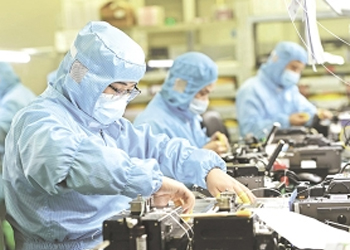
Robots now do the majority of manual labor. They perform 99% of stranding, gently weaving delicate glass fibers into position without causing damage. Robotic arms, for instance, coat, cure and spool fiber at speeds of up to 100 meters a minute. Assembly robots slot cable components into place in clean rooms where anti-static suits and laser goggles must be worn. This tech keeps human hands away from delicate fibers and high-powered lasers.
Precision is important. Robotic arms align fiber cores and coat with micrometer precision. AI vision systems identify defects such as micro-cracks and surface flaws as they occur. If it detects an issue, it flags the cable and yanks it for inspection. These innovations translate to reduced mistakes and waste.
Robots don’t get tired or distracted, so they minimize human error. They do the same work over and over, shift after shift. Newer robotics created specifically for fiber optics can seamlessly splice fibers and manipulate the most minuscule wires.
Data-Driven Quality
Data capture is relentless. More than 10,000 parameters are tracked each shift, including temperature, tension, humidity, and beyond. IoT sensors transmit this data stream to analytics software. If there is a trend, like a slow drift in coating thickness, it immediately alerts operators.
The Automated Factory Floor Machine learning tools identify patterns invisible to the human eye. They anticipate where defects may occur from previous runs. This assists the factory in repairing problems before they become expensive or time-consuming. Data-backed decisions hold quality at bay and enable managers to optimize each process for increased outcomes.
Constant testing is the norm. Automated OTDRs, tensile testers, and microscopes inspect every cable. This guarantees that only premium fiber exits the floor.
Scaling Production
In order to scale up production, you have to use bigger preforms. One can produce between 5,000 and 10,000 kilometers of fiber. Flexible manufacturing systems enable factories to change between cable types without lengthy changeovers. When orders leap, lines can run 24/7, producing as much as 1,500 kilometers of cable a day.
Difficulty is maintaining quality and being safe as production scales. Automated lines, green hydrogen furnaces and streamlined processes help tame these hurdles. As factories scale, costs per kilometer fall, enabling companies to compete anywhere in the world.
Why Fiber Optics Matter
Fiber optics have transformed the way we communicate, do business, and exchange knowledge. The jump from copper to glass fibers signifies more than just a quicker pace. It’s a transition that defined our current digital landscape, from the web to the cloud and further still. Here’s a quick look at how fiber outperforms copper:
| Feature | Fiber Optics | Copper Cables |
|---|---|---|
| Bandwidth | Very high | Limited |
| Transmission Speed | Near speed of light | Much slower |
| Signal Loss | Minimal | Significant |
| Interference | Immune | Prone to noise |
| Distance | Long (km) | Short (hundreds m) |
| Weight | Lightweight | Heavier |
Unmatched Speed
Fiber optics are important because fiber optic cables transmit data via light rather than electricity. This means data travels at nearly the speed of light. That’s a huge leap from copper. OM4 multimode fiber can carry data at 50 meters per second and has a bandwidth above 4700 MHz per kilometer. High bandwidth means more data at once, which is crucial for video calls, cloud storage, streaming, and other activities.
Low latency means less lag, enabling financial trades to occur in real time and physicians to consult across continents instantly. These rapid data speeds are non-negotiable for sectors such as telemedicine, automated factories, and online classrooms. Speedier connections make workflow more seamless and accelerate responses.
Future-Proof Networks
Fiber optics are the foundation for networks that can keep pace with tomorrow’s demands. As demand for data grows, fiber’s scalable architecture means you can introduce additional traffic without changing cables. This leaves it primed for what’s next, such as 5G and smart cities, plus the increasing amount of devices in the Internet of Things.
Fiber means businesses stay ahead with networks that last decades and embrace new tech as it arrives. Charles Kao’s work in 1966 laid the groundwork for these innovations. Now, fiber continues to fuel transformation from urban centers to rural communities.
Eco-Friendly Impact
| Environmental Benefit | Fiber Optics | Copper Cables |
|---|---|---|
| Energy Use | Low | High |
| Carbon Emissions | Reduced | Higher |
| Raw Materials | Silica (abundant) | Copper (limited) |
| Manufacturing Impact | Cleaner/new methods | Traditional |
Fiber optics use less energy, which is good for the planet and your wallet. Data centers using fiber need less power to send information, cutting down on emissions. Green tech like bio-based flame retardants and new, cleaner ways to make fiber are helping too. As more companies aim for sustainability, fiber’s low-impact approach stands out in the tech world.
Conclusion
Manufacturing fiber optic cable may seem hard. Each step matters. From glass rod to rugged jacket, every piece of the process demands expertise and precision. Bots do run smooth, but humans check every little refraction to ensure that the beam courses swift and pure. Fiber cable connects towns, cities, villages, and even us at home. Imagine a hectic city boulevard or peaceful country lane—fiber crawls beneath both, connecting people. The world requires rapid connections. Fiber cable makes that reality every day. Curious about how tech impacts our connections? Nuggets here, re-tweet here. Read more stories and discover what really happens behind the scenes in today's world.
Frequently Asked Questions
What is fiber optic cable made of?
Fiber optic cables themselves are made of ultra high purity glass or plastic fibers. These fibers are secured with plastic coating layers and a strong outer jacket for protection.
How is fiber drawn into thin strands?
To make fiber, companies heat glass until it becomes soft. Then, they draw it out into hair-thin filaments known as fibers that are far thinner than a human hair.
Why is precision important in fiber optic cable production?
Precision guarantees that light signals traverse with minimal loss and distortion. Precision manufacturing ensures fiber optic cables can send data quickly and reliably for thousands of miles.
What steps are involved in building the final fiber cable?
Once glass fibers are created, they are coated, bundled, and wrapped in a sturdy outer jacket. This process makes the cables durable and supple for different applications.
How do factories ensure the quality of fiber optic cables?
Factories employ sophisticated machinery and tests to inspect every cable for defects. Automated systems check for defects to ensure optimal performance and safety.
Why are fiber optic cables important today?
Fiber optic cables transport incredible quantities of information speedily and dependably. They power internet, phone, and TV services and are central to contemporary communication and tech development.
What are the benefits of automated production in fiber optic factories?
Automation makes it faster, less error-prone, and more consistent. It reduces costs and enhances safety, delivering top-grade fiber optic cables to the world.