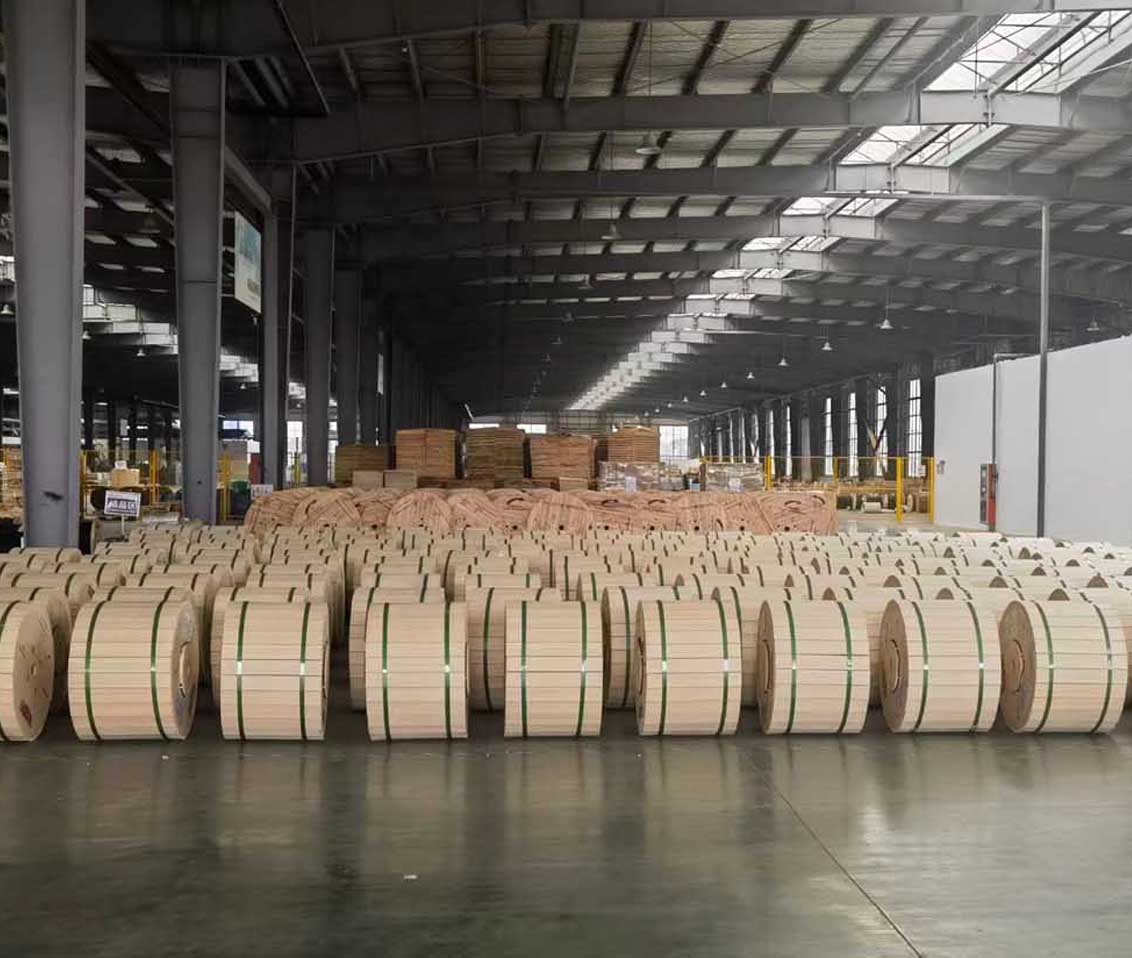
 Optical Fiber
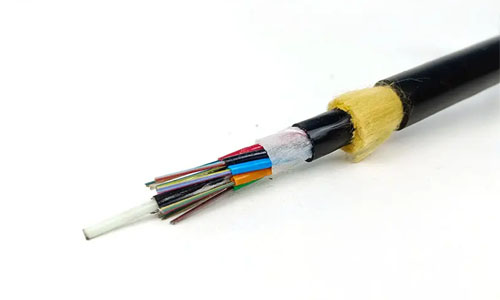 ADSS Fiber Optic Cable
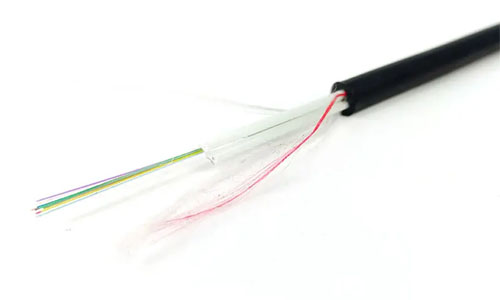 ASU Fiber Optic Cable
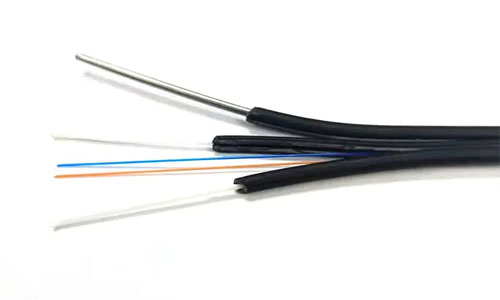 FTTH Fiber Optic Cable
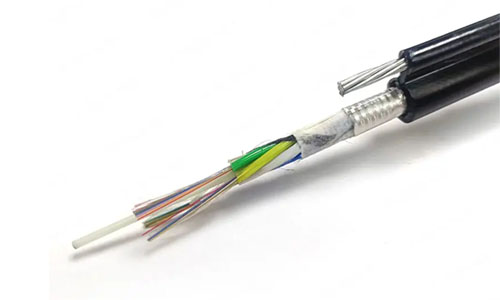 Figure 8 Fiber Optic Cable
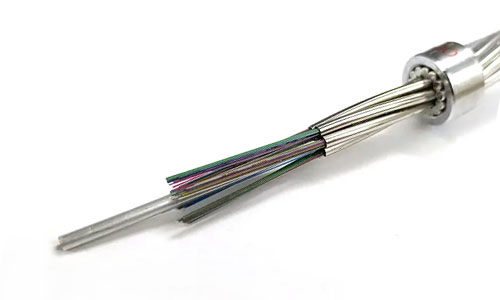 OPGW Fiber Optic Cable
 Coaxial Cable
 Ethernet Cable
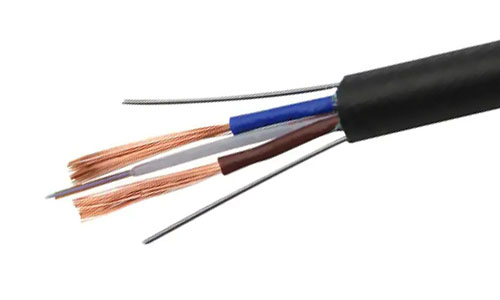 Photoelectric Composite Fiber Optic Cable
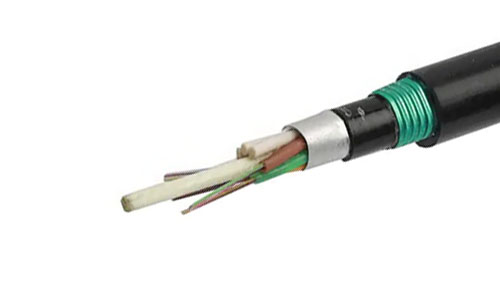 Underground & Pipeline Fiber Optic Cable
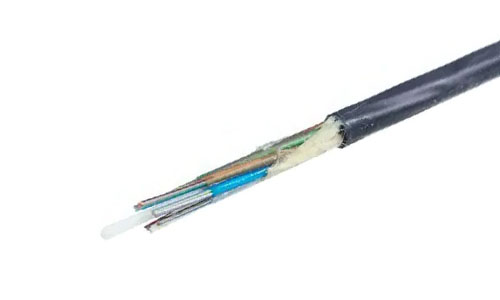 Air-Blown Micro Fiber Optic Cable
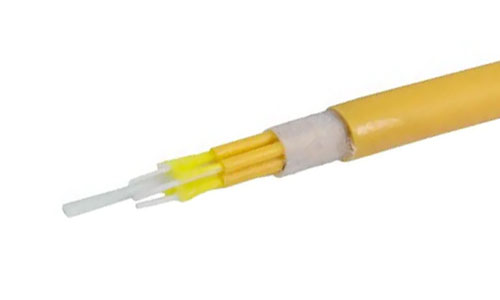 Indoor Fiber Optic Cable
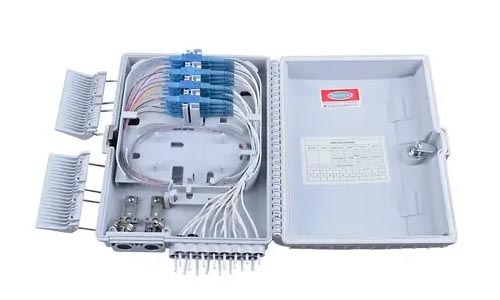 Fiber Optic Distribution Box
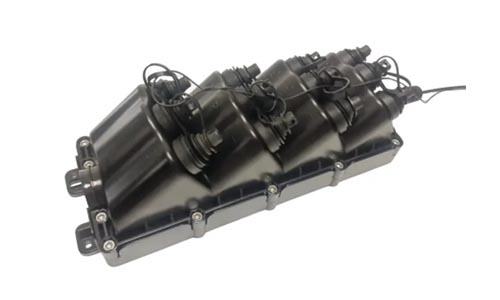 Multiport Service Termina Box
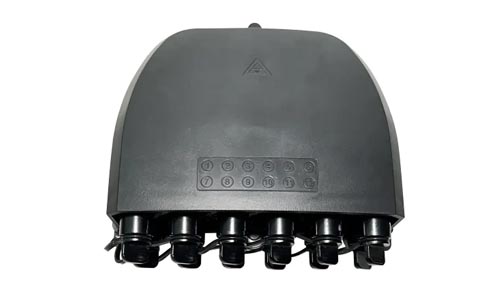 Fiber Optical Terminal Box
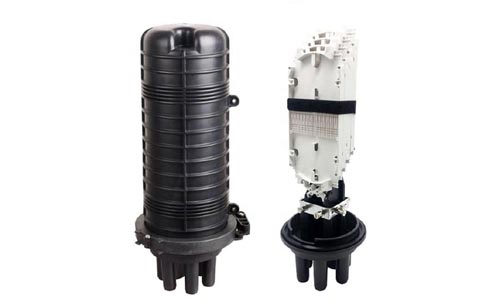 Fiber Optic Splice Closure
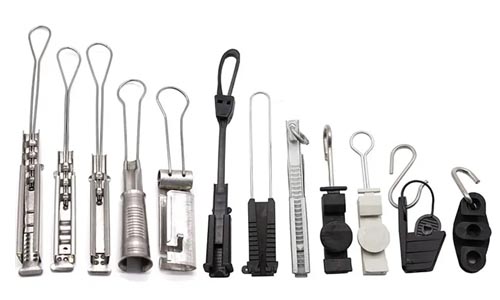 Fiber Optic Clamps
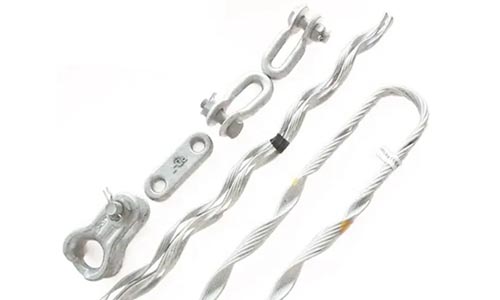 Fiber Optic Cable Fittings
 ADSS Fiber Cable
 ASU Fiber Cable
 OPGW Fiber Cable
 FTTH Fiber Cable
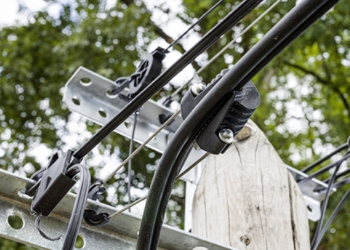 Figure 8 Fiber Cable
 Photoelectric Composite Fiber Cable
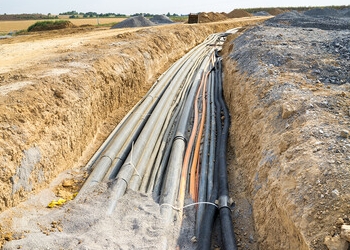 Underground & Pipeline Fiber Cable
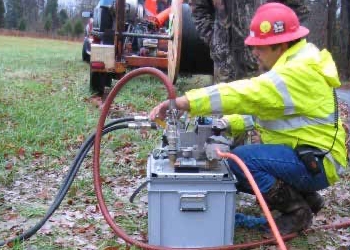 Air-Blown Micro Fiber Cable
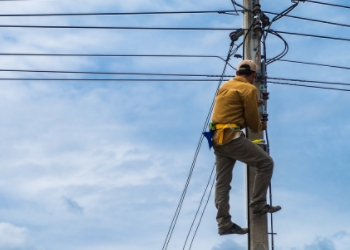 Aerial Fiber Cable
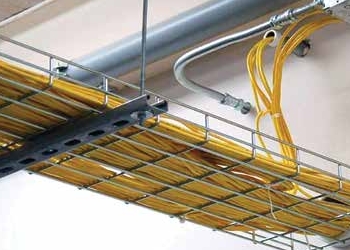 Indoor Fiber Cable
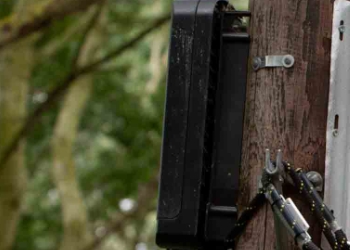 Fiber Optical Terminal Box
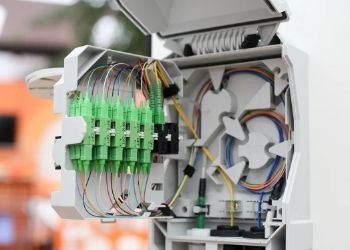 Fiber Optic Distribution Box
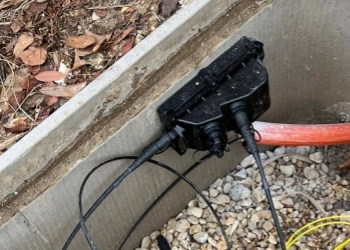 Multiport Service Termina Box
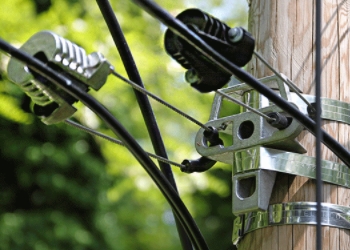 Fiber Optic Clamps
 About Us
 Our Team
 History
 R&D Strength
 Production Base
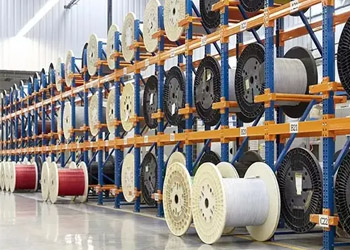 Warehouse & Logistics
 Quality
 FAQs
FAQsEthernet Cable Types and Their Uses
Contact for Free Quotation & Sample, According to your needs, customize for you.
inquiry nowEthernet Cable Types and Their Uses
-
By knowing Ethernet cable shielding types, you can make an informed decision when selecting the appropriate cable for your specific environment, optimizing cost, protection and performance.
-
Premium components like pure copper conductors and the right jacket ratings deliver durability, speed and long-term reliability to your network.
-
Picking the right cable category is key to satisfying today’s requirements while future-proofing for next-gen technology upgrades in high performance environments.
-
Well, they are very important to proper installation, such as the correct bend radius and cable length, to prevent signal loss and maintain consistent network performance.
-
When you invest in quality cables, you minimize the chance of network downtime, too-frequent replacement and other hidden long-term costs of underperforming cables.
-
Routine cable inspection and certification testing protects your network’s wellness, aiding you in spotting issues early and ensuring speedy, dependable connections.

An ethernet cable is a common type of wired network cable that’s used to connect devices such as computers, routers, and switches within local area networks. It transmits data packets over copper wires with plastic insulation providing high-speed, reliable connections for residences and businesses. Most people use ethernet cables to stream movies, play online games or bad video calls without drop outs. There are lots of varieties, such as Cat5e and Cat6, each with their own speed and distance limitations. Selecting the ideal cable can help reduce lag or slowdowns — crucial for work and play. Knowing what makes one cable better than another saves wasted money and time. Within the bulk, you’ll receive advice and straightforward solutions for selecting the optimal cable.
What Are Ethernet Shielding Types?
Ethernet cable shielding, including solid wire and twisted pair cable, keeps your data moving clean and free of external noise. Each shielding type for Ethernet fulfills a unique purpose, from simple home network setups to advanced infrastructures in bustling office towers, ensuring high bandwidth networking and dependable connections.
1. Unshielded (U/UTP)
U/UTP cables are ubiquitous, from home routers to small offices. They’re easy, require no additional layers, and are cheaper than shielded varieties.
U/UTP can absorb noise from things like microwaves or power lines. That is to say, in crowded areas, data can lug or lag. These cables fare best where electronic noise is minimal, such as in small homes or quiet offices, but they fall short when deployed for fast networks or in device-rich environments.
2. Foil Shielded (F/UTP)
F/UTP cables enshroud a delicate foil around all the wires within. This layer helps prevent external interference, turning them into a preferred choice for schools, offices, or hospitals full of electronics.
They’re a little bit more expensive than U/UTP, but they provide a more robust protection. F/UTP is great for environments where you want to protect your data from collocated machines — a factory floor, a shared workstation.
3. Screened Shielded (S/UTP)
S/UTP cables add a metal mesh, called a screen, around the wires, plus the twists in the pairs assist further. This mix does better to block noise, therefore in environments with high concentrations of power cabling or industrial machinery, S/UTP sparkles.
It performs better than bare unshielded cables, but it does add to the cost. The additional shield keeps networks humming in hard places.
4. Foil and Braid Shielded (SF/UTP)
SF/UTP cables rely on both a foil wrap and braided mesh for superior shielding. They’re the ones you’ll find in banks, labs, or data centers where failure is not an option.
This is the type of best when speed and data safety are paramount. SF/UTP is more expensive, but when you want your data fast and clean, it’s worth it.
5. Individually Shielded Pairs (U/FTP)
U/FTP cables enclose an individual shield around every pair. This prevents each pair from acquiring noise from its neighbor, which is great when cables are running close together, such as in server racks.
Installers love U/FTP for big gigs–it’s pliable and simpler to install in cramped areas. It fits compact cabling, such as large offices or IT closets.
6. Fully Shielded Pairs (S/FTP)
S/FTP has it all: every pair shielded, plus a shield over the whole lot. It’s the preferred option for locations with confidential information, such as research facilities or hospitals.
This cable provides the optimum level of protection from crosstalk and noise. It’s not inexpensive, but when you’re looking for the best, S/FTP is it.
Why Material Quality Matters
It’s more than just a connection between devices — a good Ethernet cable, such as a standard Cat6 cable, is an unsung hero. The quality of its components, including solid copper wire and cable standards, determines everything from performance to the consistency of your home network connection.
Conductor Core
The gold core of an ethernet cable is to be a network’s heart. We use solid copper cores in our best cables because they conduct signals quickly and efficiently. Solid copper trumps copper-clad aluminum (CCA) in protecting your data from external noise and dropouts. CCA may appear the same externally, but it doesn’t transmit signals as effectively, resulting in slowdowns and fuzzy connections.
Fiber keeps your networks humming but when you need cables longer than 50m, pure copper cores keep things well. If you use CCA, the signal can fade and become noisy, resulting in issues with high-speed activities such as streaming or large uploads. For serious rigs, such as offices or home workstations, a pure copper center is the clever choice for enduring velocity.
Conductor Material
Pure copper cables provide optimal data flow. They maintain a low resistance, which helps prevent overheating and keep speeds up. CCA cables are cheaper, but they frequently fall short on quality and security. Lower resistance in pure copper means you get longer runs with less hiccups.
In large homes or office with large cable runs, pure copper counts. If you simply need a short cable for rudimentary tasks, CCA is an economical option, albeit a suboptimal one for high-load or mission-critical networks.
Jacket Rating
Jacket ratings indicate whether a cable can withstand its surroundings. Indoor cables require less shielding, but outdoor cables have to fend off sun, rain, and temperature fluctuations. PVC jackets are inexpensive and prevalent in indoor settings, but plenum- or riser-rated jackets are safer in areas that may experience fires.
A good jacketed cable can take moisture and UV without disintegrating. A substandard jacket on the outside causes cracks or even network failure, so suit the jacket to the task.
Durability and Cost Benefits
Good cables don’t just sound better, they wear better and demand less maintenance. They can be bent or stepped on and not only not break but continue to function beautifully.
You invest more upfront, but end up saving over the long term. Reduced repairs and replacements equals less trouble for you.
Junk cables are fire hazards, connection hazards, and time-suck hazards.
They are not worth the risk.
Choosing Your Cable Category
Ethernet cables vary by category, with different specifications for each type. Your choice of cable standards, such as using Cat6 or Cat7 specification, determines the speed and reliability of your network, ensuring fluid streaming, rapid downloads, and fewer networking headaches. Let’s unpack the decision.
Everyday Use
For home and small office setups, using CAT5e and CAT6 cables is essential for modern networking. CAT5e handles speeds up to 1 Gb, making it suitable for streaming, video calls, and web browsing. On the other hand, CAT6 can support 10 Gbps at short distances, offering high bandwidth networking capabilities that most home users won't fully utilize. These cable types effectively balance cost and speed, ensuring you won’t overspend on unnecessary features.
In many households with laptops, smart TVs, and gaming consoles, CAT5e or CAT6 patch cables provide excellent performance without breaking your budget. Upgrading from CAT5e to CAT6 is a wise choice if you’re wiring a new space and want to ensure optimal data transfer rates. For average homes, both cable options suffice for day-to-day tasks without much hassle.
Future-Proofing
If you want to future-proof, the CAT6a or CAT7 cables are worth a look. These back faster speeds and bandwidth, which is great in case you think you’ll require more down the road. CAT6a performs up to 10 Gbps at longer distances (up to 100 meters), so it’s a safe choice for new construction or renovations. CAT7 adds additional shielding, which can be a benefit in congested or noisy environments.
It’s clever to ponder what devices might be on the horizon—perhaps new servers, smart hubs for your home, or ultra-high-speed internet—before you open up those walls. Invest a little more today and avoid having to rewire tomorrow. This is particularly the case for offices or homes anticipating lots of connected gear in the future.
Demanding Environments
Industrial or commercial networks operate under more strain. Here, shielded cables—think shielded CAT6a or CAT7—guard against EMI from machinery or power lines. Data centers, for instance, use high-category cables (even CAT8) to keep pace with speedy servers and intense traffic.
Noisy environments can reduce data speeds. Shielded cables reduce signal loss. In locations with long cable runs or many users, selecting a higher category results in higher speeds and less congestion.
Final Thoughts
Finding the right balance between cost, network requirements, and future expansion is crucial for modern networking.
How Installation Impacts Performance
Installation decisions for ethernet cable assemblies can significantly impact performance, as even minor mistakes can lead to sluggish access or lost information. This crucial phase affects both individual home networks and extensive telecom setups, emphasizing the importance of good quality cables.
Bend Radius
Maintaining proper bend radius is important for your signal strength. Sharp bends can snap the minuscule wires within, resulting in crosstalk or data loss.
Certain cables, such as CAT6 or CAT8, have specific bend restrictions—usually nothing less than 4X the diameter of the cable. By observing these rules, cables tend to have a longer and better life. In offices and server rooms, tools such as cable trays or velcro straps keep bends gentle and orderly. It not only safeguards the cable but maintains a tidy space.
Cable Length
As we’ve seen, cable length is directly tied to speed and reliability in modern networking. For instance, both CAT5 and CAT6 network cables support up to 100 meters before data loss likelihood increases. Going beyond this can bog things down, especially with older CAT5 cables, which top out at 100 Mbps over their full length. CAT5e and CAT6 are faster, but packing runs to under 100 meters is wise. Shorter runs maintain high data rates and reduce errors. For very high-speed installations, such as CAT8, the distance decreases to only 30 meters. Always align cable types and lengths to the devices and switches in your home network for optimal results.
Connector Termination
That’s right, the ends of each Ethernet cable have a HUGE impact on network stability. Adhering to the proper wiring standard — T568A or T568B — maintains consistency and prevents cross-wiring. RJ45 connectors need to be applied neatly, ensuring no straggling wires. Don't skip testing every patch cable after crimping, as this will help you identify weak links before it's too late! Shielded connectors can effectively shield out electrical noise, preserving the integrity of the signal.
The Hidden Costs of Compromise
Cutting corners with good quality cables may seem like a clever place to save today, but the hidden costs pile up quickly. Focusing solely on the lowest price can translate into goods that break more often, don’t endure, and even endanger your home network. In ‘the real world’, 80% of device failures come from bad cables or poor terminations. Picking the incorrect cable here can cause slowdowns, downtime, and unsafe situations — particularly where power and data run in parallel.
Performance Degradation
Cheap cables slow things down. You may find your web scrolling, files downloading or wireless disconnections, even though your plan ought to be quicker. These are textbook symptoms of performance decay, and they occur because inferior wires can’t match contemporary demands. Sometimes a cable’s subpar shielding allows noise to creep in, resulting in lost data and additional error correction.
If cables aren’t up to snuff, they can’t transmit signals as far or as fast. Networks begin to give out – particularly when it comes to video calls, streaming or large file transfers. It’s tempting to fault the router or the service, but frequently the actual saboteur is a lousy cable. Routine inspections and rapid chain-link replacement can detect these problems early, before they cascade and give everyone a migraine.
Network Downtime
Untrustworthy cords, such as subpar patch cables, cause constant drops in service. An entire office or household goes without for minutes or hours, and each time work comes to a standstill. In factories, downtime means production lines grind to a halt, losing cash and sometimes endangering lives. Even machines collapse if their spine flaccid. Upgrading to premium network cables and maintaining backup selection on hand can pack a serious punch. Strategizing for robust redundancy is crucial to maintain operation, even when a component breaks down.
Replacement Frequency
Cables constructed with superior components have the potential to endure. A cheap cable could crack or discolor within a year, particularly outside where the sun beats down. Non-UV-stabilized jackets crack and fail quickly. You’ll spend more on replacing them, and the work adds up as well. Choosing robust cables from the outset equals less swapping and less stress.
After a while, the savings from less breakdown and repair beat the dollars saved on the cheapest stuff.
Safety and Other Risks
Low-grade cables, such as unshielded ethernet cable assemblies, can emit poisonous fumes in fires, endangering all those nearby. When power and data coexist on the same cable, like in structured wiring setups, the risk is much higher.
Verifying Cable Integrity
Verifying the health of Ethernet cables is a requirement for any network, especially in environments loaded with equipment like data centers. Routine inspections enable you to identify issues before they escalate, maintain high bandwidth networking connections, and prevent outages. Basic tasks such as visually inspecting patch cables and performing diagnostics can reveal whether cables are functioning properly or if there’s an issue.
Visual Inspection
Examine all along the cable for obvious indications of distress. Look for frayed wires, kinks or nicks on the jacket. It’s these small, overlooked things that tend to cause big headaches if ignored.
Check the ends of the cable as well. Corrosion or worn-out connectors can cause weak signals or random drops in connection. If you see a connector with greenish spots or loose pins, it’s time to swap it out. Be sure cables aren’t bent at acute angles or crushed by heavy items. Cables that run across busy walkways or under furniture are more likely to incur damage. A few minutes every few months examining all cables can save you a lot of trouble down the road.
Certification Testing
Testing is more than meets the eyes when it comes to ensuring optimal performance of high bandwidth networking. Using a cable tester indicates whether the Ethernet cable is wired correctly and if every internal wire is functional. Most test for continuity, with each light on the tester indicating if a wire is connected. If all the lights are on, the cable is fine. If a light’s out, there is a break or miswiring. For a deeper test, certification testers can measure things like attenuation, crosstalk, and return loss. These figures indicate whether the cable can support gigabit speeds and high-speed network transmissions. In larger networks, two testers, one on each end, test the entire run. Certification testing is crucial for satisfying industry standards and ensuring cables perform optimally in actual conditions.
Documenting Results
Record each examination of your network cables, noting what you discovered, when you checked, and if you swapped out any patch cables. This aids in identifying trends and prepares you for audits or optimization.
Conclusion
Ethernet cables seem basic, but they define how networks operate all the time. Good cables reduce noise, increase speed, and keep work flowing. Choosing the proper shield, material, and application category can make a distinct difference. Little things, such as meticulous installation, save time and money down the road. Cheaping out on quality just causes more headaches than assistance. Easy checks keep cables working well. Remember that office with slow downloads—one good cable swap cleaned up the mess. Networks work best when you choose wisely, test thoroughly, and pamper the infrastructure. Want peace of mind and speedy connections? Test your cables, switch to a superior one and witness the upgrade for yourself.
Frequently Asked Questions
What is an Ethernet cable?
An Ethernet cable is a physical, wired network cable that connects devices such as computers, routers, or switches for stable data transmission.
Why does Ethernet cable shielding matter?
Shielding, especially in solid wire and shielded ethernet cables, cuts down on interference from other electronics, ensuring your data transfer rate remains steady and fast.
How do I choose the right Ethernet cable category?
Choose a class according to required speed and distance. For the vast majority of homes, using Cat 5e or Cat 6 ethernet cables suits just fine. For higher bandwidth networking or longer runs, consider Cat 6a or Cat 7 specifications.
What materials should I look for in Ethernet cables?
Seek out patch cables constructed with solid copper wire and premium shielding, as these materials ensure superior performance and extended cable life.
Can poor installation affect Ethernet cable performance?
Ok, bad installation of network cables can lead to signal loss or interference. Always respect sharp bends, keep cables away from power lines, and follow best practices for ethernet cables.
Are more expensive cables always better?
Not necessarily. Think of your network requirements first. Expensive cables, like solid wire or patch cables, might have fancy features, but you don’t need them for simple use.
How can I check if my Ethernet cable is working properly?
Try the RJ45 patch cable with a network cable tester or by connecting devices directly. Search for stable connection and gigabit speed to validate it.