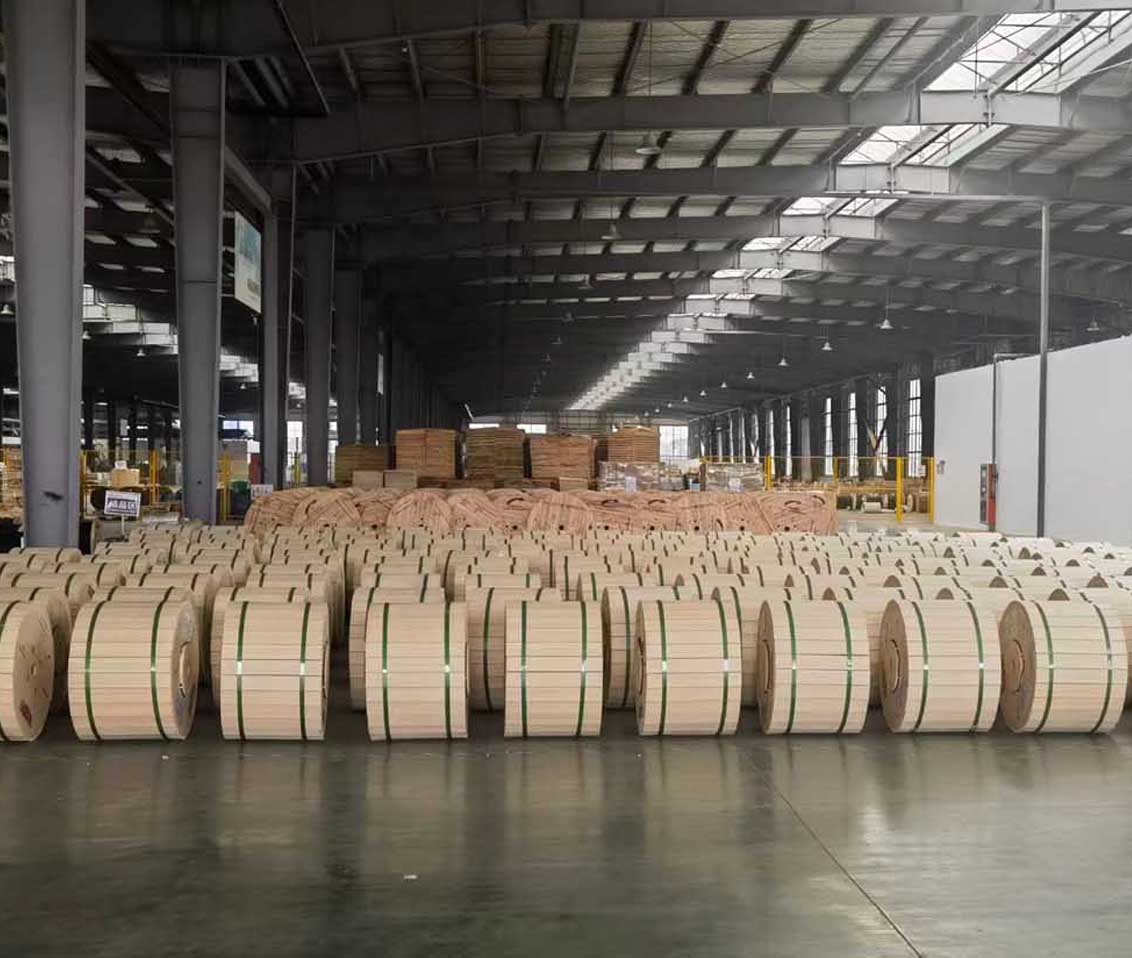
 Optical Fiber
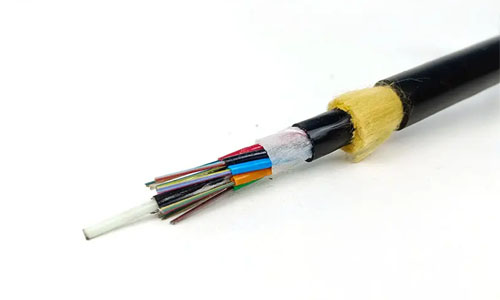 ADSS Fiber Optic Cable
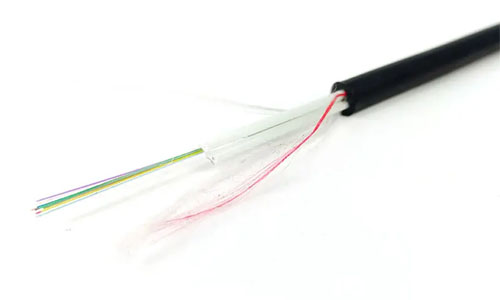 ASU Fiber Optic Cable
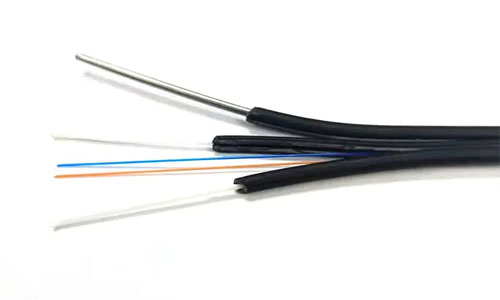 FTTH Fiber Optic Cable
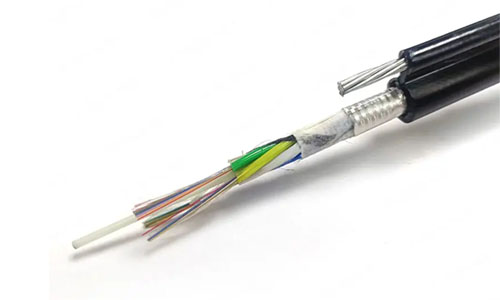 Figure 8 Fiber Optic Cable
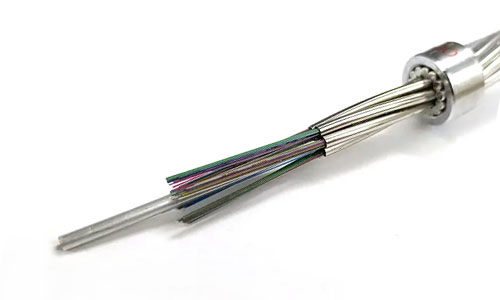 OPGW Fiber Optic Cable
 Coaxial Cable
 Ethernet Cable
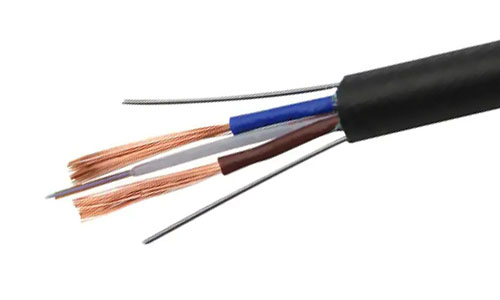 Photoelectric Composite Fiber Optic Cable
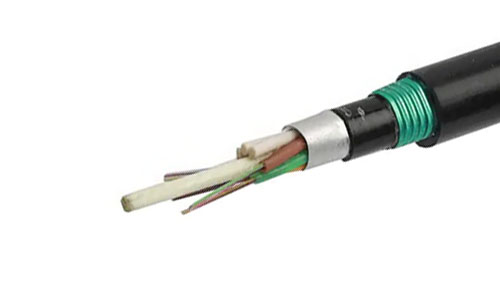 Underground & Pipeline Fiber Optic Cable
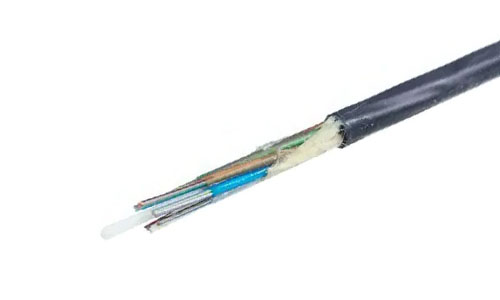 Air-Blown Micro Fiber Optic Cable
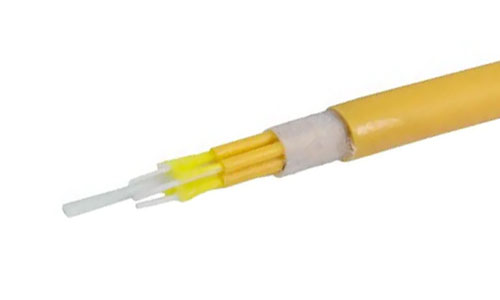 Indoor Fiber Optic Cable
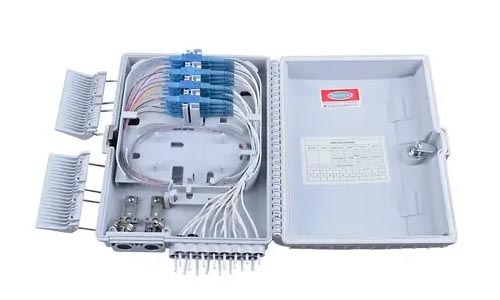 Fiber Optic Distribution Box
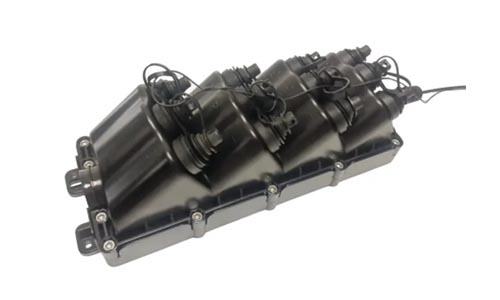 Multiport Service Termina Box
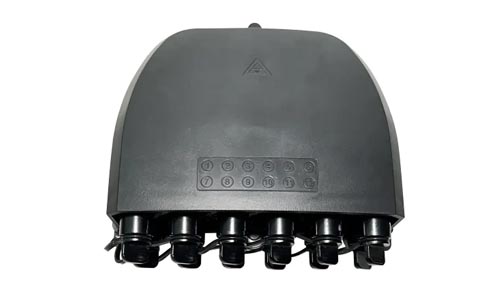 Fiber Optical Terminal Box
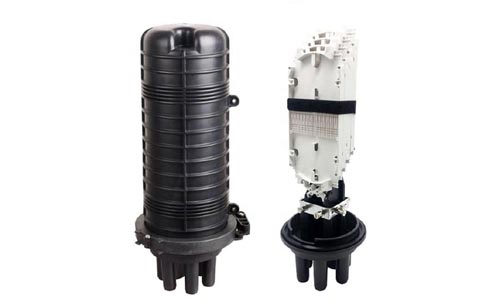 Fiber Optic Splice Closure
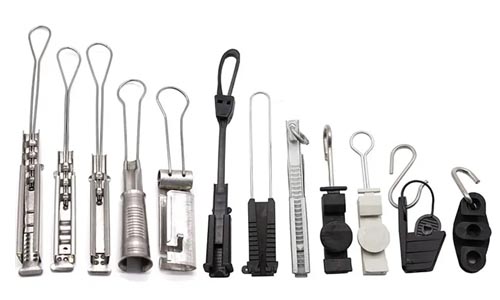 Fiber Optic Clamps
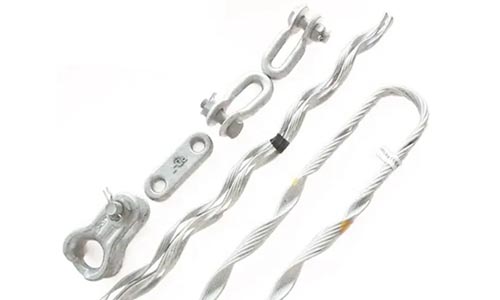 Fiber Optic Cable Fittings
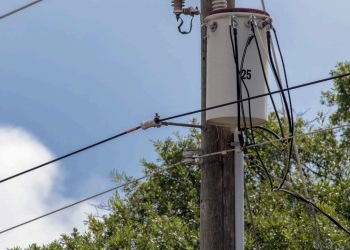 ADSS Fiber Cable
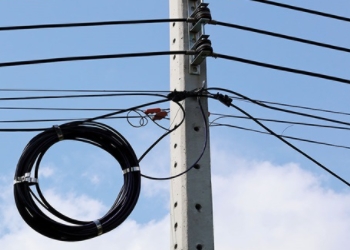 ASU Fiber Cable
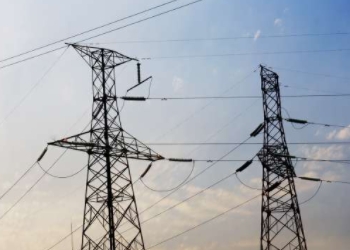 OPGW Fiber Cable
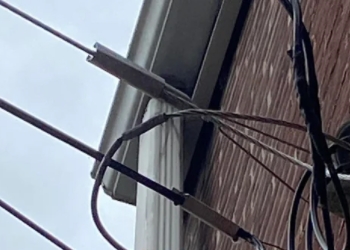 FTTH Fiber Cable
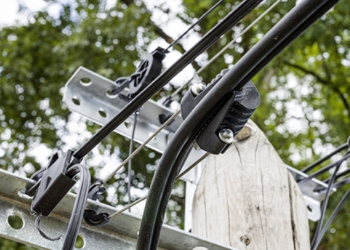 Figure 8 Fiber Cable
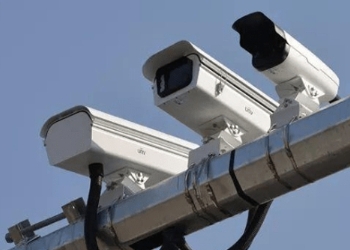 Photoelectric Composite Fiber Cable
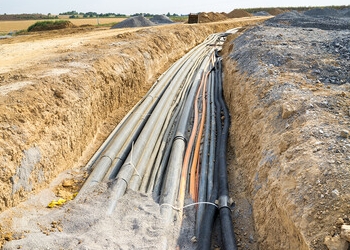 Underground & Pipeline Fiber Cable
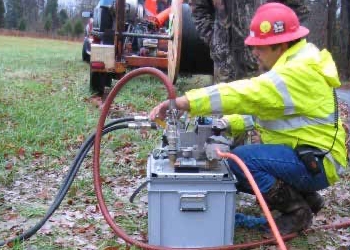 Air-Blown Micro Fiber Cable
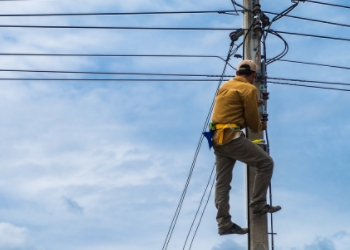 Aerial Fiber Cable
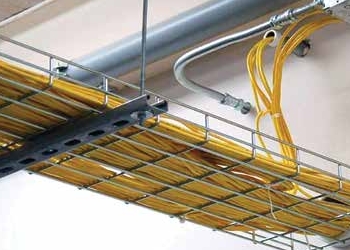 Indoor Fiber Cable
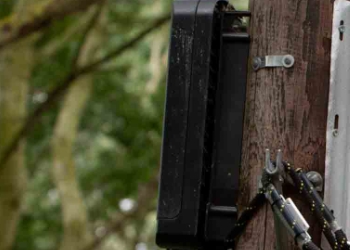 Fiber Optical Terminal Box
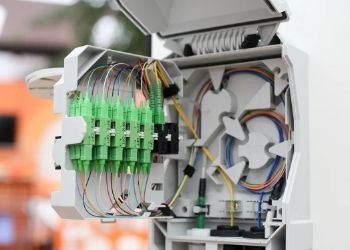 Fiber Optic Distribution Box
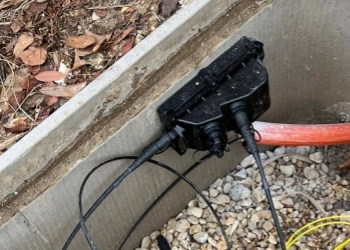 Multiport Service Termina Box
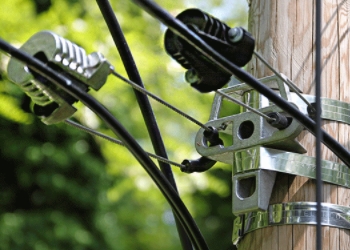 Fiber Optic Clamps
 About Us
 Our Team
 History
 R&D Strength
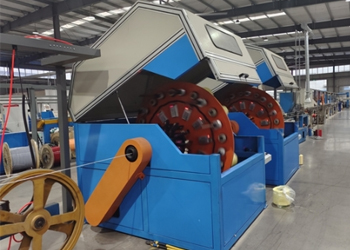 Production Base
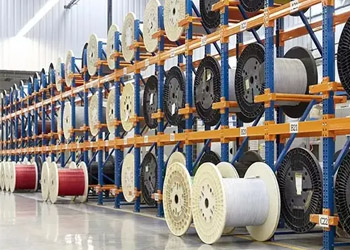 Warehouse & Logistics
 Quality
 FAQs
FAQsEthernet Cable Buying Guide
inquiry nowEthernet Cable Buying Guide
I write to create an Ethernet cable buying guide. Let's start by recalling what I know about Ethernet cables. There are different categories, like Cat5, Cat6, maybe higher ones. Each has different speeds and bandwidths. Then there's the shielding aspect—some cables have shielding to reduce interference. The connector types are RJ45, right? Also, the cable length matters; longer cables might have signal degradation. Oh, and there's the jacket rating, like PVC vs. plenum. Maybe outdoor vs. indoor use? Let me not forget that some cables are stranded while others are solid core, which affects flexibility and durability.

Wait, what about the purpose? Like, for gaming, streaming, or just general use. PoE (Power over Ethernet) is a thing too, so some cables need to handle that. Color might be a consideration for aesthetics. Brands could be a point, but maybe not necessary unless there are trusted ones. Price ranges depending on the category and features.
Let me organize this. Start with an intro explaining Ethernet cables and their importance. Then break down the sections: Categories (Cat5e, Cat6, etc.), Speed and Bandwidth, Shielding (UTP vs. FTP), Cable Length, Connectors, Jacket Material (plenum, riser, outdoor), Solid vs. Stranded, PoE Support, Use Case (gaming, home, office), Color, and maybe a quick tips section. Also include a FAQ.
Wait, I need to verify the maximum lengths for each category. I think Ethernet cables have a max length of 100 meters regardless of category, but maybe higher categories can maintain higher speeds at that length? Or does the speed drop over distance? Also, for gaming, low latency is important, but does the cable category affect latency? Maybe not directly, but higher categories support higher bandwidth which could be better for high-speed data transfer. Shielding helps with interference, which might be more important in environments with lots of electronics.
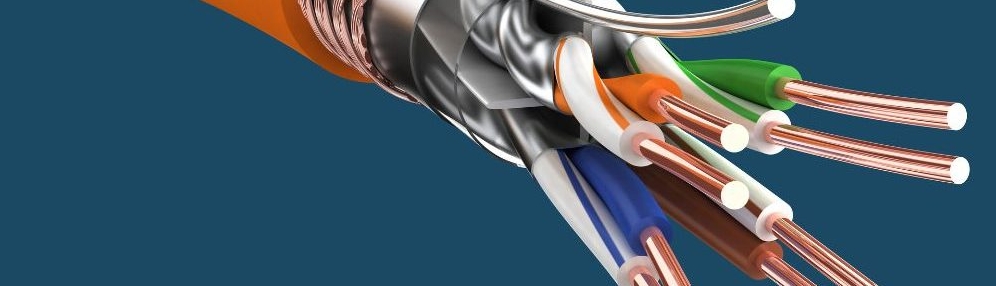
Stranded vs. solid: Solid core is for permanent installations, less flexible but better performance over long distances. Stranded is more flexible, good for patch cables. Shielding types: UTP is unshielded, FTP has foil shielding, STP has braided shielding. Maybe explain the abbreviations like UTP, FTP, STP.
PoE: Higher categories might be better for PoE because they can handle more power, especially for devices like cameras or access points. Also, thicker gauges (lower AWG) can handle more current. Maybe mention AWG?
Color is just for organization or aesthetics, right? Some people might want different colors for different rooms or uses.
Jacket material: Plenum-rated for air ducts, riser-rated for vertical runs between floors. Outdoor cables have UV protection and waterproofing.
In the buying guide tips, suggest assessing needs based on internet speed, environment (interference), installation type (in-wall, outdoor), and future-proofing. Maybe recommend Cat6 or Cat6a for new installations as they offer better performance and are more future-proof.
FAQs: What's the difference between Cat5e and Cat6? Can I use a higher category cable than needed? How does shielding affect performance? Does cable length affect speed? What's the best for gaming? How to identify a quality cable?
Wait, I should check if there's any difference in the number of twists or construction between categories that affect performance. Also, terms like AWG (American Wire Gauge) for thickness. Lower AWG means thicker wires, which can be better for longer runs and PoE.
I need to make sure the information is accurate. For example, Cat5e is 1 Gbps up to 100m, Cat6 can do 10 Gbps up to 55m, Cat6a up to 100m for 10 Gbps. Cat7 and Cat8 have higher specs but are less common. Cat8 is for data centers, up to 40 Gbps but shorter distances.

Also, mention that for most home users, Cat5e or Cat6 is sufficient unless they have very high-speed internet plans. For 10 Gbps home networks, Cat6a might be needed. Shielded cables are good for areas with high interference, like near power lines or in industrial settings.
Maybe include a quick reference table comparing categories, speeds, bandwidth, and use cases. That would help readers quickly compare.
I should also note that connectors should be gold-plated for better conductivity and corrosion resistance. Check if the cable is certified (like UL certification) to ensure it meets standards.
In the installation tips, mention not to bend cables too sharply, avoid running parallel to power cables to reduce interference, and use cable ties without over-tightening.
Wait, did I miss anything? Maybe the difference between patch cables and bulk cables. Patch cables are pre-made, while bulk is for custom lengths. Also, flat cables vs. round—flat might be easier to route under carpets but may not meet the same standards as round ones.
Also, some cables are slim or ultra-flexible, which could be useful in tight spaces. However, they might not have the same durability or performance as standard cables.
In terms of brands, maybe mention that reputable brands like Belkin, Monoprice, Cable Matters, etc., are reliable, but avoid making it seem like an advertisement.
Putting it all together, the guide should start with an overview, then each section explaining the key factors, followed by recommendations based on use case, and a FAQ. Make sure the language is clear and accessible, avoiding too much technical jargon but still informative.

Ethernet Cable Buying Guide
1. Introduction
Ethernet cables are essential for wired internet connections, offering reliability and speed. Choosing the right cable depends on your network needs, environment, and future plans. This guide simplifies the selection process.
2. Key Factors to Consider
-
Category
-
Cat5e: Supports 1 Gbps up to 100m. Budget-friendly for basic home use.
-
Cat6: Handles 1 Gbps (100m) or 10 Gbps (55m). Ideal for high-speed home/office networks.
-
Cat6a: 10 Gbps up to 100m. Future-proof for 10GbE networks.
-
Cat7/Cat8: For data centers (Cat8: 40 Gbps up to 30m). Overkill for most homes.
-
-
Speed & Bandwidth
-
Match cable specs to your internet plan. Higher categories (e.g., Cat6a) support faster speeds and reduce obsolescence.
-
-
Shielding
-
UTP (Unshielded): Common in homes.
-
FTP/STP (Shielded): Foil or braided shielding for areas with interference (e.g., near power lines).
-
-
Length
-
Max 100m for stable performance. Longer runs may require switches. Avoid excessive coiling.
-
-
Connectors
-
RJ45 plugs with gold plating for durability. Ensure snug fit to prevent disconnections.
-
-
Jacket Material
-
PVC: General indoor use.
-
Plenum: Fire-resistant for air ducts.
-
Outdoor: UV/waterproof for exterior runs.
-
-
Conductor Type
-
Solid Core: Better for permanent installations (e.g., in walls).
-
Stranded: Flexible for patch cables.
-
-
PoE Support
-
Cat6+ recommended for high-power devices (e.g., security cameras). Lower AWG (thicker wires) improves power delivery.
-
-
Aesthetics
-
Color-coding (e.g., blue for internet, red for gaming) aids organization.
-
3. Use Cases
-
Home/Office: Cat5e/Cat6 for everyday use.
-
Gaming/Streaming: Cat6/Cat6a for low latency and high bandwidth.
-
Outdoor/Industrial: Shielded, UV-resistant cables.
-
Data Centers: Cat8 for ultra-high-speed needs.
4. Quick Tips
-
Future-Proofing: Opt for Cat6a if upgrading infrastructure.
-
Installation: Avoid sharp bends and proximity to power cables.
-
Certification: Look for UL/ETL certification for quality assurance.
5. FAQ
-
Q: Cat5e vs. Cat6?
A: Cat6 offers higher speeds (10 Gbps) over shorter distances. -
Q: Can I mix categories?
A: Yes, but performance defaults to the lowest category. -
Q: Does shielding matter for home use?
A: Only in high-interference environments. -
Q: Best cable for gaming?
A: Cat6/Cat6a with low latency and high bandwidth.
6. Comparison Table
| Category | Max Speed | Bandwidth | Use Case |
|---|---|---|---|
| Cat5e | 1 Gbps | 100 MHz | Basic home networks |
| Cat6 | 10 Gbps | 250 MHz | High-speed home/office |
| Cat6a | 10 Gbps | 500 MHz | Future-proof setups |
| Cat8 | 40 Gbps | 2000 MHz | Data centers/short runs |
7. Conclusion
Choose based on current needs and future upgrades. For most users, Cat6 strikes a balance between cost and performance. Prioritize quality and proper installation for optimal results.
This guide provides a structured approach to selecting the right Ethernet cable, ensuring informed decisions tailored to individual needs.