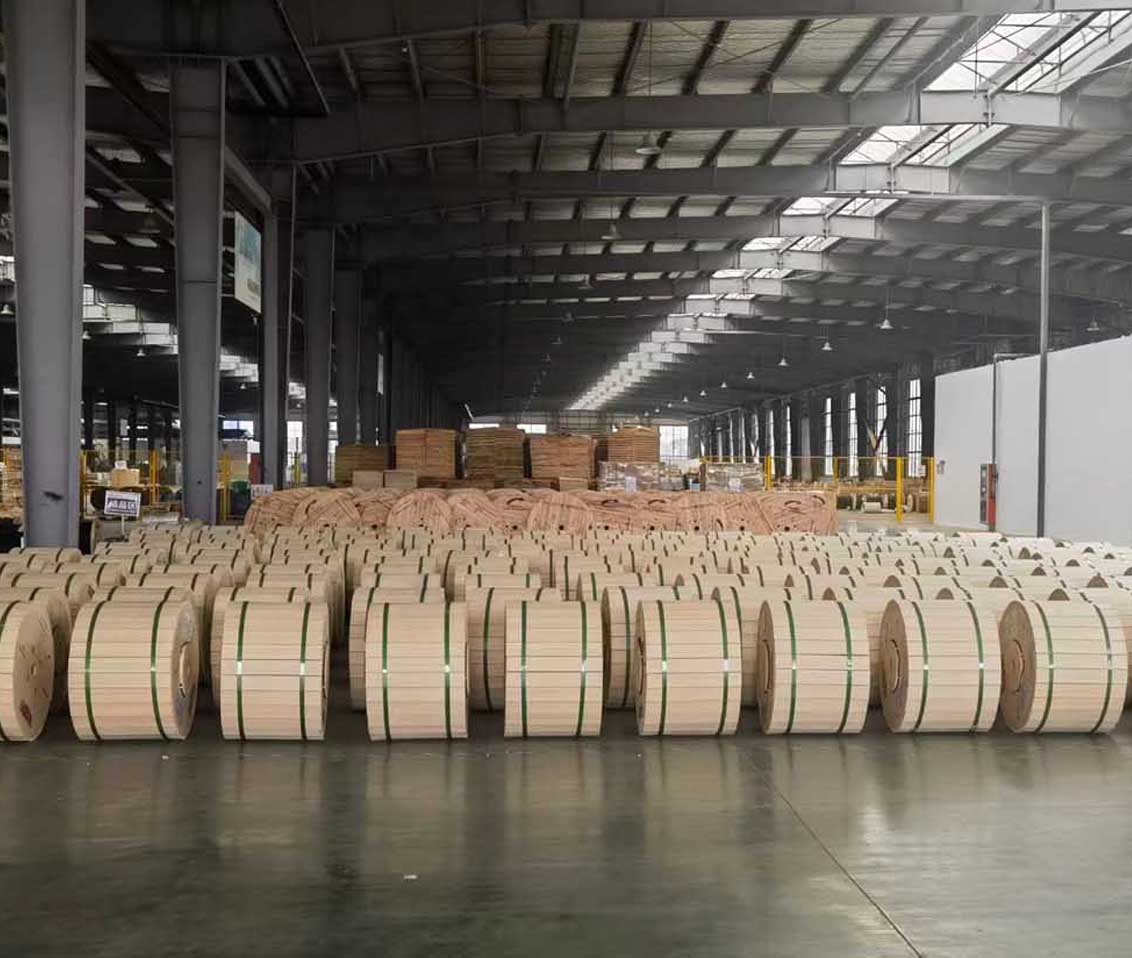
 Optical Fiber
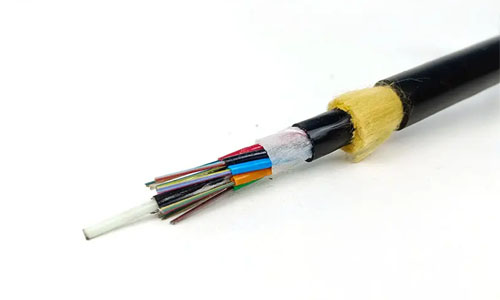 ADSS Fiber Optic Cable
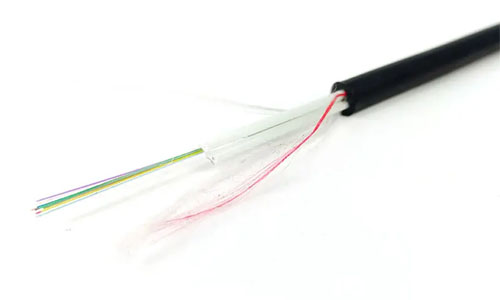 ASU Fiber Optic Cable
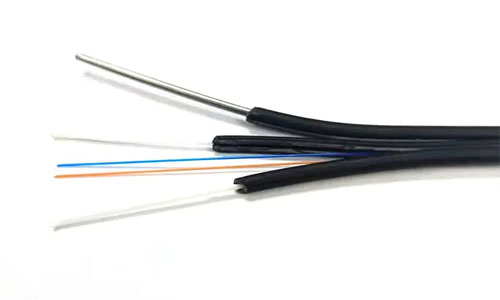 FTTH Fiber Optic Cable
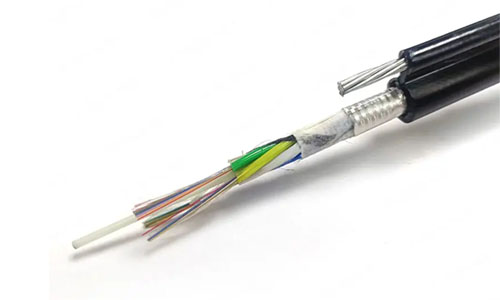 Figure 8 Fiber Optic Cable
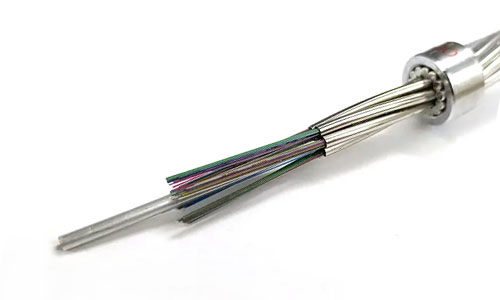 OPGW Fiber Optic Cable
 Coaxial Cable
 Ethernet Cable
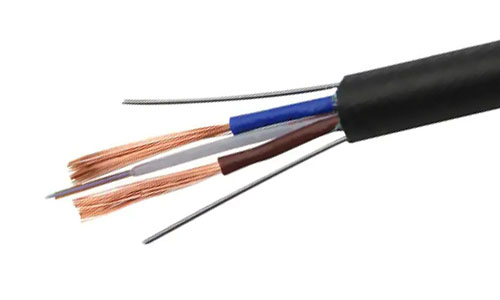 Photoelectric Composite Fiber Optic Cable
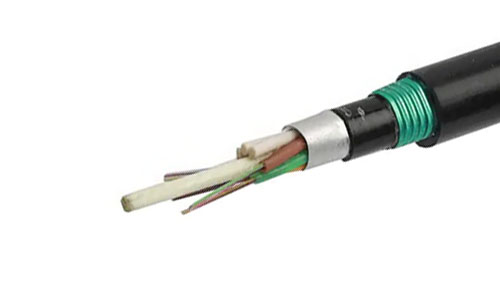 Underground & Pipeline Fiber Optic Cable
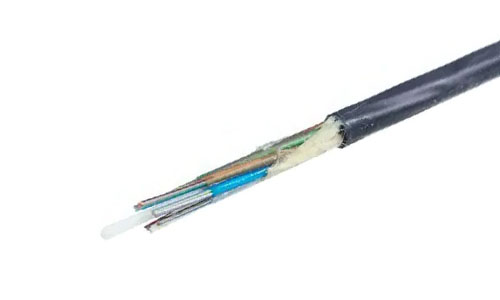 Air-Blown Micro Fiber Optic Cable
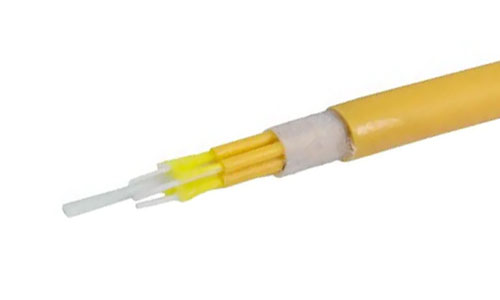 Indoor Fiber Optic Cable
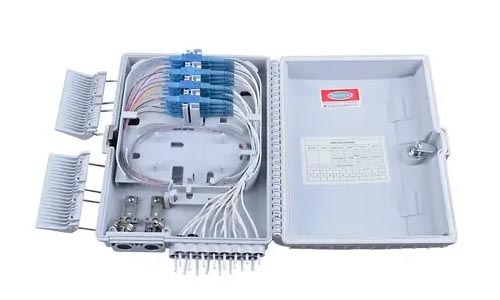 Fiber Optic Distribution Box
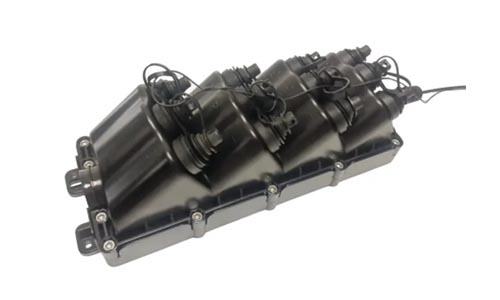 Multiport Service Termina Box
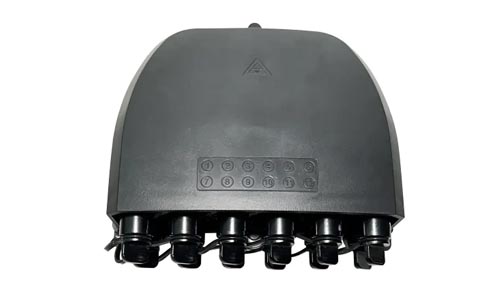 Fiber Optical Terminal Box
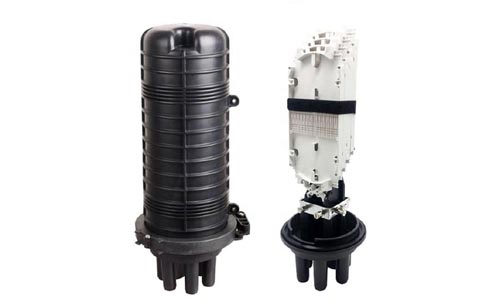 Fiber Optic Splice Closure
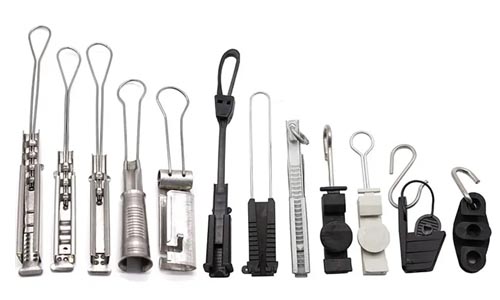 Fiber Optic Clamps
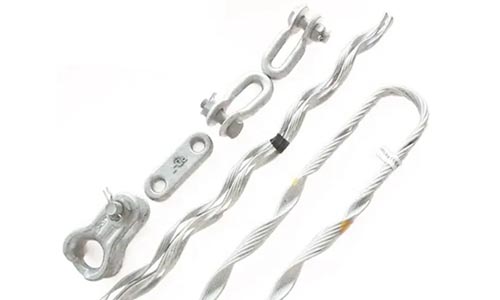 Fiber Optic Cable Fittings
 ADSS Fiber Cable
 ASU Fiber Cable
 OPGW Fiber Cable
 FTTH Fiber Cable
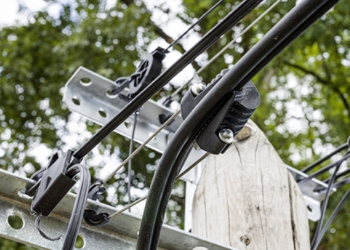 Figure 8 Fiber Cable
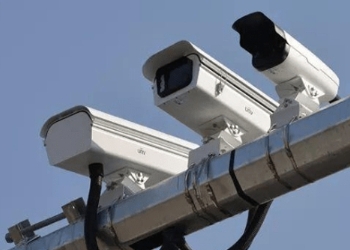 Photoelectric Composite Fiber Cable
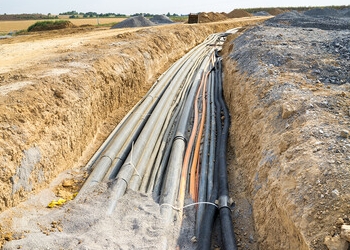 Underground & Pipeline Fiber Cable
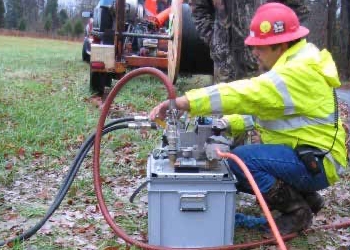 Air-Blown Micro Fiber Cable
 Aerial Fiber Cable
 Indoor Fiber Cable
 Fiber Optical Terminal Box
 Fiber Optic Distribution Box
 Multiport Service Termina Box
 Fiber Optic Clamps
 About Us
 Our Team
 History
 R&D Strength
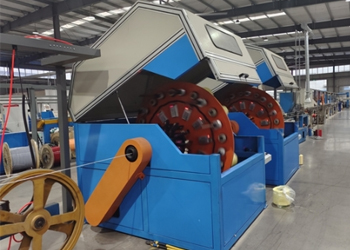 Production Base
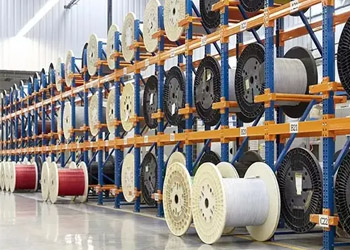 Warehouse & Logistics
 Quality
 FAQs
FAQsDuct Fiber Optic Cable | Features, Advantages, and Maintenance
A duct fiber optic cable is a type of cable designed to run through pre-built ducts or conduits, often used for fast and safe installation in network systems. The cable contains dozens of glass fibers within it that transmit information as light pulses over hundreds of miles with very minimal decay. Duct fiber optic cable is common in city networks, large buildings, and data centers as they protect the fibers from damage and weather. They are available in a variety of fiber counts, with rugged outer jackets that protect against water and pressure. With duct fiber optic cabling, network owners can extend their reach without re-excavating alleys or tearing up floors. In the following, discover how these cables function and which ones suit various requirements.

What is Duct Fiber Optic Cable?
Duct fiber optic cable, a reliable fiber solution, is a loose-tube cable designed for installation in protective ducts or conduits. Its primary function is to ensure optical signal transmission across vast distances with minimum attenuation, allowing for speedy internet connectivity. This cable's durable construction protects optical fibers from moisture, UV exposure, and extreme weather, making it ideal for outdoor and subterranean installations.
1. Core Definition
A duct fiber optic cable wraps optical fibers into protective layers, enabling reliable optical signal transmission. This cable features a hair-thin core that serves as the conduit for light signals, allowing for long-distance transmission with minimal signal attenuation. Encircling the core is the cladding, which employs total internal reflection to maintain signal integrity. Externally, the cable is protected by a robust jacket, often made from fire-resistant materials like LSZH, safeguarding the fibers against impacts, moisture, or debris. This combination of elements ensures that the cable can endure and perform effectively, even in challenging environments.
2. Key Purpose
These fiber optic ducts are the underpinning for high-speed, reliable connections in telecom networks and web services. They enable businesses and communities to access dependably fast connections for calls, streaming, and cloud computing. Duct fiber optic cable extends network coverage, increases internet access, and powers advanced technologies such as FTTH. For locations that cannot tolerate downtime, such as hospitals or banks, these cables ensure a reliable, high-bandwidth connection.
3. Structural Layers
A fiber optic cable structure consists of several layers, including a glass core, cladding, buffer tubes, strength members, and an outer sheath. Buffer tubes protect each optical fiber from bending or crushing, thereby minimizing the risk of breakage. Durable strength members, such as aramid yarn or Kevlar, give the cable the necessary strength to withstand pulls during fiber duct installation. The outer sheath protects against water and UV rays, ensuring reliable performance in various settings.
4. Cable Variations
| Type | Application | Key Features |
|---|---|---|
| Single Mode | Long-distance, WAN | Low loss, narrow core, up to 288 fibers |
| Multi-Mode | Short-range, LAN | Wider core, supports many light modes |
| Loose Tube | Outdoor, direct buried | High fiber count, water-blocking gel |
| Armored | Harsh, rodent-prone sites | Steel layer for extra protection |
| Tight Buffered | Indoor, short runs | Easier termination, less rugged |
Armored options for fiber optic ducts are ideal where digging or pests pose a danger, ensuring reliable fiber connectivity. Selecting the appropriate type is based on fiber count, run length, and environment.
5. Duct Materials
Most fiber optic ducts use polyethylene or HDPE for their outer sheath due to its long-lasting properties and resistance to sun, water, and chemicals. Some installations reinforce with fiberglass for added strength. Additionally, aramid yarn plays a critical role in preventing stretches that could compromise optical fiber integrity. Selecting the appropriate combination of duct and cable materials is essential for the long-term viability of telecommunications infrastructure, especially in harsh weather conditions or heavy traffic.
Installation Methodologies
Duct fiber optic cable installation is crucial for achieving optimal network connectivity and minimizing downtime. The chosen method significantly impacts the project's cost, duration, and the overall performance of your optical fibers. Planners must consider local soil conditions, weather, and regulations to avoid unexpected expenses or complications. A smart design for fiber duct installation ensures that traffic and commerce remain uninterrupted, enhancing the reliability of telecommunications infrastructure.
Trenching
Trenching is the old school way to bury duct fiber. Laborers excavate trenches that are both long and deep, install the ducts and backfill the trench. It provides a rigid, stable surface for cables to lie on, protecting them from damage. Trenching is ideal in open fields or areas with minimal impediments.
That’s because of all the trenching, transportation, and permits required. Rocky, wet, or root-filled soil can bog you down. A few cities have regulations requiring that you shut down streets to dig. This results in more red tape and planning.
Plowing
Plowing is a quicker approach that eschews all out digging. A plow cuts a slim furrow in the earth and slides in the duct after it. This holds the dirt to a minimum and prevents you from making a mess. Plowing is a favorite in open fields or highways where room is abundant and flat.
It reduces crew and completion time. If the soil is packed with hard rock or pipes, plowing can’t work as well. Crews consult maps prior to beginning to prevent puncturing gas lines or water mains.
Boring
Boring is how crews get cables under roads, rivers, or buildings. With HDD, a machine creates a borehole without tearing up the terrain. The duct slides on, then the fiber cable goes in.
This prevents surface damage, keeping roads open and parks pristine. The boring equipment is expensive and requires skilled hands. Teams map the course and look for hidden pipes or rocks to avoid costly errors.
Air-Blowing
Air-blowing utilizes compressed air to blow fiber cables through ducts. This is most effective for ducts that extend beyond 2 km or are curvy. It eliminates the need for a pulling rope and reduces the number of workers because it can be done in one position. Ground check, air blower, cable reel alignment, manhole stop to repair slack with a “figure eight” loop between 1.5-2.5m across.
With air-blowing, there’s no danger of harming the device by yanking too hard and the work goes faster, even when the route is complicated. Microducts and loose tube cable are ideal, but duct size and airflow need to be compatible with cable for a smooth installation.
Performance and Durability
Duct fiber optic cables are engineered to satisfy rigorous requirements for both performance and durability. Their performance and durability are built on physical shielding, environmental resilience, and future scalability. Each influences how these cables perform in the wild, whether that’s city streets or far-flung backdrops.
Key Performance and Durability Characteristics
-
Duct fiber cables endure hard pulls during installation, with a bend radius that can be as little as 20 times the cable diameter protecting the glass core. Once installed, the cable’s long-term bend radius decreases to approximately 10 times its diameter, inhibiting micro-cracks and signal degradation.
-
Tensile strength indicates how much tension a cord can handle. A typical fiber cable can be rated at anywhere between 200 and 600 lbs, far in excess of copper counterparts, which can often top out at 25 lbs. This renders fiber a superior choice when it comes to long hauls and challenging tasks.
-
Crush resistance counts as well. For instance, 72-strand armored singlemode cable for outdoor burial can withstand 1800 N/cm. Indoor cable generally endures only about 1500 N/cm.
-
Installation care is key! Don’t bend your cables too hard, pull by the glass, or twist and crush them because even the best cable can break down quickly.
Physical Shielding
Physical shielding is your cable’s primary protection, especially in the context of fiber optic ducts. With armored layers such as corrugated steel tape or aluminum, they absorb hits from rocks, rodents, or heavy equipment. Protective jackets, usually constructed of polyethylene or PVC, prevent moisture and soil. Shielding does not just protect the cable; it keeps the signal clean by preventing external noise and interference, which is crucial for optical signal transmission. Selecting the appropriate shield involves considering the cable’s path and potential hazards.
Environmental Resistance
Duct fiber optic cables are designed to endure various environmental challenges such as sun, rain, frost, and heat, often in the same day. With waterproof jackets that keep out rain and ground water, along with UV-resistant coatings that prevent sunlight from degrading the cables, their longevity is significantly increased. Modern advancements in materials allow these cables to repel temperature fluctuations and chemical drips, ensuring reliable fiber performance for years while reducing maintenance and downtime.
Future Scalability
As networks keep getting bigger, fiber optic ducts are made to match their increasing demands. Built for performance, these duct systems are designed to upgrade as faster internet and more data become necessary. Planners typically deploy flexible duct systems, ensuring that installing or exchanging cables down the line won’t require ripping everything up again. This adaptability allows communities and businesses to launch new services and support greater speeds, ensuring scalability so that the technology you install now doesn’t become a bottleneck in the future.
Long-Term System Management
Long-term system management for fiber optic ducts is primarily concerned with maintaining the telecommunications infrastructure operationally vigorous year after year. By combining digital logging with clever cable management in the trenches, teams can ensure reliable fiber connectivity. With some planning, healthy habits, and the right logs, they can detect issues early, resolve them quickly, and keep the optical signal transmission flowing.
Inspection
-
Inspect cable runs for damage, stress, or water ingress.
-
Inspect cable bends. Maintain a minimum radius greater than four times the cable diameter.
-
TEST SIGNAL LOSS OTDR & BERT
-
Log all findings, include test results and locations
-
Check ducts for blockage or pressure that might cause microbends or breaks.
-
Follow TIA/EIA-568A and ISO/IEC-11801 standards
Periodic full inspections are the backbone of maintaining reliable fiber optic ducts. Trained crews equipped with sophisticated tools like OTDR identify weak spots before they escalate into outages. It’s not just about walking the route; inspectors must interpret the results, understand their significance, and maintain transparent records for the next round. Staying ahead of potential issues enhances network resilience and keeps customers satisfied.
Repair
Cable breaks or signal drops can occur, affecting the reliability of the fiber optic ducts. Prompt repairs put us back on track, with key methods such as splicing to connect severed strands and replacing damaged segments. Teams work from well-recorded fix-it schedules, utilizing the right equipment, including fusion splicers and fiber cleavers, to ensure effective fiber duct installation. Systematic fault isolation, including testing, tracing, and targeted fixes, leads to less downtime. Each repair should be recorded with follow-up inspections planned to maintain the integrity of the optical fiber network.
Timely repair can make the difference between a hiccup and full outage, showcasing the importance of preventative maintenance. This is where the training comes in; expert hands with quality tools can get service back up quickly and keep it from returning, ensuring optimal performance in telecommunications infrastructure.
Upgrades
Telecom never stands still, so planning for upgrades is essential for maintaining a robust telecommunications infrastructure. Modular cable systems assist, enabling squads to insert new components without yanking the entire series. Routine network scans indicate if it is time to upgrade, as faster speeds or more resilience may be needed for optimal fiber optic duct market performance. Mapping software with geospatial data makes it more likely to notice weak links or areas of growth. Upgrades keep companies ahead in a fast-changing world, where falling behind means lost customers. Training staff on new tech and tracking changes in the network are important components of this.
The Economic Reality
Duct fiber is the heart of contemporary network upgrades. They require a big initial investment, yet reward you over time with reduced expenses and additional opportunities to generate income. The fiber optic market is expanding rapidly, projected to hit USD 13.92 billion by 2025, driven by smart city initiatives and increasing internet users demanding high speeds. Civil-works costs, labor shortages, and material swings can drive up upfront costs, particularly in dense cities. Urban underground duct installs can be as expensive as USD 24 per foot. Even with these obstacles, duct fiber optic cables have a distinct advantage over copper, particularly once you consider the cost savings and earnings potential over time.
| Cable Type | Initial Cost (USD/m) | Maintenance (USD/yr) | Energy Use (kWh/m) | Lifespan (years) | Revenue Potential (5 yrs) |
|---|---|---|---|---|---|
| Fiber Optic Duct | 50–100 | 1–3 | 0.2 | 25+ | High |
| copper | 20 to 40 | 3 to 8 | 2.5 | 10 to 15 | low to medium |
Initial Investment
Up-front costs include more than simply the cost of the optical fiber and cable. Civil works, permits, skilled labor, and right-of-way fees can add up quickly. In dense cities, costs escalate because of regulatory delays and labor shortages. Material costs fluctuate too with global supply chain issues, like the recent helium shortage. Considering both material and labor expenses is crucial for a genuine budget. Thoughtful planning, like selecting less busy install routes or making purchases during low-price cycles, can significantly help in managing costs. Duct fiber optic cables outlive copper and require fewer repairs, making the upfront expense seem lighter as the years pass.
Operational Savings
-
Lower need for regular repairs and upgrades
-
Reduced downtime and fewer network failures
-
Much less energy needed to run signals
-
Smaller crews needed for maintenance
-
Less risk of theft or damage compared to copper
Fiber networks, particularly those utilizing fiber optic ducts, use less energy and can deliver more data more quickly, enhancing connectivity. This efficiency is crucial as global IP traffic increases 22% annually, with much of today’s internet burden stemming from streaming and cloud services. For telecoms, these savings translate into larger margins in the long run, emphasizing the importance of focusing on long-term costs for wiser cable decisions.
Long-Term Value
The economic reality is that fiber optic ducts provide the solid, high-speed networks capable of supporting emerging technologies such as 5G, where each small cell requires its own fiber connection, driving demand three to five times higher than previous 4G configurations. Their rugged construction and scalability allow them to persist for decades, easily outperforming copper cables that degrade sooner. This durability translates to less downtime and loyal customers who return for dependable service. As the fiber optic duct market scales from USD 8.5 billion in 2023 to USD 14.5 billion by 2032, these cables are an obvious long-term play for any growth-minded investor.
Global Standards and Compliance
Global standards influence how fiber optic ducts operate and their durability. These guidelines help to ensure that telecommunications infrastructure is secure and reliable, prepared for global speed internet connectivity. Without them, cables may not connect, which can result in reduced speeds or even millions of networks being brought down. Standards pave the path for frictionless cooperation among components from various manufacturers, thereby reducing the risk of confusion or expensive errors.
Regulatory bodies such as ITU-T, IEC, and ANSI/TIA take the helm by establishing baseline standards for the manufacturing and installation of optical cables. For example, the ITU-T G.652, G.655, and G.657 specifications enable telecom operators to select the appropriate fiber type for their networks. The IEC 60794 series and Telcordia’s GR-20 and GR-409 standards verify that cables can withstand extreme weather, tight bends, and crushing forces. In numerous jurisdictions, ANSI/TIA-758-B provides guidance for the design and installation of cable outside, including pole-hanging cables. These aren’t merely cosmetic standards; they help maintain the network in any given locale.
Safety is a huge deal in fiber optic work. Standards such as ANSI/TIA-607-C and IEEE Std 1100-2015 describe best practices to ground and bond cables, which prevents shock hazards and protects equipment. Installers have to look out for clearance regulations, ensuring wires aren’t too near electrical lines or bustling pathways. All these small measures accumulate, effectively keeping both employees and the general public safe.
Keeping in compliance isn’t a set-it-and-forget type activity. When new tech bursts on the scene, standards shift as well. Companies run tests according to ISO guidelines to see if cables continue to pass the mark. Frequent checks discover vulnerabilities before they become major issues. When companies maintain these safeguards, they establish trust with users and reduce the likelihood of breaches.
Conclusion
Duct fiber optic cable keeps your data flowing — fast! In bustling urban areas or sleepy hamlets, these cables perform admirably and endure. They accept heat, cold, dust, or water with ease. Crews install them underground or inside buildings, sometimes using machines that accelerate the work. Many organizations put their faith in duct fiber cable for their large-scale network needs. Clear rules and checks help these cables meet global needs. Selecting the correct cable saves both money and headaches in the long run. There are millions of stories about how these cables endure real work, day after day. Looking for a network that remains robust and speedy? Consider duct fiber cable for your next project and experience the difference.
Frequently Asked Questions
What is a duct fiber optic cable?
A duct fiber optic cable, essential for telecommunications infrastructure, is designed for installation within protective fiber optic ducts.
How is duct fiber optic cable installed?
Technicians pull or blow optical fibers through laid fiber optic ducts, safeguarding the cable from outside harm and simplifying maintenance.
What are the benefits of using duct fiber optic cables?
They provide high data speeds, reliable fiber optic ducts, rugged durability, and protection from environmental threats, making them ideal for urban and long-haul networks.
How durable are duct fiber optic cables?
These optical cables are designed to be resistant to moisture, chemicals, and physical impact, ensuring the integrity of fiber optic ducts with minimal maintenance for decades.
What are the main performance features?
Duct fiber optic cables provide low loss and high bandwidth capacity, ensuring reliable optical signal transmission over distance.
Are duct fiber optic cables cost-effective?
Yeah, they’re an economic bargain. The initial investment is offset by low maintenance requirements and the durability of fiber optic ducts.
Do duct fiber optic cables follow global standards?
Yes, they are international standard fiber optic ducts.