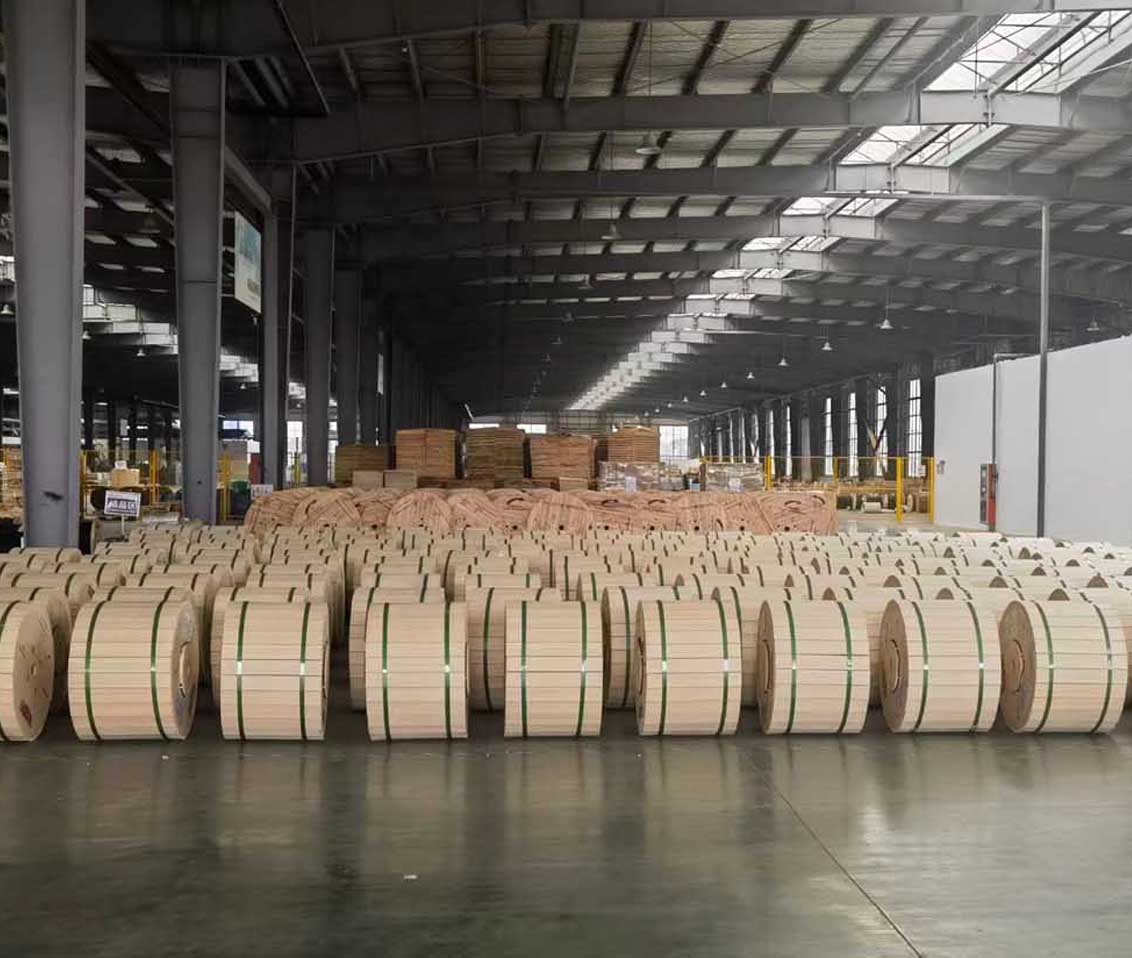
 Optical Fiber
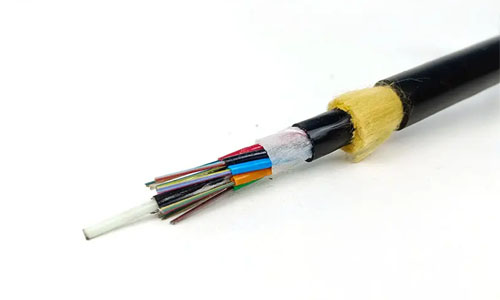 ADSS Fiber Optic Cable
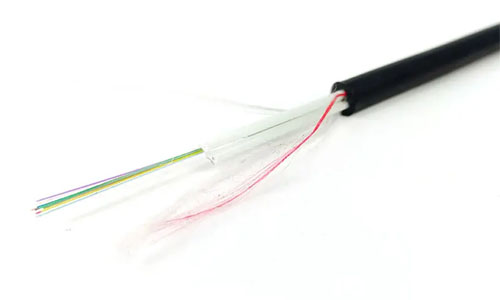 ASU Fiber Optic Cable
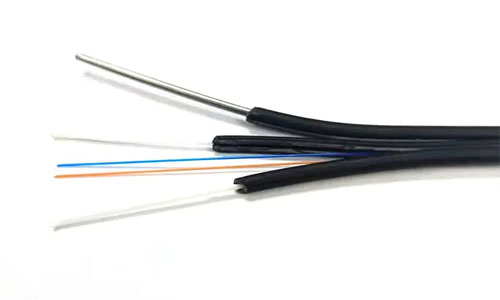 FTTH Fiber Optic Cable
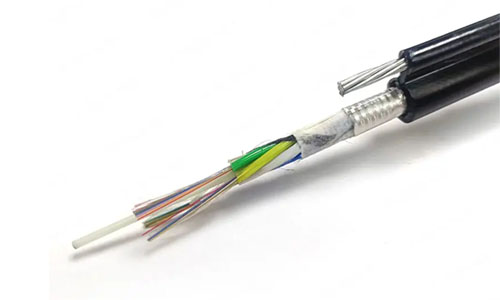 Figure 8 Fiber Optic Cable
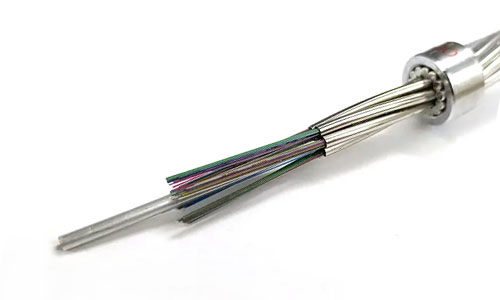 OPGW Fiber Optic Cable
 Coaxial Cable
 Ethernet Cable
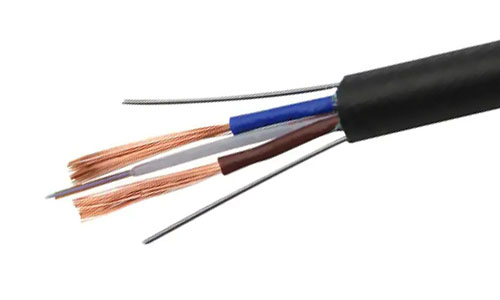 Photoelectric Composite Fiber Optic Cable
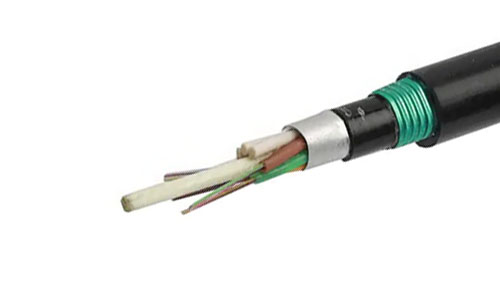 Underground & Pipeline Fiber Optic Cable
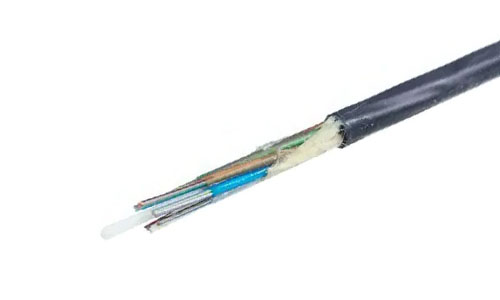 Air-Blown Micro Fiber Optic Cable
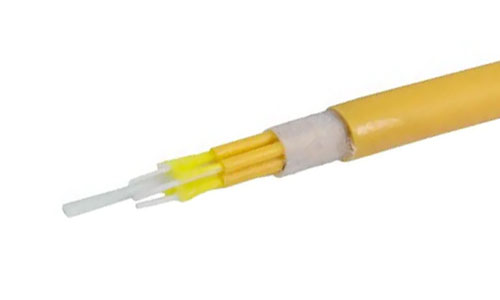 Indoor Fiber Optic Cable
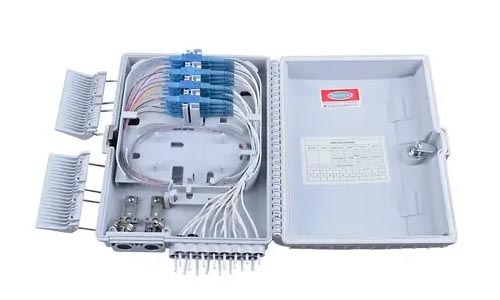 Fiber Optic Distribution Box
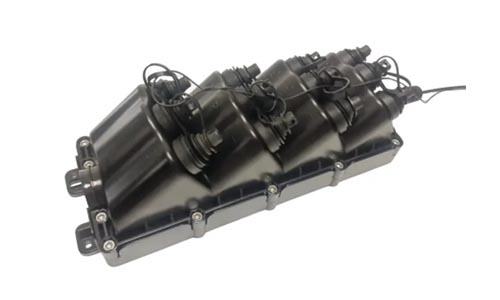 Multiport Service Termina Box
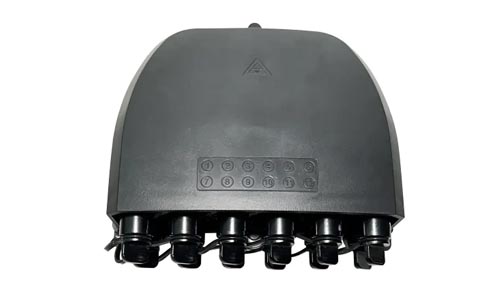 Fiber Optical Terminal Box
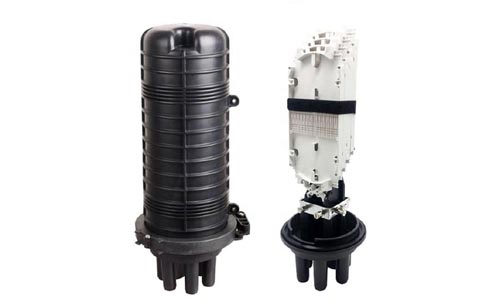 Fiber Optic Splice Closure
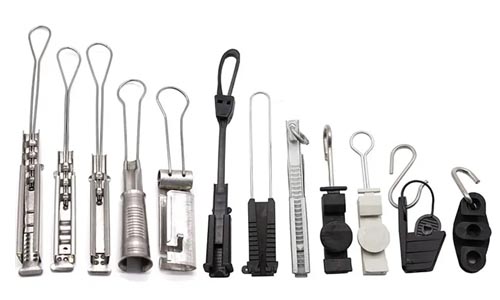 Fiber Optic Clamps
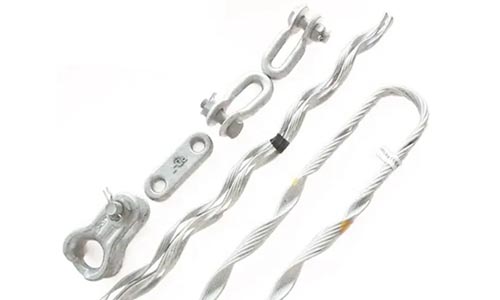 Fiber Optic Cable Fittings
 ADSS Fiber Cable
 ASU Fiber Cable
 OPGW Fiber Cable
 FTTH Fiber Cable
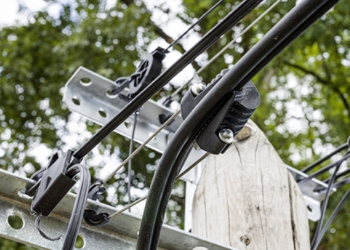 Figure 8 Fiber Cable
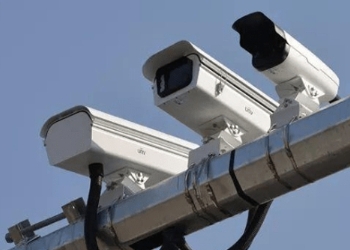 Photoelectric Composite Fiber Cable
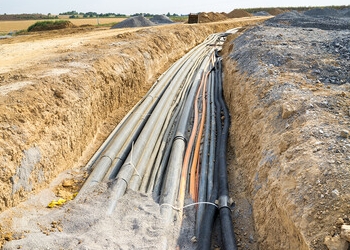 Underground & Pipeline Fiber Cable
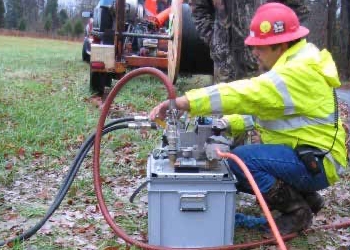 Air-Blown Micro Fiber Cable
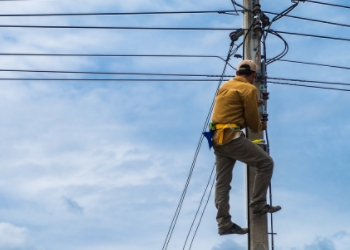 Aerial Fiber Cable
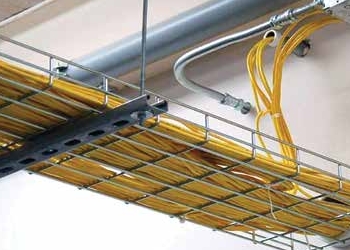 Indoor Fiber Cable
 Fiber Optical Terminal Box
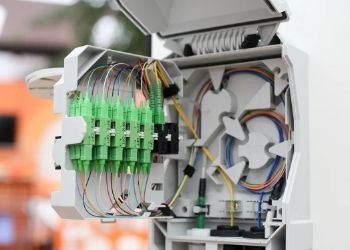 Fiber Optic Distribution Box
 Multiport Service Termina Box
 Fiber Optic Clamps
 About Us
 Our Team
 History
 R&D Strength
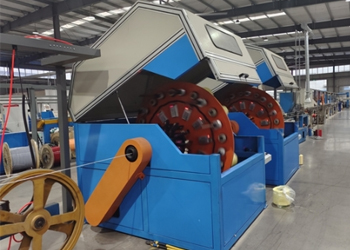 Production Base
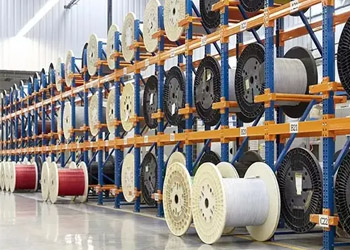 Warehouse & Logistics
 Quality
 FAQs
FAQsDrone Fiber Optic Cable: The Future of Remote Monitoring and Inspection
Contact for Free Quotation & Sample, According to your needs, customize for you.
inquiry nowDrone Fiber Optic Cable: The Future of Remote Monitoring and Inspection
Drone fiber optic cable technology provides high-speed, jam-proof communications. … It delivers real-time command-and-control over military and civilian drone operations throughout the contiguous United States.
Tethered fiber optic systems unlock tremendous new potential by allowing drones to fly longer and farther. They carry continuous power, rendering them particularly valuable for long duration missions and critical infrastructure inspections across remote or rugged American landscapes.
Fiber optics provide the highest level of data security. They minimize the risk of electromagnetic interference, ensuring that drone operations are more dependable even in sensitive or hostile environments.
Drones are changing the way we deploy, maintain, and improve our fiber networks. They accelerate deployment of internet access—most needed in unserved, often rural, communities—and allow for swifter restoration following storms.
It can be difficult to profitably invest in and maintain these fragile fiber cables. The long-term benefits such as increased efficiency, reduced labor cost, and enhanced safety are no small matters!
With this technology, next-gen innovations such as AI-powered inspections and automated cable deployment are turning into reality. Hybrid communication systems have the potential to extend the U.S. telecom and infrastructure sectors into a new age of connectivity and resilience!
Drone fiber optic cable is the practice of using drones to deploy or inspect fiber optic lines. This expedites cable installation in typically challenging environments such as wooded areas, mountain ranges or river crossings.
In the United States, their crews fly drones to pull the lightweight guide lines. This enables workers to more rapidly deploy the larger fiber optic cables down the line, saving both time and the heavy equipment typically required.
These drones reach places where trucks or big machines can’t go, so more folks in rural towns or far-off spots get reliable internet. Local crews can now complete jobs in a matter of days rather than weeks.
This innovative approach is making it possible to deliver the same fast data to schools, clinics, and homes, even in inclement weather and challenging mountainous terrain. The cost savings can be staggering, as the next section illustrates with real industrial applications.

What Is Drone Fiber Tech?
Drone fiber technology focuses on connecting drones to ground stations using fiber optic cables. Drones have the ability to transmit and receive voice, video and data communications in real time. This 360-degree capability greatly minimizes the risk of being hacked or jammed.
Unlike traditional terrestrial radio waves, fiber optics allow for more secure communications and a lower probability of signal loss. Whether connecting in military theaters or search and rescue operations in the high deserts beyond Marrakech, speedy and secure data transfer can save lives. It provides real-time responses when time is of the essence!
The drones themselves trail a fiber optic cable behind them—often as thin as a human hair. Beyond this line, they could transport more than 32 trillion bits of data per second. That’s more than enough for simultaneous, live HD video and two-way real-time control, in addition to the data from multiple complex sensors.
Unlike radio, these cables are not subject to interference or static, providing a clear message at all times. Fiber eliminates lag too, so the drone responds to commands instantly.
Fiber Optics: Light Speed Data
Fiber optics transmit data using light pulses. This speeds up the sending and receiving of data tremendously—nearly at the speed of light. Being able to transmit using light pulses helps reduce lag, providing you with nearly real-time responses and interactions.
That’s critical for operating drones in challenging environments or situations where time is of the essence.
Drones Meet Fiber: Why?
Fiber cables provide drones an impenetrable line. Unlike radio, it’s incredibly difficult to snoop or jam. This is especially important in military occupations or wherever privacy is critical.
In electronic warfare, where all the signals are either blocked or produced false, fiber cables still function.
Essential System Components
For a fiber optic drone setup, you require a spool of durable, lightweight cable, connectors and specialized transmitters. Onboard, the drone has systems to control the link—ensuring data flows smooth and secure.
Entire assembly elements must withstand extreme wind, heat, or sand, as in the case of Morocco’s vast, open desert terrain.
How Drone Fiber Optics Work?
Drone fiber optics—from both a practical and theoretical perspective—introduce a new depth of reliability and speed to drone operations. Fiber optics primarily utilize single-mode cables. These cables can be thinner than a human hair, and they transmit light signals that are capable of transmitting data at staggering speeds—up to 32 terabytes per second!
This configuration gives drones the ability to fly with accurate and safe tethered connections. It is orders of magnitude better than the alternative radio wave capabilities, particularly across the 2.4 and 5.8 GHz ISM bands.
1. Tethered Fiber: The Lifeline
The drone is able to remain connected with the ground using a thin spool of fiber optic cable. This tether is not only a power source but a data line. Rather than using batteries that deplete quickly, the drone receives a continuous source of power.
A longer tether means longer flights and more time in the air. Tethered drones are invaluable in operations requiring long flight durations. They’re great at monitoring large protests and inspecting power lines in remote areas.
2. Onboard Fiber: Internal Networks
Inside the drone, lightweight, durable fiber cables connect all the sensors, cameras, and controls. These networks allow the drone to perform in a rapid manner.
In short, they power the whole operation, with very little electrical interference to mar the production. The lines of fiber optics help ensure that the signals remain crystal clear. That’s an even bigger victory considering how busy these drones are with so many moving parts!
3. Data Flow: Light Pulses
Data travels through the fiber as light pulses, instead of electrical charges. This means it’s faster and less lossy.
This precise, smooth transfer of data allows the drone to relay real-time video or other sensor data back to operators on the ground. It all happens with no lag and no drops!
4. Powering Drones Via Fiber
Fiber cables not only transmit data; they transmit power. Eliminating the bulk of heavy batteries allows the drones to fly farther and get more done.
That expands the possibilities for challenging missions in larger or more remote areas.
5. Unjammed, Secure Signals
Fiber optics are immune to the electromagnetic waves that can clog or disrupt radio signals. For defense or security applications, it translates into more secure, less accessible channels of communication.
Even in areas with extreme interference, the signal remains un-jammed and secure.
6. Real-Time Drone Control
Now with fiber optics, every turn and instruction is transmitted and received instantaneously. Such real-time feedback allows operators to control drones with extreme precision, enhancing safety and bringing situational awareness to new heights.

Drones Transforming Fiber Networks
Drones have transformed how we maintain and construct our fiber networks. These aerial assistants have become a crucial part of the inspection and deployment process for cables. They allow people to do difficult work in areas where land entry is difficult or time consuming.
Their applications have expanded rapidly since the late 2010s, and with fiber optic cables loaded onto them, they provide high-speed, ultra-secure data links. Many drones remain tethered to ground stations via ultra-thin fiber lines, allowing them to transmit high-definition 4K video in real-time with virtually zero latency.
The drone only goes as far as the cable can take it. This configuration has been successful for secure links in military environments or areas where there is a limited or no coverage area.
Laying Cables in US Terrain
In the US, installing fiber optic cables is frequently difficult due to hilly terrain, rivers, forests, and sprawling open land. Drones take on this role by transporting and deploying fiber lines through these gaps. Drones can get the ground covered fast!
Rather than having to dig or hand string lines, they can now easily traverse rivers or canyons in one quick flight. This approach is less time-consuming and reduces the need for heavy equipment and manpower.
Less impact to the land Aerial cable laying also translates into less disruption of the land, which is beneficial to everyone from humans to endangered species.
Inspecting Vast Fiber Lines
By using drones to inspect vast fiber lines, utilities and telecoms can see cracks or corrosion with better precision. They spot issues like sagging lines, plant growth, or broken spots much faster than folks walking or driving the route.
Using aerial views to repurpose existing fiber infrastructure Aerial views provide clear, real-time video, so crews immediately learn what needs fixing. This accelerates repair times, allowing them to get networks back up and running quickly.
Detecting Damage from Above
When fiber lines are hit, drones can locate the damaged areas quickly. They zoom over the cables, beaming high-resolution images rife with breaks or vulnerabilities.
Drones can arrive to an issue location in just a couple minutes. This often allows repairs to begin sooner, ensuring that outages are as short as possible. Their aerial perspective further allows crews to identify hidden dangers, preventing larger issues from occurring in the first place.
Mapping Future Fiber Routes
Drones assist in planning where new fiber should go, as well. With cameras and sensors, they map the land, showing hills, roads, and rivers from above.
This aerial intelligence allows planners to identify the best, most cost-effective and lowest-risk corridors for deploying new cables. Surveying with drones is fast and delivers an overall picture.
This is a massive time savings of weeks of work and allows projects to start on the right foot.
Big Wins: Fiber on Drones
This simple addition of fiber optic cable on drones has quietly but profoundly changed what they can do. Today, these machines are running more intelligently out in the field. By incorporating fiber technology into drone design, teams can now achieve unprecedented speed, reach, and security.
These drones are used by both military and civilian organizations. The outcome is evident—less congestion, more protected payloads, and extended operation time.
Jam-Proof Drone Communication
For that reason, having jam-proof links is a huge win, particularly on the frontline. These tests proved that fiber optic drones were immune to jamming or interception by conventional detection equipment.
That’s because they continue to transmit and receive orders even under extreme electronic warfare. Military ground teams need this connection to ensure command and control, even under fire. It also allows them to go further than the previous range established by radio-controlled drones.
Secure Data Transmission
Fiber optics provide the most secure form of data transmission there is. When drones transmit data through fiber, it’s nearly impossible for anyone to eavesdrop.
This is especially important when transmitting sensitive data or video feeds. Fiber is a huge improvement in preventing leaks. This renders such drones a great fit for flights carrying private or sensitive data!
Lighter Payloads, Longer Flights
On the other hand, a spool of 10 km of fiber weighs only 1.2 to 1.4 kg. That helps keep the drone’s payload light, allowing it to fly farther and stay airborne longer.
Some spools even reach up to 20 km, clearing even more terrain per mission. With lighter payloads, drones consume less energy and can operate longer—maximizing the value of each flight.
High-Bandwidth Sensor Feeds
Fiber allows drones to upload high-resolution files in real-time. Whether it’s live video or high-bandwidth sensor data, the feed remains crisp and responsive.
This allows teams to deploy and operate in unpredictable environments, whether on the battlefield or in urban environments like future megacities.
Unlimited Flight (Tethered)
With fiber tethers, drones receive consistent power from the earth. With that caveat, we hope they stay up forever!
This is ideal for long range missions, or for surveying the same location for multiple hours at a time.

Hurdles: Drone Fiber Challenges
Using fiber optic cables to build drones truly expands the possibilities of what can be done. It’s really not that easy, folks. Each step comes with its own set of challenges. With each decision, we determine how effective these drones will be used in a large, complex country like the US. This care involves maintaining fiber optics tethers and abiding by FAA regulations.
Managing Delicate Fiber Tethers
Managing delicate fiber tethers is crucial for successful operations. Fiber tethers, like the one shown here, need to be handled delicately. The glass strands within can break if subjected to a severe kink or abrasive tug. Even the tiniest of cuts can disrupt the signal or break the tether during a flight.
To protect fibers from distress during transfer, techs use soft rollers, gentle tension, and a steady hand. A good rule is to check the tether before and after each run and store it in a dust-free box.
Cable Strength and Wear
Cable strength is crucial as these cables pull and spin in windy conditions. While strong sheaths do offer protection to the fiber, eventually exposure to any combination of sun, water, or grit may cause these sheaths to degrade. If a cable is compromised, it can snap during operation.
Preventative maintenance is essential. Weekly checkups detect even the tiniest nicks before they become a major issue. Changing cables proactively before they fail is advantageous in terms of minimizing downtime.
Initial Investment Costs
Switching over to using fiber optic drones involves a higher initial investment. New gear, training, and repairs can become expensive. However, fiber translates to faster, clearer data and less signal interruption.
In just a few months, the time saved—and the superior outcomes—will more than offset the higher upfront costs.
FAA Rules for Tethered Drones
All drone applications must comply with applicable FAA regulations. These regulations dictate where, when, and how high drones can fly. Compliance with the rules prevents unnecessary fines and ensures your flights remain legal.
Restrictions on how long a line can be or how high a drone can fly may require additional logistical consideration. However, these regulations ultimately prevent dangerous conditions.
US Weather Factor
We’ve had rain, wind, and extreme heat, and all of this has really been hard on our fiber cables in the US. Persistent wet weather allows moisture to enter cable ends, while intense sun can cause drying and cracking of outer sheaths.
Masterful design includes weather seals and UV-blocking protective covers. In addition to planning for each mission, crews review weather prior to each flight and select the optimal time to fly.
Next-Gen Drone Fiber Innovations
Revolutionary drone fiber optic cable systems are raising the bar on what we can achieve with unmanned flight and roving terrestrial connections. These new arrangements are about much more than just flying drones. They’re working on making them smarter, faster and more effective in challenging environments!
Ukraine, in fact, has already been using fiber-optic-controlled FPV drones to combat jamming and hacking. These drones stuck it out, even in the midst of serious electronic warfare. As is evident by the rise of the modern battlefield, this capability has become critical.
AI for Smarter Inspections
AI is helping to make drone inspections smarter and more efficient. With AI-powered drones identifying issues in real time, you can eliminate days or weeks of waiting. They turn mountains of raw data into actionable, digestible information.
In Ukraine, AI assists operators in interpreting images or footage collected by drones so they can quickly respond to or mitigate threats. This leads to more informed decisions on the ground and less rework.
Automated Cable Deployment
With new tech, drones can now deploy fiber cable with little to no human intervention. Today’s systems guide and deliver cables with pinpoint precision. That translates to crews being able to deploy lines quicker and with fewer personnel, which saves money and reduces mistakes.
Fewer hands on deck extends the reach of deployments, making it easier to access remote and difficult-to-reach areas.
Smaller, Lighter Optic Gear
Miniaturized gears allow drones to carry more payload with less drag. Increased performance with lighter fiber components means that lighter fiber optic components allow drones to fly farther and faster, even when carrying other heavy payloads.
Under current war conditions in Ukraine, not all, but some drones can carry loads of 3 kilograms. Their smaller, lighter builds ensure each flight counts for so much more!
Hybrid Comms: Best of Both
Blending fiber optics with legacy RF equipment ensures that drones remain connected, even as the airwaves become increasingly congested or subject to jamming. This hybrid approach provides teams with additional options to remain connected, exchange information, and navigate through challenging situations.
Boosting US Telecom Infrastructure
Drones are playing an important role in helping to lay fiber lines more quickly throughout the U.S., including in rural communities. Together, these upgrades bring high-speed connections to millions more people without the years of wait.
Faster, better, more efficient deployments are the best way to close the digital divide and connect more Americans.
US Success Stories (Examples)
Revolutionizing Infrastructure Deployment In the US, fiber optic drones are drastically improving and accelerating the way we deploy, repair and protect our networks. Whether after the storms or in rural rollouts, these drones can deliver big-time speed, less downtime, and innovative methods of keeping people and goods safe and moving.
So, let’s look at some tangible successes from right down the street.
Post-Storm Network Repair
Responding to post-storm network repair With hurricanes or tornadoes, network crews will find downed trees, roads impassable due to debris, and areas without any service. In Florida and the Midwest, utility crews are already replacing down lines with the help of drones carrying fiber optic cables.
They send these drones out to inspect and repair downed lines. These drones travel above damaged corridors, transmitting real-time information with zero delay, as the fiber optic cable unravels beneath. Since crews can identify breaks or weak spots quickly, repairs can begin sooner.
In 2023, one Midwest broadband provider was able to restore service to thousands of residents within hours as opposed to days. Quick drone deployment ensures people have access to their mobile service and internet connection before the next storm danger arrives.
Connecting Rural America Faster
Tens of millions of Americans in small towns across the country are still waiting on high-speed internet. Laying fiber the old way takes months—sometimes even years. Today, drones can fly fiber over rivers and fields, avoiding difficult terrain.
In Iowa and Montana, local ISPs deploy drones to help string cable across difficult-to-access areas, reducing build time by 50 percent. We all know a lot more people are operating businesses online, attending classes remotely or seeing their doctors over video now.
Drones are a key piece in bridging this rural tech gap and ensuring that all Americans have a level playing field to compete in today’s world.
Securing Critical Infrastructure
Fiber optic drones protect power plants, dams, and other critical infrastructure including data centers. Because they fly a fiber line, drones transmit live video feed without the risk of radio frequencies that could be jammed by potential hackers.
This technology, already proven in Ukraine’s urban battlefields, is resilient to jamming and protects data. US teams leverage it for real-time checks and dry runs.
That translates to quicker, safer resolutions when disaster strikes, aiding in the protection of essential services during times of crisis.
My View: More Than Wires
Drone-laid fiber optic cable is more than a new gimmick for tech bros. It’s changing the way folks understand and approach drones and data, and what’s possible out in the field. When you look close, you see it’s not just about wires, but about how these tools can change whole industries and even global trends.
A New Era for Drones
In the past, drones operated by radio link only. Now, thanks to fiber optic cables, they’re able to transmit tons of data faster and farther than ever imagined! Fiber optic lines, whose filaments can be the width of a hair, carry 32 terabytes per second. That’s a game changer for real-time, critical work, like mapping, rescue, or even news reporting.
That change allows drones to travel while trailing a spool of fiber that unspools behind them. They don’t go nearly as far, limited to about 20 kilometers maximum for the time being. The quality and security of their link cannot be replicated. These cables extend the utility of drones into more critical missions where every piece of information is needed.
Untapped US Industry Potential
There’s a huge opportunity for US firms here. With the help of fiber drones, that could soon change. They could do things like monitor traffic flow in real-time and help farmers manage crops better. Given the right impetus, entire industries could blossom.
The Ukraine-Russia war has already demonstrated in a major way how widespread use of these drones can and will transform the battlefield. Both parties are currently preparing to manufacture millions. Fiber drones have introduced innovative tactics and transformed the landscape of battlefields.
Why This Matters Now
The need for fiber drones is pressing. Waiting only gives our global competitors the chance to lead the way. The benefits—in terms of improved safety, travel speed and data quality—can have a cascading effect across society, improving industry productivity and saving lives.
Conclusion
Drone fiber optic cable deployments continue to pop up in new places. This is because they work fast and eliminate many of the complex problems that teams face on-site. People on the ground see a drone fly fiber optic cable over forests, streams, or Interstate highways, avoiding traditional bottlenecks. In the Midwest, drones accelerated the process by stringing miles of line across vast fields in days rather than weeks. For Texas, the impact has been equally dramatic as crews have avoided storm systems and muck by flying in cable. So every job doesn’t just feel like a slog, it feels like a win. To view additional stories or submit your own, visit the community groups or hubs on StoryMaker. People all around are trading advice and rooting for this exciting revolution in how we connect to one another.

Frequently Asked Questions
What is drone fiber optic cable technology?
What is drone fiber optic cable technology? By taking this approach, network deployment is faster, safer and more cost-effective compared to traditional network deployment methods.
How do drones help with fiber optic cable installation?
It’s an innovative solution that allows drones to fly fiber optic cable over rivers, highways, and other challenging terrain. Not only does this cut the need for heavy machinery and manual labor, it accelerates the installation process while mitigating risks.
Why is drone fiber optic cable deployment important in the US?
The US has so many rural and difficult to reach places that we consider this to be an emergency situation. Drones play an important role in closing the digital divide by getting high-speed internet into these underserved communities in a more efficient manner.
What challenges do drones face with fiber optic cables?
Weather, battery life, and local regulations all pose challenges to drone usage. High winds, heavy rain, and Federal Aviation Administration regulations all affect when and where drones can fly, for example.
Are drone fiber optic networks reliable?
Are drone fiber optic networks dependable as conventional installations. In fact, routine drone inspections can enhance maintenance and uptime.
What are some US success stories with drone fiber optics?
Here are some examples of US telecom companies leveraging drone technology to better connect rural communities. They are using them to restore lines after natural disasters, which reduces response time and cost.
What innovations are coming for drone fiber technology?
Recent innovations such as longer-lasting batteries, automated cable-laying drones, and better sensors for obstacle detection have all contributed to faster and safer deployments. These innovations are set to deliver even more impressive coverage and reliability.