 Optical Fiber
 ADSS Fiber Optic Cable
 ASU Fiber Optic Cable
 FTTH Fiber Optic Cable
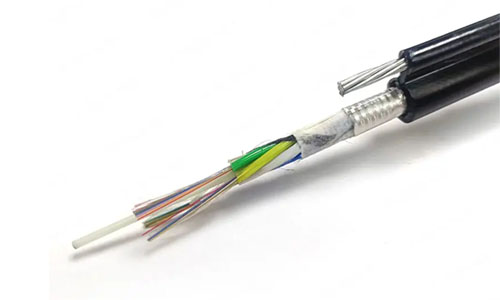 Figure 8 Fiber Optic Cable
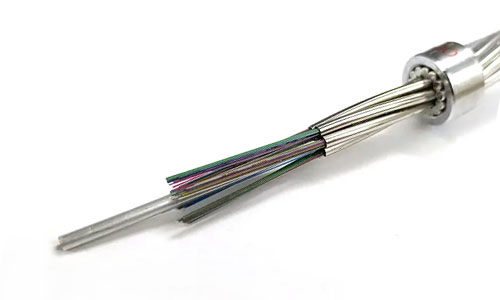 OPGW Fiber Optic Cable
 Coaxial Cable
 Ethernet Cable
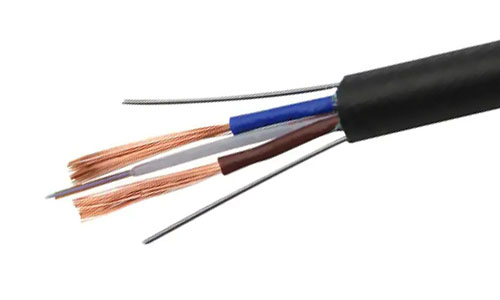 Photoelectric Composite Fiber Optic Cable
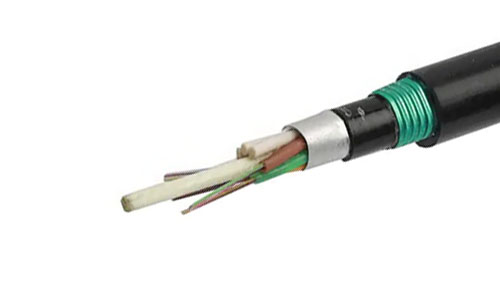 Underground & Pipeline Fiber Optic Cable
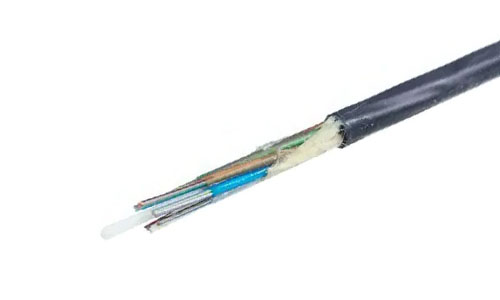 Air-Blown Micro Fiber Optic Cable
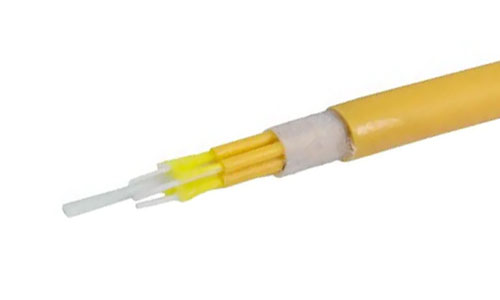 Indoor Fiber Optic Cable
 Fiber Optic Distribution Box
 Multiport Service Termina Box
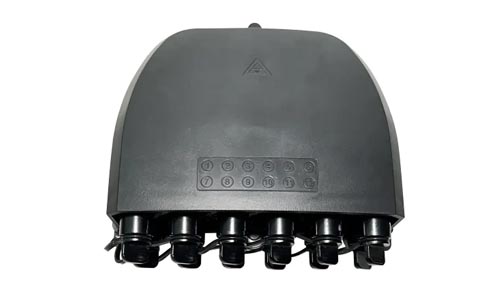 Fiber Optical Terminal Box
 Fiber Optic Splice Closure
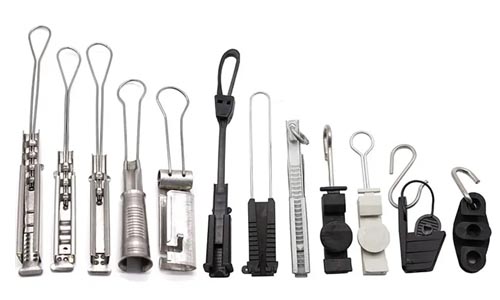 Fiber Optic Clamps
 Fiber Optic Cable Fittings
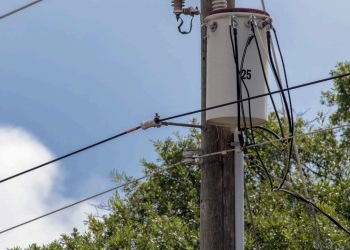 ADSS Fiber Cable
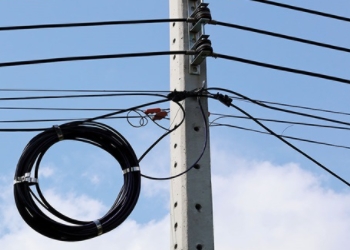 ASU Fiber Cable
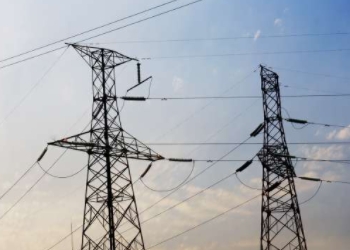 OPGW Fiber Cable
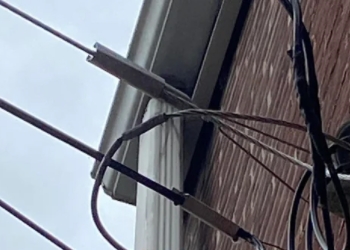 FTTH Fiber Cable
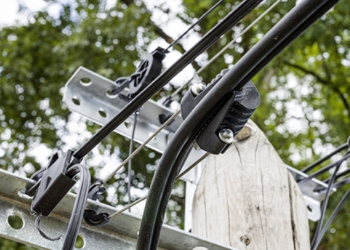 Figure 8 Fiber Cable
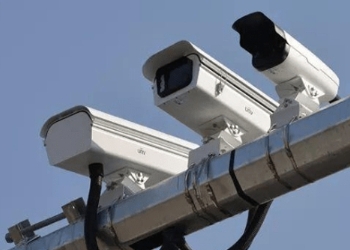 Photoelectric Composite Fiber Cable
 Underground & Pipeline Fiber Cable
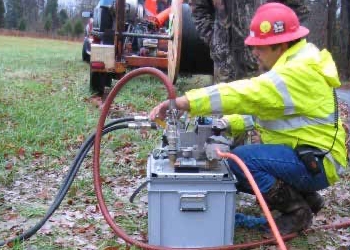 Air-Blown Micro Fiber Cable
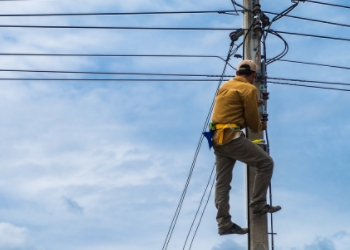 Aerial Fiber Cable
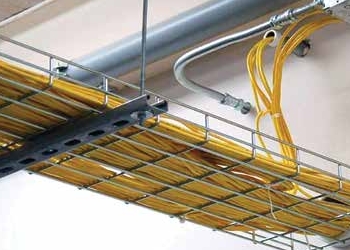 Indoor Fiber Cable
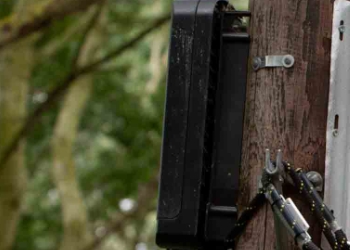 Fiber Optical Terminal Box
 Fiber Optic Distribution Box
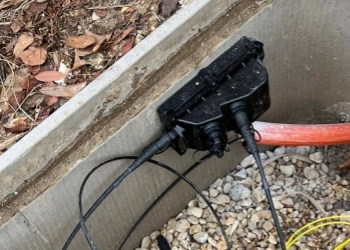 Multiport Service Termina Box
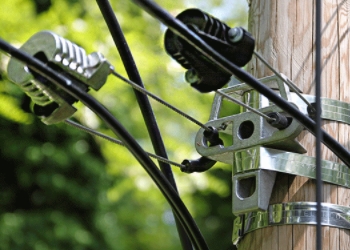 Fiber Optic Clamps
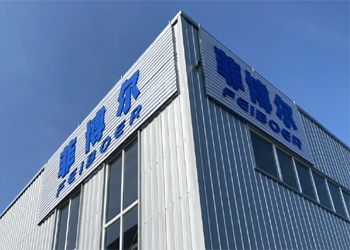 About Us
 Our Team
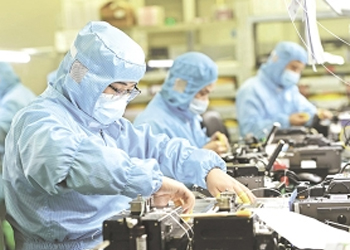 History
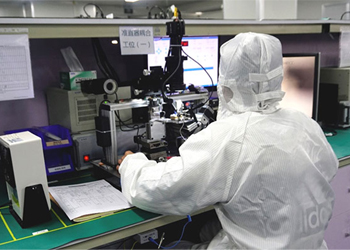 R&D Strength
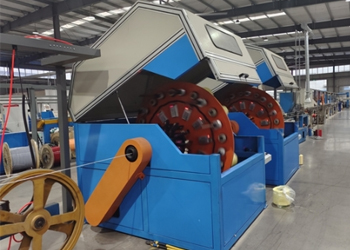 Production Base
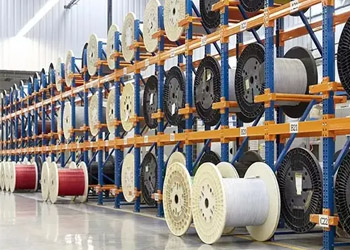 Warehouse & Logistics
 Quality
 FAQs
FAQsDo You Know Inventor of Fiber Optic Cable?
inquiry nowDo You Know Inventor of Fiber Optic Cable?
About the inventor of fiber optic cable. First,From what I remember, the invention of fiber optics isn't attributed to a single person. It's more of a cumulative effort over time with key contributors. But the user might be looking for a primary inventor, so I should clarify that.

I think Charles Kao is often called the "father of fiber optic communications" for his work in the 1960s. He figured out how to reduce signal loss in fibers, making long-distance communication feasible. But before him, there were others. Like in the 1950s, Harold Hopkins and Narinder Singh Kapany worked on image transmission through fiber bundles. Then there's the development of the laser, which was crucial for practical light transmission. Theodore Maiman invented the laser in 1960, but maybe that's more about the light source than the cable itself.
Also, Robert Maurer, Donald Keck, and Peter Schultz at Corning developed the first low-loss optical fiber in 1970. That's a key milestone. So the answer should mention these contributors, explaining that it's a collaborative effort but highlighting Kao's pivotal role.
Wait, you might be confused if I list several names. you might expect a single inventor. So I need to structure the response to acknowledge that while there were multiple contributors, Kao's work was foundational. Also, mention the Corning team for the practical implementation.

I should check if there are any other key figures. Maybe Daniel Colladon and Jacques Babinet demonstrated light guiding by refraction in the 1840s, but that's more of a precursor. Not directly related to the invention of the cable as we know it today.
So the answer should start by stating that it's a collaborative effort, then mention Kao as the key figure, followed by the Corning team, and perhaps the earlier contributors like Kapany. Also, note the difference between theoretical work and practical implementation.
Make sure to explain each person's contribution clearly. For example, Kapany's work on fiber bundles for imaging, Kao's on telecommunications, and Corning's development of the actual low-loss fiber. This way, the user gets a comprehensive view without oversimplifying.
Also, consider the user's possible intent. They might need this information for a school project, a presentation, or just general knowledge. Either way, providing a clear timeline and the significance of each contribution will be helpful. Maybe include dates to give context.
I should avoid technical jargon but still be accurate. Terms like "total internal reflection" or "signal loss" might need brief explanations if the user isn't familiar. But since the previous guide covered some basics, maybe they have some understanding already.
Check for any common misconceptions. For instance, some might think Alexander Graham Bell had a role, but his Photophone used light without fibers. So clarify that the invention of fiber optics came much later.

Double-check the facts: Kao's 1966 paper, the 1970 Corning breakthrough, Kapany's 1950s work. Also, mention Nobel Prizes if relevant—Kao won the Nobel in Physics in 2009. That adds credibility to his contribution.
In summary, structure the response to highlight key contributors, their specific roles, and the timeline. Make it clear that while multiple inventors played parts, Kao's work was pivotal for modern fiber optics. Also, acknowledge the team that made the first practical fiber.

The invention of fiber optic technology is the result of collaborative efforts by multiple scientists and engineers over decades. While no single individual is credited as the sole "inventor," key pioneers laid the groundwork for modern fiber optics:
1. Narinder Singh Kapany (1950s):
Often called the "Father of Fiber Optics," Kapany (with Harold Hopkins) demonstrated the first practical fiber bundle for image transmission in the 1950s. His work proved that light could be guided through glass fibers, paving the way for medical endoscopes and imaging systems.
-
Contribution: Proved light transmission through bent glass fibers.
2. Charles K. Kao (1960s):
Kao, a Nobel laureate (2009), is widely regarded as the "Father of Fiber Optic Communications." In 1966, he and George Hockham published groundbreaking research showing that high-purity glass fibers could transmit light signals over long distances with minimal loss.
-
Key Insight: Identified that impurities in glass caused signal loss and proposed ultra-pure fibers for telecommunications.
-
Impact: Enabled the development of long-distance, high-speed fiber optic networks.
3. Corning Glass Works Team (1970):
In 1970, Robert Maurer, Donald Keck, and Peter Schultz at Corning created the first low-loss optical fiber capable of carrying telecom signals. Their fiber achieved a loss of 17 dB/km, far surpassing earlier attempts.
-
Breakthrough: Made practical, long-distance fiber optic communication possible.
4. Early Pioneers (Pre-1950s):
-
Daniel Colladon & Jacques Babinet (1840s): Demonstrated light guiding via water jets (precursor to fiber optics).
-
Alexander Graham Bell (1880): Experimented with light transmission (Photophone), though not via fibers.
Why It’s a Team Effort
-
Kapany focused on imaging, Kao solved the theoretical telecom challenges, and Corning engineered the practical fiber.
-
Later innovations (lasers, amplifiers, and multiplexing) by others further advanced the technology.
Legacy
Fiber optics revolutionized global communication, enabling the internet, undersea cables, and 5G. Kao’s Nobel Prize (2009) highlights his foundational role, but the invention reflects decades of collaboration.