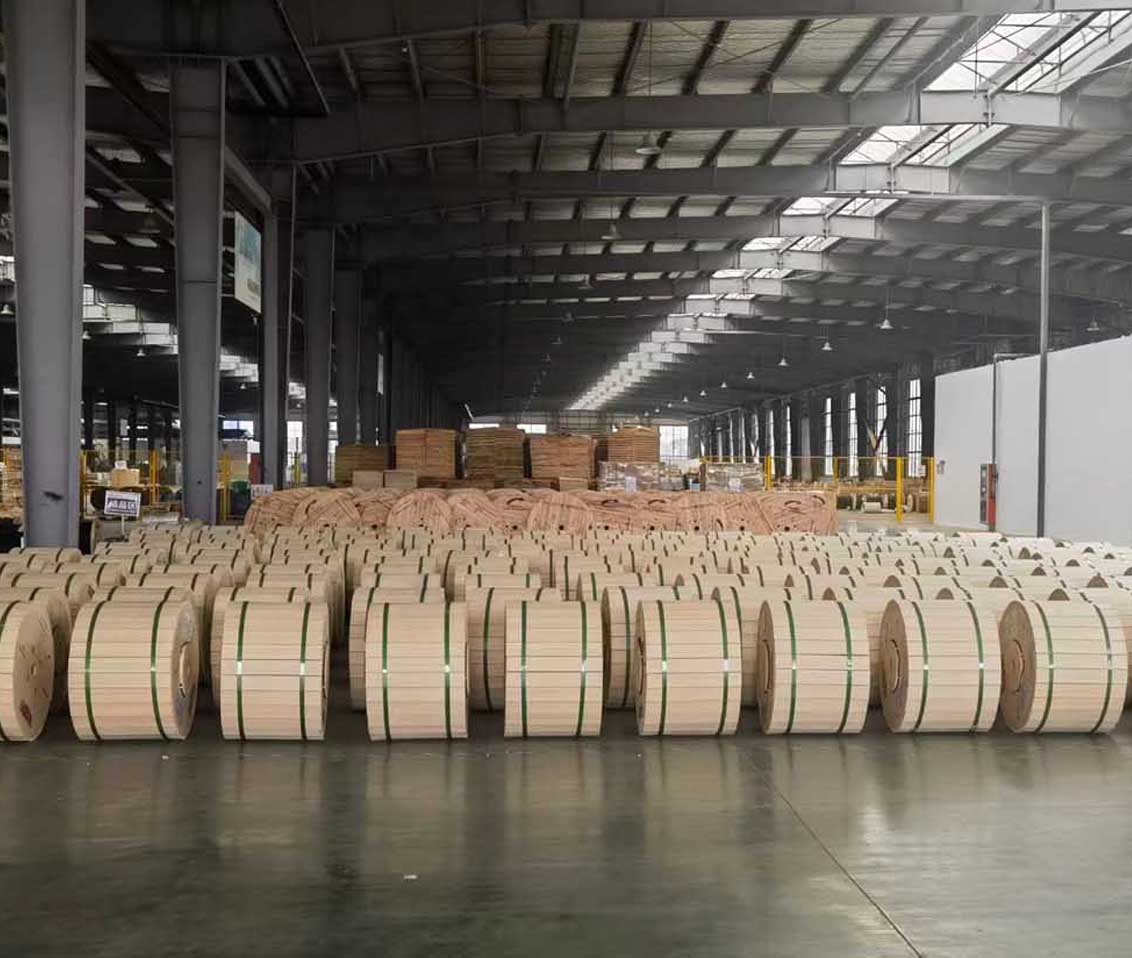
 Optical Fiber
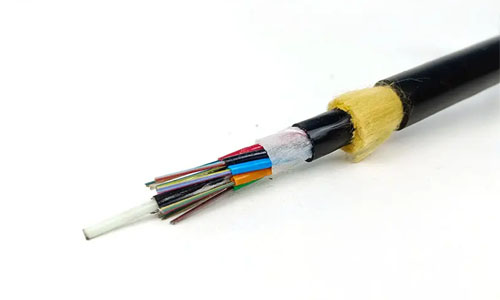 ADSS Fiber Optic Cable
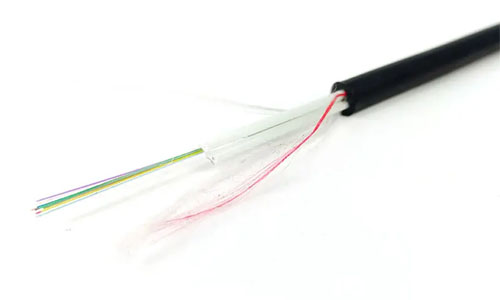 ASU Fiber Optic Cable
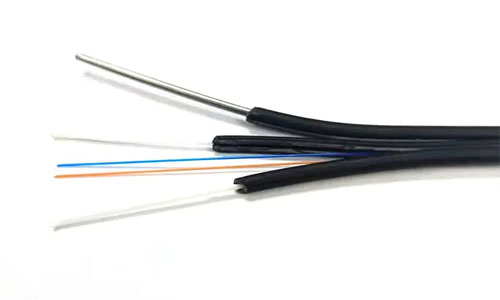 FTTH Fiber Optic Cable
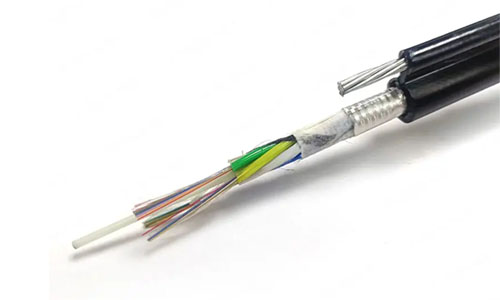 Figure 8 Fiber Optic Cable
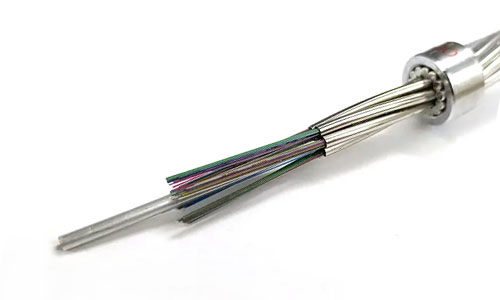 OPGW Fiber Optic Cable
 Coaxial Cable
 Ethernet Cable
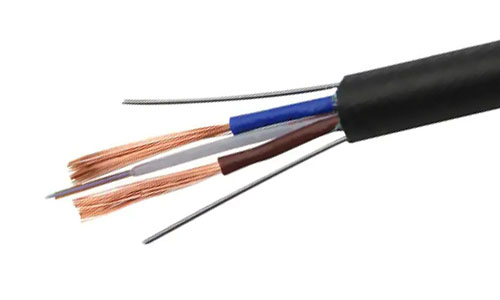 Photoelectric Composite Fiber Optic Cable
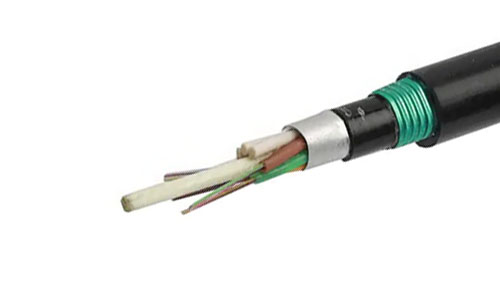 Underground & Pipeline Fiber Optic Cable
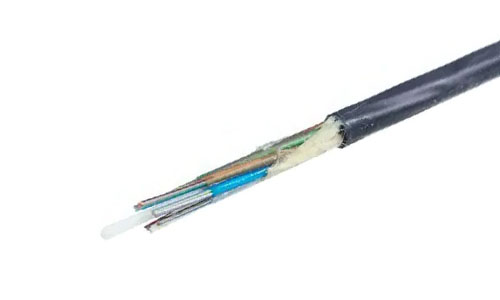 Air-Blown Micro Fiber Optic Cable
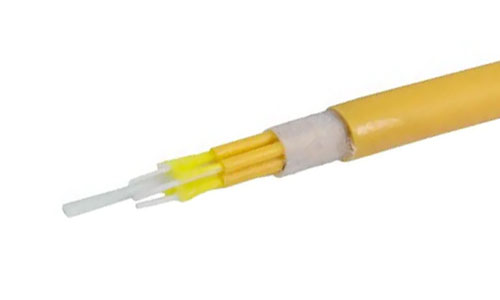 Indoor Fiber Optic Cable
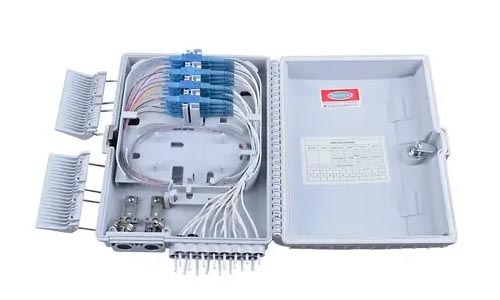 Fiber Optic Distribution Box
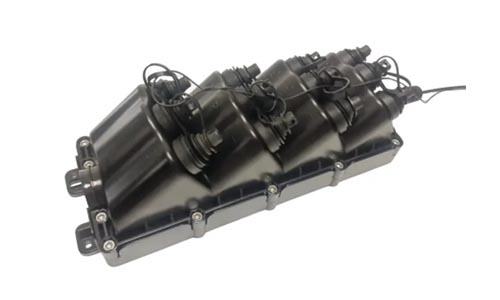 Multiport Service Termina Box
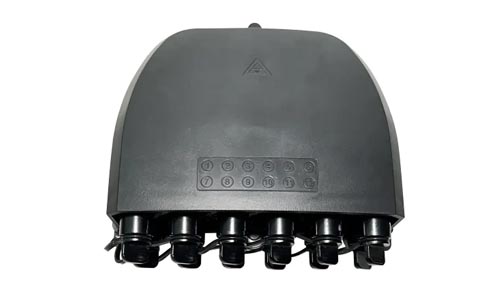 Fiber Optical Terminal Box
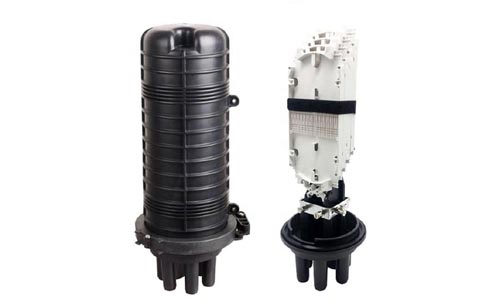 Fiber Optic Splice Closure
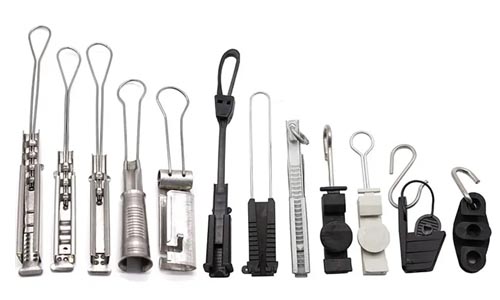 Fiber Optic Clamps
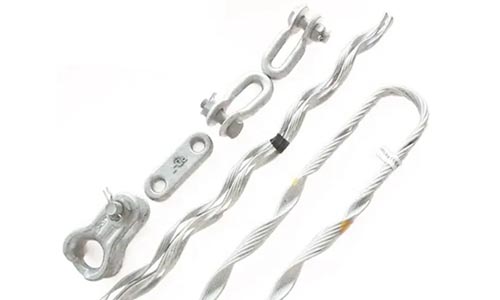 Fiber Optic Cable Fittings
 ADSS Fiber Cable
 ASU Fiber Cable
 OPGW Fiber Cable
 FTTH Fiber Cable
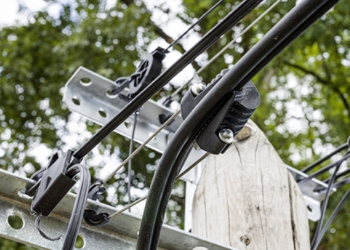 Figure 8 Fiber Cable
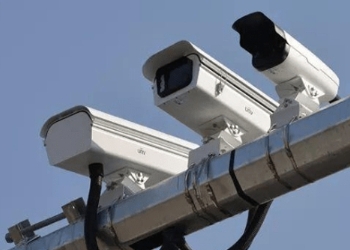 Photoelectric Composite Fiber Cable
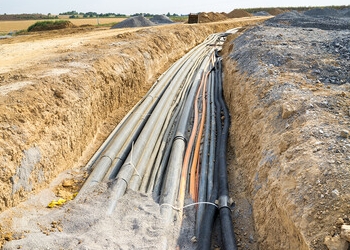 Underground & Pipeline Fiber Cable
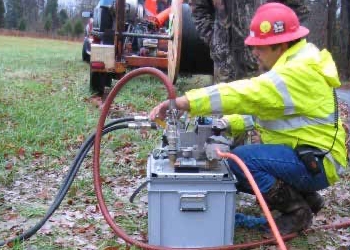 Air-Blown Micro Fiber Cable
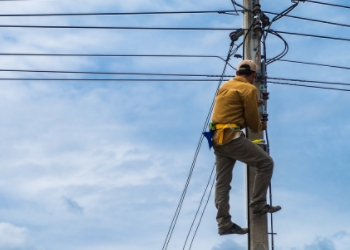 Aerial Fiber Cable
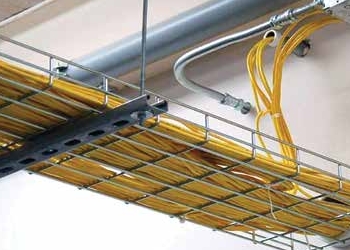 Indoor Fiber Cable
 Fiber Optical Terminal Box
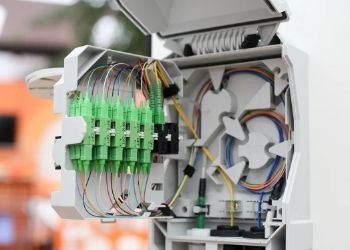 Fiber Optic Distribution Box
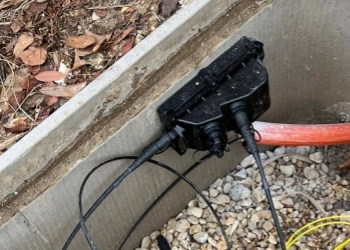 Multiport Service Termina Box
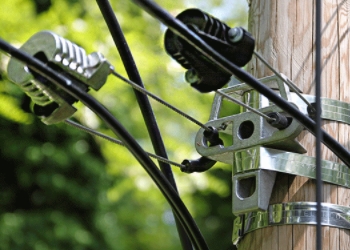 Fiber Optic Clamps
 About Us
 Our Team
 History
 R&D Strength
 Production Base
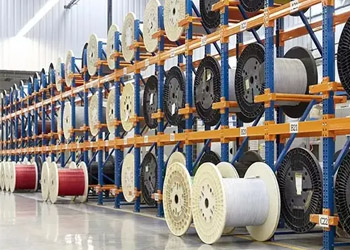 Warehouse & Logistics
 Quality
 FAQs
FAQsDirect Burial Fiber Optic Cable Guide Overview
inquiry nowDirect Burial Fiber Optic Cable Guide Overview
I write an ultimate guide overview for direct burial fiber optic cables. Let us start by understanding what exactly direct burial fiber optic cables are. From what I remember, they're cables designed to be buried directly underground without needing a conduit. That makes installation faster and cheaper, right?

First, I should break down the key components. The structure of the cable must be different from regular fiber optic cables. They probably have some protective layers. Let me think: there's the optical fiber itself, then maybe a buffer coating, strength members like aramid yarn, and then some kind of rugged outer jacket. Oh, and maybe water-blocking materials since they're underground and might be exposed to moisture.
Types of direct burial cables – I guess there are different categories based on the number of fibers, maybe single-mode vs multi-mode. Also, some might have armor for extra protection. Armored cables might use metal or something else to prevent damage from rodents or rocks.
Installation process – how deep should they be buried? I think it's around 24 to 48 inches, depending on the location and local codes. Using a trenching machine, laying the cable, and then backfilling. Maybe they need warning tape above the cable to alert anyone digging there later. Testing after installation is important too, like using OTDR to check for losses or breaks.
Advantages over other methods: no need for conduits saves time and money. They're designed to withstand harsh underground conditions. But there are disadvantages too, like potential damage from digging or heavy machinery if not properly marked. Also, maybe more expensive upfront compared to regular cables, but cheaper in the long run because of no conduit costs.
Applications would include telecommunications, internet backbones, rural areas, military, smart grids, and CCTV systems. Maintenance tips: regular inspections, monitoring for signal loss, and having accurate documentation of where the cables are laid.
Standards and compliance – there must be industry standards like NEC in the US, or ITU-T international standards. Local regulations about burial depth and safety markings.
Common issues: water ingress if the cable isn't properly sealed, rodent damage if not armored, and physical stress from soil movement. Solutions include using gel-filled cables or armored ones, proper depth, and maybe using conduit in high-risk areas even if it's direct burial.
Wait, but the user mentioned "direct burial" specifically, so using conduit might contradict that. Maybe in some cases, even with direct burial cables, in areas with high risk, adding a conduit is an extra precaution. Or maybe the armored type is sufficient.
I need to make sure all these points are covered in the guide. Let me organize them into sections: Overview, Key Features, Types, Installation, Advantages, Disadvantages, Applications, Maintenance, Standards, Common Issues, FAQs.
Wait, the initial outline the user provided had sections like Key Features, Types of Direct Burial Fiber Optic Cables, Installation Process, Advantages vs. Disadvantages, Applications, Maintenance and Longevity, Standards and Compliance, Common Issues and Solutions, FAQs.
I should follow that structure. Let me check each section again for completeness.

Key Features: Armored protection, water resistance, durability, strength members, rodent resistance. Did I miss anything? Maybe UV resistance if part of the cable is exposed, but since it's buried, maybe not necessary. But the outer jacket material should be resistant to chemicals in the soil.
Types: Single-mode vs multi-mode, armored vs non-armored, loose tube vs tight buffer, ribbon cables. Maybe explain each type briefly.
Installation Process: Steps like planning the route, trenching, laying the cable, backfilling, warning tape, testing. Depth considerations, soil type, avoiding existing utilities. Using proper equipment like plows or trenchers.
Advantages vs Disadvantages: Cost-effective, quick installation, durability vs susceptibility to damage if not properly installed, higher initial cost? Maybe compared to aerial cables. Also, repair difficulty since it's underground.
Applications: Telecom, internet, rural, military, utilities, security.
Maintenance: Regular inspection isn't possible once buried, so maybe monitoring via testing. Detecting signal loss, using OTDR. Documentation for location.
Standards: NEC Article 770, IEEE, ITU-T, local codes.
Common Issues: Water ingress, rodent damage, soil movement, accidental digging.
Solutions: Gel-filled, armored cables, proper depth, warning tape, documentation.
FAQs: Depth? Typically 24-48 inches. Conduit needed? No, but optional in high-risk areas. Difference between armored and non-armored. How to repair? Locate the fault, excavate, splice. Lifespan? 20-25 years.
Wait, in the initial answer, the user included "Can direct burial cables be used above ground?" and the answer was not recommended due to lack of UV protection. That's a good point. Even though they're for burial, using them above ground might require UV-resistant jackets.
I need to make sure all these points are covered. Also, maybe mention the materials used in the jacket, like polyethylene for moisture and chemical resistance. Strength members could be fiberglass or steel for tensile strength.
Another thing: when talking about installation, maybe mention the importance of avoiding sharp bends, maintaining the minimum bend radius to prevent damage to the fibers.
In the standards section, maybe specific NEC codes about burial depth and protection requirements.
For testing, mention OTDR and insertion loss testing.
In common issues, temperature fluctuations affecting the cable? Or is the burial depth sufficient to mitigate that? Maybe in very cold regions, frost heave could be a problem, requiring deeper burial.
Also, in the FAQs, maybe include whether direct burial cables can be spliced, and the need for waterproof enclosures if splicing underground.
I think that covers most aspects. Now, organize all these thoughts into the structured sections as per the initial answer, making sure each part is clear and comprehensive.

Direct Burial Fiber Optic Cable: Ultimate Guide Overview
1. Overview
Direct burial fiber optic cables are designed for underground installation without conduits, offering cost and time efficiency. They withstand environmental stressors like moisture, temperature fluctuations, and physical pressure.
2. Key Features
-
Armored Protection: Metal or non-metallic armor resists rodents and physical damage.
-
Water Resistance: Gel-filled tubes or dry water-blocking materials prevent moisture ingress.
-
Durable Jacket: High-density polyethylene (HDPE) resists chemicals, abrasion, and corrosion.
-
Strength Members: Fiberglass or steel rods enhance tensile strength during installation.
-
Rodent Resistance: Armored layers deter gnawing animals.
3. Types of Direct Burial Fiber Optic Cables
-
Single-mode vs. Multi-mode: Long-distance vs. short-distance data transmission.
-
Armored vs. Non-armored: Steel/aluminum armor for high-risk areas vs. lightweight options.
-
Loose Tube vs. Tight Buffer: Loose tubes suit harsh environments; tight buffers are for shorter runs.
-
Ribbon Cables: High fiber count for dense applications.
4. Installation Process
-
Planning: Route design, depth (24–48 inches), and compliance with local codes.
-
Trenching/Plowing: Use trenchers or cable plows; avoid sharp bends (maintain bend radius).
-
Laying Cable: Place in trench, cover with sand/gravel, add warning tape 12 inches above.
-
Testing: OTDR and insertion loss tests post-installation.
-
Backfilling: Compact soil to prevent settling.
5. Advantages vs. Disadvantages
-
Pros: Cost-effective (no conduit), durable, low maintenance, versatile.
-
Cons: Vulnerable to excavation damage, higher initial cost, complex repairs.
6. Applications
-
Telecommunications, rural internet, military, smart grids, CCTV, and industrial networks.
7. Maintenance & Longevity
-
Monitoring: Regular OTDR tests to detect signal loss.
-
Documentation: Detailed records of cable routes for repairs.
-
Lifespan: 20–25 years with proper installation.
8. Standards & Compliance
-
NEC Article 770: Governs burial depth and protection in the U.S.
-
ITU-T/IEEE: International performance standards.
-
Local Codes: Depth and marking requirements vary by region.
9. Common Issues & Solutions
-
Water Ingress: Use gel-filled or dry-block cables.
-
Rodent Damage: Opt for armored cables.
-
Soil Movement: Bury deeper in unstable areas.
-
Accidental Digging: Install warning tape and markers.
10. FAQs
-
Depth: 24–48 inches, depending on local codes.
-
Conduit: Optional in high-risk zones but not required.
-
Above Ground Use: Not recommended (lacks UV protection).
-
Repairs: Excavate, splice with waterproof enclosures.
-
Bend Radius: Follow manufacturer specs to avoid damage.
Conclusion
Direct burial fiber optic cables offer a robust solution for underground networks. Proper installation, adherence to standards, and proactive maintenance ensure longevity and reliability. Ideal for diverse applications, they balance cost-efficiency with durability in challenging environments.