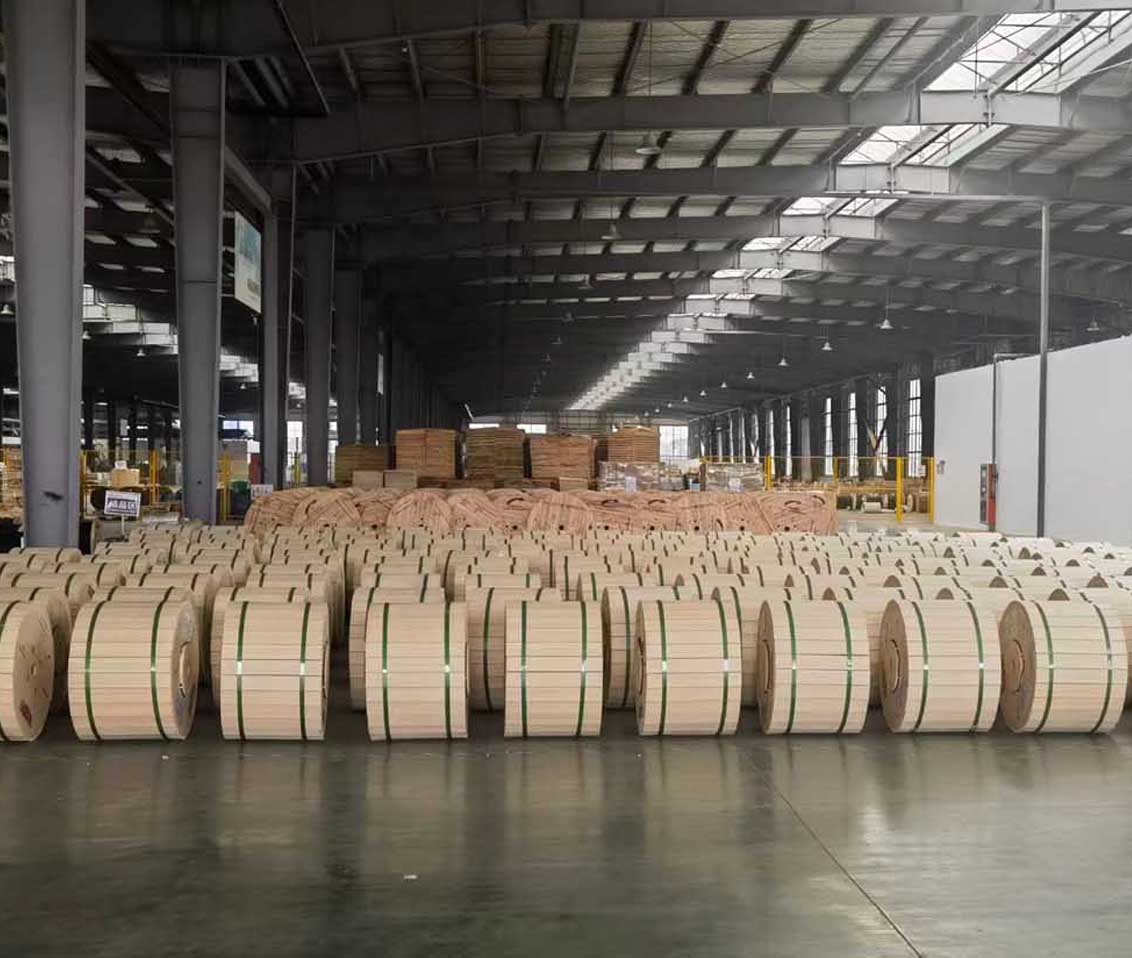
 Optical Fiber
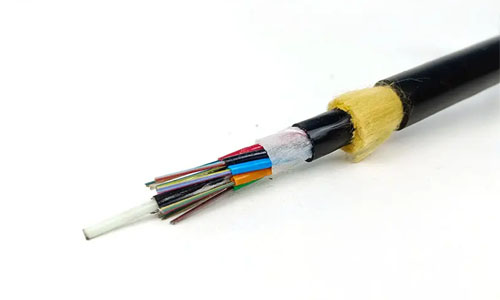 ADSS Fiber Optic Cable
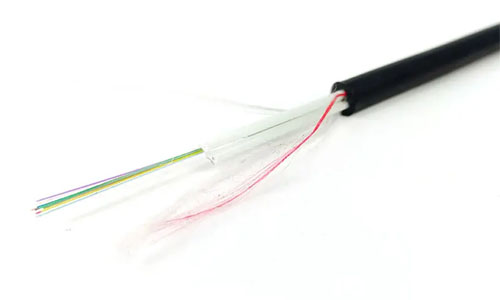 ASU Fiber Optic Cable
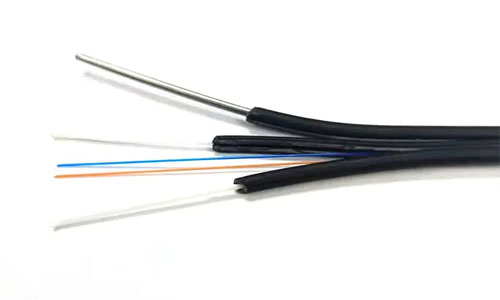 FTTH Fiber Optic Cable
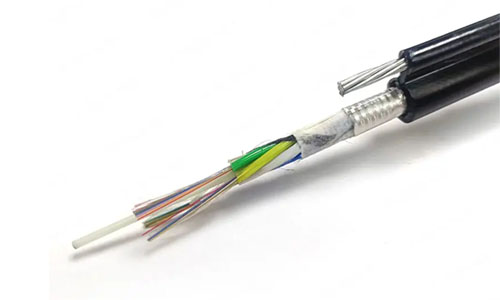 Figure 8 Fiber Optic Cable
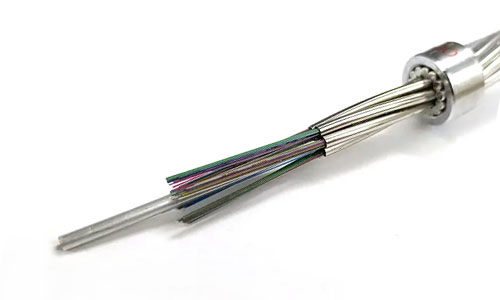 OPGW Fiber Optic Cable
 Coaxial Cable
 Ethernet Cable
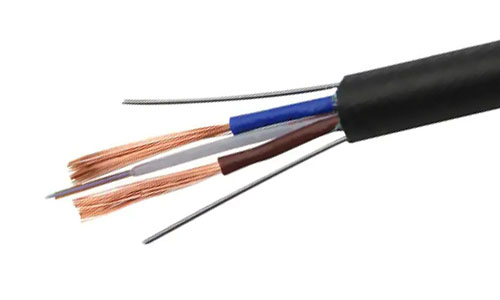 Photoelectric Composite Fiber Optic Cable
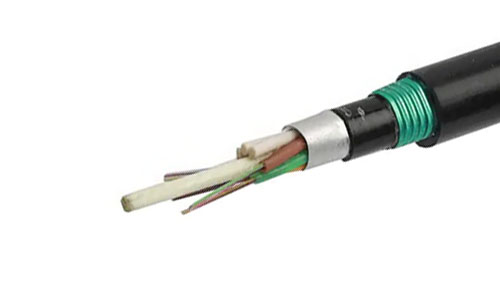 Underground & Pipeline Fiber Optic Cable
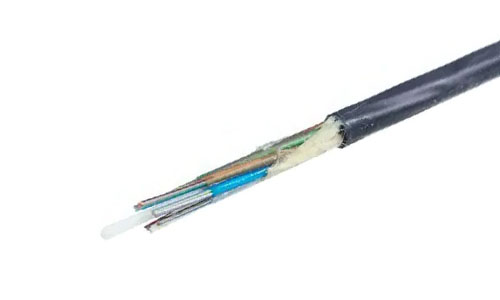 Air-Blown Micro Fiber Optic Cable
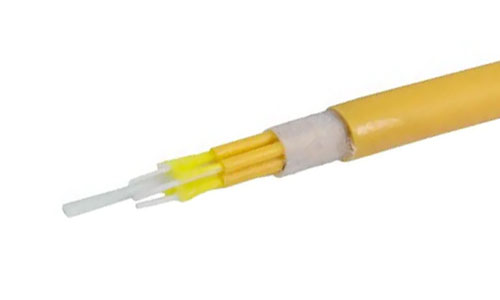 Indoor Fiber Optic Cable
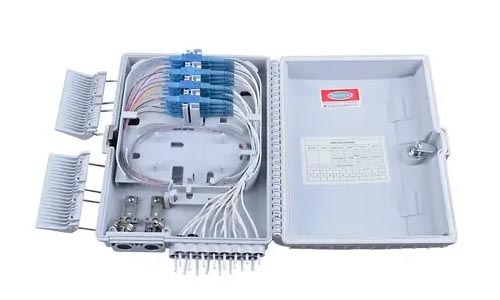 Fiber Optic Distribution Box
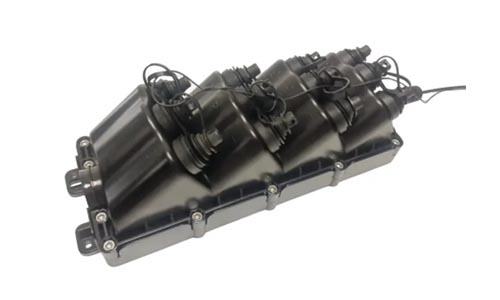 Multiport Service Termina Box
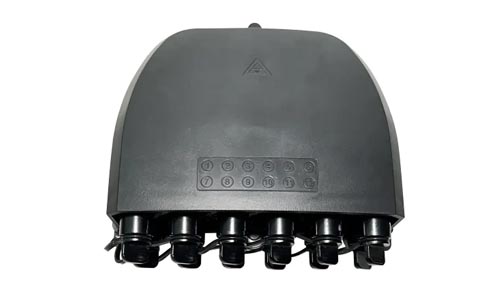 Fiber Optical Terminal Box
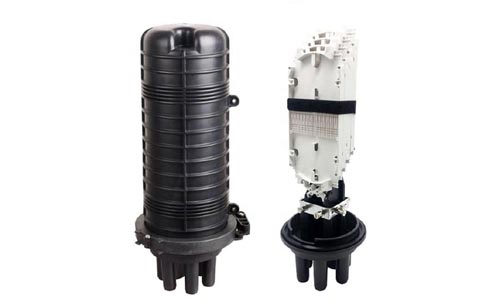 Fiber Optic Splice Closure
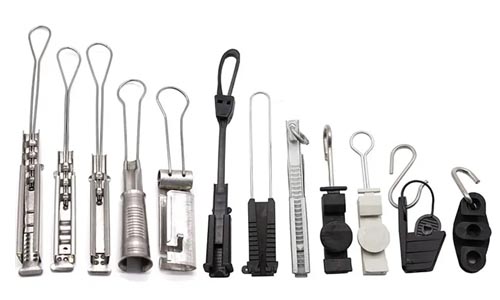 Fiber Optic Clamps
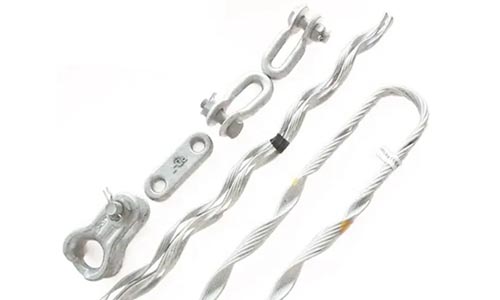 Fiber Optic Cable Fittings
 ADSS Fiber Cable
 ASU Fiber Cable
 OPGW Fiber Cable
 FTTH Fiber Cable
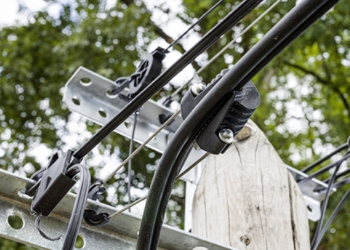 Figure 8 Fiber Cable
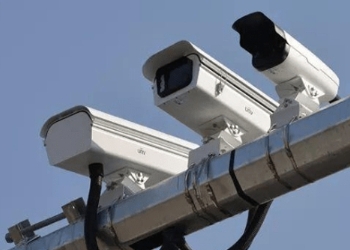 Photoelectric Composite Fiber Cable
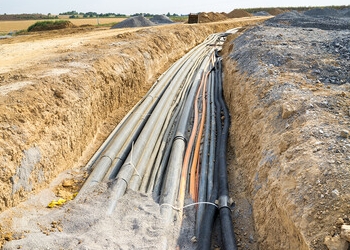 Underground & Pipeline Fiber Cable
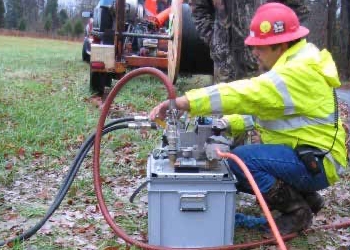 Air-Blown Micro Fiber Cable
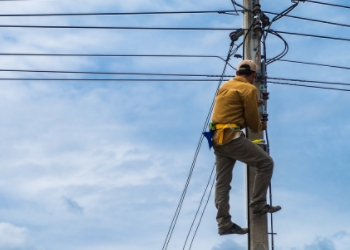 Aerial Fiber Cable
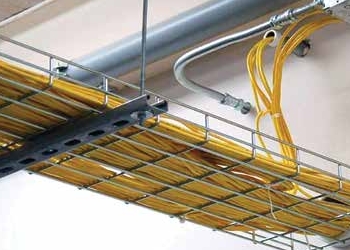 Indoor Fiber Cable
 Fiber Optical Terminal Box
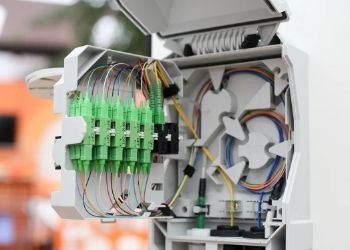 Fiber Optic Distribution Box
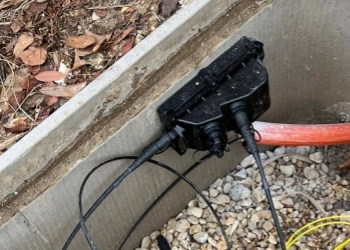 Multiport Service Termina Box
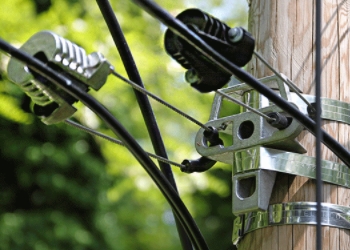 Fiber Optic Clamps
 About Us
 Our Team
 History
 R&D Strength
 Production Base
 Warehouse & Logistics
 Quality
 FAQs
FAQsCrossover Cable vs. Straight-Through Ethernet Cable: What's the Difference?
Contact for Free Quotation & Sample, According to your needs, customize for you.
inquiry nowCrossover Cable vs. Straight-Through Ethernet Cable: What's the Difference?
Knowing the distinction between crossover and Ethernet (straight-through) cables will save you from headaches and network bottlenecks.
Whether the cable is wired using T568A or T568B, knowing those color codes and pin configurations is important if you ever install or debug cables.
In short, crossover cables are intended for connecting like devices directly, whereas straight-through cables are ideal for connecting unlike devices, so it’s critical to select cables that align with your particular network configuration.
Although the advent of smart ports and Auto-MDIX in modern devices minimizes the demand for crossover cables, understanding how to identify and utilize both types remains useful for dependable connections.
Hands-on testing, cable labels and cable testers are useful practical measures to swiftly identify cable types and prevent typical mistakes during installation or maintenance.
Even as technology evolves, understanding cable types and their applications will enable you to create, support, and diagnose networks with assurance.
Crossover cables and Ethernet cables both connect network devices, but do different things. Ethernet cables, known as straight-through cables, connect computers to routers or switches and create our everyday networks at home or work. Crossover cables connect two like devices, like two computers, with no hub or switch in between. It’s the internal wiring that distinguishes them—Ethernet cables have identical pin configurations, whereas crossover cables interchange certain wires to allow direct device-to-device communication. Understanding which cable suits your configuration can simplify networking tasks and prevent frequent confusion. Below, check out how these cables look and function in order to pick the right one every single time!
The Fundamental Wiring Divide

The fundamental wiring divide between crossover cables and regular Ethernet cables. Both use 4 twisted pairs in an 8-pin RJ45 connector, but how those pins are wired defines what devices can communicate with each other. The wiring standards—T568A and T568B—dictate the sequence for the colored wires and minimize ambiguity.
-
T568A and T568B wiring standards provide the pin order for cable ends.
-
Confusing standards can block or slow connections.
-
Wiring to the proper standard helps keep networks reliable and simple to maintain.
-
Miswiring can cause lost packets, no link or strange errors.
1. Transmit and Receive
TX pins transmit data and RX pins receive. In a straight-through cable, TX lines from one device feed directly into RX lines on the other, as both ends of the cable use the same wiring scheme, usually T568B. It’s simple: Computer sends, switch receives.
Crossover cables reverse the scene. They cross the TX and RX pins, so pins 1 and 2 (send) on one end connect to pins 3 and 6 (receive) on the other. This crossover allows two similar devices, such as two computers, to communicate without a switch in the middle. Ensuring the correct TX aligns with the correct RX is crucial—otherwise, data simply falls off. Switches, routers, and computers all utilize these configurations in order to maintain connectivity.
2. The T568A Standard
T568A uses a specific color order: green-white, green, orange-white, blue, blue-white, orange, brown-white, brown. Pins 1 and 2 are green-white and green, which is the big swap from T568B. Both cable ends follow the same sequence for straight-through, but a crossover matches T568A on one end with T568B on the other.
T568A pops up in many residences and public sector work. It’s the standard among certain communities, though A and B will both function in most locations. T568A and B only swap pairs on pins 1, 2, 3 and 6, so they’re close cousins, but not twins.
3. The T568B Standard
T568B flips the green and orange pairs: orange-white, orange, green-white, blue, blue-white, green, brown-white, brown. Pins 1 and 2 are now orange-white and orange. This standard is commonly chosen for enterprise networks or legacy installations, where it’s been the default for ages.
A few folks believe A & B are completely interchangeable, but that’s not the case if both ends don’t line up. Utilizing different standards at each end results in a crossover cable—handy intentionally, not unintentionally.
4. Straight-Through Logic
A straight-through cable connects unlike devices. It’s what you reach for when you want to link computers to a switch, router or hub. Both ends utilize identical wiring, allowing for clean and fast signal transmission.
These cords allow machines to communicate clearly. If you’re connecting your laptop to your office wall port or a home router, it’s probably a straight-through cable that’s doing the job.
Mixing up the wiring leads to headaches: lost data, no network, or odd errors. ALWAYS CHECK BOTH ENDS MATCH!
5. Crossover Logic
Crossover cables are magic. Their wiring switches the TX and RX pins, so two like devices—say, two computers—can exchange data directly. They solve the issue of both devices attempting to ‘talk’ on the same wire without anybody ‘listening’.
Employed primarily for device-to-device connections, crossover cables were prevalent prior to the popularity of smart ports. They still count when auto-sensing isn’t installed, or for older equipment.
Hooking up two switches without an uplink port, for example. You’re going to need a crossover. Because you need to establish a quick data share between two laptops. Crossover once more. These cords cross signals on purpose, preventing information pileups and smoothing things out.
When to Use Each Cable?

Selecting the appropriate cable can make or break a network configuration. Device compatibility, technical requirements, and the connection type all factor in. Here’s a checklist to guide you:
-
Check device types: Are you connecting similar or different devices?
-
Look for auto MDI-X support: Modern gear may not need crossover cables.
-
Review speed standards: Gigabit and above often use auto crossover.
-
Avoid mixing cable types in one connection.
-
Use the appropriate cable for upstream ports on switches/hubs.
-
When in doubt, test connections and have both cable styles on hand to troubleshoot.
Like-to-Unlike Devices
Straight-through cables come in handy when you connect dissimilar devices. Consider connecting a computer to a switch, or a router to a hub. These are the old-school home and office configurations–printer to switch, PC to router, even gaming consoles to modems. The magic emanates from the straight-through cable’s plain-jane wiring. It keeps transmit and receive pairs in line, so the devices can ‘talk’ without confusion.
Most of today’s office gear, like managed switches or wireless routers, already support straight-through connections. No fuss, no muss, no software installation, no nothing — you just plug and play. So, unless you’re working with ancient equipment, you shouldn’t need a crossover cable here. Still, once in a great while, an older device or switch might need a crossover for some strange port. That’s not the standard these days.
Like-to-Like Devices
When you need to connect two of the same kind of devices like PC to PC, or switch to switch, a crossover cable is typically the solution. These cables cross the transmit and receive wires, which allows the computers communicate directly, without a hub or switch in the middle.
This arrangement is typical for minor data dumps, rapid local file swapping, or daisy-chaining switches in an expanding network. It’s simple to forget what cable to use and find yourself with dead ports or blinking lights but no connection. Recognizing device types is key: look for similar ports facing each other. When in doubt, just see if your devices have auto MDI-X. If so, either cable will work. Older standards such as 10BASE-T and 100BASE-TX still require a crossover for like-to-like links. For gigabit and beyond, most gear figures it out for you.
The Gray Areas
Other times, you’re not sure which cable fits. Let’s say you’re connecting two switches together, but one boasts of auto MDI-X and the other offers no word. Or just patching into legacy racks with mixed hardware. In these gray areas, either cable would function if at least one piece of equipment utilized auto-crossover, but don’t rely on chance alone.
If you plug in and get no link, try swapping cables. Have both types on-hand. Watch for status lights – no link typically equals wrong cable, but sometimes it’s a dead port. The sure bet is to look at what SPECs before plugging. When all else fails, test systematically.
Summary Table
| Scenario | Use Straight-Through | Use Crossover |
|---|---|---|
| PC to Switch/Router/Hub | Yes | No |
| Switch to Switch | No | Yes (unless auto) |
| PC to PC | No | Yes (unless auto) |
| Hub to Hub | No | Yes (unless auto) |
| Modern Devices (auto MDI-X) | Yes or No | Yes or No |
The Rise of Smart Ports
They are transforming ports and networks. These ports deploy smart tech such as AI, blockchain, and IoT to automate tasks, monitor shipments, and reduce expenses. A lot of smart ports are now employing green energy and smart lighting to assist the planet. At smart ports, ships and trucks wait less and move faster, saving everyone time and money. Real-time information enables ports to track cargo, which improves security and efficiency.
What is Auto-MDIX?
Auto-MDIX is short for Automatic Medium-Dependent Interface Crossover. It makes it easier for network devices to connect without having to concern themselves with cable type. This technology determines whether you’re using a crossover or straight-through cable and adjusts accordingly. That implies you can leverage pretty much any cable, and the port will configure itself. Auto-MDIX enabled devices help ports or offices that are too busy to deal with network setup hassles.
Auto-MDIX makes life easier by eliminating the concern regarding what cable goes where. Doesn’t matter if you use normal ethernet or crossover – it works that out for you. That’s a huge win for network teams, who can now turn their efforts toward bigger issues than sorting cables.
How It Works?
Under the hood, Auto-MDIX works by verifying the signals on both ends of the cable. If the device detects a mismatch, it reverses the send and receive pins in the port. This rapid swap occurs in real time, so you don’t notice any stutter or latency. It keeps the network streaming by enabling devices to communicate, regardless of cable.
In other words, you can connect various cables, and the network simply operates. Laptops, switches, and Auto-MDIX routers these days. These traits enhance robustness and render networks more robust in hectic environments like ports, where every minute counts.
Modern Device Impact
As more devices auto-sense crossovers with Auto-MDIX, the demand for crossover cables is diminishing. Any cable, most modern switches and computers can take either, so network techs can get up and running quicker. This change saves time and reduces errors.
For the most part, today’s networks are easier and more agile due to such enhancements.
Identifying Your Cable

Even as a real human, identifying the difference between a crossover cable and a standard ethernet cable begins with a solid look and some knowledge. Cables may appear identical externally, but it’s their internal wiring that counts. Each cable adheres to a wiring standard—TIA/EIA-568A or TIA/EIA-568B. How the wires line up at the connector ends tells you if it's a crossover or straight-through cable. Visual clues and tiny silkscreened labels assist, but occasionally you want instruments for a definitive result.
-
Check both ends of the cable and match wire order.
-
Check for labeling or markings on the cable jacket
-
Use a cable tester for a quick, clear result
-
Record cable types when setting up a network
-
Keep a checklist of cable types during installations
Color Code Check
Color codes on the inside of Ethernet cables serve more purposes than just looking nice. They display how the wires are arranged and assist in identifying the cable type immediately. Each standard, T568A and B, has its own color order.
A straight-through cable has the same standard on both ends. In a crossover cable, T568A wires at one end correspond to T568B on the other. That swap at 1, 2, 3, and 6, which is called the crossover, is what allows two like devices to communicate with one another without a switch or hub in between. If you’re ever curious, simply see if the order of the colors changes from one end to the other.
| Pin | T568A | T568B |
|---|---|---|
| 1 | White/Green | White/Orange |
| 2 | Green | Orange |
| 3 | White/Orange | White/Green |
| 4 | Blue | Blue |
| 5 | White/Blue | White/Blue |
| 6 | Orange | Green |
| 7 | White/Brown | White/Brown |
| 8 | Brown | Brown |
Cable Markings
Certain cables actually have markings printed directly on the jacket. These may say Crossover or Patch, or a wiring standard. It makes a huge difference when you’re dealing with dozens of cables. If you spot a label such as “TIA/EIA-568A,” look at both ends for altered color sequence.
Not all cables are labeled, so it’s wise to maintain a log. Note cable types as you progress. It pays off time-wise down the road, particularly in large installations.
The Tester Method
Cable testers are compact, straightforward devices that eliminate the uncertainty from cable checks. Plug both ends of your Ethernet cable into the tester. The tool illuminates to indicate the pinout of each wire. If pins 1 and 3, 2 and 6 cross, you’ve got a crossover cable. Testers find wiring errors as well, which keeps networks operating well.
Having a tester on hand is an easy way to get installs done quickly and repair issues in a flash. For cable junkies, a good tester is definitely worth it.
The Forgotten Performance Nuances
Crossover vs. Straight-through Ethernet cables may look similar, but their performance nuances are easily forgotten. It’s important to how their wires are designed and constructed, influencing how efficiently signals travel and maintaining networks without interference.
Signal Integrity
Signal integrity is what’s all about holding the data firm and lucid as it courses down the cable. If the signal is weak or lost, information can becomes garbled or lost. For direct device-to-device connections, such as between two computers, crossover cables are used to preserve signal integrity by swapping transmit (TX) and receive (RX) pairs. This swap aligns the TX output of one device with the RX input of the other, ensuring the signals end up in the appropriate location.
While both cable types use four twisted pairs—each pair a different color like orange, green, blue, and brown—shoddy construction, cheap materials, or bad terminations can degrade the signal. If the twists are off, or the shield is thin, outside noise can sneak in, causing errors. For stability, opt for cables with solid specs and be careful not to kink or overstretch while setting up.
Latency Myths
A lot of people believe that cable type will make or break network speed. The reality is, crossover and straight-through cables are made of the same copper core and support the same standards, such as 10BASE-T, 100BASE-TX, or 1000BASE-T. The wiring scheme–T568A on one side, T568B on the other for crossover–doesn’t reduce speed. Latency is more from switches and routers or long cable runs than from which cable you use.
Tests demonstrate no performance difference between the two. What really counts are network gear quality, correct pinouts and clean, short cables. Changing cable types won’t repair slow connections if the underlying issue lies elsewhere in the configuration.
Troubleshooting Errors
-
Check both ends for the right wiring standard: T568A and T568B for crossover, the same on both ends for straight-through.
-
Employ a cable tester to detect mis-wirings or breaks.
-
Take a look at those RJ45 connectors–all eight pins are clean and straight.
-
Changethemcable, one at a tome, to check if a new one repairs the problem.
-
For direct device connections, make sure you require a crossover cable, not straight-through.
Why Crossover Knowledge Still Matters

Understanding the distinction between crossover cables and ordinary Ethernet cables is more than just geek-speak. It’s a time-saving, problem-fixing, network-keeping skill that transcends your location on the globe. Crossover cables connect two like devices—say, computer to computer, or switch to switch. This is not merely theoretical. Most IT pros have cracked open a closet and discovered a crossover cable still in service, or required one to tie together old gear that just won’t communicate with today’s auto-sensing ports.
Tons of older gear, particularly from the 100 Mbit era, can’t automatically negotiate between transmitting and receiving data. They don’t auto-sense or auto-negotiate. If you attempt to plug in a normal Ethernet cable, zilch. With a crossover cable, you’ve got live wire connection. That’s why, even today, it helps to remember when you should pull out a crossover cable. It’s not merely about repair. It’s about knowing what to attempt when everything else fails.
Even some of the big networking exams and certifications still quiz you on crossover cables. While these subjects represent a tiny fraction of practical application, you’ll encounter them on the test. That is, if you want to pass, you gotta know this stuff. It may seem old-school, but it’s what distinguishes you when everybody else is frozen. It’s not just for students, either. A lot of IT teams deal with a hodgepodge of new and old network gear, particularly in frugal environments or in setups where equipment is recycled for years. In such environments, crossover cables still have a place in the utility belt.
Troubleshooting is where crossover knowledge shines. When a network link goes down or you’re establishing a link between two switches, understanding which cable to use can be the difference between hours of trial and error and an easy solution. Trust me — having a crossover cable in your pocket, and knowing when to use it — is still a professional badge.
Conclusion
Knowing the split between crossover and ethernet cables helps a lot. They both transmit data, but each suits a different task. Crossover cables are best for connecting two similar devices. Ethernet cables excel in the majority of home and office arrangements. Smart ports now muddy the waters, but knowing your gear still counts. Identifying cable types these days requires a keen eye and some experience. Little things, like wire color and plug shape, can save you time and stress. A lot of people blow past these pieces and get in trouble. To avoid confusion, know your cables and listen to your fingers. Have a cable tale of glory or disaster. Post it below and assist others in avoiding the same hassle.
Frequently Asked Questions
What is the main difference between a crossover cable and an Ethernet cable?
A crossover cable interconnects two like devices directly, such as two computers. A regular ethernet cable (or straight-through) connects different devices, such as a computer to a switch or router.
When should I use a crossover cable instead of a regular Ethernet cable?
Use a crossover cable when hooking up two like devices — like 2 computers or 2 switches — with nothing between them, like a switch or hub.
Can I use a crossover cable for internet access?
No, crossover cables are not used to connect things to the internet. Use a regular ethernet cable to connect your device to a router or modem and get online.
How can I tell if my cable is a crossover or straight-through Ethernet cable?
Compare the color sequence of the wires on each end. If the colors are in different patterns, it's probably a crossover cable. Same patterns mean straight-through cable.
Are crossover cables still necessary with modern devices?
Newer devices feature auto-sensing ports (Auto-MDI/MDIX) which makes crossover cables a lot less necessary. Older equipment may still need them for direct links.
Do crossover and Ethernet cables offer the same speed and performance?
Yes, both cables can run the same speeds and performance. They’re only different in how they wire the pins inside for certain connections.
Why is it important to know about crossover cables today?
Understanding crossover cables aids troubleshooting network issues, particularly with legacy devices or in setups lacking auto-sensing ports.