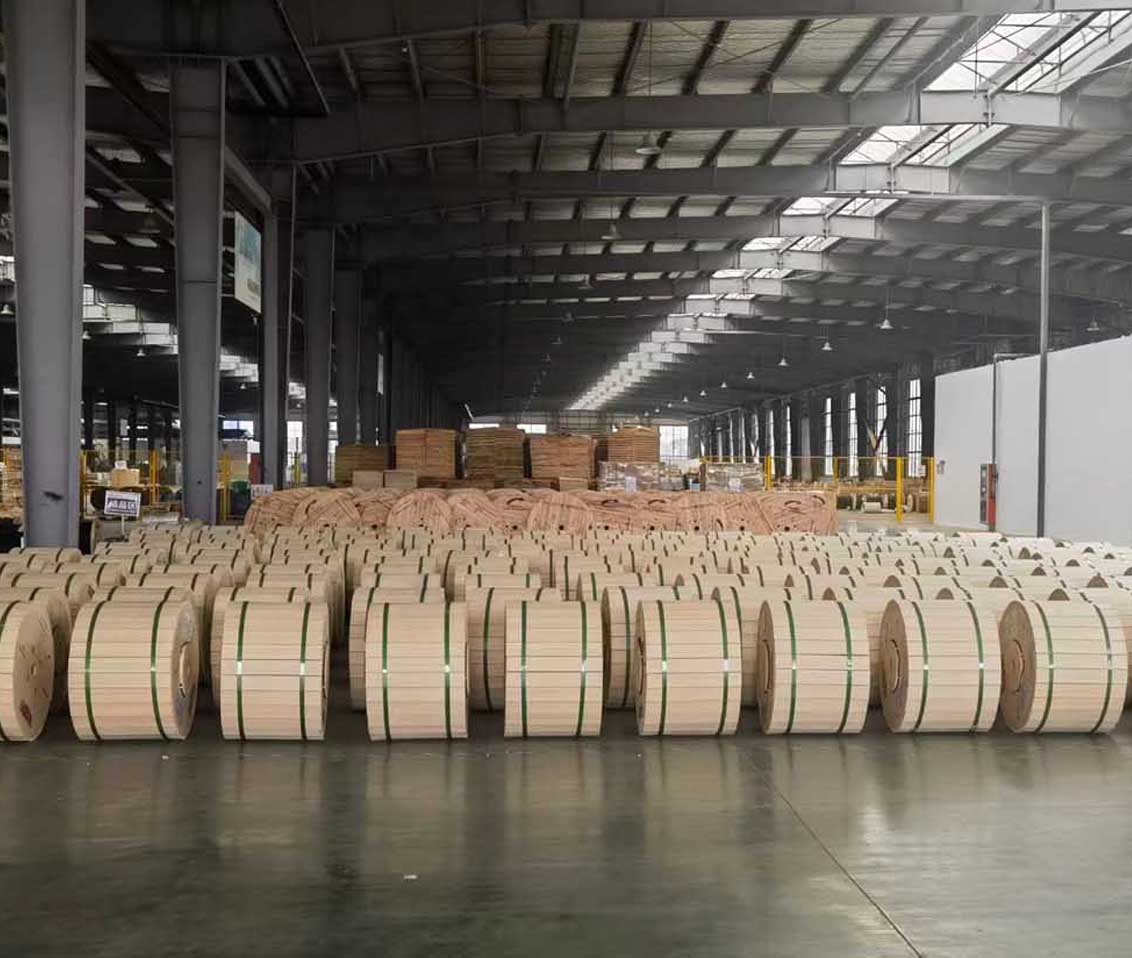
 Optical Fiber
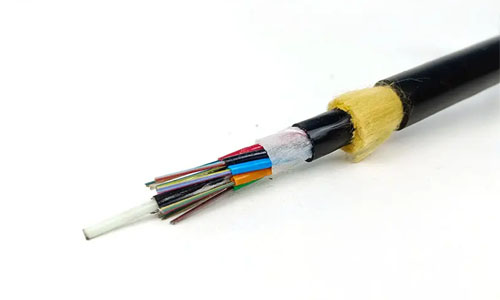 ADSS Fiber Optic Cable
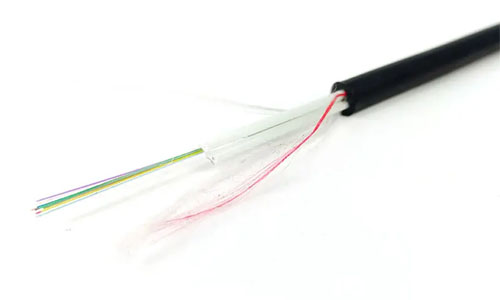 ASU Fiber Optic Cable
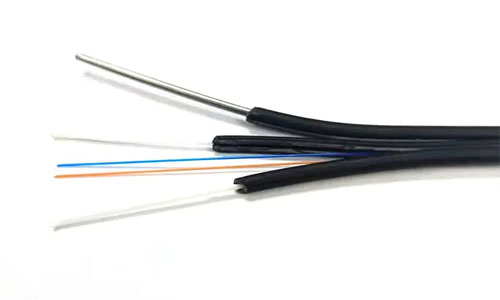 FTTH Fiber Optic Cable
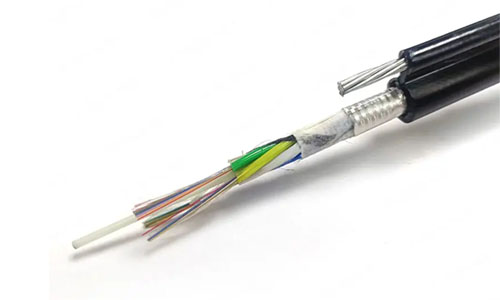 Figure 8 Fiber Optic Cable
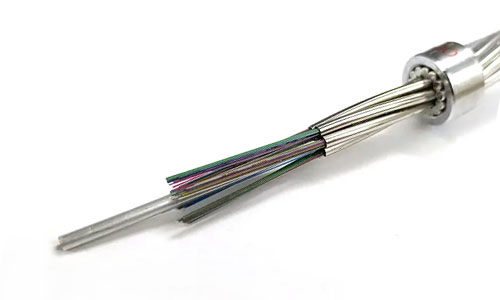 OPGW Fiber Optic Cable
 Coaxial Cable
 Ethernet Cable
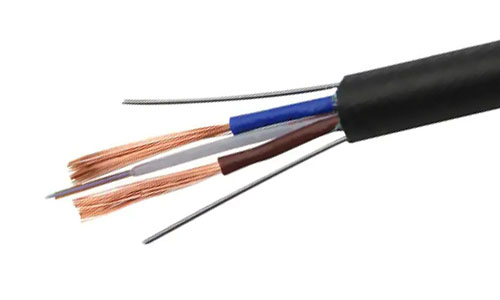 Photoelectric Composite Fiber Optic Cable
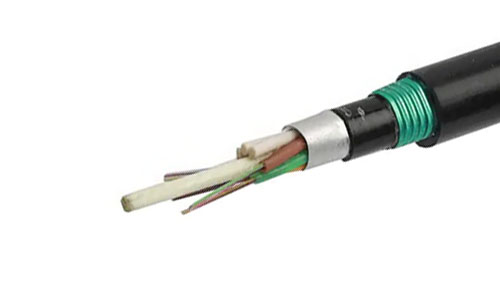 Underground & Pipeline Fiber Optic Cable
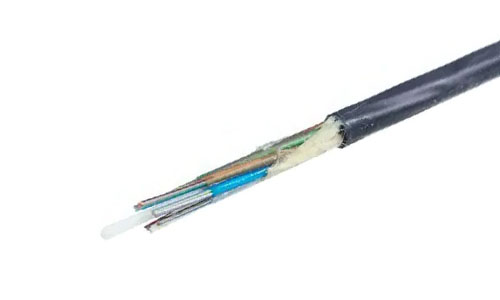 Air-Blown Micro Fiber Optic Cable
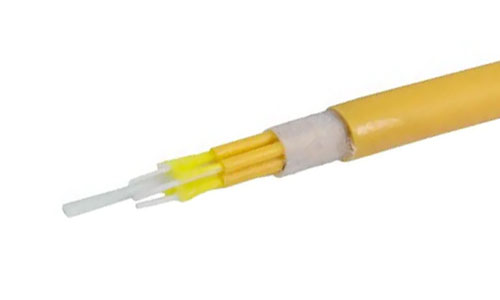 Indoor Fiber Optic Cable
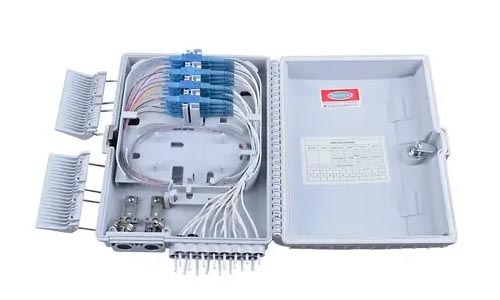 Fiber Optic Distribution Box
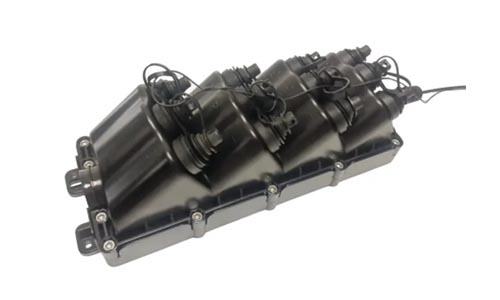 Multiport Service Termina Box
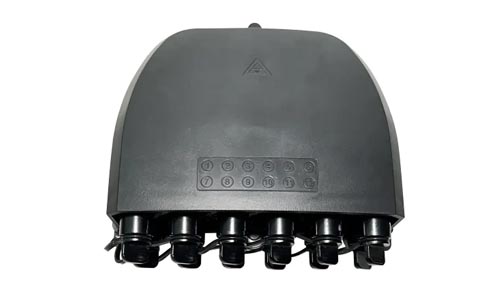 Fiber Optical Terminal Box
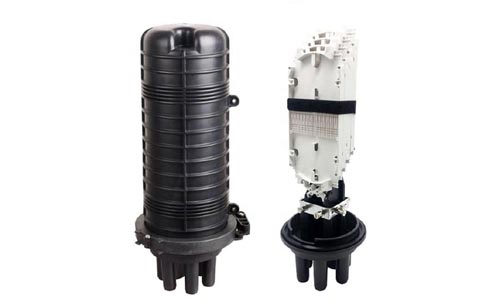 Fiber Optic Splice Closure
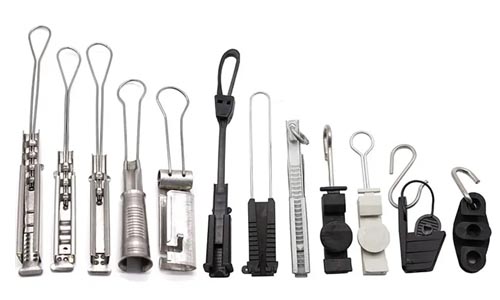 Fiber Optic Clamps
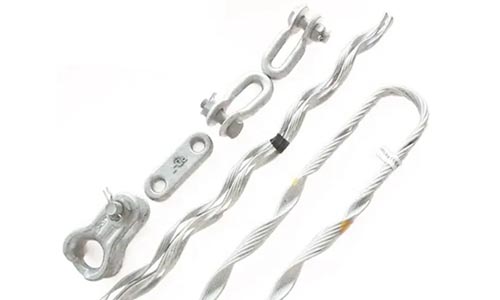 Fiber Optic Cable Fittings
 ADSS Fiber Cable
 ASU Fiber Cable
 OPGW Fiber Cable
 FTTH Fiber Cable
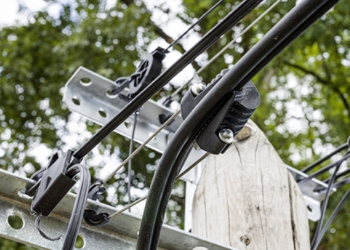 Figure 8 Fiber Cable
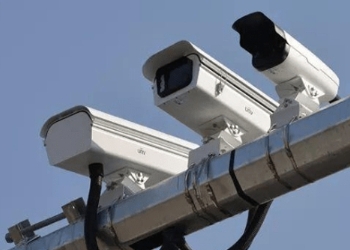 Photoelectric Composite Fiber Cable
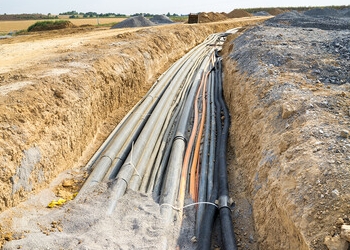 Underground & Pipeline Fiber Cable
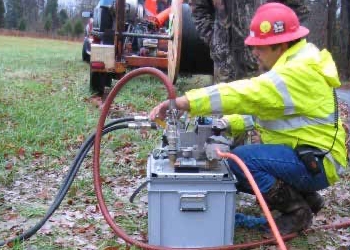 Air-Blown Micro Fiber Cable
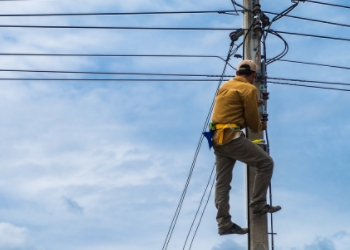 Aerial Fiber Cable
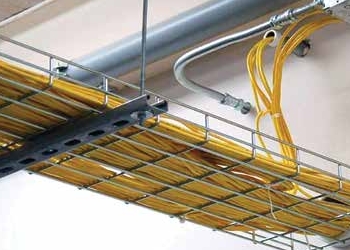 Indoor Fiber Cable
 Fiber Optical Terminal Box
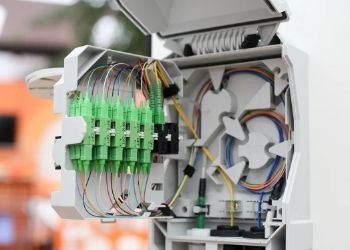 Fiber Optic Distribution Box
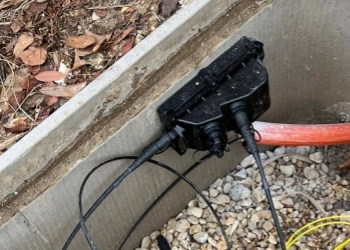 Multiport Service Termina Box
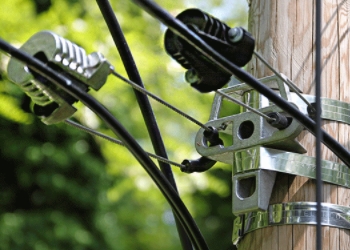 Fiber Optic Clamps
 About Us
 Our Team
 History
 R&D Strength
 Production Base
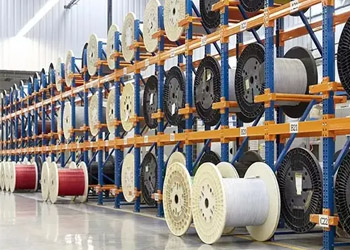 Warehouse & Logistics
 Quality
 FAQs
FAQsCoaxial Cable Types: A Comprehensive Overview and Selection Guide
Contact for Free Quotation & Sample, According to your needs, customize for you.
inquiry nowCoaxial Cable Types: A Comprehensive Overview and Selection Guide
Coaxial cable types are simply the types of coax cables used to transmit signals for tv, internet, radio and beyond. Each kind had its own form and dimension and sturdiness, making it suitable for certain tasks. For example, RG6 is standard for residential television and internet, and RG59 is great for short distances with CCTV. RG11 deals with long distances with less signal loss, and feiboer coax backs up huge setups like cable networks. A lot of people use coax cables on a daily basis but are unaware of the difference. Understanding each type assists in selecting the appropriate one for your task, be it establishing home Wi-Fi or wiring a broadcast studio. Here are the following sections that outline these different coaxial cable types.

The Anatomy of a Coaxial Cable
A coaxial cable, a popular flexible coaxial cable type, is made of layers working together: a center conductor, dielectric insulator, shielding, and an outer jacket. Each component defines the cable’s function, durability, and signal quality, crucial for applications like data transmission and cable television distribution.
The Center Conductor
The center conductor is the primary route for electrical signals. Its composition determines signal quality and durability of the cable. Most center conductors are:
-
Solid copper: best for high signal quality, sturdy but not flexible
-
Stranded copper: flexible, good for tight spaces, but a bit more signal loss
-
Copper-clad steel: strong, used where strength matters more than top signal.
-
Aluminum: lighter, used in big runs but not as great for signal quality
Solid conductors transmit signals more effectively, but they aren’t flexible. Stranded conductors flex more but can bleed a bit of signal. The center conductor’s diameter and composition contribute to the cable’s impedance, typically 50, 52, or 75 ohms. This is critical for matching equipment and achieving optimal performance.
The Dielectric Insulator
The dielectric maintains the center conductor distance from the shield, playing a crucial role in preventing shorts and maintaining signal integrity in coaxial cable lines. The dielectric varieties impact the cable’s diameter, attenuation, and its flexibility. Foam dielectrics, being lighter, reduce signal loss by approximately 15% compared to solid varieties; however, they can absorb water, which degrades performance in outdoor telecommunications applications. Additionally, the dielectric thickness is significant: thicker dielectrics result in less loss but create bulkier cables. Both the composition and thickness of the dielectric contribute to determining the cable’s characteristic impedance, influencing how radio frequency signals propagate down the line.
The Shielding Layers
Shielding is essential in coaxial cable design, as it keeps external interference, such as radio frequency signals or power lines, from disrupting the signal. Foil shields surround the core, effectively preventing high-frequency noise, while braided shields made of tinned copper or aluminum enhance durability and attenuate low-frequency noise. Some cable assemblies utilize both types of shielding, achieving up to 95% coverage for demanding applications. Good shielding is a sign of less interference, crucial for high-frequency users, and must be grounded properly to function effectively.
The Outer Jacket
The jacket protects all components inside from bumps, scrapes, and weather. Most jackets utilize plastics such as PVC or PE, which resist sun, water, and heat, making them suitable for many cables. UV resistance is essential for cables deployed outdoors, especially for coaxial cable lines. Jacket color counts as well—black absorbs the most heat, which can be an issue in hot environments, and brighter colors are more visible when cabling through cluttered areas.
A Guide to Coaxial Cable Types
Coaxial cables, a popular choice for transmitting cable television signals, internet, and radio frequency signals, serve various purposes based on their components and construction. The correct cable type selection depends on its intended use, location, and the specific signal it must carry.
1. RG-Series Cables
RG-series cables, particularly popular flexible coaxial cable types, are the most famous kind. They arrive at residences, workspaces, and studios. The “RG” means “Radio Guide,” an old military term, and the number, like in RG-6, RG-59, or RG-11, informs you about the cable’s construction and usage. For instance, RG-6 is the preferred choice for cable television distribution and satellite, while RG-59 is utilized in legacy video systems. Each of these RG cables carries a defined impedance, typically 50 Ohm or 75 Ohm, to correspond with varying equipment and configurations. Impedance influences signal transmission, and the incorrect one may cause loss or alteration. In home and pro setups, RG cables are relied upon for their cost to performance ratio.
2. Hard-Line Cables
Hard-line cables, a popular flexible coaxial cable type, offer a thick, rigid construction. They employ a solid or tubular metal shield of copper or aluminum, making them rugged and able to withstand being outdoors while transmitting strong signals over long runs. This durability is why you see them in cell towers and cable television distribution networks. Although these cables are less flexible than RG-types, their size and strength significantly reduce signal loss, ensuring dependability when ultra-low loss is critical.
3. Radiating Cables
Radiating cables, also known as leaky feeder cables, are essentially long antennas designed for effective radio frequency transmission. They’re constructed with slots or gaps in the shield, allowing radio waves to escape along the length. This makes them perfect for tunnels, subways, or large structures where standard antennas don’t penetrate, assisting in dispersing signals in small, confined spaces.
4. Twin-Axial Cables
Twin-axial cables, known as 'twinax,' utilize two inner wires instead of one, which helps maintain signal integrity and reduces crosstalk. This characteristic makes them ideal for high-speed data applications, particularly in data centers or computer servers. Their braid shields effectively block outside noise better than typical single cable coaxial lines. As a result, telecoms companies are increasingly adopting twinaxial cables for secure and high-speed data transmission.
5. Semi-Rigid & Conformable Cables
Semi-rigid cables, a popular cable type, have a metal sheath that retains form, making them critical for applications where the route can’t vary, such as within high-frequency test equipment or satellites. Conformable cables, known for their flexibility, bend and twist to fit small places while still transmitting radio frequency signals with low attenuation. Both types excel in aerospace, lab, and medical equipment, where space is tight but performance can’t plummet.
| Type | Shield Type | Flexibility | Impedance (Ohm) | Common Use |
|---|---|---|---|---|
| RG-Series | Braided/foil | Flexible | 50/75 | TV, radio, basic data |
| Hard-Line | Solid/tubular | Rigid | 50/75 | Cell towers, cable networks |
| Radiating | Slotted shield | Flexible | 50/75 | Tunnels, subways, large areas |
| Twin-Axial | Dual core, braid | Flexible | 100 | High-speed data, telecom |
| Semi-Rigid/Conform. | Solid/bendable | Low to high | 50/75 | Aerospace, labs, medical |
What Do the Specifications Mean?
Each type of coaxial cable has its own specific specifications, which define how the cable acts in actual environments, such as how much radio frequency signal it can transmit, how far the signal travels, and how well it can resist interference. Understanding these specifics enables users to select the appropriate cable assemblies for the task — be it at home, in a broadcast studio, or in a data center.
Impedance
Impedance is the coax’s DNA. It’s the resistance to the electrical current flow, in ohms. Most cables are either 50 or 75 ohms, but the proper match is essential. 75 ohms for TV and video, which reduces signal loss over long runs. Take 50 ohms for radio or data, where power handling is more important.
| Impedance (Ohms) | Common Use | Impact on Signal Loss |
|---|---|---|
| 50 | Radio, Data, WLAN | Handles power, less loss |
| 75 | TV, Video | Low loss, best for distance |
When cable and device impedance don’t match, signal bounce — or reflections — make the signal weak or fuzzy. Always use connectors and devices with like impedance—if the TV is 75 ohms, the cable must be as well. This head-to-head competition keeps the buzz flowing.
Attenuation
Attenuation refers to the amount of signal lost in transit. It’s rated in dB/30m. The farther the cable or the higher the frequency, the more signal dissipates.
If you can, select shorter cables, and for high-frequency applications, be sure to seek cables with low attenuation values. Thicker cables help as well, since they keep loss to a minimum. Attenuation is more of an issue when you’re running cables for Wi-Fi, satellite, or lengthy video feeds—improved cabling results in a sharper picture or audio.
Shielding Effectiveness
Shielding keeps external interference from screwing with your signal. The highest quality cables have foil and braid shields, and block electromagnetic and radio interference. Good shielding counts in areas with equipment, motors, or even in urban areas full of wireless signals.
For a clean signal, choose cables with double or even triple shielding. In pristine, minimalist home environments, one guardian may suffice, but in rugged territory, add extra armor to protect your signal.
Velocity of Propagation
The velocity of propagation describes how quickly the rf signal travels within the coaxial cable, influenced by the dielectric material inside the cable. Foam polyethylene accelerates even more than solid polyethylene, making it a popular choice for many cables. This specification is crucial in applications like broadcast studios or datacenters, where a rapid signal can reduce throttling and optimize configurations.
Select the Right Cable
Selecting the right coaxial cable is a matter of understanding your requirements and pairing the cable type to your system. Consider where you’ll use it, what you want to connect, and what sort of radio frequency signal you anticipate. Impedance matters: 75 Ohm cables work great for most home uses like TV and internet, while 50 Ohm cables fit radio and antenna setups. Jacket rating, shielding, and connector type all factor in as well—each detail can make or break your signal.
For Home Internet
-
Loose connectors can cause slow speeds.
-
Old cables may not support high-speed internet.
-
Too long cables often mean more signal loss.
-
Wrong impedance – like 50 Ohm for the internet) weak signals,
Bandwidth is crucial for internet performance. For lightning speed, opt for popular flexible coaxial cable types like RG-6 coaxial, designed for high frequencies. Shorter lengths (below 30 meters) retain low loss, and F-type connectors serve as universal and simple coaxial connectors to install. Ensure you select cables with solid shielding and a strong outer jacket, especially when threading cables through tight spaces or exterior walls.
For Television
Use RG-6 or RG-59 for TV signals, both 75 Ohm. RG-6 works better with HD signals and longer distances. Quality cables maintain sharp picture and sound clarity—cheap cables cause fuzzy images or static. Attach your coax to your TV/cable box tightly – loose ends leak signal like crazy.
Goes a long way. No sharp bends and no pinching. If you run it outside, resist the temptation and use cables with weatherproof jackets, and keep connections dry to minimize signal loss.
For Security Systems
Keep cables away from power lines. Employ weatherproof jackets on outdoor configurations. Plus, if you want to be uber-cautious, add conduit or trunking for protection. Select cables with additional shielding for minimal interference.
Distance counts. Select low-loss cables for long runs–signal reliability is a necessity for cameras. Shielding keeps outside noise at bay, so opt for double or triple layers if you’re in a crowded location.
For Radio & Audio
Choose 50 Ohm cables such as LMR-400 for radio or audio equipment, particularly for their low-loss performance that preserves audio clarity. BNC connectors, a popular choice among coaxial connectors, provide firm connections. Beware of long runs—use the shortest cable assembly necessary and avoid sharp bends to prevent sound from sagging.
Beyond the Cable Itself
Signal quality doesn’t depend solely on the coaxial cable. It’s usually the components attached to the cable, such as coaxial connectors, splitters, and amplifiers, that make or break your installation. Even the littlest things can be the difference between crisp reception and maddening aggravation. In troubleshooting signal problems, it pays to think beyond the cable system. Here’s a quick checklist for a reliable system: check all connectors for tightness and corrosion, use the correct type of splitter or amplifier for your needs, measure cable runs to avoid excess length, and keep all parts clean and dry.
Connector Integrity
Connectors are the link between your coaxial cable and equipment. If a connector’s loose, or it’s corroded, signal strength falls off. Over the decades, BNC, F-type and RCA connectors have been ubiquitous, each serving different purposes—BNC for radio, F-type for television and Internet, RCA for audio and video. Stick with connectors that correspond your cable and device.
Hand-tighten connectors, but don’t overdo it. Wipe off any exposed metal contacts, and replace bent or broken connectors immediately. Cheap connectors induce static or picture problems or complete signal loss. Other times, a simple connector swap solves a problem that seemed much bigger.
Splitters and Amplifiers
Splitters allow a single coax cable to serve multiple devices, while amplifiers strengthen fragile signals over extended cables. Quality matters: a poor splitter or amplifier can cause signal loss, ghosting, or pixelation. Select splitters with low insertion loss and amplifiers which match your signal spectrum.
Use splitter if you have a multiple TVs or modem. Include an amplifier only if your cable run is long or your signal is weak. Too many splitters or the wrong amplifier can exacerbate things, not improve them.
Watch for common mistakes: avoid daisy-chaining splitters, and don’t use amplifiers unless necessary. Stick to established brands if you can.
Cable Length
Long cables degrade signals, regardless of how great your cable is. If you can, keep each run less than 30 meters. For long runs, opt for thicker cables—these suffer less attenuation. Measure, then cut — to prevent waste and mess.
Shorter cables are neater, but sometimes you need options. Balance the desire for reach with the danger of signal loss. With planning, you can have it both ways.
Installation and Longevity
Coax cables can last well past 10 years, but only if they’re installed and maintained properly. Improper care, storage, or installation of these coaxial cable lines can cause premature failure, like if connectors become loose, break, or rust. Water and sun accelerate aging, so choosing the right coaxial cable design choices — like PE dielectric and stranded wire (such as RG-58, RG-213, or RG-214) — really pays off. Storing cables in dry, cool spaces and leaving them coiled naturally without tension goes a long way to keeping performance strong. Some simple checks for connector wear, rust, or cable cracks can catch trouble early.
Bending and Kinking
It turns out that the manner in which a coax cable bends is extremely important. Kinks and tight bends break the inner core or cause the shield to shift, which screws up performance and allows in interference.
Never bend a cable beyond its minimum bend radius, which is typically around ten times the cable’s outer diameter. As an example, a 6 mm cable requires a bend radius of at least 60 mm. This is especially critical for high-frequency cables, where a hard bend can destroy the signal.
Check for cracked jackets, or flat spots or places where the cable appears pinched. These might not appear to be a big deal, but they render the cable worthless for high-speed signals.
Environmental Exposure
Rain, heat, and sunlight are hard on coax cables. Moisture creates corrosion within the cable decreasing its longevity. UV is one of the main enemies of your jacket, it brittles it which can cause cracks.
For outdoors, always choose cables with UV-resistant jackets and weather-sealed connectors. When installing cable in wet or hot areas, opt for types known to be rugged, such as coax with PE dielectric and stranded wire. Indoors, regular cables are fine if kept dry and away from windows.
Cables for exterior use should always be weatherproof or rated for extreme conditions. This little factor can translate into years of additional use.
Grounding Practices
Proper grounding prevents noise and protects you. It keeps the signal cleaner, particularly on long runs or close to interference.
Connect the cable’s shield to earth ground at the point of entry. Utilize approved clamps and not jury-rig fixes such as twisting bare wire around a pipe.
The most frequent error is omitting grounding or utilizing the improper hardware. Double check your work with a meter or have a pro take a gander.
Unearthed or during missing grounds cause signal loss and could damageowego.
Conclusion
Choosing the perfect coaxial cable may seem like navigating through a labyrinth, but it becomes easy once you understand what to seek. Each with a distinct mission, from crisp TV signals in the living room to rugged scenarios outdoors. Species such as thickness, core, and shield indicate how each cable can function in various environments. A tight fit equates to less noise, better sound or video, and equipment that wears well. Imagine a crystal sports game on television or rapid-fire wi-fi in a crowded coffee shop – both require the appropriate cable in the background. Wish your rig to flow and endure. Take a minute to verify your requirements before you purchase. Tell me your story or leave your questions below – let’s exchange advice!
Frequently Asked Questions
What is a coaxial cable?
A coaxial cable, commonly referred to as coax, is a popular flexible cable type designed with a central conductor, insulating layer, metal shield, and outer cover, effectively carrying high frequency signals without interference.
What are the main types of coaxial cables?
The most common cable types are RG6, RG59, RG11, and RG213. Each coaxial cable is intended for a particular purpose, such as cable television, internet, or professional radio gear.
How do I choose the right coaxial cable?
When selecting, think about the signal type, length required and installation environment. Look at the cable’s specs to see if they are compatible with your devices/needs.
What do RG numbers mean in coaxial cables?
RG is short for ‘Radio Guide’ and the number refers to things like diameter, impedance and shielding. Different RG numbers are appropriate for different uses.
Why is shielding important in coaxial cables?
Better shielding in coaxial cables guards the rf signal against electromagnetic interference, ensuring clearer signals.
Can I use any coaxial cable for high-speed internet?
No, not every coaxial cable supports high-speed internet; however, RG6 coax cable is generally advised for the vast majority of contemporary internet connections due to its improved shielding and bandwidth.
How should I maintain coaxial cables for long life?
Store cables dry, avoid sharply bending coaxial cable lines, and protect connectors from dust and moisture to ensure reliable data transmission and performance.