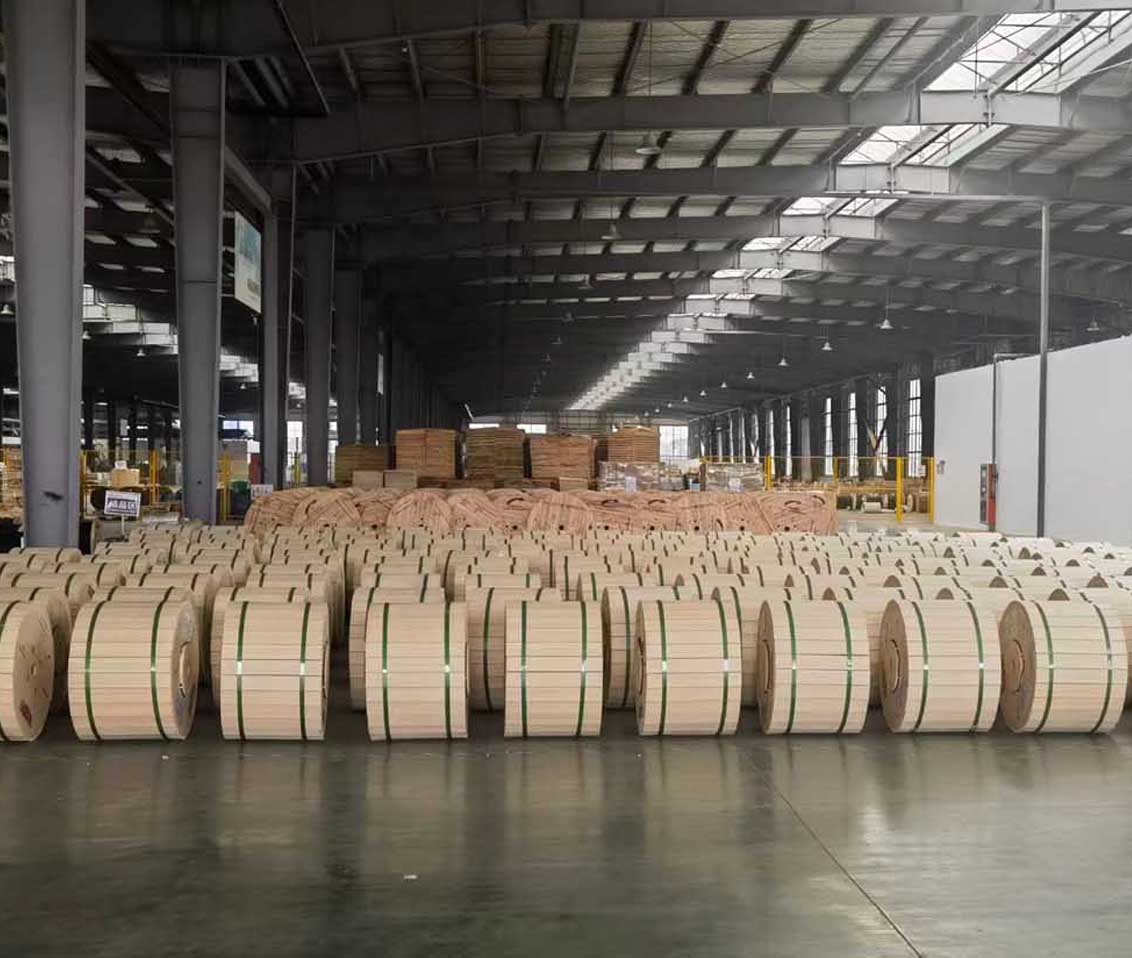
 Optical Fiber
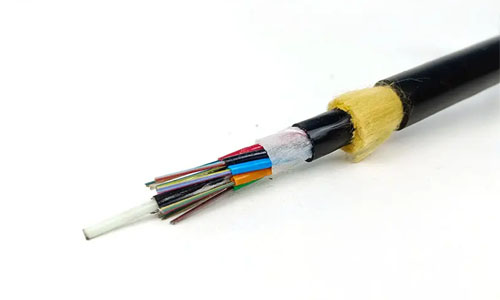 ADSS Fiber Optic Cable
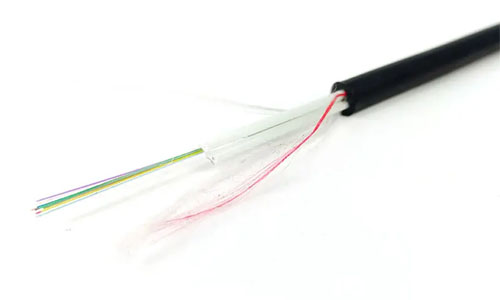 ASU Fiber Optic Cable
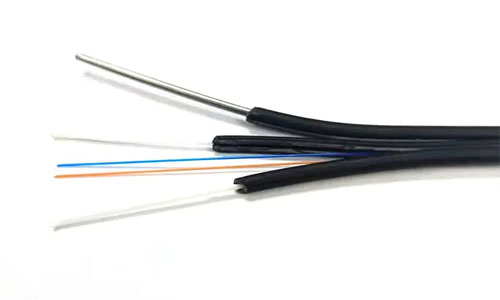 FTTH Fiber Optic Cable
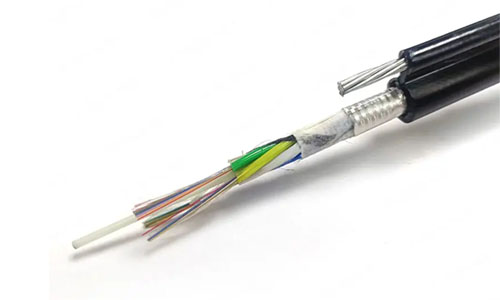 Figure 8 Fiber Optic Cable
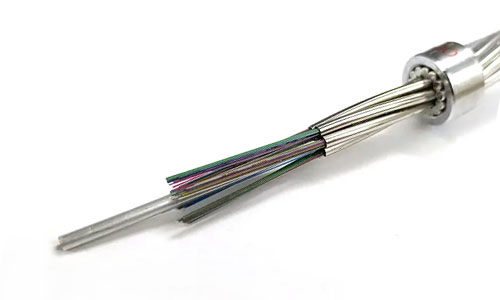 OPGW Fiber Optic Cable
 Coaxial Cable
 Ethernet Cable
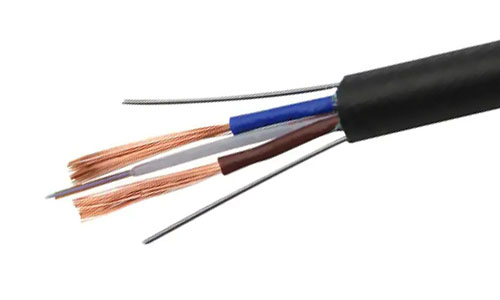 Photoelectric Composite Fiber Optic Cable
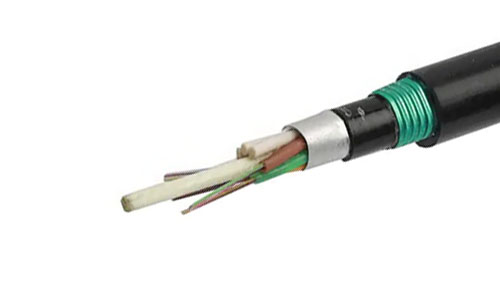 Underground & Pipeline Fiber Optic Cable
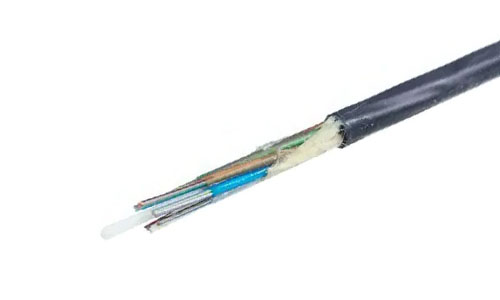 Air-Blown Micro Fiber Optic Cable
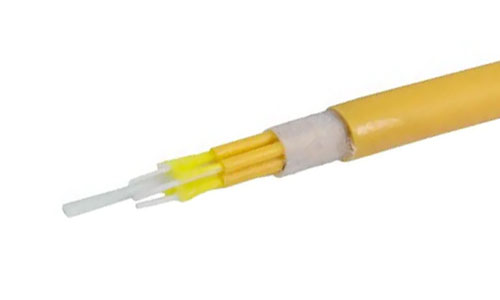 Indoor Fiber Optic Cable
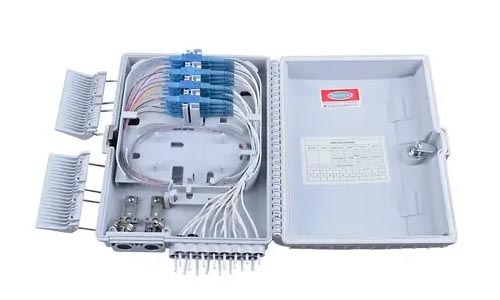 Fiber Optic Distribution Box
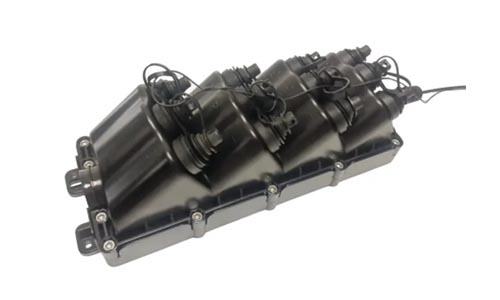 Multiport Service Termina Box
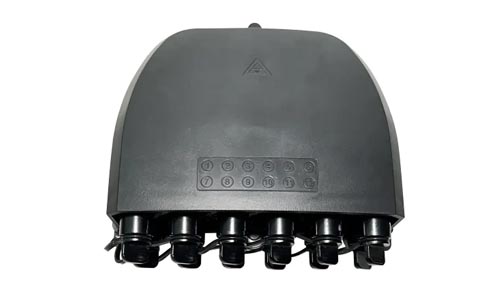 Fiber Optical Terminal Box
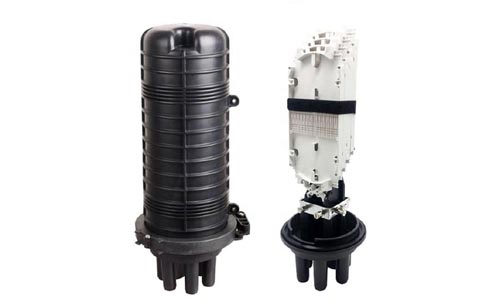 Fiber Optic Splice Closure
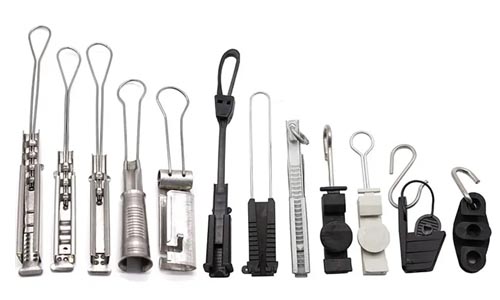 Fiber Optic Clamps
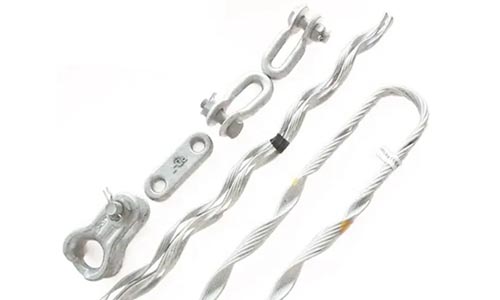 Fiber Optic Cable Fittings
 ADSS Fiber Cable
 ASU Fiber Cable
 OPGW Fiber Cable
 FTTH Fiber Cable
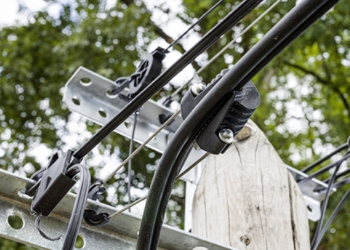 Figure 8 Fiber Cable
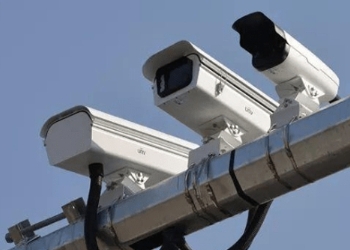 Photoelectric Composite Fiber Cable
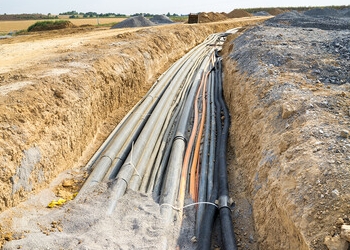 Underground & Pipeline Fiber Cable
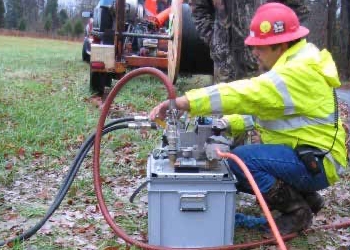 Air-Blown Micro Fiber Cable
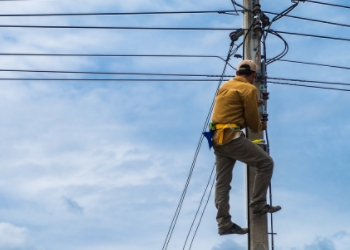 Aerial Fiber Cable
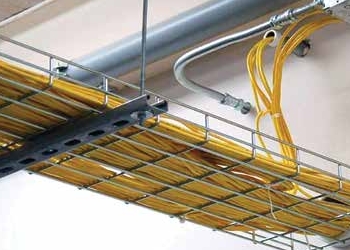 Indoor Fiber Cable
 Fiber Optical Terminal Box
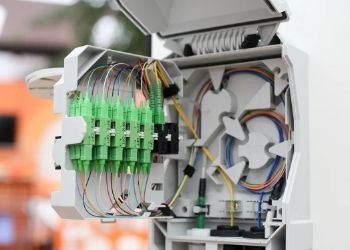 Fiber Optic Distribution Box
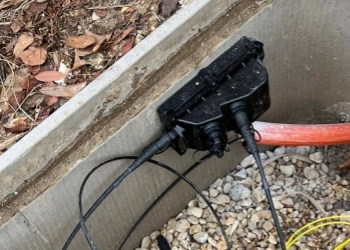 Multiport Service Termina Box
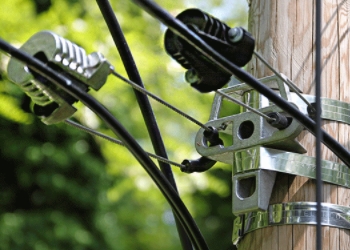 Fiber Optic Clamps
 About Us
 Our Team
 History
 R&D Strength
 Production Base
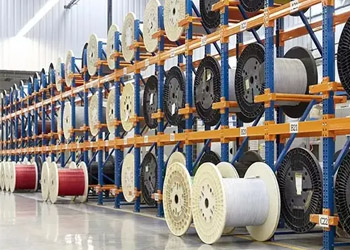 Warehouse & Logistics
 Quality
 FAQs
FAQsCat6 Ethernet Cable | High-Speed Network Performance
Cat6 Ethernet Cable is a standardized network cable capable of supporting higher speeds and frequencies, commonly used in homes and offices. Celebrated for its ability to support speeds up to 10 Gbps over short distances, Cat6 cables provide a reliable conduit for streaming, gaming, and large file transfers. It features tighter twists and superior shielding than its predecessors, which reduces crosstalk and signal loss. Many folks opt for Cat6 cables for new network deployments as they are compatible with the majority of routers, switches, and RJ45-enabled devices. For anyone installing a new network or even just updating an old one, understanding the advantages and applications of Cat6 cables aids in making intelligent decisions regarding network equipment.

Cat6 Ethernet Cable Specifications
Cat6 ethernet cables, a crucial component in networking supplies, are designed for high-speed, low-latency connections in today’s networks. They differ from previous ethernet cable types with better bandwidth, frequency, and data rate specifications. The outcome is faster, more consistent, and more dependable delivery, making them a favorite in high-performance neighborhoods.
1. Bandwidth
These cables have the capability to handle bandwidth up to 250 MHz, as opposed to Cat5e’s 100 MHz. This increased bandwidth allows Cat6 to transfer more data simultaneously, enabling seamless connections for streaming, video calls, and large file downloads. With Cat6, teams in a bustling office or families in a smart home experience less lag and fewer slowdowns, even with multiple devices operating simultaneously.
Bandwidth matters for things such as 4K video and cloud backups. It supercharges anything that’s data-intensive, like large file uploads or high-res video streaming, making them speedier and more reliable than with previous cables.
2. Frequency
Cat6 cables operate on frequencies ranging from 1 to 250 MHz. Higher frequency allows signals to propagate with less latency, which is important for real-time applications such as video conferencing and online gaming. These higher frequencies reduce noise from other electronics, called electromagnetic interference (EMI). This makes Cat6 a popular pick in locations packed with gear, such as large offices or server rooms.
High frequency implies that Cat6 is perfect for high demand applications requiring fast, reliable connections, such as remote work, smart home devices, and small business networks, to name a few.
3. Data Rate
Cat6 can transfer data at 10 Gbps, but only over short runs of 55 meters. Over longer stretches, as far as 100 meters, they continue to support 1 Gbps, which is more than enough for the vast majority of home and office applications. While Cat5 or 5e max out at 1 Gbps and 100 MHz, Cat6 patch cables provide that extra capacity for online gaming or those high-resolution video meetings. Using the right ethernet cable finder to select the appropriate cable is crucial, particularly if you require those peak speeds for professional or entertainment purposes.
4. Conductor Twists
Within each Cat6 cable, wire pairs are twisted to create a reliable twisted pair cable system. More twists per meter reduce crosstalk, which is when the signals bleed into each other and cause errors. The tighter the twists, the better the signal remains clean and strong, ensuring that your network cabling connection stays stable, even in crowded networks. Twisted pair cables such as Cat6 perform exceptionally well in the home or office, minimizing interference.
5. Shielding Options
Cat6, particularly the shielded variants like U/FTP or F/UTP, comes in different shielding types that enhance performance. Shielding effectively blocks external noise from power cables or wireless devices, ensuring that your signal remains strong. In high-EMI environments, such as factory floors or around massive machinery, using shielded Cat6 cables can justify their premium price. Choose the appropriate shielding for your environment to ensure your network cabling remains speedy and crisp.
Why Choose Cat6?
Cat6 ethernet cables are a great choice for anyone that needs a reliable, quick, and future-proof network. They’re designed for users who require a bit more than barebones internet, like video conferencing, Netflix binging, cloud computing, or multiple smart devices running simultaneously. Whether for home or business, choosing Cat6 patch cables is an upgrade that can transform your network.
Versus Cat5e
| Feature | Cat5e | Cat6 |
|---|---|---|
| Max Speed | 1 Gbps | 10 Gbps (up to 55 m) |
| Bandwidth | 100 MHz | 250 MHz |
| Crosstalk | Higher | Reduced |
| Max Length (1 Gbps) | 100 m | 100 m |
| Backward Compatible | Yes | Yes |
Cat6 cables, particularly the Cat6a variants, have twice the frequency of Cat5e, running up to 250 MHz. This capability allows them to manage high-frequency data more efficiently, resulting in less lag and more stable downloads or streams, even with multiple devices online. In bustling environments, such as a co-working space or a home brimming with smart devices, this is the difference you feel daily.
Moving from Cat5e to Cat6, especially when considering Cat6 patch cables, adds a little to the cable cost but delivers a beefier connection with significantly higher data speeds, as high as 10 Gbps for 55 meters. That’s a real plus for anyone who’s switched to cloud services or streams in 4K, where bandwidth is king.
If you operate a small enterprise or simply have a lot of devices in the household, Cat6 translates to less lag, even at rush hour. At gaming rigs, creative studios or remote workspaces, Cat6 keeps the wheels spinning smoothly, where Cat5e could stumble.
Versus Cat7/8
| Category | Max Speed | Frequency | Typical Use Case | Cost |
|---|---|---|---|---|
| Cat6 | 10 Gbps* | 250 MHz | Home/Small Business | Low-Medium |
| Cat7 | 10 Gbps | 600 MHz | Data Centers/Server Rooms | High |
| Cat8 | 25-40 Gbps | 2000 MHz | Enterprise/Server Rooms | Very High |
*up to 55 meters
For the vast majority of homes and small businesses, Cat6 provides ample speed without the high cost of Cat7 or Cat8. Higher categories provide more, but it’s just not necessary for most applications unless you’re installing cabling at a large data center.
Cat7 and Cat8 cables are thicker, less flexible, and nearly always excessive for residential applications. Their high-end shielding can even complicate installation. Cat6 is easier to run through tight spaces and works well with regular hardware.
Cat6 supports 10 Gbps over shorter runs, which accounts for most home and office layouts. It’s a cable that services your current needs without bottlenecking you in a couple of years. For the vast majority, that combination of cost, performance, and convenience makes Cat6 the sensible choice.
Real-World Performance Factors
A lot of factors affect the real-world performance of a Cat6a Ethernet cable. How the twisted pair cable is deployed, what’s adjacent to it, and the type of work it’s tasked to do all make a difference. These considerations matter whether it’s for a home office, a big company, or a hard outdoor site.
Signal Integrity
Strong signal is the foundation of every network. If the signal gets weak, data throttles or drops. Cable quality molds this narrative. A Cat6 cable with tight, even twists, about one twist per centimeter, keeps the signal nice and crisp, even at longer runs. If the cable is close to heavy electric sources, such as a 480V circuit or motors, anticipate problems. Electromagnetic interference (EMI) and radio-frequency interference (RFI) from sources like fluorescent lights or 240V wiring within 20cm can smear the signal.
Shielding and twisted pairs in Cat6 combat interference. Cable routing can make or break things. Bad bends, kinks, or laying cables alongside power wires can cause signal loss. A simple tip is to keep network cables at least 20 centimeters away from power lines and avoid stacking them with other cables. Use good connectors and minimize Ethernet couplers. Each coupler adds two more connection points, which are potential places for signal drop.
Environmental Impact
Heat, cold, and dampness all have their say in cable life. Typical Cat6 cables are tested up to 100 meters at 68°F (20°C). If it gets any warmer, speed and reach fall off. In wet areas, indoor cables can degrade and cause weak signals or even hazards.
If you’re dealing with sun, rain or tough weather, outdoor-rated Cat6 is the way to go. It stands up to heat, cold and wet. Good cable management still counts. No torquing, crushing or stretching cables. Employ clips or trays to organize them. Whenever you can, choose cables with green materials or recycling programs. It’s a tiny gesture that can accumulate.
Application Suitability
Cat6 cables excel in various tasks, including gaming, streaming, and large office environments. These network cabling solutions are deployed in schools, hospitals, and factories, where rapid reliable information is crucial. Cat6 deals with high-bandwidth tasks without delay, making it well-suited for applications like video conferences and large file sharing. At home and work, it optimizes the tradeoff between price and performance, effectively handling both casual and power-hungry networks with ease.
Proper Installation Guide
Installing Cat6a ethernet cable requires a bit of foresight and attention. Proper installation can help you achieve a fast, reliable network using twisted pair cable systems that last.
-
Be sure to probe for studs and fire blocks before drilling. Employ flex bits to prevent puncturing walls or secret pipes.
-
Leave cables to low-voltage brackets at a reasonable height. Sixteen to eighteen inches above the floor is great for desks or workstations.
-
If wall cavities are difficult, use a weighted pull or chain to assist in finding the opening.
-
Protect cables from sharp edges at entry points with grommets or bushings. You don’t want a nick here, which could cause signal loss.
-
Pull cable carefully. Don’t pull harder than 25 lbf, or you’ll stretch and injure the wires.
-
Flat, untwisted cables. Cut wire ends flush and employ wire boots to assist in avoiding snags or splits.
-
No 90-degree bends or crushed jackets. Keep gentle curves to stay in the signal zone.
-
Terminate cables to keystone jacks at the wall and patch panels at the rack for a clean and permanent installation.
-
Label cables as you go for easy troubleshooting later.
-
Test each cable for continuity and speed before you call the job complete.
Cable Length
Cat6 cables should never be run for over 100 meters. Any longer and it starts to drag data, introduce dropouts, and reduce the signal quality particularly at high speeds. Always measure your cable runs before you start. Plan the best route to keep cables under the maximum length.
For extended runs, use top-grade connectors and skip the bargain brands. Bad connectors can worsen the situation, particularly as cable length increases.
Termination Quality
Quality cable termination is essential for any network cabling system. If you skimp on using an RJ45 connector or certified keystone jacks, you’ll probably experience dropped connections, sluggish speeds, or even total disasters. Always keep the wires flat and trim them off evenly to avoid confusion. Patch panels tend to have fewer loose connections as time goes on, especially in bustling installations with cat6a cables.
Bend Radius
Bend radius refers to how hard you can curve a cable, such as a Cat6a cable, before it gets damaged. To ensure optimal performance and adhere to cable standards, maintain a bend radius of approximately four times the cable’s diameter. Avoid creating sharp 90-degree bends or cramming cables into tight spots, as this can compromise signal integrity.
Interference Avoidance
Interference can sneak in from adjacent power lines, fluorescent lights, or big motors. To ensure optimal performance, keep Cat6a cables away from electrical noise sources. Opt for shielded twisted pair cable or conduit for added protection in rough areas. Running network cables apart or at least crossing them at right angles minimizes interference, enhancing the reliability of your cabling systems.
Verifying Your Connection
Skipping testing Cat6 cables is a step you don’t want to take. That’s the only way to ensure the network is configured correctly and that all of the devices communicate with each other seamlessly. A good test leads to reduced downtime and fewer headaches down the road, particularly in crowded environments such as an office or data center.
-
Plug each end of the Cat6 cable into the tester.
-
Conduct a continuity test. This tests whether each wire inside is connected end-to-end with no breaks.
-
Be on the lookout for unambiguous pass or fail indicators. Most testers employ lights or a screen to display results.
-
Wire map errors such as crossed wires or split pairs can lead to slow speeds or dropped connections.
-
If available, use the tester’s advanced features to measure signal strength and noise, especially for your longer runs.
-
Following each repair, re-test the cord before declaring the work completed.
Post-installation testing is essential. This step ensures that cables are Cat6-spec and capable of high speeds of up to 1 Gbps over 100 meters. Skipping this can cause devices not to connect or the entire network to crawl. In other words, don’t assume a new cable is the answer; try it.
A basic cable tester checks continuity and wiring errors. Certain units include options for tracking cables inside bundles or calculating advanced statistics like attenuation and crosstalk. For the majority of users, a simple continuity test is sufficient. In bigger builds, sophisticated testers are worth the investment.
In result reading, a green light or “pass” message indicates every wire is connected correctly and the cable is suitable for use. Any error or red light indicates that there is a break, miswire, or some other issue. Write down outcomes, particularly on large projects, so that you can trace which cords require mending.
Certification Standards
Certification is a stamp of quality. For Cat6, it indicates the cable is constructed to worldwide standards for speed, interference, and build quality. It has standards from organizations such as ISO/IEC and TIA. These bodies define the standards that determine what qualifies as Cat6 and verify cables at lab-based inspections.
It’s reassuring to know a certified cable is behind your connection. You know it’s designed for the speeds it offers and warranties are sometimes contingent on using certified cables. Without it, you’re risking bad performance or voided warranties. It’s just as much safer to choose certified cables, regardless of whether you’re wiring a small home or a large office.
Common Test Failures
Test fails often come from simple mistakes: wires not crimped right, plugs not pushed in all the way, or bent cables. Bad installation manifests as failed continuity or crossed pairs, which are errors that slow or break the network.
If a cable dies, examine both ends for loose wires or poor connections. Repair any problems, such as trimming frayed wires or re-crimping connectors. After each repair, try the test again. Sometimes even a small kink or sharp bend in the cable can cause trouble, so watch for anything abnormal.
Retesting is no shortcut. Each cure requires a new experiment if only to prove the trouble is truly over. It saves time down the line and assists in keeping the network humming.
The Future of Cat6
Networking is evolving quickly, yet Cat6 ethernet cables remain a top choice due to their gigabit support and higher power delivery. This ensures their staying power despite the encroachment of Category 8 and fiber optic standards. Cat6 isn’t hanging around due to legacy; rather, it’s because these cables provide a fantastic combination of speed, reliability, and price that meets the requirements of most enterprises and households right now, making them a key component in network cabling.
Network Longevity
It matters if you want a network for a lifetime. These cables, made from good materials, can endure for years without speed loss or degradation. If you install a Cat6 cable properly, it remains in excellent condition, experiences fewer errors, and requires less maintenance.
The way you install and maintain your cables makes a huge difference. If you dodge sharp bends, keep cables away from interference and test connections occasionally, your network will hum smoother for longer. Quality matters too; throwing in shielded or plenum-rated Cat6 here and there keeps things future-proof. That translates to fewer upgrades down the road, which saves you time and money.
It’s wise to test cables once in a while. Check for indications such as cracks, discoloration, or loose ends. A quick test with a cable tester can catch problems before they become a headache. Replacing frayed cables early keeps your network stable and speedy.
Evolving Technology
Cat6 cables aren’t just sitting still. New materials, such as enhanced copper and superior shielding, help these cables keep in step with the evolving tech. As PoE pushes to 100W per port, Cat6 is engineered to support more and fuels cameras, lights, and access points with a single cord.
New tech such as 400G and 800G ethernet, along with the gradual transition to 6G, leads to increased speed demands. Fiber may be winning for data centers, but Cat6 and its upgraded cousin Cat6a continue to serve plenty of offices, homes, and mid-sized environments that don’t require bleeding-edge speeds. Staying on top of cable news, manufacturer specs, and industry standards can help users choose the right cable for the job and ensure their network can evolve as demands shift.
Conclusion
Cat6 cables excel at consistent speed and reliable connections. A lot of people have them at home, at school, and at the office. Actual tests confirm Cat6 handles high data loads with less lag. In a busy office, Cat6 ethernet cable keeps video calls and downloads smooth. Meticulous installation prevents signal loss and maintains fast speeds. Checking cables helps find loose plugs or worn spots early. Cat6 upgrades now assist gear in working with future tech. Quality cables make games play faster and work smoother. Test Cat6 in your setup and feel the difference. Post your own tips or cable triumphs and join the conversation with other net-seekers.
Frequently Asked Questions
What is a Cat6 Ethernet cable?
Cat6 Ethernet cable, a product in the twisted pair cable category, is known for its high-speed data transfer, making it essential for many home and office networks.
How is Cat6 different from Cat5e?
Cat6 cables, designed to meet higher standards than Cat5e, have more stringent specifications for crosstalk and system noise, making them ideal for supporting faster speed rates and higher bandwidth in today’s network cabling.
Can I use Cat6 cable with older devices?
Yes, Cat6 cables, including Cat6a variants, are backwards compatible with older Cat5 or Cat5e devices, ensuring they operate at the fastest speed supported by your device and network equipment.
What is the maximum length for a Cat6 cable?
The maximum recommended length for a cat6a cable is 100 meters, but for 10 Gbps performance, keep the cable under 55 meters to maintain stability.
Does Cat6 require special installation?
Cat6 cables, especially the cat6a variants, need to be installed with care, ensuring no sharp bends or cable ties, as correct installation maximizes the cable's performance and speed potential.
How do I know if my Cat6 cable is working correctly?
Try a network cable tester on your cat6a cable to check your network speed and connectivity, ensuring fast and stable performance with quality products.
Is Cat6 future-proof for upcoming technology?
Cat6 supports speeds up to 10 Gbps, making it a reliable choice for most current and near-future needs, while Cat6A or Cat7 cables are designed for greater performance requirements.