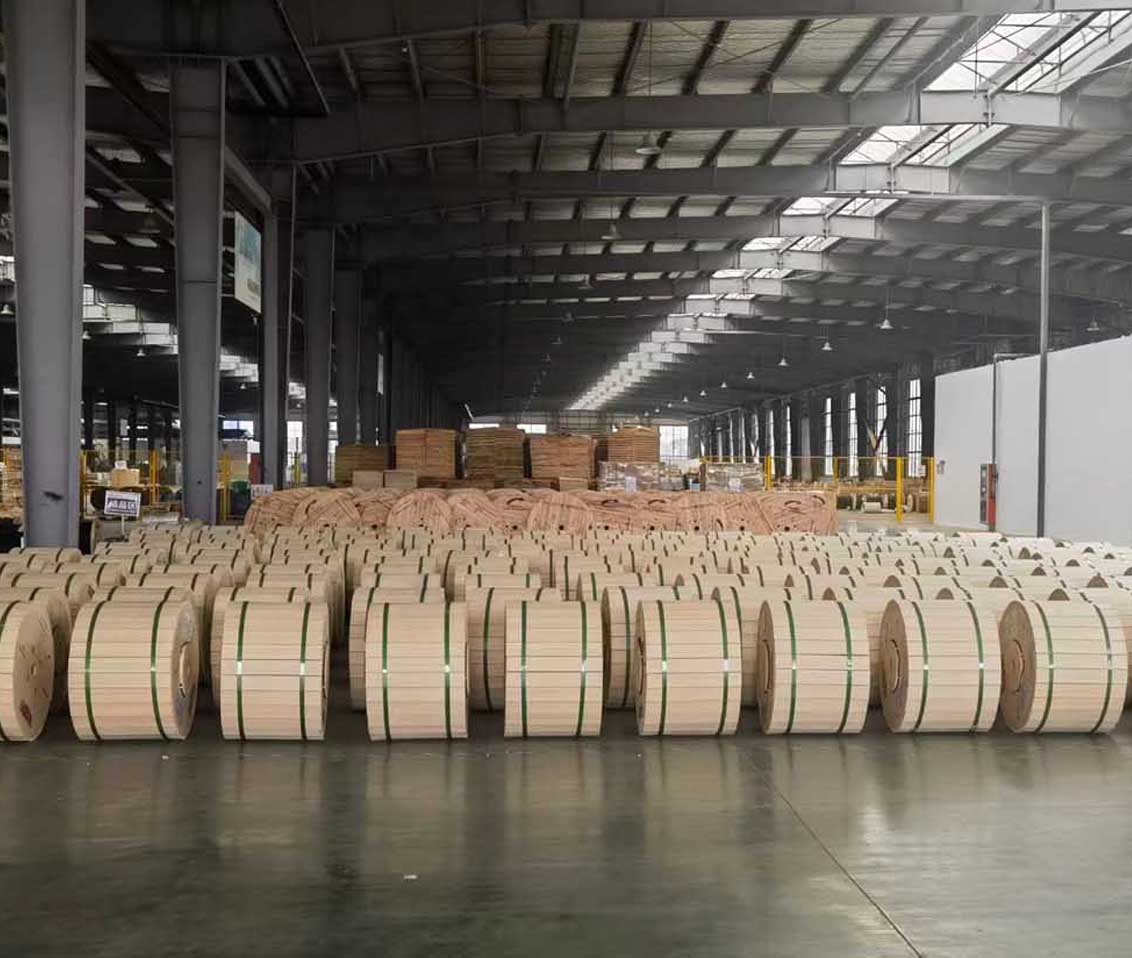
 Optical Fiber
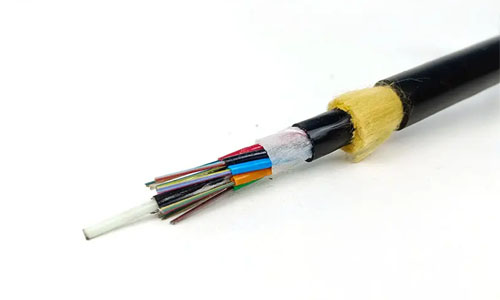 ADSS Fiber Optic Cable
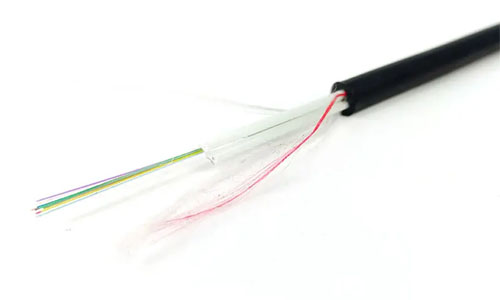 ASU Fiber Optic Cable
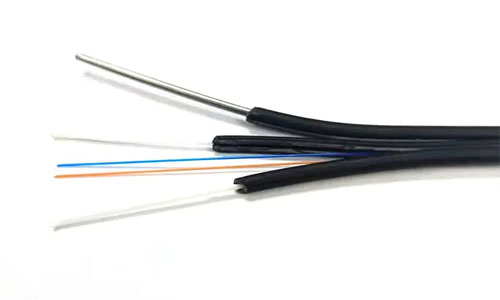 FTTH Fiber Optic Cable
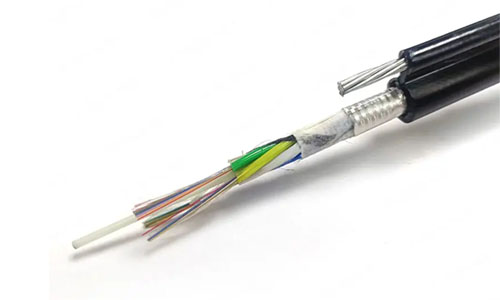 Figure 8 Fiber Optic Cable
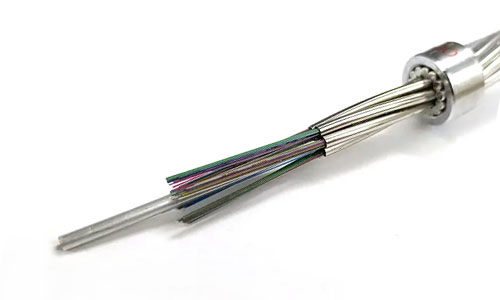 OPGW Fiber Optic Cable
 Coaxial Cable
 Ethernet Cable
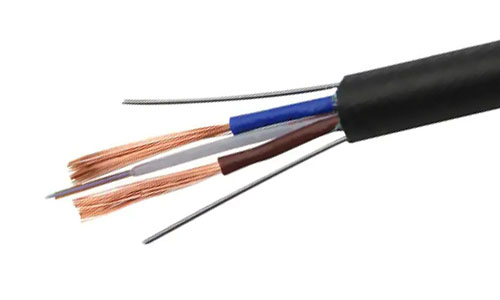 Photoelectric Composite Fiber Optic Cable
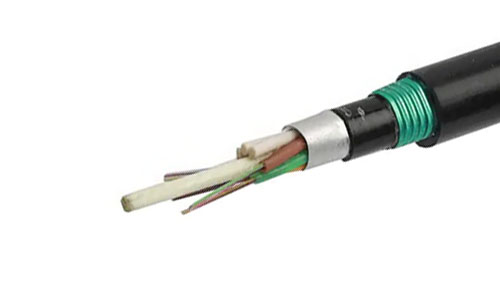 Underground & Pipeline Fiber Optic Cable
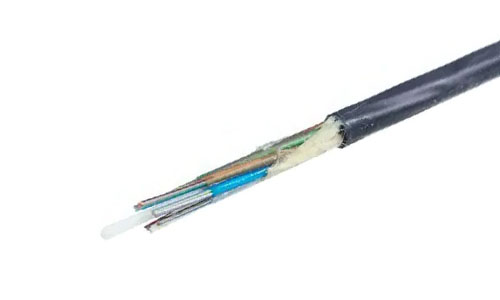 Air-Blown Micro Fiber Optic Cable
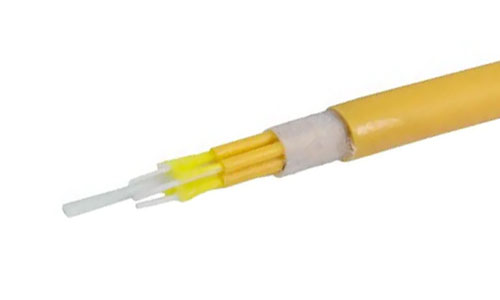 Indoor Fiber Optic Cable
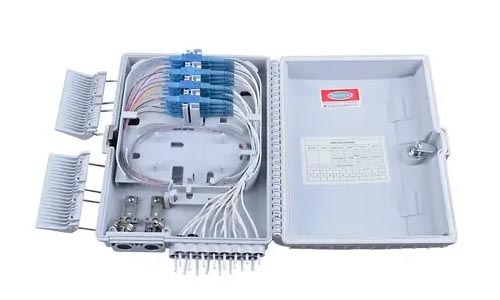 Fiber Optic Distribution Box
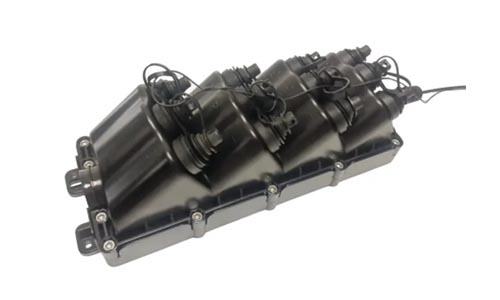 Multiport Service Termina Box
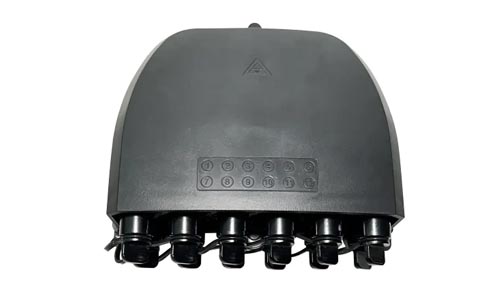 Fiber Optical Terminal Box
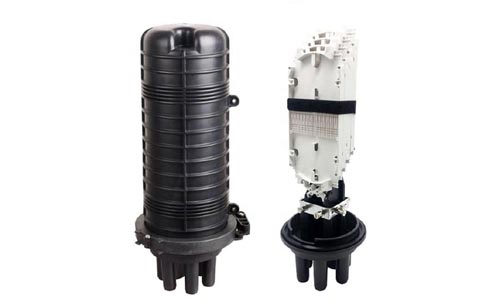 Fiber Optic Splice Closure
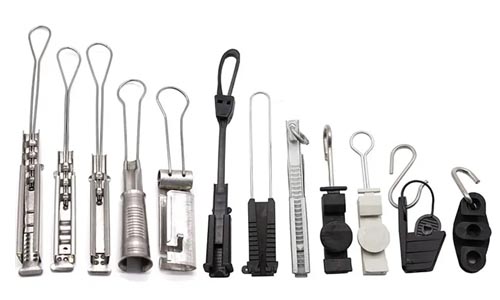 Fiber Optic Clamps
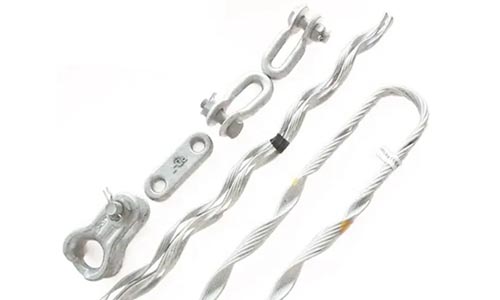 Fiber Optic Cable Fittings
 ADSS Fiber Cable
 ASU Fiber Cable
 OPGW Fiber Cable
 FTTH Fiber Cable
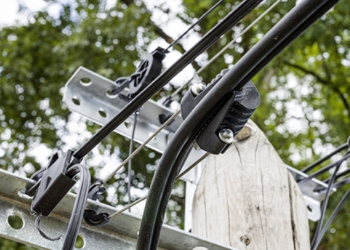 Figure 8 Fiber Cable
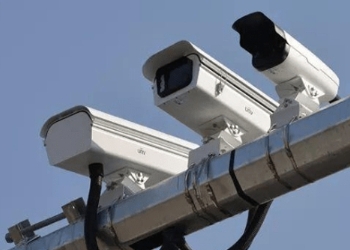 Photoelectric Composite Fiber Cable
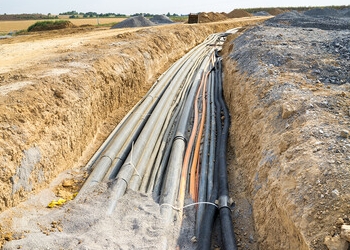 Underground & Pipeline Fiber Cable
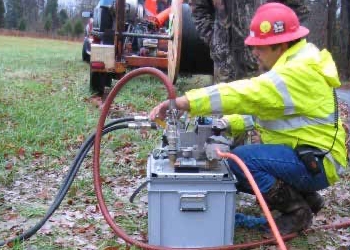 Air-Blown Micro Fiber Cable
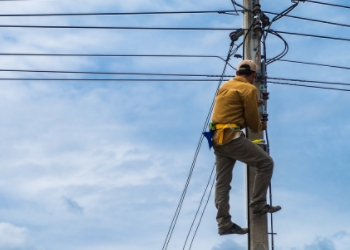 Aerial Fiber Cable
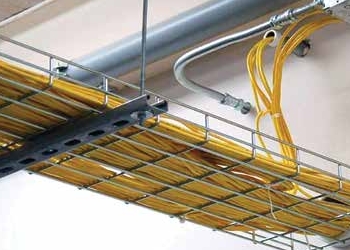 Indoor Fiber Cable
 Fiber Optical Terminal Box
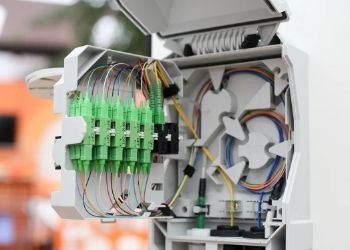 Fiber Optic Distribution Box
 Multiport Service Termina Box
 Fiber Optic Clamps
 About Us
 Our Team
 History
 R&D Strength
 Production Base
 Warehouse & Logistics
 Quality
 FAQs
FAQsCat5e vs Cat6: Which One Should You Choose?
inquiry nowCat5e vs Cat6: Which One Should You Choose?
-
Cat5e and Cat6 cables are both commonly used in networking, but they differ in performance, with Cat6 offering higher bandwidth and better crosstalk reduction.
-
Cat5e is ideal for smaller networks like homes and small businesses, while Cat6 is more suited for environments requiring high-speed data transfer, such as offices and data centers.
-
While either cable can deliver Gigabit Ethernet, Cat6 offers superior speeds and performance over longer distances.
-
The shielding capabilities for both cable types vary. Use shielded cables in places that are likely to get interference, and find unshielded cables in typical environments.
-
Regardless of which option you choose, proper installation and maintenance are key to getting the most out of your cables performance and longevity.
-
When determining network infrastructure for years to come, Cat6 is a better long-term investment. It’s a great fit for those sophisticated systems that need to move more data or use smarter technologies.
The primary difference between Cat5e and Cat6 cables come down to speed and performance. This difference in capabilities means each cable is best for different networking requirements.
Cat5e supports speeds up to 1 Gbps and is ideal for everyday home or office use.
On the other hand, Cat6 offers speeds up to 10 Gbps over short distances, catering to demanding setups.
Both choices deliver a robust and dependable connection, but knowing what you need will make it clear which choice is the perfect addition to your network.
Cat5e vs Cat6: An Overview
Cat5e and Cat6 cables are the two most popular Ethernet cables in the networking industry, engineered to serve distinct purposes. Though both are designed to facilitate consistent data transfer, their designs, capabilities, and uses differ. Here’s what to know about Cat5e vs. Cat6 cabling to make the right choice for your network configuration.
What are Cat5e and Cat6 Cables?
Cat5e (Category 5 Enhanced) and Cat6 (Category 6) cables share a similar purpose but differ in physical structure and performance. Cat5e cables often use 24 AWG conductors and do not have a central “spline,” a plastic separation—which is now standard—used in most Cat6 cables.
This rigid spline in Cat6 increases strength and assists in minimizing crosstalk, making for a cleaner signal. Both cables use twisted pair technology, where individual wire pairs are twisted to minimize electromagnetic interference from nearby cables or devices. This is important for ensuring signal integrity in dense networking applications.
Conversely, Cat5e supports frequencies up to only 100MHz. In comparison, Cat6 has a 250 MHz capacity, allowing it to support higher speeds and more intensive applications. These performance levels are governed by ANSI/TIA standards to make sure that both cable types perform equally and consistently.
Intended Use of Each Cable Type
Cost Cat5e is a budget-friendly choice that makes it popular in residential applications, home-based companies or settings needing speeds only up to a certain threshold. For instance, just running a line to connect wired computers, printers, or routers together in a home environment is an easy target.
In fact, it can do 2.5GBASE-T Ethernet at lengths of 328 feet. For these reasons, Cat6 is the clear choice in environments where data transfer speed is critical. That makes it an ideal choice for office environments where sharing large files and streaming multimedia are business-critical functions.
It supports 10 Gigabit Ethernet, but only for distances up to 165 feet in ideal conditions. This makes it ideal for more complex setups as server rooms or high-performance workstations. Devices that can take advantage of Cat6’s capabilities include modern gaming consoles, high-definition video conferencing equipment, and network-attached storage solutions.
Its thicker construction and better heat dissipation makes it a better choice for Power over Ethernet (PoE) applications.
Key Commonalities Between the Cables
| Feature | Cat5e | Cat6 |
|---|---|---|
| Standards Compliance | ANSI/TIA Category | ANSI/TIA Category |
| PoE Support | Yes | Yes |
| Max Distance for LAN | 328 feet (100 meters) | 328 feet (100 meters) |
Either cable is terminated with T568A or T568B wiring schematics, ultimately making either one compatible with the vast majority of existing LAN infrastructures. These dynamic devices serve as the connectors between modems, switches, and access points. That versatility makes them an asset across many environments.
Core Technical Differences Explained
Between Cat5e and Cat6 cables, the differences are found in their physical makeup, transmitting capabilities, and ability to manage today’s networking requirements. Understanding these differences is key to making smart choice, whether upgrading an existing network or deploying one anew.
1. Bandwidth Capabilities Compared
-
Cat5e: Supports up to 1 Gbps speeds with a bandwidth of 100 MHz.
-
Cat6: Certified for gigabit speeds, often reaching 10 Gbps at shorter distances, with a bandwidth of 250 MHz.
That’s right, using Cat6 cables gives you a 10% bandwidth increase. This makes them particularly suited for bandwidth-hungry applications like HD video streaming, gaming, and high-demand data enterprise applications.
Over shorter distances, Cat6 is capable of 10 Gbps speeds (up to 165 feet) and 1 Gbps speeds up to 600 feet. Compared to this, Cat5e is completely consistent at 1 Gbps all the way down to the maximum length.
Cat6 provides greater bandwidth, allowing for faster speeds and an overall better experience. This improvement minimizes latencies in spaces that require greater data speeds, such as workplaces and server farms.
2. Understanding Signal Attenuation
Signal attenuation is the effect of weakening of signal strength over distance. Cat6 cabling, with its thicker 23 AWG copper conductors, suffers less attenuation than Cat5e’s 24 AWG conductors.
Both can perform well up to 328 feet, but Cat6’s construction means it will be the best choice for avoiding a signal drop-off. To avoid attenuation in any configuration, always use your cables within the appropriate length guidelines.
In addition, do not make acute angles and shield the corners against mechanical abrasion.
3. Crosstalk: What It Is and Why It Matters
Crosstalk happens when signals from one cable pair cross over to another, greatly degrading data quality. Internal separators reduce internal crosstalk (NEXT) as well as external crosstalk, known as alien crosstalk (ANEXT).
These cables also need to meet stricter performance standards, maintaining a high-performance, high-reliability connection. These features lead to more distinct signals and greater reproducibility, even in complex, congested, high-traffic network environments.
4. Shielded vs. Unshielded Options
Shielded cables (F/UTP) provide extra protection in environments with high EMI, like in industrial environments. Wired communication Both Cat5e and Cat6 come in unshielded (U/UTP) forms, which work just fine for low-interference settings.
In extreme environments, Cat6 shielded cables offer much higher levels of performance.
5. Cable Length and Performance
Both cords provide ultimate speed and performance up to 328 feet. While Cat5e would only support up to 2.5GBASE-T at that distance, Cat6 can fully support 5GBASE-T Ethernet.
Go with Cat6 if your network values speed and getting future-proofed today. It’s the best option specifically for Power over Ethernet (PoE) installations where heat management is crucially required.
Performance in Real-World Scenarios
When deciding between Cat5e and Cat6 cables, knowing how they’ll perform in actual, everyday situations is important. Each one has definite advantages. Select the model that meets your demands, whether they be at home, in an office, or as a professional working in a race against time.
Home Network Performance
In residential networks, performance depends largely on which devices you connect and the data requirements they introduce. Cat5e cables support Gigabit Ethernet, which is sufficient for streaming, file sharing, and gaming in most households. For copying large files, you can expect sustained speeds to be around 112–113 MB/sec.
This is because of all the network protocol overhead, despite the 125 MB/sec theoretical speed limit. Upgrading to Cat6 won’t improve this unless your runs are longer or you plan to upgrade to 10 Gbps in the future.
There are other advantages to using Cat6 which are especially important for Power over Ethernet (PoE) deployments. Cooling quickly, the thicker copper conductors are able to dump heat rapidly. This ability makes it ideal for remotely powering devices like security cameras and smart home hubs.
If you’re not doing anything serious, Cat5e is just fine. For more durability and future-proofing, go with Cat6 for a smarter solution.
Office Network Needs
Sometimes mission critical and enterprise office environments require higher levels of bandwidth and reliability. This is an area where Cat6 cables truly shine, thanks to the cables’ additional shielding and heavier gauge wire, which prevent crosstalk and interference.
These features come especially handy in an open plan office with many devices in active use. For instance, things like educational video conferencing, cloud-based applications, and file sharing across collaborative teams are more manageable with Cat6’s performance.
Future-proofing is often a touchstone when discussing physical offices, and it plays a crucial role in hybrid work. For now, Cat5e provides the most economical way to meet today’s Gigabit speeds.
Although Cat6 has the capacity for 10 Gbps over shorter distances, which allows for a more prudent long-term investment. Applications such as VoIP systems or transferring of large files are greatly served by performance made possible by Cat6’s superior design.
Data Centers and High-Demand Environments
Cabling is crucial to performance in data centers, where efficiency and reliability are imperative. While Cat5e will get the job done for fairly basic configurations, it simply doesn’t have the nerve to support heavy data loads long term.
Cat6 has a central spline and thicker insulation. It addresses the needs of today’s data centers, high speed operations, and Power over Ethernet (PoE) applications.
Installation and Maintenance Considerations
Here are some pointers about installing Cat5e and Cat6 cables. This understanding is integral to maximizing both performance and longevity. Each type has its own peculiar requirements. By addressing these critical factors, you’ll be better positioned to build and maintain a more productive, robust, and trustworthy network.
Best Practices for Cable Termination
In any high-speed system, proper termination is vital for minimizing reflections, preserving signal integrity, and maintaining network reliability. Below are best practices to follow:
-
Select quality installers. Utilize connectors rated as Cat5e or Cat6 to match the cable grade.
-
When stripping the cable jacket, be careful not to cut the internal wires.
-
Keep the cable twist as near to the termination point as you can to prevent cross-talk and interference.
-
If you’ll be installing keystone jacks, use a punch-down tool to make sure all of the wires are making a good connection.
-
Label terminations for easier troubleshooting later.
For reliable terminations, specialty tools will be needed including wire cutters, crimping tools and possibly cable testers. One frequent installation error is untwisting the pairs beyond the required allowable distance, which can cause crosstalk or signal degradation.
Don’t bend the cable too tightly or sharply, as this can break the internal wires and cause performance issues.
Testing and Certification Differences
Third-party testing and certification ensure that your installation achieves the reported performance levels. Cat5e cables are only required to be tested to 100 MHz, while Cat6 cables are rigorously tested up to 250 MHz. With higher frequencies, Cat6 can get better efficiency in performance for such applications as PoE, or Power over Ethernet.
Certification gives confidence that your cables are operating as expected, designed to their intended standards, which directly impacts reliability. Cable certifiers and other testing devices that confirm the right scanning capabilities can easily identify faults such as incorrect terminations or signal disruption.
Addressing Installation Challenges
Common challenges might be dealing with thicker Cat6 cables or making sure the overall run length doesn’t exceed 100 feet per cable. Plan your layout in advance to minimize sharp angles and use wire ties or Velcro ties to keep wires secured and organized.
For environments with low levels of environmental EMI, shielding is not usually necessary. Advance planning, like plotting out fiber routes and preparing for future demands, goes a long way towards avoiding installation headaches.
Long-Term Maintenance Tips
-
Inspect cables regularly for wear or damage.
-
Test connections periodically to ensure optimal performance.
-
Replace damaged cables promptly to prevent network disruptions.
-
Avoid over-tightening ties to prevent crushing the cables.
-
Avoid placing cables next to heat sources to avoid accelerated wear.
Cost-Benefit Analysis
When deciding between Cat5e and Cat6 cables, look at the initial costs. Plus, consider the overall value each choice provides over time. Upfront cost might be a factor in your choice, but performance and longevity take precedence. Future network demands are likewise very influential over which cable will provide the greatest return on investment (ROI).
Upfront Costs of Cat5e and Cat6
Cat5e cables are much cheaper typically, about $0.20 – $0.30 per foot. This makes them a more cost-effective option for smaller deployments or residential networks with less demanding requirements. Conversely, the price of Cat6 cables is in the range of $0.40-$0.60 per foot.
The increased cost reflects the advanced design that leads to their success. It uses larger diameter conductors and frequently has a plastic spline running between conductors that helps reduce crosstalk. Pricing can likewise fluctuate due to cable length, shielding and brand.
Unshielded Cat5e cables are best in shorter lengths for small-scale setups. Shielded Cat6 cables perform exceptionally well in high electrician interference areas, including industrial environments. To optimize costs, take your project’s scope into account.
For the average small home network, Cat5e’s low price point will serve you well. Whether for offices or future-ready e-networks, the decision to budget for Cat6 is most times a sound investment.
Long-Term Value and ROI
The marginal increase in the upfront cost of Cat6 is balanced by its long-term advantages. Cat6’s increased speed and frequency capabilities mean it’s better equipped to handle new technology. That leads to fewer larger upgrades in the years to come, reclaiming up to 80% of the capital needed to replace aging infrastructure.
Cat6’s robustness and advanced shielding increase network dependability, minimizing downtime and maintenance costs. For instance, enterprises that need smooth video conferencing or large file transfers will find huge advantages from Cat6’s capabilities.
Its forward-looking handling of greater bandwidths provides for smoother operations, which can equal operational savings in the long term.
When is Cat6 Worth the Investment?
Cat6, in particular, is very cost effective for expanding firms or fiber-rich homes with streaming and gaming requirements. This is where future-proofing becomes extremely important.
A company growing its tech investments, for example, can prevent costly interruptions by selecting Cat6 from the beginning.
Future-Proofing Your Network
When it comes to choosing cabling for your network, it’s not only important to consider today’s needs. It’s critical to prepare for the future. Future-proofing means setting up your infrastructure so it can accommodate new modes of technology without the need for constant updates or interruptions. Networking standards are forever moving goalposts. Making the right decision between Cat5e and Cat6 cables will ensure your network remains both powerful and future-proof.
Emerging Network Standards
Networking standards are changing more quickly than ever, fueled by constant asks for quicker data transfer and wider bandwidth. 10G Ethernet, Power over Ethernet (PoE), smart home technologies – these and other technologies are on the rise. Cat6 cables fit right in to support these advancements.
They consistently deliver 10GE speeds over distances of at least 110 feet, and in environments with minimal interference, can extend to 165 feet. All of this makes them an especially good fit for fast, reliable connections to commercial offices or future-ready smart homes.
The future of network cabling encompasses some really cool applications such as virtual reality (VR) and augmented reality (AR). These technologies, combined with IoT devices, require fast and secure data transmission.
Cat6 has more robust shielding and uses thicker copper conductors, usually 23 AWG. This aerodynamic design accommodates stringent performance requirements, improving flow and reducing noise production and heat dissipation.
Cat6 and Future Compatibility
Cat6 cabling is undoubtedly up to the challenges of tomorrow. It future-proofs your network for gigabit speeds, and is therefore perfect for those businesses or residents who want to be early adopters of new technologies. If you’re looking to use Power over Ethernet (PoE) for connected devices such as security cameras or access points, Cat6 is worth using.
Its build facilitates more effective transfer of power with exceptional heat dissipation. For enterprises looking for future-proofing, Cat6 provides an ideal combination of performance and robustness. Its higher upfront cost compared to Cat5e comes at a premium.
That investment comes back with interest, saving taxpayers the expense of constantly replacing that infrastructure as technology changes and improves. In nearly all use cases, Cat6 is the most economical and capable option when it comes to future-proofing your network.
The Continued Relevance of Cat5e
Cat5e is still very much alive in some key instances, despite its shortcomings. This provides a low-cost option that benefits networks with relatively low capacity requirements. It’s ideal for small business or residential customers that only need 1 Gigabit speeds.
Networks with shorter distance cable runs and less dense high-speed device usage can take advantage of its lower cost as well. Yet it’s important not to overlook the trade-off in future scalability.
Debunking Common Misconceptions
When it comes time to compare Cat5e vs Cat6 cables, a few misunderstandings can derail the entire discussion. Understanding the differences can save time, money and frustration, making separating fact from fiction essential to selecting the best cable for your application. Grasping the true potential of each one helps you avoid making the wrong decision.
You can trust facts not advertisements or someone’s good luck story.
Performance Myths vs. Reality
In our experience, the worst offender by far among Cat6 vs. Cat5e myths is exaggerating Cat6’s performance over Cat5e across all scenarios. Cat6 certainly provides greater performance in certain use cases; those benefits are circumstantial. Cat5e can support speeds up to 1 Gbps.
Since its maximum operating distance is over 328 feet (100 meters), this makes it the perfect solution for most typical home and small business networks. That’s why Cat6 cables perform their best in fast-paced environments. They achieve this by supporting speeds up to 10 Gbps at distances of 180 feet and reducing interference.
Marketing claims tend to overstate the advantages of Cat6, suggesting it’s truly the only smart long-term investment for a next-generation network. The vast majority of residential Cat6 installations will be wasted money. You won’t realize how essential it is until you need faster speeds and greater data capacity.
Installation poor installation practices affect over 90% of installations. These errors can totally cancel out all the performance improvements from even the fanciest cables.
Empirical Data on Speed Differences
The data proves that Cat5e performs far beyond what’s needed for typical Gigabit Ethernet links. In high-performance tasks such as video conferencing and office networks, Cat6 shows clear improvement over that of Cat5e. Take, for example, a typical residential home network operating at 1 Gbps or below—there will be little discernable difference between the two.
With residential Internet speeds now hitting 2.5 Gbps, that limits Cat5e even further. For so many reasons, it just cannot scale to support 5 Gbps speeds. In a corporate environment, Cat6’s ability to minimize crosstalk and interference makes it ideal for scenarios demanding stable, high-speed connections.
Places like data centers or coworking spaces, where connection speeds and reliability of service can make or break a business’s profitability, are prime examples.
Gigabit Ethernet Support Clarified
Cat5e and Cat6 are pretty much equal in supporting Gigabit Ethernet – in all but one scenario. Cat5e is a good choice for shorter runs in residential applications, or in small offices where noise and interference are less of a concern. Conversely, Cat6 is best for high-speed scenarios or where high levels of noise are present.
A more advanced home network that includes devices such as media servers or gaming consoles finds more advantage from Cat6’s capabilities.
Environmental Factors and Cable Performance
It’s no secret that external environmental factors have a huge impact on Cat5e and Cat6 cable performance, longevity and overall quality. Factors such as temperature changes, physical stress, and overall installation quality can directly impact how well these cables function over time. By understanding these factors, you’re better equipped to choose and maintain your cables so that you can be confident in your network’s performance and longevity.
Temperature Effects on Cable Lifespan
Temperature fluctuations can shorten the lifespan of network cables. In addition, extreme heat can soften the cable insulation, while cold temperatures make it brittle, raising the potential for damage. Cat6 cables have more advanced shielding that makes them ideal for harsher environments.
We achieve reduced vulnerability to electromagnetic interference (EMI) with this design. In industrial environments or outside installations, the temperature can swing drastically. By utilizing Cat6, you are setting yourself up for reliable performance when using the higher-speed applications, such as 10 Gbps data transfers up to 55 meters.
When working in environments that experience extreme temperature variations, choose cables specifically rated for your environment. Choose cables that have high heat resistance and cold-weather durability. Try not to run cables near heating elements such as HVAC systems or in direct sun to prevent improper wear.
Putting conduits or insulated pathways around your cables can offer even more protection from temperature-related stress.
Physical Stress and Cable Integrity
Physical stress, such as bending, stretching, or pinching cable, can easily cover cable integrity and create connectivity failures. Improper installation techniques, like over-tightening cable ties or forcing cables through tight spaces, often result in signal degradation or frequent disconnections.
Research indicates that as much as 90% of network failures are caused by cabling faults, which makes the care taken when handling cable critical. To reduce physical stress, implement physical layer ergonomic best practices such as utilizing cable management trays, avoiding 90-degree bends and more.
Environmental Factors Cat6 cables are surprisingly tough. They’re up to the challenges of today’s cabling needs, ensuring a reliable connection for both VoIP systems and video conferencing networks. Shielding additionally minimizes crosstalk, making for a rock-solid connection even in high-density deployments.
Ensuring Longevity
-
Use high-quality cables rated for your environment.
-
Regularly inspect and replace damaged cables.
-
Avoid extreme temperature exposure.
-
Implement proper cable management systems.
-
Protect cables from moisture, dust, and physical wear.
Making the Right Choice for Your Needs
Consider your use case when deciding whether to go with Cat5e vs Cat6 ethernet cables. Consider your long-term needs and how they align with the performance and cost variances of each alternative. Both cables are necessary and serve different purposes. Understanding their strengths will equip you to make the right choice for your home or commercial network.
Assess Your Current Network Requirements
First, analyze your current network configuration. Whether you’re operating a simple home setup or a complex business infrastructure, Cat5e cables can support Ethernet speeds up to 2.5 Gbps. This pace is ideal for mid-level internet application, video streaming, and home office tasks.
However, if your network experiences high device connectivity or heavy file transfers, Cat6 cables, which handle speeds up to 10 Gbps, may offer better performance. Be mindful of bandwidth consumption. Smart TVs, gaming consoles, and several computers all can add a major burden to your network.
Evaluate if your existing cabling is still able to meet demands or if your performance suffers during times of heavy use. Run a speed test on your network to check for latency or dropped connections. Supplement it with some slow downloads and get great data about how well your cable’s working.
Consider Future Bandwidth Needs
That’s why planning for future growth is just as critical. Demand for data continues to grow rapidly with technologies such as 4K streaming, cloud computing, and smart home all encompassing our everyday lives. Cat6 cables have the bandwidth and capacity to accommodate these increased demands, making them a more adaptable and future-proof option.
Thanks to better insulation and reduced crosstalk, Cat6 cables offer superior signal integrity even in environments where there’s electrical interference. They’re backward compatible with Cat5e, so the transition to smart technology is a seamless upgrade to what’s already in place.
Cat6 might feel overkill for standard use right now. While more expensive, its larger capacity better prepares you for more demanding applications such as 10GBASE-T Ethernet and high-bandwidth enterprise offices.
Factor in Budget and Installation Costs
Budget is usually the main consideration. When Ethernet speeds over 2.5 Gbps aren’t necessary, Cat5e cables are less expensive and perfectly adequate for everyday applications. Even though Cat6 cables are more expensive, investing in them provides long-term benefits.
They are especially beneficial where Power over Ethernet (PoE) is deployed, since the larger diameter copper conductors handle heat better. When you’re budgeting, make sure to look beyond just upfront costs to future energy and maintenance expenses from having to upgrade a network.
Cat6 cabling can be 40-50% more expensive than Cat5e, but greater performance and longer-term durability can make up costs in the long run.
Conclusion
Deciding between Cat5e and Cat6 really just comes down to what your needs are today and what you anticipate your needs will be in the future. Cat5e is suitable for simpler configurations, such as a home office environment or everyday web surfing. Cat6 takes it a notch higher to support those speedier rates with improved performance to accommodate higher demand activities. It’s a great choice for enterprise, competitive gamers or just those who want to future-proof and build out for tomorrow.
Consider what kind of budget you have, what devices you’re using, and how heavily you use your network. It’s not rocket science; some modest additional spending now could prevent the wasted time and money in the future. Both cables have their place, but choosing the right one gives you the better return on investment.
Choose with confidence
Whatever your connectivity needs, Cat5e vs. Cat6 Speeds achieve nothing without a solid infrastructure to support them.
Frequently Asked Questions
What is the main difference between Cat5e and Cat6 cables?
Cat6 cables have even higher bandwidth and faster speeds than Cat5e. Cat6 cables are capable of speeds up to 10 Gbps over short distances, whereas Cat5e maximum speed is 1 Gbps. Capacity for More Traffic This improved structure allows Cat6 to better support even the most high-performance networks today.
Can I use Cat6 cables with devices designed for Cat5e?
So yes, if you’re wondering, Cat6 cables are backward compatible with Cat5e devices. You’re not going to enjoy the complete performance advantages of Cat6 if all devices and hardware connected to it don’t support it.
Is Cat6 worth the extra cost over Cat5e?
For higher speeds, more advanced performance, and future-proofing your network, Cat6 is well worth the additional expense. If all you need is something for casual home use or very low-speed internet options, Cat5e might be enough.
Does Cat6 have better durability than Cat5e?
Of course, Cat6 cables are designed under tighter specifications with more shielding, making them less susceptible to interference and impacts. This maximizes reliability and longevity.
Can environmental factors affect Cat5e and Cat6 performance?
Yes, both CAT5E and CAT6 cables can be impacted by extreme temperature, high humidity, and electromagnetic interference. Cat6, due to its superior shielding capabilities, performs much more consistently in more demanding environments.
Is Cat6 better for gaming and streaming?
Yes, Cat6 is perfect for gaming and streaming. Its lower latency and faster speeds make it ideal for seamless execution for all your bandwidth-heavy tasks.
Should I choose Cat5e or Cat6 for future-proofing?
Pick Cat6 to better future-proof your network. Its faster transmission speed capabilities and alignment with future-proof technologies means it’s a better long-term investment.