 Optical Fiber
 ADSS Fiber Optic Cable
 ASU Fiber Optic Cable
 FTTH Fiber Optic Cable
 Figure 8 Fiber Optic Cable
 OPGW Fiber Optic Cable
 Coaxial Cable
 Ethernet Cable
 Photoelectric Composite Fiber Optic Cable
 Underground & Pipeline Fiber Optic Cable
 Air-Blown Micro Fiber Optic Cable
 Indoor Fiber Optic Cable
 Fiber Optic Distribution Box
 Multiport Service Termina Box
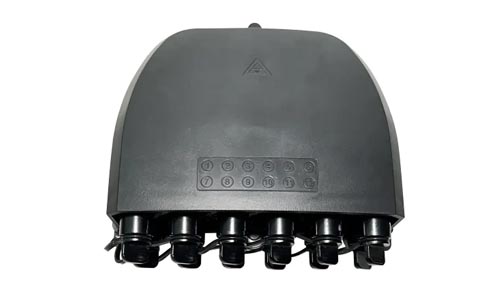 Fiber Optical Terminal Box
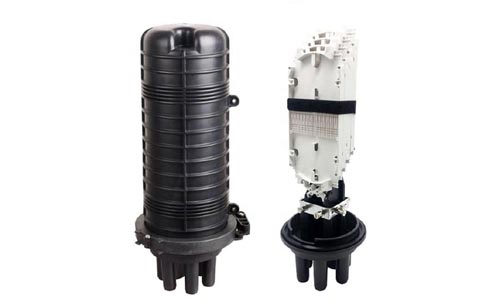 Fiber Optic Splice Closure
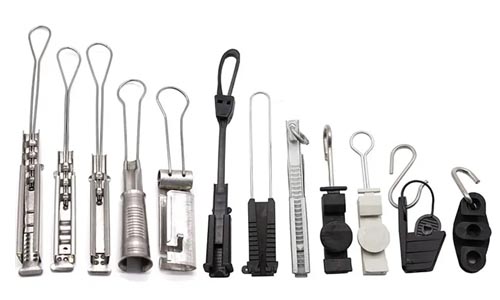 Fiber Optic Clamps
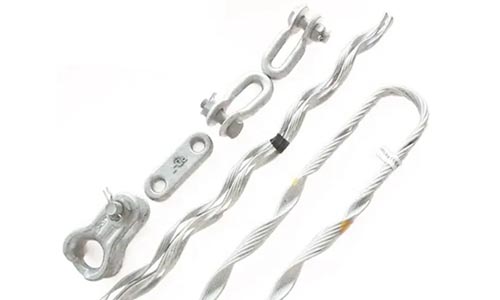 Fiber Optic Cable Fittings
 ADSS Fiber Cable
 ASU Fiber Cable
 OPGW Fiber Cable
 FTTH Fiber Cable
 Figure 8 Fiber Cable
 Photoelectric Composite Fiber Cable
 Underground & Pipeline Fiber Cable
 Air-Blown Micro Fiber Cable
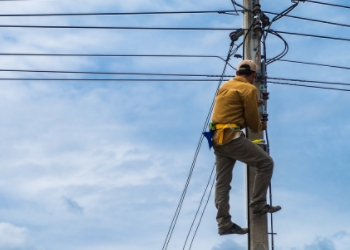 Aerial Fiber Cable
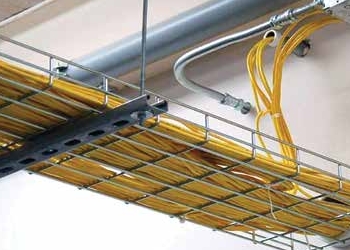 Indoor Fiber Cable
 Fiber Optical Terminal Box
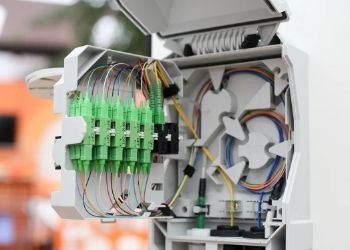 Fiber Optic Distribution Box
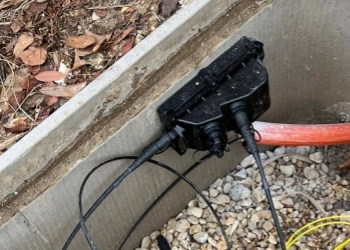 Multiport Service Termina Box
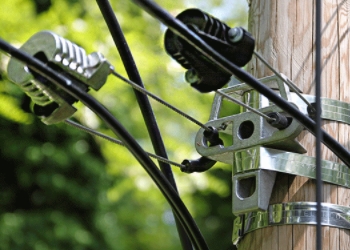 Fiber Optic Clamps
 About Us
 Our Team
 History
 R&D Strength
 Production Base
 Warehouse & Logistics
 Quality
 FAQs
FAQsArmored Fiber Optic Cable - Durable Solutions for Harsh Environments
Contact for Free Quotation & Sample, According to your needs, customize for you.
inquiry nowArmored Fiber Optic Cable - Durable Solutions for Harsh Environments
Armored fiber optic cable has a protective hard shell. This design keeps the delicate glass fibers safe from cuts, crushes and the elements. More people are relying on these cables than ever before as the technological backbone for dozens of industries requires robust means to transmit data.
In areas where mud, water, or large equipment can damage conventional cables, armored cables protect the lines. They allow networks to remain operational even as the ground gets suddenly excavated or massive trucks thunder past. Typical fiber cables can break or become damaged quickly, but armored cables continue to thrive.
As technology continues to advance and all of our daily data traffic continues to increase, the durability and strength of cables that safeguard the network is increasingly important. The following sections provide a deeper dive on why this is important.

What Makes Fiber Optic Cable Armored?
Armored fiber optic cable distinguish themselves by their durable, layered construction. Armored fiber cables have a protective armor, or shield, that makes them different from traditional fiber cables. This armored layer protects the delicate glass fibers within from damage.
That protective armor is typically made from aluminum or stainless steel, or fibers similar to Kevlar. It does a great job protecting against crushing forces, impacts, and other physical threats. When you look at how these cables are built, it’s clear that every layer serves a purpose: not just to protect, but to help the cable do its job in some of the toughest spots, from city streets to remote outposts. Here’s what makes these cables incredibly dependable.
1. Defining Armored Fiber Optics Simply
At its core, an armored fiber optic cable is simply a standard fiber optic cable with a little extra muscle. The “armor” is simply an additional layer of protection, typically a metal alloy or high-tensile synthetic fibers, that surrounds the inner cable.
This isn’t just for show. It withstands the effects of dropped tools on construction sites. It further protects against rodents gnawing at the cable and the everyday rigors of being buried underground or pulled through conduit. This protective covering prevents the delicate glass fibers contained within from breaking or crushing.
The true advantage comes in the form of performance and peace of mind. Armor shields the cables against bumps and scrapes. This added protection results in decreased service interruptions and less frequent line replacement. In network builds that cut through rocky hills and mountains, this ruggedness is well worth it. It guarantees that the network will perform reliably for many years.
2. Key Differences from Regular Fiber
The biggest difference between armored fiber and regular fiber comes down to the construction. Plastic or rubber jackets are the standard armor for regular fiber cables. Though this design provides protection against dust and moisture, it does little to defend against jagged rocks or steel-toed boots.
Armored cables accomplish this by adding a layer of metal or Kevlar between the jacket and the fiber core. This additional reinforcement layer dramatically alters the way in which you need to use the cable. Sure, it’s heavier and stiffer, but it’s more resistant to abuse.
Armored options are especially well-suited to applications where high foot traffic is expected. In addition to shielding them from digging and rodent-related damage, you will talk less about breaks and more about how you can keep your network operational. Armored cables can create installation challenges. They can be difficult in small radius bends or places with numerous sharp angles.
3. A Look Inside Armored Cable Construction
Slice an armored fiber optic cable open and you’ll be amazed at the mini-universe inside. At the center, or the “heart,” is the glass fiber strand, which is usually wrapped in a buffer coating for some initial protection. Around that you may find gel or water-blocking filler to help prevent water from entering the cable and to maintain cable strength.
Then there are the strength members—usually Kevlar yarn or glass fiber—added to provide pull strength. Next is the armor layer. The magic is that corrugated steel bends as easily as a sheet of paper, yet retains its strength. Metal strips interlace to offer excellent crush resistance.
Some cables even utilize both types simultaneously for added protection. A ripcord that lies beneath the armor simplifies cable stripping when it’s time to install connectors. Finally, there’s an outer jacket—often made of flame-retardant plastic for safety in buildings or rated for outdoor use.
In tough climates, you’ll see water-blocking materials and jackets built to handle heat, sun, or chemicals.
4. How Armor Shields Delicate Glass?
The primary purpose of armor is to protect the delicate glass center. While delicate, they convey information at the speed of light with remarkable clarity. If these cables are bent or squeezed too much, they can bend or break and eventually shatter.
With the armor, that hits the armor and the armor absorbs the impact, dispersing the energy. When a heavy object lands on the cable or something tries to cut through, the armor absorbs or deflects the shock. This is especially important in areas where there is a lot of excavation, heavy equipment traffic or rodent activity.
By absorbing shocks and bumps, the armor ensures that glass fibers inside remain intact, protecting that all-important signal. Second, it protects against water and fire, which helps the cable last longer and require fewer repairs.
5. Functionality: More Than Just Strength
Armored fiber cable don’t just make it through the worst abuse—now they’re allowing networks to operate with even greater efficiency. With a reduced number of breaks comes an increase in operational uptime and less expensive emergency-to-order restores.
These cables are better for high-speed data, as the protected fibers tend to maintain their shape and alignment longer. That tough construction translates to reduced time spent on regular maintenance and repair. In the long run, this method cuts down on both costs and headaches.
It’s most useful in places where the cable repair is hard or expensive to reach. So, the armor isn’t only about muscle power—it’s about preventing disasters with more ease.
6. Is It Always the Better Choice?
Armored cable isn’t the right solution for every project. Under the protection of safe, indoor runs or environments with clean, controlled conditions, regular fiber cables usually hold up perfectly well. Waiting a few more hours just to scratch that armored cable itch could make you miss your deadline.
They’re not as bendy, which affects some installs in pretty significant ways. It is not which one is better; when choosing a cable, it’s all about matching the equipment to the application.
If you’re deploying fiber in highly abrasive terrain, congested city environments or anywhere that damage from equipment is likely, armor can provide peace of mind. For shorter, safer indoor runs, standard cable will usually do the job while being a bit more manageable to work with.

Why Choose Armored Fiber Cable?
There’s no question that armored fiber optic cable are the best choice for those who need more than the bare minimum. These cables are built with armor and other thicker, tougher layers. Materials ranging from aluminum to stainless steel to Kevlar are frequently used to shield the cable and provide protection. They act together to protect it from injury.
Armored cable offer improved shock resistance and a longer lifespan, which are major victories for environments where cables are under constant duress.
Unbeatable Physical Protection Advantages
Incompatible with armored fiber cable, unfavorable conditions are no match for armored fiber cables. They laugh in the face of bumps, crushing and scrapes from steel toed boots or dropped tools. That armor makes it difficult for anything to cut or crush to penetrate, protecting what’s inside fiber.
In high-traffic areas—imagine a busy railway terminal or the production line of a major manufacturing plant—this level of protection translates to less downtime and reduced stress. Physical security is extremely important as well. The durable outer covering can’t be easily cut or melted through, deterring both accidental damage and malicious acts of tampering.
Built Tough for Long Service Life
Armored fiber cable have a significantly longer life expectancy than traditional cables. Durable exteriors result in less breakage and therefore less replacement or repair is required. Those tough metals and fibers on the inside are what keeps cables running for years and years.
This toughness translates to less time spent on repairs by teams, and networks that can’t afford downtime stay up and running.
Boosting Network Uptime and Reliability
When your armored fiber cable never break, your networks never go down. That’s critical for financial institutions, health care facilities, and everywhere else where constant, uninterrupted connectivity is essential. When you have armored cables, you experience less downtime and better performance.
Warehouses, airports, data centers—they’re all benefitting—more network uptime, more peace of mind.
Confidence in Challenging Environments
Whether extended outdoors, beneath roadways, or in wet cellar spaces, armored cables deliver the strength and reliability to stand tough. They laugh in the face of storm, sod, and stomping with zero remorse. When you know your cables are protected, teams can operate with an eye on the future—not just on repairing damage.
Whether projects are in congested urban settings or out at the end of a dirt road, armored cables have proven to help ensure uninterrupted service.
Resisting Rodents and Pests Effectively
Rodents are among your most persistent and dangerous foes, notorious for their insatiable instinct to chew. Metals and heavy duty sheathing prevent unwanted guests—the armored solution to sin. This is important in legacy buildings or outside plant (OSP) runs where animals have free access.
When typical cables are chewed through, networks go down. Armored fiber can help prevent these pests from wreaking havoc on your network, avoiding the time, cost and frustration incurred in the repair process.
Exploring Armor Materials and Designs
Armor materials Armored fiber optic cables have a robust design that is highly protective. With this resilience, they can last 230 years! These cables are remarkable in their combination of materials. Clever designs go a long way in making them extremely strong yet still flexible.
Materials such as steel, aluminum, and tailored armoring wraps all contribute. From tensile strength and ductility to elasticity, each material plays a critical role in how the cable responds to stress, flex, and extreme climates. Choosing the correct one makes the difference between a long-lasting cable and one that requires frequent maintenance.
Steel Armor: Maximum Ruggedness
Steel armor is the heavyweight in this field. Its strength provides unparalleled crush resistance and protects the cable from severe blow to ends. On the frontlines—whether in congested urban roadways, manufacturing shop floors, or in the event of a future outdoor trench—this ruggedness is indispensable.
Steel’s rugged character results in fewer breakages, leading to reduced downtime and repair costs. In addition to that, it aids in passing rigorous flame test requirements such as UL 1581 and IEC 332-3C, increasing reliability.
Aluminum Armor: Lighter Protection
Aluminum armor protection is lighter than steel. This simplifies the process of running cables through narrow, indoor pathways or on rooftops in hot-weather countries. Though not as strong as steel, aluminum provides a high level of protection against penetrating damage.
It costs less and provides increased flexibility, which is beneficial where space is limited. For most structures—such as commercial offices or residential towers—aluminum is the preferred choice.
Interlocking vs. Corrugated Styles
By contrast, interlocking armor bends more easily, which makes it better suited for areas with heavy curves or meanders. While corrugated styles, like those seen above, offer additional crush protection with their wave-like design, they are more rigid.
In areas where there are hard edges, interlocking is the most effective design. Short, straight, buried lines—corrugated it is.
Special Features: Water and Fire Blocking
Many armored cables are manufactured with water-blocking and fire-blocking layers. These add-ons protect cables in damp or fire-sensitive locations, such as below-ground vaults or tunnels.
Special touches such as ripcords lurking beneath the armor for fast splicing allow for easier and safer installs.
Ideal Uses for Armored Fiber
The primary difference of armored fiber optic cable is their toughness and security. They are specifically designed to withstand wear and tear in areas where traditional fiber would fail. That combination of low installation costs and high performance makes them the number one choice for communities looking for durable, long-lasting, and secure connections.
It’s their metal armor—corrugated or interlocking—that ensures data continues to flow even when the world beyond their protective exteriors gets rough. When it comes to choosing an armored cable, the answer is determined by the ideal use. Each environment comes with its own set of hazards and needs that you’ll have to accommodate.
Thriving in Industrial and Factory Floors
Factories and plants are busy places, full of moving parts and heavy machines. Here, armored fiber cables shine. They’re tough to cut or burn and come with a flame-retardant sheath inside for extra safety.
These cables can handle sharp bends, foot traffic, and even forklifts rolling over them. Industries like car plants, food processing, and mining often count on armored fiber to keep their systems online and their machines talking to each other. This leads to less downtime and smoother shifts.
Essential for Outdoor Plant Cabling
Outdoors, cables are subjected to the blazing sun, the rain, and yes—even the occasional squirrel. Its inner and outer jackets of armored fiber, combined with yarn strength members, contribute to the long lasting product.
Outdoor uses range from connecting campus buildings to offshore windfarms and intelligent road traffic systems. Here, armored fiber keeps signals clear even when the weather turns rough, keeping the network up and running day and night.
Securing Critical Data Center Links
For data centers, reliability is everything. A wayward tool or cable catch can take down rows of servers. Armored fiber trunk cables provide another level of security, preventing cuts and crushes before they reach your cables.
This secures large data transfers in locations such as financial centers or supercomputing data centers.
Backbone for Reliable Telecom Networks
Telecom providers are looking for lines that won’t give up the ghost. Conveniently, armored fiber’s durable construction makes it an ideal foundation for high-speed data on long-haul spans.
Providers deploy it in urban city backbones and rural last mile links, where construction and road work can be a death knell to fiber cables.
When Standard Cables Just Won't Cut It
When standard cables just won’t cut it—like in subway tunnels or undersea lines. In these rugged environments, armored solutions safeguard against costly cuts and data loss.
One look at stories of previous outages caused by shredded or nibble cables can explain why more companies are switching over.
Navigating Cable Ratings and Locations
Selecting armored fiber optic cable for a network requires more than simply selecting the most durable solution available. Cable ratings indicate the most suitable uses for each cable type. They make sure your project is safe, functional, and in line with safety requirements and regulatory codes.
In the US, every single building space has coded regulations regarding the use of cable. This holds true whether you are talking about an open office, a wiring closet, or an underground trench. Codes take into account the fire risk, airflow, and people’s usage of the area. So selecting the appropriate cable rating is an essential step in keeping your employees safe and complying with the law.
Understanding Plenum Cable Requirements
Plenum-rated armored cables are generally made with that in mind. These spaces, like that above a drop ceiling, enable air to be heated or cooled to quickly move through a building. These cables are made with more durable jackets that slow the spread of fire and do not emit harmful smoke.
Now picture that same big office in downtown Dallas where the HVAC system goes through the shared ceiling space. The system is protected with plenum-rated armored cable, so the installation keeps the building in compliance with all safety codes. The cable’s armor—constructed of either aluminum or steel—imparts an additional strength that protects against cutting and burning. It far surpasses the most stringent fire codes.
What Riser Rated Cable Means
Riser-rated cables are designed for vertical runs between floors, typically in a shaft or a chase. The jacket is flame resistant, preventing fire from traveling up the building. As an example, a hospital in Houston has six floors above grade.
It needs riser-rated armored cable in the elevator shaft to pass inspection and keep everyone safe. Choosing the appropriate cable for riser applications not only helps ensure that the network stays up and running, but helps comply with fire safety regulations.
Direct Burial: Skipping the Conduit Safely
Direct burial, armored fiber cables go directly into the earth without a conduit. These cables are equipped with durable outer jackets and water-swell blocking layers. Typically constructed with Kevlar and corrugated steel armor, they are well suited for outdoor runs between buildings.
The campus in Austin intends on running direct burial cable from their main building to a distant test lab. It’s an approach that would reduce both installation time and costs by up to 40 percent!
Matching Ratings to US Building Codes
US building codes dictate which cables can be used in which locations. Getting it wrong can result in failed inspections, or worse, substantial penalties. Always consult applicable local regulations and install a bonding conductor, such as a 6-AWG copper wire, to connect the cable to ground.
This bonds the entire system back to the main ground bar, which maintains code legality and safety.
Installing Armored Cables Effectively
Whether you’re installing armored fiber optic cable or other products, doing so effectively requires a steady hand and a clear plan. Though not without their drawbacks, these cables, characterized by their armored construction, offer tangible benefits such as superior mechanical protection.
You can’t afford to not make bonding and grounding your number one priority. Don’t skip this critical step, or you’ll sell yourself short on the quality of work you can produce. Before you dive into the deep end, it’s important to understand your cable.
Interlocking armor and corrugated armor exhibit different behaviors. Each one is a little different, and each one has its own eccentricities that you’re going to find on the job site.
Tackle Installation Challenges Head-On
People run into issues like trying to figure out how to drive AIA cables around. Micro armor cables may fall through their fingers more easily as they are 65% lighter and 75% smaller than AIA.
Taking the approach of working as a team goes a long way. Clear communication between crew members can help avoid excessive pulling tension or bending in the wrong location. One crew in Casablanca reduced installation time in half by pre-planning cable runs and minimizing trips by keeping tools at hand.
Manage Cable Flexibility and Bending
Armored cable require a light hand. Don’t bend too tightly or twist fibers, which can fracture fibers and result in degraded performance down the road.
Follow the bend radius provided by the manufacturer. For all armored cables, bending wide and bending smooth means bending safe — and getting the most light possible. Routing through tight spaces? Take your time, follow instructions carefully, and measure twice to cut once.
Our Top Tips for Smooth Installs
-
Use a 6-AWG bonding conductor for grounding
-
Keep cable runs clean and planned
-
Use clamps or lugs made for the job
-
Organize tools and label each run
-
Stick to maker’s rules for each cable type
Avoid These Common Installation Pitfalls
Cutting the bonding step, hurrying the bends, or not coordinating can spell disaster. Failure installs result in improper signal loss or at worse, a safety hazard.
Continued training, the proper use of personal protective equipment, and never taking shortcuts are key.
Keeping Armored Cables Performing Well
Armored fiber optic cable are often put to hard use in tough places. Their outer layers are made of aluminum or Kevlar, offering rugged, flexible armor. On the inside, rugged flame-resistant jackets keep those delicate fibers safe from impact, crushing and even rodents.
No matter how tough the cable, it needs to be treated with care to perform at its best. This is true for all variations—corrugated, interlocking, indoor, heavy-duty outdoor versions. Proper maintenance leads to less failure and increased longevity resulting in overall cost savings and less hassle.
Simple Maintenance and Inspection Steps
-
Inspect armored cables for severe dents, cuts or other evidence of animals chewing, particularly if aluminum armor is present.
-
Inspect for any bends or kinks which could indicate stress on the fibers inside.
-
Wipe down external cables and look for signs of moisture accumulation or corrosion.
-
Check connectors and strength members, such as Kevlar yarns, for signs of rapid wear.
-
Test the cable’s signal strength with basic tools.
-
Record every inspection and action in a simple logbook.
Simple Maintenance and Inspection Steps Monthly visual inspections and full dielectric tests semi-annually are sufficient for the majority of installations. By identifying issues in advance, it prevents minor issues from expanding into major failures.
Logbooks allow you to track patterns over time. This can come in handy if you notice recurring problems at the same location.
Spotting Potential Problems Early On
Early detection is key to avoiding major downtime. Keep an eye out for any signal degradation, unusual sounds coming from the cable itself, or a noticeable difference in the tightness of connectors.
The inspections allow them to find wear or signs of moisture before they lead to an outage. Timely preventative action, such as replacing a worn section, avoids costly repairs while maintaining the flow.
Mitigate Common Failure Modes Easily
Whether it is due to crush damage, rodent bites, or water leaks, cable failures perennially rank among the industry’s most common failures. Apply additional jacketing or use rodent-proof covers in high-threat areas.
In one case, adding a ripcord helped workers strip and fix cables quicker after a minor crush, avoiding a full replacement.
Extend Your Cable's Lifespan
Don’t drop cables, make sure they don’t have sharp bends, protect them from the wet ground. Keep spools on racks—not on the floor.
Protect armored cables by keeping them clean, dry, and away from corrosive chemicals. With routine inspections and repairs, even the most heavily used armored cables last a lifetime.
Select the Best Armored Cable
Selecting the best armored fiber optic cable for your application isn’t simply a matter of choosing the strongest one available. Ensure you align the cable’s performance with your project’s needs. Think about your overall vision for your project and how deep you want to dive.
This is especially true here in the U.S., where different jobs—from data centers in big cities to oil fields out West—demand the right fit for the job.
Key Factors Driving Your Decision
To start, consider what the armored cable will be exposed to. Are you routing it underground in hard, rocky soil or along the side of a wall in an open warehouse?
The type of armor used is important as well. Their corrugated styles offer superior crush resistance, which is perfect for outdoor trenches. Overall, interlocking types are superior in more permanent indoor runs with lots of bends and curves.
Look at the layers: you’ll find an inner core, strength members, and an outer jacket, sometimes with water-blocking stuff and aluminum armor.
Don’t overlook budget. Sure, some features are more expensive, but leaving them out can lead to a lot more corrections down the line. If you’re working in a high-risk environment—such as active factories—choose trunk cables with industrial strength jackets.
Weighing Initial Cost vs. Long-Term Value
Armored cable cost a bit more upfront, but they save money over time by cutting down on breaks and fixes. Investing in a better cable today will prevent hassle tomorrow.
Consider a plenum-rated armored patch cable that can help ensure a network continues operating after years of scuffs and abuse.
Why Industry Standards Matter Greatly
Certifications matter, too. Always look for industry certifications. Standards play a crucial role in ensuring cables do not fail in sensitive areas.
In practical terms, UL and ETL marks tell you that the cable complies with established safety regulations. Omissions of these are costly—resulting in the potential for failed inspections, or worse, turning into fire hazards.
Future-Proof Your Network Investment
Choose a cable that won’t be obsolete in a couple of years. Choose products that have higher data capacity, or that are simple to upgrade.
Your network evolves with you as you expand. Whether you’re increasing space in a corporate office or implementing new smart technology on the manufacturing floor, it’s as flexible as your needs.
Conclusion
Armored fiber optic cable performs well in rugged areas. It deals with crush, jagged rocks, crazy stormy weather, and even animals gnawing on it. People install it below bustling urban avenues, winding alpine footpaths and even inside gritty legacy industrial plants. It protects signals and allows them to travel longer distances at higher speeds. In the US, you can find these cables running alongside highways, far beneath urban city blocks, and over large agricultural areas. Not hard to find crews stringing these armored lines through muck, grit, and blistering temperatures. When you make the correct selection, you have a lower breakage rate and more reliable service for many years. Consider your terrain, your climate, and your urgency for deployment. Have a network application that requires durable cable? Get in touch with a local provider or technology. They can work with you to select the best match, each and every time.
Frequently Asked Questions
What is an armored fiber optic cable?
What is an armored fiber optic cable? This steel armor protects the fibers from physical damage and rodents. It resists heavy impact and extreme conditions, making sure the armored cable remains tough even through demanding installs.
Why should I use armored fiber cable in harsh environments?
Armored fiber cable provide superior protection against moisture, crushing and rodent attacks. They are ideal for locations with heavy machinery, underground routes, or where extra protection is needed to prevent signal loss and costly repairs.
What materials are used in fiber cable armor?
The majority of armored fiber cable are constructed with steel tape, corrugated steel or aluminum for armor. These materials offer formidable strength and unparalleled flexibility, enabling the cable to resist impacts and other environmental stresses.
Can armored fiber optic cable be used outdoors?
Can armored fiber optic cable be used outdoors? Their rugged exteriors protect against extreme climate conditions, water infiltration, and ground shifting. This is what makes them ideal for both direct burial and aerial installation.
How do I choose the right armored fiber cable?
Take into account the installation environment, how many fibers you require, and what kind of flexibility you need. Choose the right rating. Reserve cables rated for the application, whether it is riser, plenum, or direct burial. Always choose cables that are made to U.S. Specs.
Are armored fiber cables hard to install?
Armored fiber optic cable make installations tougher, not harder. They do not need specialized fiber tools, but do sometimes need additional force to cut or strip the armor. Proper handling ensures smooth installation and long cable life.
How do I maintain armored fiber optic cables?
Inspect cables often Inspect installed cables for signs of visible damage. To prevent contamination, keep connectors clean and dry. Don’t sharply bend cables or you risk breaking the fibers within. Consistent inspections ensure the cable performs dependably for decades.