 Optical Fiber
 ADSS Fiber Optic Cable
 ASU Fiber Optic Cable
 FTTH Fiber Optic Cable
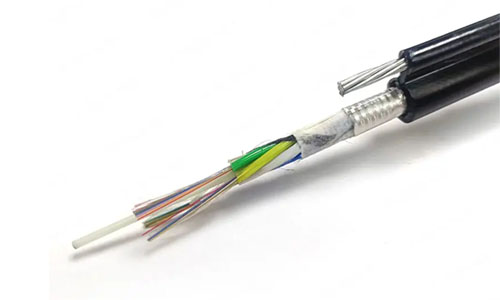 Figure 8 Fiber Optic Cable
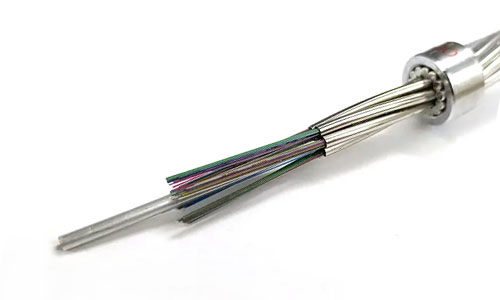 OPGW Fiber Optic Cable
 Coaxial Cable
 Ethernet Cable
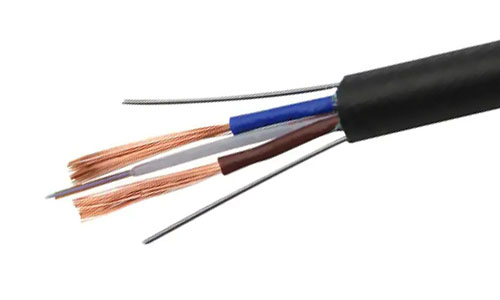 Photoelectric Composite Fiber Optic Cable
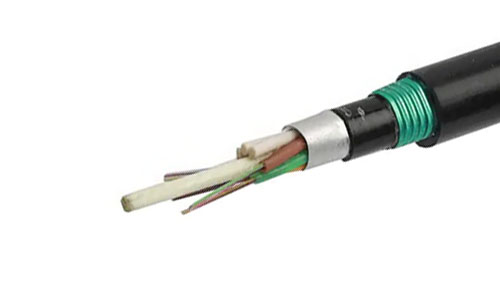 Underground & Pipeline Fiber Optic Cable
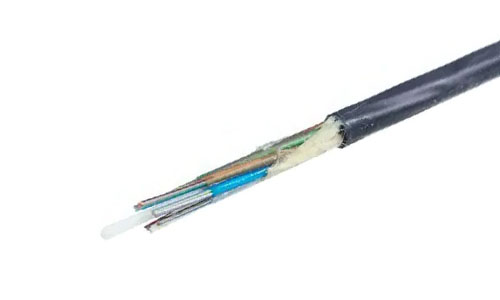 Air-Blown Micro Fiber Optic Cable
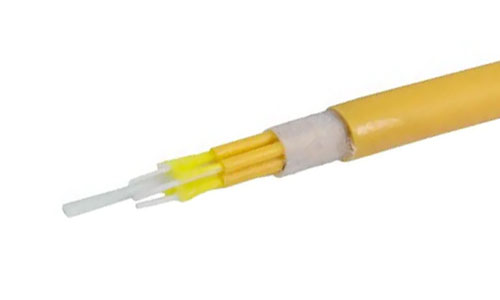 Indoor Fiber Optic Cable
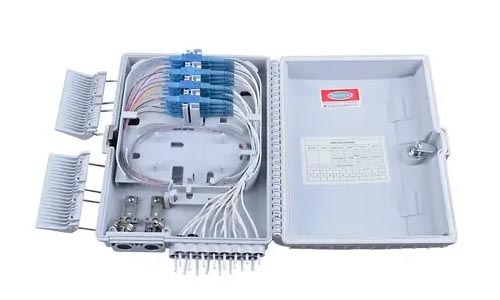 Fiber Optic Distribution Box
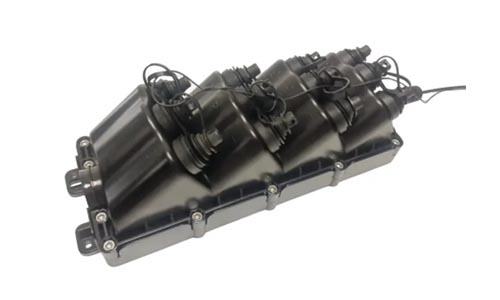 Multiport Service Termina Box
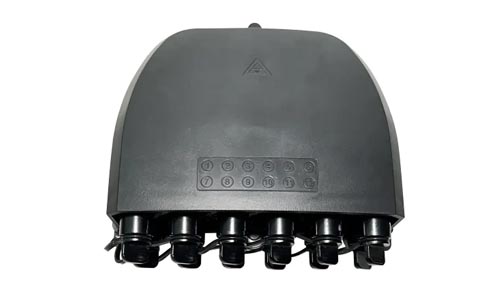 Fiber Optical Terminal Box
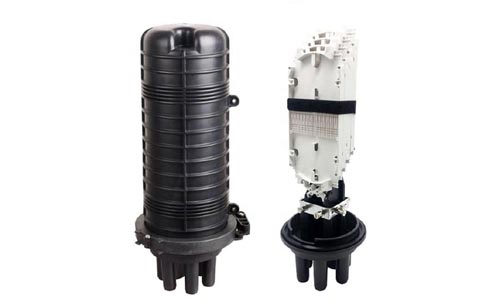 Fiber Optic Splice Closure
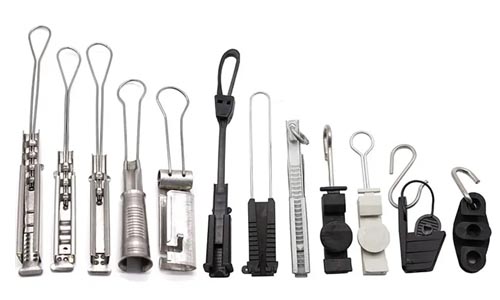 Fiber Optic Clamps
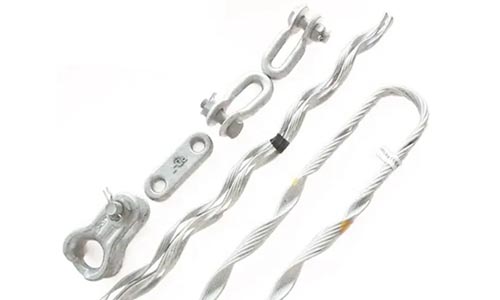 Fiber Optic Cable Fittings
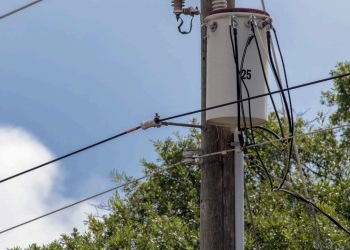 ADSS Fiber Cable
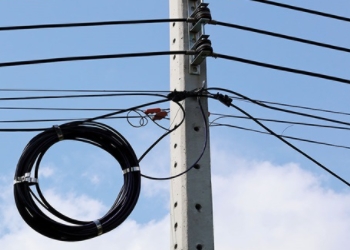 ASU Fiber Cable
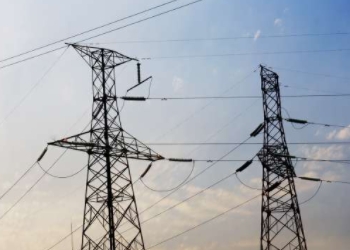 OPGW Fiber Cable
 FTTH Fiber Cable
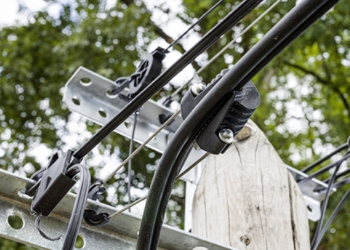 Figure 8 Fiber Cable
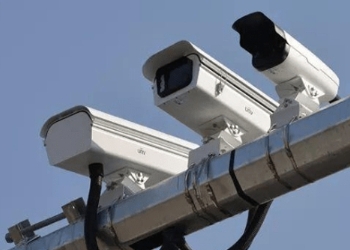 Photoelectric Composite Fiber Cable
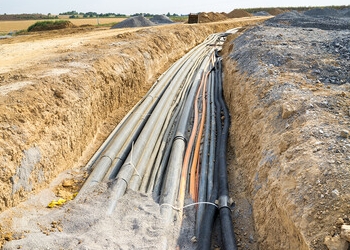 Underground & Pipeline Fiber Cable
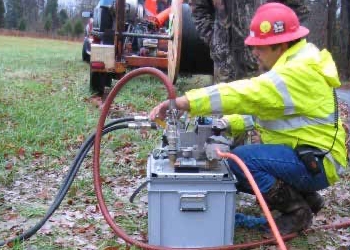 Air-Blown Micro Fiber Cable
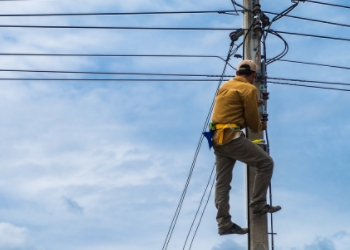 Aerial Fiber Cable
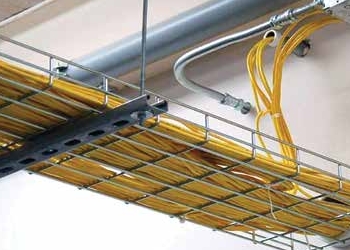 Indoor Fiber Cable
 Fiber Optical Terminal Box
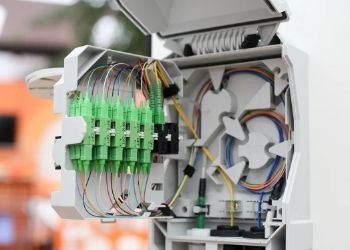 Fiber Optic Distribution Box
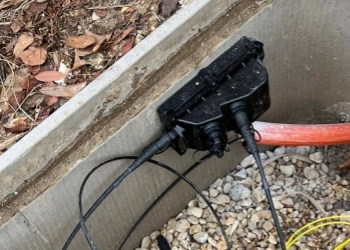 Multiport Service Termina Box
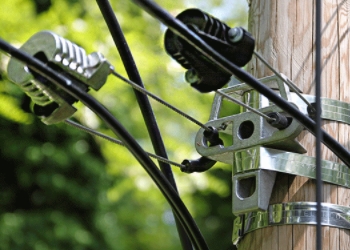 Fiber Optic Clamps
 About Us
 Our Team
 History
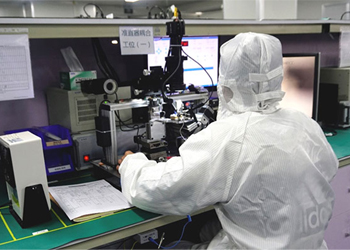 R&D Strength
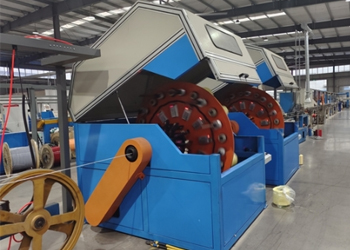 Production Base
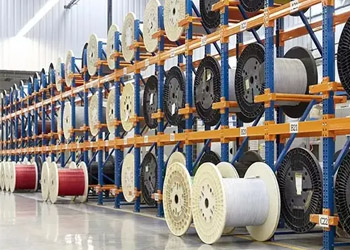 Warehouse & Logistics
 Quality
 FAQs
FAQsArmored Fiber Optic Cable - Construction and Applications
Contact for Free Quotation & Sample, According to your needs, customize for you.
inquiry nowArmored Fiber Optic Cable - Construction and Applications
-
Armored fiber optic cable provides additional protection to the fragile glass fibers, making it perfect for harsh environments such as outdoors or heavy duty equipment.
-
With its core protection, armor layers and tough outer jacket, a cable like this not only preserves signal quality but longevity, decreasing the necessity for repairs.
-
Type of Armoring Depending on your installation needs, the right type of armored cable can make all the difference.
-
While armored cables can be more expensive initially, their rugged build can reduce costs in the long run by mitigating repairs and replacements.
-
To ensure safe and reliable performance, it’s important to understand how to properly bend and ground armored cables and what tools you need for installation.
-
Prior to deciding on a fiber optic cable, take a good look at your environment and requirements and strike the proper balance between protection, flexibility and overall system reliability.
An armored fiber optic cable is essentially a specialized cable designed to shield fragile optical fibers with a robust exterior. The metal armor helps block damage from water, animals or pressure. When you see them, that’s usually in really harsh terrain or high-digging activity areas — think urban thoroughfares or submarine locations. Inside, the fiber is protected and continues to deliver data quickly and crisp. Customers prefer armored fiber optic cable for permanent installations or outdoor projects due to their durability and weather resistance. Understanding how these cables function and where they are best deployed assists in making smart decisions for secure, robust network connections. The rest of the post goes into more detail on applications, construction, and advice for selecting the appropriate kind.

What is Armored Fiber Optic Cable?
Armored fiber optic cable is designed for rough locations—such as outdoor runs, high-impact areas or where cables may be exposed to damage. It’s reinforced with a protective armor, commonly metal such as aluminum or steel or even strong fibers like Kevlar. This armor protects the delicate glass fibers within from crushes, cuts or burns. This means your data doesn’t stall, even when the earth moves or someone stomps on the line. These additional layers make these cables heavier and a bit less bendy, but much stronger than standard fiber optic cables.
1. Core Protection
The core is the cable’s soul. It’s where the light signals shoot through glass filaments. When the core snaps, the transmission ceases. Others use a dielectric core, which doesn’t conduct electricity, for added security in areas with electrical interference.
Kevlar strength members really add to the mix, too. Kevlar is the same stuff that’s used in bulletproof vests. It’s strong but light, so it spirals around the core and relieves tension from the glass. This comes in handy when cables are pulled or twisted during install.
What’s protecting the core that counts in locations such as underground lines, under roads or in foot-traffic-heavy buildings. A resilient backbone translates into fewer interruptions and less repair work.
2. Armor Layers
What distinguishes these cables are their armor layers. You’ll discover aluminum or stainless-steel sheaths, sometimes corrugated or interlocking for that additional strength. Some even feature both to protect against sharp rocks or gnawing rodents.
That armor is really hard to cut or burn through, so it’s perfect for outdoor applications or locations with potential tampering risks. The more armor layers you have, the more protection you receive. The catch. Additional armor contributes weight and stiffness to the cable, which makes it less convenient to snake through tight spaces.
3. Outer Jacket
The outer jacket, typically polyethylene, excludes water, dirt, and sunlight. It’s the front line of defense to weather and protects the cable from UV rays or chemicals.
A quality jacket helps prevent moisture and protects the inner fibers. That maintains signal integrity. It prevents the cable from being prematurely worn down.
4. Signal Integrity
Signal integrity means the light remains robust and pure on its journey. If the signal breaks up, you have slowdowns or lost data.
Armored cables are designed to maintain the integrity of the signal over extended runs through rough areas. Weather, water and bumps can mess with signals, so the rugged construction helps a lot.
Usually aluminum, steel, or Kevlar, these materials shield noise and damage. That renders these cables a savvy choice for locations where you require peak performance, year after year.
Types of Armored Cable
There are various types of armored fiber optic cables, molded by the kind of metal tube used as armor. Selecting the right kind is important though, because it affects the cable’s resistance to tension, crush or harsh conditions. Every design– interlocking, corrugated, or wire braid– offers its own advantages, which make each suitable for various applications and locations.
Interlocking
Interlock armored fiber optic cable features a shell composed of a metal strip formed into a spiral, causing the armor to connect similarly to a chain. This shell envelops the cable core, imparting a hybrid dose of flex and fortitude. This is the type you see most inside buildings or inside/outside, such as office parks or between floors in hospitals.
The big benefit with interlock armor is how flexible it is — it easily bends and conforms around tight corners, yet still protects the cable from wear and tear such as bumps or being stepped on. For areas of high activity or where cables can’t always be hidden, this tough design keeps the fiber protected and available. Even if someone drops a heavy box or a tool on it, these cables stand strong and continue to perform.
Corrugated
Corrugated armored optic cable utilizes a flat steel tape that is formed into a wavy or “corrugated” shape which extends along the entire length of the cable. That’s because it’s made to be tough in one direction—ideal for burying or placing outdoors where it could be compressed by stones or tree roots.
If you’re burying cable in a field, under a road, or in wet ground, corrugated armor withstands harsh soil, water, and even minor digging implements. The armor distributes the force from rocks or pressure, so the cable inside doesn’t get squashed. Which is why it’s commonly employed for large, outdoor projects – think connecting buildings around a campus or running between towns.
The rippled metal also prevents water and dirt from getting in, so the fiber stays nice and dry on the inside. In rough weather or flood zones, this armor type is a life saver.
Wire Braid
Wire braid armored fiber optic cable utilizes thin metal wires braided in a basket-weave pattern around the core. This keeps the cable rugged, yet still flexible enough to snake around bends or squeeze into small spaces. It’s a solid choice for factories, workshops or anywhere with moving machinery.
This braid design is amazing at absorbing impacts and any amount of twisting or pulling. It’s durable, too, holding up for a long time even if equipment or people constantly bang into it. The wires disperse any tension, thus one impact or pull doesn’t break the fiber within.
The wire braid is light, meaning it’s simple to run over a long distance or up overhead. For heavy-use arteries, this cable keeps signals pumping without pause.
Armored vs. Standard Fiber
Armored fiber optic cables feature a rugged additional coating, such as aluminum or stainless steel, that protects them from slicing, scorching, and compressing. Standard fiber optic cables lack this additional armor, which renders them lighter but more vulnerable to damage. The decision between the two comes down to how much protection your network requires.
Advantages of armored cables in harsh environments:
-
Withstand impacts, crushing, and rodent bites
-
Resist fire and chemical exposure
-
Protect against digging and accidental cutting
-
Lower risk of signal loss due to cable breaks
-
Suitable for underground or outdoor use
Durability
Armored cables are remarkable for their strength. The metal armor—either corrugated or interlocking—serves as a hard protective crust, preventing hard or sharp objects from making it to the fibers within. This shielding makes them difficult to sever or incinerate, a huge benefit to locations where cables may encounter rough treatment.
The inner jacket, which is flame-retardant, adds a second shield between the fiber and armor. Because of all this, armored cables last longer than regular ones, which means less frequent repairs or swaps. For anyone running cables through rough ground, busy walkways, or outdoors, this durability saves money and headaches over time.
Flexibility
| Feature | Armored Cable | Standard Cable |
|---|---|---|
| Bending Radius | Less flexible | More flexible |
| Installation | Harder | Easier |
| Size/Weight | Smaller/lighter | Larger/heavier |
Kind of armor counts. Still, Corrugated styles flex a little more and interlocking types sense stiffer. Flexibility is important for those tight spaces, like racks or corners, where cables have to snake around. In big open runs, less bend is less significant. Armored cables require more care to handle, but their lighter construction aids lifts and pulls.
Cost
Armored fiber cables are therefore more expensive at the outset. It jumps in price due to the additional armor, flame barriers, and sometimes additional strength yarns or ripcords. This increased expense rewards you down the line. Less damage means less repairs, less replacements. On bustling thoroughfares or hazardous areas, armored cables usually come out less expensive in the long run, regardless of the upfront expenditure. Its long life and reduced repairs make armored options a smart selection for high-risk installations.
Installation
-
Plan the path and measure twice before cutting.
-
Use cable trays or conduits for support.
-
Strip armor carefully with the right tools.
-
Avoid sharp bends that can stress the cable.
Tough armor can gum up pulling through tight places. Taking care to get the proper, non-kinked bend. Good prep and the right tools keep things humming. Appropriate install maintains cables functioning robust and protected.
Where to Use Armored Cable
Armored fiber optic cable is all about protecting the signal. If you think about the locations and configurations where damage could occur, this cable jumps in. It’s built tough, so it withstands abrasions, heavy foot traffic, rodents and even the harshest weather.
-
Industrial locations require cables that can take a beating. Machines, tools, and workers are all on the move, so cables being bumped, kicked, or run over. On the factory or plant side, armored cable equates to less concern about things breaking or signals dropping.
-
It’s dangerous to run cables outside. You’ve got rain, sun, wind and sometimes biting cold. Armored cables manage those transitions. They are good in open areas, such as along a fence, underground or up a building side. In humid areas such as server rooms or data centers, the armor excludes moisture and prevents rust.
-
High traffic places—like malls, airports, or schools—cables get stepped on, and dragged along, or moved around. Armored cable stands up to this. It protects the fiber within from getting squashed or broken when carts or humans walk by.
-
Pests are a real concern in locations. Rodents and bugs dig a good chew, and standard cable just won’t cut it. Armored fiber optic cable puts a halt to those teeth, keeping the network humming.
-
In areas with chemicals or heat, such as laboratories or engine rooms, ordinary cables can disintegrate. Armed with armored cable, the fiber inside is super-secure.
-
In offices, schools and hospitals—particularly in ceilings or between floors—armored cables satisfy building codes for safety. They prevent fires from spreading and maintain operations in a crisis.
-
High security sites, such as banks or government offices, used armored cable to prevent tampering or line-cutting.
The right cable – a stronger, more reliable network, wherever it runs.
Installation Challenges
Armored fiber optic cable is constructed rugged for a purpose. It’s engineered to withstand jagged rocks below the surface, wild animals and even extreme weather. Still, installing it—in crammed ducts or amidst existing cables, in particular—presents installers with genuine challenges. It’s all about planning. Without it, a project can get stuck, wasting time and money. Specialized tools and techniques are typically required, and anticipating what can go awry allows teams to nail it the very first time.
Bending Radius
Bending Radius: The minimum curve that a cable can withstand without being damaged. For fiber, this matters because the glass inside is brittle. Armored cables, because of their additional protective layer, can’t curve as tightly as regular cables. If you push them too far, the glass can crack or the signal can weaken.
Some crews forget to tape specs in tight spaces or around corners. The outcome? Expensive fixes and pushbacks. Always employ a cable guide and never cram a cable into a space that’s too tight. Remain within the manufacturer’s suggested radius—typically indicated directly on the cable spool.
Grounding
Grounding is not only a ‘luxury’—it’s a necessity. The armor is metal, so if you run a cable near power lines or electrical equipment, it can induce current. Bad grounding is a lot more than a fuzzy signal. It can endanger people and disrupt the entire system.
Always tie the armor to a proper ground, particularly at building entrances. Clamp and test as you go. Proper grounding protects the system and maintains its longevity, even in challenging environments such as storms or high winds.
Termination
Scoring a clean end on an AC cable is an art. That armor must be cut off, without damaging the fiber within. If the end isn’t perfect, signal loss or failure is guaranteed. The equipment for this task—heavy-duty cutters and stripping tools—really matters.
Working on rooftops or crammed racks is even more difficult. Take your time, keep the tail clean and use an appropriate kit. Well just the effort alone is worth it for a powerful, CLEAR signal.
The Hidden Trade-Offs
Armored fiber optic cables come with a lot of hidden trade-offs. The primary advantage is their rugged construction, which protects the line from crush, vermin, or kinks. This new power is not without constraints. Armored fiber cable is less bendy than non-armored. When you have to snake cables through tight corners or spaces, this stiffness can bog down the job or even tear up the cable if you push too hard. That’s where the trade-off between protection and flexibility really shines. For instance, fiber going across a bustling factory floor or city street may require armor, but inside an office or data center, a lighter cable tends to get the job done better.
Environmental factors also have a significant role in the performance of these cables. Armored cables excel in high risk areas—such as underground, underwater, or high-foot traffic locations. They fend off water and dirt and animals like nobodies business. Severe weather, extreme temperature fluctuations or excessive vibration can still take their toll on them. You’ve got to consider your intended location of cable laying before selecting the type.
Cost is another big component of the equation. Fiber optic cables are more expensive initially than vintage Ethernet cables. In the long run, they save cash with reduced maintenance and improved energy consumption. Fiber cables can transmit orders of magnitude more data—imagine terabytes per second—whereas Ethernet maxes out in gigabits. Fiber reaches much farther, extending as far as 80 kilometers before speed falls off, which makes it a good choice for long hauls. Ethernet is preferable for short or medium distances.
Security and friction count. Fiber cables are hard to break into, and they shake off electromagnetic and radio waves that can interfere with data. Ethernet is more simple to configure and repair but may be less secure and more susceptible to noise.
Before you decide, it assists to see what you actually require. Consider how much information you transport, how far, and how secure it must be. That way, you end up with the right cable — not too expensive, not with selection features you won’t use.
Conclusion
Armored fiber optic cable goes toe-to-toe with tough spots. It seals out water, dirt, and even rodent bites. Crews in cities, fields or big plants count on it to keep data secure. Bends and bumps don’t break the hardened shell. Some people choose it for peace of mind, others for extended runs in rugged terrain. Heavy armor can drag things down a bit or jolt the cost. Smart planning and good training solve most problems. Actual field trials demonstrate significant increases in security and longevity. Wanna protect your network for decades? See what fits your job best — check out armored cable options. Leave your tips/stories below — let’s all help each other find our perfect fit.
Frequently Asked Questions
What is armored fiber optic cable?
Armored fiber optic cable — a special kind of fiber cable with an additional layer of protection. It has a strong metal casing that protects the inner fiber from physical abrasion, moisture and even rats.
How does armored fiber optic cable differ from standard fiber?
Armored fiber optic cable has a protective metal layer, normal fiber does not. It makes armored cables more crushing, cutting and harsh environment resistant.
Where is armored fiber optic cable used?
Armored fiber optic cable is deployed in locations where the cables could be exposed to physical hazards. Typical locations are outdoors, underground and at industrial sites.
What are the main types of armored fiber optic cable?
There are two primary categories, depending on the level of protection you require: single-armored and double-armored cables. Single-armored cables come with a layer of protection and double-armored cables come with two for added strength.
Does armored fiber optic cable affect signal quality?
No, the metal armor doesn’t hinder the signal. The armor just offers physical protection, and the fiber within sends data as normal.
Are there any installation challenges with armored fiber optic cable?
Indeed, armored fiber is heavier and less flexible than standard cables. This can complicate cutting, splicing and installing them and sometimes necessitate special tools.
Is armored fiber optic cable more expensive?
Yup, armored fiber optic cable typically costs more than regular fiber. The additional shielding increases both the material and labor costs but can pay for itself over time by minimizing instances of harm.