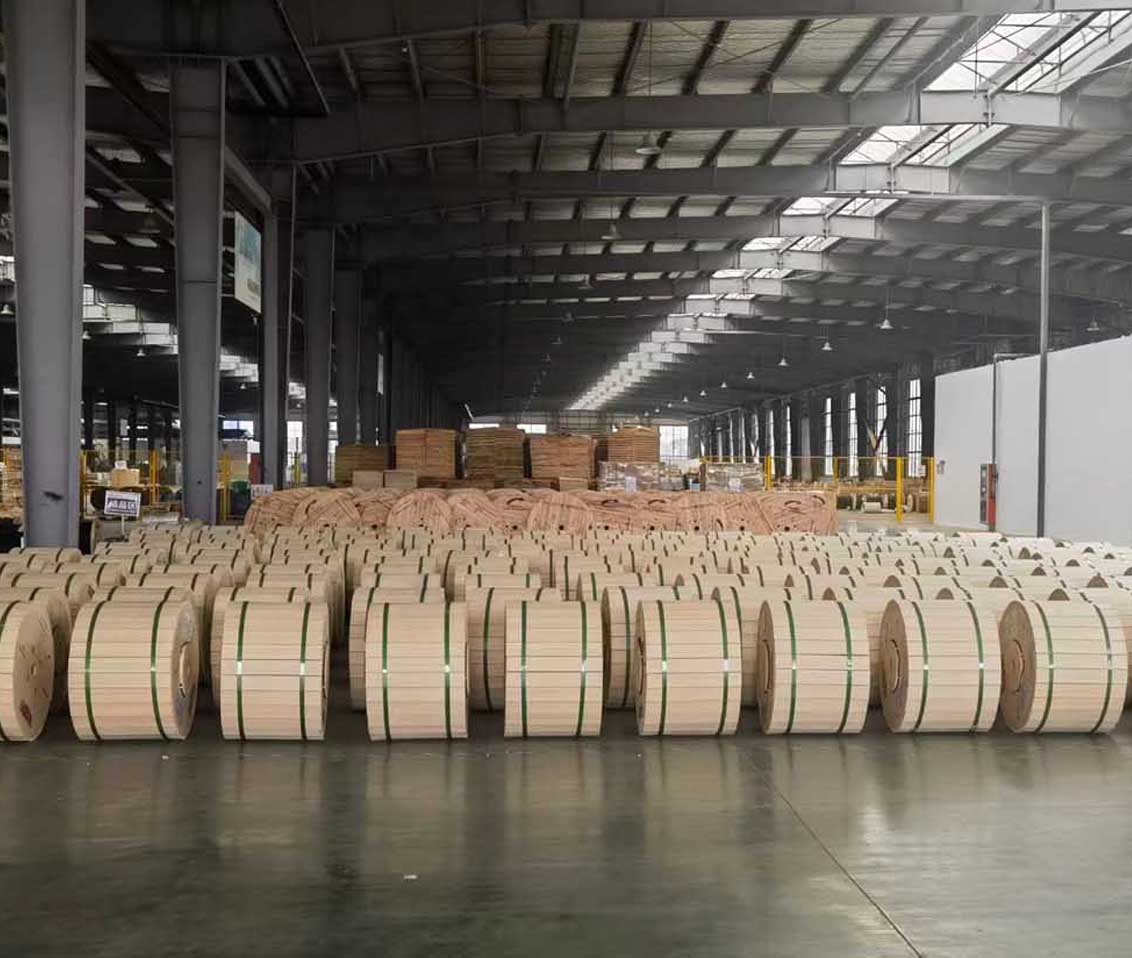
 Optical Fiber
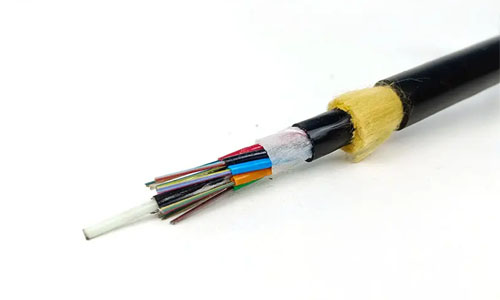 ADSS Fiber Optic Cable
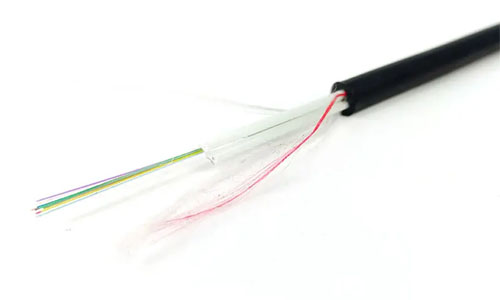 ASU Fiber Optic Cable
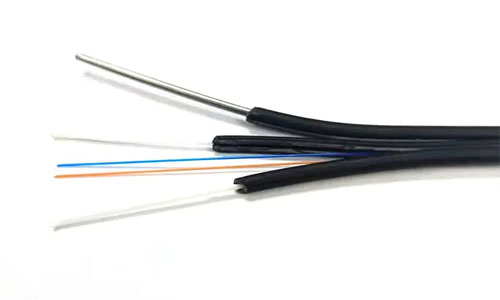 FTTH Fiber Optic Cable
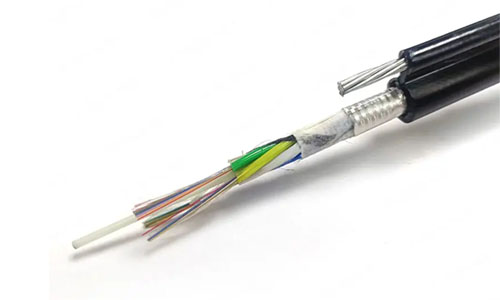 Figure 8 Fiber Optic Cable
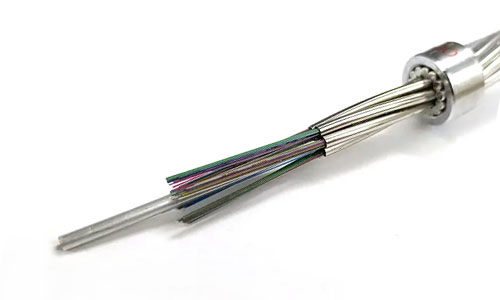 OPGW Fiber Optic Cable
 Coaxial Cable
 Ethernet Cable
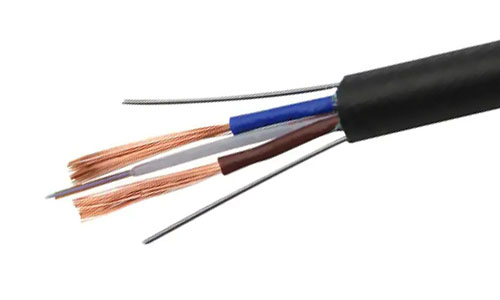 Photoelectric Composite Fiber Optic Cable
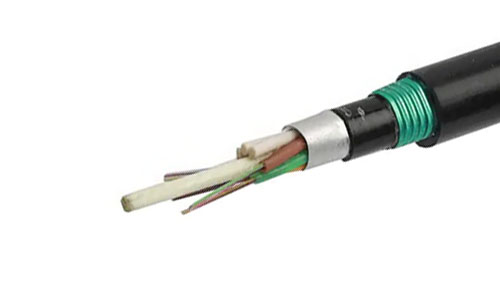 Underground & Pipeline Fiber Optic Cable
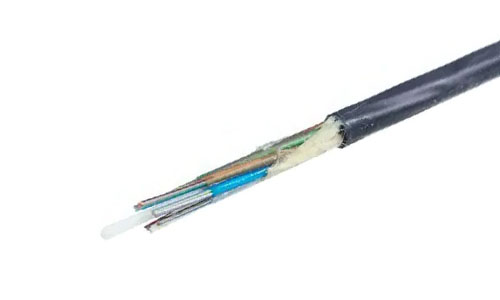 Air-Blown Micro Fiber Optic Cable
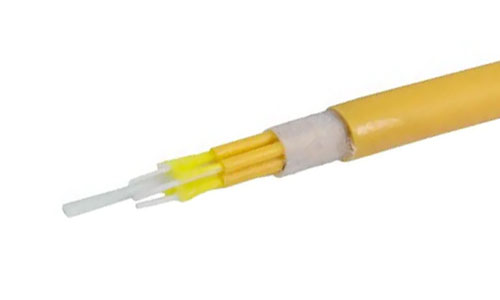 Indoor Fiber Optic Cable
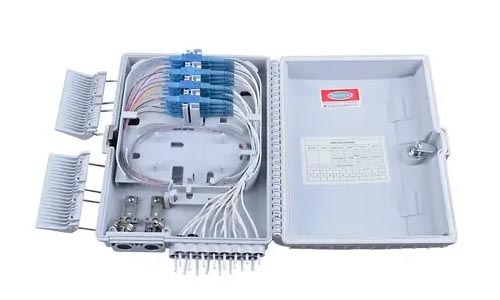 Fiber Optic Distribution Box
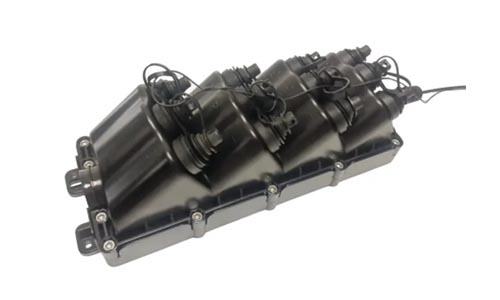 Multiport Service Termina Box
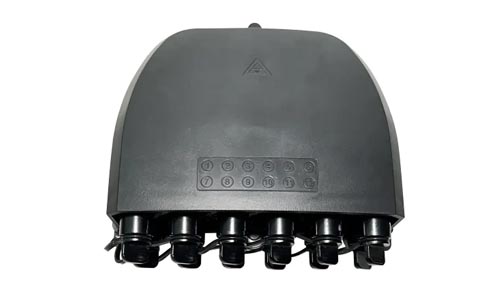 Fiber Optical Terminal Box
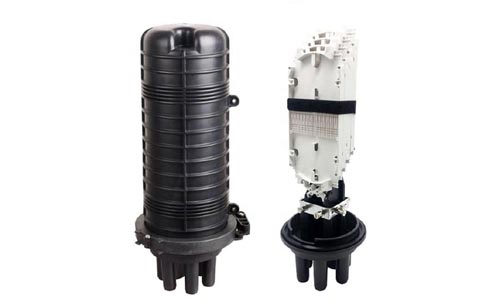 Fiber Optic Splice Closure
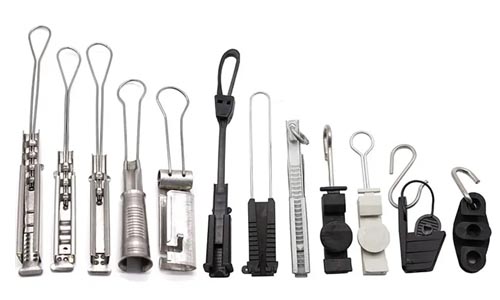 Fiber Optic Clamps
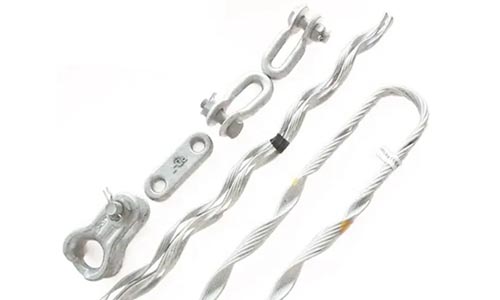 Fiber Optic Cable Fittings
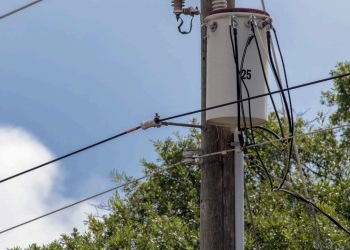 ADSS Fiber Cable
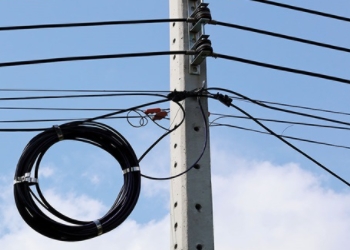 ASU Fiber Cable
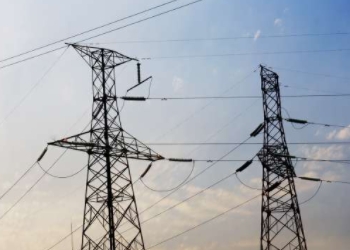 OPGW Fiber Cable
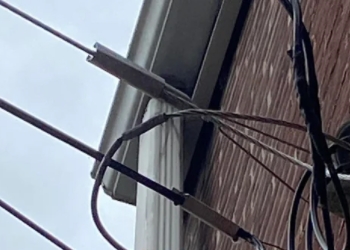 FTTH Fiber Cable
 Figure 8 Fiber Cable
 Photoelectric Composite Fiber Cable
 Underground & Pipeline Fiber Cable
 Air-Blown Micro Fiber Cable
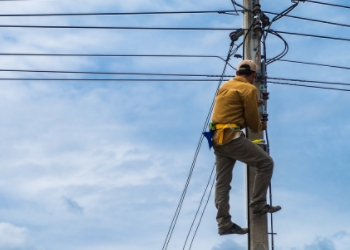 Aerial Fiber Cable
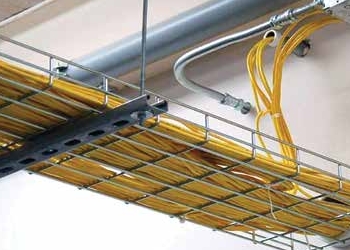 Indoor Fiber Cable
 Fiber Optical Terminal Box
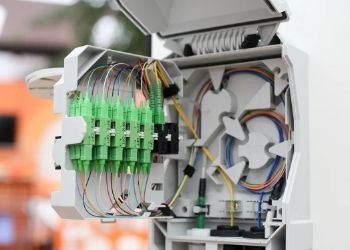 Fiber Optic Distribution Box
 Multiport Service Termina Box
 Fiber Optic Clamps
 About Us
 Our Team
 History
 R&D Strength
 Production Base
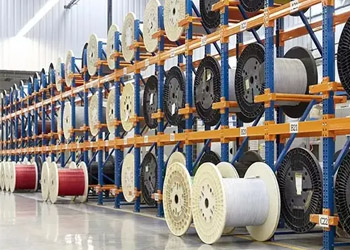 Warehouse & Logistics
 Quality
 FAQs
FAQsAnti-Rodent Fiber Optic Cable | Superior Durability
Contact for Free Quotation & Sample, According to your needs, customize for you.
inquiry nowAnti-Rodent Fiber Optic Cable | Superior Durability
Anti-rodent fiber optic cable is fiber optic cable designed to prevent rodent damage, utilizing reinforced jackets or unique coatings that rodents struggle to chew through. These cables safeguard network connections in areas where rats, mice and other animals love to gnaw on wires. We can utilize anti-rodent fiber optic cables to reduce repair expenses and maintain consistent data transmission, even in challenging environments such as underground or outdoor installations. Most employ metal tape or glass yarn for added strength. Certain brands construct cables with additional layers specifically for pest control. Below you’ll discover how these cables work, typical features, and advice for selecting the right one.

The Unseen Network Threat
Rats might look cuddly, but to outdoor fiber optic cable networks, they’re the unseen foe. These small rodents gnaw on wires, resulting in outages and expensive repairs worldwide. Gophers chew on buried cables — particularly in the US — and squirrels prefer to target aerial fiber optic cable above ground. Rats have taken down neighborhoods’ internet in the middle of the night. Identifying rodent threats in your network is the initial action towards maintaining network operations.
Why Rodents Chew
Rodents possess teeth which never stop growing. In order to prevent them from becoming too long, they chew on hard materials. Cables, with their rugged exteriors, are ideal. Rodents are wired to gnaw and it keeps their teeth healthy.
Once rodents discover a zone rich in chewables—like cables—they linger. Weather and food sources in the vicinity make it even more probable. In cold seasons they search for warmth and a home, frequently discovering both underground or overhead cable ducts.
Chewing wrecks cables and can knock networks offline. It threatens availability for a lot of users and renders remedy imperative.
Common Damage
-
Outer Sheath Tearing: Rodents bite through the cable’s outer layer, exposing inner parts.
-
Fiber Breakage: Chewing can snap the glass fibers, breaking connections.
-
Short Circuits: Damaged cables may cause electrical faults, impacting performance.
-
Water Ingress: Holes from bites let moisture in, which ruins cables over time.
When a tight buffer fiber optic cable breaks, it can take out service for thousands. Hell, sometimes even emergency lines get knocked out. Fraying optical cables can leak data or network breaches if unobserved. Over time, recurring damage decreases network speed and stability, increasing the need for more fixes.
Financial Impact
It can run into the thousands to fix just one stretch of cable, not to mention lost business.
| Cost Type | Estimate (€) | Notes |
|---|---|---|
| Repair/Replacement | 2,000–10,000 | Per incident |
| Revenue Loss | Up to 50,000 | Depends on outage size and time |
| Anti-Rodent Cables | 10–15% higher | Pays for itself by cutting future repairs |
Opting for anti-rodent cables saves it over the long term by preventing repetitive fixes. Each hour offline damages customer confidence and churn.
Proactive Measures
Look for gnaw marks, droppings or shredded insulation around cabling.
Rodent block with steel tubes, fiberglass yarn or glass roving armor. Choose cables labeled “fully rodent protected” for prime targets. These ones do the trick.
Educate employees to detect mouse indications in the initial stages. Move quickly to prevent major issues.
What Are Anti-Rodent Fiber Optic Cables?
Anti-rodent fiber optic cables are specifically designed to prevent damage from rodents, including rats, mice, or squirrels. These outdoor fiber optic cables incorporate specialized jackets, such as a resistant HDPE jacket, and chemical compounds that enhance their durability and performance in harsh environments like urban networks and long haul lines. Such harm caused by gnawing can cost billions annually around the globe, making these robust barrier cables essential for protecting optical fibers.
1. Metallic Armor
Metallic armor wraps the fiber optic cable with a metal layer, typically steel tape or wire. This armor acts as a shield, preventing sharp rodent teeth from munching its way through. In rodent-prone regions—such as farms or urban fringes—metallic armor can be critical.
With metallic sheathing, the cable can resist even the most determined rodents. The armor is almost 100%, protecting the core. The tradeoff is weight — armored cables are heavier and thus sometimes more difficult to handle and more expensive to hang on poles. Yet when it comes to protection and durability, a lot opt for it, particularly for external cables or locations where patching is challenging.
2. Non-Metallic Armor
Non-metallic armor reduces weight and cost. Constructed of glass yarn, aramid fibers or tough plastics, this armor is lightweight but powerful. It protects the cable core by rendering the jacket difficult to gnaw through. Because it steers clear of metal, too, it’s perfect for locations where power lines could be problematic.
Non-metallic armor is lighter than metal, easier to work with and won’t rust. It’s a great option where rodents are a concern but not a present danger — such as in suburban networks or short, outdoor runs.
3. Repellent Jackets
Repellent jackets utilize chemicals or specialty plastics, such as Polyamide 12 nylon, to deter rodents from chewing. These jackets taste bad or irritate the rodent’s mouth, prompting them to migrate. The chemicals are mixed in with the cable’s outer jacket or coated on afterwards.
These jackets are effective in many environments—underground, on walls or in fields. Still, their magic diminishes. Chemical repellents can wear off or leach out, falling to around 75% effectiveness. They assist where rodents might walk past, but not linger.
4. Hardness Additives
Hardness additives are mixed into the cable’s sheath to give it extra toughness. These can be minerals or special plastics. They enhance the cable’s resistance to biting and crushing. Yet the cable remains flexible enough to deploy.
These additives assist in balancing hard and soft, so the cable won’t snap when flexed but will resist razor teeth. Polyamide, glass beads and tough fillers are often added in this manner.
Cable Construction and Materials
Anti-rodent fiber optic cables, such as outdoor fiber optic cable, depend on thoughtful design and clever materials to preserve the sanctity of the signal and keep the line operating for years to come. That blend of rugged armor, multiple sheaths, and hard plastic makes these cables resistant to chewing rodents, water, and harsh conditions. Whether it’s polyethylene, steel tape, or a dielectric cable with glass yarn reinforcement, cables constructed from premium materials remain robust, flexible, and dependable, even in challenging outdoor locations.
| Component | Significance |
|---|---|
| Armored Layer | Blocks rodent teeth, adds mechanical strength |
| Inner Sheath | Shields fibers from knocks and crushes |
| Outer Sheath | Defends against weather and UV light |
| Moisture Barrier | Stops water from leaking inside |
| Loose Tube | Protects fibers, lets them move without strain |
| Water-blocking Tape | Keeps moisture out, even if cable skin is cut |
Protective Layers
Each anti-rodent fiber optic cable has a shield stack, every one of them with a mission. The polyethylene or polypropylene outer sheath keeps out sunlight, rain, and dust. Beneath, armored layers—steel belts or aluminum tape—form a hard block to pest teeth, while non-metallic armor such as fiberglass provides reinforcement without causing the cable to become overly heavy or inflexible.
A few cables have a loose-tube twist, where fibers nest in a spacious plastic tube packed with gel for water resistance. A full-section water-blocking structure provides an extra line of protection, preventing water and damp from creeping in. Moisture barriers are vital in brutal environments, reducing internal corrosion and deterioration. All these layers translate into fewer snags when pulling cable and less labor repairing them after.
Material Science
New plastics, such as high-modulus polyester and reinforced fiberglass, have transformed the design of outdoor fiber optic cable construction. These materials are light yet strong — important for tight buffer fiber optic cable suspended between poles or buried underground for miles. Dielectric materials, which don’t conduct electricity, ensure the safety of optical cables in areas with high voltage or storms. Lighter cables mean faster installs and reduced costs, extending cable lifespans even further.
Performance Testing
Testing is a must to ensure that outdoor fiber optic cables measure up to their potential. Labs use crush, bend, and gnaw tests, along with checks for water leaks and UV wear. International groups establish the standards—such as IEC or TIA standards—that make testing consistent. Real-world trials matter most: cables, including aerial fiber optic cables, get buried, pulled, or hung in all kinds of weather to see how they hold up. Results from these tests help companies adjust the next batch for less breaks and better performance.
Selecting Your Defense
Selecting your defense means aligning your requirements with what really works, especially when considering outdoor fiber optic cable options. Rodent strikes can disable networks or cause critical services to bog down, making robust barrier features essential. The optimal decision results from balancing your hazards, your environment, and your budget.
-
Level of rodent activity and species in your area
-
Depth and design of cable trenching
-
Cable diameter and material strength
-
Steel type and thickness for rodent resistance
-
Cost versus long-term savings
-
Expert input and real-world case studies
Assess Your Risk
First, see how much rodent mayhem goes on where you’re laying cable. Be on the lookout for tunnels/nests/bitten through old cables. Certain rats, such as bamboo rats, burrow deep—approximately 2 m—yet the majority remain near the surface at less than 0.5 m depth.
Then, identify vulnerabilities in your fiber network. If cables run shallow, under 1.2 metres, they’re easier prey. Thin tubes, soft sheaths, they’re vulnerable too. Think about what could happen if rodents bite through: network failure, repair bills, lost business. Not all ground is equally under siege, so concentrate protection where rodent pressure is greatest.
Environmental Factors
Rodent habits change with environment. In rural locations, bamboo rats that excavate further and nip fiercer, whereas in urban environments, mice and squirrels. Urban cables have more cover from concrete and traffic, but even then, rats can burrow in.
Weather counts as well. Rainy seasons can send the rodents into new tunnels and turn their paths. Hot months usually equate to more breeding, and more jaws to feed—and chew. If you know when and where rats are at their most active, you can schedule your inspections and improvements.
One easy solution is to bury wires deeper—beyond 4 feet, as most rodents cannot dig that deep. For an extra margin of safety, install tubes thicker than 45mm, which prevents most mice from nibbling through.
Cost Versus Value
Anti-rodent cables are more expensive initially. Consider that against the cost of repairing cut lines, lost information, and business interruption. Repairs tend to be more expensive over time. Durable cables having steel tape or corrugated steel, particularly stainless steel, can endure longer and withstand greater stress. 0.2mm steel tape resists 120N, almost as strong as a bamboo rat’s bite.
Don’t ignore the total cost of ownership. Going bigger now could save you a lot more later, particularly with rodent damage increasing.
Ask the Experts
Hunt down some tips from folks who understand the local bugs and outdoor fiber optic cable possibilities. They can cite tried and true solutions, like employing steel wires and tight buffer fiber optic cables. This works 95% of the time, ensuring a robust barrier against pests.
Installation Best Practices
Installing rat-proof outdoor fiber optic cables requires additional consideration to ensure they are secure, operational, and maintainable. Every action, from planning the optical cable routes to observing them once they’re buried, influences the quality of your network for years to come.
-
Be sure to map out your cable path to steer clear of renowned rodent trails and nests.
-
Apply direct burial or conduit depending upon soil, climate and rodent hazard.
-
Verify burial depth—generally 45 to 90 cm, however adhere to local regulations.
-
Wear appropriate gloves and gear to keep from damaging the cable.
-
Train all staff on safe handling and install methods.
-
Test cables post-installation with OTDRs and power meters at 1550nm.
-
Keep cable within safe temperature range (-40℃ to +70℃).
-
Do regular checks for rodent damage or soil changes.
-
Log each inspection and fix small issues early.
Proper Handling
Rough treatment results in crushed jackets, broken fibers, and wasted signal strength. Always handle cables with care, avoid contact with abrasive ground, and never drag or kink them. Utilize gloves to prevent oils or dirt from hands transferring into the cable sheath, which can degrade it over time.
Training, training, training. Even a single error when pulling cable or missing a bend radius check can wreak havoc, particularly at distance. Best Practices Installation teams identify risks quickly. They circumvent twists and stress points that might otherwise slice cable life in two.
Nice boots are boots with steel toes that help reduce burst damage or cuts — particularly in rocky or tight-workspaces. Handling errors tend to manifest later as network slowdowns or unexpected outages, so every step counts from the beginning.
Route Planning
Selecting the optimal routing for your cable is the most effective means you have of deterring rodents. Skip the areas where the mice like to hide out in, tall grass or an abundance of junk. Try to plan routes through more hard packed dirt or pavement where possible because rodents have a more difficult time digging there.
Consider obstacles like rivers, roads, and buildings. These obstacles occasionally push you to choose less secure trails, so measure the danger. In softer soils such as clay or loam, trench deep enough—approximately 1 to 1.2 meters—to prevent rodents from intersecting the cable.
Local climate factors in big. In colder climates, the shallow cables freeze, which causes them to break or shift — rendering them even easier for rodents to discover. Thoughtful routing, such as leveraging conduit or concrete covers in high-risk areas, provides cables enhanced protection for the life of the installation.
Long-Term Care
-
Check cables every few months for evidence of chewing or burrowing.
-
Utilize trail cameras or traps to monitor for rodent activity along paths.
-
Repair any soil erosion or drainage alterations close to the cable pathway.
-
Keep records of maintenance and any repairs.
Keep an eye out for new piles, trails or tooth marks on stakes and lids. Detecting rodent infestation in its early stages allows you to intervene before the insulation becomes damaged.
Periodic checks of the local environment—such as fluctuations in animal populations or soil conditions—assist in optimizing your cable maintenance schedule. If you catch small issues quickly, you save money and prevent huge network outages down the line.
Beyond Just Rodent Protection
Anti-rodent fiber optic cables are about more than just keeping the rodents away. Their intelligent design and robust construction, featuring a dielectric cable structure and aramid yarn reinforcement, combine to protect against various pests and rugged conditions, providing you even more bang for your buck.
Other Pests
Termites, ants, and even some bugs can actually chew through cable jackets. These guys can sneak through little cracks and cause some SERIOUS damage.
Strong cable design is about more than just a rodent threat. Metal armored cables utilize steel or aluminum to create a barrier that rodents and insects are unable to penetrate. Non-metal alternatives, like fiberglass yarn, function because pests experience pain or mouth abrasion when they attempt to bite through so they cease. It works great on a lot of pests and in locations where metal isn’t great to put near, such as power lines. A comprehensive pest strategy is most effective. For complete protection, squads tend to combine cable armor with improved sealing, frequent inspection, and pest control in the vicinity. This protects the entire network, not only the cables.
Physical Abrasion
Cables get abraded from rocks, dirt or even people. When in cities or on roads, dragging or scraping can abrade the outer jacket and strip the core.
Armored fiber optic cables respond to this with hard steel or aluminum layers on the inside or outside of the jacket. Some employ a steel pipe lining, others strap armor to the exterior for more immediate protection. These layers withstand cuts, scrapes and pressure. In high-traffic areas such as data centers or public walkways, rigid armor allows cables to survive. Without it, cables may snap or drop signal more quickly.
When abrasion becomes severe, the cable can break or require expensive repairs. Sound armor = less patches & better uptime and more value for the owner.
Future Innovations
Anti-rodent cables, new ideas keep coming. Some manufacturers experiment with smart cables equipped with sensors that detect rodent chewing or movement. This assists teams to intervene quickly, before major destruction occurs.
Sustainability informs cable design. Going forward, cables could be made from more environmentally-conscious materials that last long and repel vermin without harsh ingredients. Materials innovations, whether improved glass fibers or novel alloys, could make cables lighter yet stronger and capable of operating in extreme heat or cold, from -40℃ up to +70℃.
Conclusion
Rodents can nibble up cables and create major migraines. Anti-rodent fiber optic cables employ hard layers and clever engineering in order to deter these beasts. Choosing the optimal cable leads to fewer outages, less downtime and consistent bandwidth. My top choices are those with glass yarn or steel tape. Smart installation is equally important—snug sealing and proper routing make a big difference. Locations such as factories, farms or datacenters experience the most benefit. A tough cable protects your network. To punch a hole in rodent hazards, scope out your requirements and explore anti-rodent fiber cables that match. Don’t wait for a chewed cable to hinder you—act today and secure your sanity.
Frequently Asked Questions
What are anti-rodent fiber optic cables?
Anti-rodent outdoor fiber optic cable utilizes specialized substances or shields, including a robust barrier, to protect against rodents compromising the optical cable.
How do anti-rodent fiber optic cables work?
Such outdoor fiber optic cables rely on rugged outer jackets, metal armoring, or chemical coatings. This robust barrier discourages rodents from gnawing and ensures your network runs smoothly, keeping maintenance costs down.
Why is rodent protection important for fiber optic cables?
Rodents chewing through standard optical cables cause network outages and expensive repairs; however, using outdoor fiber optic cable with aramid yarn reinforcement contributes to secure connectivity and prevents downtime.
What materials are used in anti-rodent fiber optic cables?
Typical examples are steel tape, fiberglass yarns, and specialized products like rodent-resistant cables with aramid yarn reinforcement. Such materials make the optical cables difficult to chew or unpalatable to rodents.
Where should anti-rodent fiber optic cables be installed?
They’re perfect for outdoor fiber optic cable installations in rodent-heavy areas, as deploying them safeguards your network assets against mechanical stress.
Can anti-rodent fiber optic cables protect against other threats?
Although their primary function is rodent protection, certain anti-rodent cable designs, like outdoor fiber optic cable, provide resistance to moisture, UV rays, and physical impacts.
Are anti-rodent fiber optic cables more expensive?
Although outdoor fiber optic cables can be more expensive than regular cables, their robust barrier design pays for itself in fewer repairs and increased network uptime.