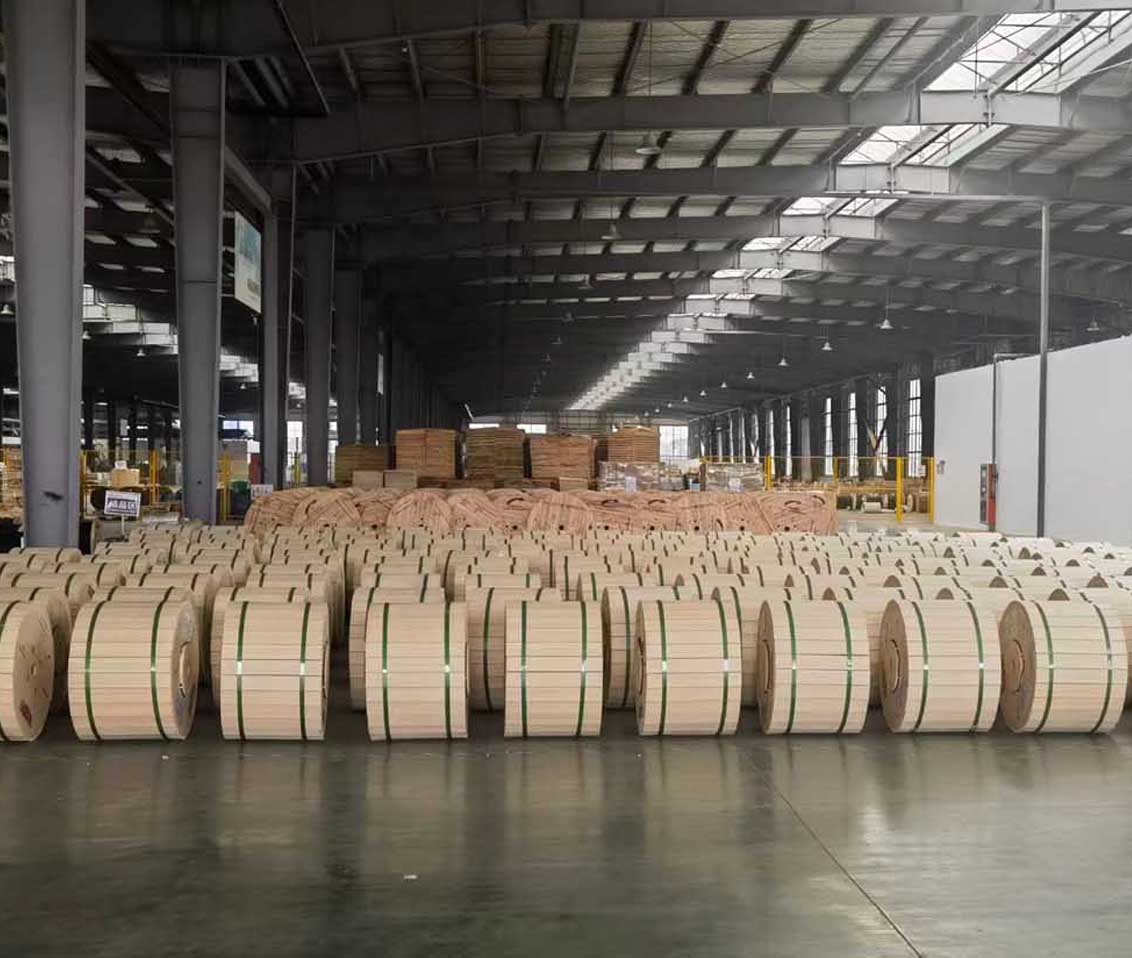
 Optical Fiber
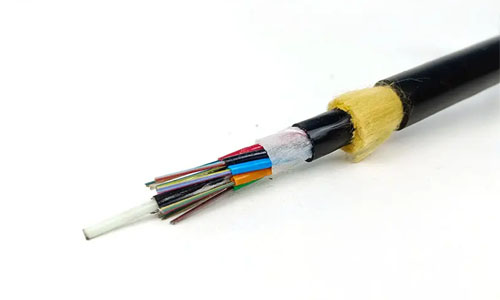 ADSS Fiber Optic Cable
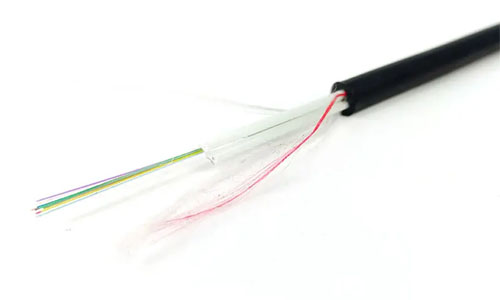 ASU Fiber Optic Cable
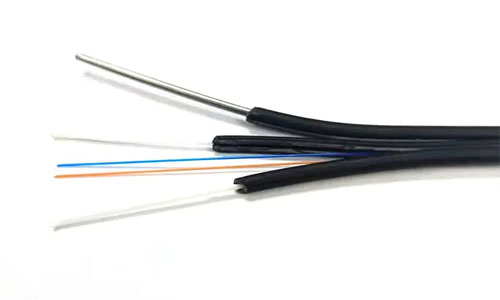 FTTH Fiber Optic Cable
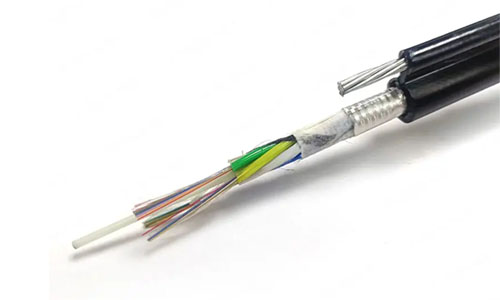 Figure 8 Fiber Optic Cable
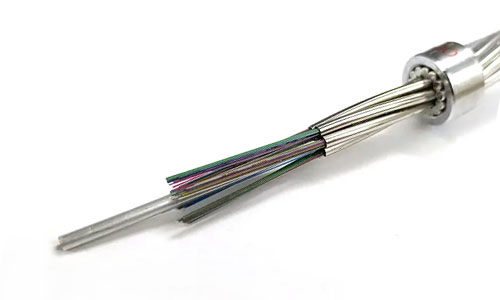 OPGW Fiber Optic Cable
 Coaxial Cable
 Ethernet Cable
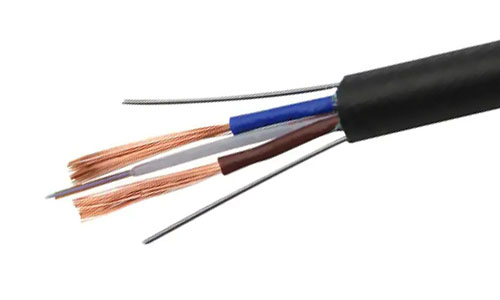 Photoelectric Composite Fiber Optic Cable
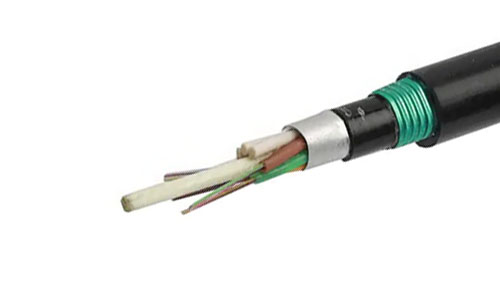 Underground & Pipeline Fiber Optic Cable
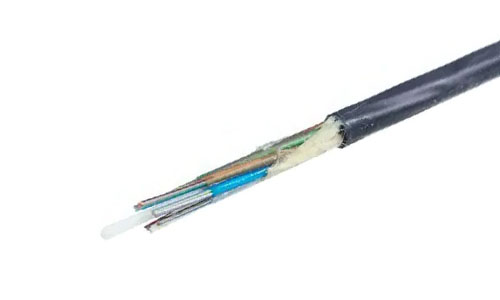 Air-Blown Micro Fiber Optic Cable
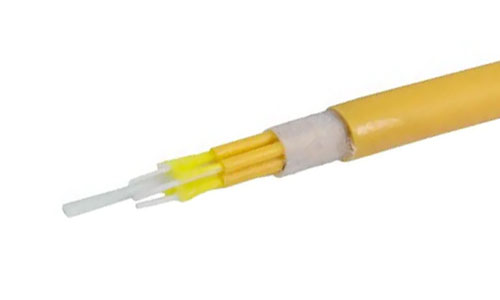 Indoor Fiber Optic Cable
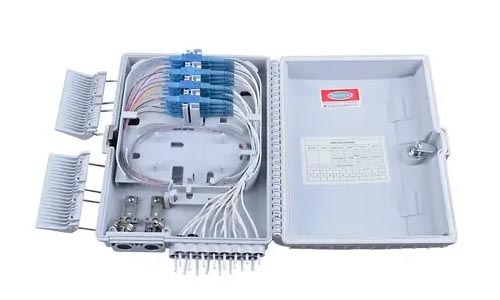 Fiber Optic Distribution Box
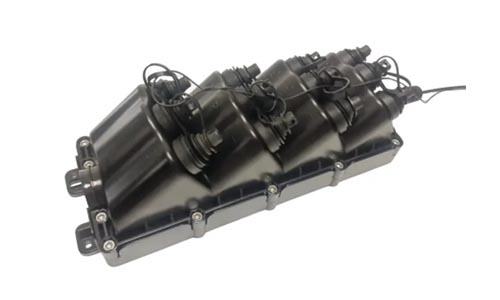 Multiport Service Termina Box
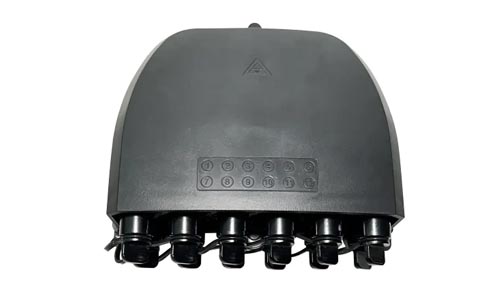 Fiber Optical Terminal Box
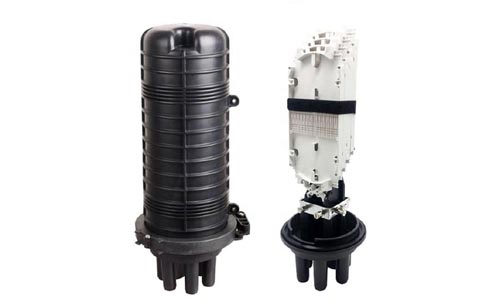 Fiber Optic Splice Closure
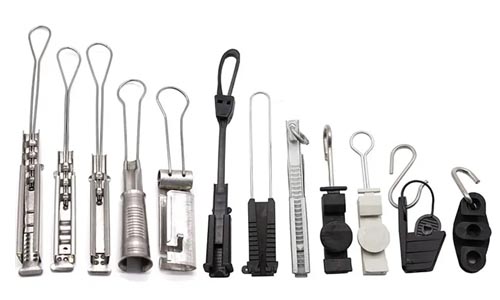 Fiber Optic Clamps
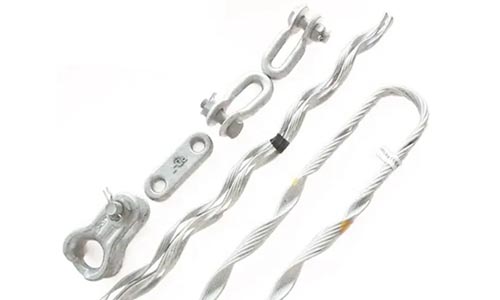 Fiber Optic Cable Fittings
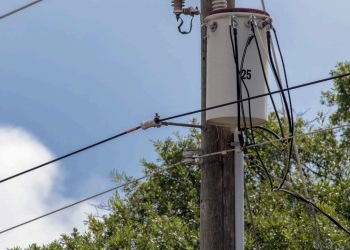 ADSS Fiber Cable
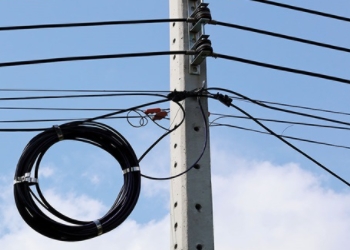 ASU Fiber Cable
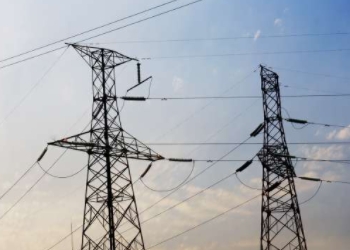 OPGW Fiber Cable
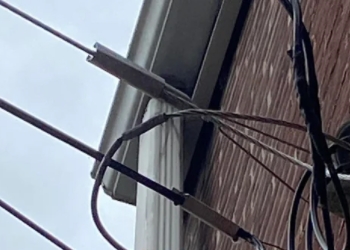 FTTH Fiber Cable
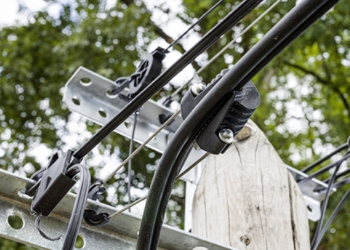 Figure 8 Fiber Cable
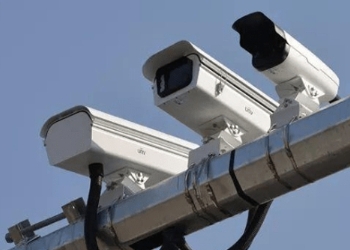 Photoelectric Composite Fiber Cable
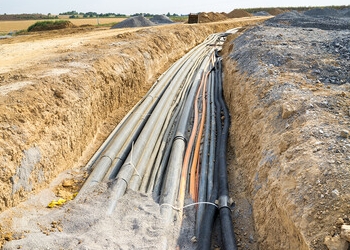 Underground & Pipeline Fiber Cable
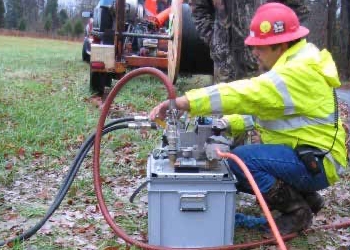 Air-Blown Micro Fiber Cable
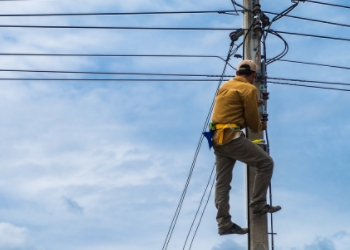 Aerial Fiber Cable
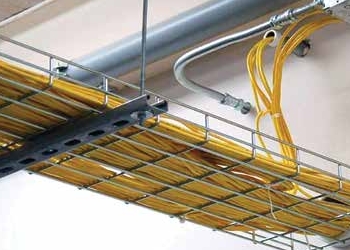 Indoor Fiber Cable
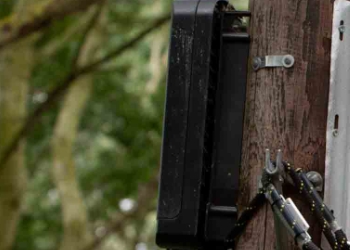 Fiber Optical Terminal Box
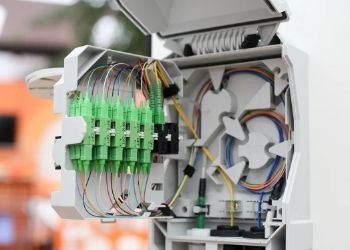 Fiber Optic Distribution Box
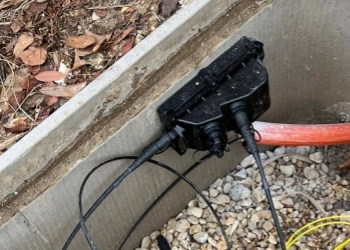 Multiport Service Termina Box
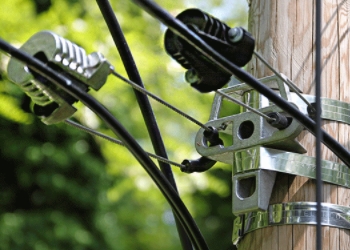 Fiber Optic Clamps
 About Us
 Our Team
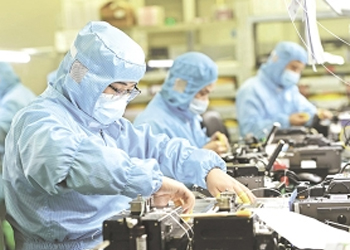 History
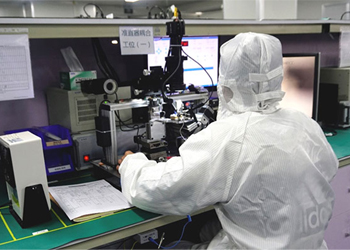 R&D Strength
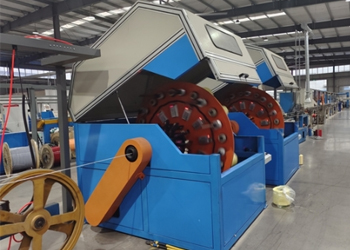 Production Base
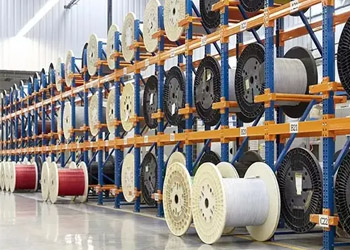 Warehouse & Logistics
 Quality
 FAQs
FAQsAll-Dielectric Self-Supporting (ADSS) Fiber Optic Cable: A Comprehensive Overview
inquiry nowAll-Dielectric Self-Supporting (ADSS) Fiber Optic Cable: A Comprehensive Overview
I need to write a detailed introduction about ADSS fiber optic cables. Let me start by recalling what I know. ADSS stands for All-Dielectric Self-Supporting. That probably means it doesn't have any metal components, right? Because dielectric materials are non-conductive. So, these cables are used in places where they don't need external support, maybe like hanging between poles without a messenger wire.
First, I should explain what ADSS cables are. They're used in telecommunications, I think, for laying fiber optic lines. Since they're self-supporting, they can be installed on existing utility poles or transmission towers. That makes them different from other fiber cables that might need a separate support strand.

The structure of the cable: since it's all-dielectric, there's no metal. So the strength members must be something like aramid yarns (like Kevlar) or fiberglass. The core would have the optical fibers, probably in loose tubes or tight buffered. Then there are layers around that for protection and strength. Maybe there's an outer jacket that's weather-resistant.
Key features: high tensile strength because they have to support their own weight over spans. They must be resistant to environmental factors like UV, moisture, temperature changes. Since there's no metal, they're immune to electromagnetic interference, which is a big plus, especially near power lines.
Applications: commonly used in power utility networks because they can be strung alongside high-voltage lines without worrying about conduction. Also used in telecom networks, maybe in areas where you can't dig trenches, so aerial installation is better. They're also used in areas prone to lightning since no metal means less risk of damage.
Advantages over other cables: no need for a separate support cable, which reduces installation time and cost. Lighter weight, so easier to handle. Safer around power lines. Longer span lengths possible because of their strength.
Installation considerations: need to calculate the sag and tension based on span length and environmental conditions. Must be careful with existing infrastructure, especially when installing on power lines. Proper hardware like suspension clamps and vibration dampers might be needed.
Standards and compliance: there must be industry standards for manufacturing and testing, like IEC or IEEE standards. Maybe specific ones for mechanical performance, like tensile load, temperature range, etc.

Challenges: maybe more expensive than other types? Or limitations in span lengths under certain conditions. Also, installation requires specialized knowledge to handle the tension and sag properly.
Wait, let me check if I missed anything. Maybe talk about the types of fibers used, like single-mode or multi-mode. But ADSS is more about the cable construction than the fiber type. Also, mention the outer jacket materials, like polyethylene or AT (anti-tracking) sheath to prevent electrical tracking on energized lines.
Also, maybe mention how they're designed to handle different wind and ice loads depending on the region. The cable's maximum permissible tension (MAT) and everyday stress (EDS) are important parameters.
Hmm, I should also explain why they're called self-supporting. Because they have enough strength in their construction to hold themselves up between supports without needing a separate messenger wire. That's different from, say, OPGW which is optical ground wire, part of the power line's infrastructure.
I need to structure this in a coherent way. Start with a definition, then structure, key features, applications, advantages, installation considerations, standards, challenges. Make sure technical terms are explained. Maybe use headings for each section. Avoid markdown, but the user wants a detailed introduction, so it's okay to have sections.
Wait, the user example response used headings. Maybe follow that structure but in plain text. Let me make sure all points are covered without being too repetitive. Also, check if there are specific manufacturers or typical specifications, but maybe that's too detailed. Focus on general information.
I think that's a good start. Now organize these thoughts into a structured explanation. Make sure each part flows logically. Define terms as they come up. Use examples where necessary. Clarify technical aspects without assuming too much prior knowledge. Ensure that the key points about being all-dielectric, self-supporting, applications in power lines, advantages over metal cables are covered.
All-Dielectric Self-Supporting (ADSS) Fiber Optic Cable: A Comprehensive Overview
1. Definition and Purpose
ADSS (All-Dielectric Self-Supporting) fiber optic cables are specialized cables designed for aerial installation without requiring a separate support strand. As the name implies, they are entirely non-metallic (dielectric), making them immune to electromagnetic interference (EMI) and ideal for deployment near high-voltage power lines. Their self-supporting nature allows them to span long distances between utility poles or transmission towers independently.
2. Structural Composition
-
Optical Core: Contains single-mode or multi-mode fibers, typically arranged in loose tubes or tight-buffered configurations for protection against stress and environmental factors.
-
Strength Members: Reinforced with dielectric materials like aramid yarn (e.g., Kevlar) or fiberglass rods to provide tensile strength and flexibility.
-
Buffer Tubes: Protect fibers from moisture and mechanical damage, often filled with water-blocking gel.
-
Outer Jacket: Constructed from weather-resistant materials like polyethylene (PE) or anti-tracking (AT) sheaths. The AT sheath prevents electrical arcing on power lines, crucial for installations near high-voltage infrastructure.
3. Key Features
-
High Tensile Strength: Supports its own weight over long spans (typically 100–1,500 meters).
-
Environmental Resilience: Resists UV radiation, temperature extremes, ice, and wind loads.
-
EMI Immunity: No metallic components eliminate interference risks, enhancing reliability in electrically noisy environments.
-
Lightweight: Easier installation compared to metal-reinforced cables.
4. Applications
-
Power Utilities: Deployed alongside high-voltage transmission lines for grid monitoring (e.g., SCADA systems) and communication.
-
Telecom Networks: Used in rural or rugged areas where trenching is impractical.
-
Harsh Environments: Ideal for lightning-prone regions, coastal areas (salt-resistant jackets), and extreme climates.
5. Advantages Over Traditional Cables
-
Cost-Efficiency: Eliminates the need for separate messenger wires, reducing material and labor costs.
-
Safety: Non-conductive nature minimizes risks during installation near live power lines.
-
Durability: Long lifespan (25+ years) with minimal maintenance.
6. Installation Considerations
-
Span Engineering: Calculations for sag, tension, and wind/ice loads are critical. Parameters like Maximum Permissible Tension (MAT) and Everyday Stress (EDS) guide safe installation.
-
Hardware: Requires specialized fittings (e.g., suspension clamps, vibration dampers) to manage mechanical stress and prevent galloping.
-
Proximity to Power Lines: Maintains safe clearance to avoid electrical tracking, especially with AT-sheathed cables.
7. Standards and Compliance
ADSS cables adhere to international standards (e.g., IEC, IEEE) for mechanical, environmental, and electrical performance. Testing includes tensile load resistance, temperature cycling, and UV exposure.
8. Challenges and Limitations
-
Cost: Higher initial expense compared to standard aerial cables, offset by long-term savings.
-
Span Limitations: Extreme environmental conditions (e.g., heavy ice) may reduce maximum span lengths.
-
Expertise Required: Installation demands precise engineering to avoid over-tensioning or excessive sag.
Conclusion
ADSS cables are a robust solution for modern communication networks, particularly in power utility and challenging environments. Their dielectric design, combined with high strength and adaptability, makes them a preferred choice for reliable, interference-free data transmission. Proper design and installation ensure optimal performance, leveraging their advantages in safety, durability, and cost-effectiveness.