 Optical Fiber
 ADSS Fiber Optic Cable
 ASU Fiber Optic Cable
 FTTH Fiber Optic Cable
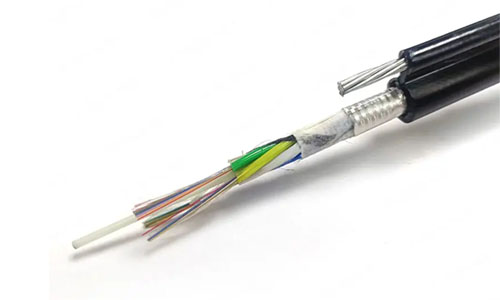 Figure 8 Fiber Optic Cable
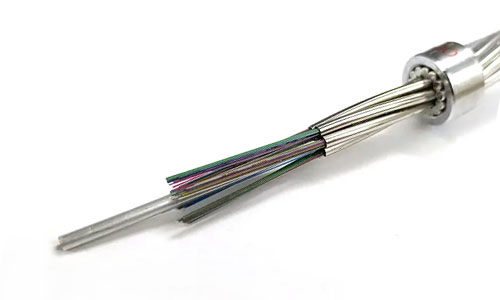 OPGW Fiber Optic Cable
 Coaxial Cable
 Ethernet Cable
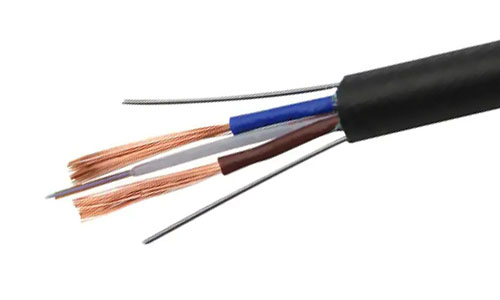 Photoelectric Composite Fiber Optic Cable
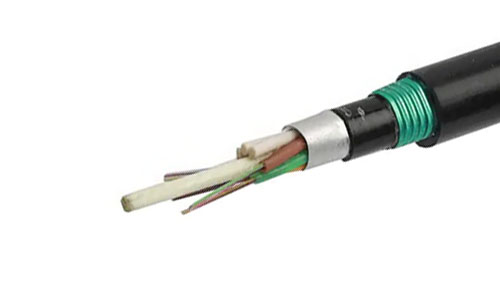 Underground & Pipeline Fiber Optic Cable
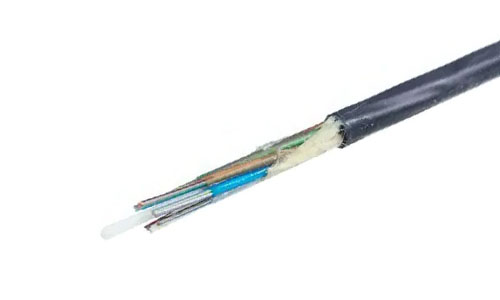 Air-Blown Micro Fiber Optic Cable
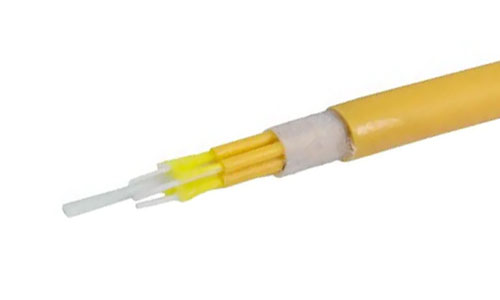 Indoor Fiber Optic Cable
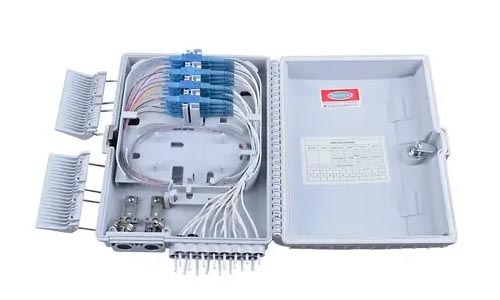 Fiber Optic Distribution Box
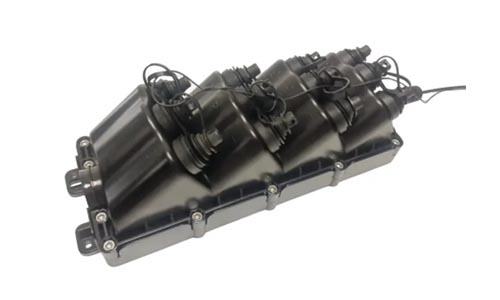 Multiport Service Termina Box
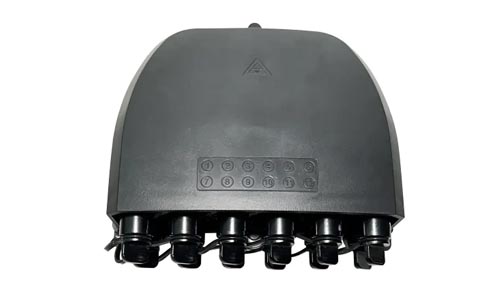 Fiber Optical Terminal Box
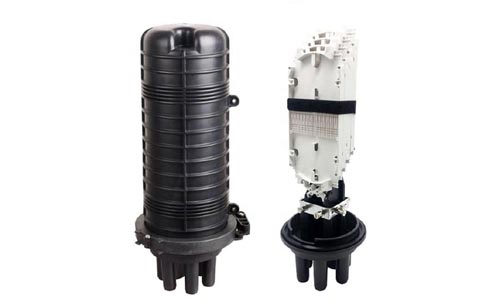 Fiber Optic Splice Closure
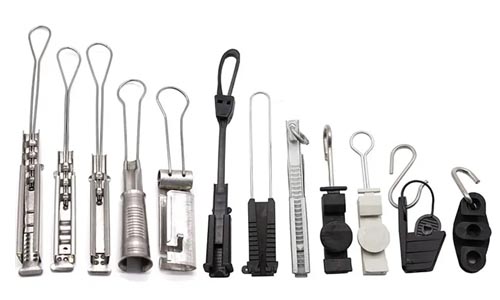 Fiber Optic Clamps
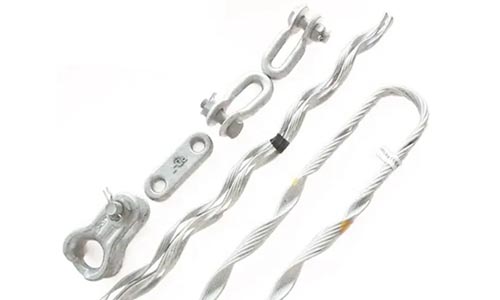 Fiber Optic Cable Fittings
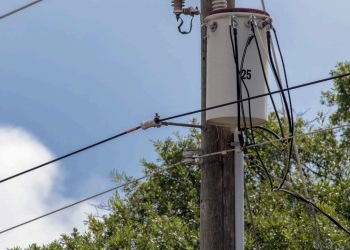 ADSS Fiber Cable
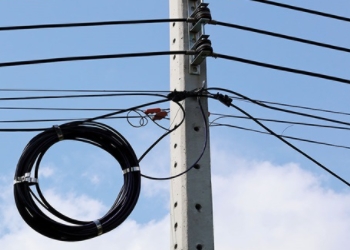 ASU Fiber Cable
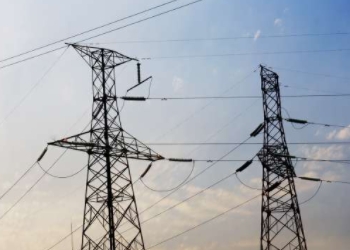 OPGW Fiber Cable
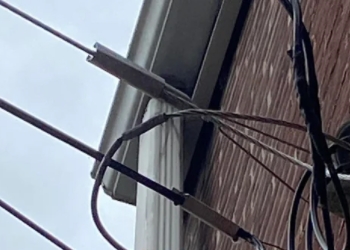 FTTH Fiber Cable
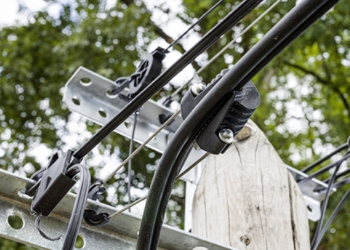 Figure 8 Fiber Cable
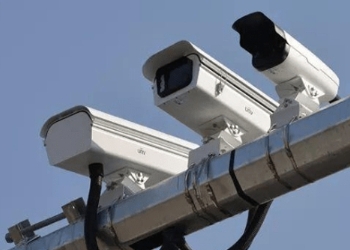 Photoelectric Composite Fiber Cable
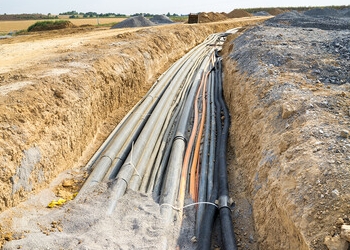 Underground & Pipeline Fiber Cable
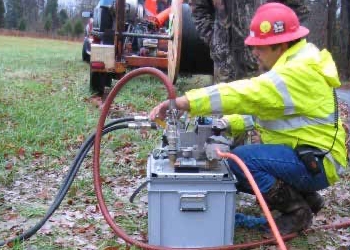 Air-Blown Micro Fiber Cable
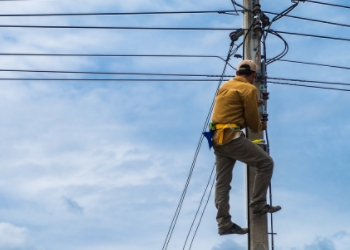 Aerial Fiber Cable
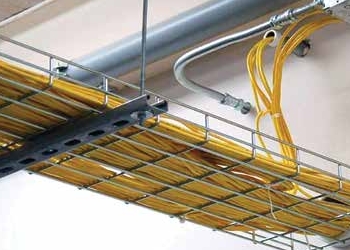 Indoor Fiber Cable
 Fiber Optical Terminal Box
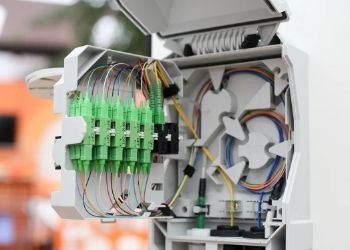 Fiber Optic Distribution Box
 Multiport Service Termina Box
 Fiber Optic Clamps
 About Us
 Our Team
 History
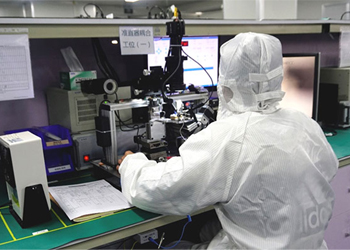 R&D Strength
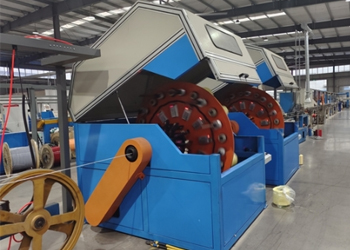 Production Base
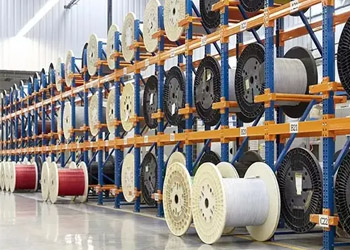 Warehouse & Logistics
 Quality
 FAQs
FAQsAerial Fiber Optic Cable Types and Benefits
Aerial fiber optic cables come in different types such as ADSS (All-Dielectric Self-Supporting), figure-8, and lashed cables. Each type employs a different method to suspend the cable between poles, resist high winds, and protect itself from water and sunlight. ADSS cables employ strong but lightweight materials and do not require any additional support wires. Figure-8 cables have a steel wire built in for hanging. Lashed cables have an additional wire for support and are lashed to it during installation. It’s good to know the difference to select the right cable for city or rural work. Below we explore how these types work, what they look like, and where to use them for best effect.

Types of Aerial Fiber Optic Cable
Aerial fiber optic cables, including various aerial optical cable types, come in a few different forms designed to serve specific purposes. Understanding how these aerial cabling solutions operate and where they are most suitable can help in selecting the proper cable.
1. Self-Supporting
Self-supporting cables require no additional messenger wires or support hardware. They’re rugged with robust jackets, occasionally even metal, so they’re prepared for wind, hail, and fast-moving storms. These cables run directly pole to pole, reducing hardware, labor, and time. Their construction resists sag and maintains the stability of the line, come hell or high water. You’ll see these in locations where there’s limited space for additional hardware or where fast deployment is cost-effective. Think rural broadband deployments or post-storm band-aids.
2. Catenary-Wire
Catenary-wire cables, often used in aerial cabling solutions, travel on a messenger wire. The aerial fiber optic cable ties to a steel wire, which absorbs the tension and keeps the cable above ground. This technique is effective in rugged terrain or over long stretches, where direct attachment isn’t feasible. Tension devices come into play here, controlling sag and resulting in less service calls and improved performance. Utilities and telecom crews employ catenary-wire systems when traversing rivers, valleys, or uneven terrain.
3. Figure-8
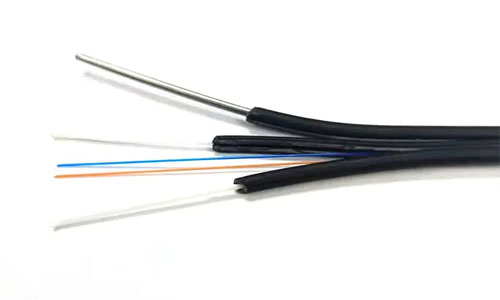
Figure-8 cables have a special shape. A messenger wire runs alongside the fiber, making a “figure-8” when viewed from the side. The messenger can be steel or insulated, providing additional strength.
-
Cut wind sway and sag risks
-
Speed up installs since less bracing is needed
-
Last longer outdoors with UV and water-blocking layers
-
Easy to spot and repair
They are commonplace in urban telco, FTTH deployments and congested distribution lines.
4. All-Dielectric Self-Supporting
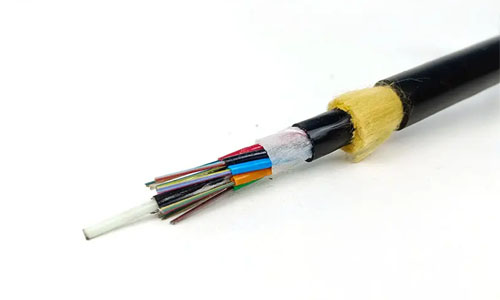
ADSS fiber optic cables contain no metal at all, only layers of durable insulation, making them ideal for aerial cable installations adjacent to high voltage lines, where electrical noise can wreak havoc. They’re lighter than metal options, easier to transport, and fast to deploy, particularly in tight spaces or areas with high interference, such as city streets and around substations.
5. Optical Ground Wire
OPGW cables, a type of aerial optical cable, play two roles at once: carrying data and grounding power lines. Constructed with metal for durability and fibers nestled within, they protect from lightning and keep the network connected. Utilities employ OPGW for safety and rapid data on lengthy transmission lines, making aerial cable installations crucial. Installing OPGW involves dealing with live wires and power crews, so planning counts.
Why Choose Aerial Installation?
Aerial fiber optic cable installations offer an efficient means of distributing high-speed internet access, especially in situations where trenching is difficult or cost-prohibitive. Utilizing poles and existing pathways, these aerial cabling solutions simplify extending internet access to expansive areas, whether they are mountainous terrains or bustling urban avenues. With the increasing demand for speedy and cost-effective networks globally, aerial fiber optic cable installations are becoming the preferred transport method for numerous network providers.
Deployment Speed
Aerial installation accelerates fiber optic installations, making a significant impact on project timelines. Aerial installation requires no digging or earth-moving, which can bog down a project or create hassles with weather, roads or utilities. Instead, wires are hung on poles overhead, leveraging what already exists—imagine power and telephone wires.
This way, new gig connections can get to homes and businesses in days, not weeks. For instance, when a community transitions from 3G to 4G or gets ready for 5G, aerial cables can be deployed rapidly, delivering immediate service improvements that customers feel.
Cost-Effectiveness
-
No need for heavy machinery or complex trenching equipment.
-
Less labor required for installation and fewer permits needed.
-
Less disturbance to local roads or scenery, while sparing repair expenses.
-
Self-supporting cables mean fewer materials and support structures.
Lower labor and material costs are a huge coup when considering aerial fiber optic cable installations. Crews aren’t tearing up roads or relocating pipes, so projects are less expensive from day one. Aerial cabling requires less maintenance in the long run because they aren’t buried beneath earth or water that can shift or flood. For large scale deployments, such as joining up an entire rural region, these savings accumulate quickly, positioning aerial fiber optic as a savvy choice for budget-conscious organizations.
Maintenance Access
Aerial fiber installations are far easier to repair or upgrade. Crews can access cables either from the ground or a bucket truck, which is faster and safer than trenching through bustling roads or fields. This translates into less downtime for customers when repairs come.
Troubleshooting is quicker because problems are more visible and accessible. When it’s time to speed things up or upgrade equipment, upgrades can be performed right on the line. With cables up so high, they’re less prone to getting damaged by construction or flooding, reducing hazards and simplifying maintenance.
Core Construction Elements
Aerial fiber optic cables consist of multiple layers, each selected to enhance durability, signal integrity, and longevity. At the center is the core, composed of pure silicon dioxide (SiO2). Where light speeds, data flies. Single-mode fiber’s core is just about 9 microns wide, making it an excellent choice for long distance applications. In contrast, multimode fiber, which has a core up to 62.5 microns, allows the light to bounce at many angles, making it better suited for short runs. The cladding envelopes the core, capturing light within it by having a lower refractive index of 1.47 compared to the core’s 1.49 at 1300nm. Next is the coating, a dual-layer armor that protects the strand from nicks and folds. Surrounding all of these, you’ll discover strength members and a cable jacket, both crucial for aerial cable installation. Every layer has a purpose, combining to make the aerial fiber optic cable strong enough to dangle between poles, weather storms, and keep data flowing.
Jacket Materials
Non-metallic jackets designed for aerial fiber optic cables are composed of materials such as polyethylene (PE), polyurethane (PU), and polyvinyl chloride (PVC). PE is hardy, resists sun, water, and most chemicals, making it an excellent choice for outdoor fiber optic cable applications. For areas with a lot of heat or sun exposure, UV-resistant jackets are critical, as they prevent the jacket from breaking down, which keeps water and grit out, ensuring that cables function longer. Some of our jackets are more expensive but tend to endure longer in rough patches. Selecting an appropriate jacket is about balancing the weather, the sun, the animals, and your budget.
Strength Members
Strength members are crucial in aerial cable installation, as they prevent cables from stretching. Typically constructed of steel or fiberglass, steel provides sheer strength for long runs, while fiberglass is lighter yet strong for shorter runs. These components are essential in aerial cabling solutions, keeping the cable vertical and protected from wind or ice loads. By preventing sagging, snapping, or excessive bending, this design reduces the need for repairs and enhances longevity.
Buffer Tubes
Buffer tubes coil around the delicate glass strands of aerial fiber optic cables and provide them room to shift without fracturing. This architecture allows overhead cables to flex without kinking, a clever trick to protect fibers from stress during aerial cable installation between poles. Tubes may contain a single fiber or multiple fibers, with different aerial cabling solutions having varying tube layouts depending on how many fibers require protection and how flexible the cable should be.
Water-Blocking
Water-blocking is essential in moist or wet locations for aerial cable installations. It prevents water from seeping into the aerial fiber optic cable, potentially destroying the fibers. Barrier gels, powders, or tape are used, especially in monsoon or flood-prone areas, ensuring that aerial cabling solutions keep data flowing, even during wild weather.
Key Deployment Considerations
Aerial fiber deployment presents unique challenges and decisions, particularly in aerial cable installation. Every project must weigh expenses, environment, regulations, and technique against local necessities and sustainable objectives.
Environmental Factors
Wind, ice, heat, and storms all affect the life and service quality of aerial fiber optic cables. In windy areas, cables can swing and cause strain, making it essential for pole spans and cable sag to be well planned during aerial cable installation. Ice build-up adds weight, pulling on cables and poles, potentially leading to breaks or signal loss. Additionally, salt in coastal regions or smog in urban areas can damage cable jackets. Site studies help identify these dangers in advance. One project in a mountain region, for example, encountered landslides and cold snaps. Utilizing ADSS fiber optic cables allowed the team to conquer both the weather and the terrain. Selecting the appropriate aerial optical cable, which offers adequate protection and is suitable for local conditions, results in fewer repairs and an extended lifespan of the fiber optic cable, sometimes lasting as long as 25 years.
Installation Methods
Aerial fiber can be strung using moving reel or stationary reel methods.
Key deployment considerations The moving reel method is nice for long, straight runs, while the stationary reel assists when space is limited. Cable-in-duct configurations use blown or pushable fiber and are ideal for complicated routes or additional cable protection. Where speed is of the essence, pre-fibered aerial cables are quicker to install. Selecting a strategy is a matter of topography, cost, and timeline. Winches, cable pullers, and tension meters, for example, ensure that cables remain taut and safe. Bad craftsmanship translates to sag, strain, or snapped lines down the road, so experienced crews and quality equipment are important.
Regulatory Standards
| Standard/Code | Region | Focus |
|---|---|---|
| ITU-T G.652 | Global | Fiber specs |
| IEEE 524 | Global | Aerial installation safety |
| NEC Article 800 | USA | Communications wiring |
| IEC 60794 | Global | Cable construction/testing |
Following local and global regulations protects public safety and network availability, especially during aerial cable installations. Adhering to these codes leads to fewer legal or repair nightmares and quicker sign-off by inspectors. Ignore one of the key rules, and aerial fibre optic cables might have to be redone or torn down, costing hours and dollars.
Mitigating Signal Degradation
Aerial fiber optic cables encounter numerous hazards that can degrade signal quality, including wind, rain, and temperature swings. Moreover, bending and stretching can lead to issues, so selecting the right aerial optical cable is crucial. Implementing smart aerial cable installations and proper cable routing helps maintain robust signals despite environmental extremes.
Bending Loss
Bending loss, or leakage, occurs when light escapes the fiber core because of sharp bends or microbends, resulting in weak signals or dropped connections. Bent cables, even slight ones, can impair performance, particularly in confined areas on rooftops or utility poles. It’s best to adhere to the cable’s minimum bend radius and employ gentle curves, not harsh angles. Cable laying should not be rough, with cables yanked too hard or forced around corners.
A good checklist for bending loss:
-
Always use the manufacturer’s suggested bend radius.
-
Never coil cables too tightly during storage or installation.
-
Employ bend-insensitive fiber in locations where tight bends cannot be evaded, such as in tight enclosures.
-
Mitigating Signal Degradation Secure cables with guides and supports to prevent sagging or snagging.
For existing installs, look for pinched spots or acute bends and either reroute or replace cables as required. Periodic inspections assist in identifying these problems before they become irreparable, guaranteeing your network smart.
Attenuation
Attenuation is the loss of signal strength as it travels along the cable. This is due to Rayleigh scattering within the fiber and connector or splice losses. Sun and wind can strain cables and accelerate this fading in aerial installations.
Measure it with an optical time-domain reflectometer (OTDR), which finds attenuation and breaks. To combat attenuation, use low-attenuation cables with thick outer sheaths. Keep connectors and splice points clean. Select low-attenuation fibers for long hauls. This keeps your data flowing quickly and cleanly, even across long distances.
Dispersion
Dispersion disperses light pulses all over the place when traveling long distances, jumbling data and reducing speeds. Chromatic and modal dispersion are the two major types. Chromatic occurs when different light colors (wavelengths) propagate at different speeds. Modal happens in multi-mode fibers as light travels diverse routes.
To reduce dispersion, select single-mode fibers for lengthy, high-speed connections. They combat both varieties. Use dispersion-shifted fibers if your network requires additional support for rapid data. For short runs, common multi-mode fibers are fine, but look at the specs to make sure they suit your application.
The Future of Aerial Networks
Aerial fiber optic cable will define the coming network boom. Today, it excels in locations where burying underground lines simply isn’t an option—mountains, flood zones, bustling metropolises, or distant hamlets. The demand for fast connections in both bustling metros and remote inlets means aerial networks are occasionally the sole path to bridging the digital divide. Others can install four to five kilometers of aerial cable in a day, bringing the internet to those who’ve waited too long. This makes aerial cabling solutions vital for expanding network infrastructure.
Self-supporting cables, such as ADSS (All-Dielectric Self-Supporting), are on the increase. They can dangle between poles without additional wiring supporting their weight and weather wind, ice, and storms more reliably than previous designs. This layout reduces interruptions and maintains signal consistency, which is crucial in regions with extreme weather. Aerial fiber optic cable costs can range from $0.20 to $5.00 a foot, providing planners options that meet a range of budgets or build requirements. This leaves aerial options more accessible for schools, clinics, and small towns that require solid connections but have limited funds.
New designs deploy improved outer coatings and more resilient cores, so aerial fiber cables stand the test of time and require less maintenance. These updates translate to less downtime and more confidence in the network, whether it’s a city block or a remote village. The speed demand from 5G, in particular, drives builders to choose cables capable of transmitting massive amounts of information rapidly and without losses, reinforcing the importance of aerial cable installation.
Huge initiatives now gaze up to the air and down to the water. More submarine fiber cables are being laid, like the new lines in the Red Sea, to help bind continents and serve the world’s internet traffic. There are obstacles. Weather, tree falls, and rough terrain imply that each aerial cable installation requires careful planning and quality equipment to maintain the network for years.
Investment in aerial networks will double by 2030. The race is on for better, faster, and more reliable links everywhere that are shaping how people work, learn, and stay in touch.
Conclusion
What sort of aerial fiber optic cables are designed to hold up to wind, rain, and sun? Each caters to a specific need, flat cables for urban areas, self-supporting for long hauls, or all-dielectric for areas with an abundance of power lines. Teams select what works best by considering weather, span, and cost. To reduce signal loss, intelligent routing and tight installs go a long way. New ideas keep popping up too, making networks sturdier and speedier. Aerial fiber continues to be the preferred choice for expanding small towns and bustling metropolitan areas. Looking for a network that’s built to last? Select your cable wisely, plan your route carefully, and hold on to what works.
Frequently Asked Questions
What are the main types of aerial fiber optic cables?
They primarily include figure-8 self-supporting, ADSS (All-Dielectric Self-Supporting), and lashed aerial fiber optic cables. Each type is intended for aerial cable installation and provides varying degrees of durability and shield.
Why is aerial fiber optic installation preferred in some areas?
Aerial cabling solutions are typically selected because they are less expensive and easier to deploy quickly, making them perfect for areas where underground cabling is problematic or prohibitively expensive due to obstacles or terrain.
What are the core construction elements of aerial fiber optic cables?
Aerial fiber optic cables typically include a protective outer sheath, strength members for support, and optical fibers for data transmission. Certain types have water-blocking materials.
How do you protect aerial fiber optic cables from weather damage?
Aerial cables, particularly aerial fiber optic cables, use UV-resistant jackets and hardy materials to resist sunlight, wind, rain, and temperature fluctuations, ensuring reliable aerial cabling solutions.
What are key considerations before deploying aerial fiber optic cables?
Consider local regulations, pole availability, and aerial fiber optic cable types while planning for safe and efficient aerial cabling solutions.
How can signal degradation in aerial fiber optic networks be reduced?
What kind of aerial fiber optic cable solutions are available for routine maintenance and immediate damage repair?
What advancements are shaping the future of aerial fiber optic networks?
Smart monitoring, stronger materials, and easier aerial cable installation techniques are making aerial fiber optic cable networks more reliable, efficient, and scalable for future needs.