 Optical Fiber
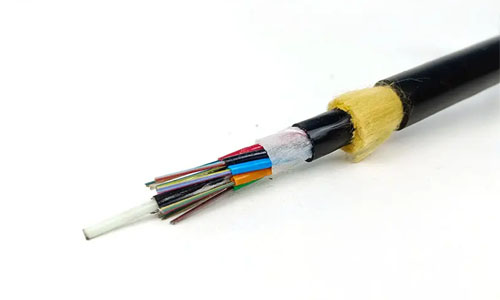 ADSS Fiber Optic Cable
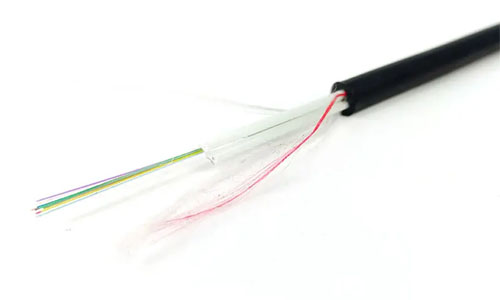 ASU Fiber Optic Cable
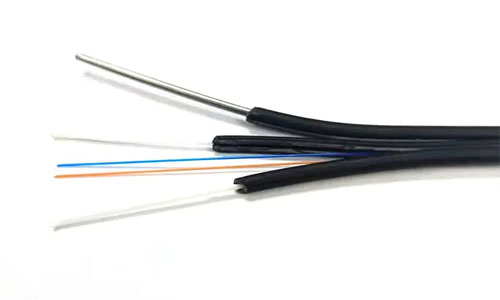 FTTH Fiber Optic Cable
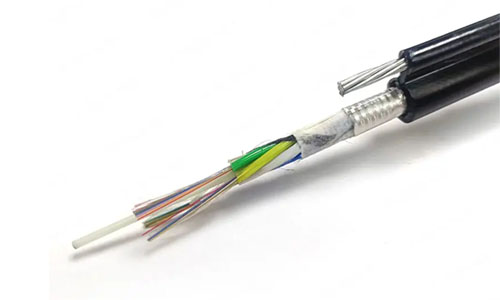 Figure 8 Fiber Optic Cable
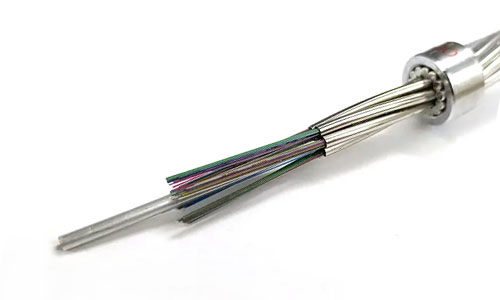 OPGW Fiber Optic Cable
 Coaxial Cable
 Ethernet Cable
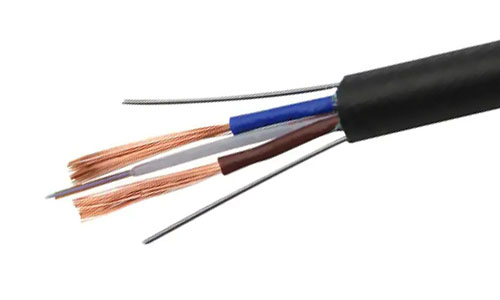 Photoelectric Composite Fiber Optic Cable
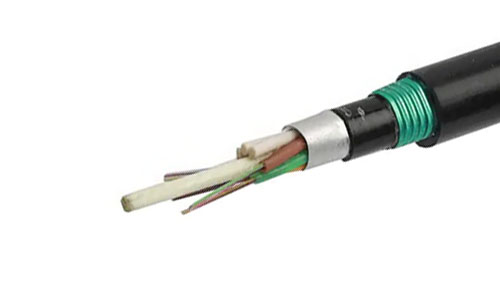 Underground & Pipeline Fiber Optic Cable
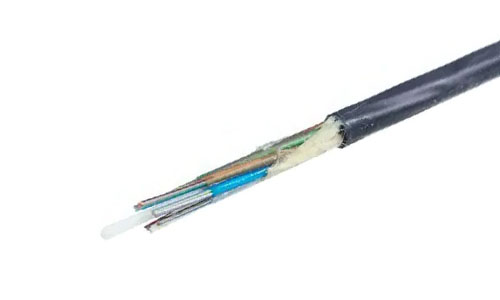 Air-Blown Micro Fiber Optic Cable
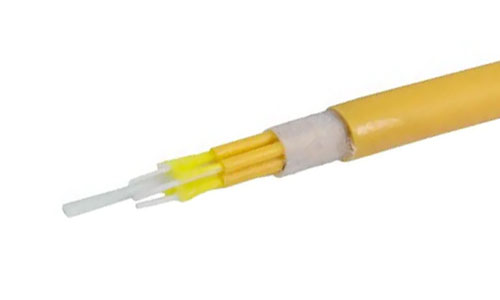 Indoor Fiber Optic Cable
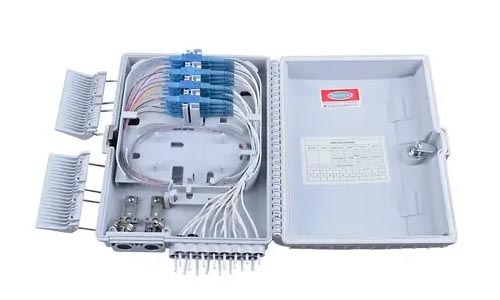 Fiber Optic Distribution Box
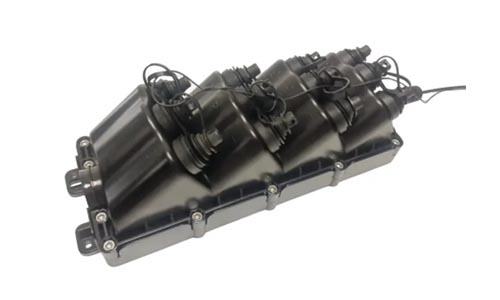 Multiport Service Termina Box
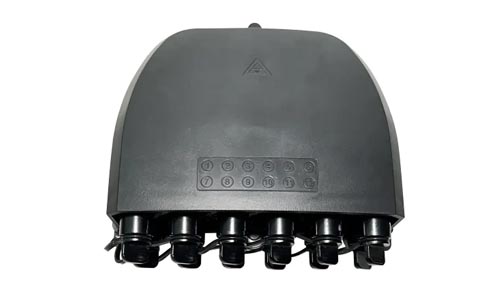 Fiber Optical Terminal Box
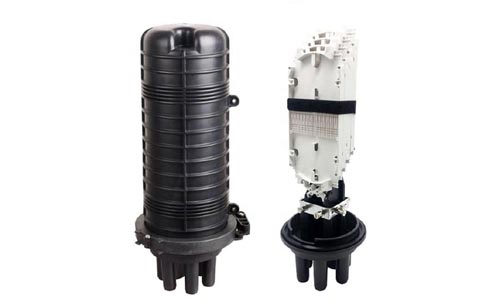 Fiber Optic Splice Closure
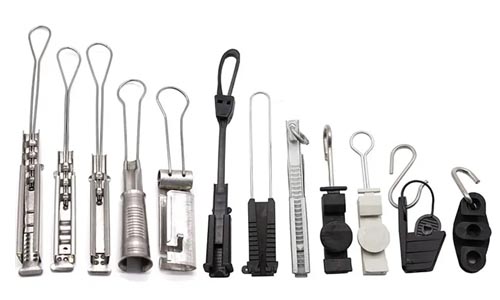 Fiber Optic Clamps
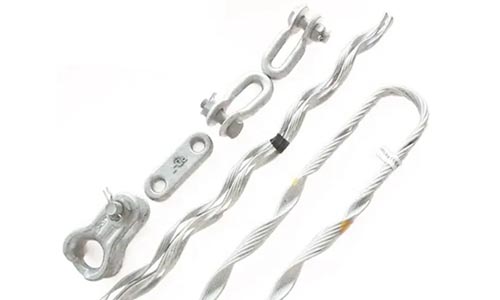 Fiber Optic Cable Fittings
 ADSS Fiber Cable
 ASU Fiber Cable
 OPGW Fiber Cable
 FTTH Fiber Cable
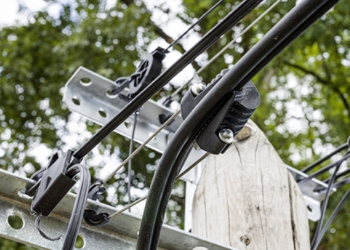 Figure 8 Fiber Cable
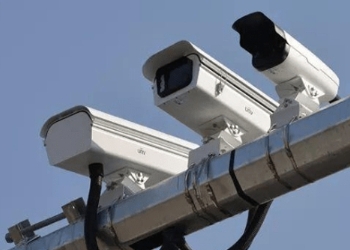 Photoelectric Composite Fiber Cable
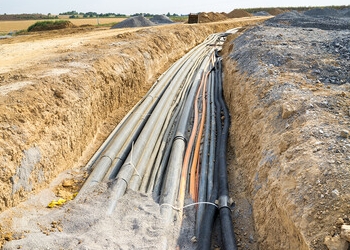 Underground & Pipeline Fiber Cable
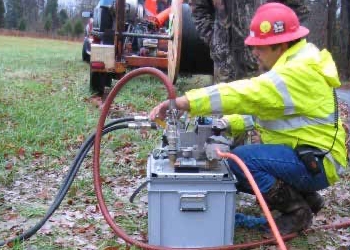 Air-Blown Micro Fiber Cable
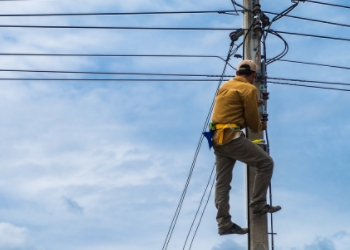 Aerial Fiber Cable
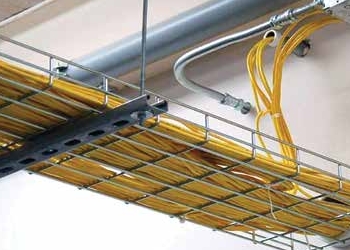 Indoor Fiber Cable
 Fiber Optical Terminal Box
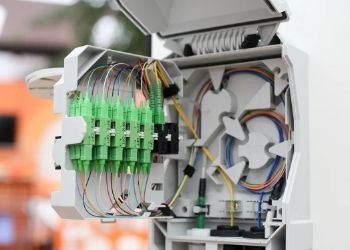 Fiber Optic Distribution Box
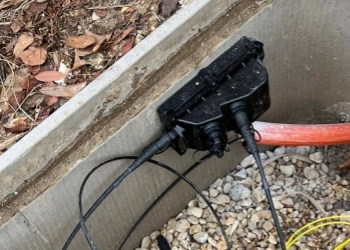 Multiport Service Termina Box
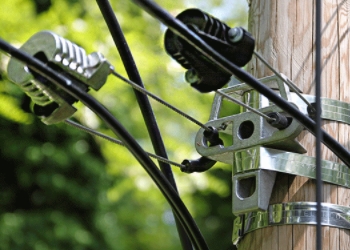 Fiber Optic Clamps
 About Us
 Our Team
 History
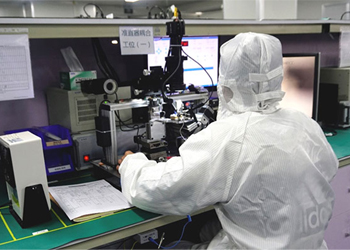 R&D Strength
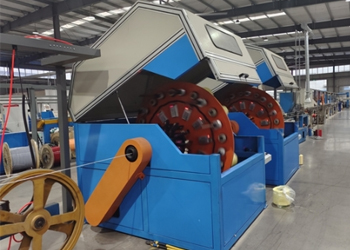 Production Base
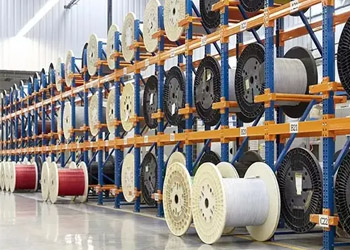 Warehouse & Logistics
 Quality
 FAQs
FAQsAerial Fiber Optic Cable: Comprehensive Guide
Contact for Free Quotation & Sample, According to your needs, customize for you.
inquiry nowAerial Fiber Optic Cable: Comprehensive Guide
-
Now, I’m able to connect rural communities and cities with more aerial fiber optic cable. This kind of versatility is what makes me great at expanding, connecting, and improving communication networks.
-
With aerial installation, it’s usually quicker and more economical to deploy than underground, while causing less interruption to existing infrastructure.
-
By understanding the core components and selecting the right cable type, I can ensure reliable performance and durability tailored to my installation needs.
-
Planning my aerial cable route and using proper installation practices help avoid excessive signal loss. It further lessens physical stress on my body and helps me remain regulatory-compliant.
-
I can protect the long-term integrity of my aerial fiber system by investing in ongoing annual inspections and maintenance. Making it with all-weatherproof materials of course is key to its maintenance as well.
-
Remaining abreast of innovations in cable design and installation techniques makes me faster and more productive. More importantly, it helps me future-proof my network investments.
Aerial deployment aerial fiber optic cable is designed specifically for aboveground use. You’re used to seeing it deployed on utility poles or towers. I use this cable to provide a very fast and very stable data link.
It’s amazing in all distances, whether I’m going across streets, train tracks, or long open valleys. Each of these fibers, made of glass, carries an individual light signal. This facilitates the swift and unambiguous transmission of data between two points.
You’ll commonly see it deployed in municipal networks, rural broadband, or industrial/business parks. The aerial fiber optic cable’s build allows it to endure weather elements like wind, rain, and UV rays.
In this guide, I’ll go over what makes up the cable, how it works, and what to know before you put it up or use it in a project.

What Are Aerial Fiber Cables?
Aerial fiber cables are any optical fiber cables installed above ground, typically strung between utility poles or towers. These cables are a bridge, connecting people and businesses across our cities and in our rural communities. If you’re walking around town, you may have seen a bundle of colorful cables dangling from poles overhead.
Those are probably aerial fiber cables, high performance broadband and voice service. Their primary role is to provide robust, reliable data connections where traditional undersea cables are difficult to install. From start-ups to large corporations to the smallest towns, everyone is taking a crack at fixing our nation’s broadband access.
That’s right—only 1% of the world today has access to real high-speed internet.
1. Defining Aerial Fiber Optics
Aerial fiber cables transmit data through strands of glass or plastic fibers. Special covers shield these delicate strands from the sun, water, wind, and ice, as well as the hundreds of pounds of tugging during installation. They’re designed to withstand extreme environments.
This ensures optimum cable performance over the lifetime of the aerial fiber, typically around 25 years. Whether strung along a hectic urban corridor or a remote agricultural landscape, fiber cables carry thousands of light pulses. Those invisible signals carry the internet, phone calls, and TV shows you rely on everyday right into your home.
2. Core Cable Components Breakdown
An aerial fiber cable has a core made up of multiple optical fibers. It contains an inner buffer tube, water-blocking gel, spanner (a robust central support like steel wire) and a rugged outer sheath. From outside to center, every element protects the cable while providing durability and longevity.
These cables are made up of environmentally friendly materials such as polyethylene, steel, and all-dielectric support rods. Better design equals lower risk of failure or interruption, even during severe weather events.
3. Aerial vs. Buried Cable Differences
Aerial cables dangle along utility poles, while buried cables rest below the ground. Aerial cables install much faster, upwards of 16,400 feet per day. In addition to being cheaper, they experience greater exposure to the elements.
Buried cables require more excavation, expense, and time to install, but they incur about 85 percent less storm-related damage.
| Feature | Aerial Cable | Buried Cable |
|---|---|---|
| Install speed | Fast | Slow |
| Weather risk | High | Low |
| Cost | Lower | Higher |
| Repairs | Easier | Harder |
4. Exploring Common Aerial Cable Types
All but the most rare aerial fiber cables are either self-supporting (like ADSS) or require a support wire (catenary). Self-supporting types carry their own weight and perform best over wide-open spans.
Catenary types incorporate a steel wire within the cable for added tensile strength, making them suitable for heavy aerial cable applications. You choose which type to use depending on what the project requires and the available space.
5. How Light Travels Through Them
Light travels down the fiber core through a principle called total internal reflection, which bounces the light around and helps keep the signal strong. Single-mode fibers perform better for long distances, while multi-mode is more appropriate for shorter hops.
The core size (single mode vs multi mode) affects how quickly and how far the light travels.
6. Key Performance Specifications
Two key backend specifications to watch out for are bandwidth (how much data it can carry) and attenuation (signal loss). Since exposure to heat, cold, and UV rays affect the fiber’s performance, it’s important to have clear standards and rigorous testing.
Utilizing certified cables leads to less hassle for all parties involved.

Why Choose Aerial Installation?
Aerial fiber optic cable installation provides an easily articulated benefit to any network build or upgrade. It enables them to roll out quickly, all while providing tremendous bottom line savings. This approach deploys fiber lines that are above ground on telephone poles.
In short, it successfully sidesteps most of the headaches that come with digging and trenching. You get a much higher bandwidth capacity which means you’re able to back up your data in less time. This is a huge boon for video streaming, online gaming, and cloud computing.
Aerial installations can access rural or remote locations where underground installation is too expensive or simply unfeasible. Utility providers frequently choose aerial installation, as it allows wires to be strung along existing power lines — ensuring network upgrades go much more smoothly.
Major Benefits of Going Overhead
Aerial installs make it much easier to access these cables for quick repairs or routine checks. This prevents disrupts on service and allows us to restore cover fast-footedly. The chance of accidentally digging up your fiber is reduced, increasing network resiliency.
This reduction in risk protects against surprise outages as well. Aerial lines weather extreme wind, rain, and sun—and yes, even icing—and are expected to last 20–25 years. If your community does grow or change, you have the option to add or relocate cables with considerably less hassle than is required with buried lines.
Not as widely known, though, is that it’s much easier to scale up and serve more people as demand increases.
Potential Drawbacks and Challenges
Certainly you have to account for the weather—wind, tempests, or rotting trees can take a toll on the wires. Routine inspections help to ensure that aerial cables are durable, functional, and suitably maintained.
Some worry about how aerial wires look, but in most spots, people focus on speed and price, not the view.
When Aerial Makes Financial Sense
If lowering upfront expense is your priority then aerial installation is the best option. They save up to 30% in installation costs compared to underground alternatives, allowing you to expand faster into new territories.
Since there’s less digging and overall easier work, you save time and costs. Projects in these often hard-to-reach small towns tend to have high value due to lower install costs and less time lost to hold ups.
Essential Hardware for Aerial Fiber
Whether I’m installing an aerial fiber drop or splicing in FTTH on poles, I can tell you from experience, hardware is what delivers the reliability needed. Using the appropriate gear will keep your lines from sagging into danger. It will ready you to defend against worst-case scenarios, like high winds or winter ice.
I normally utilize messenger wires, or suspension strands, to support cables over long spans. These lattices are the wires that hold it all together when Mother Nature gets rough. Cable brackets, clamps, and support hardware provide additional grabs, particularly on utility poles.
When working with patches that are in close proximity to power infrastructure, All-Dielectric Self Supporting (ADSS) cables are ideal. They don’t need metallic support wires and can easily accommodate high voltage zones. Half the time it seems like a quarter of the cables I buy are the thick-jacketed, metal core ones. Withstand even the most extreme weather events.
Pole Attachment Gear Overview
Personally, I continue to prefer pole bands, bolt-on brackets, and heavy cable clamps. Each one has a job: keeping the cable tight and steady. Non-slack or non-slip attachments prevent slack or slippage, so the fiber does not sag or hang loose.
When I imagined each piece correctly, installations became quicker and more secure. Having the right equipment protects my crew just as much, reducing slips and falls in the process.
Cable Support and Tensioning Devices
Cable suspension clamps and dead-end grips prevent sway and allow control of tension. Tensioning prevents the cable from sagging, which greatly extends its lifespan. Tension tools like come-alongs, ratchet pullers, and cable blocks help here:
-
Cable suspension clamps
-
Dead-end grips
-
Ratchet pullers
-
Cable blocks
Managing Cable Slack Effectively
Cable slack is important, too.
Even with planning, sometimes you need to hide excess cable. I thread every line so there is no coiling or excess length drooping. Storage brackets for slack fibers maintain a clean appearance and allow for easy identification for future repairs.
Grounding and Bonding Essentials
Proper grounding involves protection against surges. I install ground rods, clamps, and bonding jumpers at each pole. Bonding joins metal components for uniform coverage.
I still make sure every ground is tight and grounded per safety standards.
Weatherproofing and Protective Accessories
For outdoor runs, I install UV-resistant covers and weather-tight sheaths. These shields act as an armor against the sun and storms. Weatherproofing keeps rain and sun damage out, extending the lives of the fibers.
Planning Your Aerial Cable Route
A good aerial infrastructure installation starts long before any vehicles arrive at the job site. Better planning expedites implementation, reduces risk, and ensures better long-term operations and maintenance.
As a cable route planner, when I begin a new route I consider the entire picture, from the lay of the land to a proposed span length between poles. A site survey comes first. My typical approach is to walk the area and look for any obstructions such as trees, buildings, or busy highways.
I flag the route, make measurements and notes and take photos. I log all my records, so I can refer back if issues do arise down the line.
Conduct Thorough Site Surveys
A complete site survey involves physically walking the line, testing for vertical terrain bumps, and identifying possible blockages. On the new construction aerial jobs, I’m usually the one who tracks the pole locations and measures the distance across poles.
Lastly, I make sure there’s an obvious path to string the cable. I always stay no closer than 3’ from trig beacons to stay on the safe side. I look at current cable loads too, noting how extra weight might change sag or tension if I lay new cable on old lines.
Taking the time to document all this minimizes route issues once work is under way.
Select Optimal Cable Pathways
When I choose a cable route, I look for long, straight, clear stretches. Less kinks=better signal Poor bend characteristic. I time my route to go around tight turns and crowded areas.
The aspect of ADSS cables that I value most is the ability to hang lines close to power poles. Here are things I weigh:
-
Terrain and slope
-
Distance between poles
-
Obstacles like trees or signs
-
Room for a 16-foot buffer at ends
-
Messenger wire strength for weather
Understand Permits and Regulations
Obtaining the needed permits in advance helps ensure that the work is above board. I research local ordinances on aerial cables and file the appropriate paperwork.
Not securing a required permit can delay construction or result in penalties. I communicate with local offices early and often, and keep my paperwork organized to expedite approval.
Key Pre-Construction Preparations
Before we even begin, I assemble all the tools I need and ensure the entire team is aware of each step. We select proper ladders, ensuring three points of contact, and one foot out for every four feet up.
Then we install sturdy messenger wire and attempt to backfill in six-inch intervals. A few hours invested here saves the entire project time and improves safety.
Installing Aerial Fiber Optic Cables
Successful installation of aerial fiber optic cables requires detailed procedures, coordinated collaboration, and an acute attention to safety. First, I personally do an exhaustive site survey to plan the entire route and pick the best poles. Next, I pull all relevant permits to advance the project. That foundation allows me to envision and map out a seamless experience from beginning to end.
After all of that is ready, I run self-supporting cables for the long spans. Their lightweight design helps me get in 2-3 miles a day! These cables are designed in anticipation of a 25-year lifespan, even under the harshest conditions including high winds, heavy ice, or relentless UV radiation. Each segment of this operation entails managing upwards of 600 pounds of pull, so I always have my game face on.
The teamwork aspect is huge. From running the cable, to operating machinery, to preparing our end of the job site, every member on my crew understands their role. We rely on cable-laying tools such as cable rollers, pulling grips, tension meters, and ladders. Constant, clear communication prevents work from getting stalled and avoids costly errors.
Safety is the number one priority before, during, and after installation. It may sound silly, but I live in the proper PPE, from glove to hard hat to harness. These really serve two functions which allow me to operate the cable and tools without injury. I protect fiber optic cables from nicks by implementing soft, controlled lifts, and keeping cables clear of sharp edges.
Even when I’m setting cables on poles, I’m hyper-vigilant for the great plan arc and stress. This keeps the fibers protected while giving them the most flexibility. Weather, terrain, and quickly changing network needs all come into play to influence my decisions.
For long, open stretches, I opt for self-supporting cables. For the shorter, more complicated runs, I go with catenary wire aerial. Each technique suits a unique task, with prices ranging from 20 cents to 5 dollars per foot.
Ensuring Safety During Installation
Safety is the primary consideration while installing aerial FOCs. Given that the installation process completely revolves around heights, power lines, and a necessity for precision work, a lot is at stake with each install. By implementing robust safety measures, you safeguard your crew members and the public.
Training serves as the foundation. Each worker learns how to move on ladders, keep a 3-point grip, and work with gear like hardhats and gloves. These fundamentals prevent needless injuries. Conducting regular maintenance and installation safety checks can identify issues before they cause a crash.
A safety and risk inspection can identify your defect of a loose ladder, missing PPE, or a cable too near to a flash head.
Adhere to Safety Standards
OSHA directives and other safety protocols govern each installation. These regulations state you must not approach within 3 feet of trig beacons. They even teach you to place a ladder 1 foot out for every 4 feet of up and to pack a duct with no more than 40% fiber.
You reduce your risk by following these guidelines, and you prevent costly penalties and project holdups as well. Ignoring them can result in wasted time, injured workers, or complications with your permits. Have a checklist of necessary safety steps and review it before beginning work.
Implement Worker Safety Protocols
Cultivate positive practices to keep your crew safe. Direct communication between installation team members prevents errors. Daily safety huddles at the start of each job make everybody ready to work safely.
While work is ongoing, one designated person monitors for safety violations such as a missing hardhat or poorly placed ladder. Ramming in 6 inch lifts when backfilling keeps trenches safe, solid and ready for the surface restoration. These precautions are the first in a series of steps that keep you out of 95% of issues simply by thinking ahead.
Mitigate Environmental Risks
For aerial work, there’s wind, rain, and attack from birds. Crews must monitor changing weather patterns, move quickly to avoid oncoming storms, and prepare for extreme heat. At installation, progress is suspended any time that high winds or storms approach.
Maintaining right of way by ensuring threats of trees and monitoring wildlife reduces hazards. By employing sustainable tools and methods, such as eco-friendly superzipper and careful backfilling, the land can recover once the infrastructure work is complete.
Maintaining Aerial Cable Integrity
Once we install aerial fiber optic cables, ongoing maintenance is key to ensuring integrity and preventing network risks. Daily inspections allow us to identify areas of wear, movement in clamps, or indications of stress before larger issues arise.
We set up a routine for checks, like monthly or after storms, and use tools such as OTDRs and insertion loss meters to test the signal and spot faults. A maintenance logbook with dates, test results, and solution fixes allows us to better foresee trends and schedule repairs before emergencies arise.
Weather Impact on Performance
Aside from external agent wear, weather can batter cables with wind, rain, UV rays, and ice. Our durable jackets—even rip-resistant types similar to the jackets found on ADSS cables—are made to endure long sun-soaked or snow-blown days in the field.
Choosing weather-resistant cables and clamps goes a long way. When storms roll in, we inspect lines for any sagging or visible damage and apply supplemental clamps or covers where necessary. In areas with a heavy snow load or wind, we increase support at more poles to help stabilize the cables.
Ensuring Long-Term Durability
The proper cable provides us with 20 to 25 years of serviceability. We test for good jackets and metal, and apply the proper tension on our clamps. If we yank, at times more than 600lbs force, the cable will stretch.
It is all about the setup. We adhere to stringent safety guidelines and always wear required PPE, ensuring that each process is in accordance with all local ordinances.
Effective Monitoring Strategies
To prevent service issues, we monitor performance closely with meters and OTDRs (optical time domain reflectors) and proactively catch drops in signal or unusual readings. By actively going through these records, we’re able to stop the little leaks before they become major issues.
With a clear monitoring plan in place, we respond quickly, not retroactively.
Perform Post-Installation Inspections
We inspect every pole, clamp, and cable immediately after installation. Monitoring the signal at each stage helps us identify when something is out of whack.
We sharpen our pencil on every outcome for future, enabling repairs faster and more targeted.
Troubleshoot Common Aerial Issues
Loose clamps, drooping lines, or intermittent signals appear. We inspect every piece, replace any defective clamps, or tension the cable.
Speedy response helps maintain the integrity of the network and reduce outages.
Strategies for Extreme Weather
We retrofit additional cable supports in areas prone to storms and conduct more frequent inspections during winter months. Emergency preparedness—extra clamps, alternative aerial cable—get us ready to act fast when disaster strikes.
Future Trends in Aerial Fiber
Today, the aerial fiber optic technology is rapidly accelerating. Over 100 million Americans rely on fast internet to work, indulge in entertainment, connect with others and function in today’s world. This incredible acceleration is putting immense pressure on the industry to produce faster, more superior, and more resilient cables and implement more intelligent aerial installation techniques.
By 2025, we’ll see some exciting new technologies emerging both inside the cables and in the ways we deploy them. ISPs will use AI to spot and stop threats, open-access models will let more companies share fiber, and the need for faster speeds like terabit-level connections will keep rising. The most formidable contributor to this growing market will be the Asia-Pacific region, with countries such as China and Japan leading the way.
Fiber in the U.S. Makes a huge difference in connectivity. This is even more critical as Wi-Fi 7 and high-resolution streaming increasingly enter the scene.
Innovations in Cable Design
More recent aerial designs utilize lighter, more durable materials that withstand climatic conditions more effectively. Many of the new cables use gel-free constructions, making them easier to handle and having longer lives in stormy weather or extreme heat.
We’re looking at fiber that uses bend-insensitive glass, allowing installers to work in challenging areas where cables could easily get kinked or broken. In recent years, research teams have produced exciting hybrid cables that splice power lines along with fiber optics. This new technology makes it much easier to operate both services concurrently.
All-dielectric self-supporting (ADSS) cables are increasing in popularity. They do particularly well in storm-heavy regions since they don’t have metal components.
Improving Installation Efficiency
Today install crews are outfitted with lighter equipment that not only quickens the pace of a project but reduces worker fatigue. Improved training programs can educate workers on identifying issues faster and adopting emerging technologies.
Photo Courtesy of MRG drones and mapping software allow planners to determine the best routes for the cables, saving time and money. A disciplined approach such as with thorough preparation and daily inspections helps projects stay on schedule and increases safety.
These improvements make it possible to deliver fast, reliable fiber connections to even more homes and businesses.
Conclusion
Aerial fiber optic cable provides reliable speed and remarkable distance. It’s ideal for the high-speed demand users whether they’re urban dwellers in a busy network or rural users on an underserved broadband highway. With the proper equipment, a thoughtful approach, and good maintenance, my system has been trouble-free and adaptable to ongoing innovation and evolution. I do see significant advantages, less upturned earth, faster repairs and more obvious routes for future expansions. So, rain or shine as they say, these lines remain robust with some simple attention. As demand for data continues to increase, I imagine more communities choosing aerial fiber in the future. By ensuring the safety of my routes and condition of my tools, I secure consistent use for commuting and labor. Want smart connections and nimble solutions in your inbox? If so, aerial fiber may be a perfect match for you. Connect and figure out the optimal arrangement for your outdoor location.
Frequently Asked Questions
What is an aerial fiber optic cable?
An aerial fiber optic cable is a fiber optic cable installed on aerial infrastructure, or above the ground. For the most part supplemented between utility poles it is central to the grander fiber optic network that transmits data across large distances.
Why are aerial fiber cables often preferred over buried cables?
Aerial fiber cables are less expensive, easier and faster to install and maintain. They prevent the expensive excavation of ground, so they’re a less expensive but efficient option for many projects.
What hardware is necessary for aerial fiber optic cable installation?
Other essential hardware, like messenger wires, clamps, brackets, pole hardware, and splice closures, eat away at costs and can’t be overlooked. These components mount, guide, and shield cables in intricate outdoor settings.
How do you plan the route for aerial fiber optic cables?
Planning—even during the pandemic—means surveying the terrain and scoping out pole locations. There’s clearance consideration from improved areas such as trees or rigid buildings and meeting municipality code requirements.
What safety precautions are needed when installing aerial fiber cables?
Wear appropriate personal protective equipment, work according to OSHA standards, and be aware of electrical hazards. Safety training is a vital component to avoiding accidents and is required.
How do you maintain aerial fiber optic cables?
Consistent inspection, regularly scheduled cleaning, and dealing with any breaks or damage quickly are the ways cables are maintained in peak condition. Proactive maintenance minimizes service interruption and extends the life of your aerial central office cable.
What are future trends in aerial fiber optic technology?
Trends include stronger, lighter cables, improved weather resistance, and easier installation methods. Look for more sophisticated real-time monitoring systems that improve overall reliability and performance.