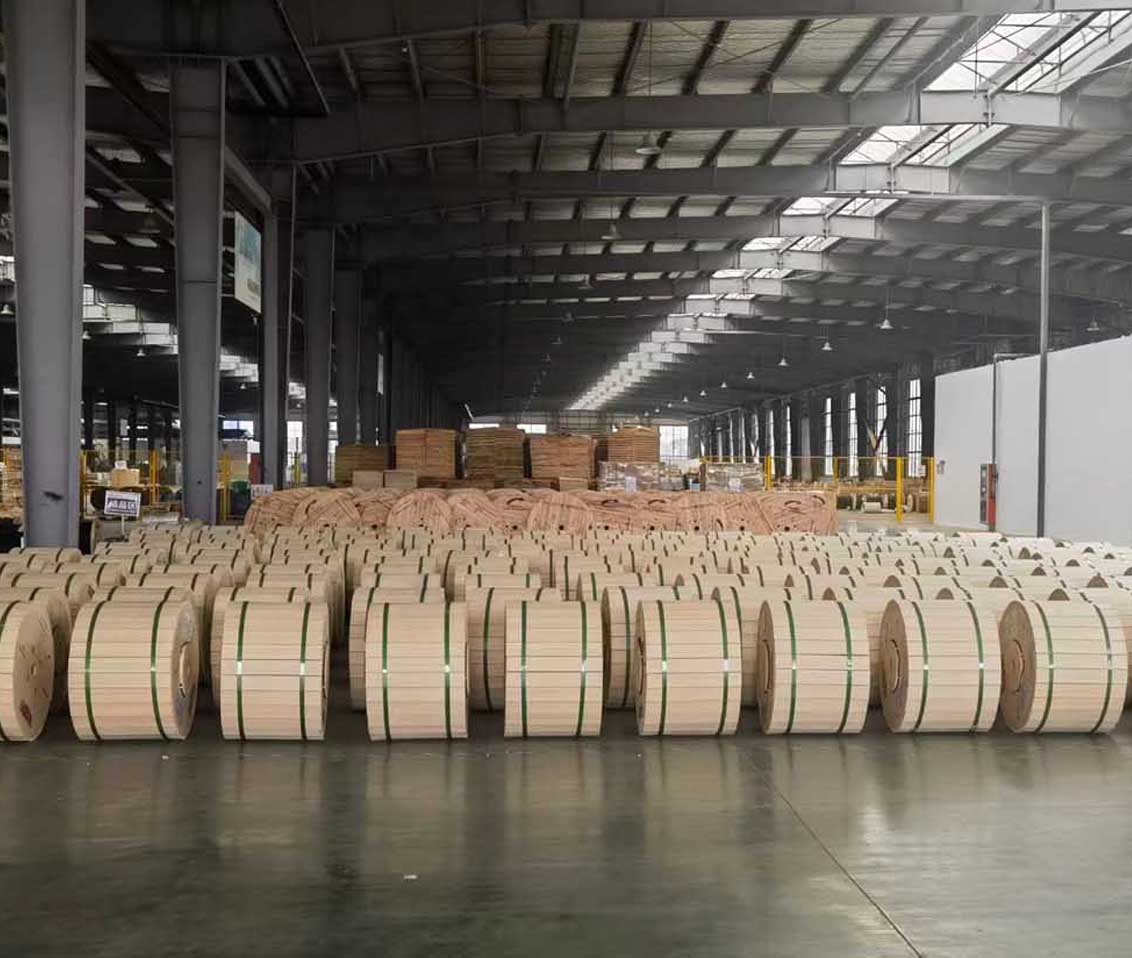
 Optical Fiber
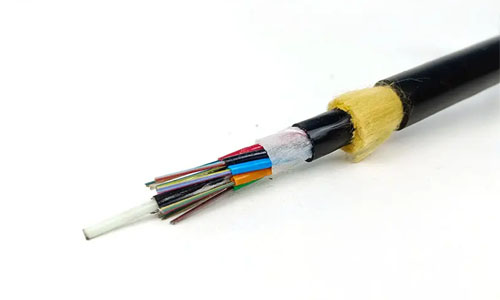 ADSS Fiber Optic Cable
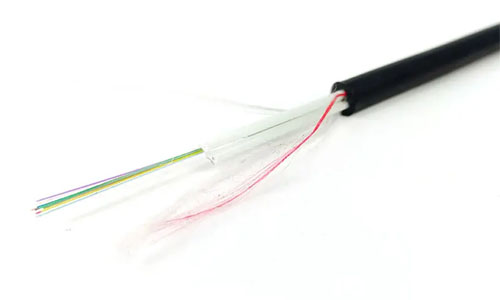 ASU Fiber Optic Cable
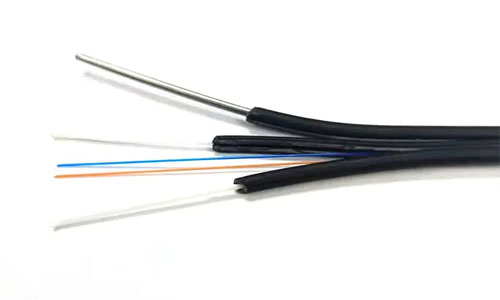 FTTH Fiber Optic Cable
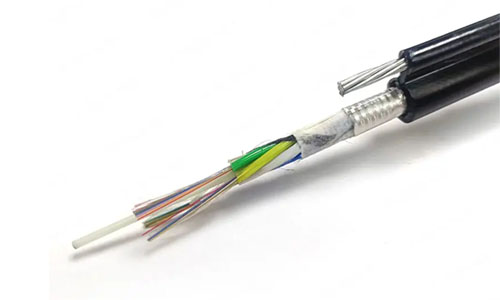 Figure 8 Fiber Optic Cable
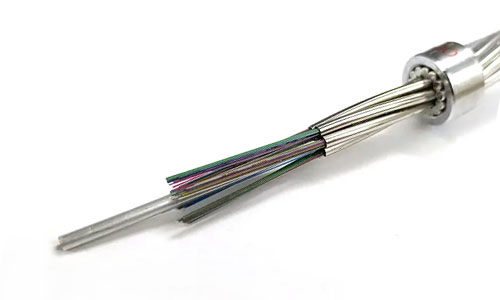 OPGW Fiber Optic Cable
 Coaxial Cable
 Ethernet Cable
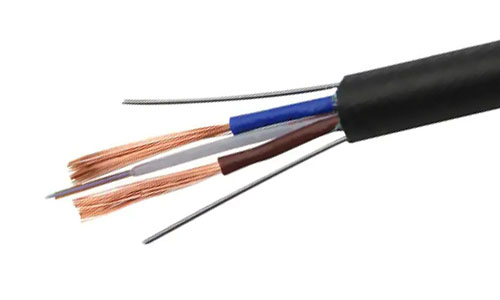 Photoelectric Composite Fiber Optic Cable
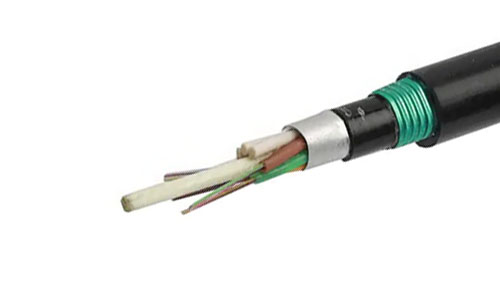 Underground & Pipeline Fiber Optic Cable
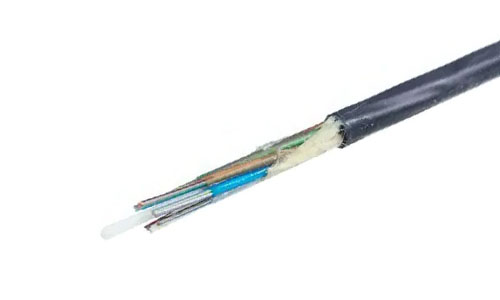 Air-Blown Micro Fiber Optic Cable
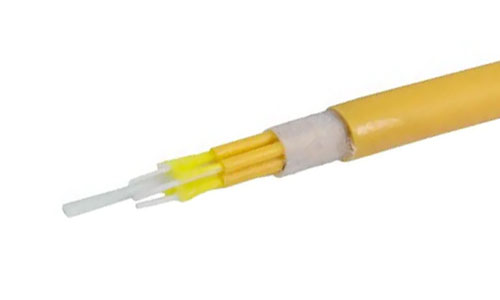 Indoor Fiber Optic Cable
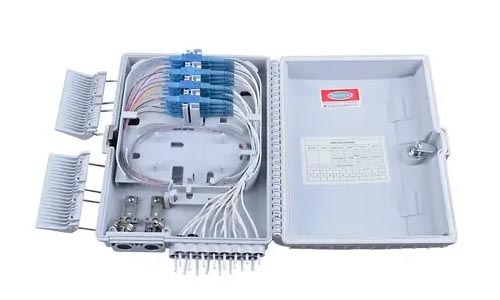 Fiber Optic Distribution Box
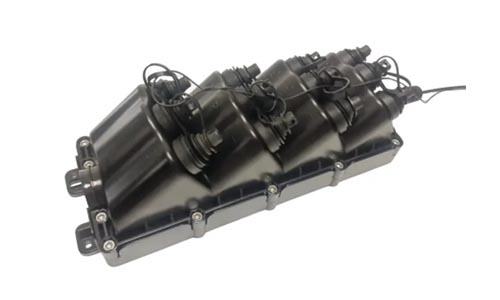 Multiport Service Termina Box
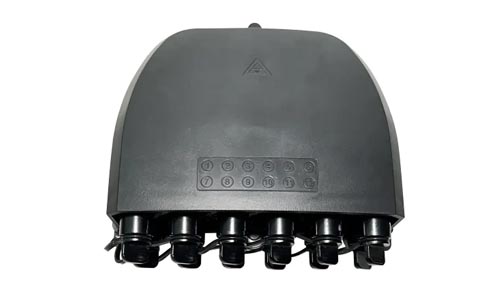 Fiber Optical Terminal Box
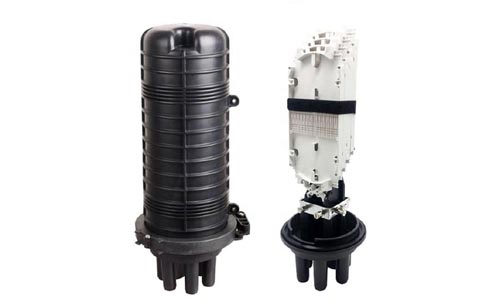 Fiber Optic Splice Closure
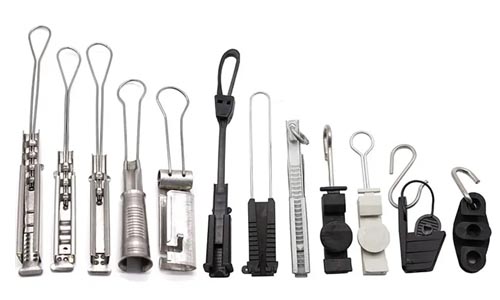 Fiber Optic Clamps
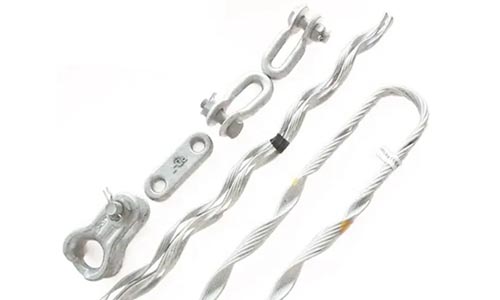 Fiber Optic Cable Fittings
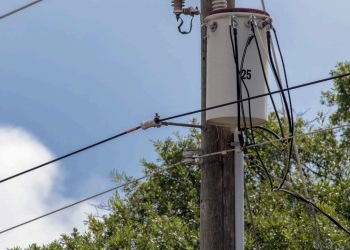 ADSS Fiber Cable
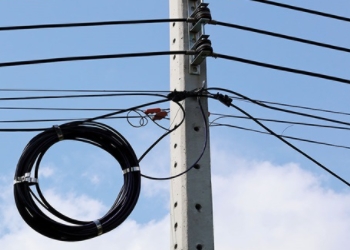 ASU Fiber Cable
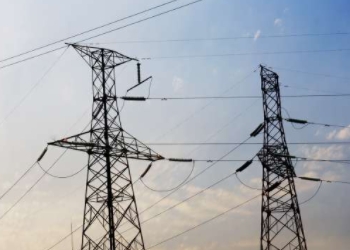 OPGW Fiber Cable
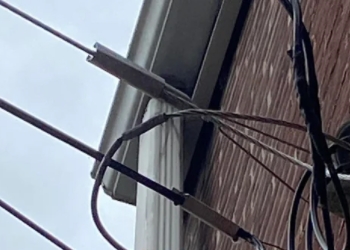 FTTH Fiber Cable
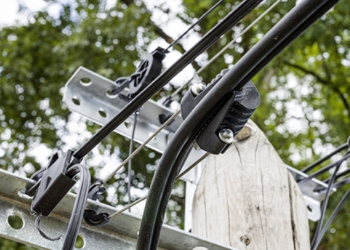 Figure 8 Fiber Cable
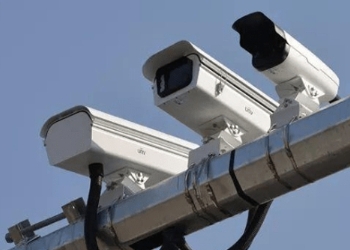 Photoelectric Composite Fiber Cable
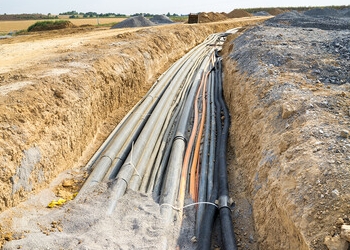 Underground & Pipeline Fiber Cable
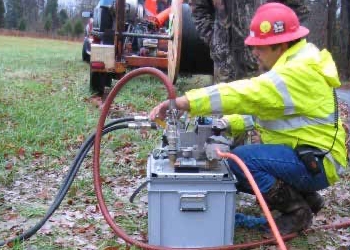 Air-Blown Micro Fiber Cable
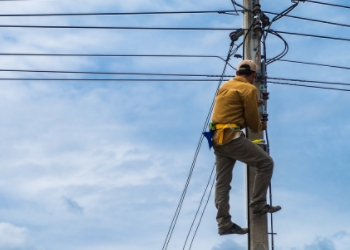 Aerial Fiber Cable
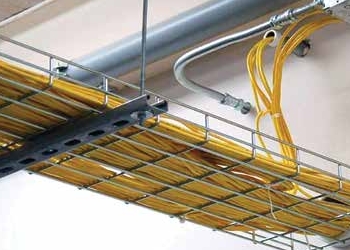 Indoor Fiber Cable
 Fiber Optical Terminal Box
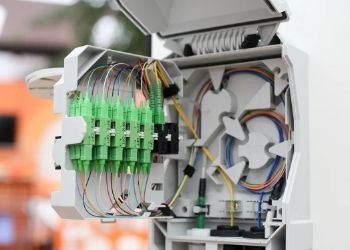 Fiber Optic Distribution Box
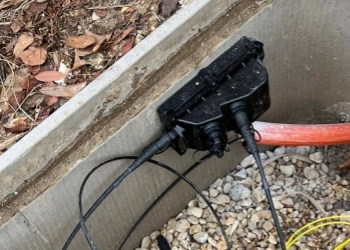 Multiport Service Termina Box
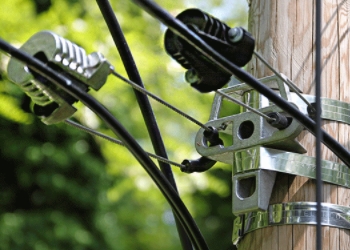 Fiber Optic Clamps
 About Us
 Our Team
 History
 R&D Strength
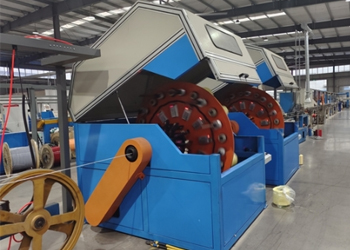 Production Base
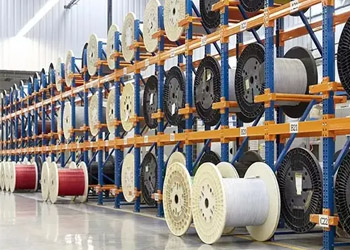 Warehouse & Logistics
 Quality
 FAQs
FAQsADSS vs. OPGW Cables: Key Differences and Applications Explained
-
OPGW cable provide grounding and data transmission, making them applicable to power systems that require integrated communication and electrical safety.
-
ADSS cable are perfect for optical communication where electrical interference is minimal and no grounding is necessary. This allows for more installation options.
-
Material selections, including dielectric and aramid fibers, influence the toughness, pricing, and longevity of OPGW and ADSS cables.
-
Both cable types are designed to endure harsh weather and environmental conditions. They differ in mechanical strengths and span capabilities depending on the project.
-
Installation and upkeep need specialized equipment and active maintenance to ensure safety, efficiency, and durability.
-
If you’re in the business of modernizing and expanding electrical grids, focusing on total lifecycle costs, operational downtime, and regulatory compliance is key when choosing the best cable type.
ADSS and OPGW are two types of fiber optic cables used in power transmission lines for data and communication. ADSS cables hang free between poles and don’t require electrical grounding, making them well-suited for high electrical field areas or retrofitting. OPGW cables serve as both a ground wire and a communication route, providing robust lightning and mechanical protection. Each cable has its advantages, and the decision between the two usually reflects your particular power line configuration, budget, and regional climate. The body will outline important factors to assist you in choosing the best fit for your project requirements.

Core Design Philosophies
ADSS and OPGW cables play essential roles in modern power and data networks, particularly in high voltage transmission lines, reflecting the evolving requirements for overhead transmission lines globally.
OPGW's Dual Role
OPGW cables perform dual functions: they ground electrical systems while also facilitating data transmission. Constructed with a metal core, the OPGW cable structure serves as a ground wire, securely conducting fault current to earth. This dual-purpose feature transforms the overhead ground wire into an effective optical fiber communication conduit, conserving space and minimizing the need for additional wiring. Power utilities typically select OPGW for high voltage transmission lines, where grounding is crucial. Even in adverse weather, OPGW helps maintain network safety and ensures that data continues to flow, even if a section of the cable is struck by lightning. By merging these functions into a single cable, OPGW enhances the management of power line towers.
ADSS's Sole Purpose
ADSS cables, designed primarily for data transmission, excel in environments where electrical interference is prevalent, making them an ideal choice for telecommunication networks. These purely non-metallic cables are lighter than OPGW cable types, allowing for simpler installation over long spans or when retrofitting existing poles. Their self-supporting structure eliminates the need for additional brackets or wires, which often results in faster, more cost-effective installation. However, while ADSS cables shine in urban or wooded areas, they cannot ground electrical faults, which is where OPGW cable structures remain essential.
Material Composition
-
OPGW uses aluminum layers with steel for strength and electrical flow. ADSS consists of non-metallic components such as polyethylene jackets and aramid yarn.
-
Dielectric materials in ADSS prevent electrical flow, allowing for safe use of the cable in high voltage environments.
-
Aramid yarn in ADSS provides flexibility, allowing installers to make tight bends with reduced risk.
-
OPGW’s metals contribute to weight and enhance grounding and ruggedness. ADSS’s lighter construction keeps costs down, and its components have a long lifespan in harsh weather.
Structural Integrity
OPGW cable is heavy and designed to endure on towering heights where grounding must succeed. Its rugged metal exterior layers withstand wind, ice, and heat, making it suitable for high voltage transmission lines. In contrast, ADSS cable is lighter and easier to haul up, with aramid yarn providing strength without weight. Both cable types are tested to withstand wind, rain, and even icing, ensuring reliability in power transmission systems, especially when weight and simple installation are paramount.
ADSS vs OPGW Performance
ADSS vs OPGW performance is about balancing their telecom and power infrastructure strengths. Both the adss fiber optic cable and opgw cable types carry high-speed data over fiber optics, but their construction, application, and performance distinguish them. The table below gives a quick look at their main traits.
| Performance Criteria | ADSS Cable | OPGW Cable |
|---|---|---|
| Structure | Non-metallic, dielectric | Metallic, hybrid (steel/aluminum) |
| Span Capability | 500–1000 m | 600–1200 m |
| Tensile Strength | Up to 3000 N | Up to 4000 N |
| Electrical Interference | Immune to EMI | Grounded, mitigates EMI |
| Data Rate (WDM) | Up to 400 Gbps | Up to 400 Gbps |
| Weather Resistance | -40°C to 70°C, high wind/ice | High, robust in storms |
1. Mechanical Strength
OPGW cables, with their metal core and sheath, are significantly stronger under tension, making them ideal for long, high voltage transmission lines where they can manage loads up to 4000 N. In contrast, ADSS cables utilize robust dielectric components that allow them to endure bending, wind, and ice without arcing. While OPGW is heavier and requires careful installation, its durability against crushing and sharp bends is advantageous for power transmission systems. For telecom networks designed to last decades, mechanical strength leads to fewer outages and reduced maintenance.
2. Span Capability
Long spans are where OPGW cable shines, extending 600 to 1200 meters on power towers due to its robust construction. The ADSS cable, with its lighter, flexible body, manages 500 to 1000 meters and requires no metal supports or grounding, making it ideal for rural broadband and FTTx projects. Span length often determines the appropriate cable type: mountain crossings might use OPGW, while ADSS suits open fields or places with tricky right-of-way. For instance, a smart grid in a windy valley selected ADSS for its rapid installation and no grounding requirements.
3. Electrical Interference
The conductive sheath in OPGW cable grounds faults and protects power and data lines from surges and EMI, which is crucial in areas susceptible to storms. Since ADSS cable is non-metallic, it remains unaffected by electromagnetic fields, making it ideal for telecom designs near high voltage transmission lines. However, ADSS still requires vigilant routing; it can collect stray currents if laid too close to live conductors. Both cable types demand careful engineering to minimize interference hazards by maintaining adequate clearances and using appropriate fittings.
4. Data Transmission
Both ADSS and OPGW cables leverage fiber cores that reach up to 400 Gbps per channel with WDM. Speed and clarity are a tie because both run on premium optical fiber communication technologies. Environmental hits such as UV, moisture, or ice can slow or distort signals if the cable’s jacket fails. Fiber technologies keep improving, so both cables now support high voltage transmission lines, making them future-proof for data-intensive loads.
5. Weather Resilience
OPGW cable withstands severe weather, effectively blocking lightning with its metal layers and fiber. ADSS cable operates from minus 40 degrees Celsius to 70 degrees Celsius, resists wind, sun, and ice, while ignoring rust due to its non-metallic sheath. In wild storms or significant temperature swings, the OPGW cable types may have a slight advantage in pure toughness, but the ADSS fiber optic cable excels where corrosion is a concern. Selecting the appropriate cable type for the environment reduces outages and maintenance expenses.
Installation and Maintenance
ADSS and OPGW cables are essential for modern power transmission systems and telecommunication networks. The installation and maintenance of these optical cables can significantly impact the reliability and cost of voltage power transmission. Here are the main steps for installing both types.
-
Survey line route and mark hazards
-
Set up poles or towers
-
String cable (OPGW with power off or live-line, ADSS no outage)
-
Secure cable with clamps and hardware
-
Test tension and sag
-
Splice fibers and seal joints
-
Inspect and document installation
Live-Line Work
Live-line work is crucial for OPGW cable jobs because it allows crews to repair or replace cables while the power is still energized. This process, particularly with OPGW optical cable, requires professionals to operate with insulated equipment and specialized apparel. They don gloves, sleeves, and suits that prevent electric shock. Crews use hot sticks, bucket trucks, and line covers to protect themselves. The ultimate advantage is that the power remains on, hence no blackout for customers, which keeps the grid humming and assists with emergency repairs. This work requires extensive training in high voltage transmission lines. Crews need to understand electricity, safety regulations, and how to respond to emergencies. Power companies like to choose teams with years of practical experience. Live-line skills make the entire grid more reliable because crews can respond quickly, without waiting for scheduled outages.
Equipment Needs
A few tools and machines are a must for both cable types:
-
Pulling machines
-
Tensioners and sag meters
-
Hydraulic crimpers
-
Fiber cleavers and fusion splicers
-
Insulated tools for live-line jobs
-
Climbing gear and safety harnesses
For ADSS, the gear list is abbreviated. Its lightweight design, weighing between 100 and 200 kilograms per kilometer, and aramid yarn bending capabilities translate to less bulky machinery. ADSS projects frequently pass on grounding tools, saving time and money. Technology is improving too; now there are drones for line surveys and tension sensors that display real-time data, all of which make work faster and reduce errors.
Long-Term Upkeep
-
Inspect cable jackets every 5 years for UV wear
-
Clean and check joints and clamps
-
Test fiber optic signal strength
-
Replace worn or damaged spans
-
Keep records of all fixes and tests
ADSS fiber optic cable requires less daily upkeep because it contains no metal to corrode. Sag and tension checks still matter, and UV can break down the outer jacket, so regular inspections are a must. OPGW cable types are more expensive to maintain, primarily due to live-line repairs and addressing metal corrosion. Good care, including inspecting for sag, repairing damage promptly, and recording all work, helps these high voltage transmission lines endure frequently for decades, which is over 25 years.
The Financial Equation
OPGW or ADSS cables play a crucial role in shaping the financial equation for both power and telecommunication lines, as understanding the advantages of each can significantly impact your decision-making process.
| Cable Type | Cost for 30 km Line (USD) | Installation Labor | Lifespan (years) | Shipping Cost Impact | Flexibility for Upgrades |
|---|---|---|---|---|---|
| OPGW | $300,000 | High | Up to 35 | Standard | Moderate |
| ADSS | $150,000 | Low | 20–25 | -20% (lightweight) | High |
Initial Investment
OPGW cables, or optical ground wires, require a larger initial investment due to both the cable cost and the specialized labor needed for installation. These cables are installed directly over high voltage transmission lines, which necessitates additional safety precautions and specialized equipment. When comparing the cost of OPGW to constructing a guard cable and independent fiber line, OPGW costs about 10 to 20 percent less, making it a viable option for many power infrastructure projects.
On the other hand, ADSS cables are lighter and simpler, requiring less robust hardware and intricate setups. Thanks to the aramid yarn, shipping costs are cheaper—approximately 20% less than heavier cables. For a 30 km project, ADSS costs roughly half of OPGW, which can be a significant advantage for budget-conscious teams looking to optimize their telecommunication networks.
For deployment, ADSS is the most economical alternative, particularly in locations that require rapid installations or where lines cannot easily be de-energized. Flexible funding options, ranging from utility budgets to green energy programs, facilitate the launch of more projects in the evolving landscape of power transmission systems.
Lifetime Cost
OPGW cables, known for their durability, have a lifespan of as long as 35 years, making them ideal for high voltage transmission lines. Their maintenance is straightforward, with less wear and tear than repairs since the cable is safely nestled atop the tower. This long lifespan amortizes the cost, making it a smart choice for projects that require decades of service.
While ADSS cables are cheaper initially, they typically last only 20 to 25 years. Maintenance can be pricier in harsh weather or with damaged lines, making it crucial to plan for replacements. Considering the entire cable lifecycle, including the costs associated with adss cable installation, leads to fewer headaches down the line.
When you consider them together, OPGW comes out ahead for long term savings in most big projects. ADSS excels for dynamic, short-term demand or locations where rolling new lines is complicated.
Grid Downtime
OPGW deployments frequently translate to reduced grid downtime given that the work occurs on top of the towers, far from live wires. Maintenance is simpler, which means that the power stays on more. For large grids, that translates into reliable service and more satisfied customers.
ADSS can ignite more downtime if lines cross or tangle during work. Clever scheduling and strong collaboration can reduce lateness. For both cables, the smart tools and expert crews keep those projects afloat and that price tag low.
Downtime is painful for both utility companies and customers. Every hour the grid is down can equal lost revenue and frustrated customers. Saving 140,000 kWh per year with the right cable doesn’t take long to add up, helping both the planet and your budget.
Grid Modernization Role
Grid modernization is replacing aging grids with new technologies to optimize power systems. Fiber optic cables, including ADSS cable and OPGW cable, play a crucial role in this transformation. They keep information flowing quickly and constantly, assist in monitoring the grid in real time, and are even capable of reducing installation expenses by as much as 50 percent compared to underground cables. Both cable types are now deployed globally to accelerate grid performance and resilience against storm damage, enhancing overall telecommunication capabilities.
Smart Grid Integration
OPGW cables, a crucial part of power transmission systems, can transport power and data in the same wire. This capability makes them excellent for smart grid work, where rapid and unambiguous communication is essential. Utilities deploy OPGW optical cables to monitor and control high voltage transmission lines remotely, aiding in the prevention of issues before they escalate into major problems.
ADSS cables excel in locations with high electromagnetic interference, as they do not contain any metal components. This unique feature protects information from radio-frequency interference, making them ideal for smart grids. Both OPGW and ADSS fiber optic cables allow the grid to transmit data on loads, faults, or outages in real time, enhancing the overall performance of electrical communication systems.
It’s not so easy to bring fiber into old grids. Certain locations require additional infrastructure or expertise to install these cables. The reward is huge: grids can now shift power smartly to avoid blackouts and save money.
In one Asian city, OPGW helped reduce outages by 25%, while a European rural power company successfully utilized ADSS to link remote stations without signal attenuation, showcasing the effectiveness of these advanced optical cables.
Reliability Impact
OPGW is hard. It’s both a ground wire and a data path, braving storms and powering the grid. This keeps power streaming and data connections sturdy, even when the weather turns brutal.
ADSS provides good reliability, particularly in areas where lines traverse forests or are in close proximity to industrial plants. Because it’s non-metallic, lightning strikes and EMI don’t interfere with it.
Dependable wires translate to fewer outages, improved experience, and more satisfied subscribers. Utility firms now view cable selection as critical to key projects.
The right cables assist grids in recovering more quickly from storms or faults.
Regulatory Compliance
Tough standards direct how ADSS and OPGW are installed and tested. These standards ensure the cables are durable and operate correctly.
We pick the best cable because we meet safety and rules from international organizations. Utility companies adhere to these to avoid penalties and protect individuals.
Fiber optic cables have to adhere to established standards concerning fire, tensile, and environmental resistance. Regulators monitor closely to encourage improved and safer installs.
Future Cable Innovations
Fiber optic cable technology is evolving rapidly, with novel methods to enhance optical performance and durability. One giant leap is the integration of carbon fiber in future cables. This material makes cables lighter, around 20%, and stronger in the process. Lighter cables make it easier to install them in the air, which is particularly beneficial since more than 2 billion kilometers of fiber will be overhead by 2025. Overhead cables are cheaper to install and they don’t disrupt the earth, resulting in less cleanup and reduced labor costs.
Hybrid cables represent another clever trend in the industry. These new styles combine the advantages of ADSS fiber optic cable, such as its flexibility and ease of installation, with OPGW cable’s resilient method of conducting electricity. This combination signifies that cables can accomplish more simultaneously. For instance, they can transmit high-speed data while also serving as a secure grounding path for electrical surges or lightning. Some of the new hybrids even use non-metallic components to eliminate electromagnetic interference altogether. This helps maintain pristine signals and prevents additional equipment from receiving static, making them an excellent option in areas with heavy concentrations of radio waves or high voltage power lines.
Sustainability is becoming a rising priority in the electric utility industry. Innovative materials for cables not only extend their lifespans—some up to 40 years—but they are also simpler to install, which can reduce labor expenses by 30 to 40 percent. Less time on the job means reduced risk for crews and minimized downtime for users of the cables. Using fewer metals and more recycled materials is beneficial for the planet and can lower costs in the long run. Some of our newest cables are even designed for convenient recycling when they reach the end of their life cycle.
All these shifts are positioning fiber to become a more prominent part of future networks, both for telecommunication and for electricity transmission. With tougher, featherweight, and intelligent cables, networks can reach further and perform more effectively, supporting urban and rural communities alike to get plugged in.
Conclusion
ADSS vs OPGW doesn’t have to be a riddle. Both cables perform essential functions in power grids. ADSS particularly shines on highly obstructed routes. OPGW suits high-voltage lines best. Each cable carries its own worth, from its speed of deployment to its maintenance requirements. Most teams consider safety regulations, cost, and urgency. Smart grids and new tech continue to move both possibilities forward. Out in the field, crews experience tangible benefits from making the correct selection. Teams that balance requirements, location layout, and future objectives are good choices. Take a hard look at your grid objectives and local requirements, and then consult with a cable specialist to determine the optimal solution.
Frequently Asked Questions
What is the main difference between ADSS and OPGW cables?
ADSS (All-Dielectric Self-Supporting) cables are non-metallic and non-conductive, making them ideal for high voltage transmission lines, while OPGW (Optical Ground Wire) cables integrate fiber optics with grounding for enhanced optical performance and communication.
Which cable is easier to install, ADSS or OPGW?
ADSS cables, known for their advantages in optical performance, are typically simpler and quicker to deploy, allowing for installation on live-line without power outages.
How do ADSS and OPGW perform in harsh environments?
ADSS fiber optic cable is immune to electromagnetic interference but may be susceptible to wind and ice, while OPGW cable types are resilient to extreme weather and require proper grounding to ensure safety.
Which cable is more cost-effective for long-distance transmission?
ADSS cables tend to be less expensive for moderate lengths and retrofits, while OPGW cable types might be best for new builds requiring both fiber optic communication and grounding wire.
What role do these cables play in modernizing power grids?
Both ADSS and OPGW cable types allow for dependable data communication, enhancing grid security and enabling smart grid capabilities in power transmission systems.
Are there any upcoming innovations in ADSS and OPGW cables?
Looking ahead, innovations in optical fiber communication center around increased fiber density, new materials for enhanced strength in opgw cable types, and optimized deployment methods to improve efficiency and lower prices.
Can ADSS and OPGW cables be used together?
Yes, utilities occasionally use both ADSS cable for locations needing no grounding and OPGW cable for areas requiring grounding and telecommunication!