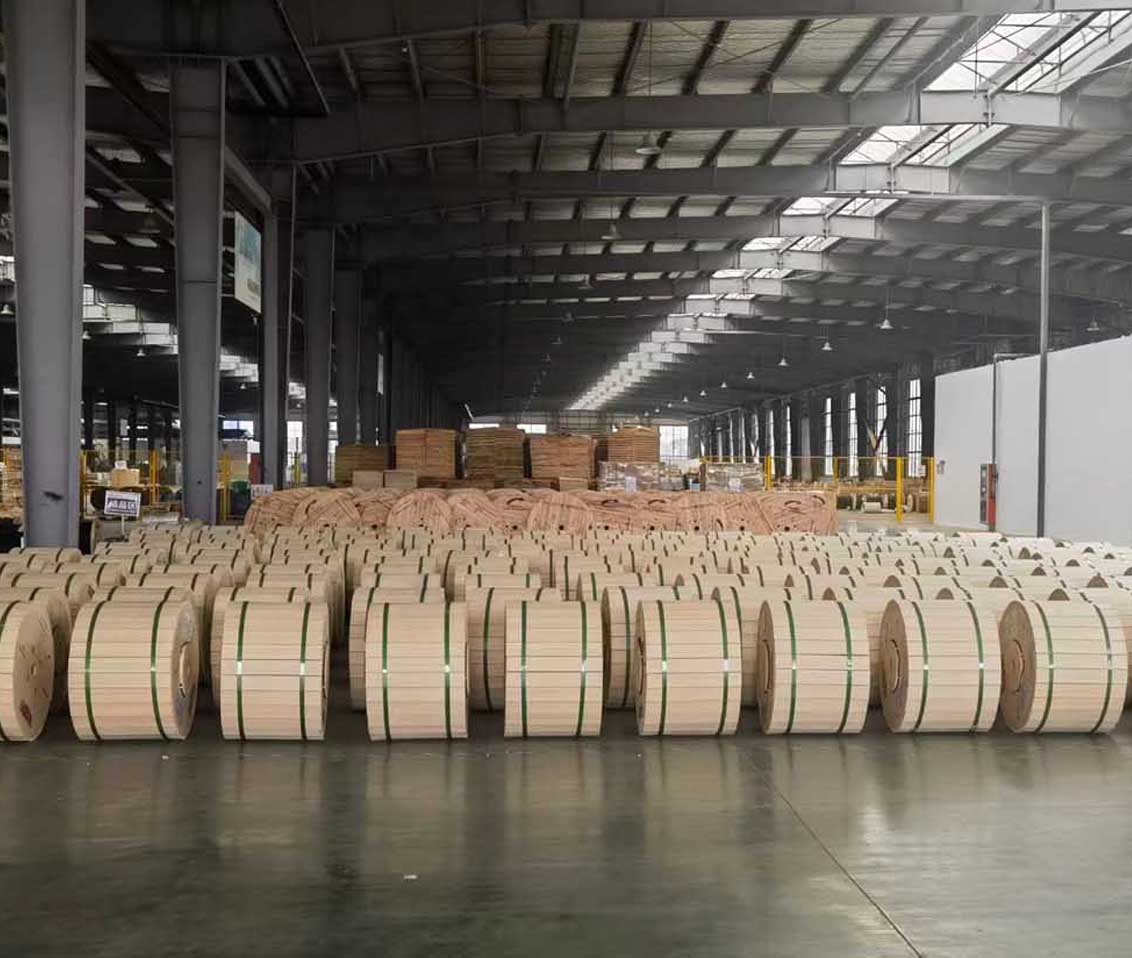
 Optical Fiber
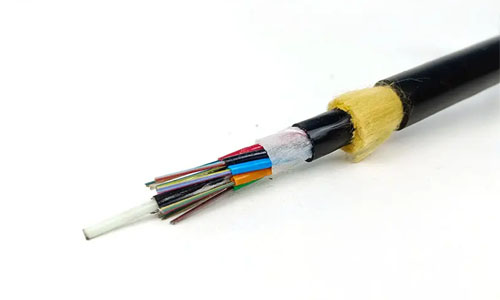 ADSS Fiber Optic Cable
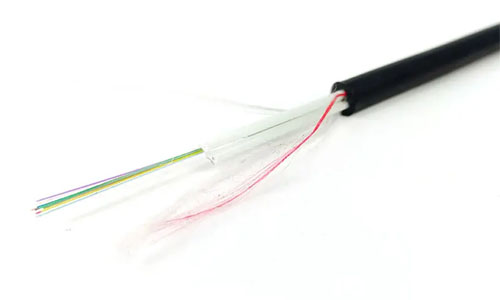 ASU Fiber Optic Cable
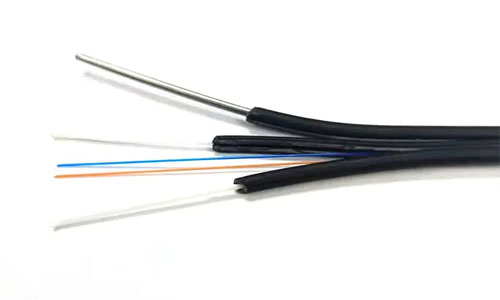 FTTH Fiber Optic Cable
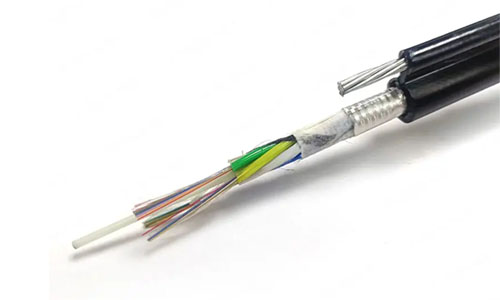 Figure 8 Fiber Optic Cable
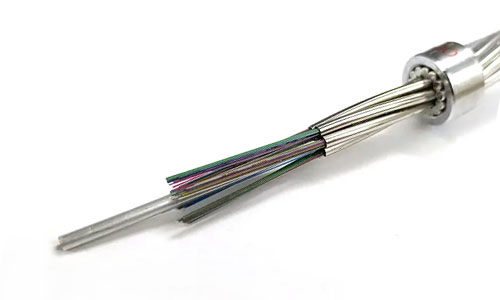 OPGW Fiber Optic Cable
 Coaxial Cable
 Ethernet Cable
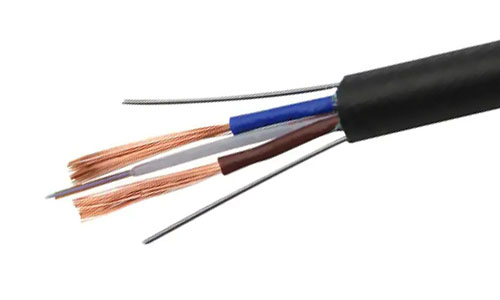 Photoelectric Composite Fiber Optic Cable
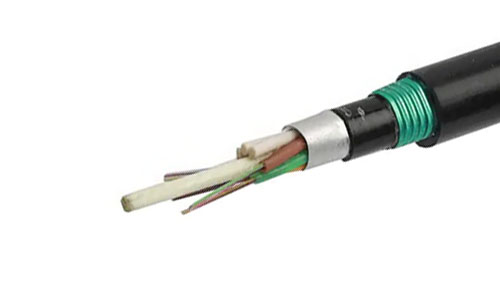 Underground & Pipeline Fiber Optic Cable
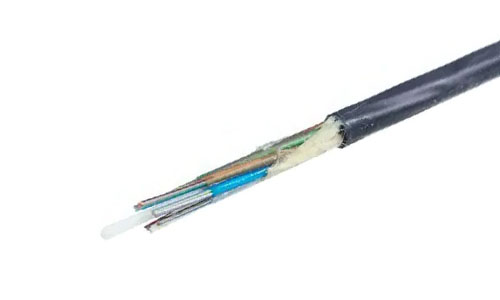 Air-Blown Micro Fiber Optic Cable
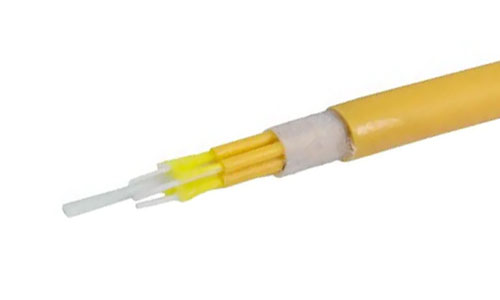 Indoor Fiber Optic Cable
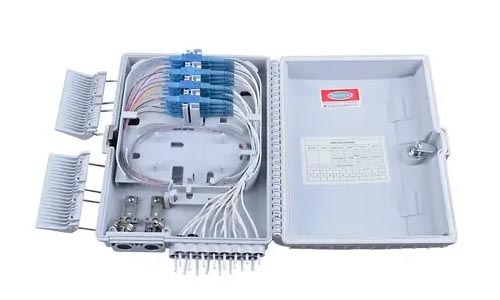 Fiber Optic Distribution Box
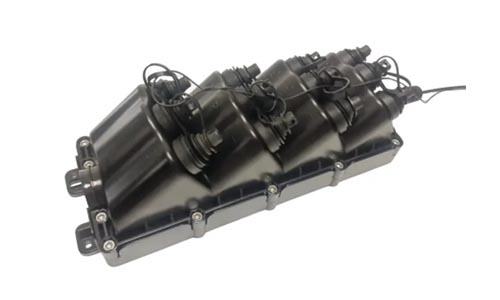 Multiport Service Termina Box
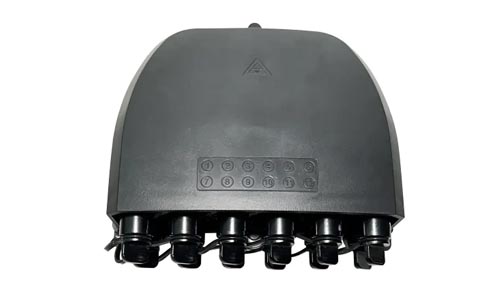 Fiber Optical Terminal Box
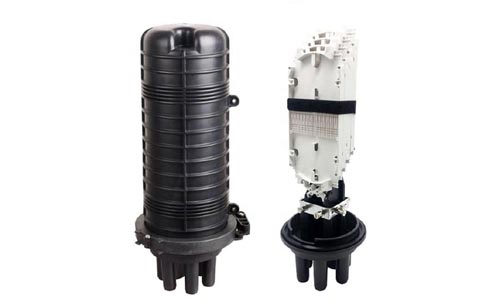 Fiber Optic Splice Closure
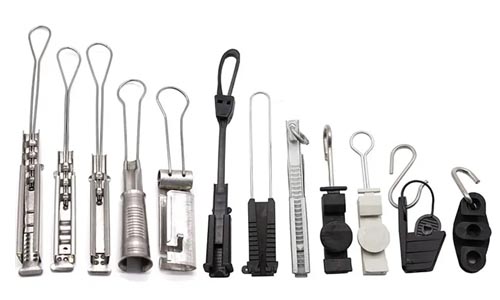 Fiber Optic Clamps
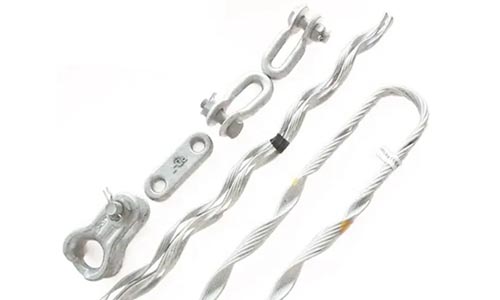 Fiber Optic Cable Fittings
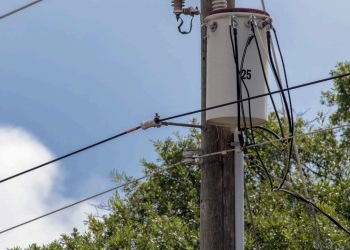 ADSS Fiber Cable
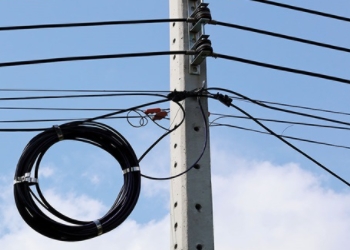 ASU Fiber Cable
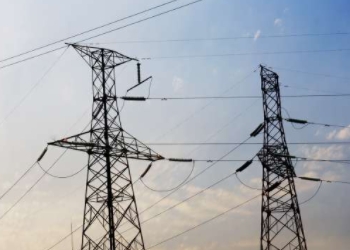 OPGW Fiber Cable
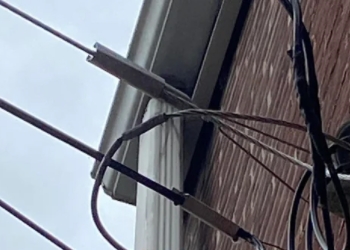 FTTH Fiber Cable
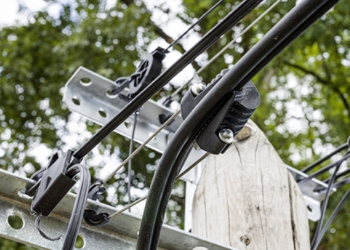 Figure 8 Fiber Cable
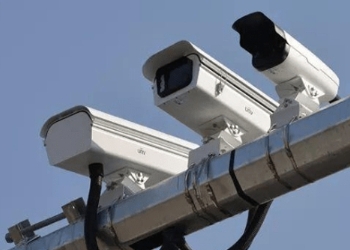 Photoelectric Composite Fiber Cable
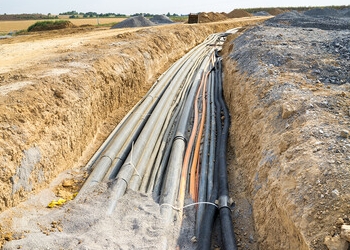 Underground & Pipeline Fiber Cable
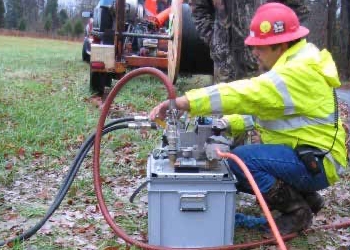 Air-Blown Micro Fiber Cable
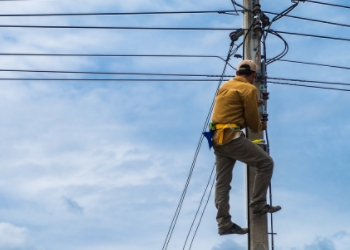 Aerial Fiber Cable
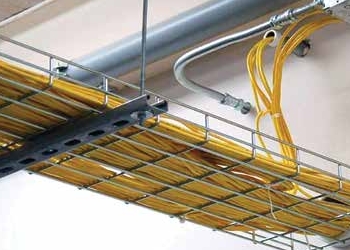 Indoor Fiber Cable
 Fiber Optical Terminal Box
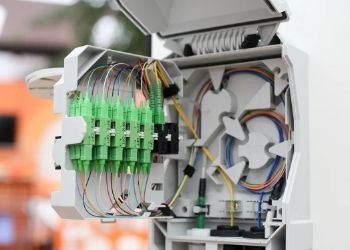 Fiber Optic Distribution Box
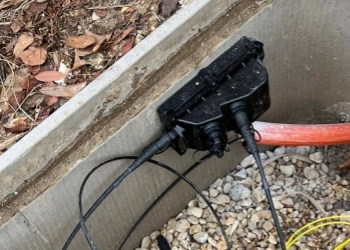 Multiport Service Termina Box
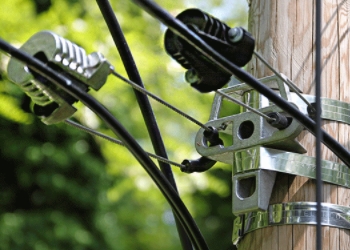 Fiber Optic Clamps
 About Us
 Our Team
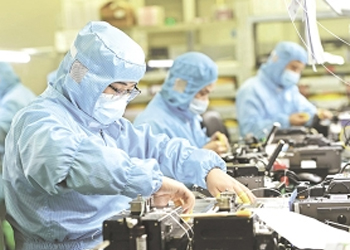 History
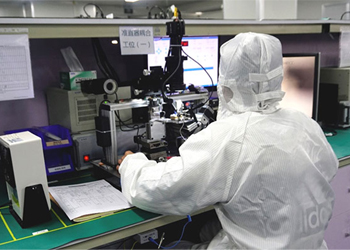 R&D Strength
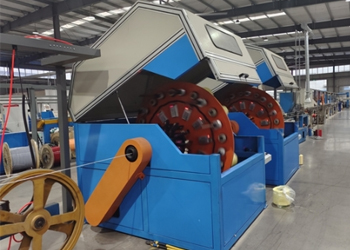 Production Base
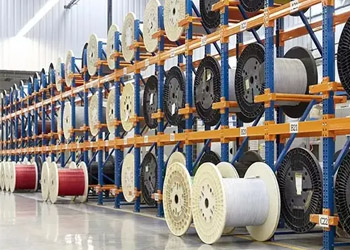 Warehouse & Logistics
 Quality
 FAQs
FAQsADSS Fiber Optic Cable Specifications
The specifications of ADSS (All-Dielectric Self-Supporting) fiber optic cables can vary depending on factors such as the intended application, environmental conditions, and specific requirements of the project. However, here are some common specifications you might encounter:
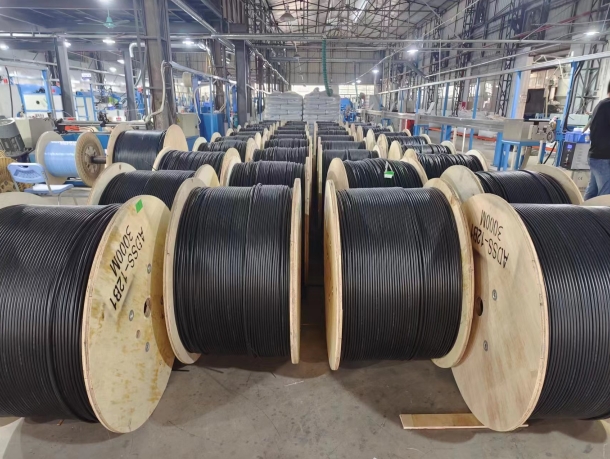
Fiber Count: ADSS fiber optic cable can have various fiber counts, ranging from a few fibers to hundreds of fibers, depending on the capacity needed for data transmission.
Fiber Type: The type of optical fibers used in the cable, such as single-mode or multimode fibers, can impact its performance and suitability for different applications.
Cable Diameter: The overall diameter of the ADSS fiber optic cable, including the outer sheath, can vary based on the number of fibers and the design of the cable. Common diameters range from a few millimeters to several centimeters.
Tensile Strength: ADSS fiber optic cable are designed to be self-supporting and must withstand the tensile forces exerted during installation and throughout their service life. Tensile strength specifications indicate the maximum force the cable can endure without breaking.
Crush Resistance: The cable's ability to withstand crushing forces, such as those from ice buildup or compression during installation, is an important specification, especially for cables installed in harsh environments.
Temperature Rating: ADSS fiber optic cable are designed to operate within a specific temperature range without degradation in performance. Temperature ratings typically include both operating temperature and installation temperature limits.
UV Resistance: Since ADSS fiber optic cable are often installed in outdoor environments where they are exposed to sunlight, UV resistance is important to prevent degradation of the cable's materials over time.
Bend Radius: Specifications for minimum bend radius indicate the tightest curve the cable can be bent around without risking damage to the fibers or other components.
Water Ingress Protection: Specifications related to water ingress protection detail the cable's ability to resist moisture penetration, which is essential for maintaining optical performance and preventing corrosion.
Flame Retardancy: In certain applications, especially those involving indoor installations or areas with specific fire safety requirements, ADSS fiber optic cable may need to meet flame retardancy standards to minimize the risk of fire propagation.
These specifications ensure that ADSS fiber optic cable meet the performance, reliability, and safety requirements of their intended applications, whether they are deployed in telecommunications networks, utility infrastructure, or other environments.