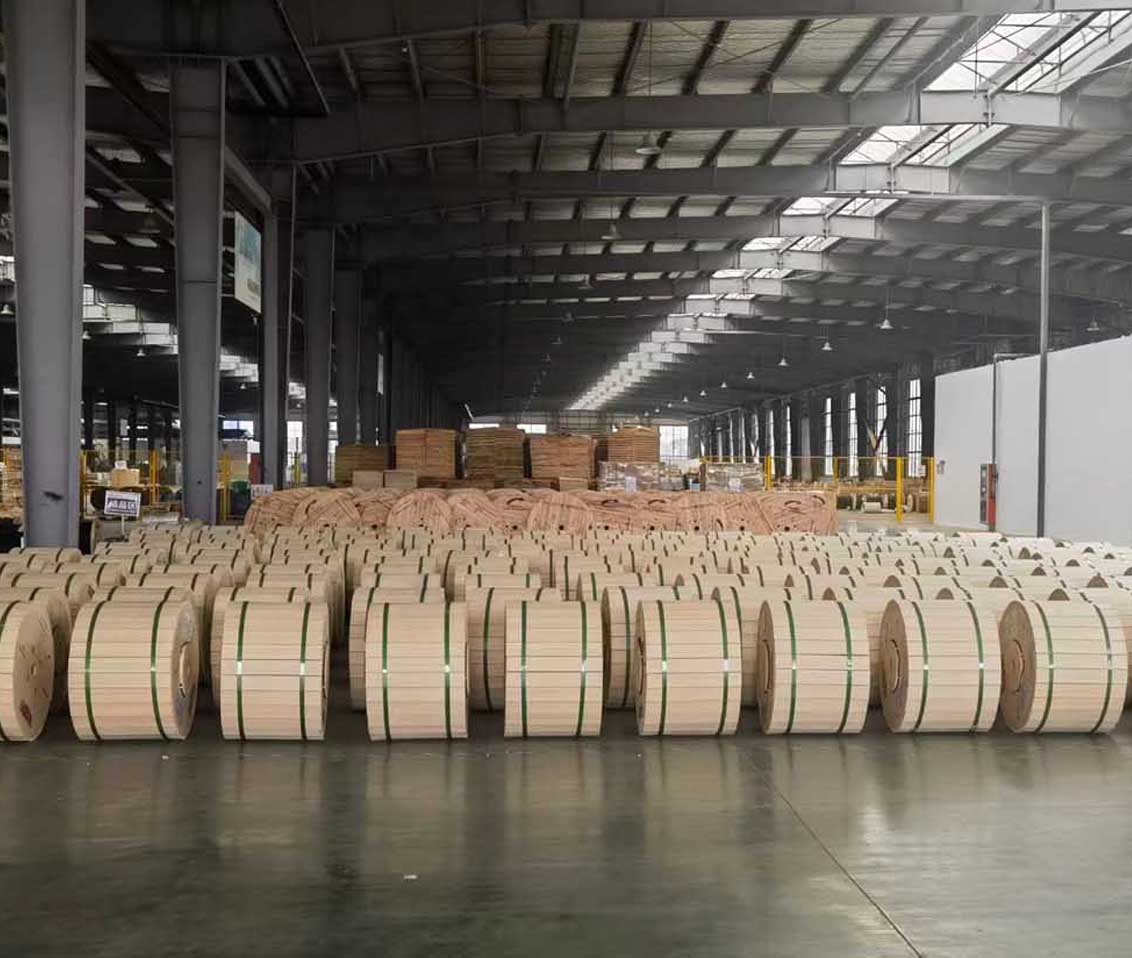
 Optical Fiber
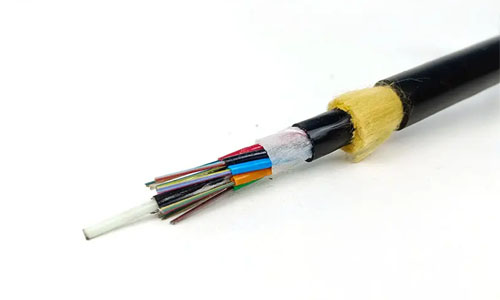 ADSS Fiber Optic Cable
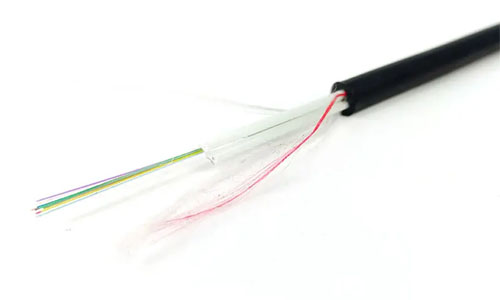 ASU Fiber Optic Cable
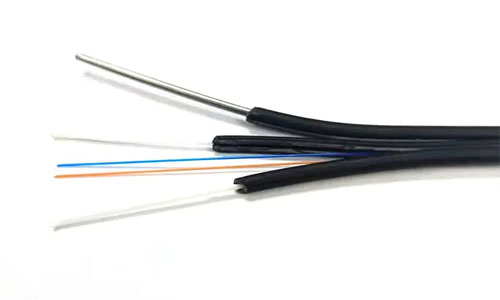 FTTH Fiber Optic Cable
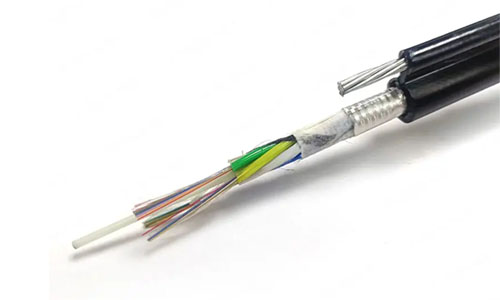 Figure 8 Fiber Optic Cable
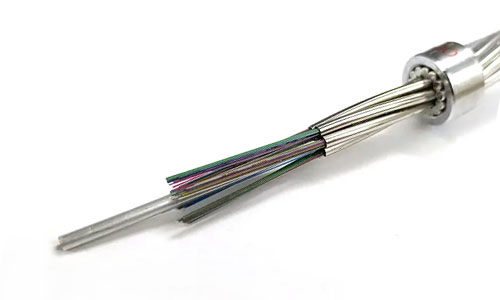 OPGW Fiber Optic Cable
 Coaxial Cable
 Ethernet Cable
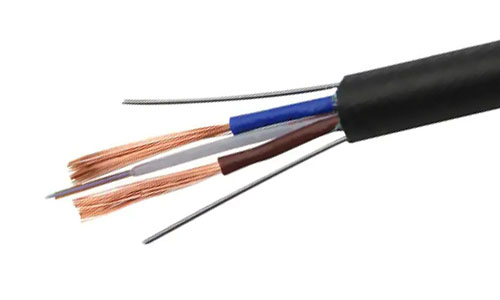 Photoelectric Composite Fiber Optic Cable
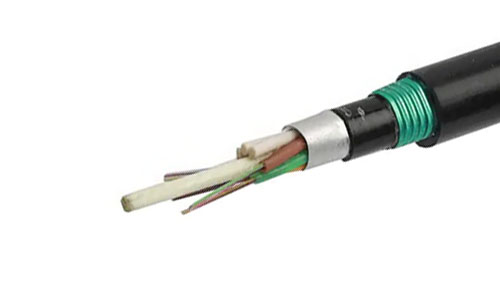 Underground & Pipeline Fiber Optic Cable
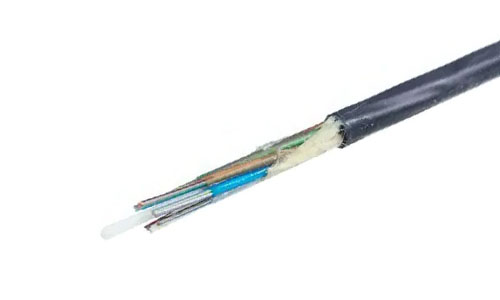 Air-Blown Micro Fiber Optic Cable
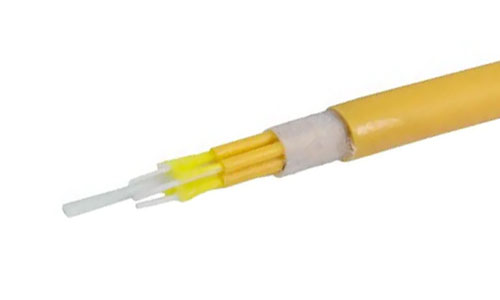 Indoor Fiber Optic Cable
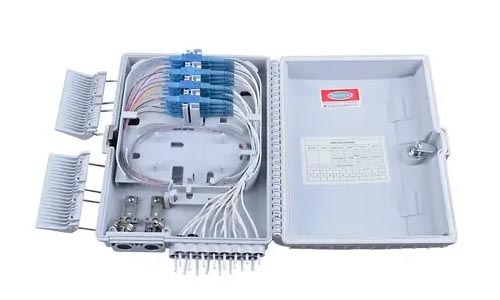 Fiber Optic Distribution Box
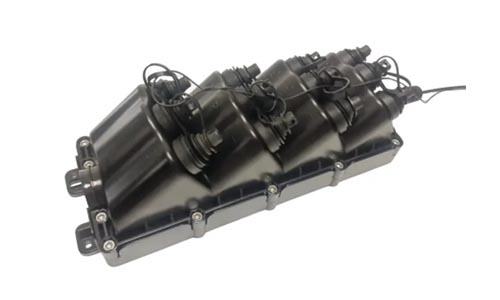 Multiport Service Termina Box
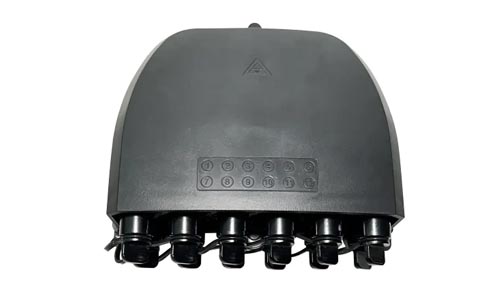 Fiber Optical Terminal Box
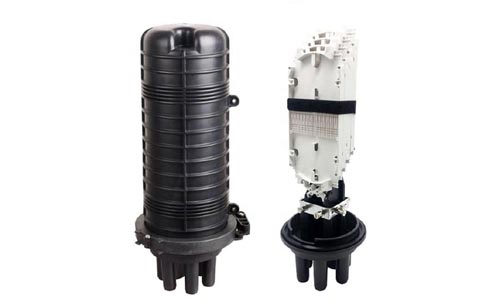 Fiber Optic Splice Closure
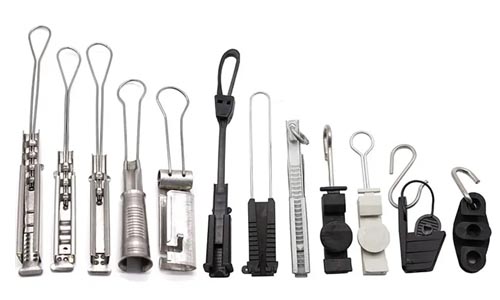 Fiber Optic Clamps
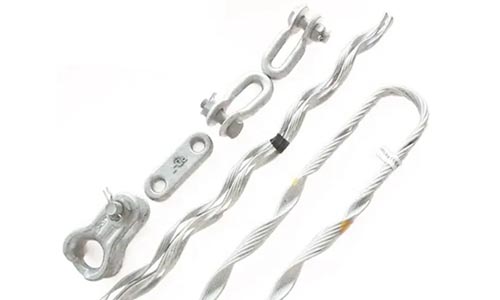 Fiber Optic Cable Fittings
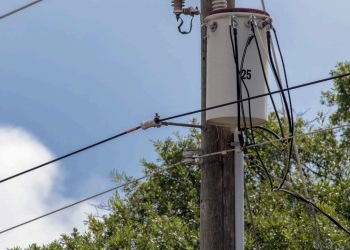 ADSS Fiber Cable
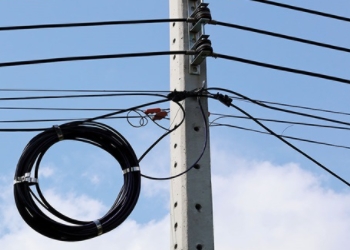 ASU Fiber Cable
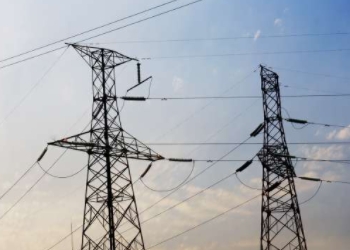 OPGW Fiber Cable
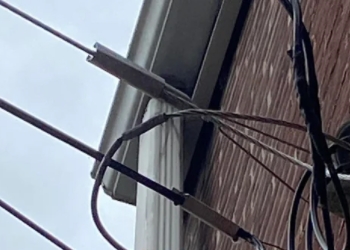 FTTH Fiber Cable
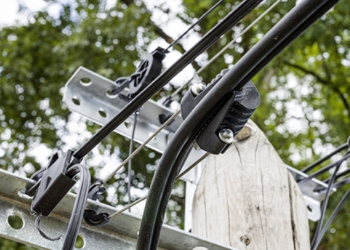 Figure 8 Fiber Cable
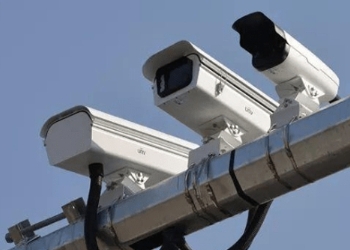 Photoelectric Composite Fiber Cable
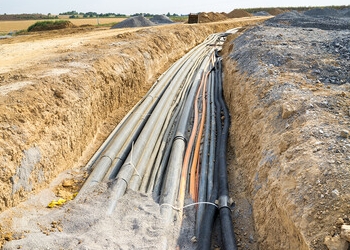 Underground & Pipeline Fiber Cable
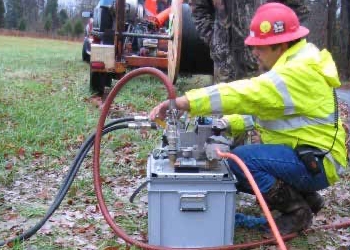 Air-Blown Micro Fiber Cable
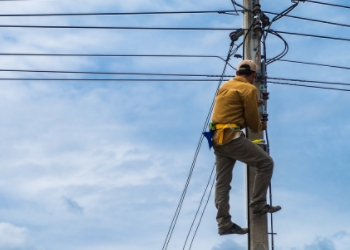 Aerial Fiber Cable
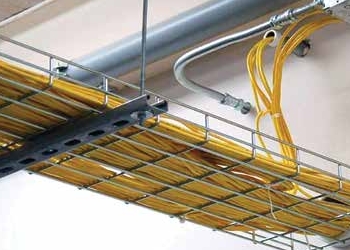 Indoor Fiber Cable
 Fiber Optical Terminal Box
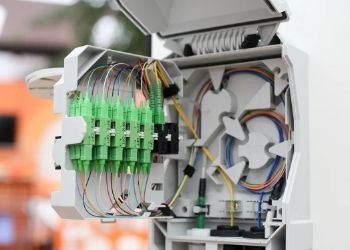 Fiber Optic Distribution Box
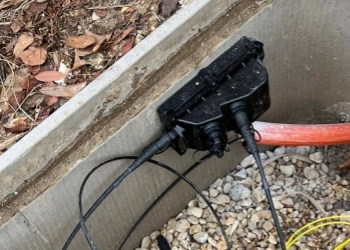 Multiport Service Termina Box
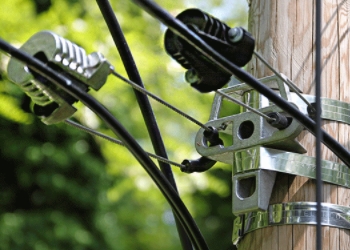 Fiber Optic Clamps
 About Us
 Our Team
 History
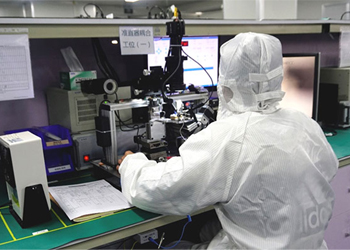 R&D Strength
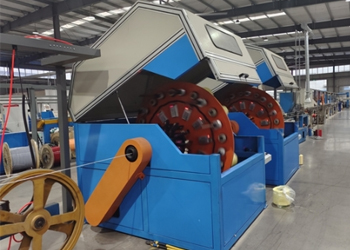 Production Base
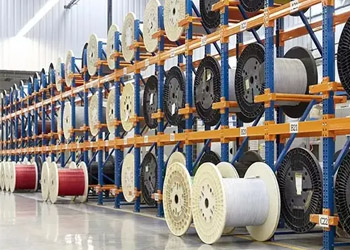 Warehouse & Logistics
 Quality
 FAQs
FAQsADSS Fiber Optic Cable: Key Features and Benefits
ADSS cables are non-metallic self-supporting cables that can be installed aerially without additional support.
Being all-dielectric, it minimizes electrical interference and increases safety in high-voltage areas.
Strength members, like aramid yarns, impart tensile strength and shield optical fibers from outside pressure, enhancing durability.
Proper planning, environmental assessment, and the use of suitable hardware are essential for successful ADSS cable installation.
ADSS cables provide economical, flexible solutions with dependable performance under various weather and site conditions.
Routine inspections and maintenance help guarantee extended lifespan and reduce typical failure susceptibilities of ADSS cable systems.
ADSS cable, or All-Dielectric Self-Supporting cable, is a fiber optic cable designed for outdoor installations and doesn’t require any metal elements or reinforcing support wires. Constructed from durable, weather-resistant components, ADSS cables are capable of suspending between poles and withstanding wind, rain, and sunlight with minimal degradation. These cables serve as the data conduit for telecom networks, power utilities, and broadband internet, providing a dependable option for a variety of industries. Since they’re not made with metal, ADSS cables are safe to use near power lines and won’t conduct electricity. This intro will cover how ADSS cables operate, where they’re deployed, and what distinguishes them from other fiber optic cables.

The ADSS Concept
ADSS (All-Dielectric Self-Supporting) fiber optic cables are a non-metallic, self-supporting solution that is widely used in aerial installations. These fiber optic cable solutions require no additional support structures or messenger wires, making them an economical option for outdoor fiber deployments. Ideal for higher voltages, up to 500 kV, they can span rivers, highways, or other wide areas. With a slender profile, typically 10-15 mm in diameter, ADSS cables reduce wind loading and accommodate narrow corridors, enhancing the overall fiber optic network design.
1. All-Dielectric
All-dielectric means absolutely no metal components in the cable. This design maintains low electrical interference, even near power lines or in high-voltage areas. Where safety is paramount, such as on utility poles or at substations, the absence of metal means ADSS cables are less likely to cause faults or conduct electrical current.
These cables are lighter and more flexible, easier to handle during installation. Installers can employ them with diverse mounting techniques, such as stringing between poles or affixing to buildings.
2. Self-Supporting
Self-supporting design refers to the cable’s ability to support itself between structures without the use of messenger wires or other support cables. This accelerates installation and cuts costs because no additional hardware is required. For longer spans, such as between power pylons or over highways, the self-supporting characteristic is critical because it adjusts to varying span lengths and loads.
Maintenance is easier. With fewer parts flying, crews can reach the cables more quickly. Such a design can help make repairs less dangerous in difficult-to-access locations.
3. Core Construction
Typically, the heart of ADSS fiber optic cable is a central tube that houses the optical fibers. This configuration protects the fibers from water, stress, and crushing. Fiber count matters—ADSS cables can hold up to 144 fibers, making them an excellent choice for fiber optic network solutions. Premium elements in the core enhance durability, thereby ensuring that the cable continues functioning through rough weather.
| Feature | Description | Example/Range |
|---|---|---|
| Fiber Type | Single-mode, multi-mode | ITU-T G.652, G.655 |
| Arrangement | Central tube, layered twist | 12–144 fibers |
| Material | Gel-filled, water-blocking | Aramid yarn, PE |
4. Strength Members
In ADSS fiber optic cable systems, aramid yarns serve as typical strength members, providing essential pull strength that enables the cable to resist sag over long spans and ferocious wind. These strength members not only protect the fibers from external forces, such as birds or tree branches, but also enhance the overall durability of the fiber optic cable. Additional patterns, like excess yarn or helical wraps, can adjust the cable's stiffness based on task requirements.
5. Outer Jacket
The outer jacket of the fiber optic cable protects it from sun, rain, and abrasion. Polyethylene is a standard jacket material, chosen for its UV resistance to maintain the cable’s ruggedness, even after years of exposure. The right jacket ensures that the fiber optic cable can withstand cold, heat, and various weather conditions without cracking or losing its shape, which is crucial for installations in sun-drenched or temperature-swing-prone areas.
Key Advantages
ADSS cable – all-dielectric self-supporting cable – delivers real benefits for a lot of today’s utility and telecom networks. Design and materials present obvious advantages for many needs and climate. Below are some core reasons why ADSS cables stand out:
-
Self-supporting: There is no need for extra support wires, which means faster installs and less labor.
-
Easy to install: Its lightweight build and small diameter, often between 10 and 15 mm, fit well in crowded utility corridors or tough-to-reach spots.
-
Cost-effective: Fewer parts lower the price by about 15 to 25 percent when compared to layered twist metallic cables. This results in simpler administration and reduced upkeep.
-
UV-resistant: The outer sheath is built to stand up to daily sun exposure, cutting the risk of damage from ultraviolet rays, which is key for outdoor lines in sunny climates.
-
Handles tough weather: ADSS cables work well in harsh weather. They withstand ice loads of 500 N/m and wind speeds of 150 km/h. This makes them a great choice for chilly northern climates or windy coastlines.
-
Long service life: With a lifespan reaching 20 to 25 years, these cables offer reliable, long-term use. They maintain low recurring expenses because they require little maintenance.
-
Flexible for many uses: Their design works for short city spans or long rural runs. They fit various voltage levels and can be strung on existing poles, power lines, or even where metallic cables cannot go because of interference.
-
Durable: ADSS fibers hold up against extreme heat, cold, rain, and snow, making them a good fit for regions with wild weather swings.
ADSS cables are an excellent choice for new builds or retrofits alike. For instance, a city utility can leverage them to deploy gigabit internet to a bustling downtown or a rural provider can string them across greater distances with fewer poles and less hardware.
Practical Applications
ADSS fiber optic cable systems provide flexible and affordable options for many industries. Their form factor makes them a good option in environments where constructing new support infrastructure is difficult or impractical. With a rugged construction that resists wind, ice, and tension, these fiber optic cables serve an incredible number of applications.
-
Used in power utility networks for overhead energy transmission
-
Built into broadband infrastructure to deliver high-speed internet over long distances.
-
Used for communication lines in rugged terrain, such as spanning rivers or valleys.
-
Suited for both distribution and transmission power settings
-
Leveraged in smart grid use cases for real-time control and data.
-
Enables 5G mobile networks with fiber backhaul to cell towers.
-
Often with OPGW cables for dual-circuit communication and power.
In power utility applications, ADSS cables aid in the transmission of energy across long stretches without the need for constructing additional towers. They’re able to dangle directly from power transmission towers or streetlight poles, so they’re a solid option for retrofits or quick builds. Because of their dielectric design, they can be installed right by high-voltage lines without any danger, a crucial consideration for high-traffic or confined areas. Their reach of up to 800 meters means ADSS cables cross rivers, highways and rugged landscape where poles or towers are widely separated.
In broadband and internet, ADSS fiber optic cable enhances connectivity in urban and rural locations. Their reach across large distances and hard terrain allows carriers to connect remote locations with reliable, high-speed fiber cable internet. This matters to them in the sense of bringing dependable internet to locations where digging or additional construction is not feasible. The cables’ strength and weather resistance ensure service remains up and running through every season.
ADSS cables are important in constructing smart grids. They provide an easy means for adding sensors and data links and remote control to power networks. This assists grid operators in monitoring electricity flow and repairing issues more promptly. ADSS cables are frequently deployed alongside other solutions, such as OPGW, to create networks that transmit both power and information along the same path. In mobile networks, they are for 5G towers, assisting in reducing build time and cost by extending fiber directly to the tower.
Installation Insights
Installing ADSS fiber optic cable requires careful planning, excellent site surveys, and the right installation accessories. Since ADSS cable does not require grounding like metal-based cables, the process is simplified, especially in aerial installations. Its lightweight and corrosion resistance make it suitable for use in various environments.
Sag and Tension
Controlling sag and tension during installation is important for both cable life and network reliability. Excessive sag will cause cables to sway, brush trees, or even snap. Insufficient sag can stress the cable and attachment points, resulting in premature wear.
-
Measure span lengths and verify local climate, including wind and ice loads.
-
Consult cable manufacturer charts to determine the optimal sag and tension for your span.
-
Factor in cable weight, fiber count, and expected weather.
-
Check sag visually during installation and adjust if needed.
Sag and tension monitoring isn’t just for the initial install. Periodic inspections catch early symptoms of trouble such as unintentional stretching or loose spans that can damage data integrity or reduce cable lifespan.
Hardware Selection
-
Suspension clamps: Hold the cable at poles or towers.
-
Dead-end clamps: Anchor cable ends at termination points.
-
Vibration dampers: Reduce cable movement from wind.
-
Splice enclosures: Protect fiber splices from weather.
Installation Insights
Hardware compatibility is key. The clamps and anchors need to be compatible to cable size and span type, urban or rural install. Doing the installation with the correct components reduces the risk of wear, slippage or data rate loss. ADD EXTENSION TIP: When choosing vendors, seek out those with established track records in telecom or utility work.
Weather Impact
ADSS cable encounters sun, rain, wind, and ice. UV-resistant jackets prevent sunlight from de-laminating the outer layer. Moisture barriers within the cable keep water at bay, which is key in damp or coastal locations. For windy or icy locations, select cables with thick jackets and equip them with vibration dampers.
Evaluating site hazards involves reviewing weather history, recognizing salt exposure in coastal areas, and preparing for storms. These measures keep the cable going strong for over 30 years, even as circumstances change.
Durability and Failure
ADSS fiber optic cables are used worldwide for overhead power lines due to their robust, lightweight nature, making them excellent for long spans. Their durability allows them to span up to 700 meters between towers, which is applicable to most outdoor environments. Weather plays a significant role in durability; rain, wind, sun, and ice all challenge the cable’s integrity over time. In moist or contaminated environments, glass fibers in tension can corrode, particularly if they come into contact with acids. This can impact both the optical core and the glass that fortifies the cable. Wind can shake the cable and cause aeolian vibration, which is more common on long spans and can wear down the fiber optic cable if left unchecked.
Material choice matters a lot for how long ADSS cables last. The main coat is often made of polyethylene (PE), which shields the inside from sun and water. If the PE melts from arc temperatures over 1000 °C, the cable’s strength can drop fast, even within an hour. Carbon black inside the coating helps block sunlight, but if it washes out, cracks can form in three to five years, letting water and dirt in to hurt the cable’s core. Using better blends and UV blockers in the outer layer can slow this kind of damage.
ADSS cables have several primary modes of failure, and each has its respective solution. The table below shows typical failure modes and what can be done to limit them:
| Failure Mode | Description | Mitigation Strategy |
|---|---|---|
| Electrical Corrosion | Weakening from mismatched cable parts and electric fields | Use matched materials; proper grounding |
| Dry-band Arcing | Arcs form on wet surfaces, seen at voltages above 220 kV | Use tracking-resistant coatings; careful placement |
| Aging from Low Arc Currents | Slow wear from milliamperes of arc over time | Regular checks; improve insulation |
| Loss of Glass Strength | Acid or stress cuts glass fiber strength | Use acid-resistant coatings; avoid tension overload |
| Aeolian Vibration | Wind shakes cable, wears it out | Install dampers; limit span lengths |
| UV Degradation | Sunlight breaks down outer layer | Use UV-resistant materials; regular inspections |
In the network design phase, understanding the structure design of ADSS fiber optic cables is key to ensuring their effectiveness in various transmission environments. By selecting the right installation accessories and ensuring compatibility with existing systems, you can enhance the performance of your fiber optic network.
Future Outlook
ADSS fiber optic cable demand surges amid rapid fiber optic proliferation globally. With its 5G rollout and additional FTTH deployments, telecommunications is on track to remain a leader through 2033. Market projections indicate a stable compound annual growth rate of 7.5 percent. This growth is not merely fast; it is about serving the world’s demands for reliable, high-capacity connections. Power utilities are enjoying steady gains, with a 7 percent compound annual growth rate forecast through 2033 as more smart grids go online and energy management systems become smarter.
Asia Pacific is changing the most quickly, with cities expanding and telecom and power configurations receiving significant upgrades. Governments in this region are aggressively pushing for digital access, making ADSS fiber optic cable demand highest here. Among all regions, the worldwide ADSS cable market will reach USD 2.8 billion by 2032, with a CAGR of 9.4%. This surge reflects the growing need for high-speed, secure data connections, leading to increased demand for both single-mode and multi-mode fiber optic cables.
Materials and design modifications are making ADSS cables more suitable to our current requirements. Better coatings, lighter fiber cores, and novel sheath materials are making cables less vulnerable to weather or electric field damage. These enhancements extend the life and performance of cables, even in challenging environments such as transmission towers or crowded urban hubs. They’re heavily focused on making cables simpler to install and manage, something that reduces expense and accelerates projects.
ADSS cables are vital for new digital systems, employed in smart grids to monitor and regulate power flows in real time, as well as in city-wide initiatives connecting thousands of devices and sensors. As digital technologies penetrate sectors such as health care, transportation, and public safety, the demand for reliable optical fiber communications networks will increase accordingly. With constant network upgrades and emerging tech such as 5G and smart grids, ADSS cables will continue evolving to accommodate new data loads and safety demands.
Conclusion
About adss cable ADSS cable is distinguishable for its rugged construction, easy installation, and extensive application. It stands up in hard weather, saves on poles, and is good for both micro and macro grids. Power companies rely on it to save labor and keep wires secure. Folks choose ADSS for urban and remote assignments, from electricity to the web. Its long life and easy maintenance hold costs down. The tech keeps going, with new builds and safer fits coming soon. Going on a project or just learning, understanding how ADSS cable fits into power and data makes for clever decisions. To find out if ADSS is right for your needs, see what fits your site and consult a specialist.
Frequently Asked Questions
What is an ADSS cable?
An ADSS fiber optic cable, a type of optical fiber cable designed for outdoor applications, features a structure design that eliminates metallic parts, allowing for efficient aerial installation without support wires.
What are the main benefits of using ADSS cables?
ADSS cables, being lightweight and non-conductive, are fiber optic cable solutions that are simple to install. They offer massive data capacity, are weather-resistant, and don’t require grounding, ensuring safety near energized conductors.
Where are ADSS cables commonly used?
ADSS fiber optic cable solutions are commonly deployed on power lines and in electrically sensitive regions for telecommunications and broadband networks.
How is an ADSS cable installed?
ADSS fiber optic cable is typically mounted on utility poles or transmission towers, being self-supporting, which simplifies the installation process and reduces labor intensity for aerial fiber optic cable projects.
How durable are ADSS cables?
ADSS fiber optic cables are extremely rugged and designed to withstand UV rays, moisture, and temperature variations. If installed properly using the right ADSS cable installation accessories, they can last more than 25 years in almost any outdoor environment.
What causes ADSS cable failure?
ADSS fiber optic cable failures often stem from physical damage, poor installation, or degradation from severe weather conditions. Proper installation and frequent maintenance are crucial for a reliable fiber optic network.
What advancements are expected in ADSS cable technology?
Down the road, innovations in adss fiber optic cable materials could lead to stronger components with better water resistance and more fibers, enhancing capacity, reliability, and lifespan for growing data demands.