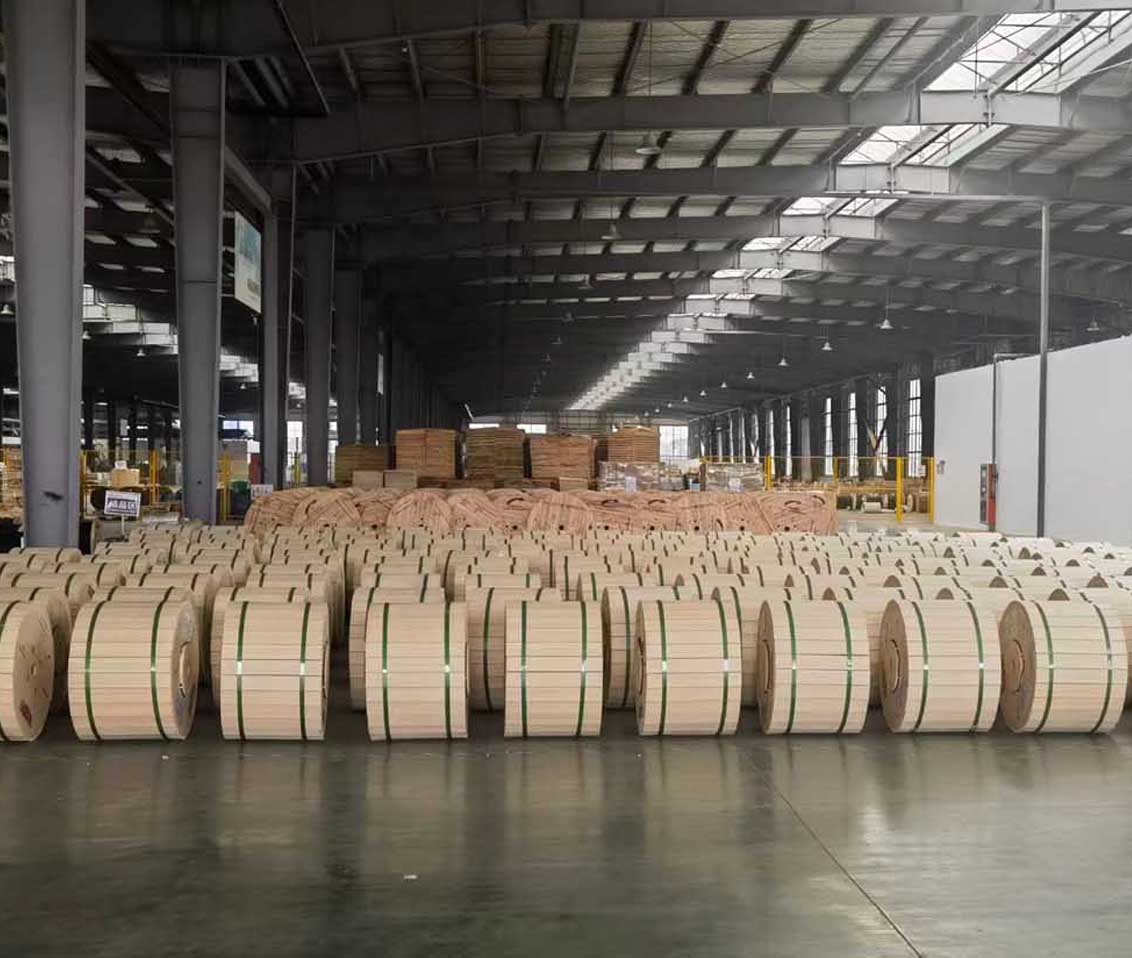
 Optical Fiber
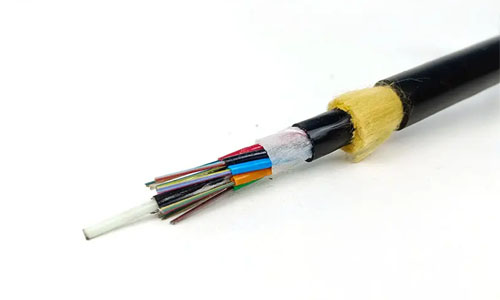 ADSS Fiber Optic Cable
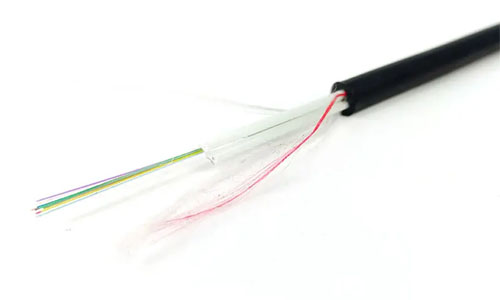 ASU Fiber Optic Cable
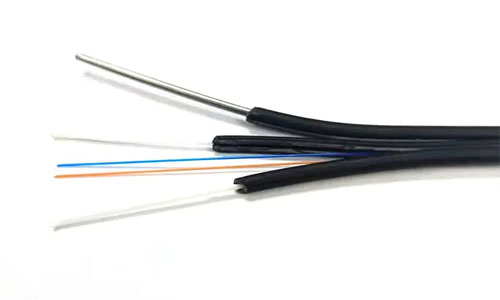 FTTH Fiber Optic Cable
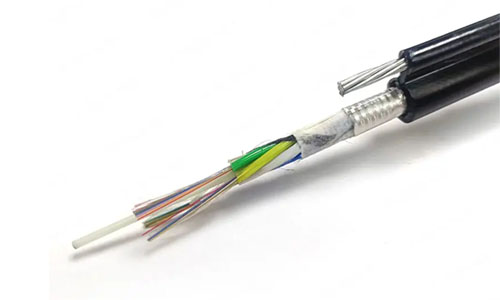 Figure 8 Fiber Optic Cable
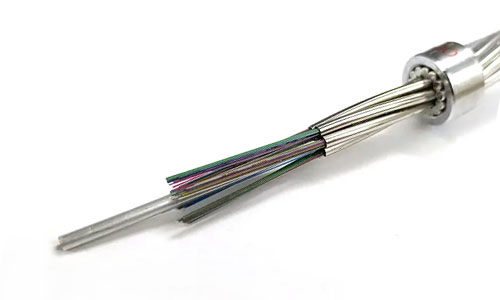 OPGW Fiber Optic Cable
 Coaxial Cable
 Ethernet Cable
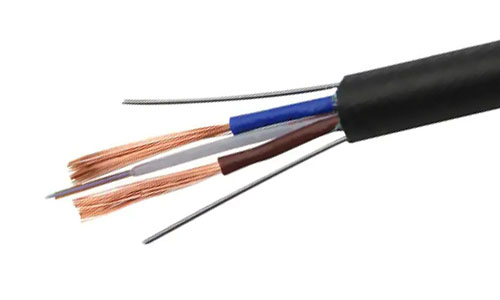 Photoelectric Composite Fiber Optic Cable
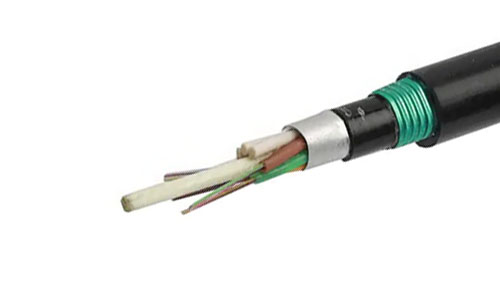 Underground & Pipeline Fiber Optic Cable
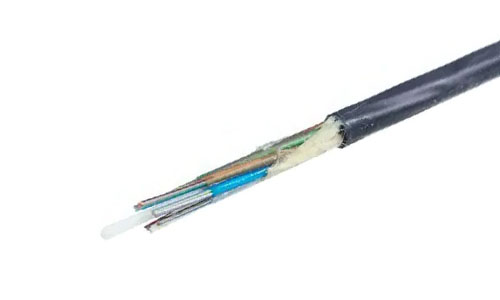 Air-Blown Micro Fiber Optic Cable
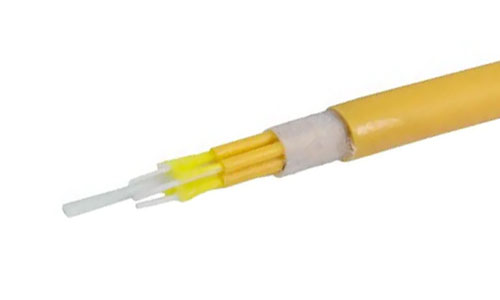 Indoor Fiber Optic Cable
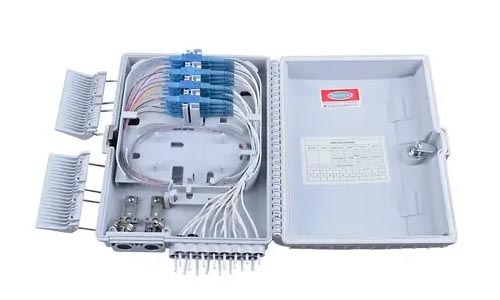 Fiber Optic Distribution Box
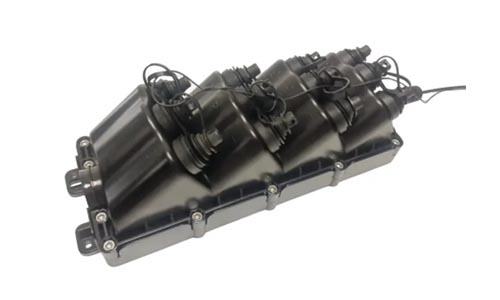 Multiport Service Termina Box
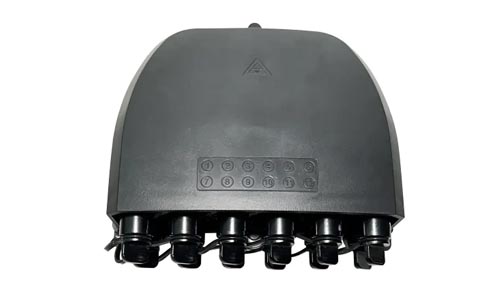 Fiber Optical Terminal Box
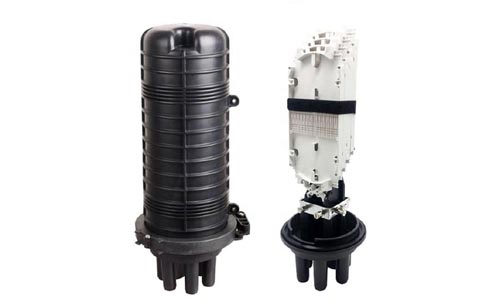 Fiber Optic Splice Closure
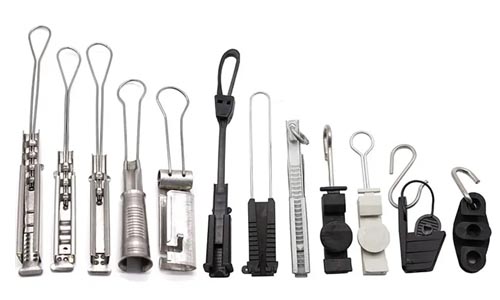 Fiber Optic Clamps
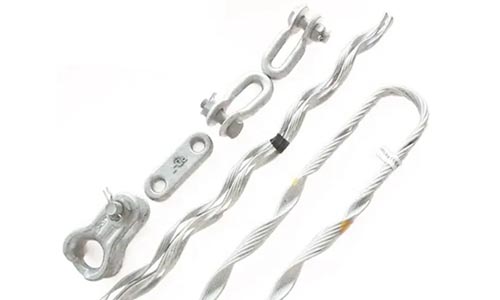 Fiber Optic Cable Fittings
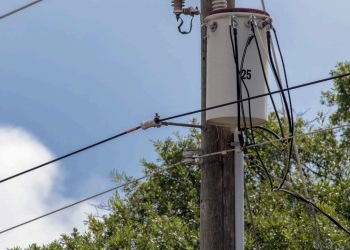 ADSS Fiber Cable
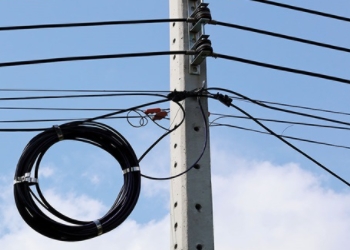 ASU Fiber Cable
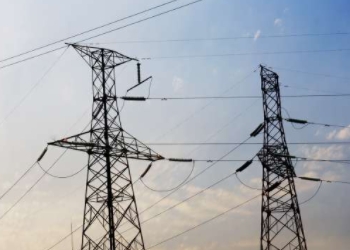 OPGW Fiber Cable
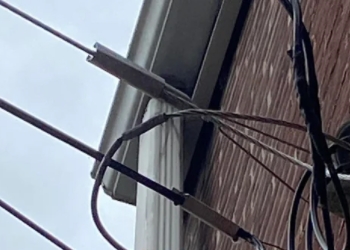 FTTH Fiber Cable
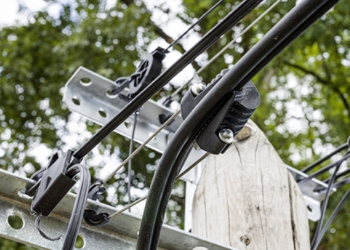 Figure 8 Fiber Cable
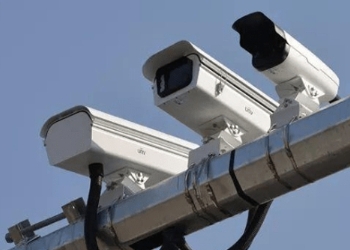 Photoelectric Composite Fiber Cable
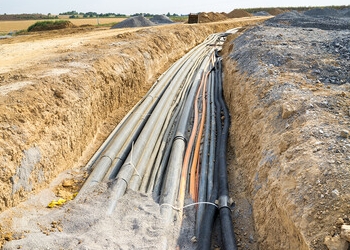 Underground & Pipeline Fiber Cable
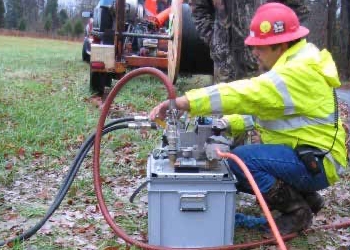 Air-Blown Micro Fiber Cable
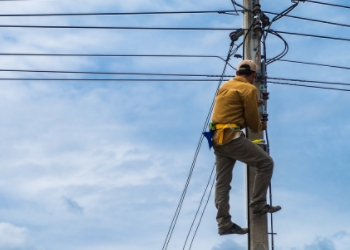 Aerial Fiber Cable
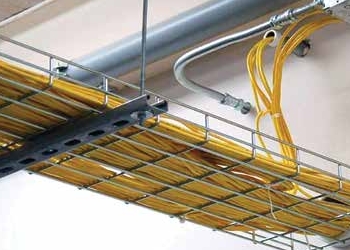 Indoor Fiber Cable
 Fiber Optical Terminal Box
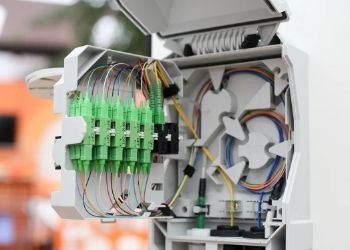 Fiber Optic Distribution Box
 Multiport Service Termina Box
 Fiber Optic Clamps
 About Us
 Our Team
 History
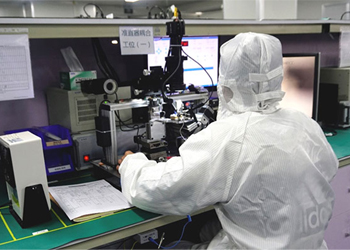 R&D Strength
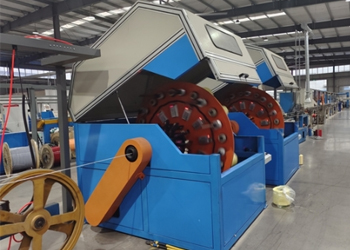 Production Base
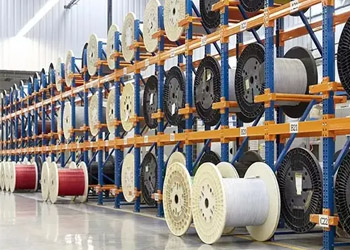 Warehouse & Logistics
 Quality
 FAQs
FAQsADSS Cable vs ASU Cable: Which One is Right for You?
-
Knowing the distinct constructions and compositions of ADSS and ASU cables assists you in selecting the appropriate choice for various network settings, maximizing longevity and efficiency.
-
ADSS cables are optimized for long aerial spans and proximity to power lines. ASU cables suit last-mile access and projects needing lightweight, flexible handling and rapid deployment.
-
Both cable types boast robust weather resistance. ADSS cables exhibit enhanced protection against extreme conditions, rendering them perfect for demanding outdoor environments.
-
The installation methods and equipment for ADSS and ASU cables are different. Adequate training and planning are key to efficient, safe deployment.
-
Considering cost, maintenance requirements, and longevity allows you to strike the right balance between your project budget and performance goals.
-
Be in the know with new cable twists that help future-proof your network and keep up with expanding connectivity needs!
ADSS cable means All-Dielectric Self-Supporting cable, and ASU cable is Aerial Supported Underground. ADSS cable is commonly deployed for overhead power lines as it requires no metal support. Its design is light and resistant to weather and electrical interference. ASU cable works above and underground, providing additional opportunities to deploy it in various locations. Both cable types provide differences in how they distribute stress, install, and endure. Understanding the core characteristics of each enables selecting the appropriate cable for electrical or information tasks. The following sections compare important characteristics, applications, and selection guidelines for ADSS versus ASU cables for any project size or requirement.

Understanding Cable Architectures
ADSS and ASU cables may sound alike, but their fundamental designs differentiate them for different applications in data transmission. Both types of fiber optic cable have their place in communication networks today, but their power lies in the specifics of how they’re constructed and the materials used. Knowing the differences assists you in selecting the ideal cable for the appropriate task, regardless of where you are in the world.
ADSS Design
That’s what ADSS, or All-Dielectric Self-Supporting cable can do. It’s designed to hang between poles without requiring any additional support wires. It’s designed to be strung overhead, frequently on power lines and telecom routes, particularly where metal would be a hazard. That makes it a best bet at locations where high voltage is the norm, such as 110 kV to 220 kV power corridors.
The backbone of the ADSS cable is its central strength member and aramid yarn layers. These non-metallic fibers keep the cable strong yet light, allowing it to extend more than 1200 meters if necessary.
-
Aramid yarn is key for ADSS: * Includes additional high tensile strength so the cable won’t snap in storms.
-
Prevents water from wicking inside, preventing moisture damage.
-
Protects the cable from UV and weather.
-
Protects the cable from mechanical blows by wind or birds.
-
ADSS can be installed in proximity to energized conductors since it contains no metallic elements. Its all-dielectric design means it won’t conduct current or arc, protecting workers and systems.
One protective sheath surrounds the cable, enduring sun, rain, and cold. This renders ADSS a solid option for challenging outdoor assignments, and you observe it across long spans between power poles.
ASU Design
ASU cables, a type of fiber optic cable, are designed for delivering fiber inside residences and structures. Their thin and lightweight nature allows for easy maneuverability, enabling installers to snake them through walls or ceilings without the need for fancy tools or large crews. This makes them an ideal cable choice for tight spaces.
The lightweight design of ASU cables means that a single person can quickly deploy them, saving time and cutting costs, particularly in busy urban areas.
Loose tube technology is a major component of ASU cables, allowing the fibers inside to shift slightly, preventing them from snapping if the cable is bent or jostled. This ensures that data transmission remains clear and efficient.
High grade plastics and gels protect the fibers from water and dust. The entire configuration is designed to endure so customers don’t have to fret about replacing cables every couple of years.
ADSS Cable vs ASU Cable
ADSS Cable vs ASU Cable About ADSS (All-Dielectric Self-Supporting) and ASU (Aerial Self-supporting Unit) cables are backbones for telecom and utility, but for different needs. ADSS vs ASU Cables: ADSS cables flourish in HV power lines and tough environments. ASU cables perform better in urban jungles and shorter distances.
1. Structural Integrity
One of the most unique features of ADSS cables is that they are strong. Their fiberglass core keeps them resilient under high tension, rain, and wind. This renders them perfect for exposed, long distance runs. They’re heavier, but that heft keeps them grounded even when tensioned or suspended far from earth.
ASU cables utilize a high-strength aramid core. They’re lighter and slimmer, making them easier to handle, but they lack the same brute force. Protective layers on both types assist in keeping water and dirt out, but ADSS’s thicker sheath provides additional protection. In a nutshell, ADSS tackles large assignments and harsh climates more effectively, while ASU is more convenient in confined areas.
2. Span Length
ADSS cables, known for their durability, can span distances greater than 1,500 meters in a single leap, making them ideal for rural or wide-open projects. In contrast, ASU fiber optic cables typically max out around 180 to 200 meters, which keeps them useful for city blocks or short pole-to-pole jumps. While longer spans mean fewer supports and less work, it's crucial that the aerial fiber optic cable can withstand the pull, as signal strength can fade over long distances, making the choice of cable essential for efficient data transmission.
3. Installation Method
Installing ADSS cables requires more preparation and equipment due to their weight and size, necessitating bigger tools and more hands on deck. In contrast, ASU fiber optic cables, being lighter and thinner, can easily navigate congested aisles, making the laying of ASU cables quicker and less expensive, especially in cramped quarters.
4. Cost Analysis
| Factor | ADSS Cable | ASU Cable |
|---|---|---|
| Material Cost | Lower | Higher |
| Install Cost | Higher | Lower |
| Maintenance | Lower | Higher |
| Total Cost | Cost-effective | Less cost-effective |
5. Performance Metrics
Both the ADSS cable and ASU fiber optic cable transmit data quickly, with ADSS being more resilient against storms or in high-voltage areas. While ASU works fine for short distances, it degrades signal quicker if pulled too far, making ADSS the ideal cable for enduring environmental stress such as wind, ice, and lightning.
Environmental Resilience Factors
Aerial fiber optic cables must withstand challenging environmental scenarios, as their survival greatly depends on resilience against elements like wind, rain, and sunlight, making them ideal for aerial installations in various applications.
-
Through wind and storms, cables can be pulled, twisted, or swayed, causing a risk of breakage or sag.
-
Ice loads from freezing rain add weight and can snap.
-
Sunlight’s UV rays gradually degrade cable jackets and shorten service life.
-
Moisture from rain and humidity can seep inside, corroding or shorting the wires.
-
Temperature fluctuations can cause materials to contract or expand, resulting in cracking or warping.
-
Power lines can cause electrical interference in communication cables.
Weather Impact
ADSS cables endure storms and high winds due to their rugged outer jackets and flexible structure, making them an ideal cable for harsh environments. There’s no chance of electric fields because they have no metal parts, which means they don’t attract lightning or conduct electricity. In contrast, ASU fiber optic cables, which could have metallic components, are more prone to increased outages in storm-prone or high wind areas, particularly when ice accumulates on the cables.
Both ADSS and ASU cables feature plastic jackets, but ADSS cables benefit from an additional UV-resistant treatment that protects them from long-term sun damage. This is crucial in sunny climates where ASU cables may not always have the same degree of UV protection. ADSS cables also perform well in extreme temperatures, functioning effectively in a range from -40°C to 70°C, ensuring durability in places with brutal winters or scorching summers.
A real-world story: In regions with heavy snow, ADSS cables rated for high ice loads can hang between poles 1,500 meters apart, crossing rivers or valleys where support poles are far apart. The right choice of aerial fiber optic cable and installation practices is essential to keep your communication networks humming even when the weather gets rough.
Interference Resistance
ADSS cables excel in regions where electromagnetic fields are strong, particularly near high-voltage power lines. Their all-dielectric construction, which includes fiber optic cable components, ensures they don’t suffer from electrical interference. Unlike ASU cables, which may contain metal and act like antennas, ADSS cables are designed to maintain optimal data transmission without disruptions. The robust design features, including non-conductive jackets, enhance the durability of these cables against signal leakage.
When selecting the ideal cable for installations, especially in urban areas filled with power lines, ADSS cables are often the best choice. In contrast, ASU fiber optic cable can be sufficient in rural settings with fewer risks. However, considering the potential dangers of interference is crucial for maintaining reliable communication networks.
Ultimately, the choice between ADSS and ASU cables hinges on the specific environmental conditions and the need for resilience against electromagnetic interference, ensuring efficient data flow in various applications.
Which Cable to Choose
Choosing between ADSS and ASU fiber optic cables depends on your intended applications and installation environments. Each cable serves specific requirements, from far-flung country stretches to cramped urban areas, making it crucial to consider these main characteristics before you make a choice.
-
Span length: Over 500 meters needs higher tensile strength.
-
Terrain and weather: Rough ground or harsh climates may need tougher cable.
-
Electromagnetic interference near power lines means non-conductive sheaths are a must.
-
Fiber count: Plan for growth with higher fiber counts.
-
Budget: Short runs under 200 meters may favor ASU for cost.
-
Application: Long-haul or backbone versus last-mile delivery.
-
Installation space: Dense urban zones need slim, flexible options.
Long-Haul Networks
ADSS cables are a good choice for long-haul projects. They manage spans much longer than 500 meters and remain resilient when suspended over rivers, valleys or highways. Their design keeps water away and withstands wind, ice and heat. It’s what makes them a go-to for hardcore outdoor work where the elements and distance push each component to its limit.
They excel in backbone networks, connecting cities or regions over hundreds of kilometers. Single-mode fibers in ADSS cables maintain attenuation under 0.35 dB/km, ensuring crisp data transmission across vast expanses. With a durable sheath, these cables do not care about draping around power lines or over rough ground where other cables could break or sag.
For example, one famous project he references is a cross-country trunk line using ADSS to hook up remote sites for a national telecom provider. The cable stretched over wide rivers and soaring ridges, carved through every type of weather, and never stopped. It is that reliability that is why operators choose ADSS for the backbone.
Last-Mile Access
ASU fiber optic cables are designed for short, congested runs, such as neighborhoods and city blocks, or even extending up to a building. Their lighter weight makes them easier and cheaper to string across small gaps, like 200 meters or less. In super dense urban areas, these aerial fiber optic cables can snake into nooks and crannies and wrap around corners with relative ease. They perform exceptionally well near train lines, highways, or power lines where EMI noise is heavy. Most ASU varieties feature rugged, non-conductive AT-sheaths that shield out interference, ensuring data transmission remains pure and secure.
Installers prefer ASU optical cables because they reduce labor hours and fit nicely into hard-to-reach spaces, even when room is limited. One notable case involved a city broadband rollout that utilized only ASU cables for the last mile. Their lightweight design allowed crews to string fiber cable between poles in congested neighborhoods quickly, minimizing overhead street disturbance. The project successfully delivered high-speed, reliable internet to thousands of homes, showcasing the effectiveness of ASU solutions when every megabit counts.
In summary, ASU cables exemplify an ideal cable choice for urban backbone installations due to their durability and capacity for aerial applications. Their ability to navigate challenging environments while maintaining signal integrity makes them a preferred option for telecom operators looking to enhance subscriber access networks efficiently.
The Installer's Perspective
PS installers experience actual disparities when working with ADSS and ASU fiber optic cables. Every cable kind molds the task in its own way, from installation to maintenance. The selection between these ideal cables shifts how quickly crews can operate, what expertise they require, and what equipment they grab each morning.
Handling Complexity
ADSS cables, known for their lightweight and flexible design, are ideal for aerial installations, making them easier to transport and install, even in confined spaces or stretches sometimes exceeding 1,500 meters. Because there’s no metal inside, installers don’t have to ground ADSS cables, which shortens steps and maintains safety around high voltage lines. Crews around the world appreciate ADSS when they need to complete jobs without disconnecting power, as these cables eliminate the need for additional messenger wires or grounding hardware, resulting in a sleeker installation.
In contrast, ASU fiber optic cables require more treatment due to their less forgiving frame. If snapped too suddenly, they can be damaged. Installers must use special tools to maintain the correct bend radius and prevent harm, while more experienced teams on the ground quickly identify potential dangers and plan accordingly.
Training is crucial for both types of cables, with ADSS requiring additional consideration. Installers develop expertise in judging tension, accounting for wind loads, and preventing sag. ASU cable crews focus on careful routing, especially in tight ducts or buildings, ensuring that proper training leads to fewer mistakes and quicker jobs.
The weight and flexibility of each cable shape how teams work. ADSS’s light feel allows smaller crews to move quickly, while the stiffness of ASU optical cables can slow down the process.
Maintenance Reality
Checklist: Maintenance Needs
-
ADSS Cables: * Periodic tension inspections.
-
Check for UV or weather wear.
-
Check for rodent or bird damage.
-
-
ASU Cables: * Look for sheath splits.
-
Check for water seepage.
-
Probe bend points for fiber breaks.
-
From the installer’s perspective, ADSS cables can contend with UV damage and animal attacks, yet their non-metallic design brushes off corrosion and stray currents. Teams experience fewer faults as time goes on, leading to lower long-term expenses. ASU cables would require additional repairs at bend points where bend radius gets tight or water infiltrates. Over time, ADSS typically wins for reliability, but diligent inspections ensure both continue to run strong.
To assist cables survive, crews remove debris, inspect anchor locations and repair minor troubles before they escalate. Good recordkeeping and regular walks along the line pay off.
Future of Aerial Cabling
Aerial cabling is evolving rapidly, fueled by the demand for improved speed, reach, and cost reduction. ADSS cable solutions and ASU cables are spearheading this transition for most new constructions. Both support high-speed data connections across vast distances, and their rugged designs help them endure harsh elements. Technologies like G.657 bend-insensitive fibers in fiber optic cable are allowing manufacturers to pack greater durability and flexibility into their products, making cables that won’t break when bent sharply or pulled taut between poles. With these improvements, cables can now stretch up to 1,500 meters and beyond without additional support, reducing material and labor costs.
Lighter, smaller cables are another big trend in aerial installations. These leaner constructions simplify and reduce the cost to install lines, even in congested urban locations or rural spans where vehicles and maintenance crews have less maneuvering space. Miniaturization assists in high wind or heavy ice areas. Lighter cables strain poles and mounts less, so they last longer and require less maintenance. For instance, in storm-drenched areas, innovative cable jackets and armor allow lines to endure and function, even in the nastiest of weather.
Smart grid tech is extending aerial cabling even further. Today’s electric grids require rapid, consistent data to keep the lights on and resolve issues immediately. ADSS and ASU cables can transmit this data along the very same poles as power lines, connecting sensors, switches, and control centers. As cities deploy 5G and hook more devices into the Internet of Things, aerial fiber optic cables provide them a means of getting to more locations without excavating roads. Fast-install options, such as pre-terminated cables, reduce installation time and keep costs under control. This is critical for large deployments or remote locations.
Aerial cabling is keeping up with the surging demand for fast links and larger footprints. With more people working remotely, streaming, or using smart devices, networks have to expand quickly without years of delay or huge expense. With new cables and rapid installs, networks can reach new homes and businesses even faster, bringing more people the power of reliable, fast connectivity.
Conclusion
ADSS and ASU cables both provide genuine value to aerial networks. Each has a nice home of its own. ADSS cable remains resilient in wet, windy or open locations. ASU cable fits best where poles crowd near and room is increasingly slight. Installers notice significant time and cost savings with the right choice. Long term, they both assist networks to expand and endure. Consider your weather, design, and requirements before you select. A good match means smooth work and less fixing down the line. Teams have observed selecting cables that correspond to their soil result in fewer call-outs and satisfied customers. Connect, share experiences, or get advice. Sharing practical victories and experiences makes the craft richer for everyone.
Frequently Asked Questions
What is the main difference between ADSS and ASU cables?
ADSS (All-Dielectric Self-Supporting) cables, ideal for aerial installations, do not use metal and are self-supporting, while ASU (Aerial Self-supporting Unit) cables may contain metal components.
Are ADSS cables suitable for high-voltage environments?
Yes, ADSS fiber optic cables are non-conductive and operate safely around high-voltage power lines due to their ideal cable structure.
Which cable type offers better weather resistance?
While both aerial fiber optic cables are designed for outdoor use, ADSS cables, known for their durability and resilience to elements like wind and rain, are ideal for harsh conditions.
Is installation easier with ADSS or ASU cables?
ADSS cables, known for their lightweight structure, are ideal for aerial installations, simplifying the installation process and minimizing both time and expense.
Can ASU cables be used near electrical power lines?
ASU fiber optic cables, which lack metallic components, should be used instead near power lines to avoid electrical interference and grounding problems.
What are the long-term maintenance needs for ADSS cables?
ADSS cables, known for their durability and maintenance-free nature, feature a dielectric construction that protects against corrosion and electrical failures, making them ideal for long-term data transmission.
Which cable is more cost-effective for aerial fiber networks?
ADSS cables, known for their durability and ideal structure, are typically more economical over time with reduced installation and maintenance expenses, particularly in demanding aerial installations.