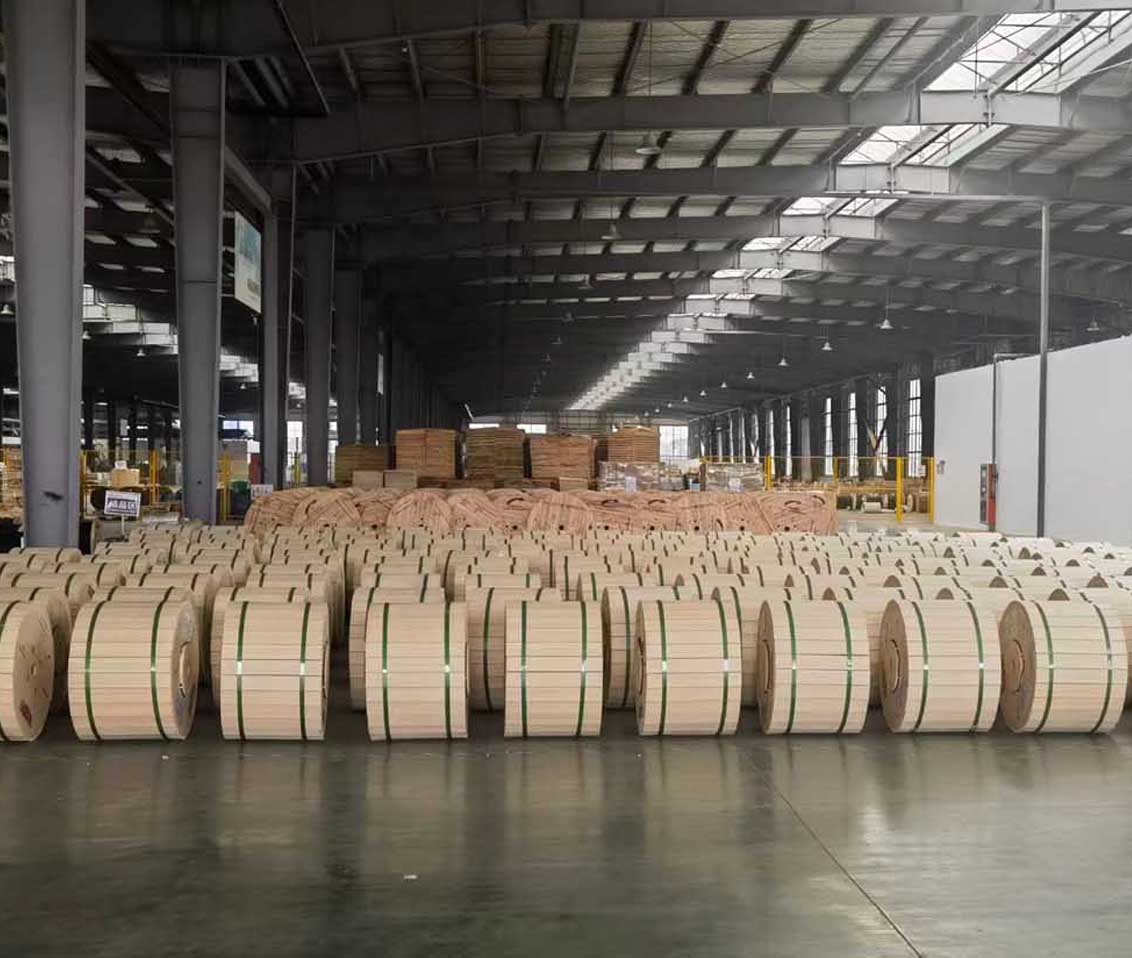
 Optical Fiber
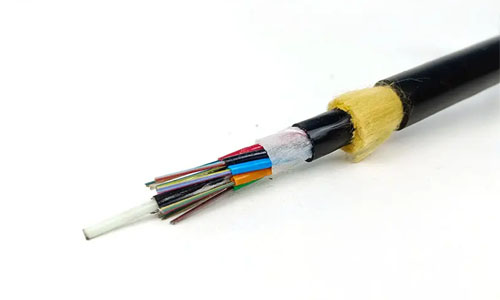 ADSS Fiber Optic Cable
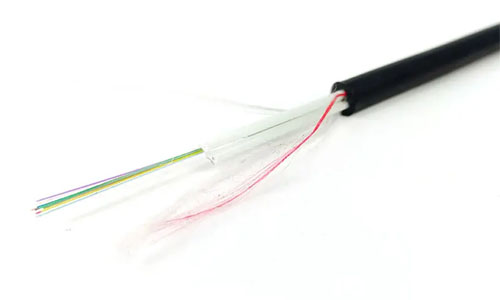 ASU Fiber Optic Cable
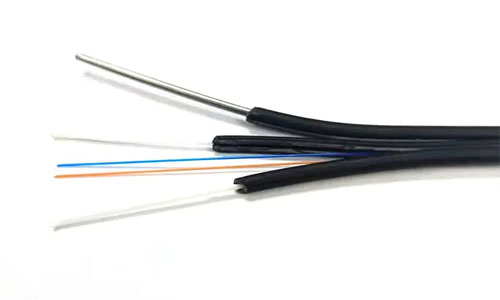 FTTH Fiber Optic Cable
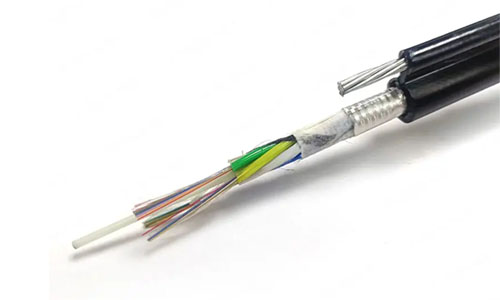 Figure 8 Fiber Optic Cable
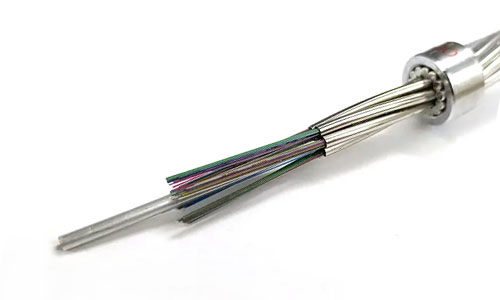 OPGW Fiber Optic Cable
 Coaxial Cable
 Ethernet Cable
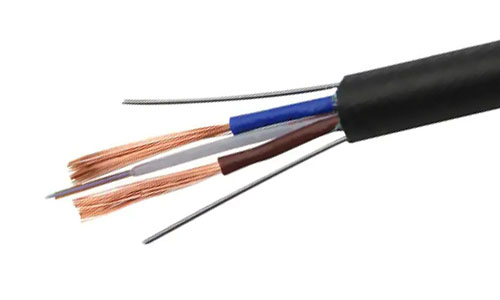 Photoelectric Composite Fiber Optic Cable
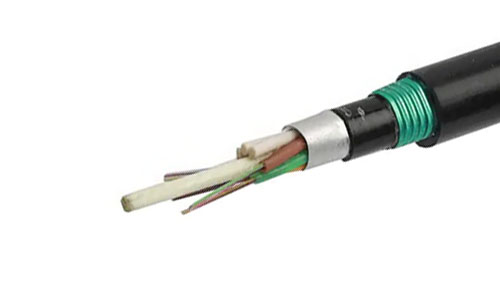 Underground & Pipeline Fiber Optic Cable
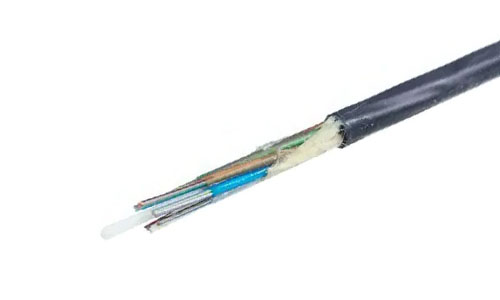 Air-Blown Micro Fiber Optic Cable
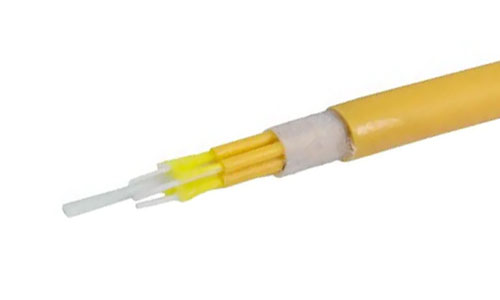 Indoor Fiber Optic Cable
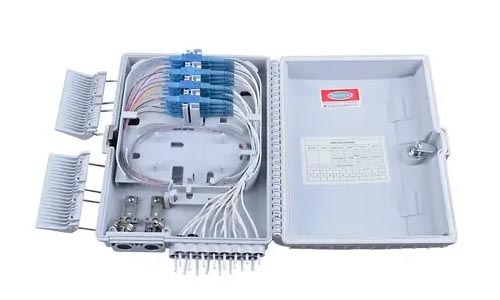 Fiber Optic Distribution Box
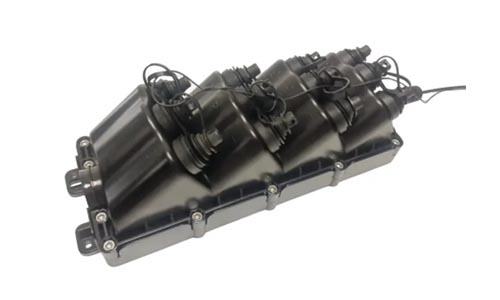 Multiport Service Termina Box
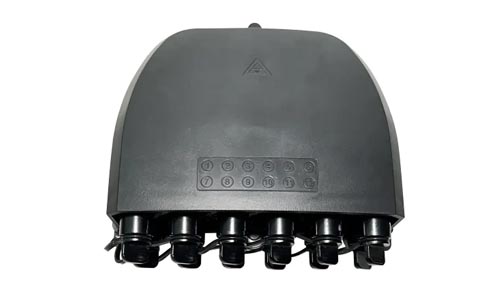 Fiber Optical Terminal Box
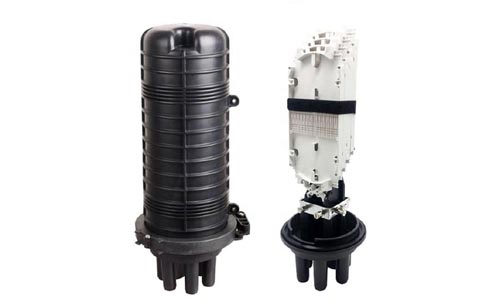 Fiber Optic Splice Closure
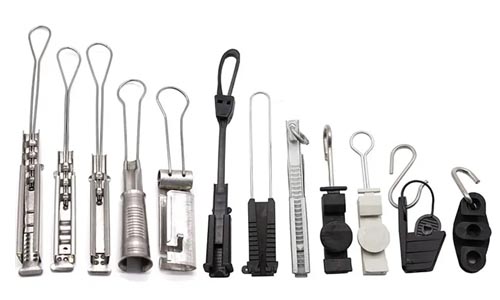 Fiber Optic Clamps
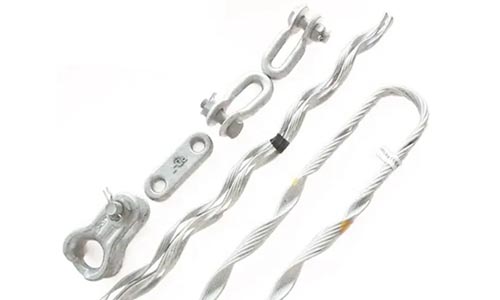 Fiber Optic Cable Fittings
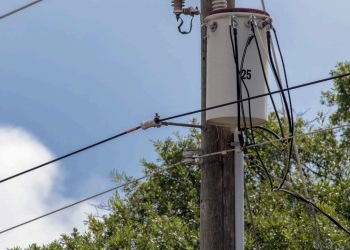 ADSS Fiber Cable
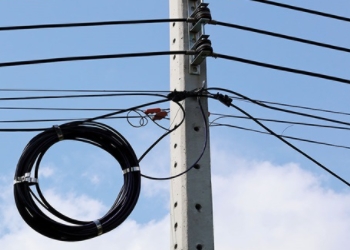 ASU Fiber Cable
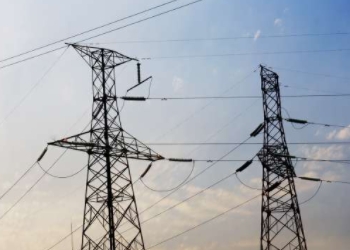 OPGW Fiber Cable
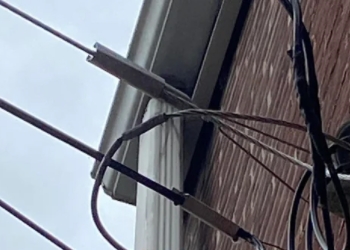 FTTH Fiber Cable
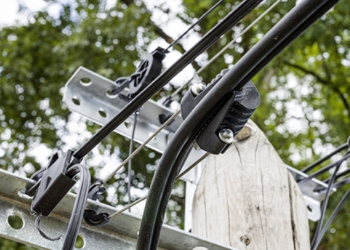 Figure 8 Fiber Cable
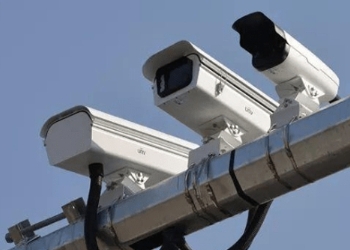 Photoelectric Composite Fiber Cable
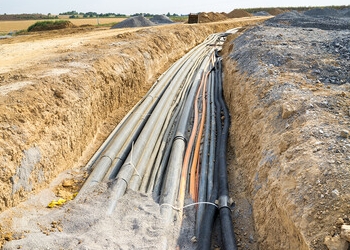 Underground & Pipeline Fiber Cable
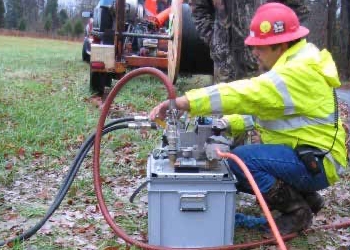 Air-Blown Micro Fiber Cable
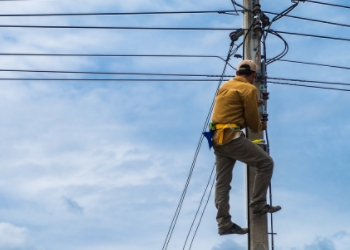 Aerial Fiber Cable
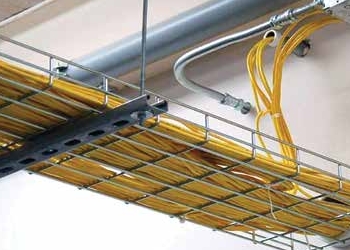 Indoor Fiber Cable
 Fiber Optical Terminal Box
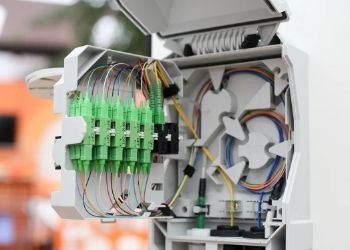 Fiber Optic Distribution Box
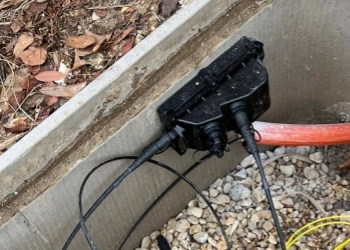 Multiport Service Termina Box
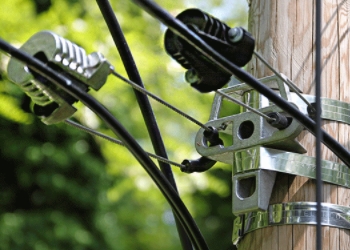 Fiber Optic Clamps
 About Us
 Our Team
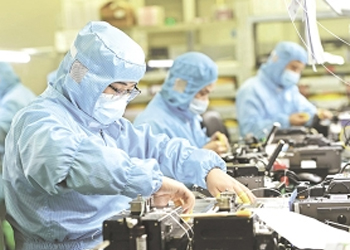 History
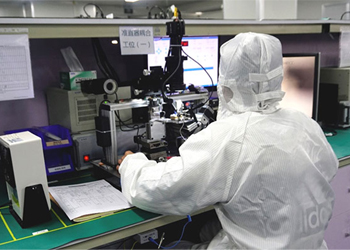 R&D Strength
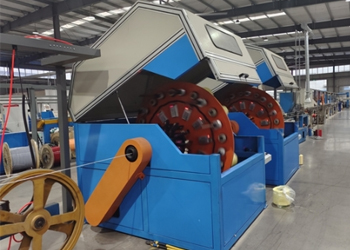 Production Base
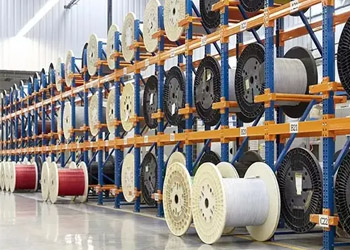 Warehouse & Logistics
 Quality
 FAQs
FAQsADSS Cable Quality and Price Guide
You is asking about ADSS cables with a focus on good quality and price. Let me break this down. First, what ADSS cables are. They're All-Dielectric Self-Supporting cables used in overhead fiber optic installations. The key points here are quality and price.
So, the user probably wants to know what makes a good quality ADSS cable and how pricing works. I should start by outlining the factors that determine quality. That would include the materials used, like the type of glass in the fibers, the jacket material (HDPE is common), and the aramid yarn for strength. Also, things like tensile strength and weather resistance are important.
Next, pricing factors. I need to mention that price depends on fiber count, length, tensile rating, and any additional features like rodent resistance. Suppliers might offer volume discounts, so maybe suggest contacting them directly for quotes. Also, the brand reputation plays a role here—reputable brands might cost more but offer reliability.
Then, recommended suppliers. Names like Corning, Prysmian, Fujikura, AFL, and Feiboer come to mind. These are established companies known for quality. Including both international and Chinese suppliers could be helpful since the user might be looking for options in different regions.
I should also add tips for ensuring value for money. Things like verifying certifications (ISO, RoHS), checking technical specs against project needs, getting samples, and comparing quotes. Maybe mention the importance of after-sales support and warranty.
Wait, the user might be a contractor or project manager looking to purchase these cables. They want to balance cost without compromising on quality. So emphasizing the balance between quality and price is key. Maybe highlight that while initial costs might be higher for quality products, they save money in the long run through durability and lower maintenance.
I should also consider potential hidden costs. For example, a cheaper cable might have lower tensile strength, leading to more frequent replacements or failures, which adds to the total cost. So it's important to advise not to skimp on critical specs.
Also, the application environment matters. If the installation is in an area with harsh weather, high winds, or extreme temperatures, the cable needs to withstand those conditions. So the quality factors should align with the environmental demands.
Maybe include a rough price range, but since prices fluctuate and depend on specifics, it's better to advise getting a customized quote. However, giving a ballpark figure like $0.50 to $2 per meter could help set expectations, though I need to be cautious as this can vary widely.
Including both international and Chinese suppliers is good because Chinese manufacturers like Feiboer,Hengtong or ZTT might offer competitive pricing, which could be attractive if the user is budget-conscious but still wants reliable quality.
Also, mentioning the importance of supplier reputation and after-sales service can guide the user to consider not just the product but the support behind it. Technical support during installation could be crucial for someone without prior experience with ADSS cables.
I should structure the answer by first explaining what determines quality, then pricing factors, followed by supplier recommendations, and tips for getting the best value. Ending with a conclusion that reinforces the balance between quality and cost-effectiveness.
Need to make sure all the technical terms are explained clearly, but without being too verbose. The user might already know the basics, but it's better to be thorough. Avoid jargon where possible, or define it briefly.
Check if there are any industry standards relevant to ADSS cables that should be mentioned, like IEC or Telcordia standards. Compliance with these can be a marker of quality.
Also, maybe touch on customization options. Some suppliers offer cables tailored to specific needs, which can affect both price and suitability for the project.
Lastly, ensure the advice is practical. The user likely wants actionable steps: how to evaluate suppliers, what specs to check, how to negotiate pricing, etc.

When considering ADSS (All-Dielectric Self-Supporting) cables, balancing quality and price requires understanding key factors that influence both. Here’s a structured guide to help you make an informed decision:
Key Quality Factors
-
Material Quality:
-
Optical Fibers: Corning, OFS, or Yangtze Optical fibers ensure low attenuation and high bandwidth.
-
Jacket: High-density polyethylene (HDPE) with UV/weather resistance.
-
Strength Members: Aramid yarn (e.g., Kevlar) for tensile strength.
-
-
Technical Specifications:
-
Tensile Strength: Match to span length and environmental loads (e.g., wind/ice).
-
Temperature Range: -40°C to +70°C for harsh climates.
-
Fiber Count: 12 to 144 cores, depending on project needs.
-
-
Certifications:
-
Look for IEC, Telcordia GR-20, or ANSI compliance.
-
RoHS/ISO certifications for environmental and safety standards.
-
Price Determinants
-
Fiber Count: Higher core counts increase cost (e.g., 144-core vs. 24-core).
-
Tensile Rating: Cables rated for 20kN+ cost more than standard 10kN.
-
Customization: Armored jackets or rodent-resistant designs add 10–20% to base price.
-
Order Volume: Bulk purchases (e.g., 10+ km) often secure discounts.
-
Supplier Location: Chinese manufacturers (e.g., Feiboer,Hengtong, ZTT) typically offer lower prices than Western brands (e.g., Corning, Prysmian).
Approximate Pricing
| Fiber Count | Price Range (USD/meter) | Notes |
|---|---|---|
| 12–24 cores | 0.50–1.50 | Basic HDPE jacket, 10kN tensile |
| 48–96 cores | 1.00–2.50 | Mid-range tensile (15–20kN) |
| 144 cores | 2.00–4.00 | High tensile (20–30kN), custom designs |
Note: Prices vary by supplier, region, and market conditions (e.g., post-pandemic fiber shortages).
Recommended Suppliers
-
Premium Brands:
-
Corning (US)
-
Prysmian (Italy)
-
Fujikura (Japan)
Best for critical infrastructure, but higher cost.
-
-
Cost-Effective Options:
-
Feiboer (China)
-
ZTT (China)
-
AFL (US/Asia)
Competitive pricing without major quality compromises.
-
-
Distributors:
-
Fiberstore (FS.com) – Custom orders, bulk discounts.
-
Tips for Value
-
Request Samples: Test attenuation and tensile performance.
-
Compare Quotes: Use platforms like Alibaba or direct RFPs for volume orders.
-
Warranty: Aim for 15–25 years for aerial cables.
-
After-Sales Support: Ensure supplier provides installation guidance.
Conclusion
For good quality at competitive prices, consider mid-tier suppliers like Feiboer,Hengtong or Fiberstore. Prioritize certifications and tensile ratings over brand prestige for non-critical projects. Always validate specs against your environmental needs (e.g., ice/wind zones). For long-term reliability, invest in reputable brands for high-risk deployments.
Let me know if you need help drafting an RFP or evaluating quotes! 🌐